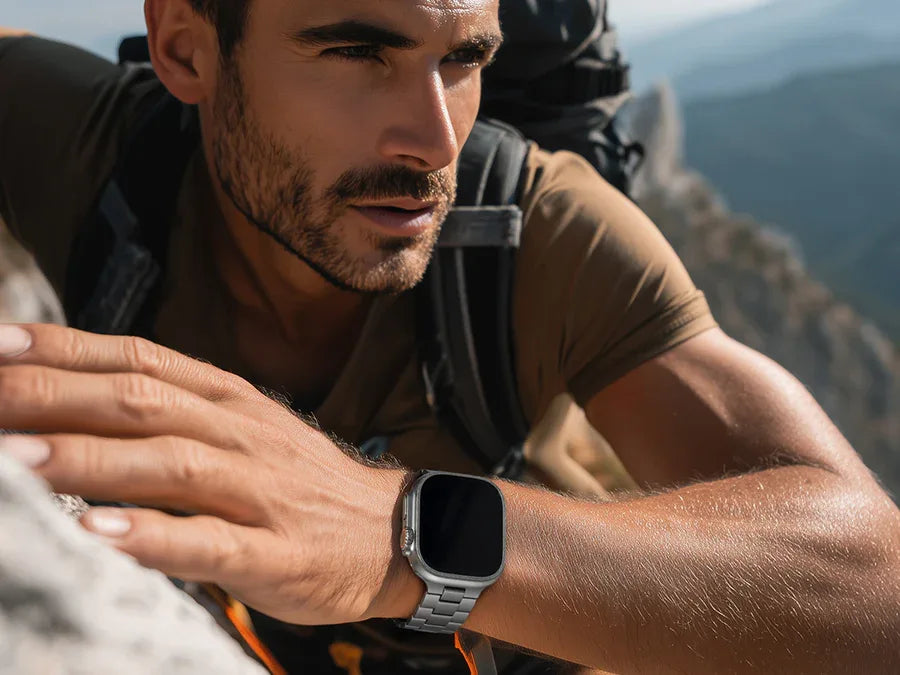

The Apple Watch has become one of the most popular smartwatches in the world. Since its introduction in 2015, it has evolved from a simple smartphone companion into a powerful device for health monitoring, fitness tracking, communication, and productivity.
While many reviews focus on first impressions, the real value of the Apple Watch becomes clearer after long-term use. Over months or even years, users begin to notice how it integrates into daily life, influences health habits, and changes the way they interact with their phone.
In this comprehensive guide, we’ll explore the real pros and cons of the Apple Watch after long-term use, including health tracking, convenience, durability, customization, and the common limitations experienced by long-time users.
The Biggest Advantages of Using an Apple Watch Long-Term
1. Health Tracking Becomes Part of Everyday Life
One of the most valuable aspects of the Apple Watch is its ability to continuously track health metrics. Over time, the watch becomes more than a gadget—it turns into a personal health companion.
Some of the most useful long-term health features include:
-
Continuous heart rate monitoring
-
Workout tracking for multiple sports
-
Sleep tracking
-
Step counting and calorie tracking
-
Blood oxygen monitoring (on supported models)
-
ECG functionality on advanced versions
Perhaps the most influential feature is Apple’s Activity Rings system, which encourages users to stay active throughout the day. Many long-term users report that the simple goal of closing their rings becomes a powerful daily motivation for movement and exercise.
After months or years of use, the historical health data collected by the Apple Watch can also provide valuable insights into fitness progress and overall wellness patterns.
2. Seamless Integration With the Apple Ecosystem
For iPhone users, the Apple Watch becomes incredibly convenient because it integrates deeply with Apple’s ecosystem.
Daily tasks become faster and more efficient, such as:
-
Viewing notifications instantly
-
Answering calls directly from the watch
-
Replying to messages quickly
-
Controlling music and podcasts
-
Unlocking a Mac automatically
-
Using Apple Pay for contactless payments
Over time, this convenience becomes one of the biggest reasons people continue using the device. Instead of constantly checking a phone, many small interactions can be handled directly from the wrist.
3. Long-Term Fitness Motivation
Another long-term benefit is how the Apple Watch motivates users to stay active. The device uses gamification techniques that make fitness feel rewarding rather than stressful.
Examples include:
-
Daily activity ring goals
-
Monthly fitness challenges
-
Achievement badges
-
Fitness competitions with friends
These features help build consistency over time. Many people who initially purchased the watch for convenience end up using it primarily as a fitness and lifestyle improvement tool.
4. Regular Software Updates Extend Its Lifespan
Unlike many wearable devices that quickly become outdated, Apple continues to support its watches with regular software updates.
These updates often introduce:
-
New watch faces
-
Expanded workout modes
-
Health feature improvements
-
Performance optimizations
Because of this ongoing support, many Apple Watch models remain useful for several years. This long-term software support significantly increases the device’s value.
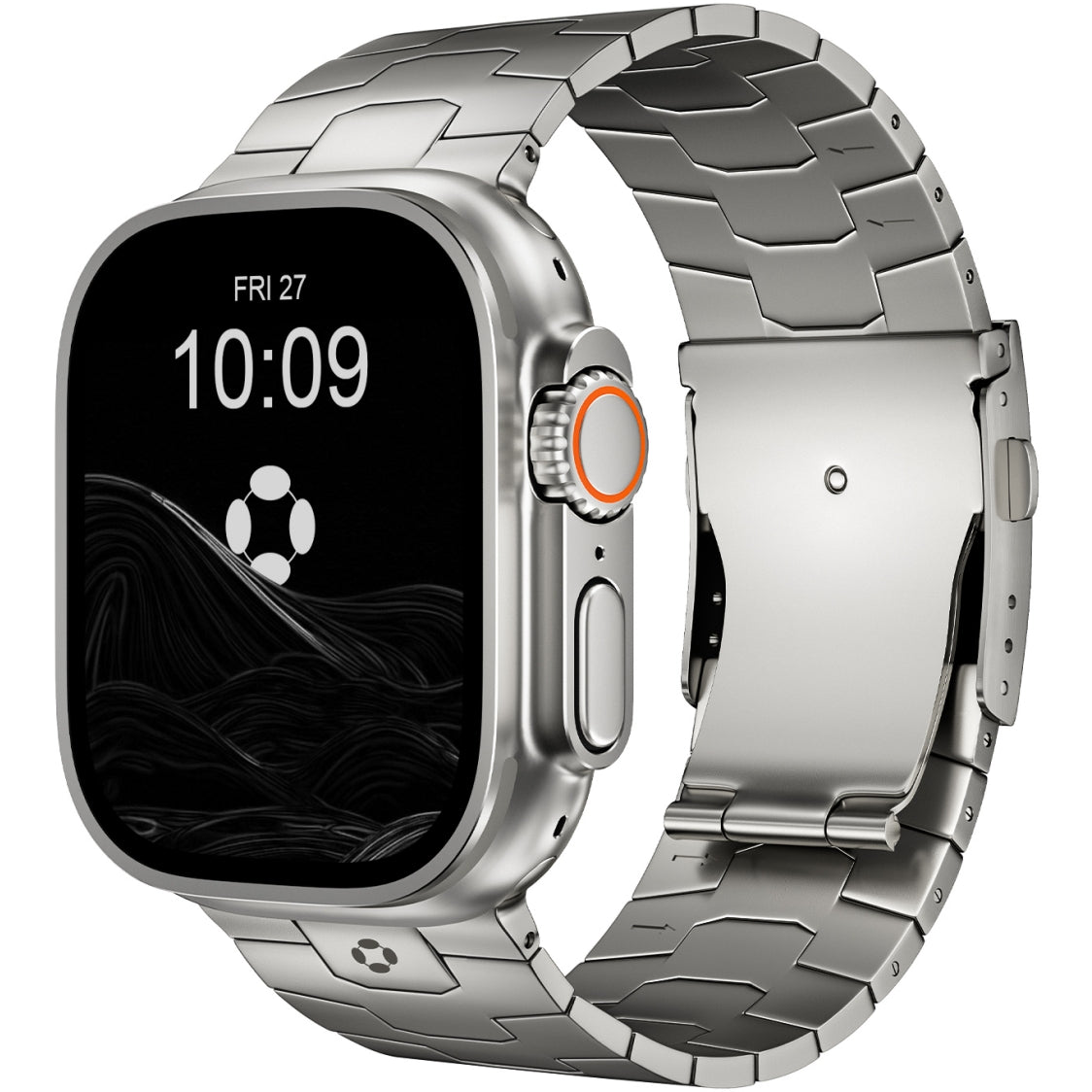
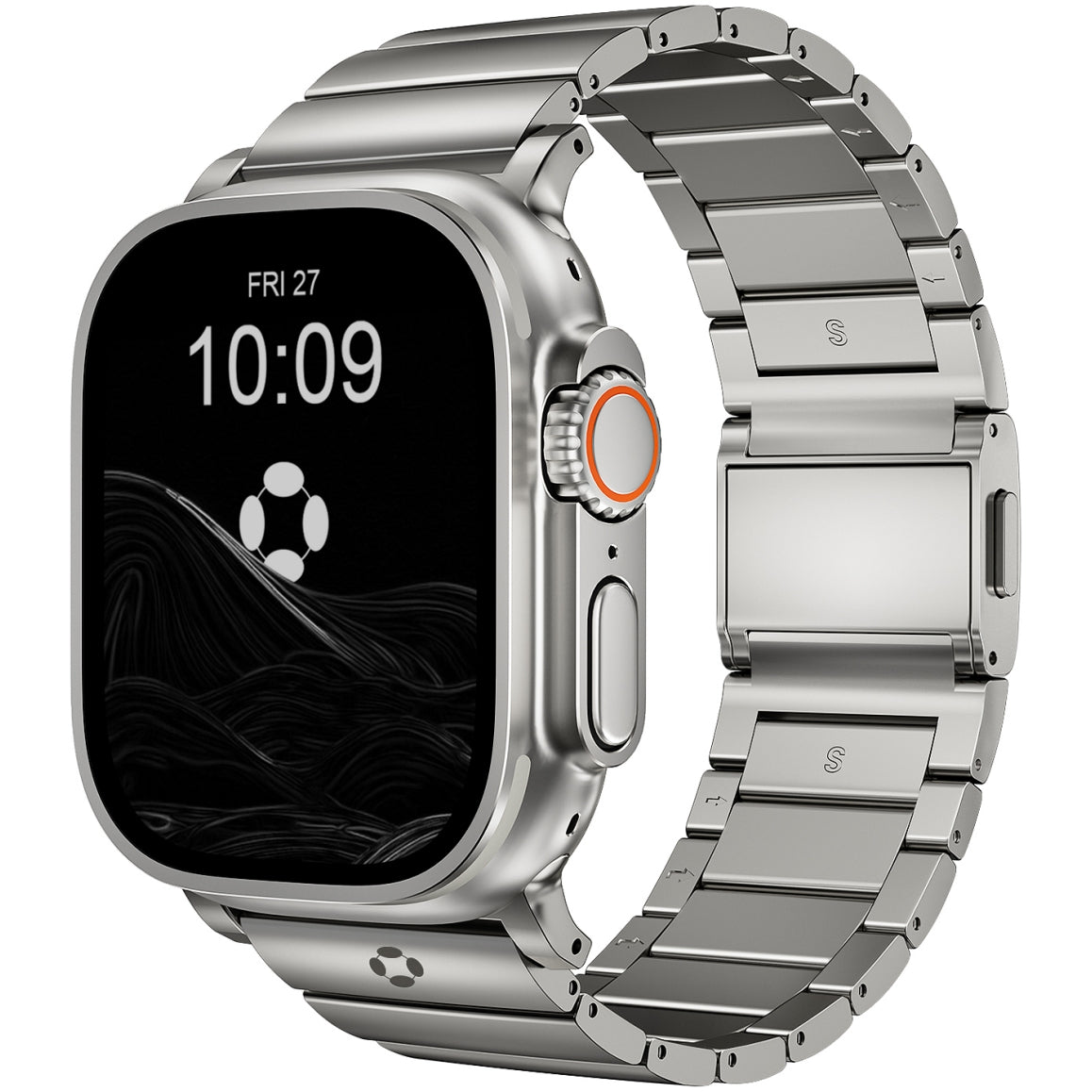
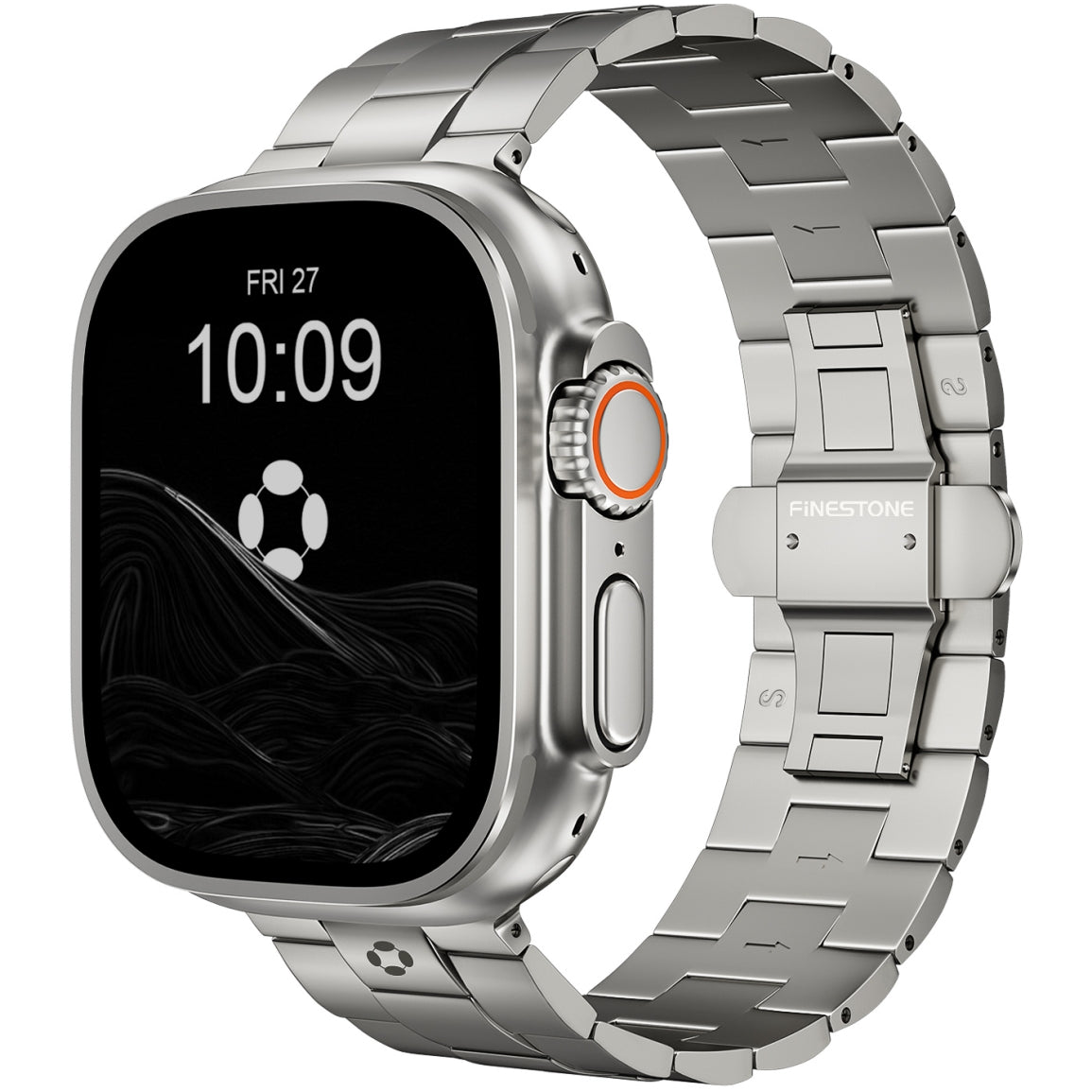
5. Customization Through Watch Bands
Another major advantage of the Apple Watch is how easily users can customize its appearance. Changing the watch band can dramatically alter the look and feel of the device.
Users often switch between different styles depending on the situation:
-
Sport bands for workouts
-
Leather bands for casual wear
-
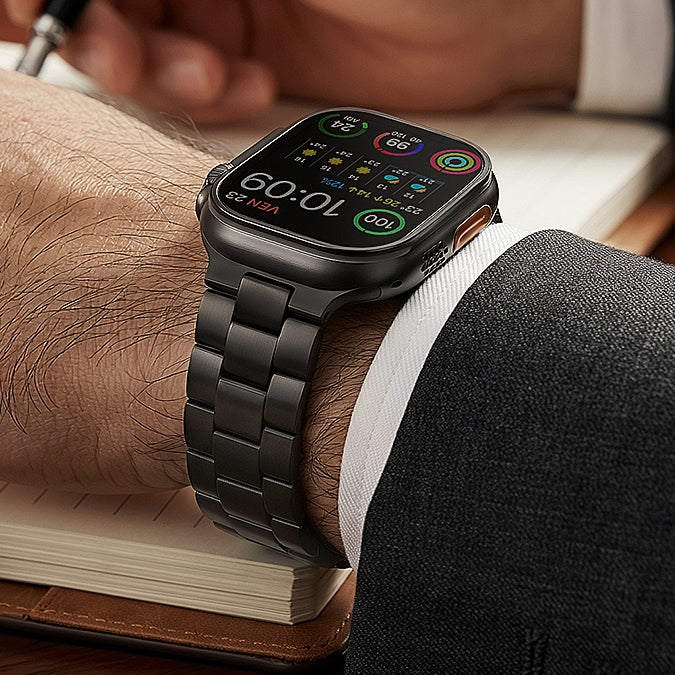
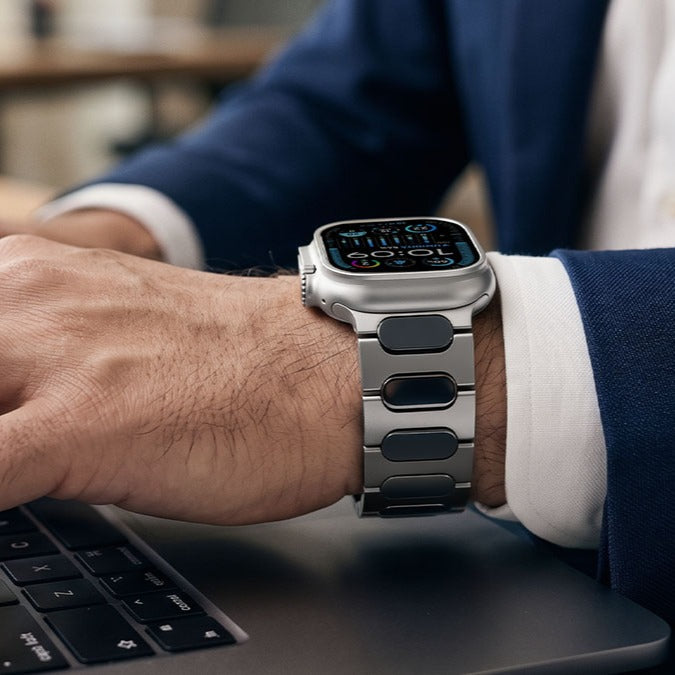
Metal bands for professional settings
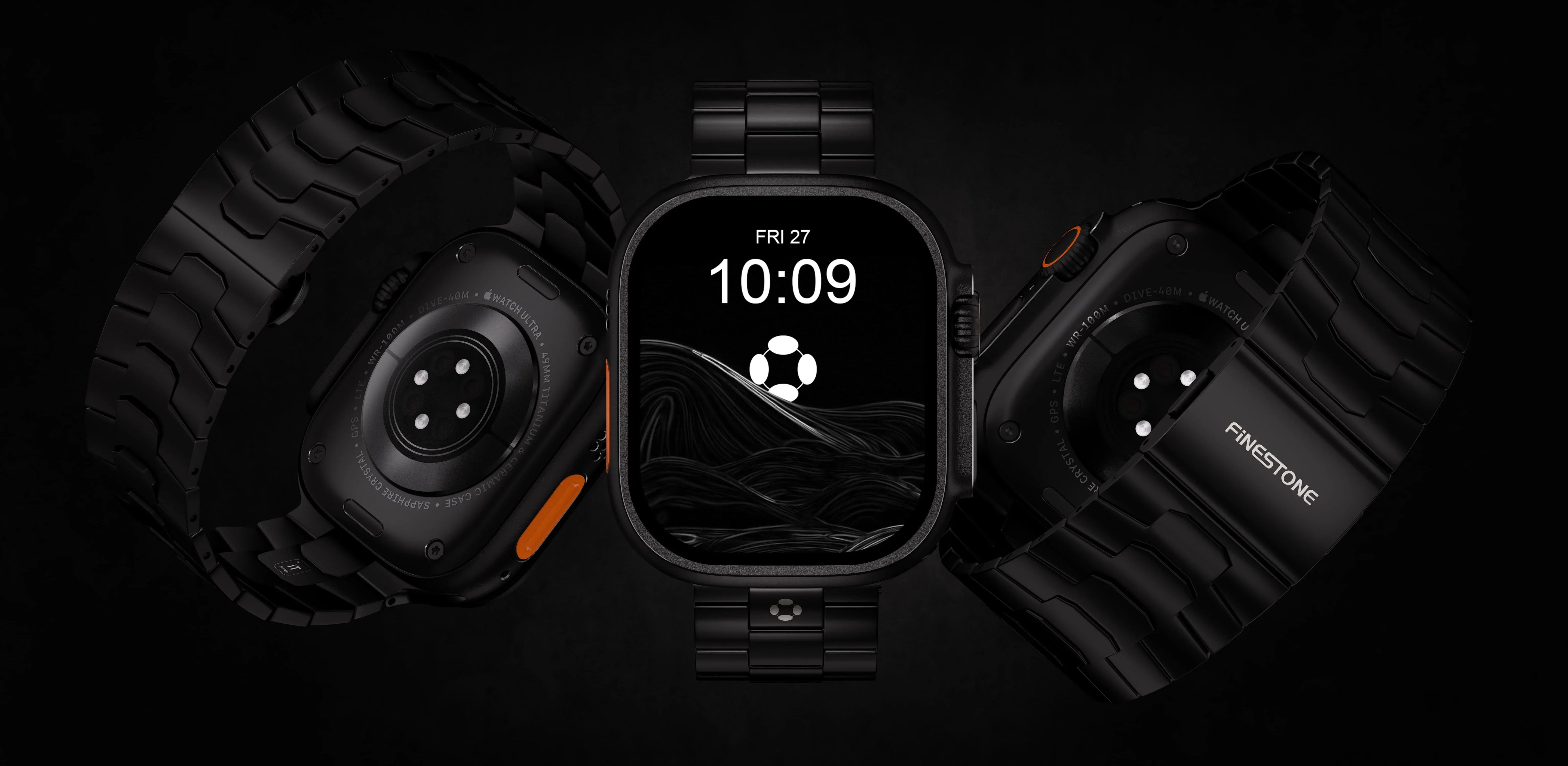
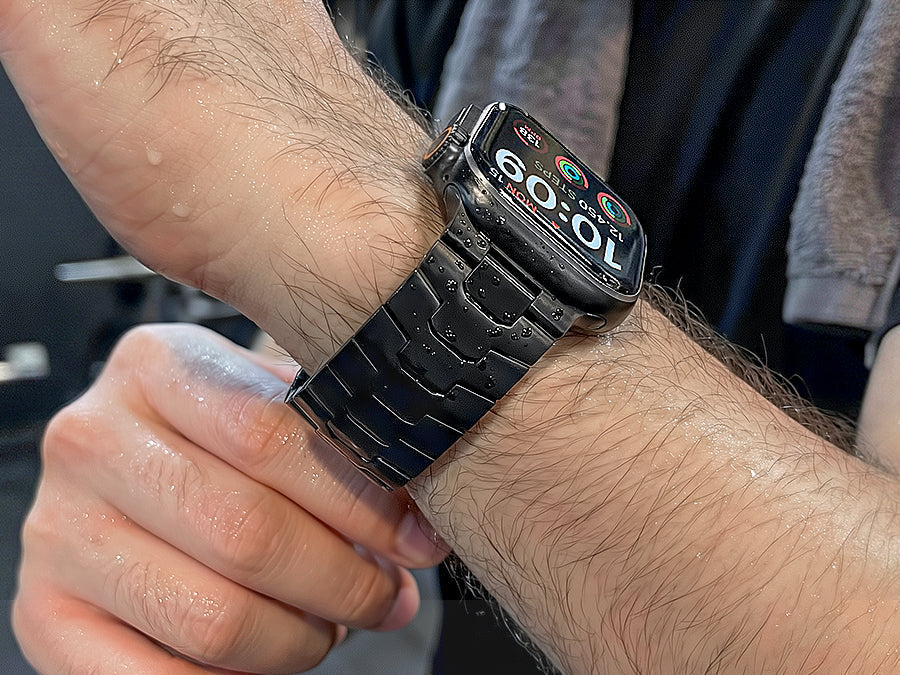
Over time, many users upgrade to more durable materials. For example, titanium bands offer a lightweight yet strong option that complements the Apple Watch’s modern design. Premium titanium bands—such as those produced by Finestone—are often preferred by long-term users because they combine durability, comfort, and a more refined appearance.
This level of customization allows the Apple Watch to adapt to different lifestyles and occasions, keeping it visually appealing even after years of use.
The Downsides of Using an Apple Watch Long-Term
Despite its many advantages, long-term use also reveals several limitations.
1. Daily Charging Is Still Required
Battery life remains one of the most common complaints among Apple Watch users.
Most models offer around:
-
18 to 36 hours of battery life depending on usage
This means the watch usually needs to be charged every day. While many users eventually build charging into their routine, it can still feel inconvenient compared to traditional watches that last months or even years on a single battery.
2. Notification Overload
When first using an Apple Watch, receiving notifications on the wrist feels incredibly convenient. However, over time it can become overwhelming.
Common issues include:
-
Too many app notifications
-
Frequent message alerts
-
Social media interruptions
Many long-term users eventually reduce their notification settings to avoid constant distractions.
3. The Upgrade Cycle
Apple releases new Apple Watch models almost every year, each with improved sensors, faster processors, and additional health features.
While older models remain functional, many users feel tempted to upgrade regularly. This can increase the overall cost of ownership over time.
4. Limited Third-Party App Experience
Although there are many apps available for the Apple Watch, most people eventually rely on only a few core functions.
Commonly used apps include:
-
Fitness tracking
-
Music control
-
Messaging
-
Navigation
Many third-party apps still feel like simplified versions of their smartphone counterparts, which limits their usefulness.
5. Comfort Depends on the Watch Band
The Apple Watch itself is lightweight, but long-term comfort often depends on the watch band.
Some bands may cause issues such as:
-
Skin irritation
-
Sweat buildup during workouts
-
Reduced breathability
Because of this, many users experiment with different materials over time until they find the most comfortable option.
Who Should Buy an Apple Watch?
The Apple Watch is best suited for people who:
-
Use an iPhone daily
-
Want advanced health and fitness tracking
-
Appreciate convenience and wearable technology
-
Like customizing their watch style
-
Want quick access to notifications and calls
However, it may not be ideal for people who:
-
Prefer traditional watches
-
Want multi-week battery life
-
Dislike constant notifications
-
Rarely use fitness tracking features
Final Verdict: Is the Apple Watch Worth It After Long-Term Use?
After extended use, the Apple Watch proves to be more than just a smartwatch. It becomes a device that supports healthier habits, improves daily convenience, and integrates seamlessly into modern digital life.
The main drawbacks—such as daily charging and notification management—are relatively minor for most users once they adjust their routines.
For iPhone users especially, the Apple Watch remains one of the most useful and versatile wearable devices available today, offering a powerful combination of health tracking, productivity, and customization.