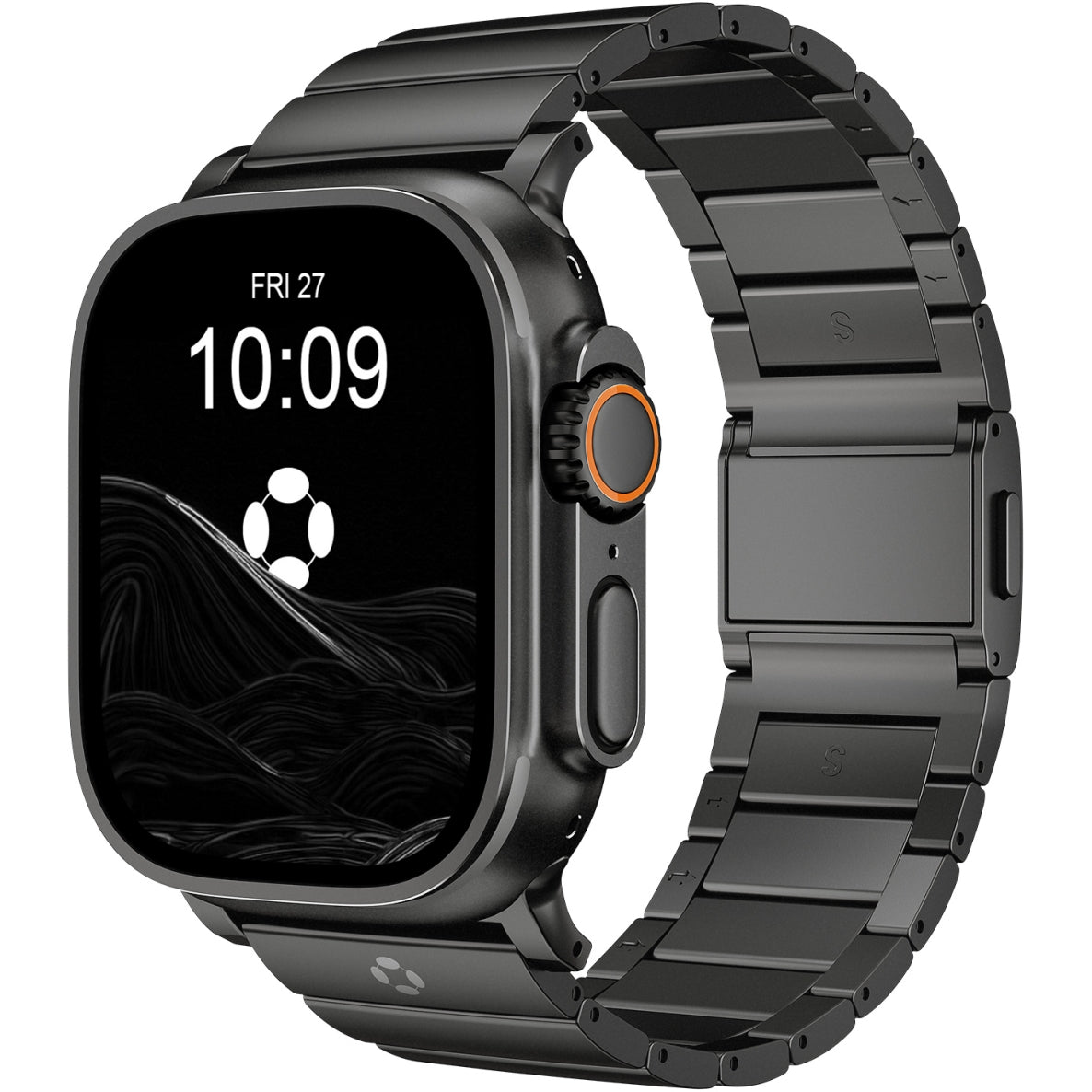

I've worn an Apple Watch every day for over three years. Through multiple models—SE, Series, and now Ultra—I've experienced the highs and lows of Apple's wearable platform.
After years of constant use, the honeymoon phase is long over. Here's my honest assessment of what the Apple Watch gets right, where it falls short, and whether it's worth your money.
The Pros: What Apple Gets Right
1. It Genuinely Reduces Phone Pickups
This is the biggest real-world benefit. When a notification buzzes your wrist, you glance and decide whether to act. Without the watch, that same buzz means pulling out your phone—which often leads to five minutes of scrolling. The reduction in "unnecessary phone time" is noticeable and valuable.
2. Health and Safety Features Deliver Peace of Mind
Fall detection works. I've seen it trigger accidentally during a hard workout, and the countdown before calling emergency services is clear and cancellable. The heart rate notifications have caught genuine irregularities for friends. You don't think about these features until you need them—and when you do, they're invaluable.
3. Activity Tracking Is Surprisingly Motivating
Closing rings sounds gimmicky until it becomes a habit. The monthly challenges, the stand reminders, the subtle pressure to hit daily goals—it works. I've walked more, sat less, and generally moved more than before owning the watch.
4. Seamless Ecosystem Integration
Unlocking your Mac by walking up to it, approving two-factor authentication with a double-click, finding your iPhone by pinging it from your wrist—these small moments add up. For iPhone users, no other smartwatch integrates this smoothly.
5. Silent Alarms Are a Game-Changer
Waking up to a haptic tap on your wrist is infinitely better than an audible alarm. Same for calendar reminders during meetings. You stay informed without disrupting those around you.
The Cons: Where It Falls Short
1. Battery Life Requires Daily Management
With the Series 11, you're charging every day. If you want sleep tracking, you need to find a charging window during the day. The Ultra solves this with 63-hour battery, but it comes with significant size trade-offs. After three years, I still think about battery more than I'd like.
2. You'll Use Fewer Features Than Expected
The marketing makes you think you'll use ECG, blood oxygen, noise monitoring, and mindfulness reminders daily. In reality, most users check these once and forget them. The core daily features are notifications, activity rings, and timers. Everything else is nice but rarely essential.
3. Size Trade-Offs Are Real
The Series 11 is comfortable but has mediocre battery. The Ultra has great battery but is heavy and bulky. There's no perfect middle ground. If you have smaller wrists, the Ultra genuinely feels like a brick after 12 hours. If you have larger wrists, the Series 11 feels fine but leaves you charging daily.
4. Screen Scratches on Aluminum Models
The Ion-X glass on aluminum models scratches more easily than you'd expect. My Series 8 accumulated fine scratches within months. Titanium and Ultra models use sapphire crystal, which resists scratches but costs significantly more.
5. It's Expensive to Maintain
Beyond the initial purchase, you'll likely buy additional bands, maybe AppleCare+, and eventually a replacement when battery health declines. Over three years, total cost of ownership is higher than the sticker price suggests.
What Surprised Me Most
The Bands Matter More Than I Expected
I didn't think about bands much before buying. After years of wear, I've learned the stock Sport Band traps sweat and can irritate skin during all-day wear. The Sport Loop breathes better but shows dirt and wears out.
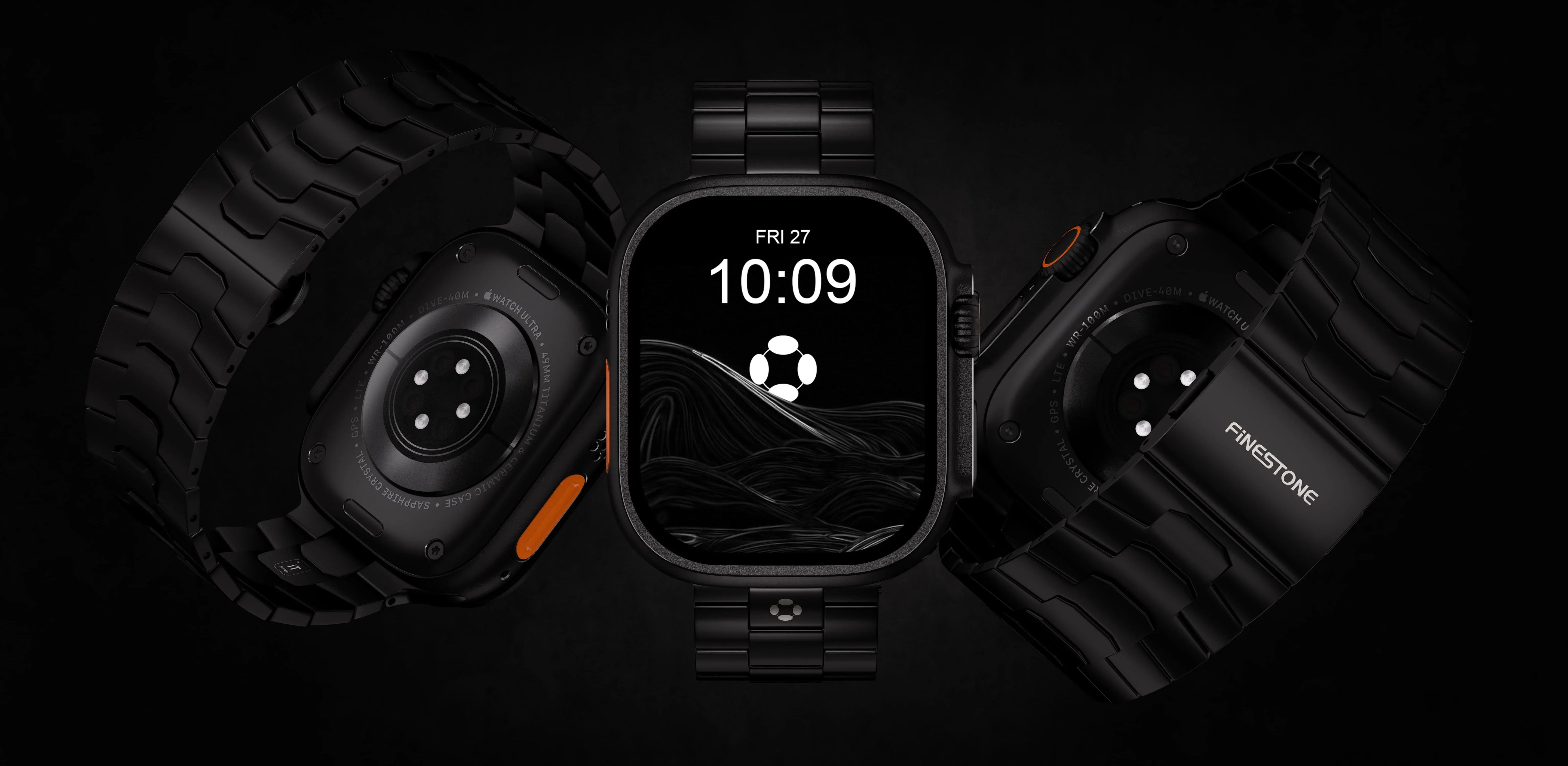
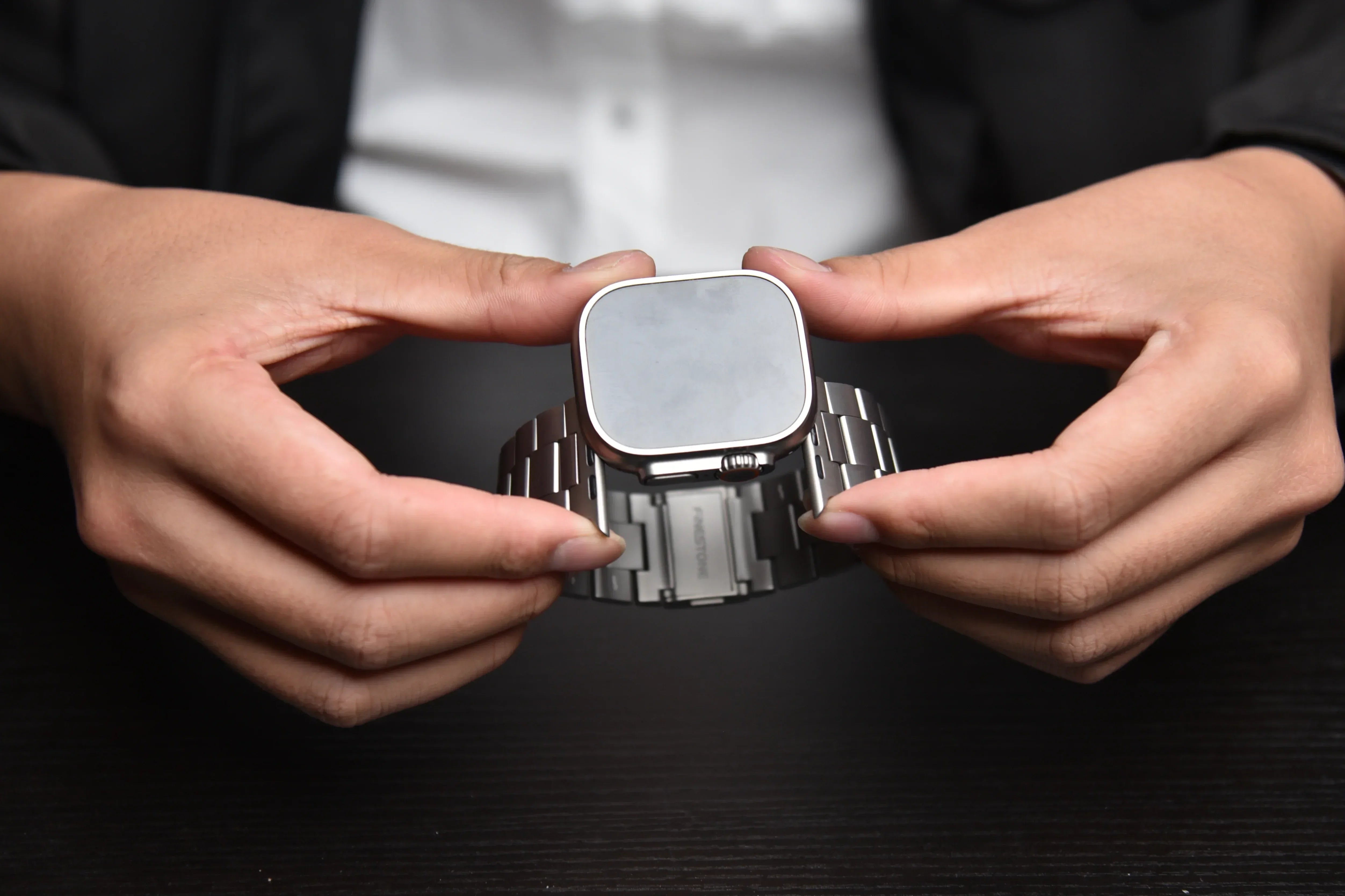
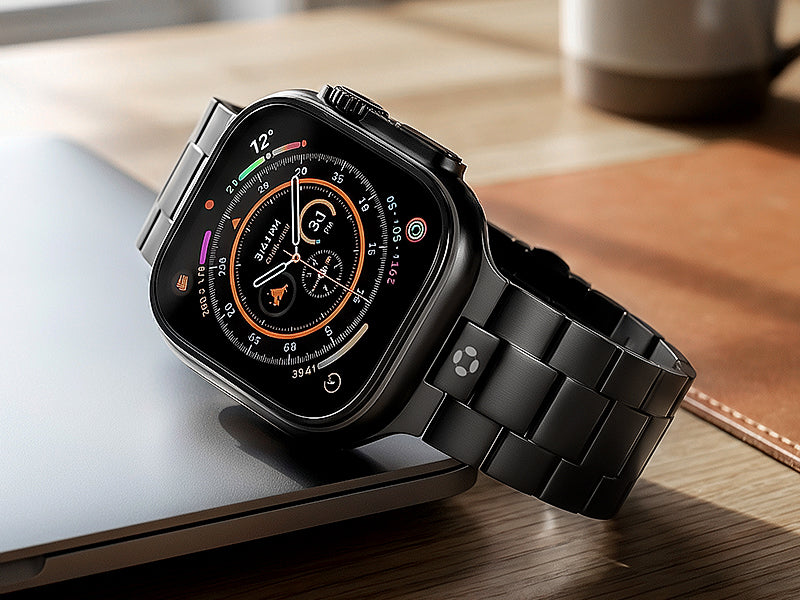
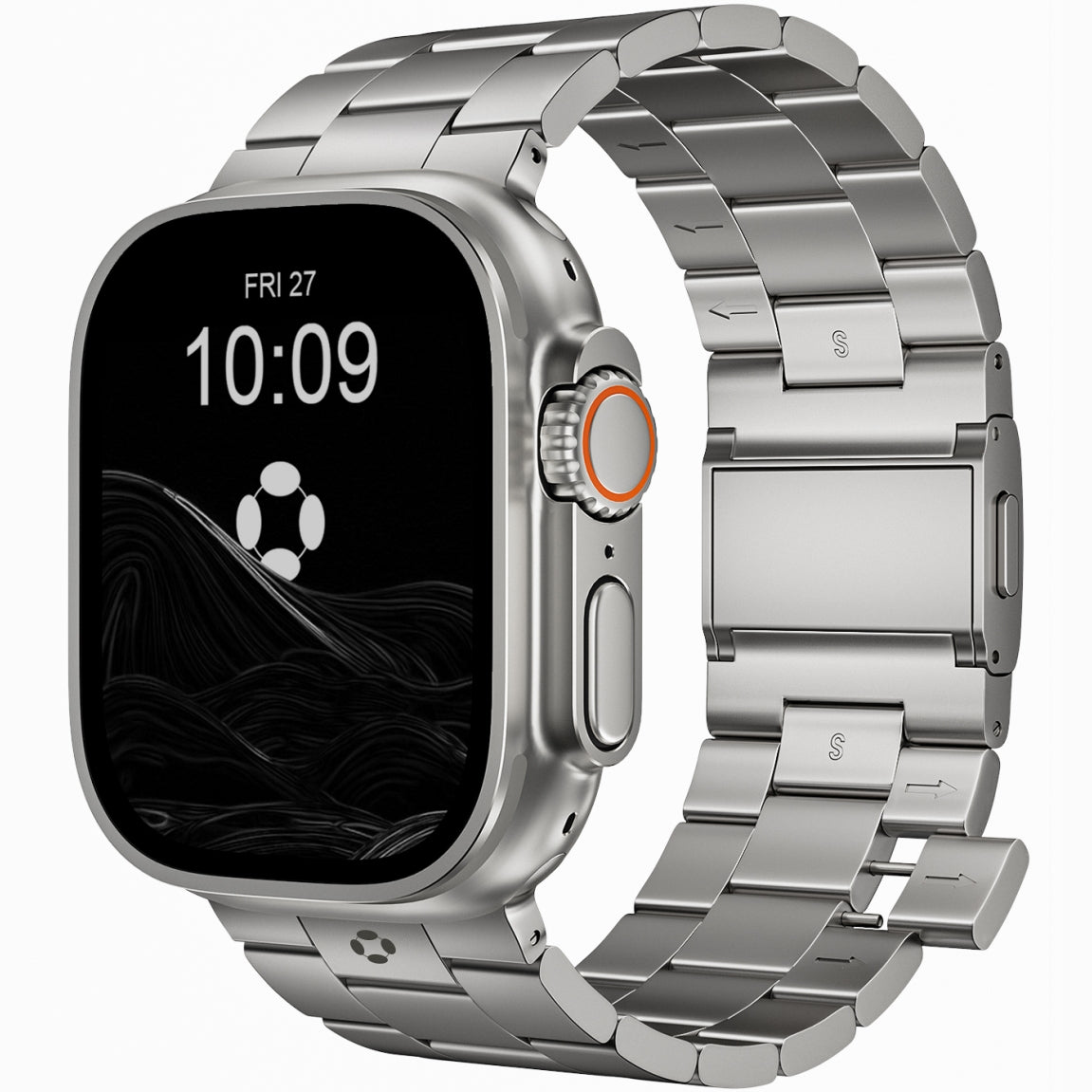
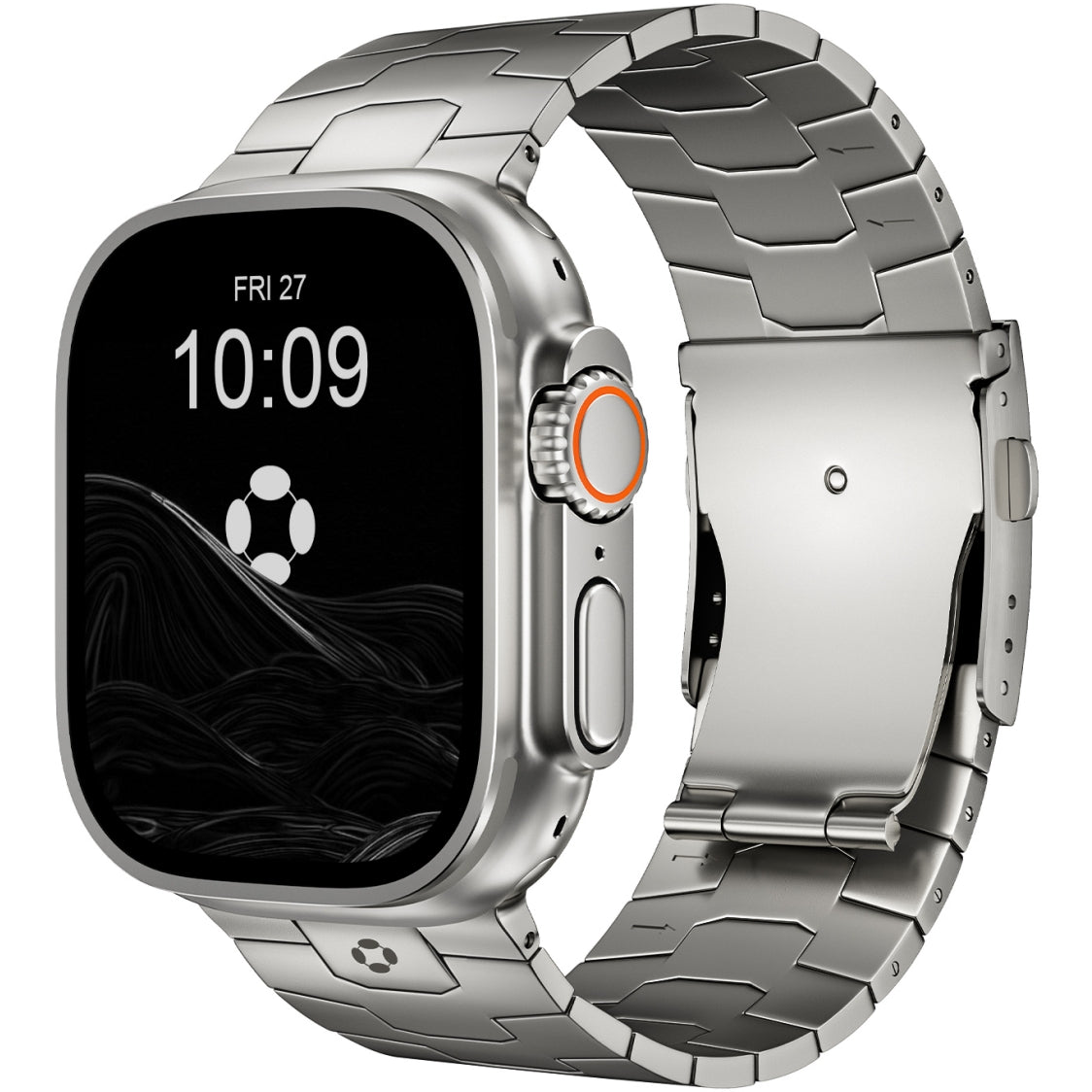
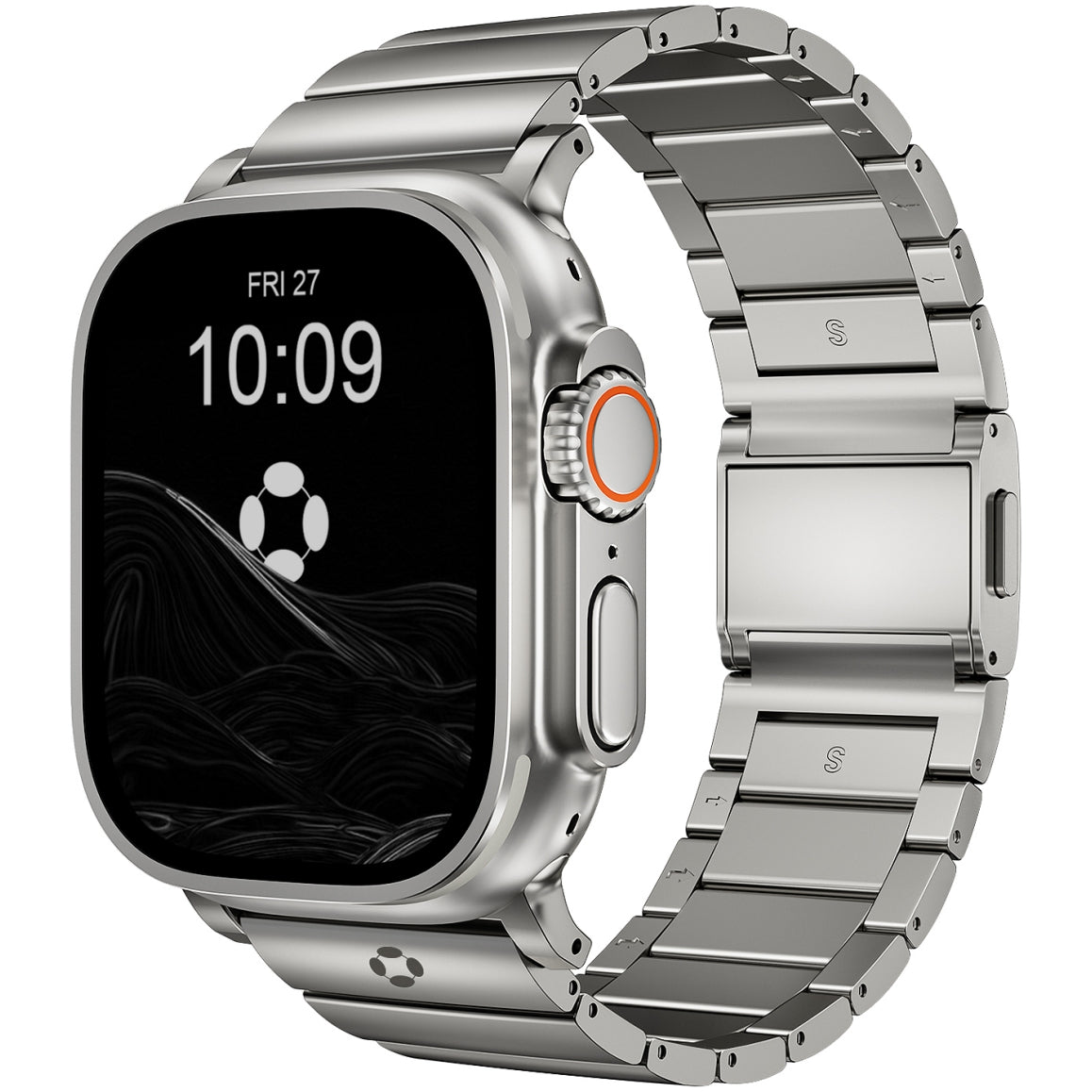
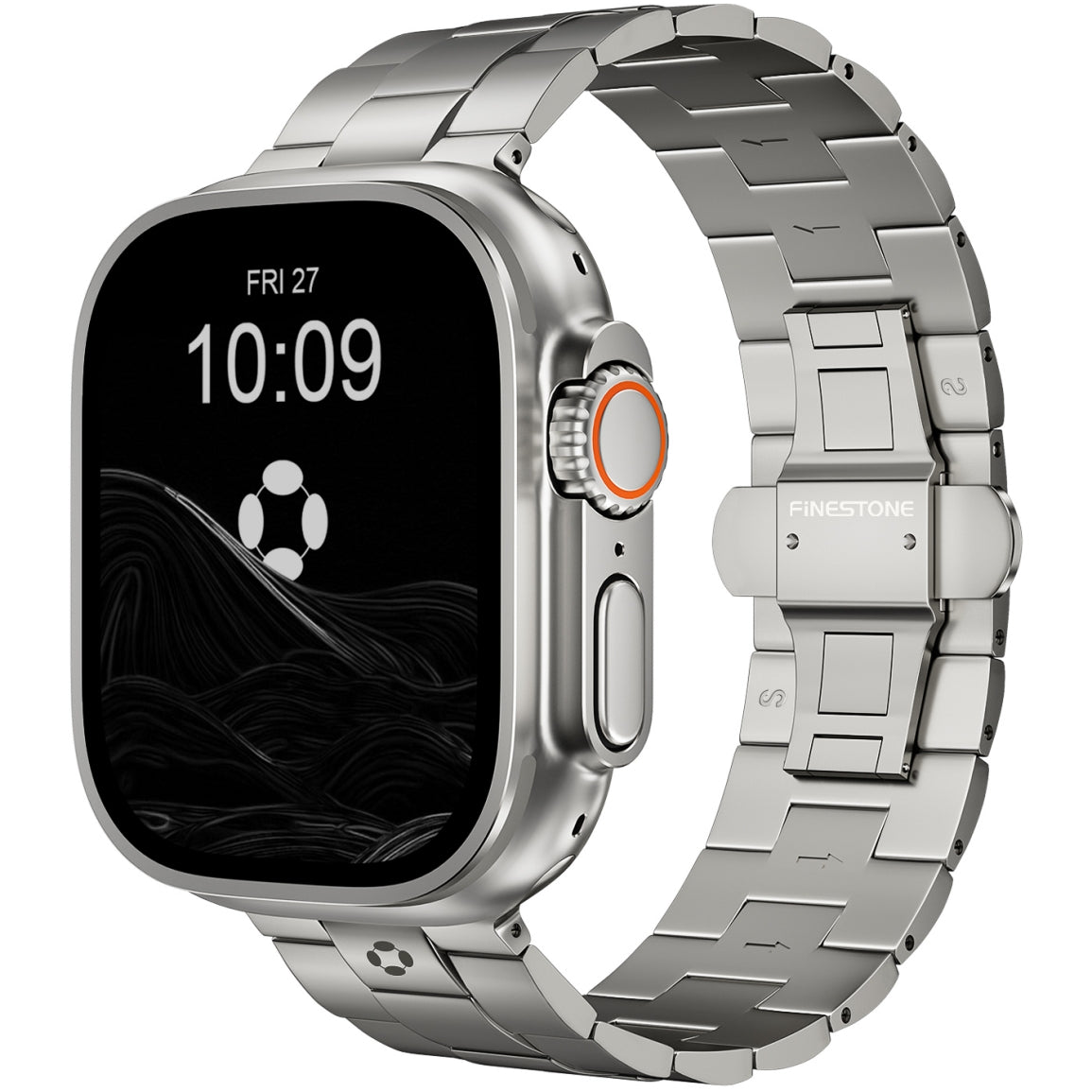
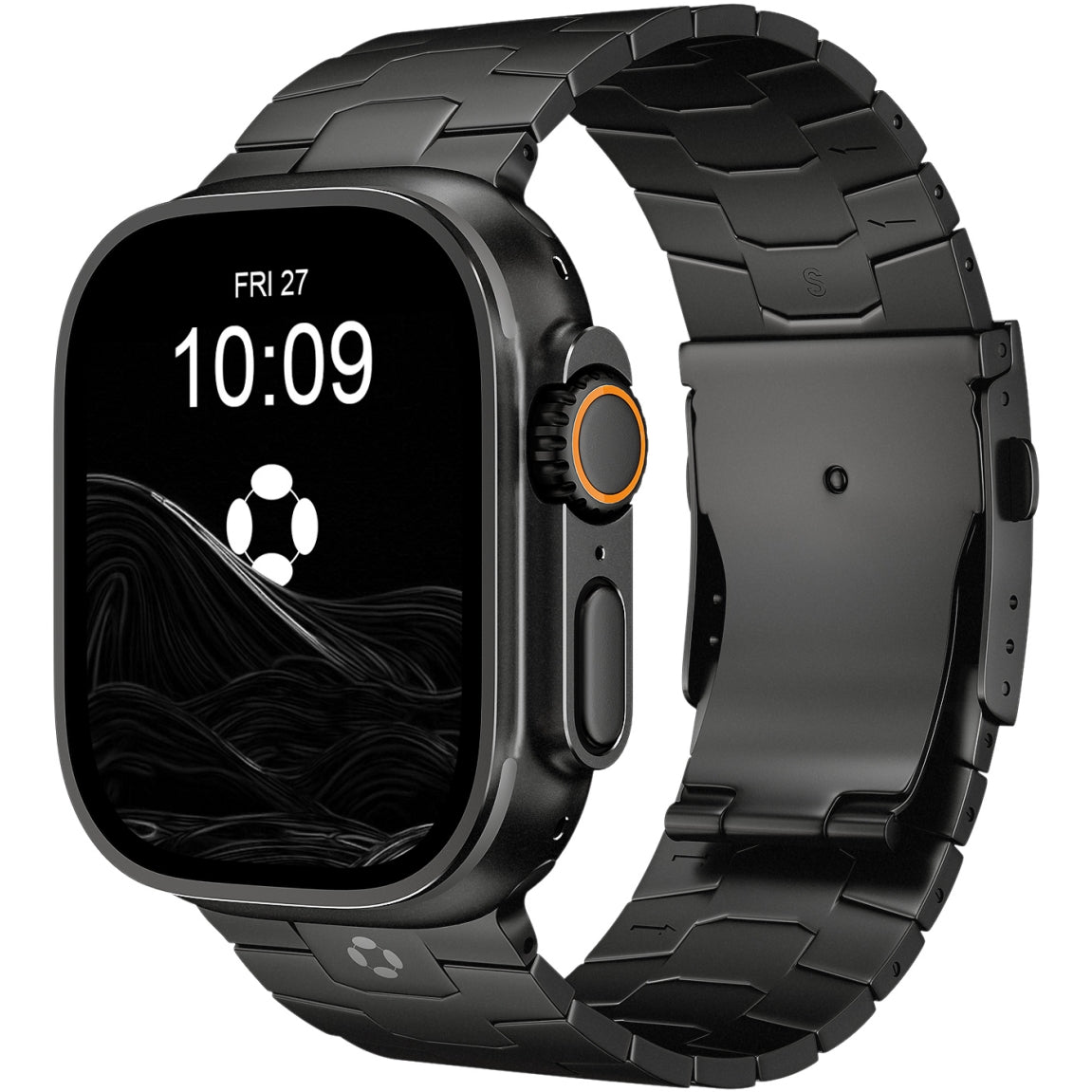
The upgrade that made the biggest difference was switching to a premium titanium band for daily wear. The FiNESTONE Titanium Band solved the comfort issues I'd been tolerating—lightweight enough for 16-hour days, secure enough for workouts, and polished enough for evenings out. It's one of those purchases you don't appreciate until you've worn a mediocre band for months.
Cellular Wasn't Worth It for Me
I paid extra for cellular and a monthly plan, thinking I'd leave my phone behind constantly. In three years, I've used standalone cellular maybe ten times. For most people, GPS-only is sufficient. Unless you're a runner who genuinely leaves the phone at home, save the money.
Sleep Tracking Is Harder Than Advertised
The Series 11 is comfortable enough for sleep tracking, but the charging logistics are awkward. You need to charge during the day, which means either a midday top-up or accepting that sleep tracking comes with battery management overhead. The Ultra solves this but introduces the bulk problem.
Who Should Buy
Buy if:
-
You want to reduce how often you pull out your phone
-
You value fall detection and emergency features
-
You're motivated by activity tracking and closing rings
-
You appreciate haptic notifications over audible alerts
-
You're already invested in the Apple ecosystem
Skip if:
-
You're on a tight budget (the SE starts at $249, but it's still a significant expense)
-
You hate charging devices daily
-
You have very small wrists (the Ultra won't fit comfortably; the Series 11 is fine)
-
You use an Android phone (it won't work)
Which Model to Choose
-
SE 3: Best value. Gets you 80% of the experience for half the price. No ECG or blood oxygen, but all safety features included.
-
Series 11: Best for most people. Comprehensive health sensors, comfortable profile, and all the daily features you'll actually use.
-
Ultra 3: Best for athletes and adventurers. Only buy if you genuinely need multi-day battery, satellite SOS, or extreme durability.
The Bottom Line
After years of daily wear, the Apple Watch remains the best smartwatch for iPhone users—but it's not perfect.
It subtly improves your day in ways you don't notice until you stop wearing it. You'll reach for your phone less, move a bit more, and feel a little more secure knowing fall detection is on your wrist. But you'll also manage battery daily, tolerate some bulk depending on your model, and likely spend more on bands and accessories than you planned.
Is it worth it? For most iPhone users, yes. Just go in with realistic expectations: buy the model that matches your actual needs, invest in a comfortable band like FiNESTONE if you wear it all day, and don't expect the advanced health features to change your life unless you have a specific condition.
The Apple Watch isn't magic. But it's the most useful piece of technology I wear every day—and after three years, that's saying something.