
Choosing a new watch band can feel overwhelming. With countless options from original manufacturer straps to aftermarket alternatives, it’s natural to wonder: Are aftermarket watch bands really as good as the original ones?
In this pillar-level guide, we’ll explore the real differences — including comfort, durability, design quality, price, and performance — so you can make an informed decision whether you’re upgrading an Apple Watch, a mechanical timepiece, or a luxury heirloom.
What “Original” vs “Aftermarket” Really Means
Original Watch Bands are made by the same brand that produced your watch — for example, Apple, Rolex, Omega, Seiko, etc. These bands are engineered to match the watch’s design language, materials, and performance standards.
Aftermarket Watch Bands are produced by third-party brands. Some focus on affordability, others on premium craftsmanship or unique styles not offered by the original maker.
Both categories have strengths and weaknesses — and both can be right for different kinds of wearers.
What Matters Most in a Watch Band
Before comparing original and aftermarket options, let’s define the key factors that determine quality:
-
Material quality (metal alloys, leather grade, textile durability)
-
Fit & compatibility with the watch lugs
-
Comfort & ergonomics
-
Durability under daily wear
-
Style & design coherence
-
Value for money
Material Quality: Match or Surpass?
One common belief is that original watch bands always use better materials.
✔ Original bands often use proprietary materials and coatings.
✔ Aftermarket bands vary widely — some are budget plastic imports, others rival or exceed the quality of originals.
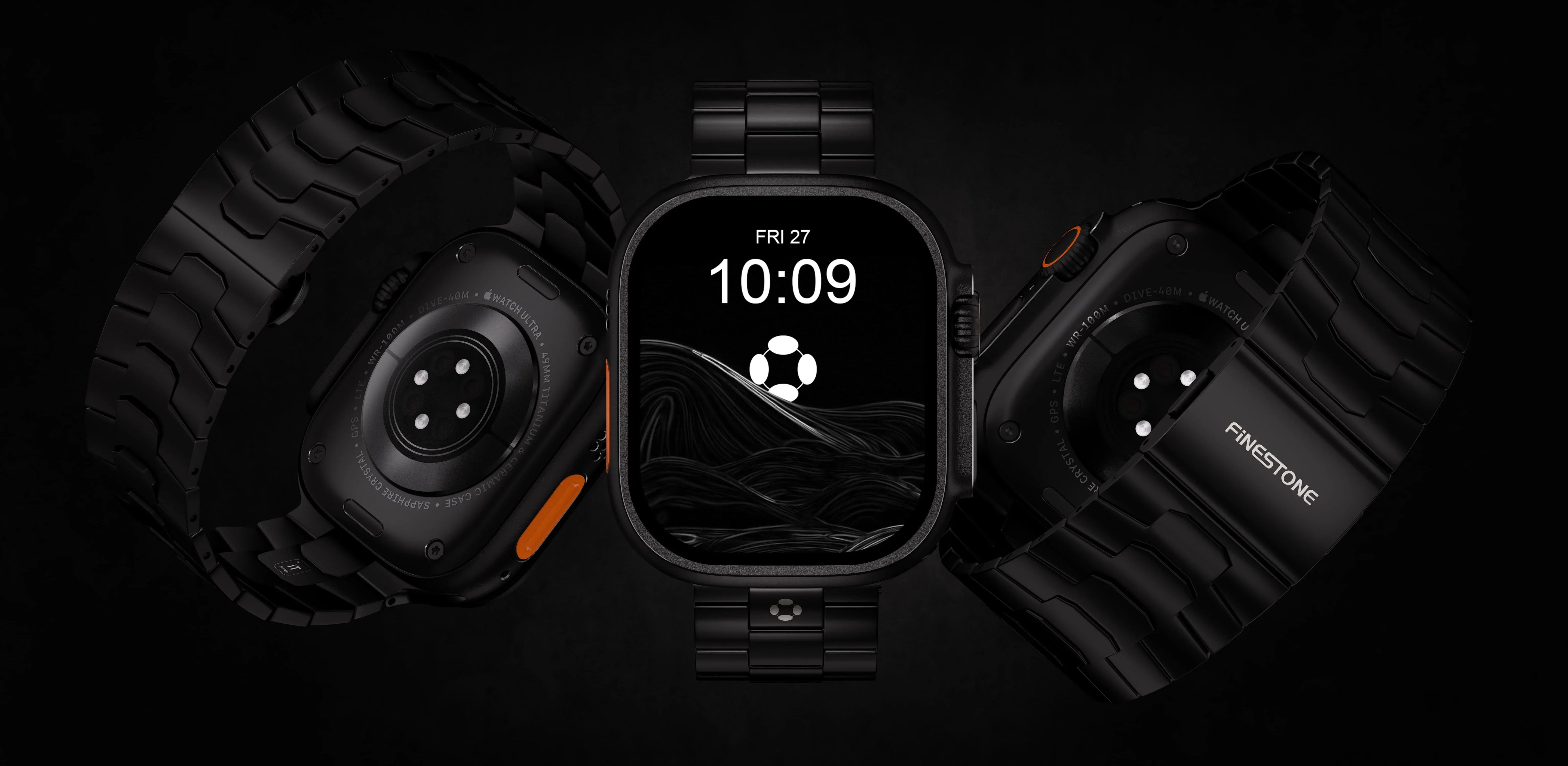
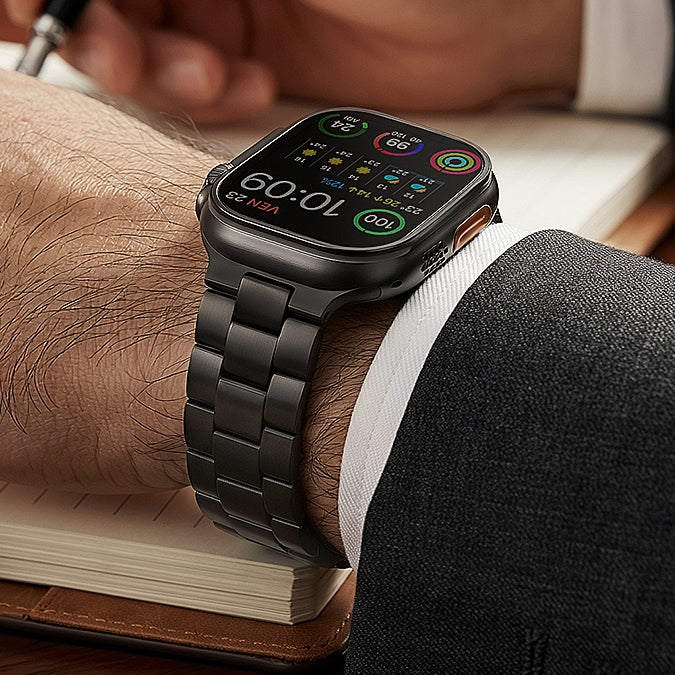
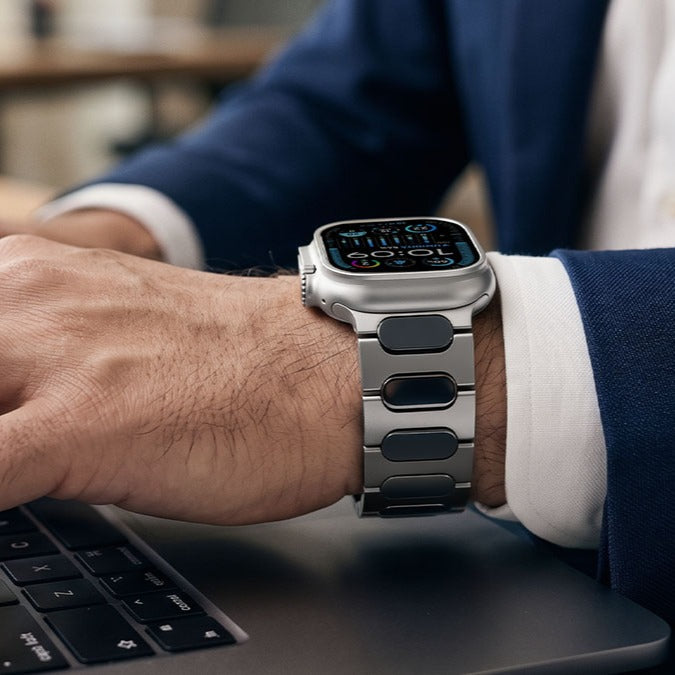
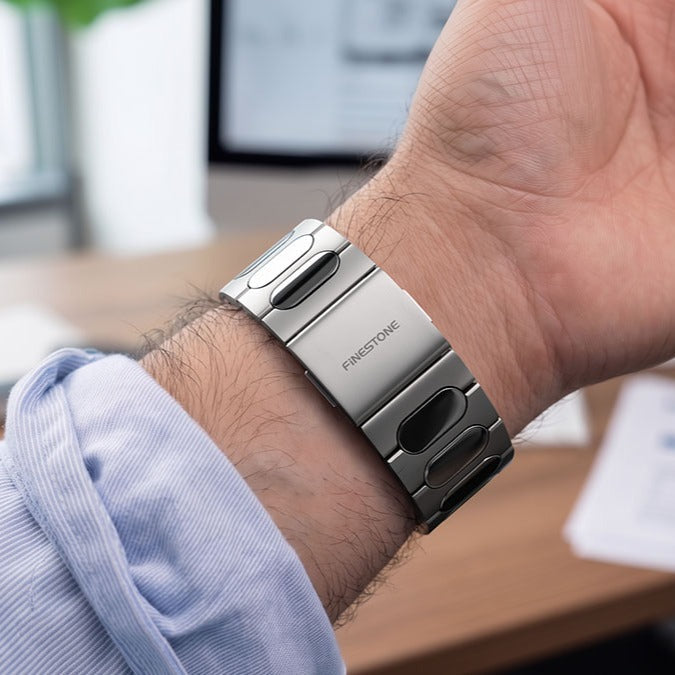
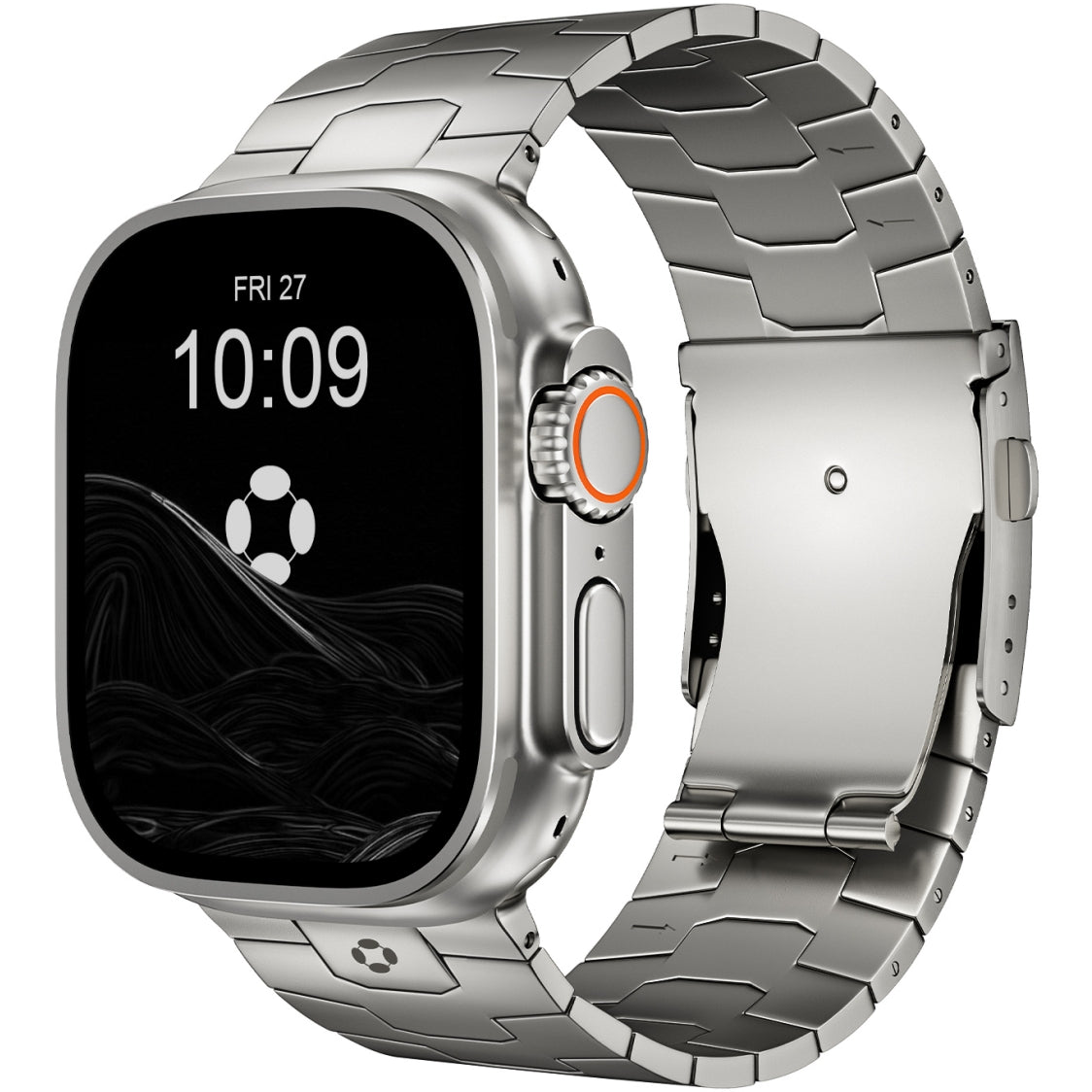
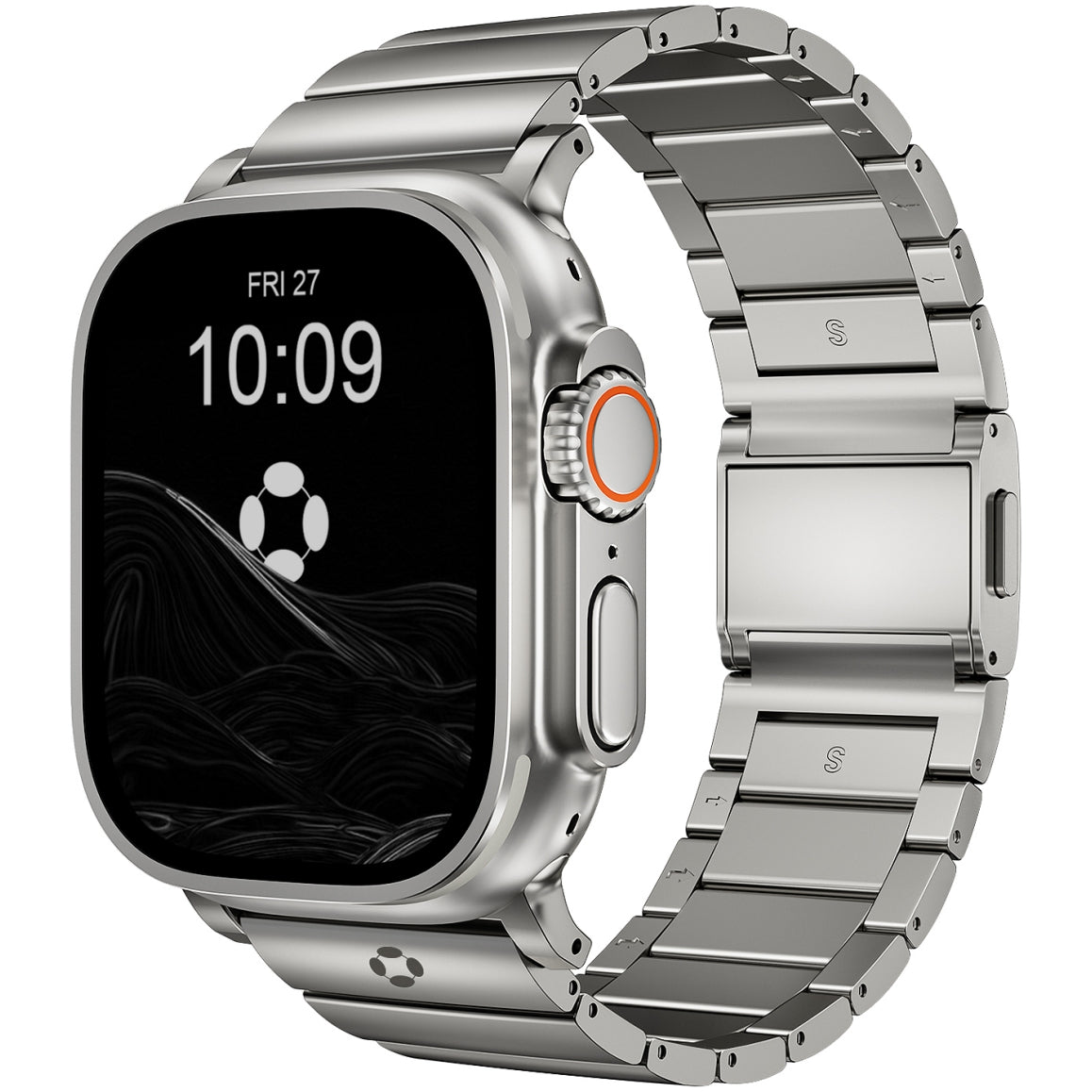
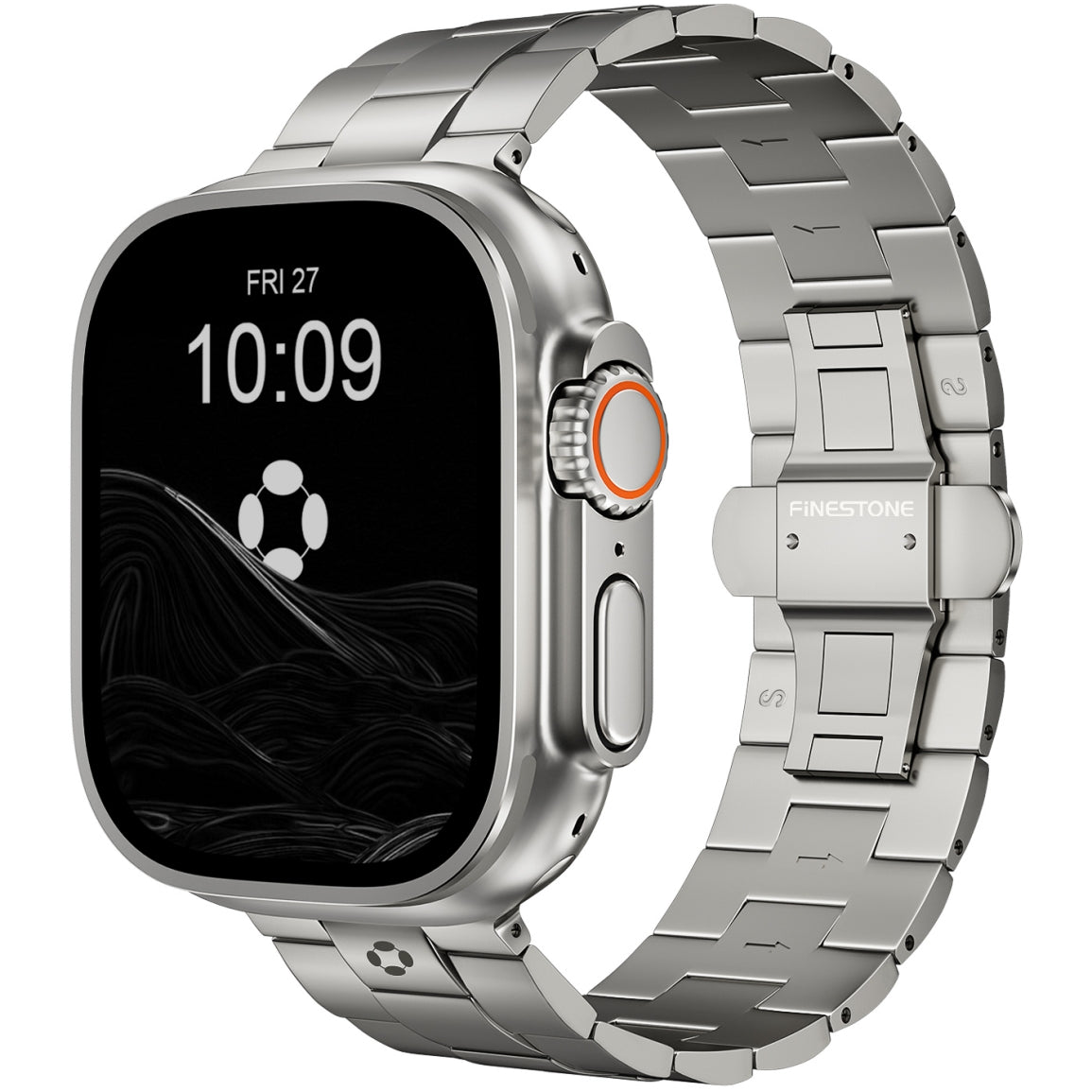
For example, many aftermarket brands now produce high-grade metal bands using premium titanium, which offers strength, corrosion resistance, and lightweight comfort. Brands like finestone create titanium Apple Watch bands that deliver both a refined finish and durability on par with many original stainless steel options.
📸 Here’s what premium aftermarket titanium looks like on the wrist:

That means an aftermarket band isn’t automatically inferior — quality varies by maker and price point.
Fit & Compatibility: Precision Matters
A watch band might look great, but if it doesn’t attach securely or align properly with the lugs, the experience suffers.
Original bands are made to exact specs for that watch model — so they snap on perfectly and look integrated.
Aftermarket bands can either:
-
Match the tolerances exactly
-
Be slightly off, causing gaps or tension
-
Require adapters for compatibility
High-end aftermarket bands often nail the fit, sometimes even offering enhanced ergonomics like curved end links or micro-adjust clasps that original bands lack.
Comfort & Wearability
Comfort depends on:
-
Weight distribution
-
Flexibility
-
Clasp design
-
Material texture
Original bands are usually well-engineered for general use, but they’re designed for broad appeal.
Aftermarket options can specialize — for example:
-
Extra-soft silicone for sport use
-
Woven nylon that breathes better in hot weather
-
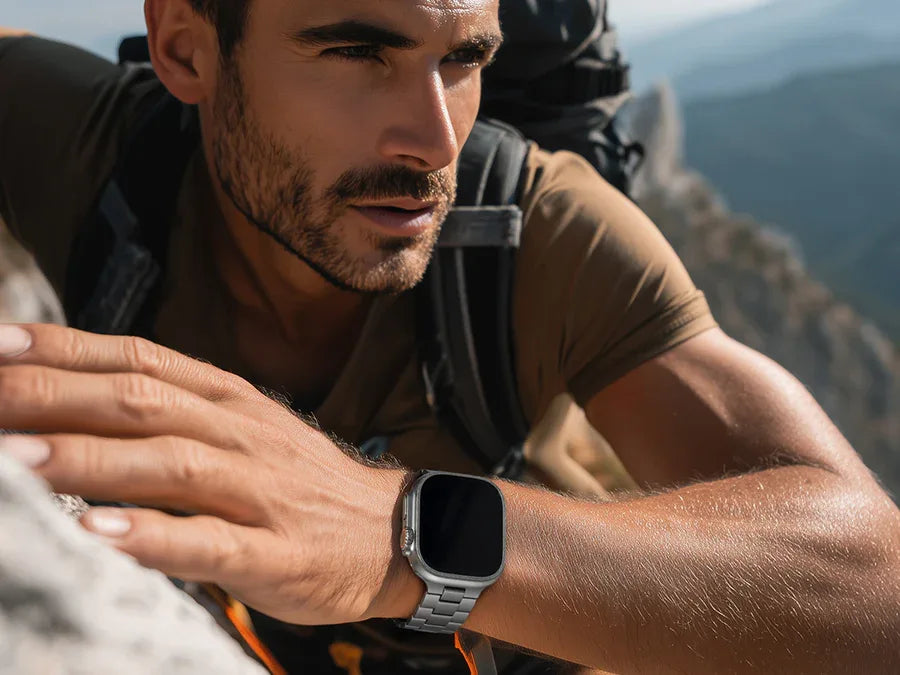
Lightweight titanium that reduces wrist fatigue
Whether original or aftermarket, the best strap is one that feels right on your wrist.
Durability and Everyday Wear
Original bands often have reputations for lasting well — but aftermarket options can hold their own.
Leather: Original luxury leather straps may be made from top-grade hides, but there are aftermarket vegetable-tanned leather bands that develop richer patina over time and withstand wear just as well.
Metal: Steel and titanium aftermarket bands from reputable manufacturers can match or exceed factory finishes.
Textiles & Rubbers: Aftermarket woven nylon and silicone bands often outperform originals when it comes to flexibility and ease of washing.
Quick durability snapshot:
| Type | Original Band | Aftermarket Band |
|---|---|---|
| Stainless Steel | ✅ | ✅ (varies by brand) |
| Titanium | Limited | ✅ (many premium options) |
| Leather | Premium quality | ✅ (full-grain & veg-tan options) |
| Silicone / Rubber | Good | Often excellent |
| Nylon / Fabric | Good | Very breathable & easy care |
Style & Design: Matching Your Taste
Original watch bands are crafted to fit the brand’s design identity — Apple’s sporty loop, Rolex’s Oyster bracelet, etc. That’s ideal if you want a cohesive look.
Aftermarket bands offer:
-
Unique patterns and colors
-
Vintage-inspired leather
-
Sport and adventure-ready styles
-
Luxurious metal designs not in stock catalogs
If you like personalization and variety, aftermarket vendors unlock far more options.
Price & Value: Bang for Your Buck
One major advantage of aftermarket bands is cost flexibility.
Original bands are often priced at a premium due to branding and exclusive tooling.
Aftermarket bands can be:
-
Budget-friendly
-
Mid-range with premium materials
-
High-end with luxury leather or precise machining
You can often get equal or better materials at a lower price point — especially if you choose reputable aftermarket brands.
When to Choose Original vs Aftermarket
Choose Original If:
✅ You want perfect brand integration
✅ You value resale appeal
✅ You want official warranty coverage
✅ You trust the original materials
Choose Aftermarket If:
✅ You want more style variety
✅ You want premium materials for less
✅ You need specialized performance (sport, travel, comfort)
✅ You care more about function than brand name