
A Real-World Durability Guide for Everyday Wear
Titanium watch bands are often marketed as “scratch resistant,” but what does that actually mean in daily use? If you wear your watch to work, travel, the gym, or even while sleeping, scratches are inevitable—but how well does titanium really hold up compared to other materials?
This guide breaks down the truth about titanium scratch resistance, what affects it, and what you should realistically expect over months and years of wear.
What “Scratch Resistant” Really Means (And What It Doesn’t)
First, it’s important to clear up a common misconception:
Scratch resistant does NOT mean scratch proof.
No watch band material is immune to scratches—not steel, not ceramic, not titanium. Scratch resistance simply means:
-
Scratches happen less easily
-
Marks are often shallower
-
Wear tends to look more natural over time
Titanium falls into this category—but with some important nuances.
How Scratch Resistant Is Titanium Compared to Other Materials?
Titanium vs Stainless Steel
-
Titanium: Softer on the surface but more resilient overall
-
Stainless steel: Harder surface, but scratches are often more visible
Titanium scratches tend to blend into the finish, while stainless steel scratches stand out sharply due to its reflective surface.
Titanium vs Aluminum
-
Titanium is significantly more scratch resistant
-
Aluminum dents and scuffs easily
Titanium vs Ceramic
-
Ceramic is more scratch resistant
-
But ceramic can crack or shatter
-
Titanium bends slightly under impact instead of breaking
For everyday use, titanium offers one of the best durability-to-comfort ratios.
Why Titanium Scratches Differently
Titanium behaves differently from steel due to its oxide layer.
-
When scratched, titanium forms a new oxide layer
-
This helps reduce corrosion
-
Minor scratches often become less noticeable over time
That’s why many titanium bands develop a uniform, worn-in patina instead of looking damaged.
Matte vs Polished Titanium: Which Scratches Less?
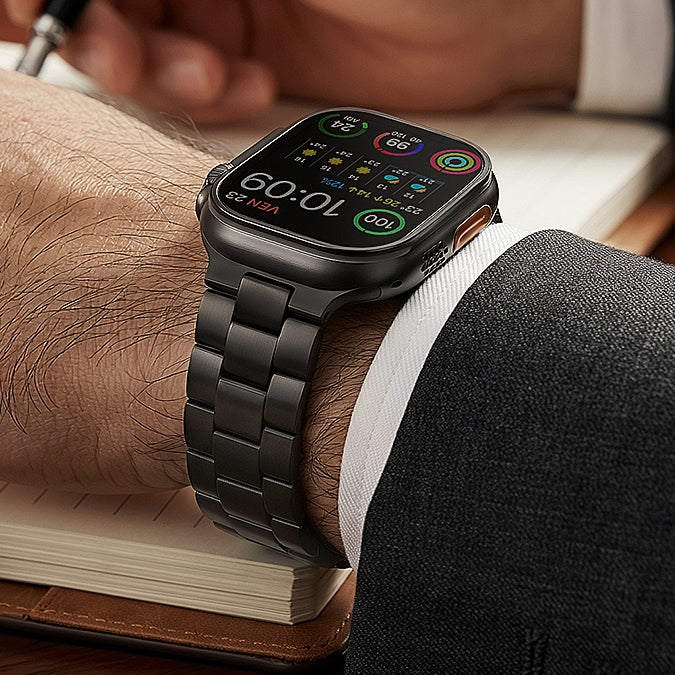
Matte / Brushed Titanium
-
Best at hiding scratches
-
Small marks blend into the texture
-
Ideal for daily wear
Polished Titanium
-
More visually striking
-
Shows scratches more easily
-
Requires more frequent cleaning
If scratch resistance is a priority, brushed or matte titanium is the better choice.
What Causes Scratches in Daily Life?
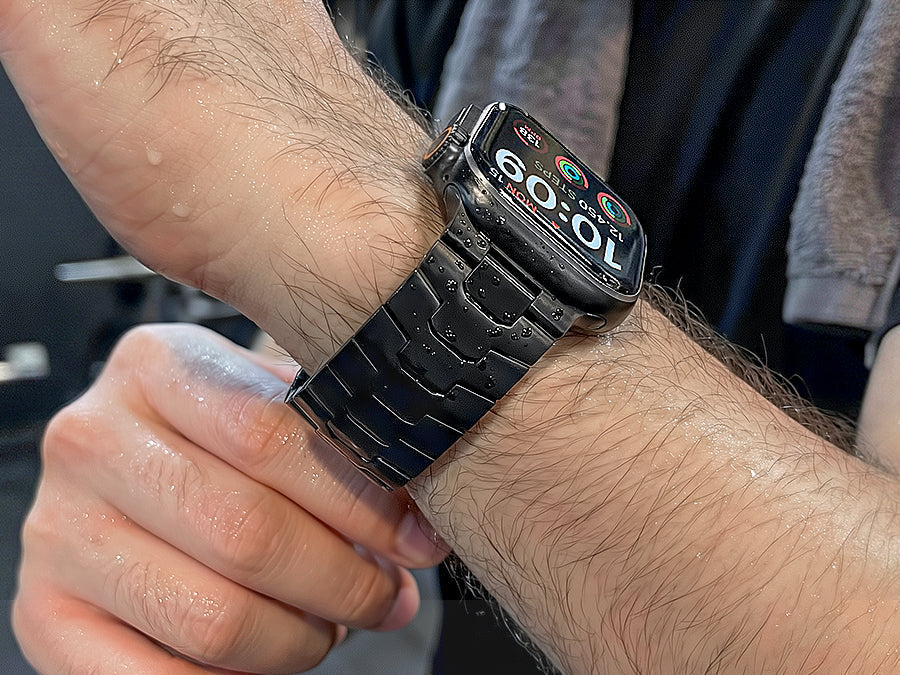
Even the most careful users encounter scratches from:
-
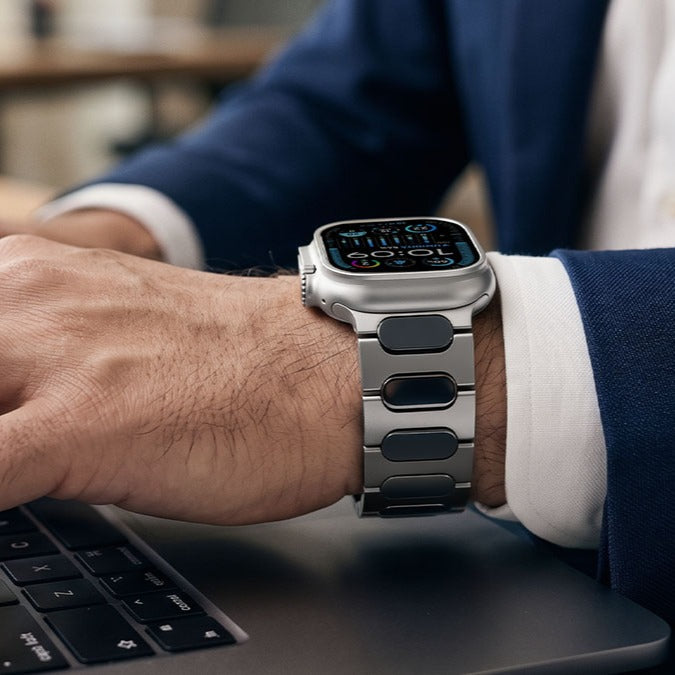
Laptop edges
-
Desk surfaces
-
Door frames
-
Gym equipment
-
Metal zippers and buckles
Titanium won’t prevent these entirely—but it reduces their severity.
Does Coating Improve Scratch Resistance?
Some titanium watch bands use additional coatings like:
-
DLC (Diamond-Like Carbon)
-
PVD coatings
Pros:
-
Improved surface hardness
-
Better scratch resistance
Cons:
-
Coating can wear unevenly
-
Deep scratches may reveal base metal
High-quality uncoated titanium often ages more gracefully than poorly applied coatings.
Long-Term Wear: What Titanium Looks Like After Years
After long-term use, genuine titanium bands usually show:
-
Light surface marks
-
No rust or corrosion
-
No flaking or peeling
-
Consistent color
Many users prefer this “used” look—it signals durability, not damage.
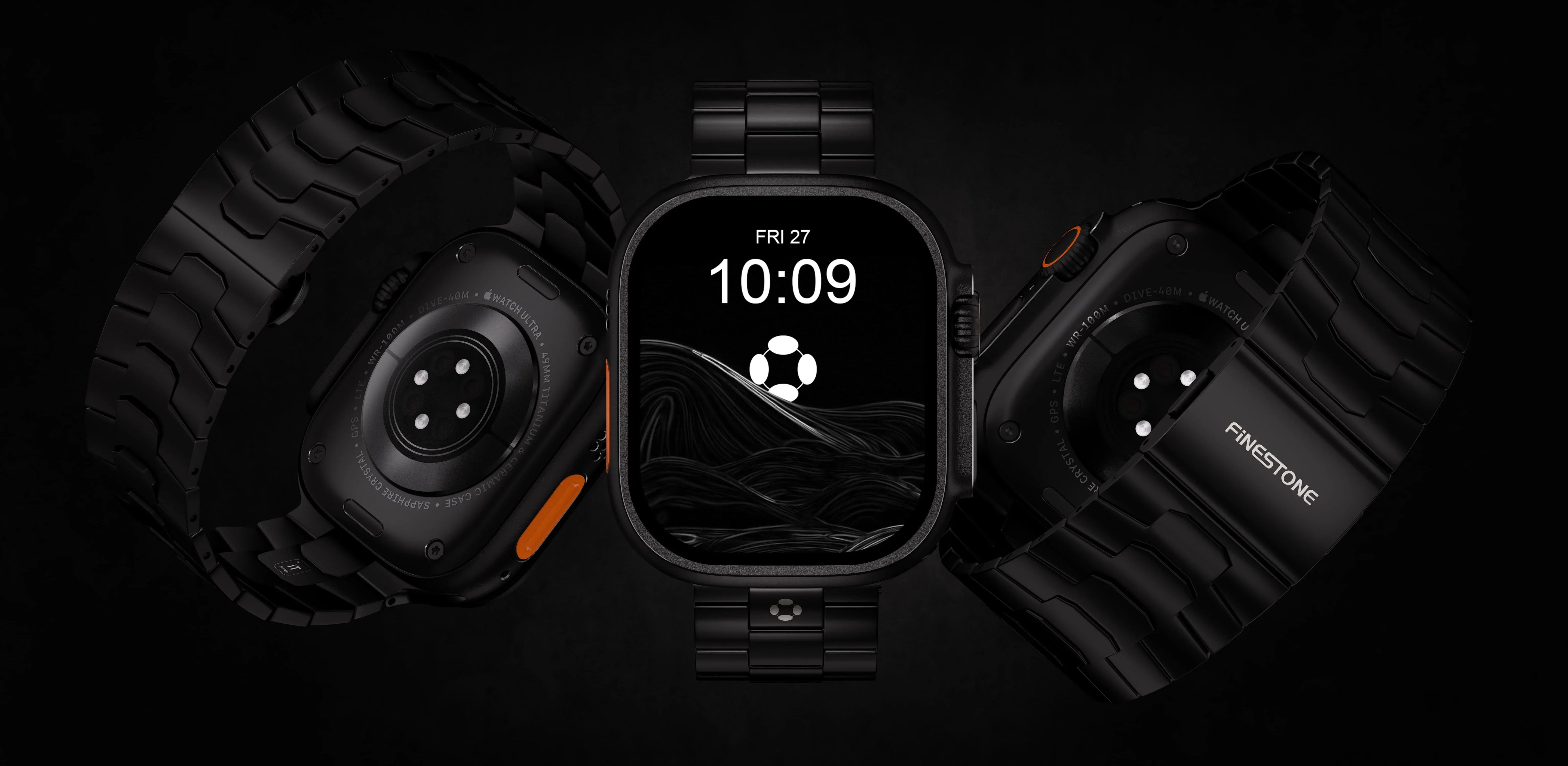
Brands such as Finestone, which focus on solid titanium construction rather than thick cosmetic coatings, tend to deliver bands that age naturally instead of degrading visually.
How to Minimize Scratches on a Titanium Watch Band
While scratches are normal, you can reduce them by:
-
Choosing a brushed finish
-
Removing your watch during heavy lifting
-
Cleaning regularly with a soft microfiber cloth
-
Avoiding contact with abrasive surfaces
Avoid aggressive polishing—it can remove material and alter the finish.
Is Titanium Scratch Resistant Enough for Everyday Wear?
For most users, yes.
Titanium is:
-
More scratch tolerant than stainless steel in daily life
-
Far lighter and more comfortable
-
Better at hiding wear over time
If you value long-term appearance, comfort, and durability, titanium remains one of the best materials available.