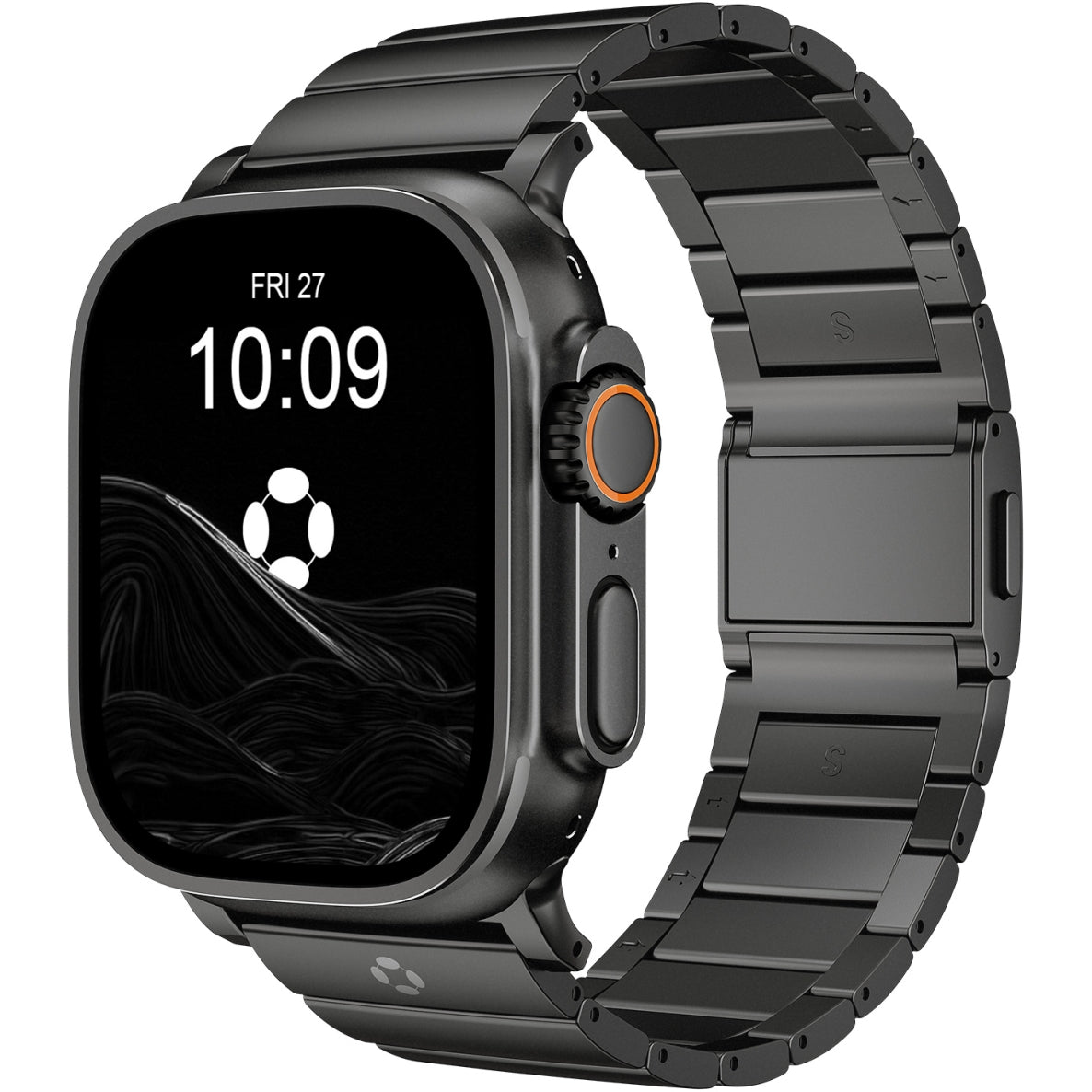

When shopping for a watch band, you’ll quickly notice a huge price range. Some straps cost $10–$30, while others can exceed $150 or even $300. At first glance they may look similar, which raises a common question:
Are premium watch bands really better than cheap ones?
The difference goes far beyond branding. Cheap and premium watch bands often differ in materials, craftsmanship, durability, comfort, and long-term value. In this guide, we’ll break down the real differences so you can decide which option is worth buying.
Material Quality: The Biggest Difference
One of the most noticeable differences between cheap and premium watch bands is the quality of materials used.
Premium watch straps are usually made from high-grade materials such as:
-
Full-grain leather
-
Solid stainless steel or titanium
-
Fluoroelastomer or high-grade rubber
-
Ballistic nylon
These materials are chosen for durability and comfort, and they often age well over time instead of breaking down.
Budget watch bands, on the other hand, typically use:
-
Bonded or synthetic leather
-
Plated metal or hollow metal links
-
Basic silicone blends
-
Low-grade nylon
While these materials may look similar initially, they tend to crack, peel, fade, or stretch much faster under daily wear.
For example, bonded leather is often made from leftover leather scraps glued together, which can begin cracking within months of regular use.
Craftsmanship and Construction
Premium watch bands usually involve significantly better manufacturing and finishing techniques.
High-quality straps often feature:
-
Hand stitching with waxed thread
-
Smooth edge finishing
-
Precision-milled metal links
-
Reinforced attachment points
These details improve both durability and comfort.
Cheap bands often rely on machine stitching and glue-heavy assembly, which can cause seams to unravel or edges to peel after minimal use.
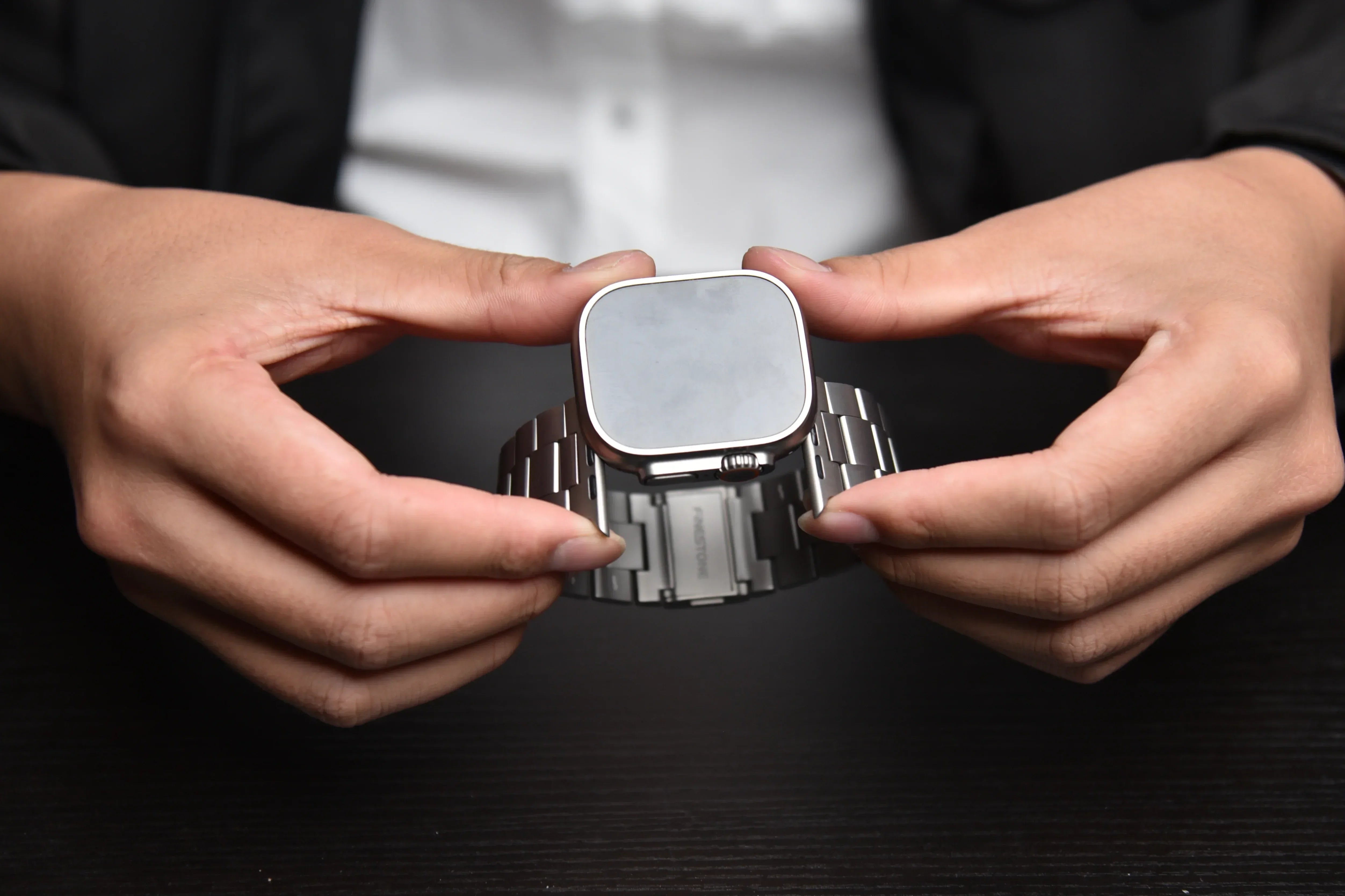
Metal bracelets illustrate this difference clearly. Premium bracelets typically use solid links and milled clasps, while budget versions often use hollow links and stamped clasps, making them more prone to wear or failure.
Durability and Lifespan
Durability is where premium watch bands usually justify their price.
A high-quality strap may last several years, while cheap straps often require replacement much sooner.
Typical lifespan comparison:
| Strap Type | Average Lifespan |
|---|---|
| Cheap synthetic leather | 4–12 months |
| Basic nylon strap | 8–12 months |
| Premium leather strap | 3–5 years |
| Metal bracelet | 5–10+ years |
Premium straps are designed for long-term wear and structural stability, while budget straps often prioritize low cost over durability.
In many cases, a premium band ends up costing less per year because it doesn’t need frequent replacement.
Comfort and Fit
Comfort is another area where premium bands often stand out.
Higher-end straps are designed with ergonomics and long-term wear in mind. Features may include:
-
Softer lining materials
-
Balanced weight distribution
-
Smooth edges and stitching
-
Breathable materials
Budget straps sometimes feel stiff or uneven because manufacturers reduce costs by using simpler materials and less refined finishing.
Metal bracelets highlight this difference. Premium designs often include micro-adjustments and carefully shaped links that conform to the wrist, improving comfort during long wear.
Design and Aesthetics
Premium watch bands also tend to offer better visual design and finishing.
Examples include:
-
Brushed or polished metal finishes
-
Consistent color tones
-
Precision engraving
-
Hand-finished leather edges
Budget bands may still look good initially, but over time they often show fading coatings, uneven finishes, or visible wear.
The difference becomes especially noticeable in professional settings or with luxury watches.
A Real-World Example: Titanium Watch Bands
A good example of the premium approach is titanium watch bands.
Titanium offers a rare combination of:
-
High durability
-
Lightweight comfort
-
Corrosion resistance
-
Modern appearance
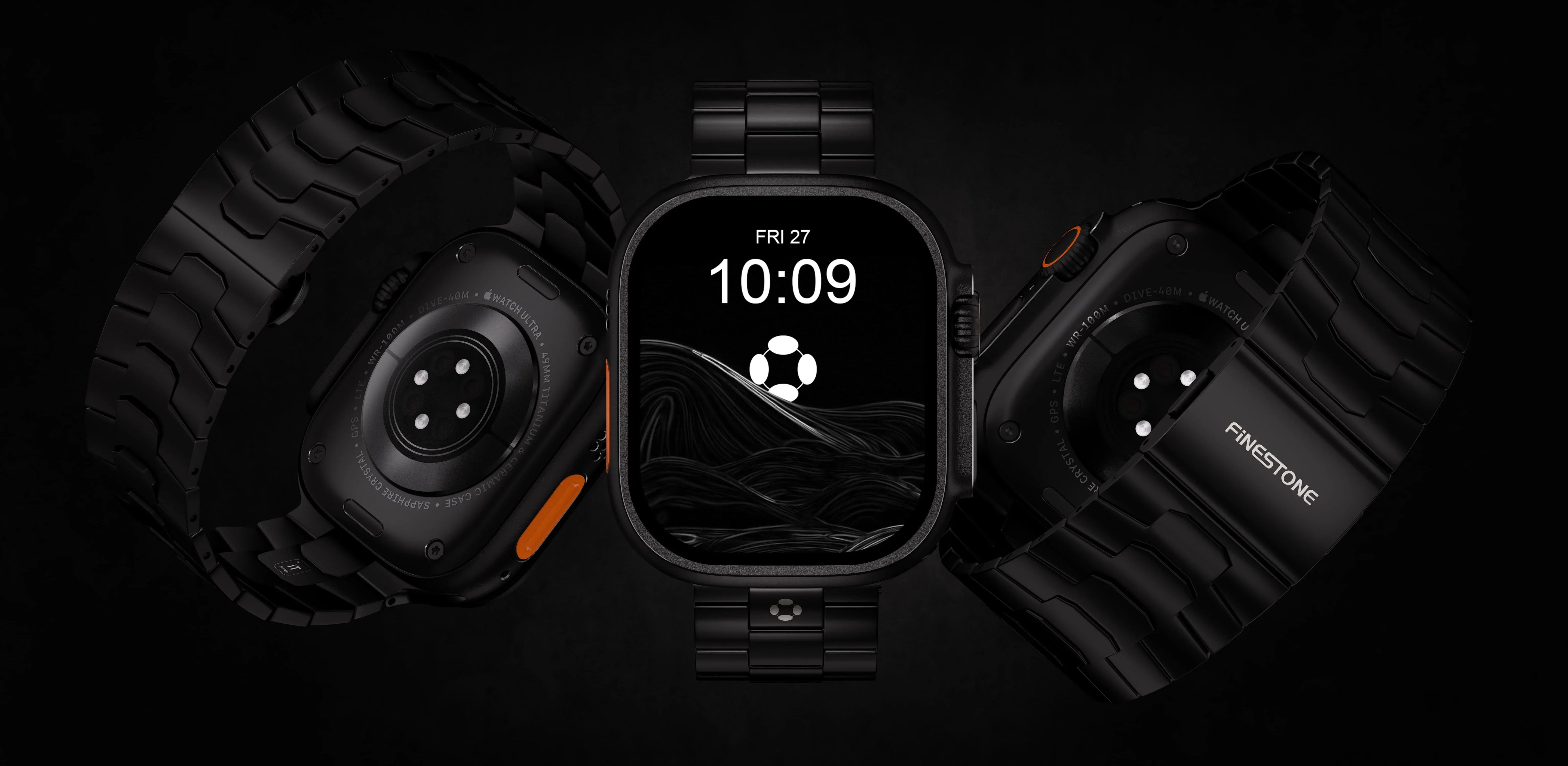
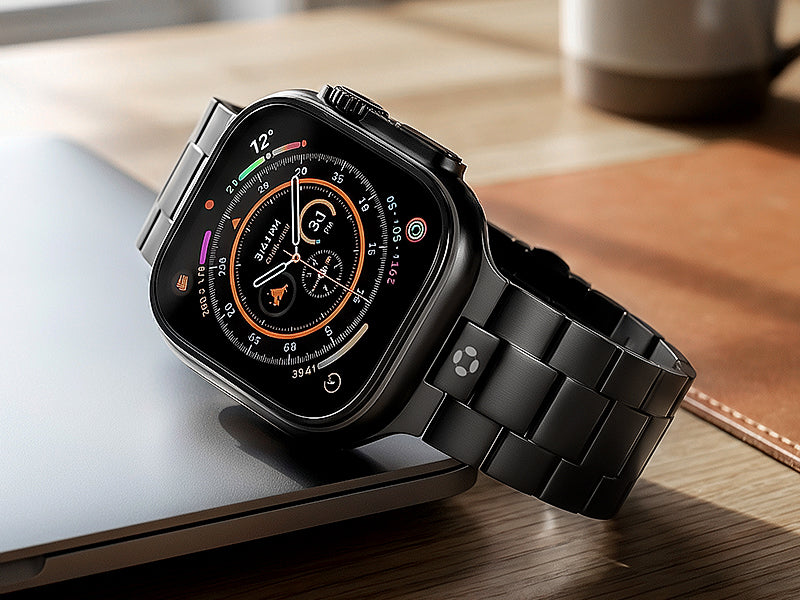
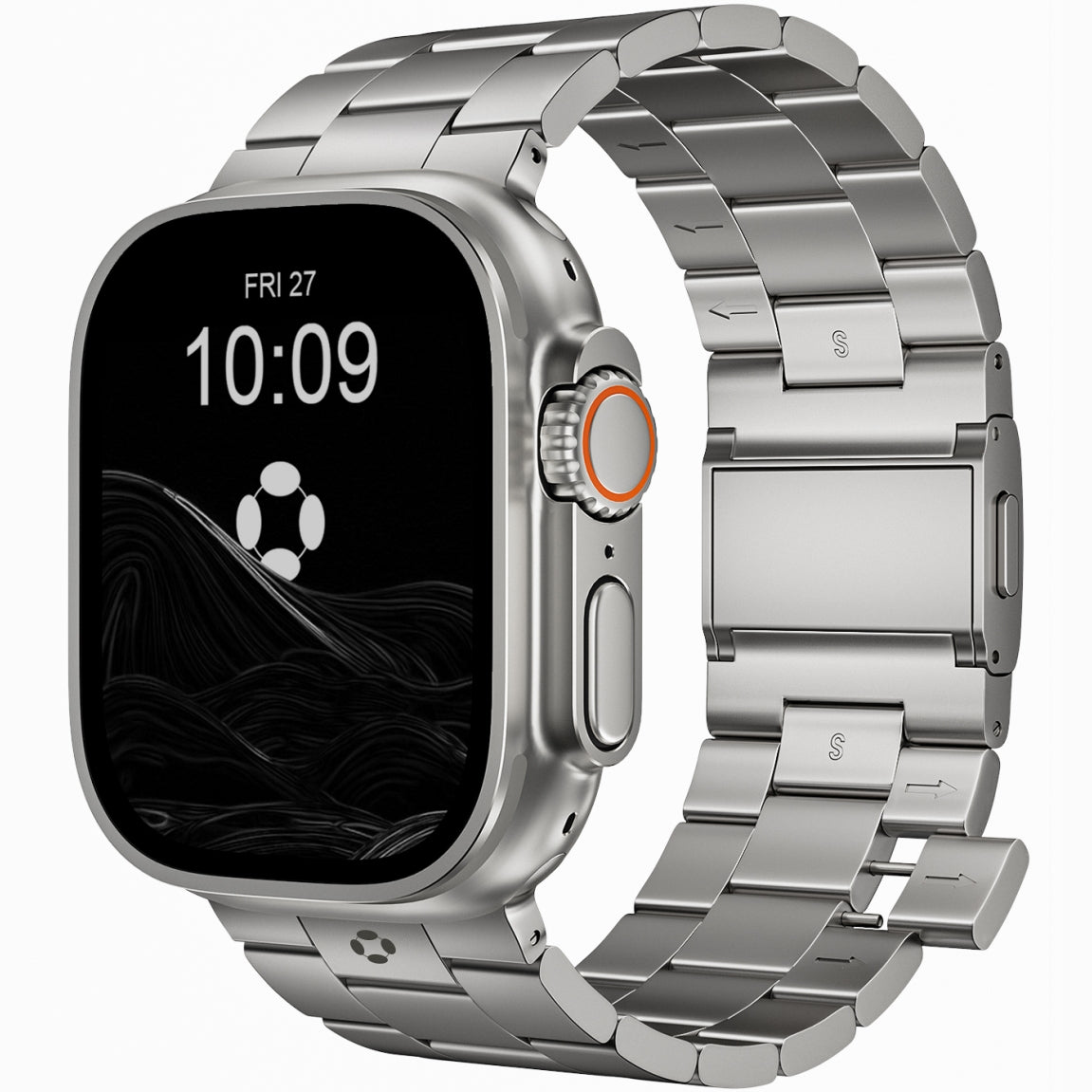
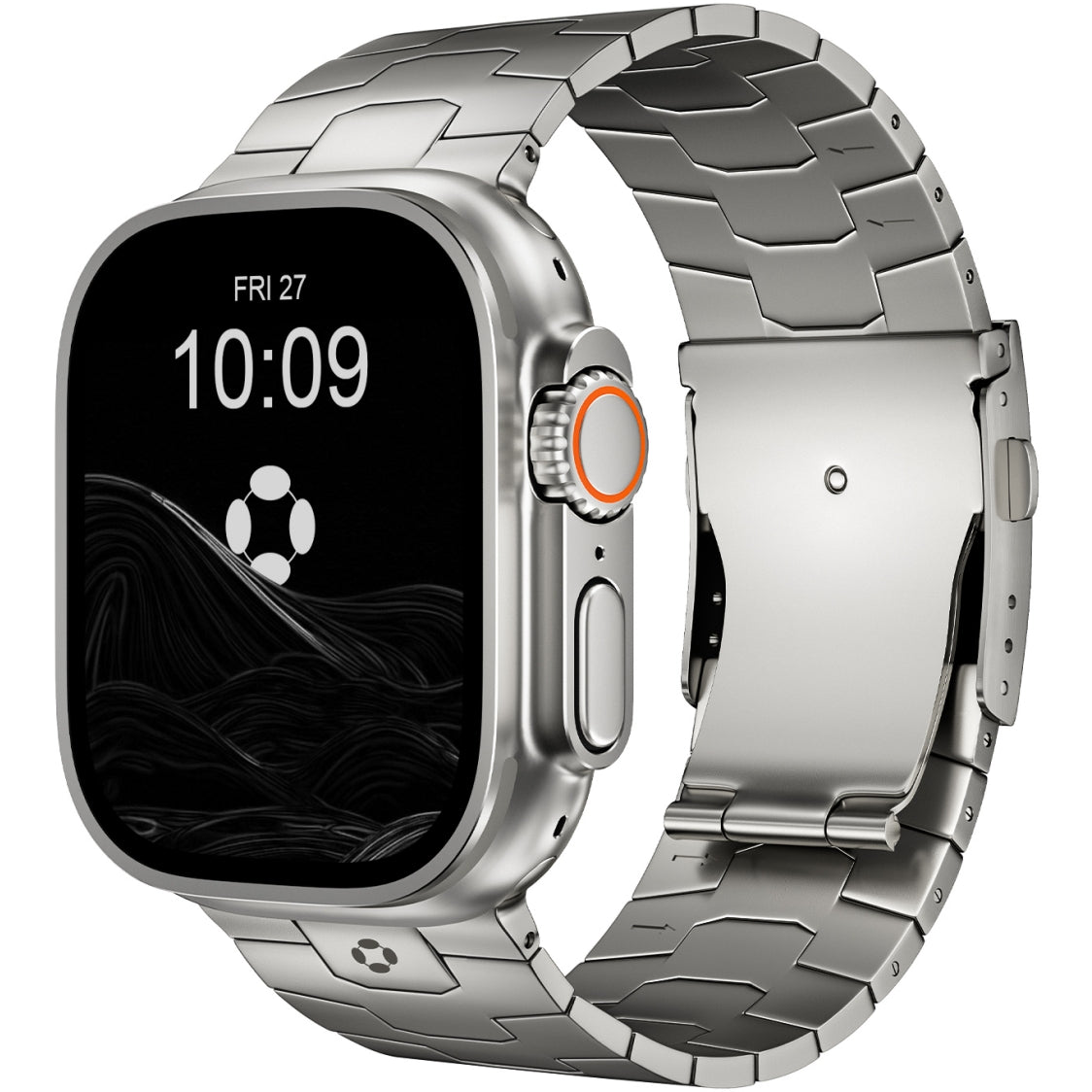
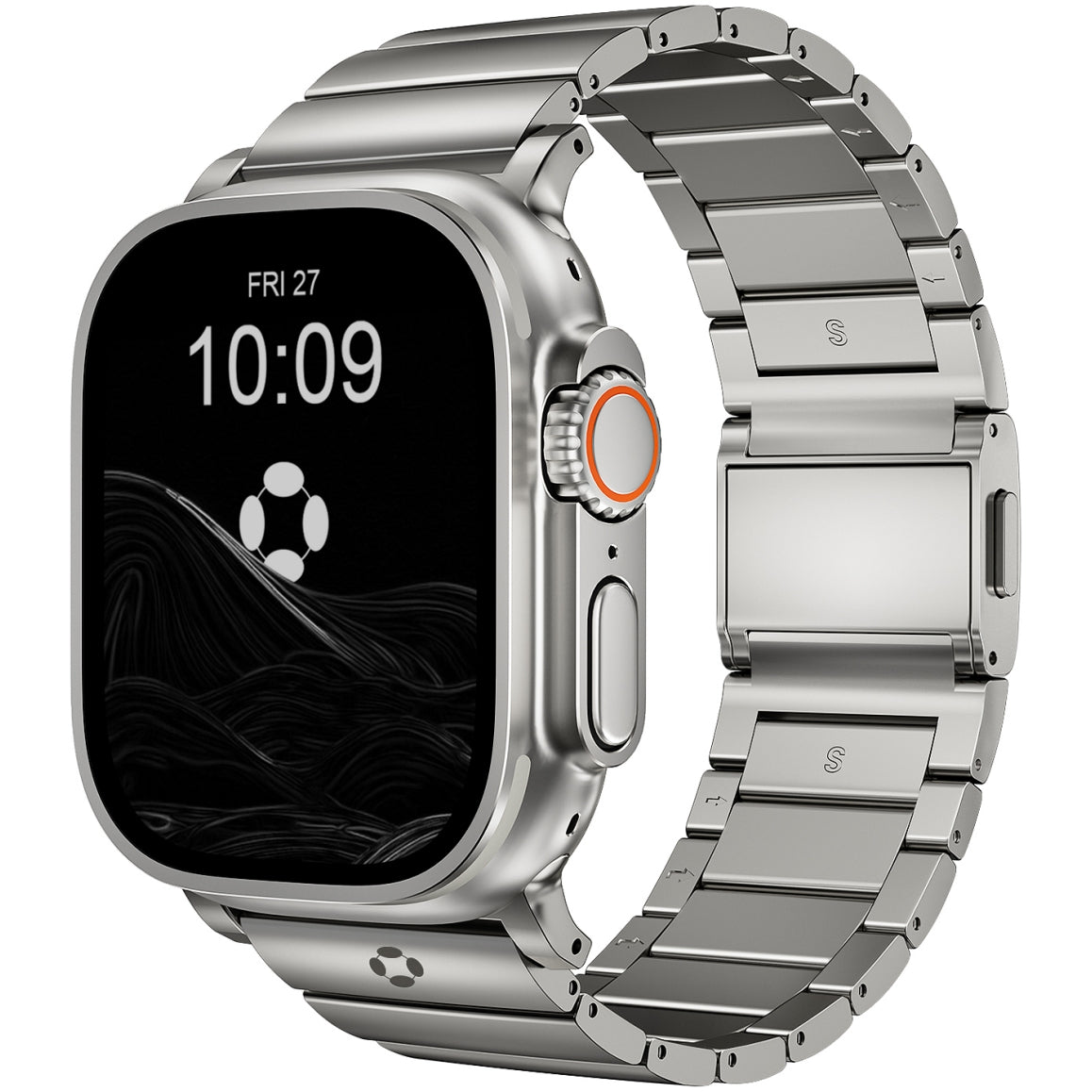
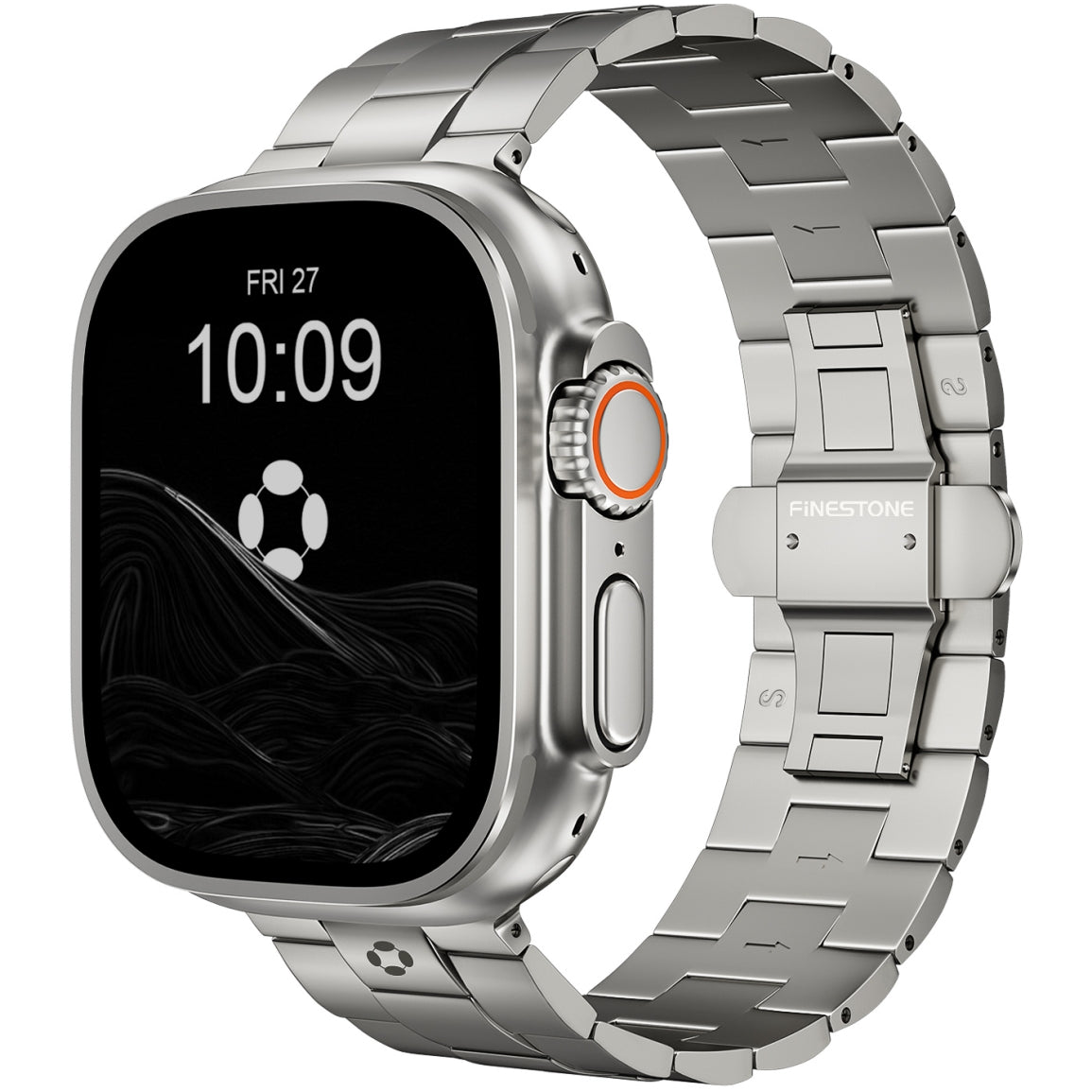
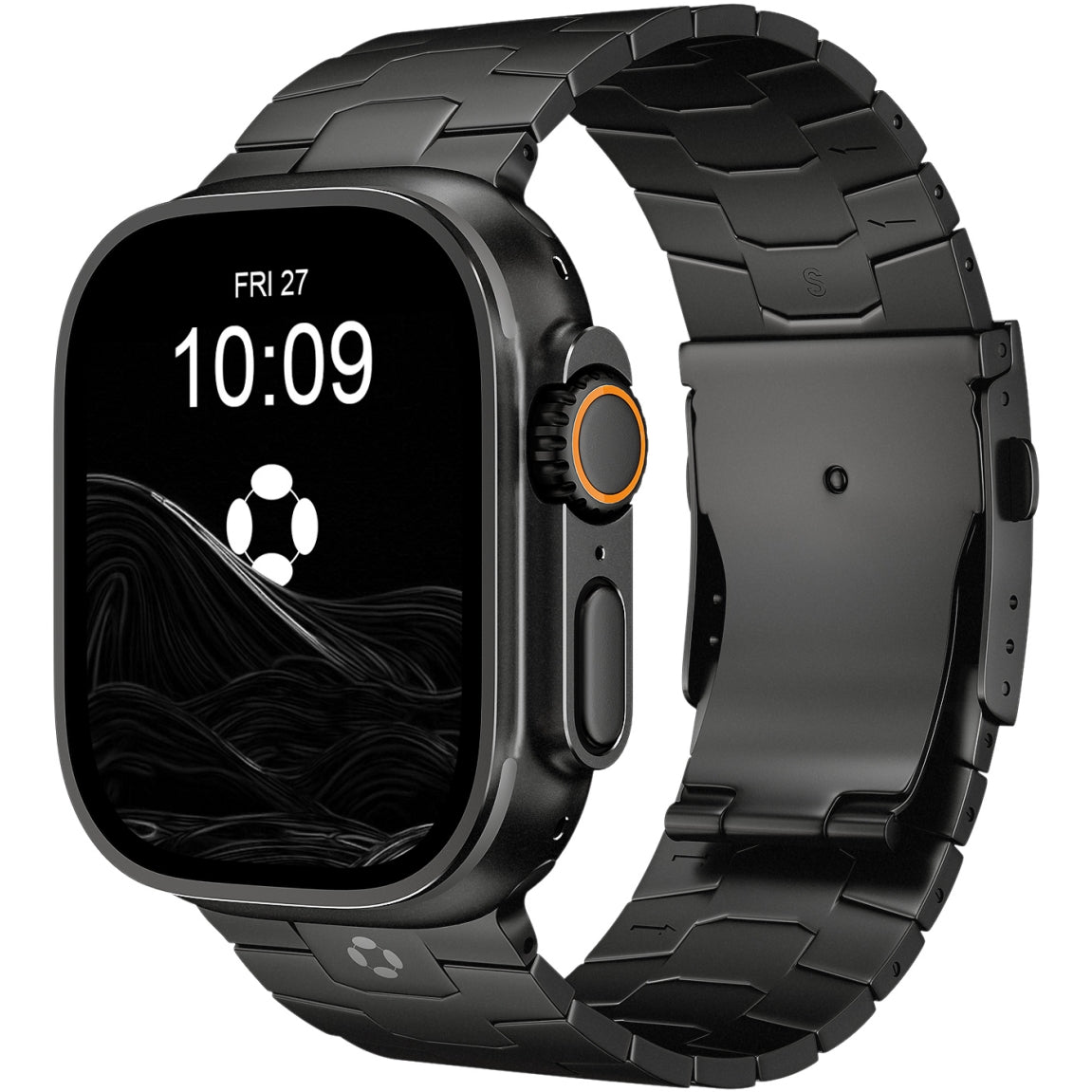
Because of its excellent strength-to-weight ratio, titanium is frequently used in premium watch accessories. Some Apple Watch accessories—such as titanium bands from Finestone—focus on combining lightweight construction with durable metal links, offering a more refined alternative to basic metal or silicone straps.
This illustrates how premium materials and engineering can significantly improve everyday comfort and longevity.
Are Premium Watch Bands Worth It?
The answer depends on how you use your watch.
Cheap bands make sense if you:
-
Want multiple styles for different outfits
-
Wear your watch occasionally
-
Need a temporary or backup strap
Premium bands are worth it if you:
-
Wear your watch every day
-
Want better comfort and durability
-
Prefer a refined or professional look
For daily wearers, investing in a high-quality strap often delivers better long-term value and experience.
Final Thoughts
At first glance, cheap and premium watch bands may look similar. But the differences become clear once you consider:
-
Material quality
-
Craftsmanship
-
Durability
-
Comfort
-
Long-term value
Cheap bands are affordable and convenient, but they often wear out quickly. Premium watch bands, while more expensive upfront, provide better materials, superior construction, and significantly longer lifespan.
If you wear your watch every day, upgrading to a higher-quality strap can make a noticeable difference in both comfort and appearance.