
Smartwatches have evolved from simple notification devices into powerful health monitoring tools, and the Apple Watch is often considered one of the most advanced consumer wearables available. From heart rate monitoring to sleep tracking and ECG readings, Apple Watch offers a wide range of health features designed to help users better understand their bodies.
But a common question remains: How accurate is Apple Watch health tracking compared to medical devices and professional equipment?
In this guide, we’ll explore how Apple Watch health sensors work, review the accuracy of its most important features, and explain what you should realistically expect from the device.
The Health Sensors Inside Apple Watch
Modern Apple Watch models include several advanced sensors that continuously collect health data throughout the day.
These sensors monitor multiple metrics, including:
-
Heart rate
-
Blood oxygen levels
-
Electrocardiogram (ECG) readings
-
Sleep patterns
-
Activity and calorie burn
-
Movement and workouts
The Apple Watch uses a combination of optical sensors, electrical sensors, motion tracking, and machine-learning algorithms to estimate health metrics in real time.
While these sensors are highly sophisticated for a consumer device, it’s important to remember that the Apple Watch is not a medical diagnostic tool.
Instead, it is designed to provide health insights and early indicators, helping users stay informed about their well-being.
Heart Rate Monitoring Accuracy
Heart rate monitoring is one of the Apple Watch’s most widely used health features.
The watch uses optical heart sensors, which shine green LED lights into the skin and measure how blood flows through the wrist.
How accurate is it?
Research and independent tests have shown that Apple Watch heart rate tracking is generally very accurate during rest and moderate exercise.
Typical accuracy levels are:
-
High accuracy during resting conditions
-
Very reliable during walking and light workouts
-
Slightly less accurate during intense exercise or rapid movement
This is common for most wrist-based fitness trackers because sudden movements and sweat can affect sensor readings.
Still, Apple Watch heart rate monitoring is widely considered one of the most reliable among consumer smartwatches.
ECG and Heart Rhythm Detection
Certain Apple Watch models include an electrocardiogram (ECG) feature, which measures the electrical activity of the heart.
Users place a finger on the Digital Crown while wearing the watch, and the device records a heart rhythm reading.
The ECG app is capable of detecting:
-
Normal sinus rhythm
-
Possible signs of atrial fibrillation (AFib)
-
Irregular heart rhythm alerts
In several clinical evaluations, Apple Watch ECG readings have shown strong agreement with traditional ECG devices when used correctly.
However, it should still be viewed as a screening tool rather than a medical diagnosis.
If the watch detects irregular patterns, users should always consult a healthcare professional.
Blood Oxygen Monitoring
Newer Apple Watch models also include blood oxygen (SpO₂) monitoring, which measures oxygen levels in the blood.
The watch uses red and infrared light sensors to estimate oxygen saturation.
Normal blood oxygen levels typically range between 95% and 100%.
Apple Watch measurements are generally reliable for wellness monitoring, but they are not intended to replace hospital-grade pulse oximeters.
Instead, the feature helps users observe general trends in their respiratory health.
Sleep Tracking Accuracy
Sleep tracking has become one of the most important features for wearable devices.
Apple Watch uses motion sensors and heart rate data to estimate:
-
Time spent asleep
-
Sleep stages (in newer models)
-
Sleep consistency
While the watch cannot measure brain activity like clinical sleep studies, it can provide useful insights into overall sleep patterns.
For example, users can track:
-
Bedtime habits
-
Sleep duration
-
Nighttime disruptions
These insights help users improve their sleep habits over time.
Activity and Fitness Tracking
Apple Watch is widely praised for its fitness tracking accuracy, especially for everyday activities.
It tracks:
-
Steps
-
Calories burned
-
Exercise minutes
-
Stand hours
Apple’s Activity Rings system encourages users to stay active throughout the day, making fitness tracking simple and motivating.
For many users, the Apple Watch becomes an effective tool for maintaining consistent daily exercise habits.
Why Proper Fit Improves Health Tracking Accuracy
One important factor that affects health tracking accuracy is how well the Apple Watch fits on your wrist.
For sensors to work properly, the watch must maintain consistent contact with the skin.
A loose watch band may cause:
-
Inaccurate heart rate readings
-
Interrupted workout tracking
-
Less reliable sleep data
Because of this, choosing a comfortable and well-fitting band is essential for accurate monitoring.
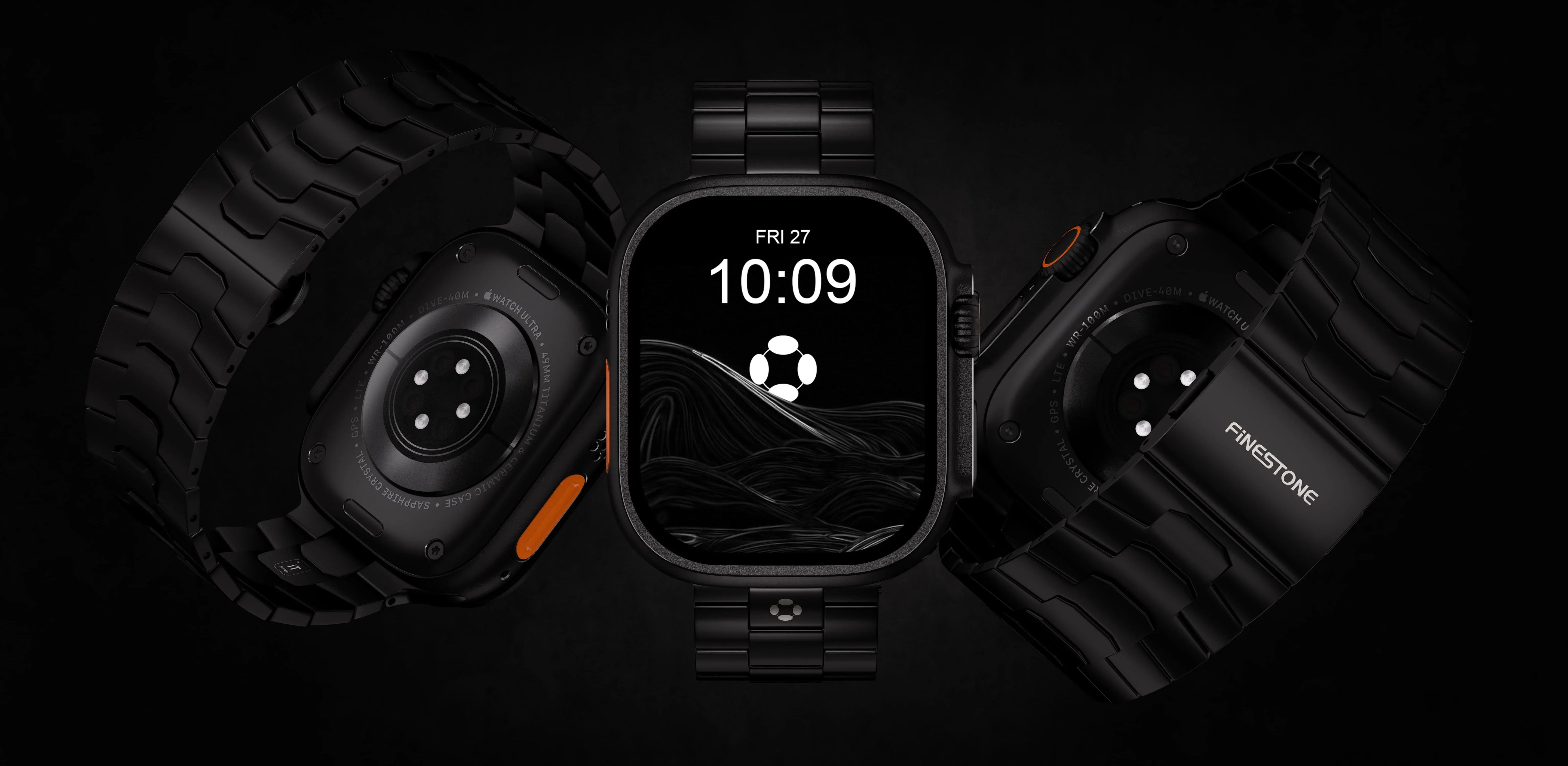
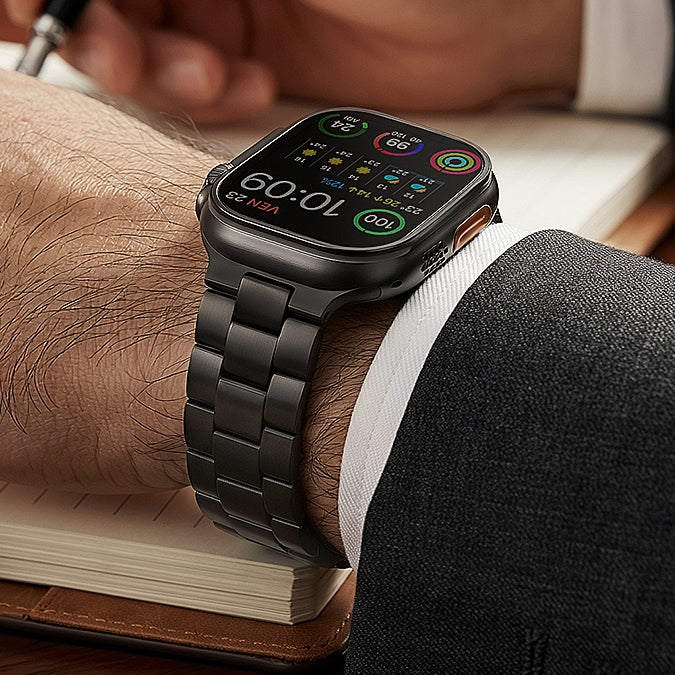
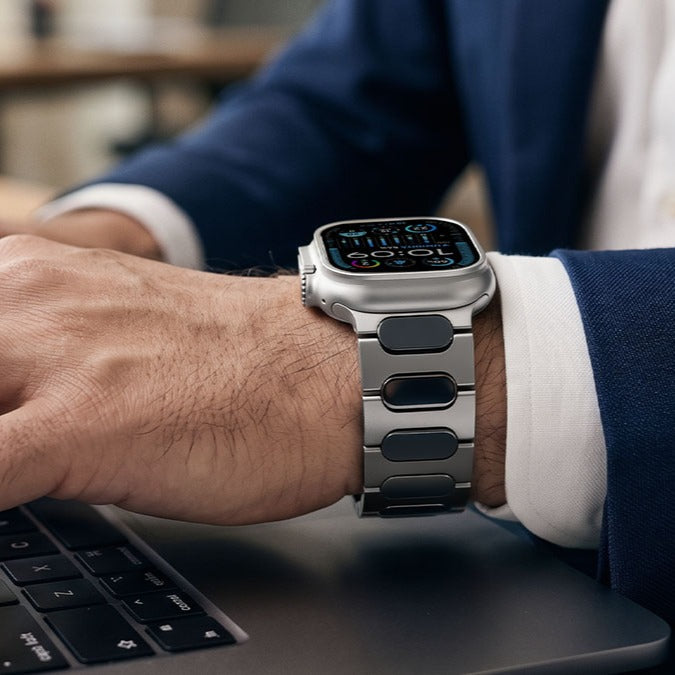
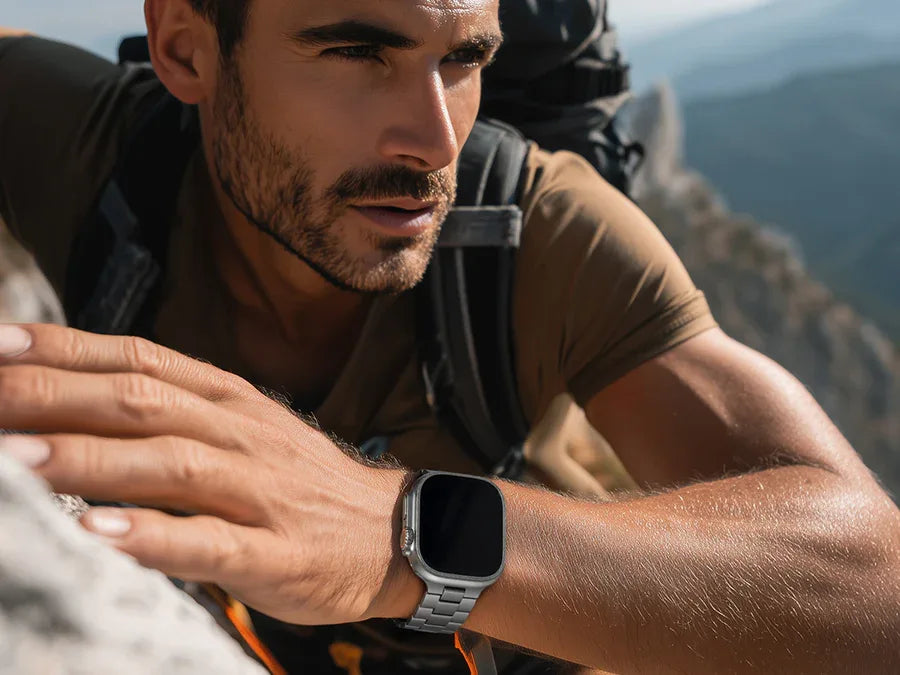
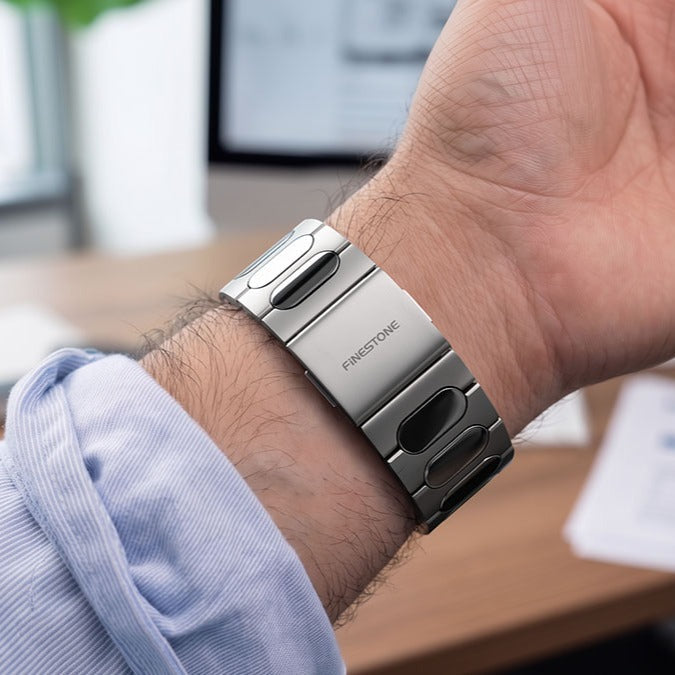
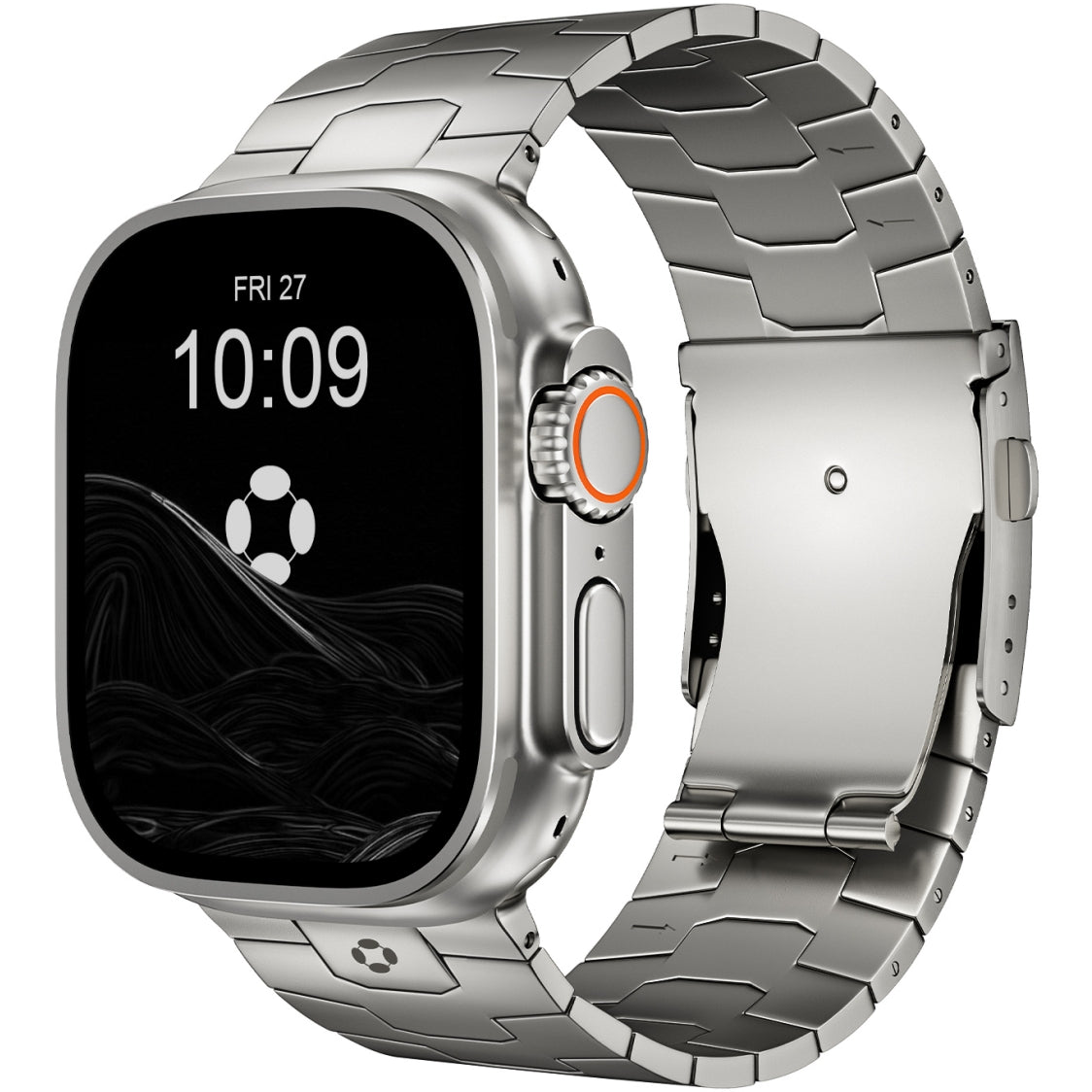
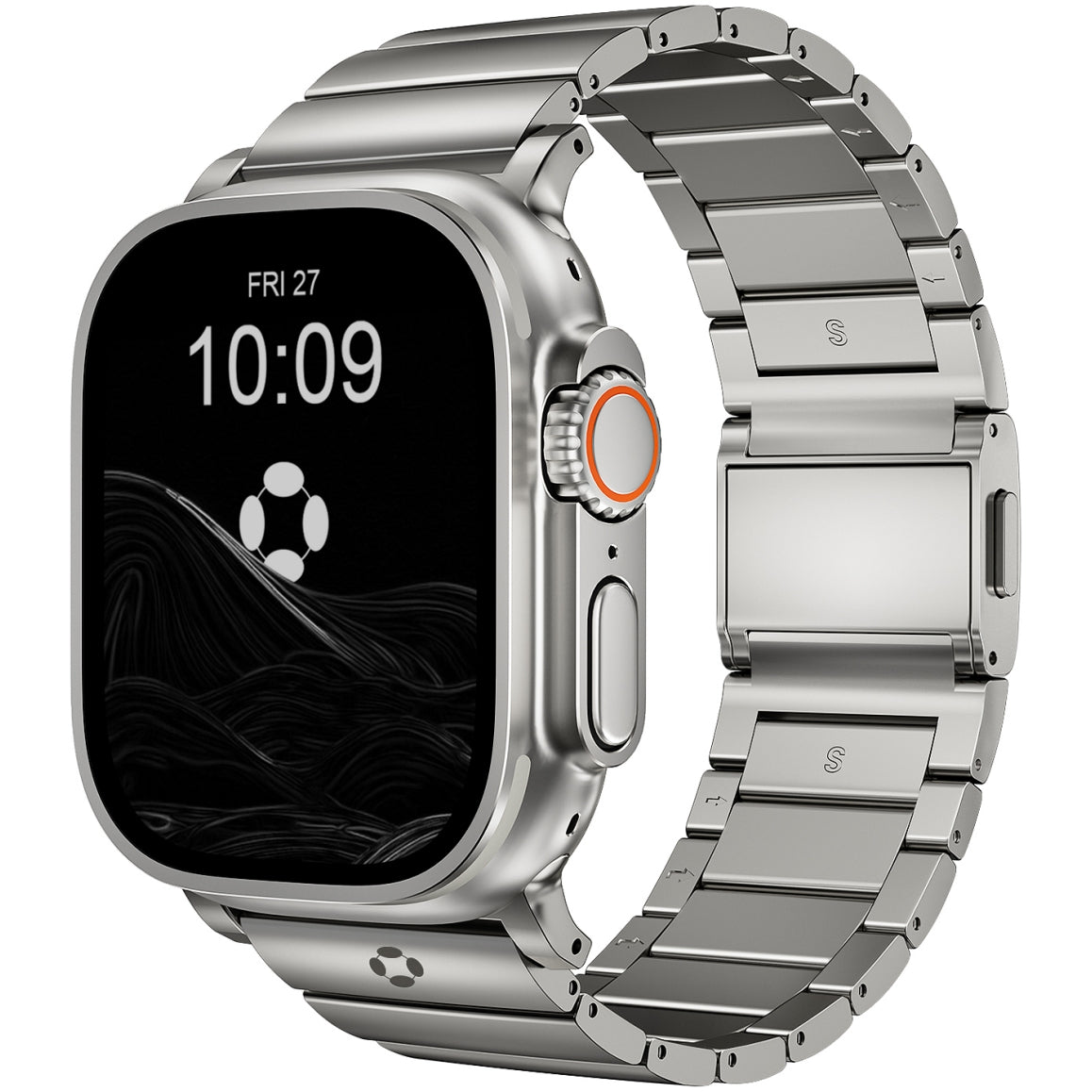
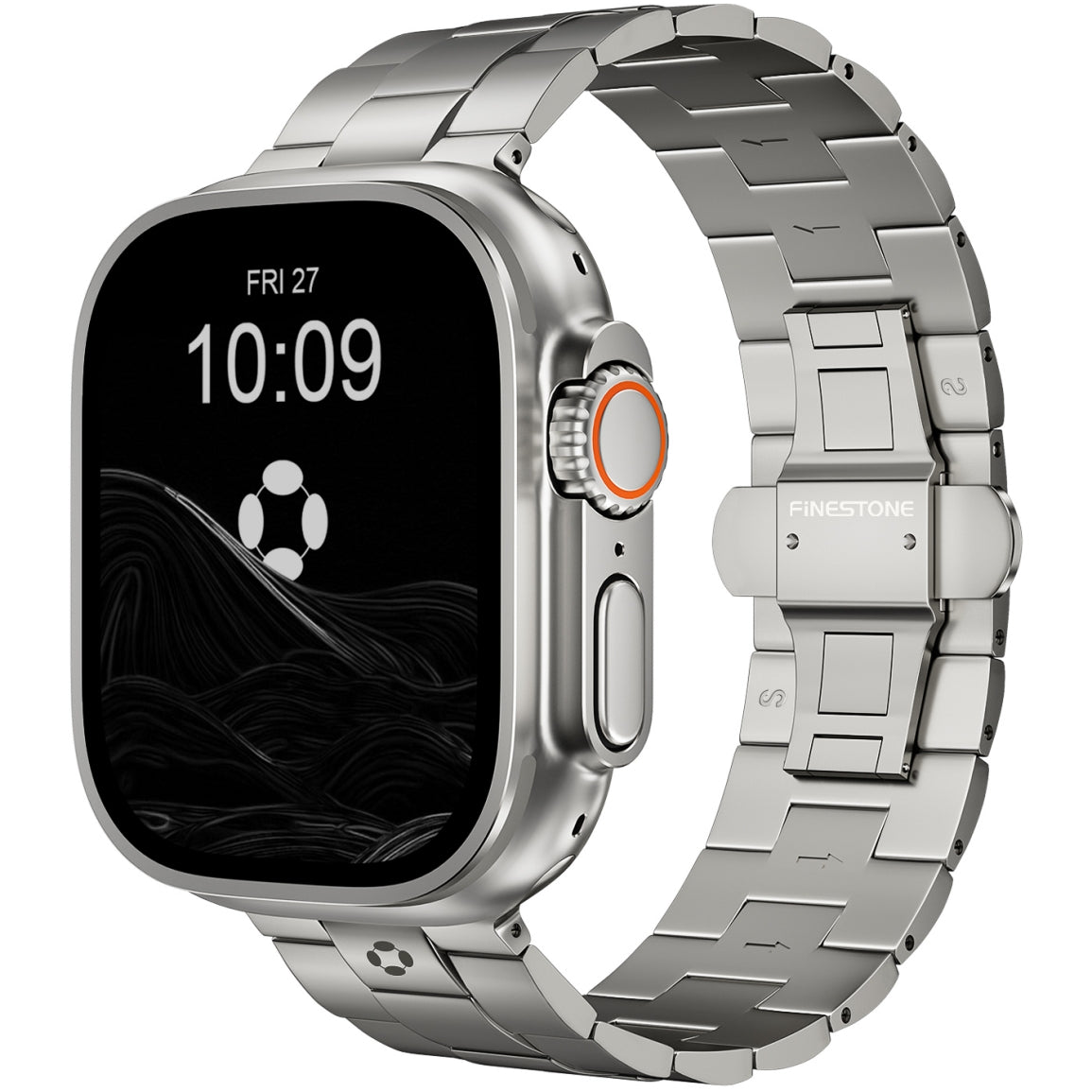
Some users prefer lightweight metal bands for durability and comfort. For example, titanium Apple Watch bands from Finestone are designed to provide a secure yet lightweight fit, which helps maintain consistent skin contact during daily wear.
A well-fitted band ensures the sensors remain stable, improving the reliability of health data collected throughout the day.
Apple Watch vs Medical Devices
Although Apple Watch health features are impressive, they should not replace professional medical equipment.
Key differences include:
| Apple Watch | Medical Devices |
|---|---|
| Designed for wellness tracking | Designed for clinical diagnosis |
| Uses estimation algorithms | Uses precise medical sensors |
| Suitable for everyday monitoring | Used under professional supervision |
However, Apple Watch has proven extremely valuable for early detection and health awareness.
Many users have reported discovering abnormal heart rhythms after receiving Apple Watch notifications.
The Real Value of Apple Watch Health Tracking
The true benefit of Apple Watch health features lies in continuous monitoring.
Instead of occasional medical checkups, users can track health data:
-
Throughout the day
-
During workouts
-
While sleeping
This continuous feedback encourages healthier habits and allows users to notice unusual changes earlier.
Over time, these insights can support better lifestyle decisions related to:
-
Exercise
-
Sleep
-
Stress management
-
Heart health
Final Thoughts
Apple Watch health tracking is remarkably advanced for a consumer wearable device.
While it cannot replace medical equipment, it provides reliable health insights that help users monitor their well-being daily.
In summary:
-
Heart rate monitoring is highly accurate for most activities
-
ECG and AFib detection provide useful heart rhythm screening
-
Blood oxygen tracking helps monitor respiratory trends
-
Sleep and fitness tracking offer helpful lifestyle insights
When combined with a comfortable, properly fitted band and consistent daily wear, Apple Watch becomes a powerful tool for health awareness and personal wellness tracking.