
When you buy a new watch, one of the first things you’ll need to do is choose the perfect band. The right band not only enhances the appearance of your watch but also contributes to comfort, durability, and functionality. However, selecting a watch band isn’t always as straightforward as it may seem. It’s crucial to choose a band that fits your watch correctly, both in terms of size and style.
In this guide, we’ll take you through the steps to ensure that you choose the right watch band, explaining how to measure for the correct size, materials to look for, and how to determine which band suits your lifestyle.
1. Measuring Your Watch Band Size
The first step in choosing a band for your watch is making sure it fits the lug width (the distance between the two points where the watch band attaches to the watch case).
Step-by-Step Guide for Measuring Your Watch Band
-
Determine the Lug Width
The most important measurement is the lug width. It refers to the distance between the lugs of your watch where the band attaches. This measurement is usually given in millimeters (mm) and can range from 18mm to 24mm, depending on the watch model.-
To measure the lug width, you can use a caliper or check the manufacturer’s specifications online.
-
Alternatively, you can look up your watch’s model number and find the lug width mentioned in the product details.
-
-
Check the Band Length
The length of the watch band is another factor to consider. The band should be long enough to comfortably fit around your wrist. Most bands come in standard lengths, but if you have a particularly small or large wrist, you may need a shorter or longer version.-
The standard band length is usually 125-145mm for the long end and 75-95mm for the short end. However, some brands offer adjustable bands or sizes for a custom fit.
-
-
Determine the Band Thickness
The thickness of the band can vary greatly. While metal bands are usually thicker and more robust, leather and silicone bands tend to be thinner and lighter. It’s important that the thickness of the band complements the size of your watch. A very thick band may look out of place on a small or slim watch, while a thin band may not balance a larger, more robust watch.
2. Choosing the Right Band Type for Your Watch
Now that you know how to measure your watch, the next step is to decide on the type of band that best suits your watch's size and your personal style. Here are the most common types of watch bands and what they’re best suited for:
Metal Bands
Best for: Formal, professional, and luxury looks
-
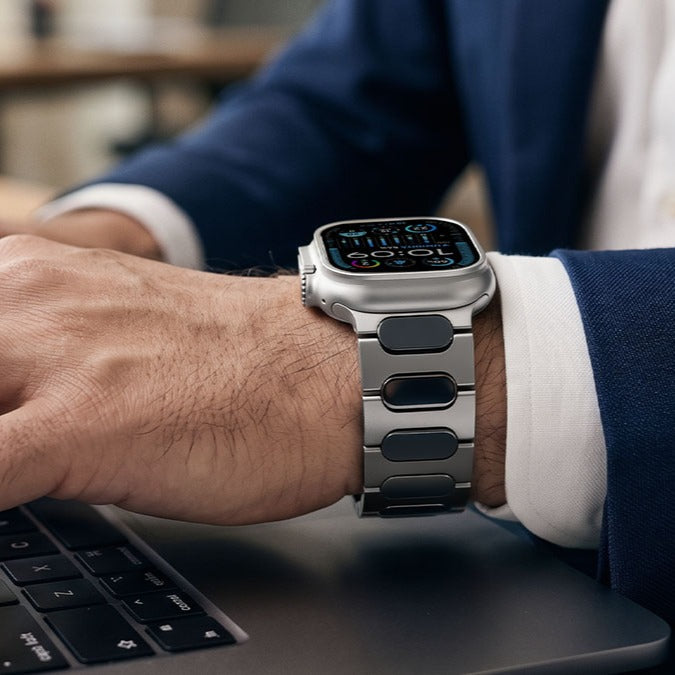
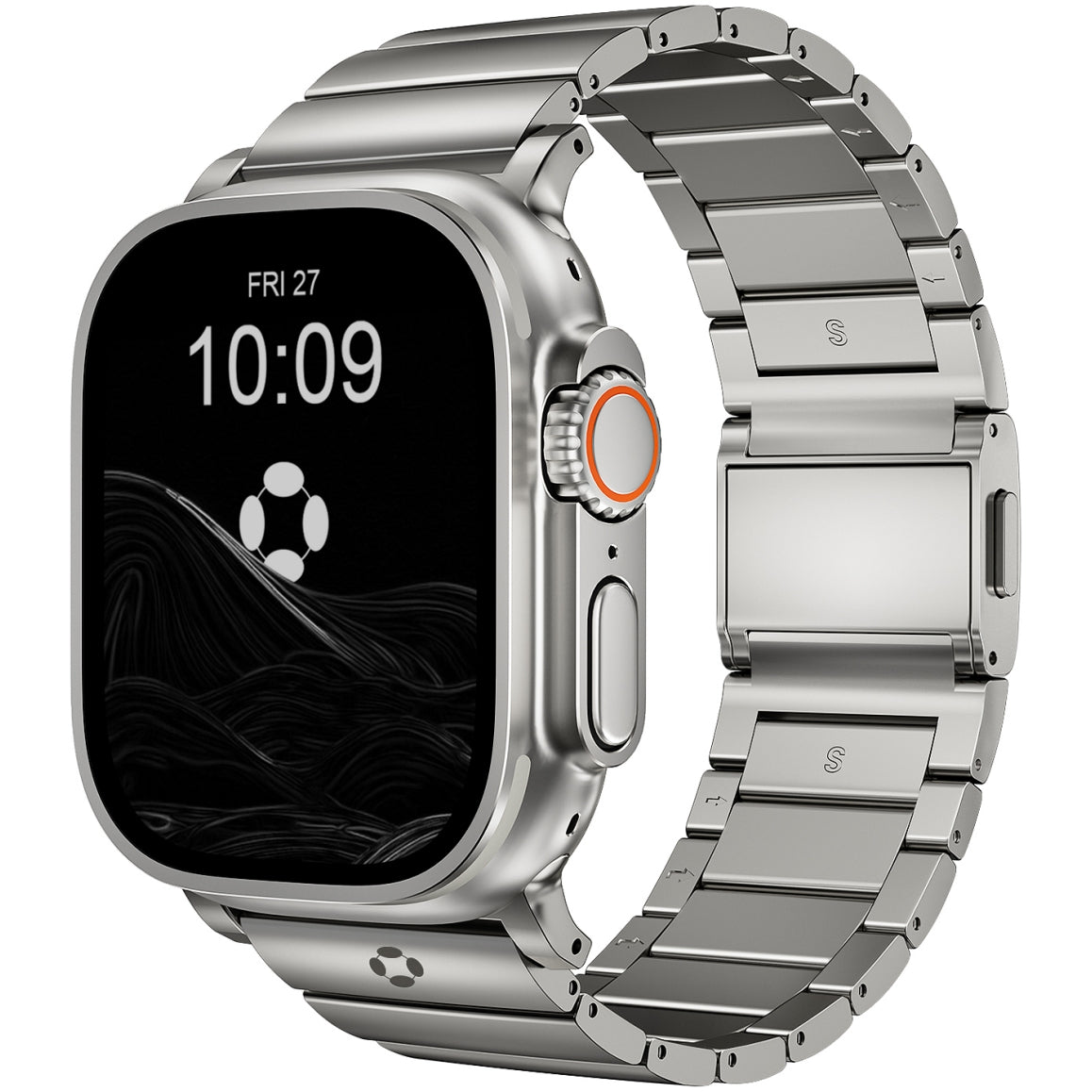
Fit: Metal bands, including those made from stainless steel or titanium, come with links that can be added or removed to achieve the perfect fit.
Leather Bands
Best for: Business casual, formal wear
-
Fit: Leather bands are available in a variety of adjustable sizes. Ensure the band fits comfortably and doesn’t restrict wrist movement. Some leather bands come with holes for adjusting, while others have a buckle or deployment clasp for easy size changes.
Silicone & Rubber Bands
Best for: Active wear, sports, and casual style
-
Fit: These bands are highly flexible and usually come in one-size-fits-all or with adjustable clasps. They conform to your wrist easily and are perfect for everyday comfort.
Nylon & Fabric Bands
Best for: Outdoor wear, casual style
-
Fit: Nylon bands are usually adjustable with a buckle or Velcro. Make sure the strap fits snugly without being too tight. NATO straps (a popular variation of nylon bands) are easily adjustable and fit most wrist sizes comfortably.
3. Understanding Watch Band Clasp Mechanisms
Choosing a band is only part of the equation. You also need to consider how the band fastens. There are various clasp mechanisms, each offering different types of security and ease of use:
-
Buckle Clasp
The most traditional type of clasp, it’s adjustable and very secure. Common on leather and nylon bands. -
Deployment Clasp
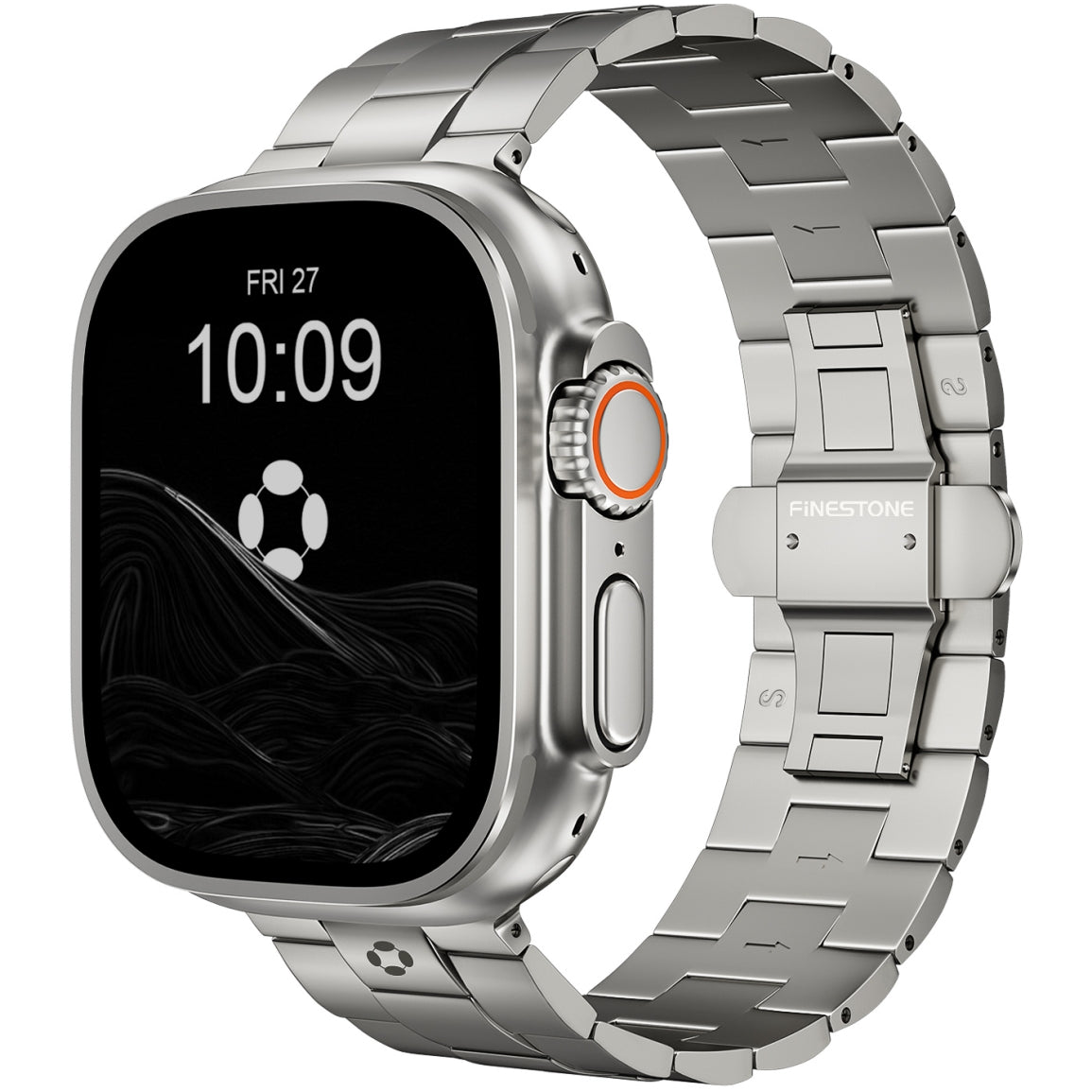
Found on metal bands, it allows the band to open up with a simple push and fold securely back in place. -
Tang Buckle
This is a simpler version of the buckle, found on leather bands. It’s easy to use but may require more frequent adjustments. -
Magnetic Clasp
Some silicone bands use magnetic clasps, providing both comfort and ease of use for a quick fit. -
Velcro
Common in nylon bands, it’s simple to adjust and provides a secure fit for most wrist sizes.
4. How to Match Your Watch Band to Your Lifestyle
Once you’ve measured your watch and decided on the band type, you’ll need to select a band that fits your lifestyle:
For Business & Professional Use
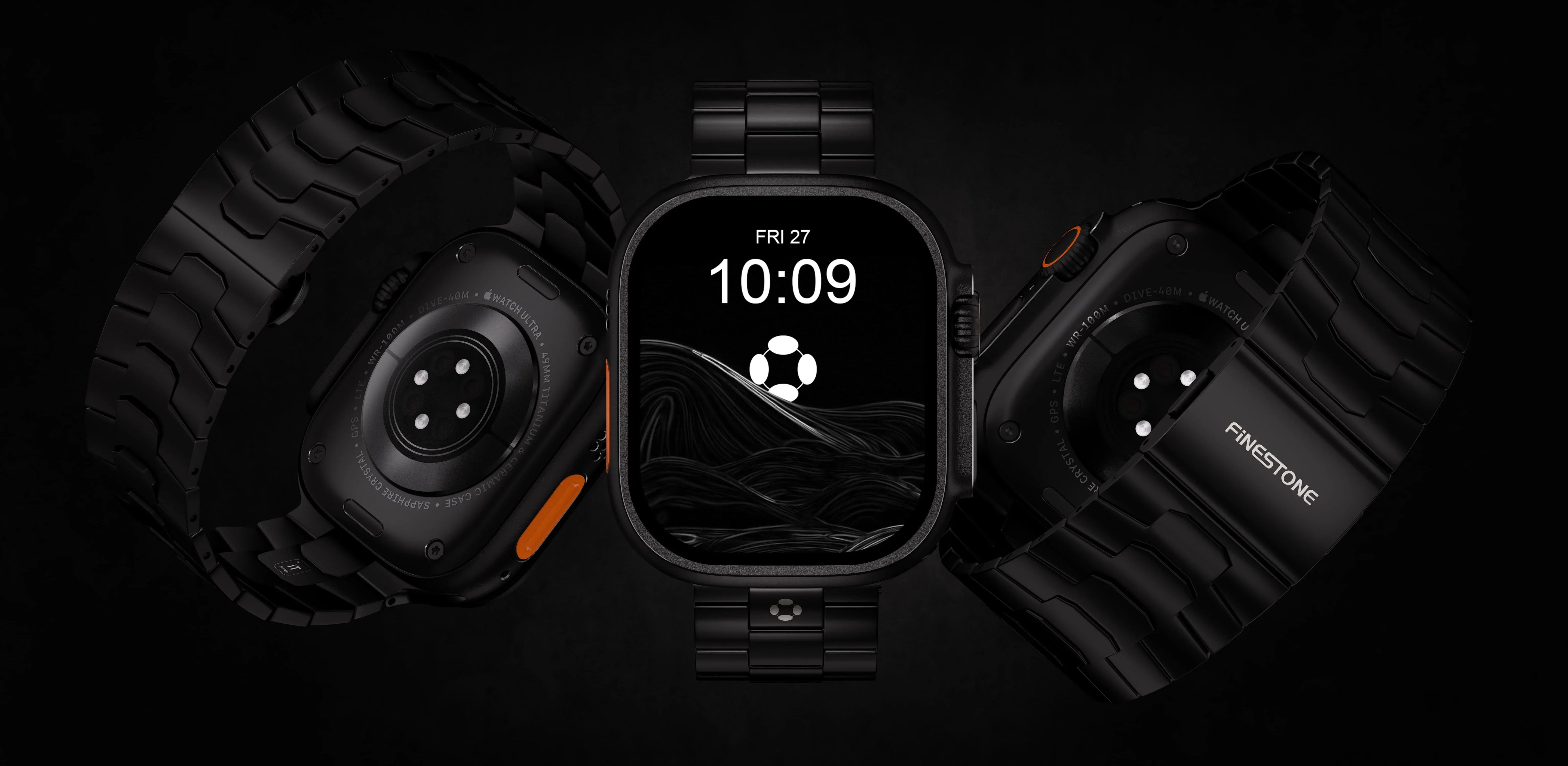
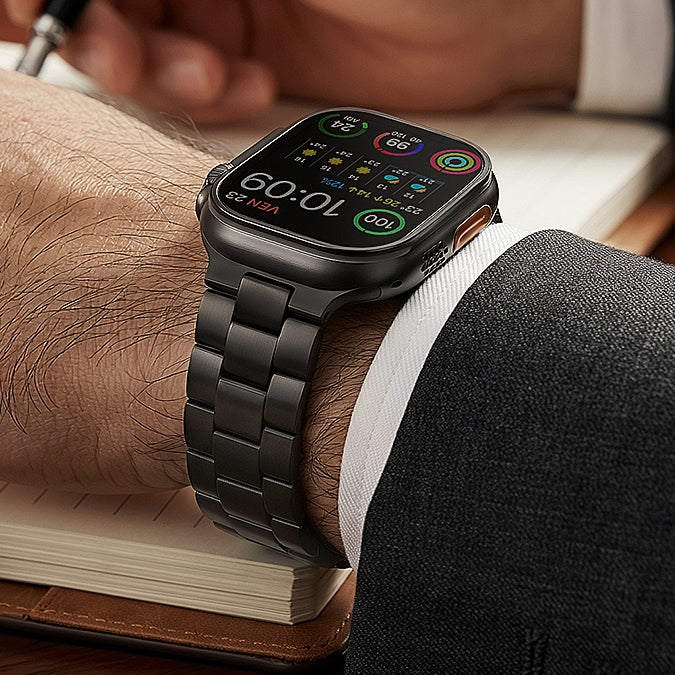
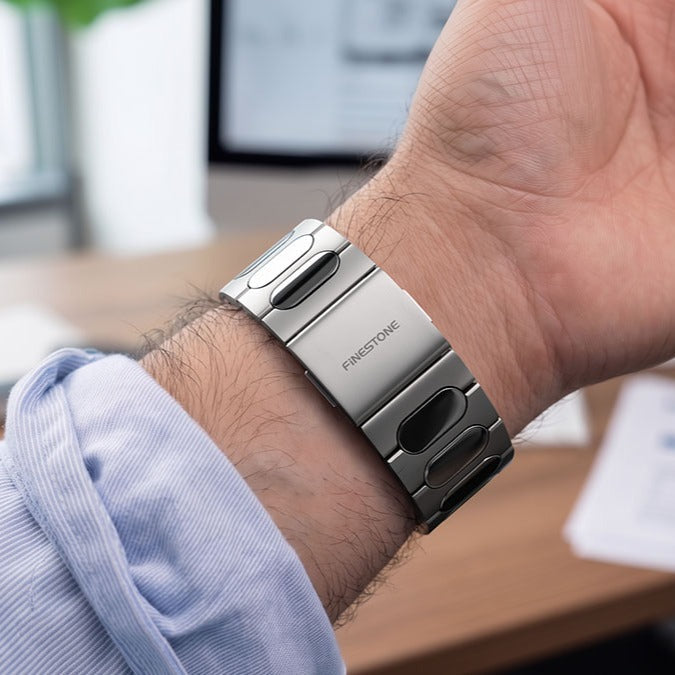
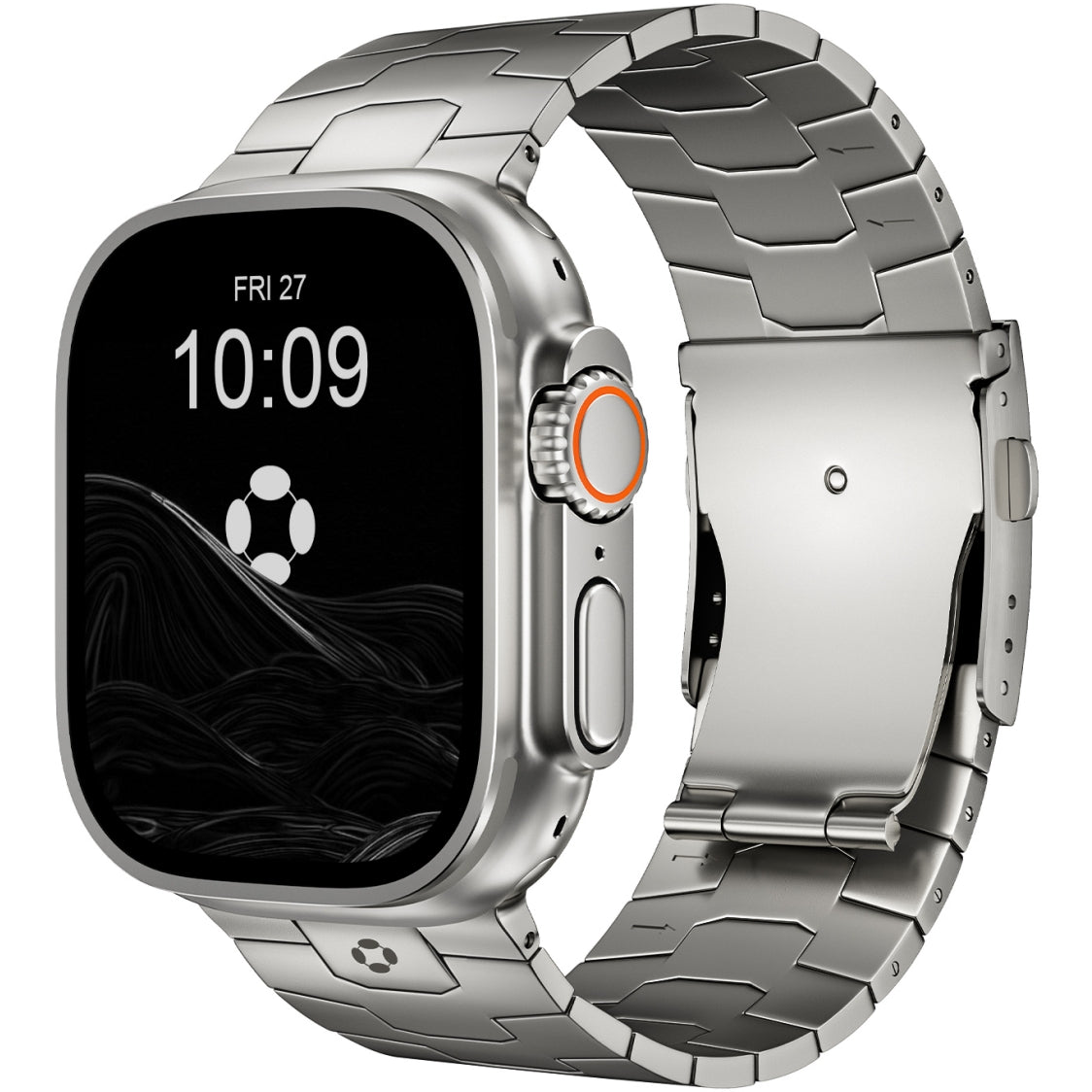
A metal band (like a titanium band) or leather strap is ideal for professional settings. It adds a polished, sophisticated look without being too flashy. For example, the Finestone titanium Apple Watch band offers both luxury and comfort — a perfect choice for all-day wear in the office.
For Fitness & Active Lifestyles
If you wear your watch for workouts, a silicone or rubber band will offer comfort, breathability, and durability. Nylon straps are also a great option due to their adjustability and breathability, especially in warmer conditions.
For Casual & Daily Wear
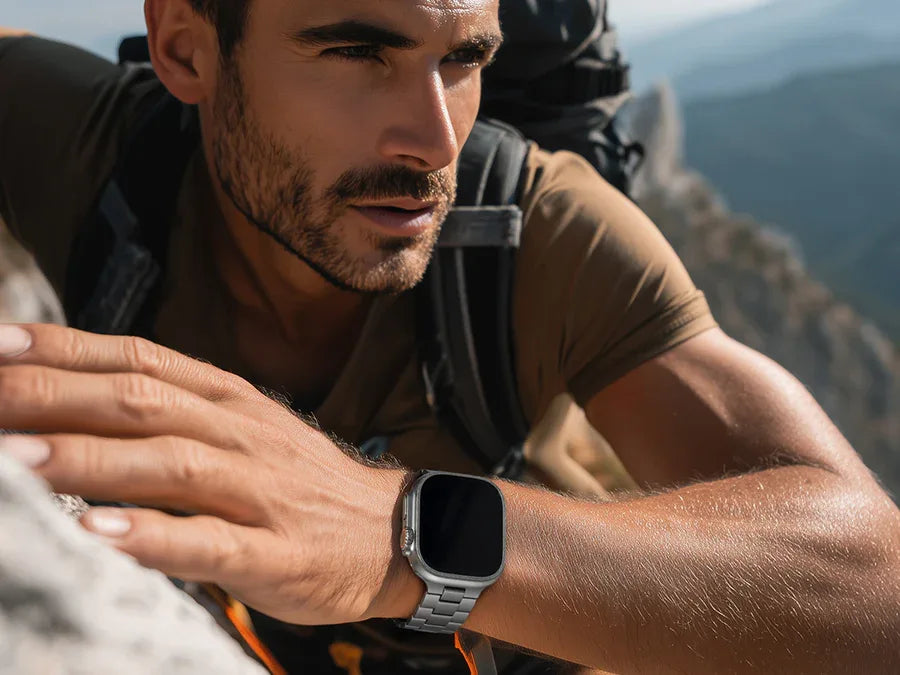
If you want a watch band for daily casual wear, a nylon strap or silicone band offers both comfort and durability. For a more luxurious option, a titanium band provides a sophisticated look without the weight of a traditional metal band.
5. Tips for Ensuring the Perfect Fit
-
Check the Band’s Fit Regularly
Over time, your wrist may change size due to factors like weight loss, swelling, or aging. Always check the fit and adjust the band as needed. -
Choose Adjustable Bands
Bands that offer adjustable clasps or removable links are the most versatile. Look for bands that can accommodate different wrist sizes to ensure the best fit. -
Consider Comfort
If you plan to wear the watch all day, comfort should be a top priority. Consider materials like titanium for a lightweight and durable band that doesn’t compromise on style.