
Whether you’re buying your first watch strap or upgrading your collection, one of the first questions many people ask is: “How much should I expect to pay for a watch strap?” The answer isn’t as simple as a single number — it depends on materials, brand, craftsmanship, type of watch, and how long you want it to last.
In this guide, we’ll break down the typical cost ranges for different types of watch straps, explore what affects pricing, and help you decide which strap is worth your money.
Why Watch Strap Costs Vary
Before diving into price ranges, let’s briefly cover the main factors that influence how much a watch strap costs:
🧵 1. Material Quality
Watch straps can be made from leather, nylon, silicone, metal, ceramic, titanium, and more. Each material brings different durability, comfort, and aesthetic qualities — and costs vary accordingly.
🛠 2. Craftsmanship
Handmade straps or those with intricate stitching and finishing generally cost more than mass-produced options.
📛 3. Brand & Design
Premium brands often charge more for design, reputation, and quality control. A strap from a luxury brand tends to cost more than generic options.
🧩 4. Hardware & Components
High-quality buckles, clasps, and specialized quick-release pins can raise the price.
Typical Watch Strap Cost Ranges
Here’s what you can typically expect to pay for different types of watch straps:
🪶 1. Budget-Friendly Straps — $10 to $50
Examples: Basic nylon, silicone, entry-level leather
If you’re just starting or want a casual, inexpensive option for everyday use, this range delivers great comfort at a low price.
Pros:
-
Affordable for beginners
-
Great for casual or sport use
-
Easy to replace
Cons:
-
Lower durability
-
Less premium feel
-
Basic hardware
Good For: Everyday wear, sports, casual outfits, temporary replacements
🪢 2. Mid-Range Straps — $50 to $150
Examples: Higher-quality leather, woven nylon, silicone with premium hardware
This price bracket is where quality begins to shine. Materials are usually more durable and more comfortable. You’ll find better stitching, stronger buckles, and more design options.
Pros:
-
Better durability and comfort
-
More finishes and styles
-
Great balance of quality and value
Cons:
-
Not as luxurious as high-end straps
Good For: Daily wear, office outfits, casual-meets-smart styles
👔 3. Premium Straps — $150 to $400
Examples: Top-grain leather, premium metal bracelets, luxury silicone or woven bands
Premium straps are often handmade or from brands with higher quality standards. You’ll notice smoother edges, better fit, and superior longevity.
Pros:
-
Excellent fit and comfort
-
Durable materials
-
Stylish and versatile
Cons:
-
Higher price tag
Good For: Work environments, travel, versatile everyday wear
💎 4. Luxury Straps — $400 and Up
Examples: Exotic leather (alligator, ostrich), ceramic, exclusive brand collaborations, precious metals
At this level, straps combine rare materials, master craftsmanship, and long-term investment value. These are the kinds of straps you pair with luxury watches or wear as a statement accessory.
Pros:
-
Unmatched craftsmanship
-
High-quality materials
-
Often part of collector pieces
Cons:
-
Expensive
Good For: Formal wear, luxury timepieces, special occasions
🛡️ 5. Titanium & Specialty Materials — Premium Tier
Titanium bands fall into the premium and luxury tier, especially when crafted for durability, comfort, and refined aesthetics.

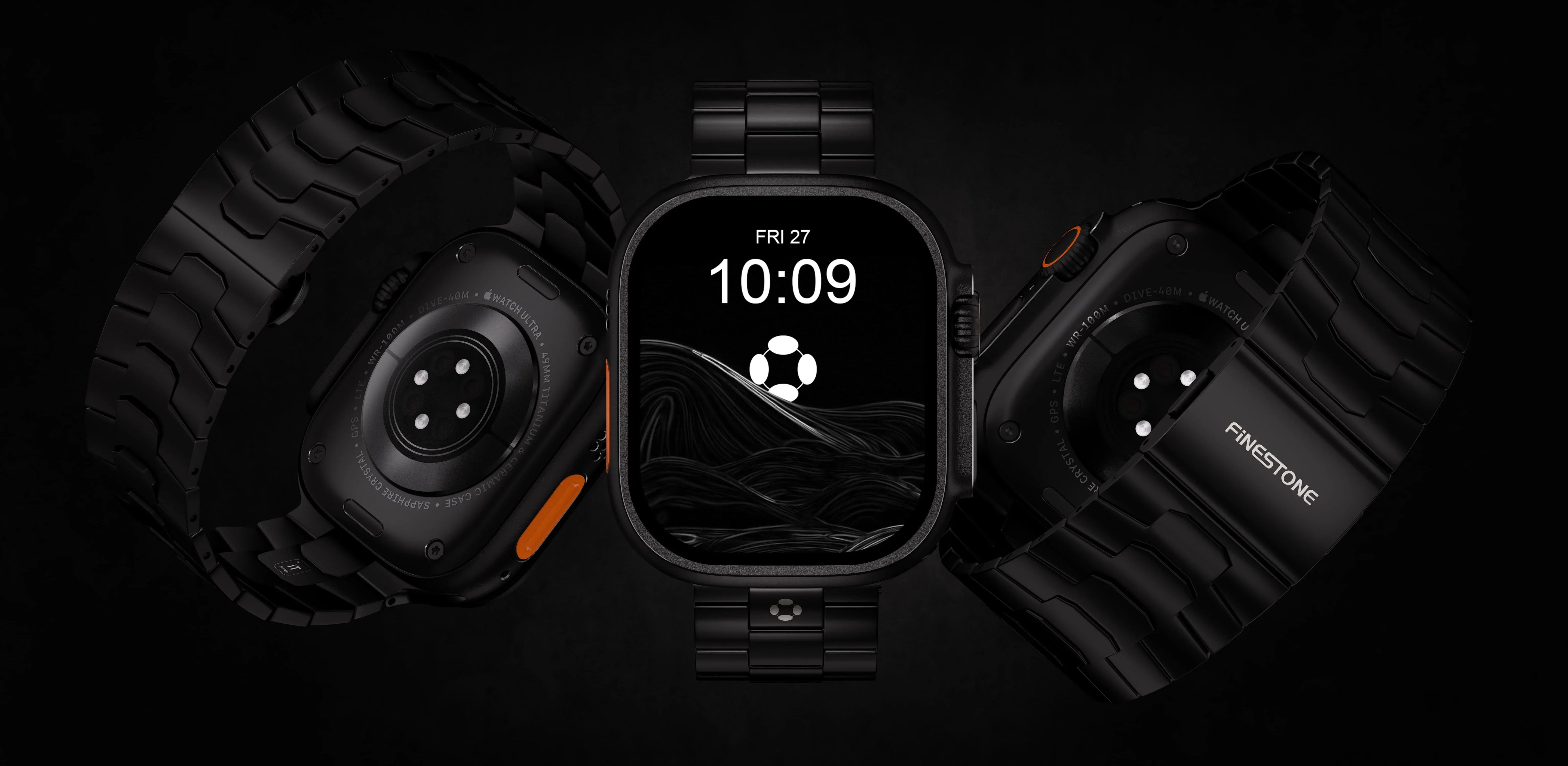
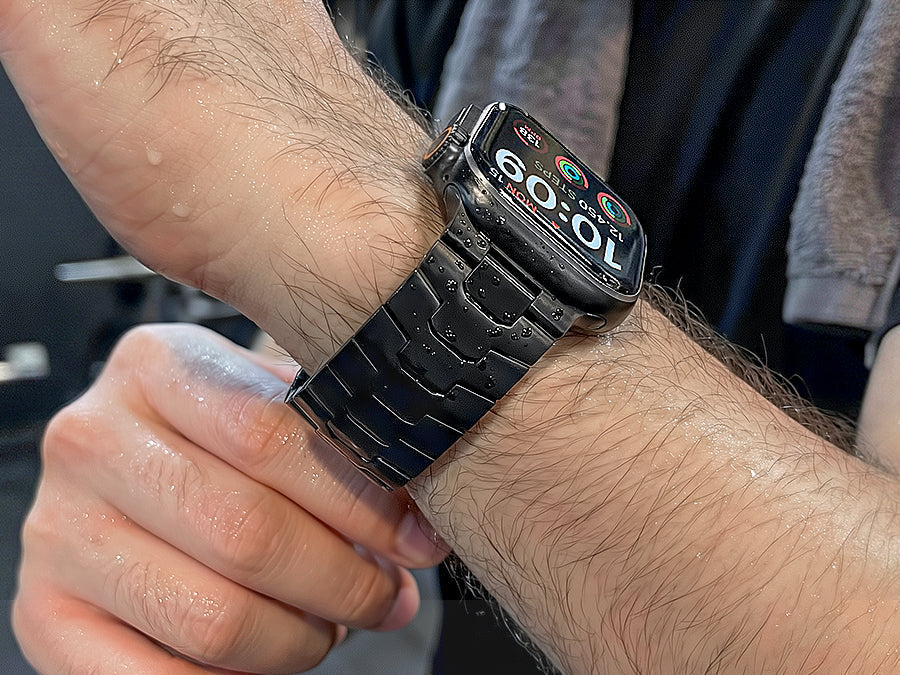
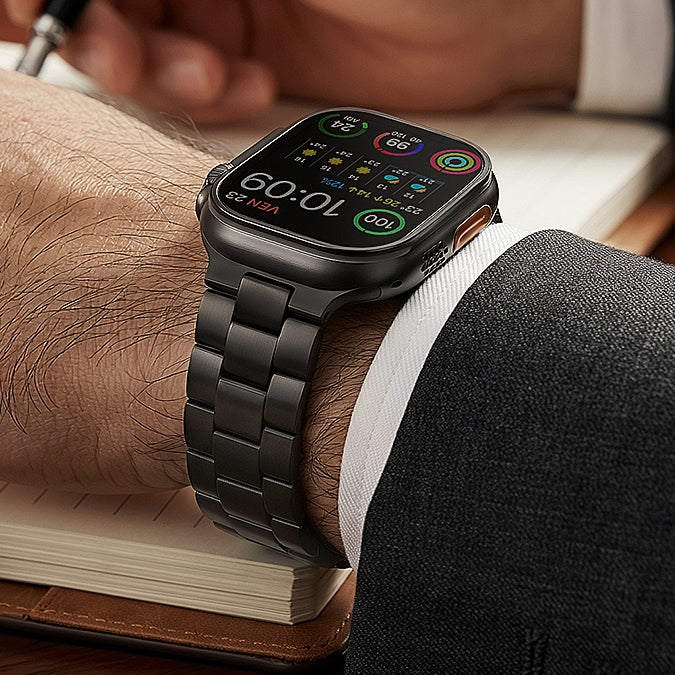
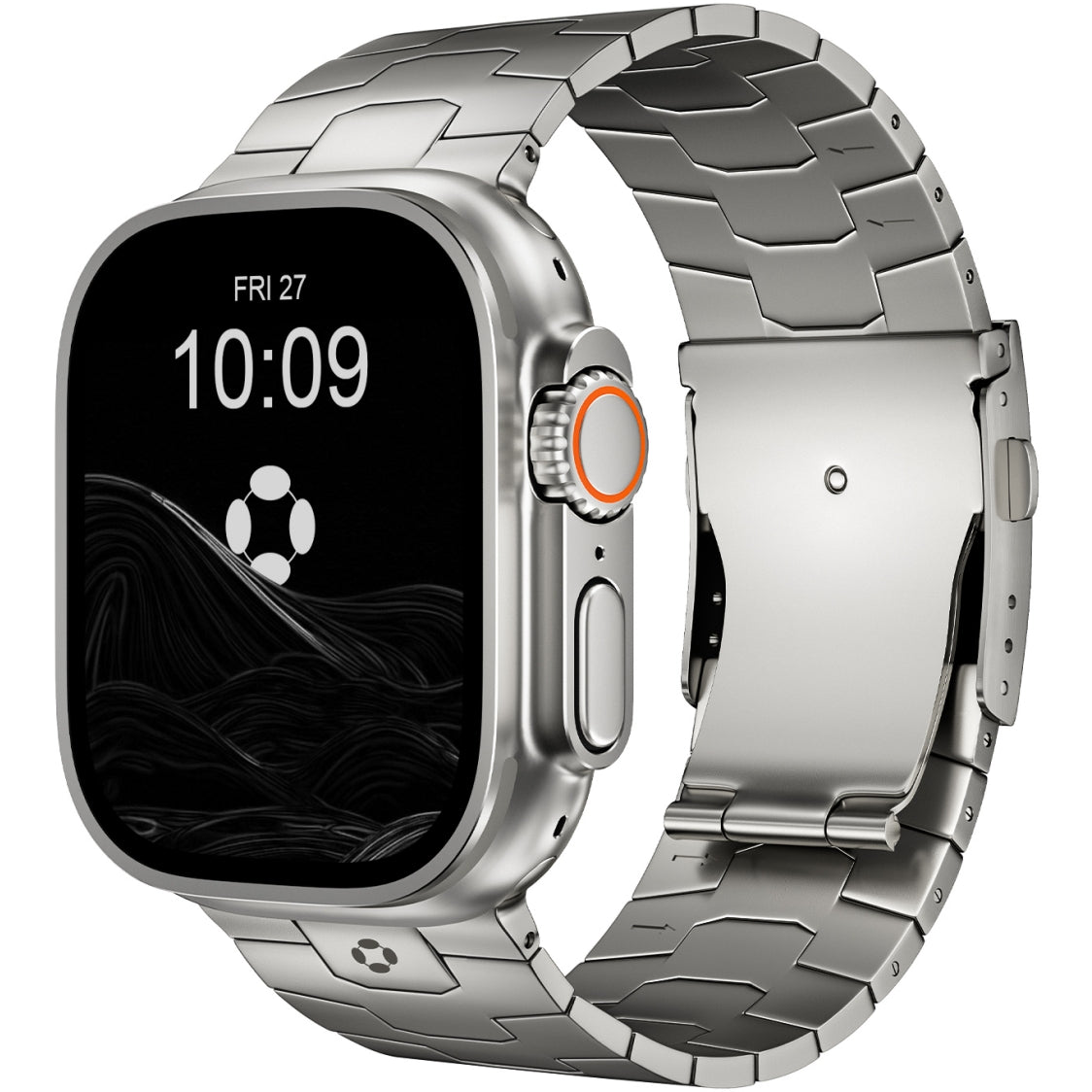
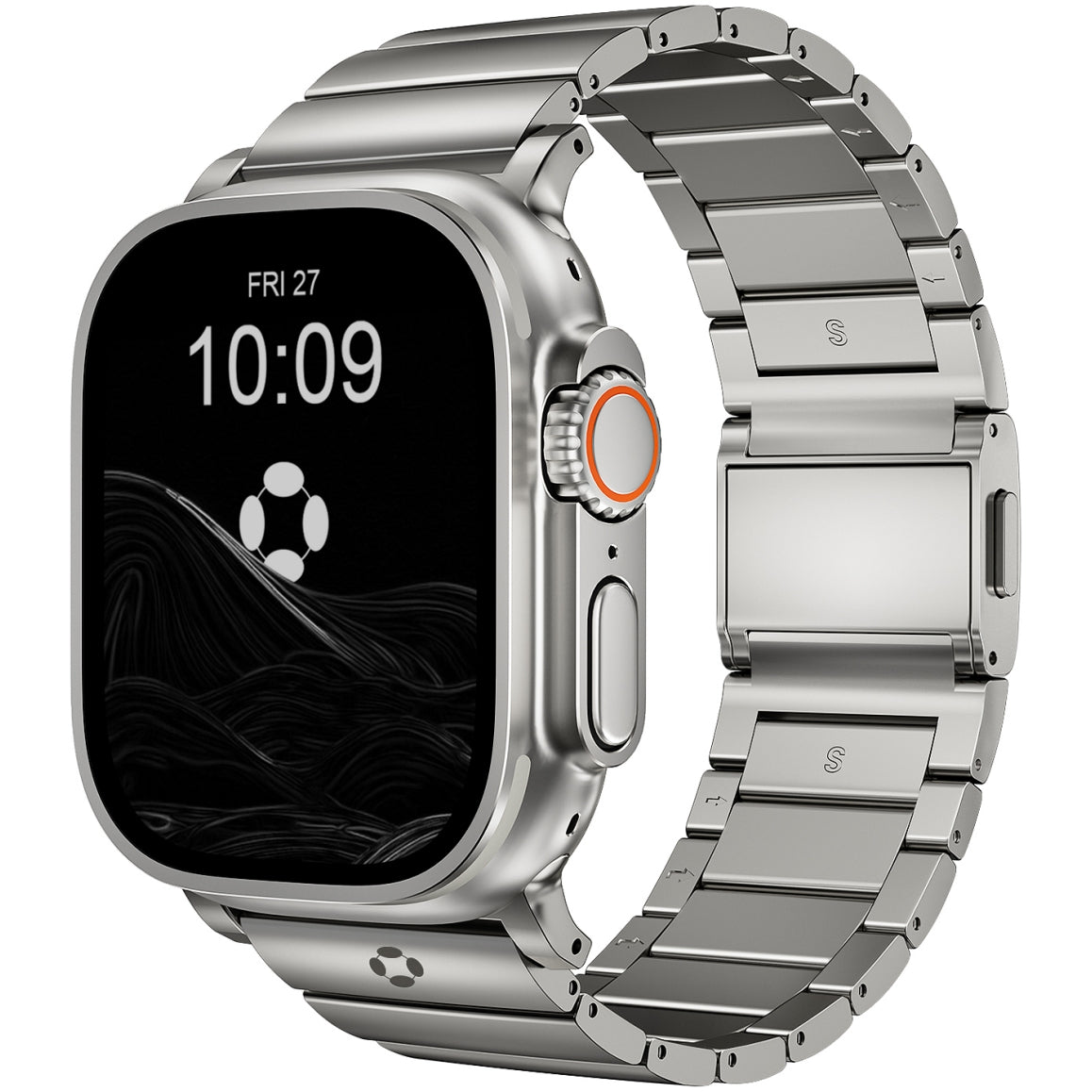
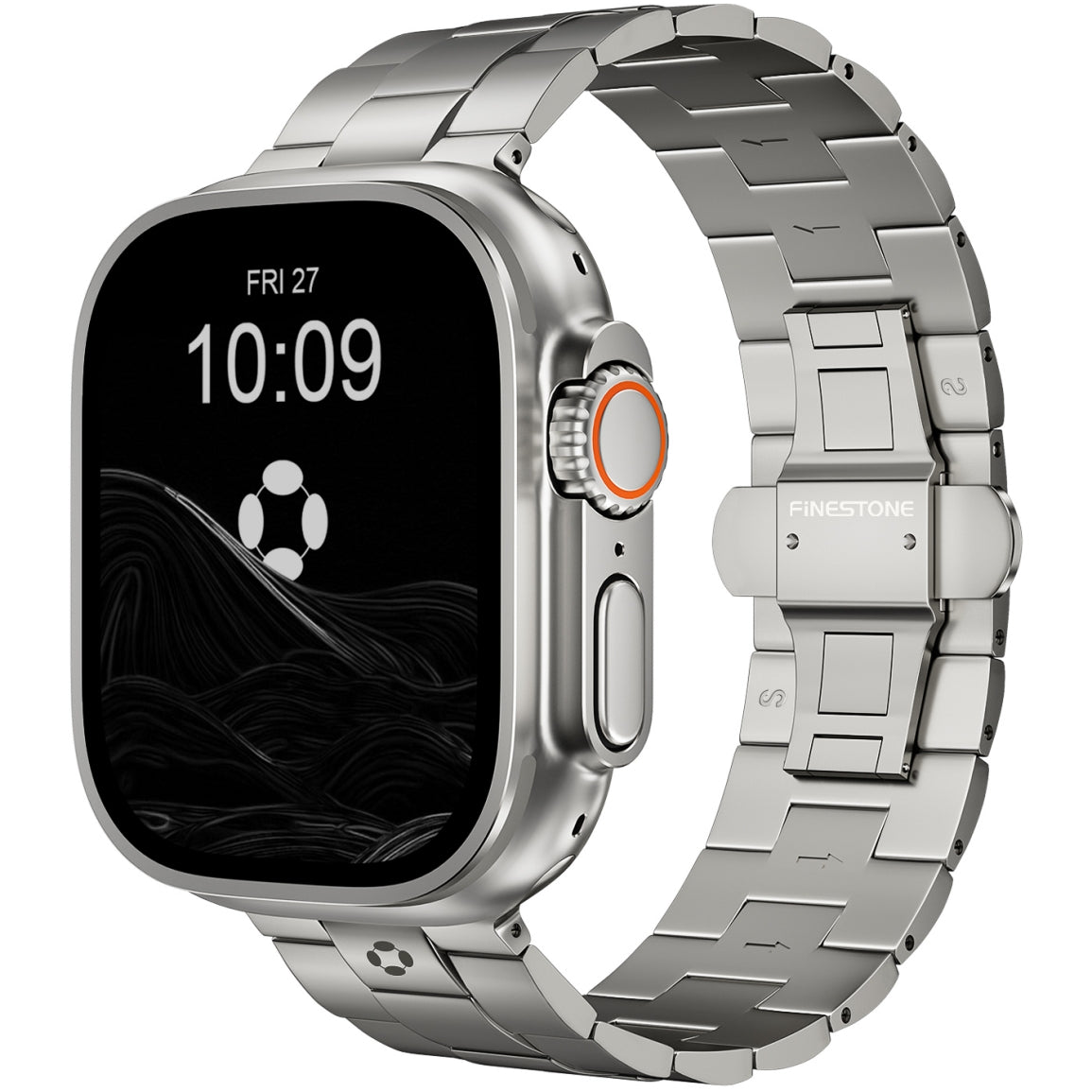
A great example is the Finestone titanium Apple Watch band — a high-end band made from Grade 5 titanium that stands out for its:
-
Lightweight strength
-
Scratch resistance
-
Hypoallergenic comfort
-
Premium brushed finish
These qualities make titanium bands more expensive than standard metal or leather straps but worth the cost for everyday comfort and long-lasting performance.
Typical Cost:
👉 Titanium bands like Finestone’s usually fall in the $150 to $300+ range, depending on finish and design.
Price Comparison Chart
| Strap Type | Typical Price Range | Comfort | Durability | Best For |
|---|---|---|---|---|
| Basic Nylon / Silicone | $10–$50 | ⭐⭐⭐⭐ | ⭐⭐ | Casual / Sport |
| Mid-Range Leather / Nylon | $50–$150 | ⭐⭐⭐⭐ | ⭐⭐⭐ | Daily Wear |
| Premium Leather / Metal | $150–$400 | ⭐⭐⭐⭐ | ⭐⭐⭐⭐ | Office / Travel |
| Luxury Leather / Exotic / Ceramic | $400+ | ⭐⭐⭐⭐⭐ | ⭐⭐⭐⭐⭐ | Formal / Collectors |
| Titanium Bands (e.g., Finestone) | $150–$300+ | ⭐⭐⭐⭐ | ⭐⭐⭐⭐ | All-Day Comfort & Style |
How to Decide What’s Worth It
Here are a few questions to help you determine what price range makes sense:
🤔 1. How often will you wear the strap?
-
Daily wear? Invest in comfort and durability.
-
Occasional wear? Budget or mid-range may suffice.
👕 2. What’s your style priority?
-
Casual and sporty? Nylon or silicone works great.
-
Business or formal? Leather, metal, or titanium makes a stronger impression.
🏃 3. Is comfort important for long wear?
-
If yes, look at lightweight materials like titanium or breathable fabrics.
📅 4. How long do you want it to last?
-
Low-cost straps may wear out in months.
-
Mid-range and premium straps can last years with proper care.
Caring for Your Watch Strap: Get More Value
To ensure your strap lasts its lifetime (and beyond):
✅ Clean regularly (especially after workouts)
✅ Avoid harsh chemicals and excessive moisture
✅ Store in a dry place
✅ Condition leather occasionally
✅ Use proper tools for link or clasp adjustments
Good care extends the life of your strap and protects your investment — even for expensive materials like titanium, leather, or exotic skins.