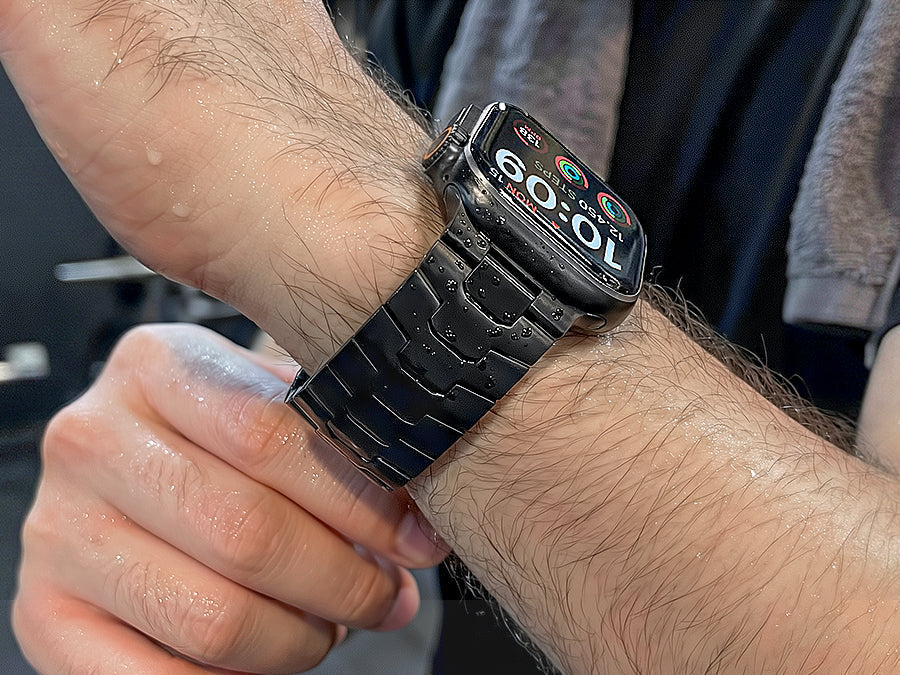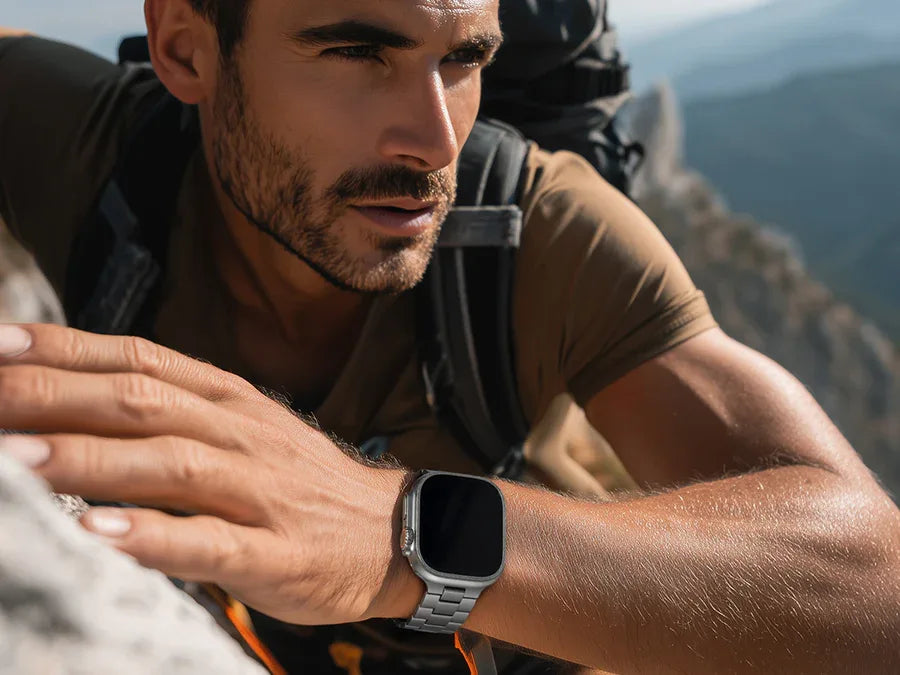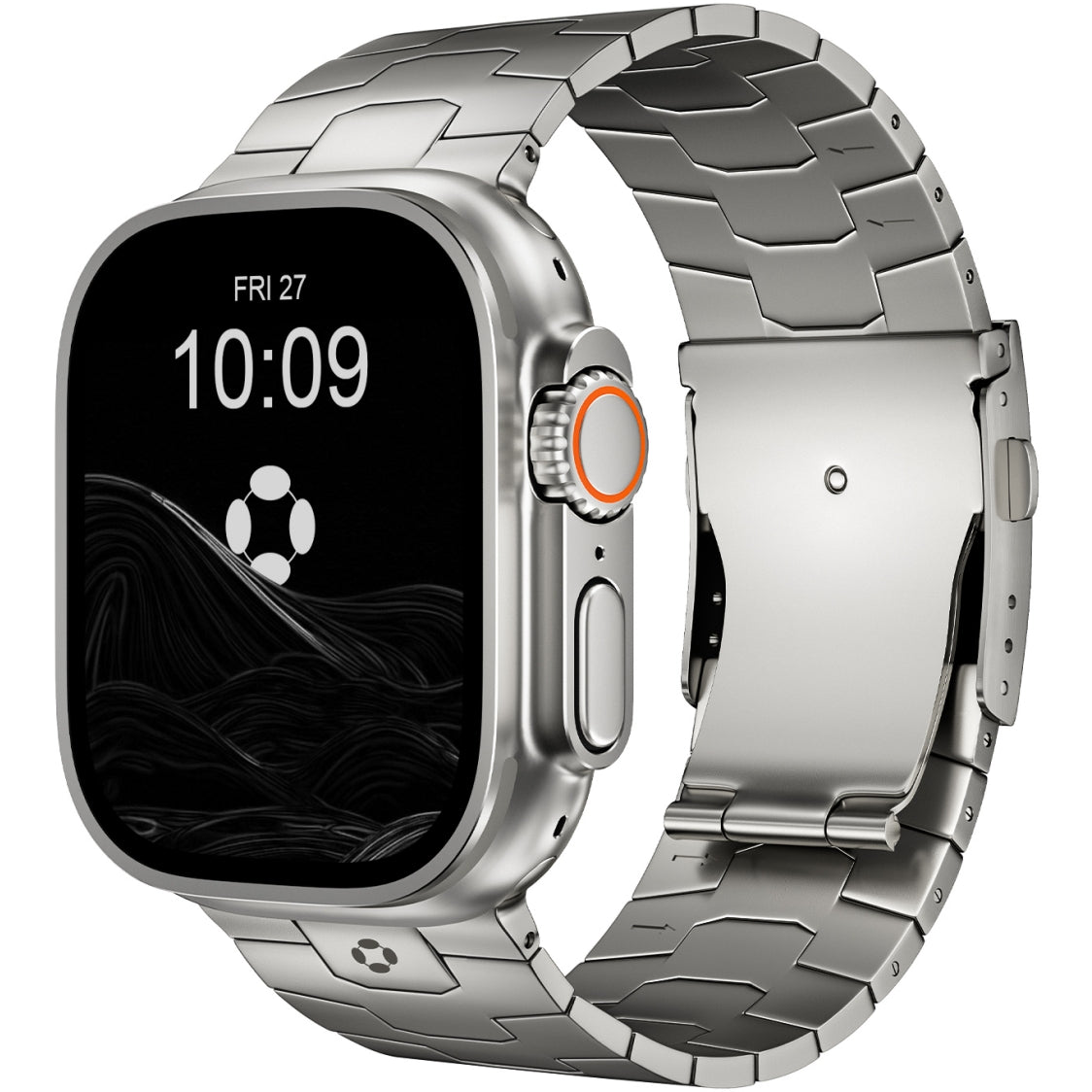
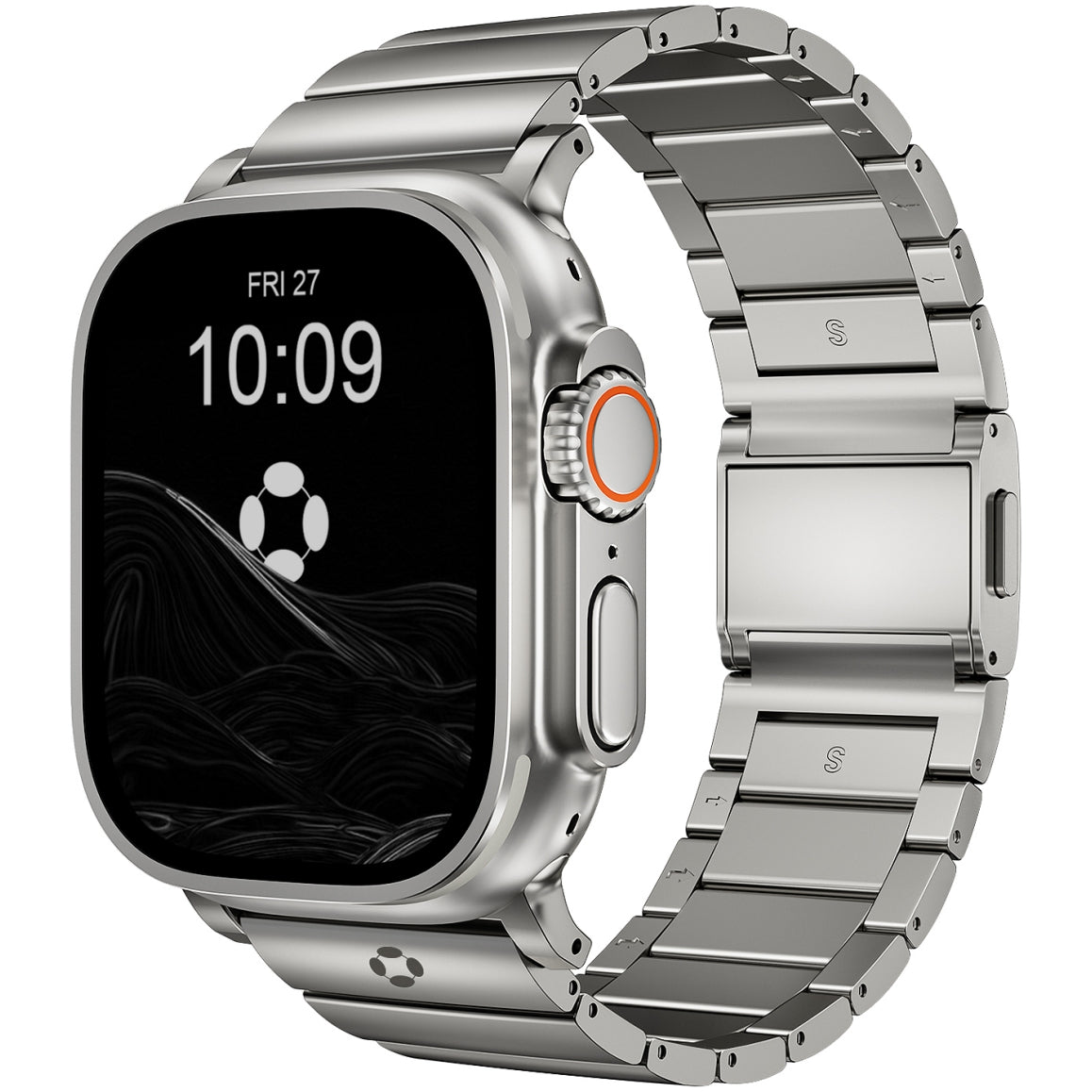
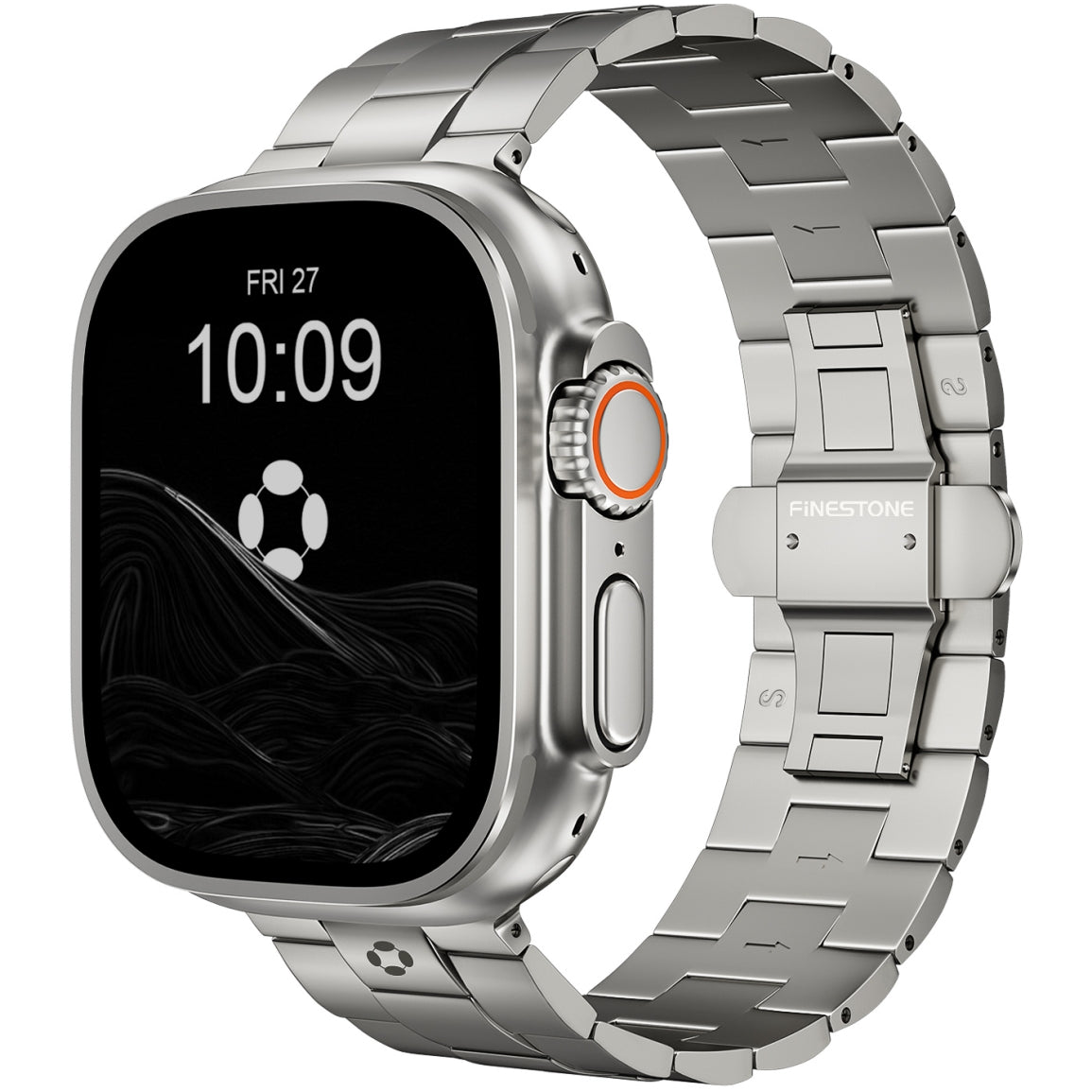

If you’ve ever worn a metal Apple Watch band, you may have experienced the unpleasant sensation of it pulling your arm hair. This common issue is more than just an annoying discomfort—it can make wearing your Apple Watch less enjoyable. While some may simply dismiss it as an inevitable part of wearing a metal band, understanding why this happens and how to prevent it can improve your overall comfort.
In this blog, we’ll dive into why metal bands pull arm hair, the factors that contribute to it, and what you can do to either alleviate the problem or prevent it from happening in the first place.
The Causes of Arm Hair Pulling with Metal Bands
1. Sharp Edges and Rough Links
Many metal watch bands, especially those made from stainless steel or alloy metals, feature links with sharp edges or rough finishes. These rough edges can catch onto the fine hair on your arm, leading to discomfort when the band moves slightly or when you adjust your wrist.
-
Link bands: These are often made of interlocking metal links that can have jagged edges, especially around the clasps and edges of each link.
-
Poor manufacturing: Lower-quality metal bands may not be as polished or smooth as higher-end alternatives, which makes them more likely to cause irritation.
Why It Pulls Hair:
-
The sharp edges of metal links or clasps grab onto arm hair, causing it to be pulled when you move your wrist.
2. Tight Fit or Excessive Pressure
Another common reason that metal bands pull arm hair is because the band is worn too tightly. When a band is tight against your wrist, it creates pressure points that cause friction against your skin and hair. As a result, the band may pull your arm hair when you move your wrist.
-
Over-tightening: A band that’s too tight will press against the skin and hair, leading to the pulling sensation.
-
Elasticity issues: If the band is not flexible enough to adjust easily to wrist movement, it may cause friction against the skin and hair, especially during activities or while adjusting your wrist position.
Why It Pulls Hair:
-
Tight bands create friction between the band and the arm hair, causing hair to be pulled when you move your wrist.
3. Band Design and Structure
Some metal bands are designed in a way that doesn’t account for wrist movement and flexibility. Bands with links that don’t allow smooth movement or bands with spikes or sharp clasps can easily catch your arm hair during routine movements like rotating your wrist or adjusting the fit of the band.
-
Mesh bands like the Milanese loop are an exception, as their smooth, flexible construction often minimizes hair-pulling issues.
-
Link bands with large links or stiff metal clasps may increase friction and hair-pulling.
Why It Pulls Hair:
-
Stiff or rigid bands don’t allow for smooth wrist movement, increasing the chances of hair getting caught and pulled.
4. Thickness and Weight of the Band
The thicker and heavier the metal band, the more it can exert pressure against your skin and hair. A heavier band will create more friction and, when combined with an imperfect fit, will often end up pulling arm hair more frequently.
-
Metal bands with large, heavy links often exert more pressure and may cause more irritation to the skin and hair follicles.
-
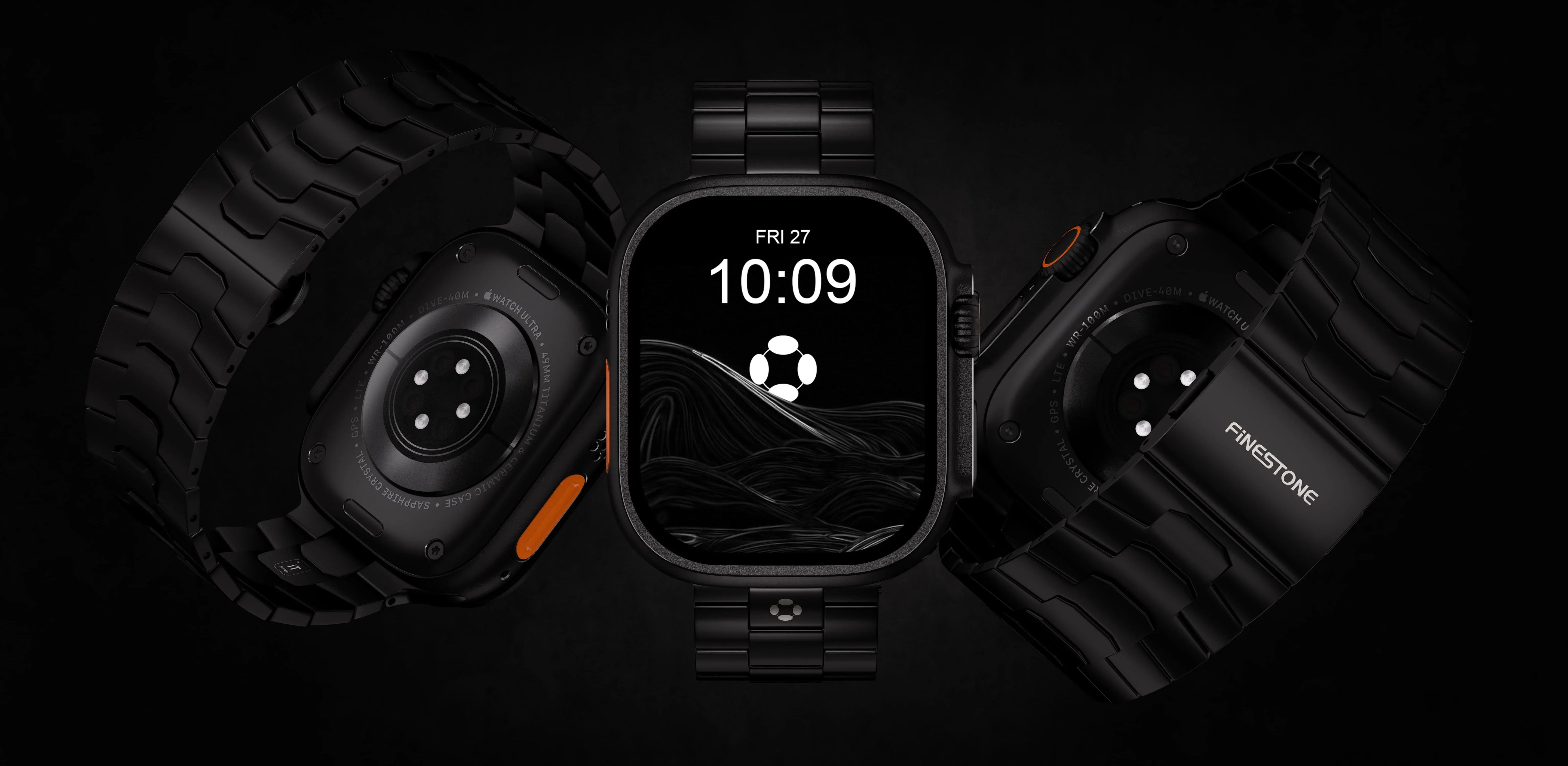
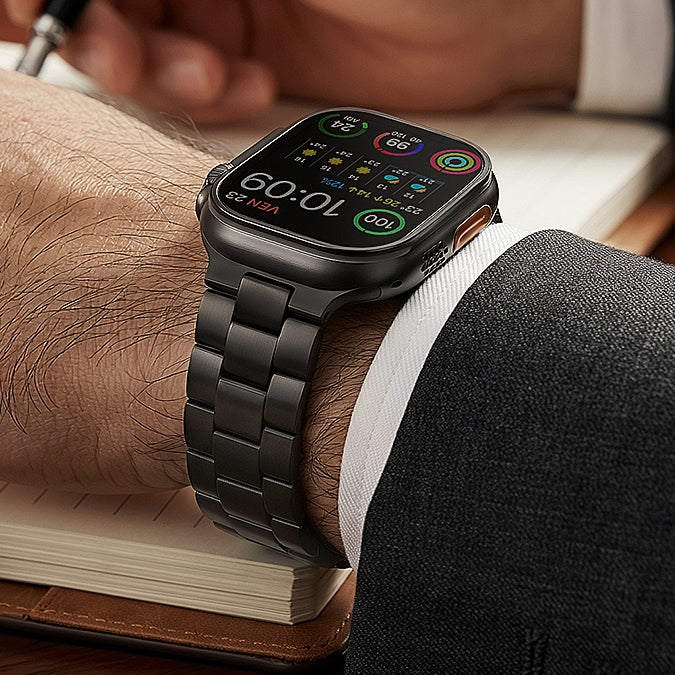
Bands like the Finestone titanium Apple Watch band, made with lightweight and highly durable titanium, provide the right balance of comfort and style while minimizing the chance of hair-pulling.

Why It Pulls Hair:
-
Heavier bands with more surface area or stiff designs can press tightly against your wrist and catch hair when you move.
How to Prevent or Alleviate the Arm Hair Pulling
Now that we know the causes, let’s look at some effective solutions to prevent or alleviate the problem:
1. Choose a Smoother Band
Opt for a smoother band design, like the Finestone titanium Apple Watch band, which has a sleek, polished surface and rounded edges. Titanium is known for being lightweight and scratch-resistant, ensuring that the band doesn't pull on your skin or hair. A Milanese loop or smooth silicone band could also be alternatives to metal bands for those sensitive to arm hair pulling.
2. Adjust the Fit of the Band
Avoid wearing your band too tightly. A band that’s too tight will create more pressure and friction, pulling on your arm hair. Make sure there’s enough room to allow the band to comfortably rest against your wrist without being too snug.
-
Opt for a properly adjusted fit that lets you slide a finger comfortably underneath the band.
-
Many metal bands, including those from Finestone, offer adjustable links, so you can modify the fit to suit your wrist better.
3. Choose Lighter, Flexible Metal Bands
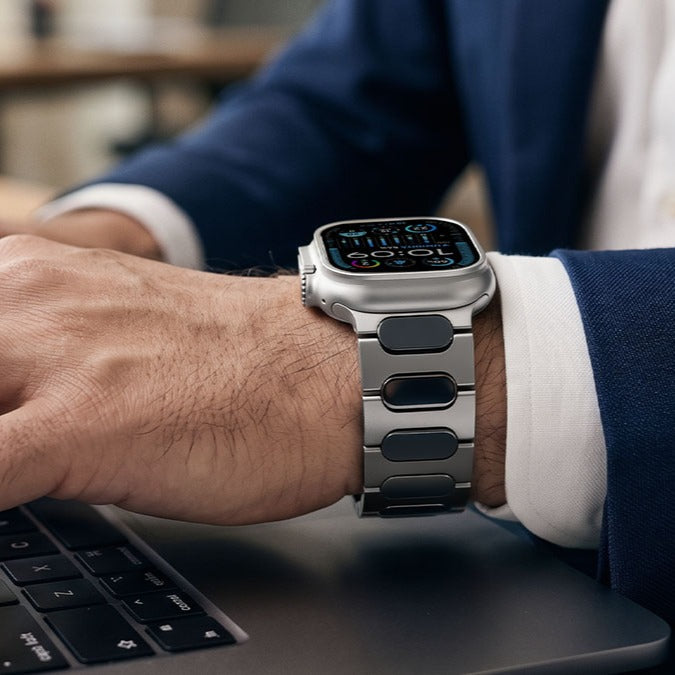
If you prefer a metal band but want to reduce hair-pulling, consider a band made from lightweight materials like titanium. Finestone titanium Apple Watch bands are a perfect example—offering a premium finish without the bulk or weight that makes bands more likely to irritate your skin and hair.
-
Lighter materials like titanium will exert less pressure on your wrist while still offering the durability and luxury of metal.
4. Switch to Non-Metal Options
If you are particularly sensitive to hair-pulling, you may want to switch to non-metal bands like silicone, nylon, or leather. These materials are generally smoother and less likely to snag on arm hair compared to metal.
-
Silicone bands and nylon straps are lightweight and often feel much more comfortable than metal bands.
5. Use Band Covers or Protective Sleeves
If you're not ready to give up your favorite metal band but still want to prevent hair-pulling, consider using a band cover or protective sleeve. These covers go over the links and act as a barrier between your skin and the metal, reducing friction and preventing hair from getting caught.