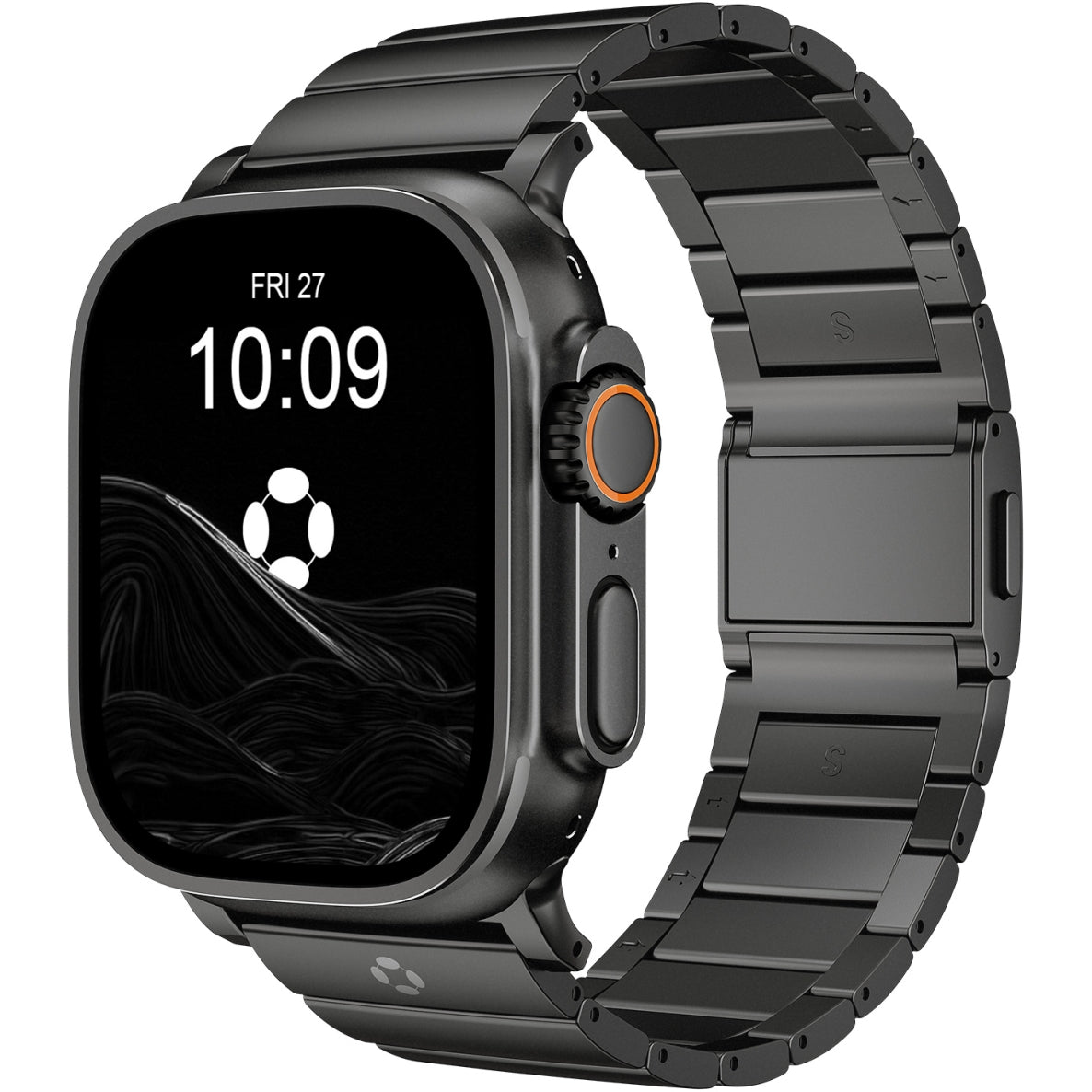

When shopping for a watch band, the price range can be surprisingly wide. You might see straps selling for $15, while others cost $100–$300 or more. This raises an obvious question: are expensive watch bands actually worth it, or are you just paying for branding?
The answer depends on several factors, including materials, craftsmanship, durability, and comfort. In many cases, higher-priced bands do offer meaningful advantages—but not always.
This guide provides an honest look at what you really get when you buy an expensive watch band, when it’s worth paying more, and when a budget option may be perfectly fine.
Why Some Watch Bands Are So Expensive
Watch bands can cost more for several legitimate reasons.
The biggest factors affecting price include:
1. Material Quality
Premium materials significantly increase cost.
Examples include:
-
Titanium
-
Full-grain leather
-
High-grade stainless steel
-
Advanced performance fabrics
For instance, titanium bands often cost more because titanium is harder to machine and requires specialized manufacturing tools.
Even though titanium is abundant, the processing and finishing process increases production costs.
2. Manufacturing Complexity
Higher-end watch bands are usually manufactured with more precision.
Features that increase cost include:
-
Precision-machined metal links
-
Micro-adjustable clasps
-
Hand-stitched leather construction
-
Advanced coatings for scratch resistance
These details improve durability and comfort but require more labor and engineering.
3. Durability and Longevity
One key advantage of premium bands is longer lifespan.
Better materials resist:
-
Sweat corrosion
-
stretching or deformation
-
material cracking
For example, titanium bands resist corrosion extremely well because they naturally form a protective oxide layer that prevents degradation even in humid or salty environments.
That durability can make expensive bands more cost-effective over time.
When Expensive Watch Bands Are Worth It
All-Day Comfort
Higher-end materials often improve comfort dramatically.
Titanium bands, for example, are about 45% lighter than stainless steel, reducing wrist fatigue during long wear.
This difference becomes noticeable if you wear your watch:
-
all day at work
-
during travel
-
while sleeping or exercising
A lighter band often feels more natural on the wrist.
Skin Sensitivity
If you have sensitive skin, premium materials may also help.
Titanium is naturally hypoallergenic and nickel-free, making it a good option for people who experience irritation with metal watch bands.
This is one reason titanium is commonly used in medical implants and high-end watch bracelets.
Long-Term Value
A high-quality band may cost more upfront but last longer.
Instead of replacing a cheap strap every year, a premium band may remain usable for many years.
This can make the total cost of ownership surprisingly similar.
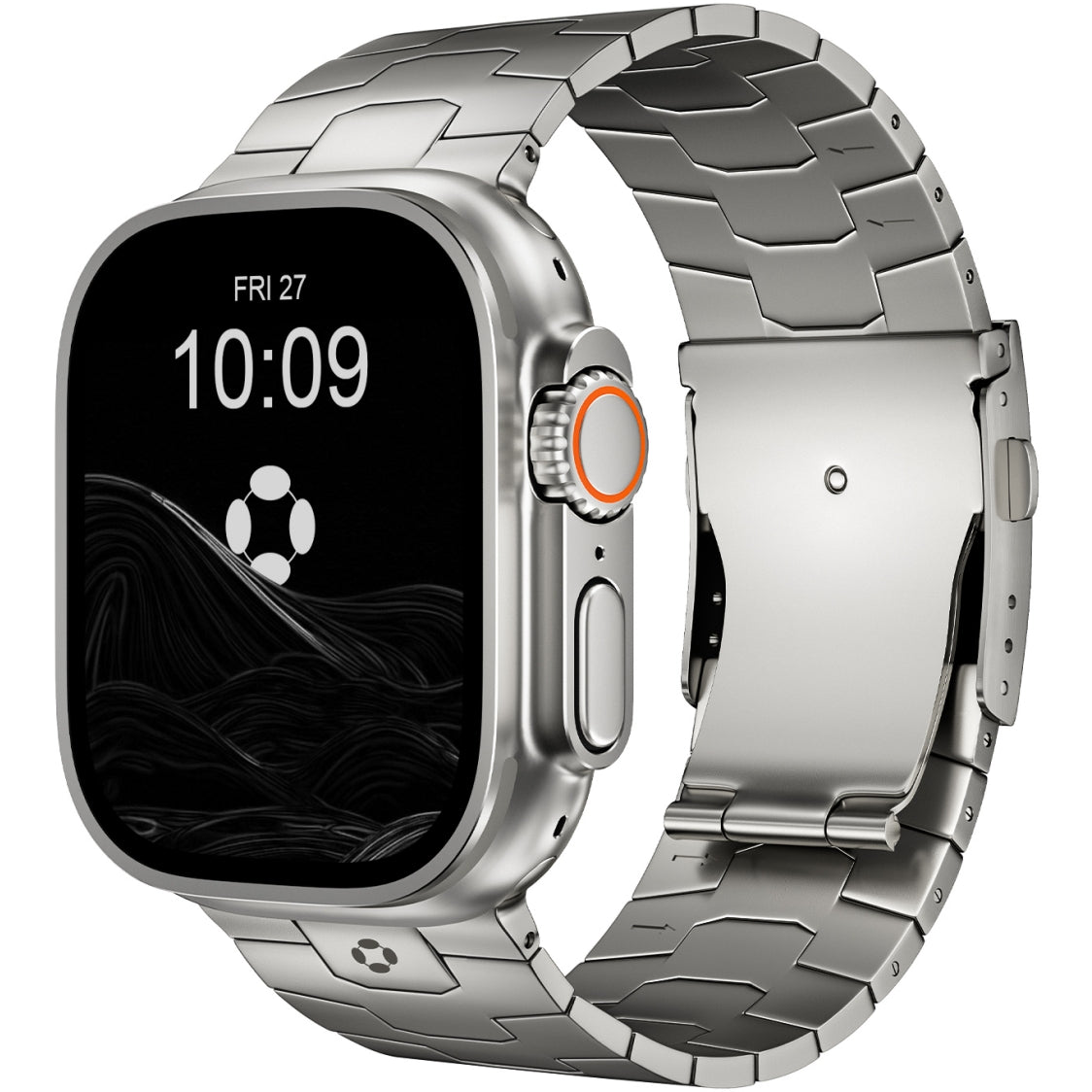
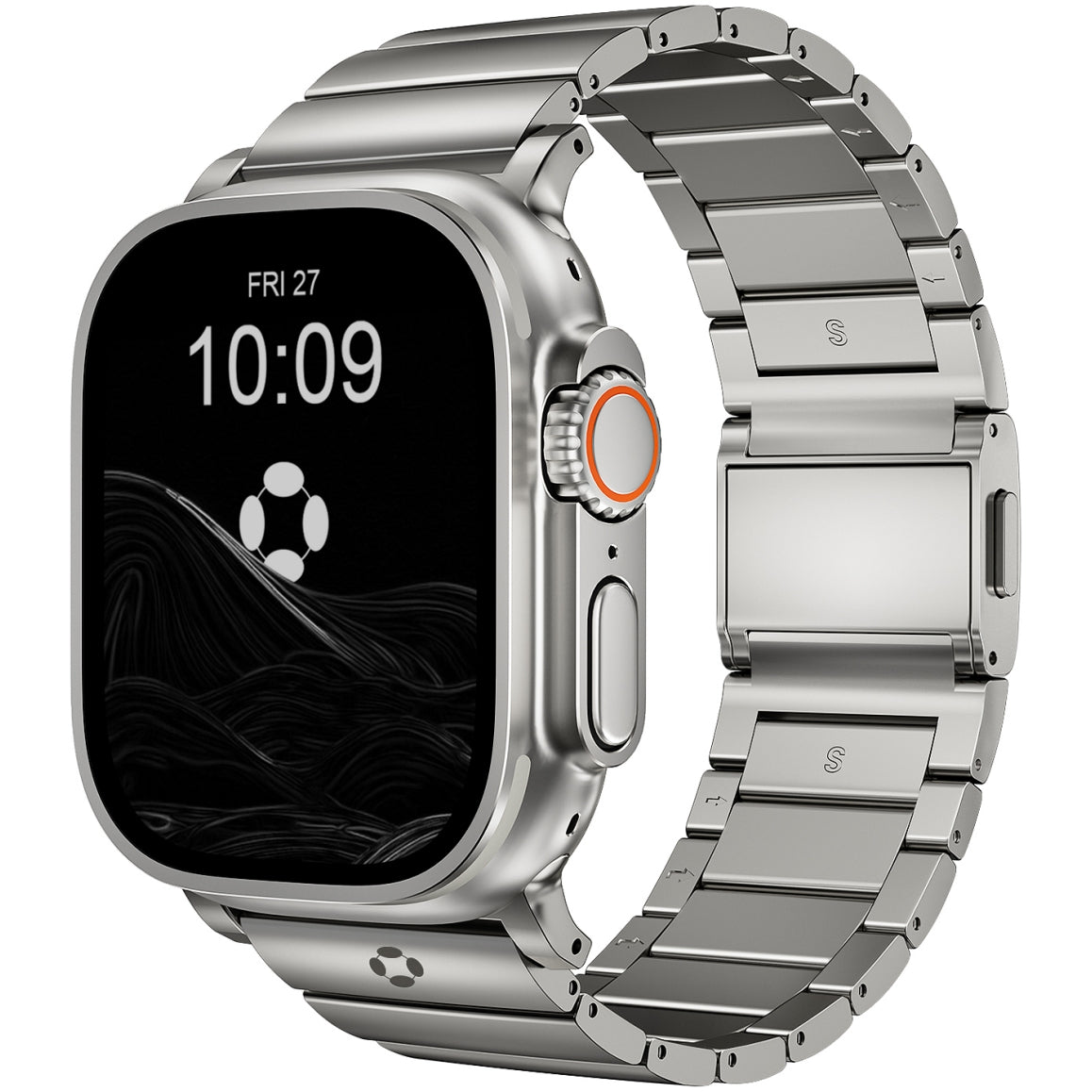
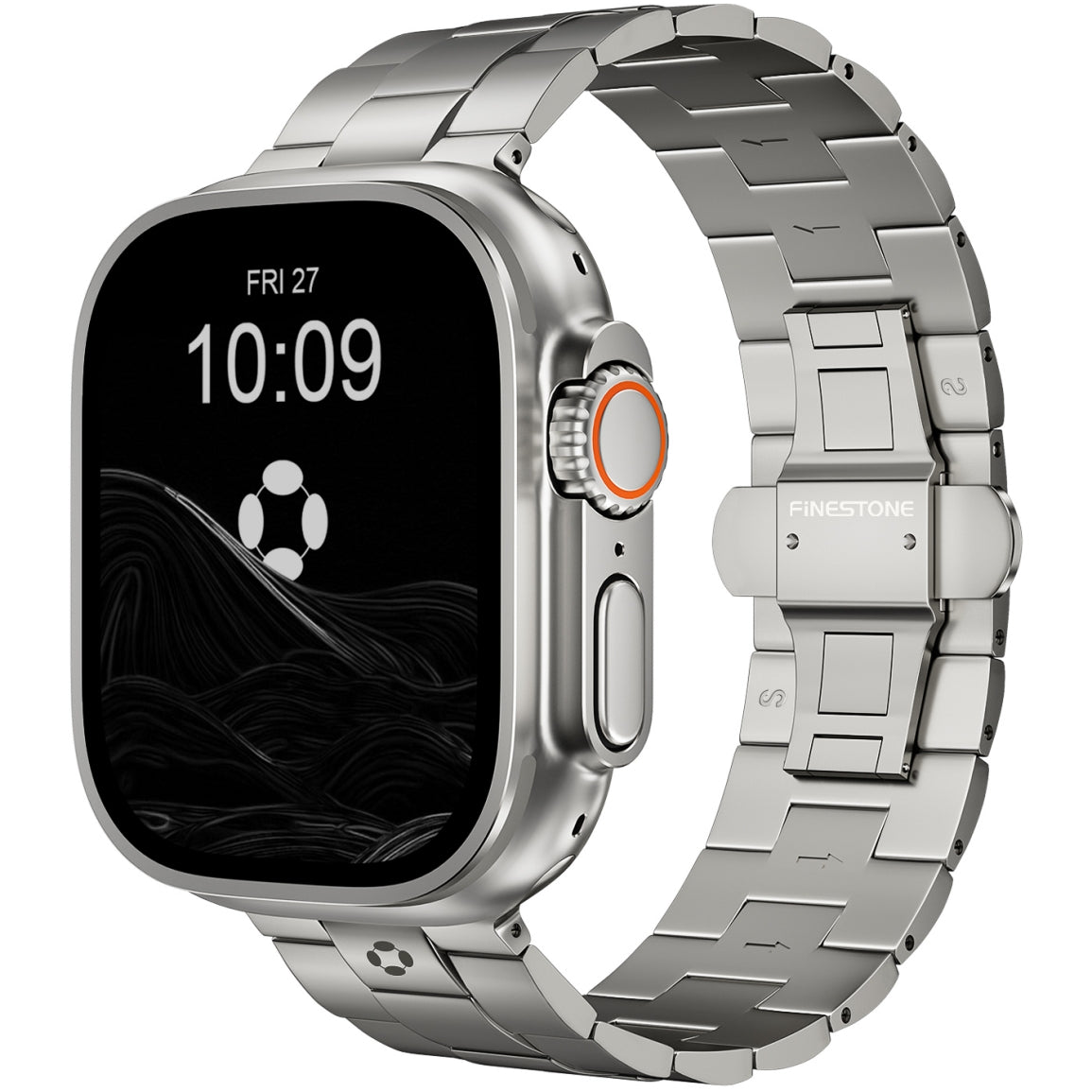
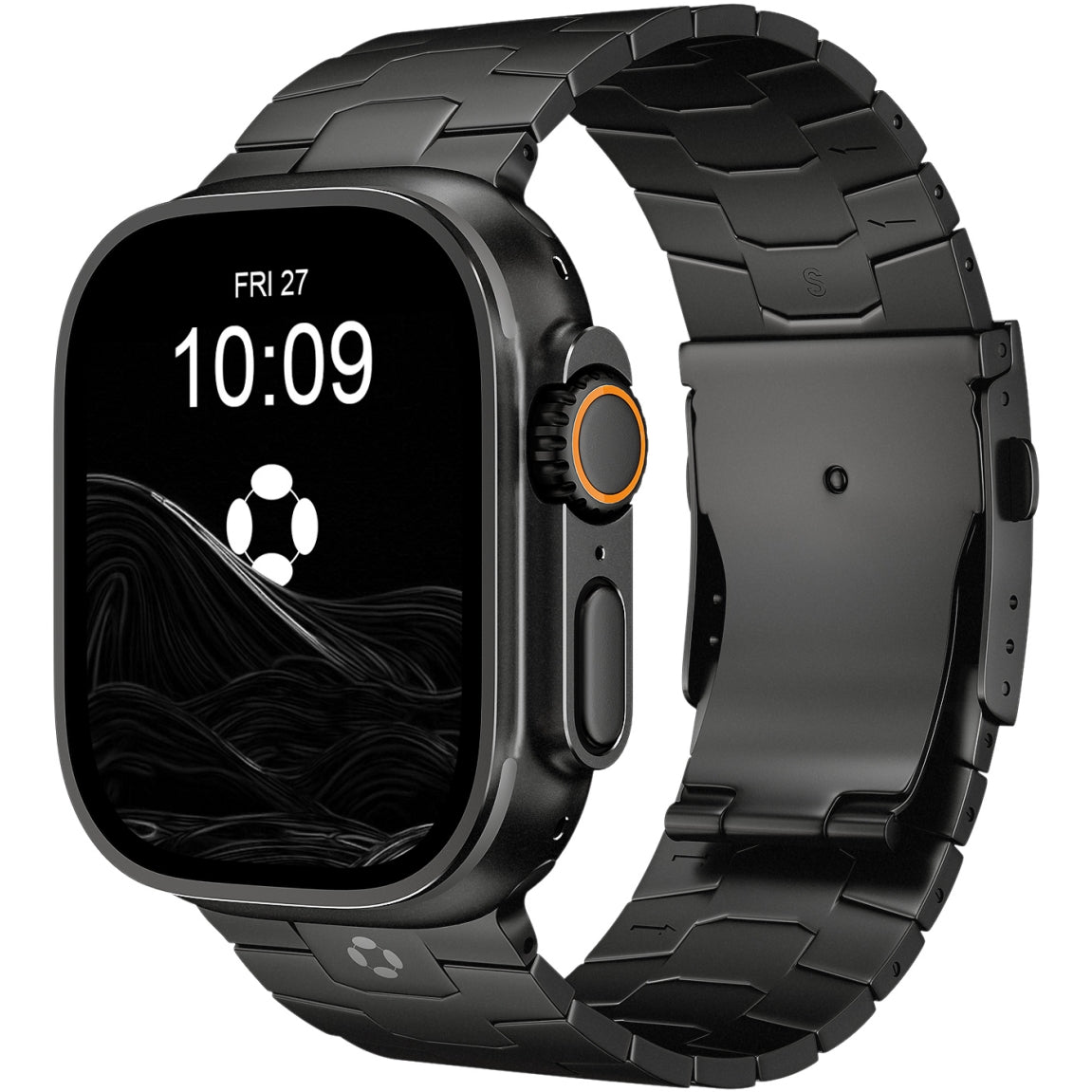
Titanium Watch Bands: A Common Premium Upgrade
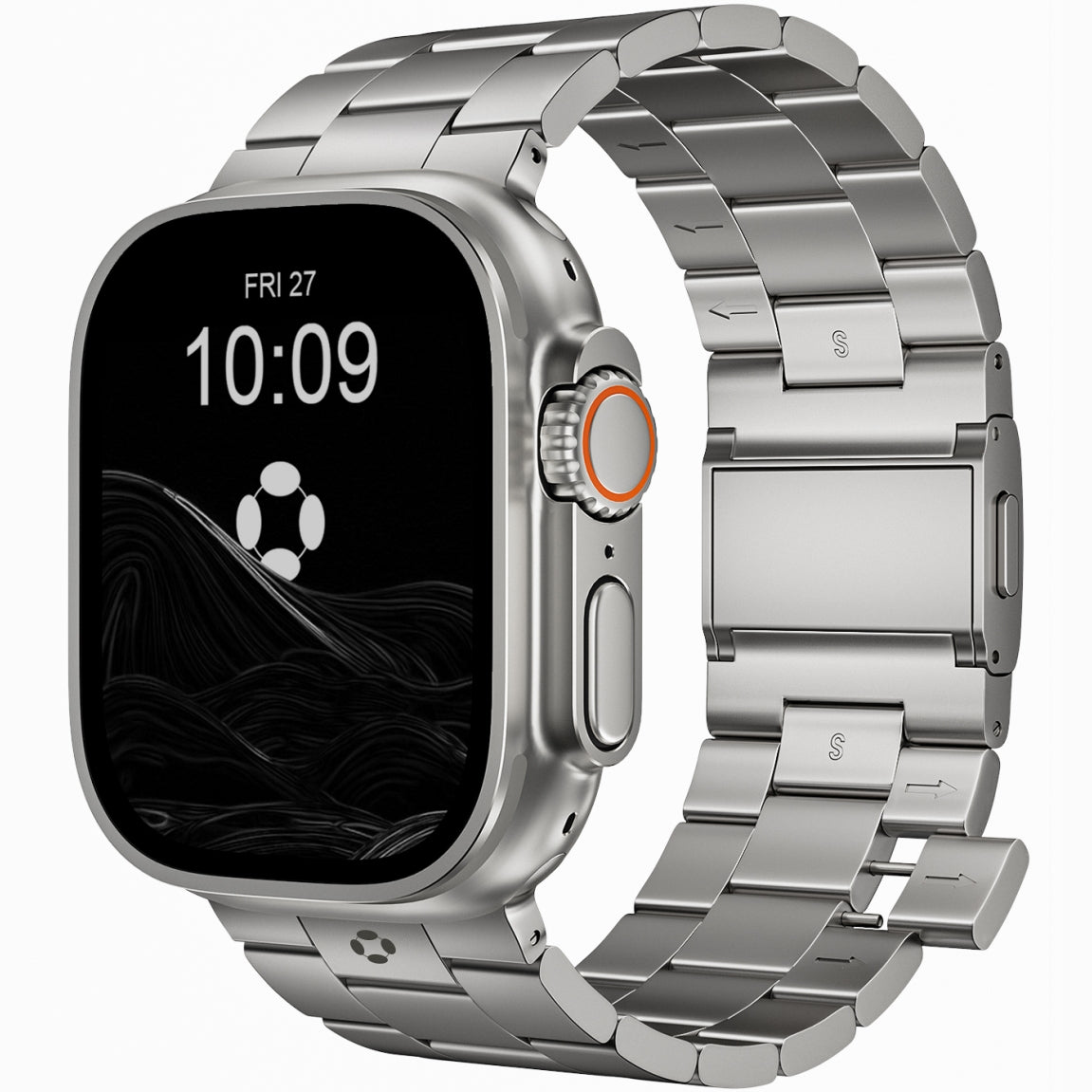
Titanium watch bands are one of the most common examples of a premium upgrade.
They offer several advantages over standard metal bands:
-
Much lighter weight
-
Excellent corrosion resistance
-
High strength-to-weight ratio
-
Modern minimalist appearance
Because titanium is lightweight but durable, many users find it significantly more comfortable during long daily wear.
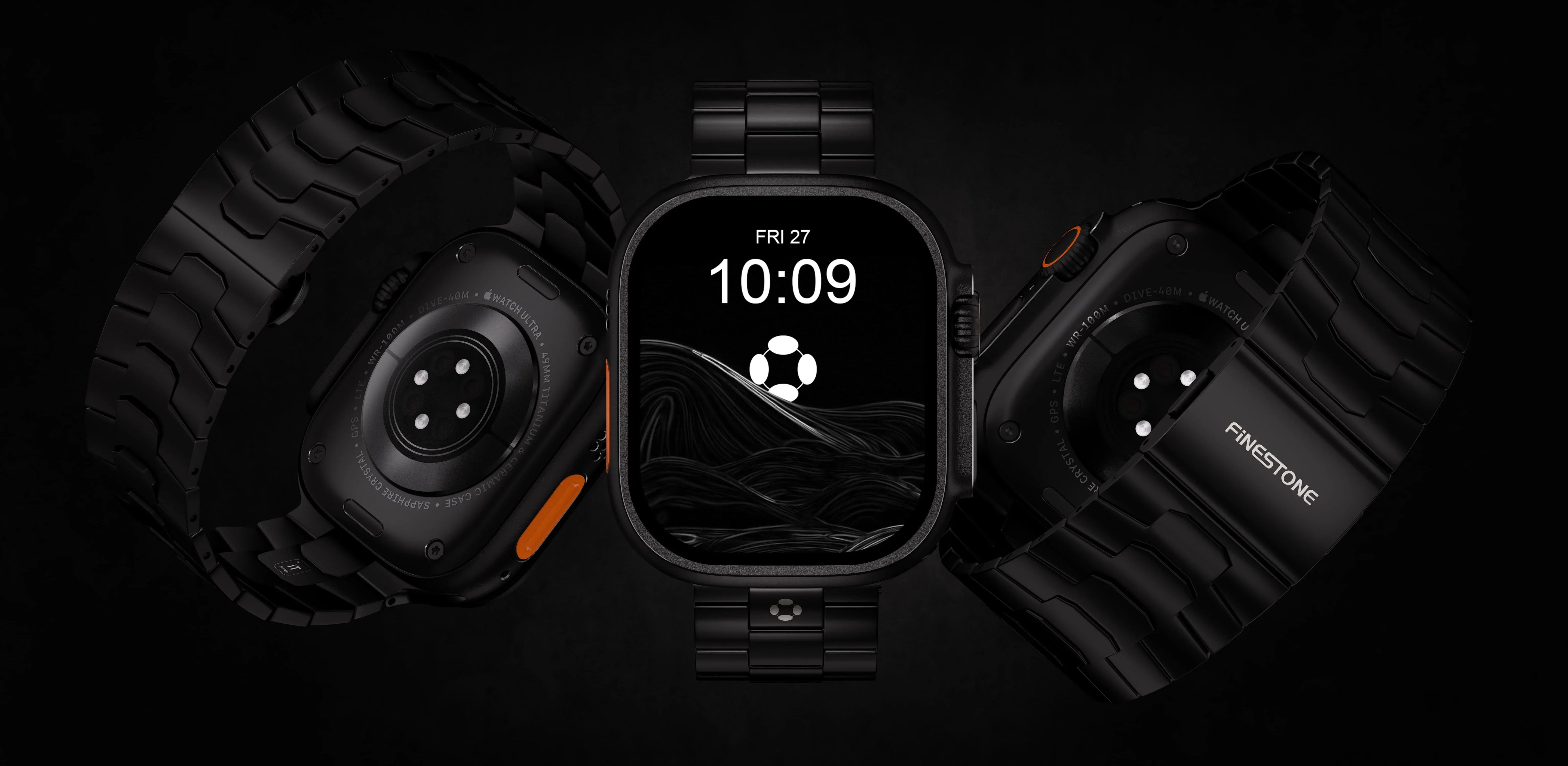
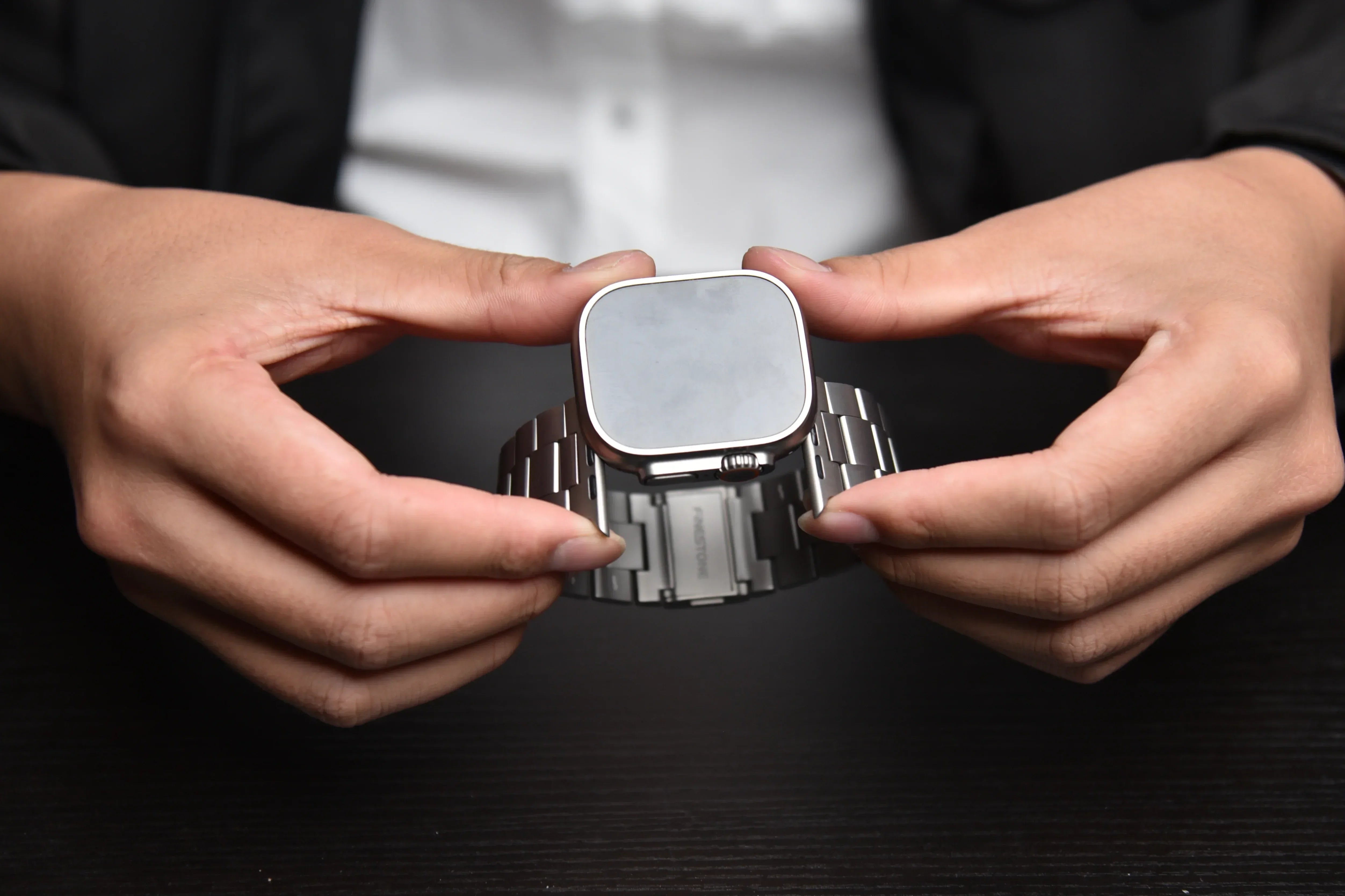
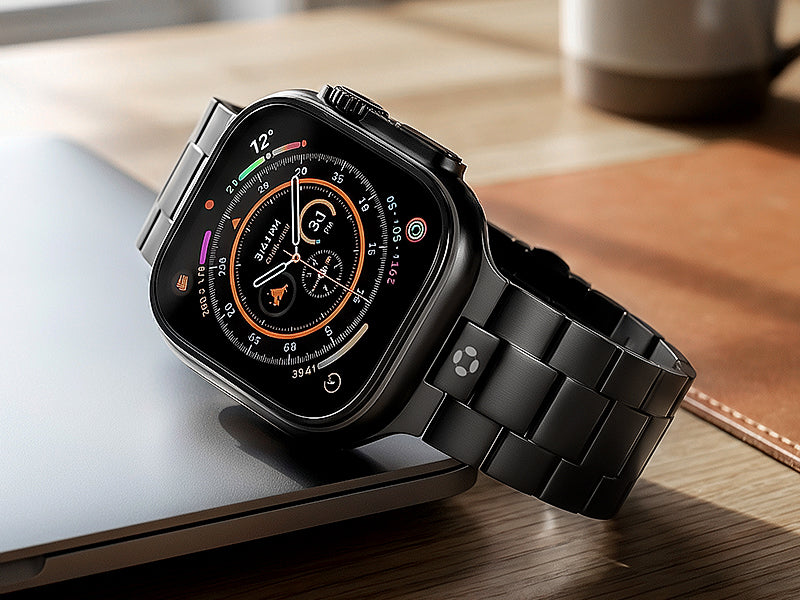
For Apple Watch users, brands like Finestone design titanium bands focused on lightweight durability and refined finishing, allowing the watch to maintain a premium look while remaining comfortable enough for everyday use.
When Expensive Watch Bands Might NOT Be Worth It
Despite their advantages, expensive bands are not always necessary.
Casual Use
If you wear your watch only occasionally, a premium band may not provide much additional value.
Budget straps may perform perfectly well for casual wear.
Fashion Variety
Some people prefer to change watch bands frequently.
In that case, buying several affordable straps may make more sense than investing in a single expensive one.
Brand Markup
Sometimes higher prices come mainly from brand positioning rather than materials or craftsmanship.
In these cases, the performance difference may be minimal.
Doing a little research can help you avoid overpaying for marketing rather than quality.
Cheap vs Expensive Watch Bands: Quick Comparison
| Feature | Budget Bands | Expensive Bands |
|---|---|---|
| Material Quality | Basic | Premium materials |
| Durability | Moderate | Long-lasting |
| Comfort | Good | Often better |
| Craftsmanship | Simple | Precision-built |
| Price | $10–$40 | $80–$300+ |
The right choice depends on your priorities.
How to Decide If a Premium Band Is Right for You
Consider these questions before buying.
Do you wear your watch every day?
If yes, comfort becomes very important.
Do you want your watch to look more premium?
Metal or high-end materials can elevate appearance.
Do you prefer durability over frequent replacement?
Premium bands often last longer.
Do you have sensitive skin?
Materials like titanium can make a noticeable difference.
The Honest Verdict
So, are expensive watch bands worth it?
Sometimes—yes. But not always.
They are usually worth it if you value:
-
Long-term durability
-
All-day comfort
-
Premium materials
-
Refined design
However, if you mainly care about variety or casual use, budget bands can still be perfectly adequate.
Ultimately, the best watch band is the one that matches your lifestyle, comfort preferences, and daily wear habits.