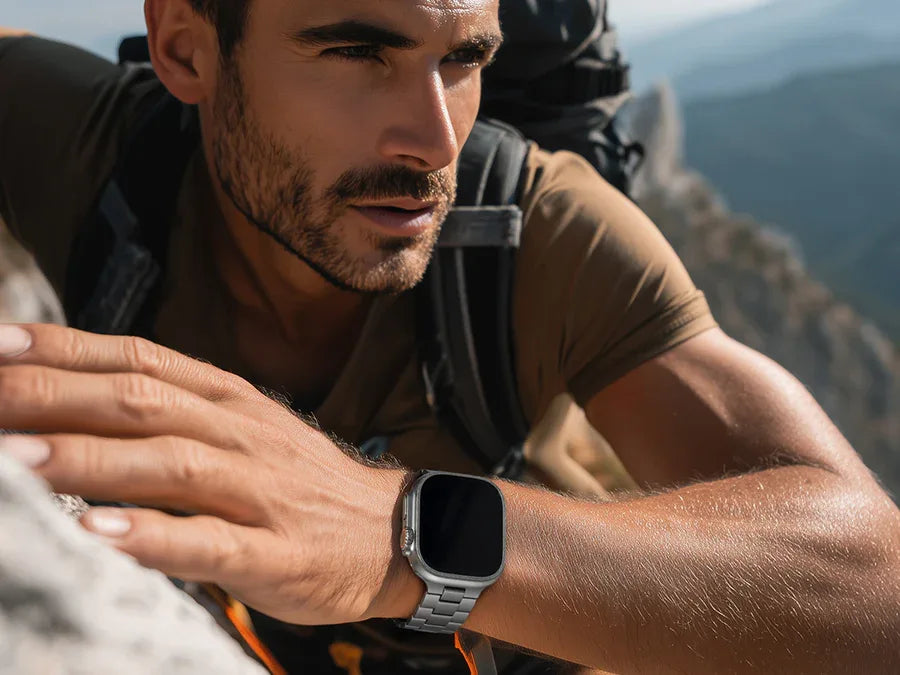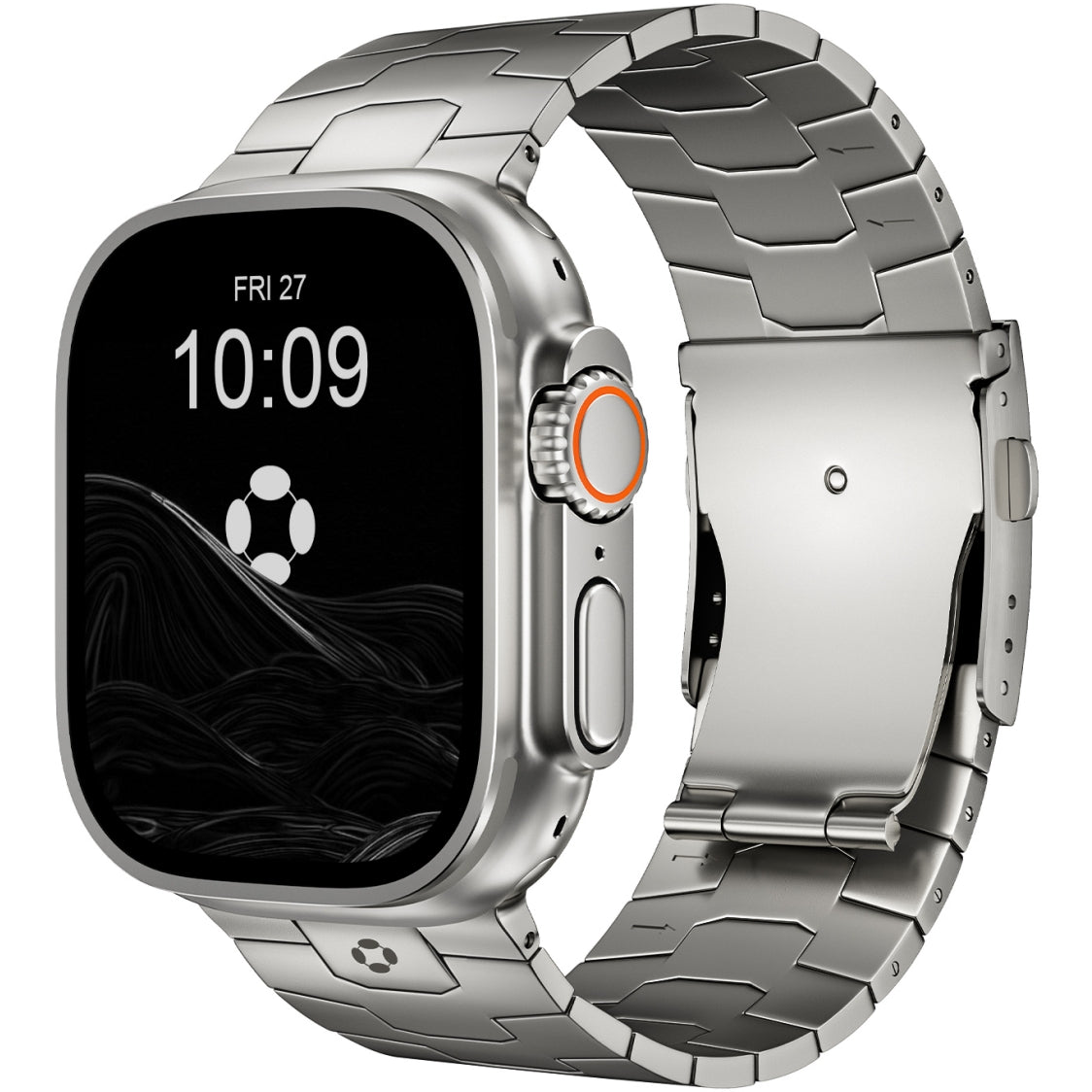
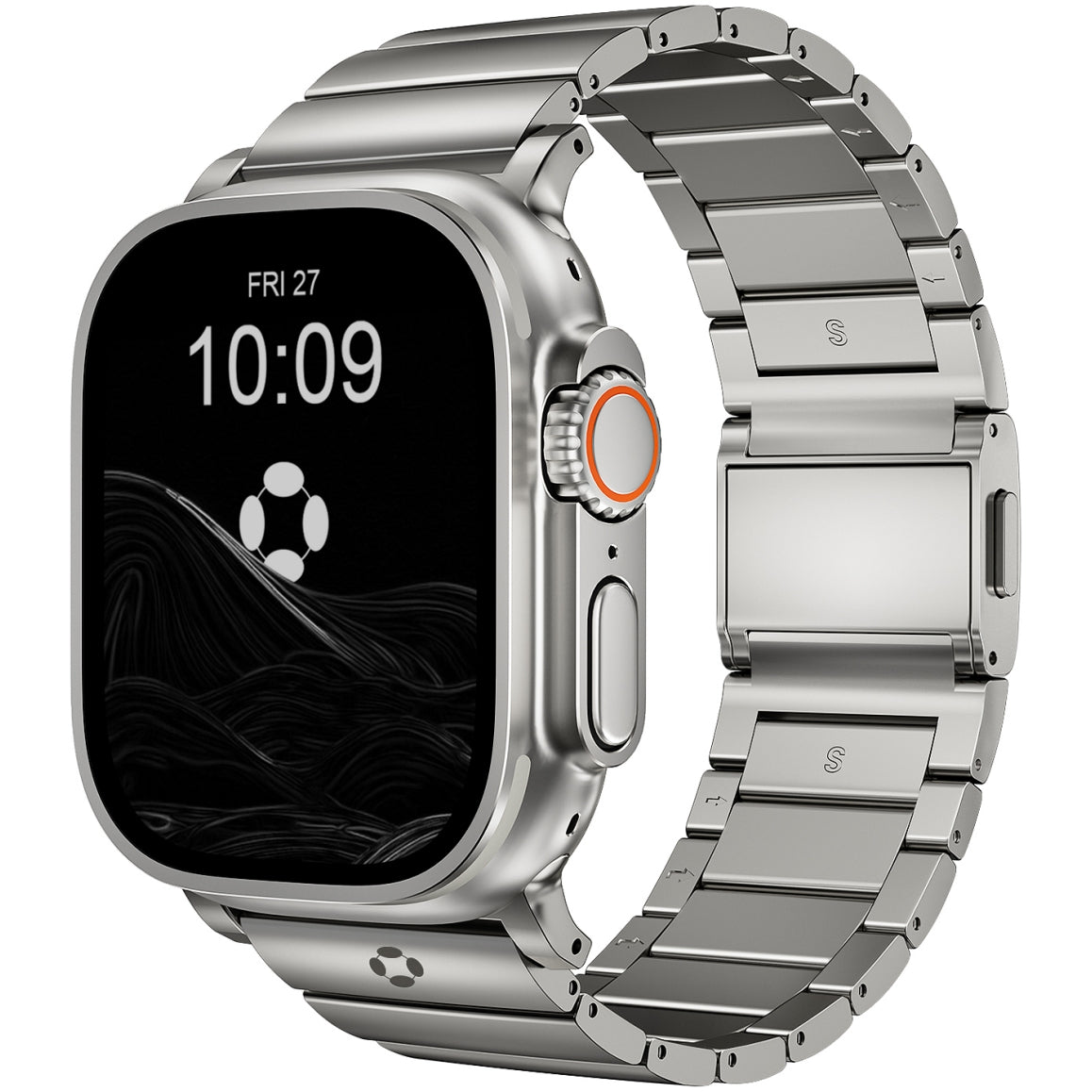
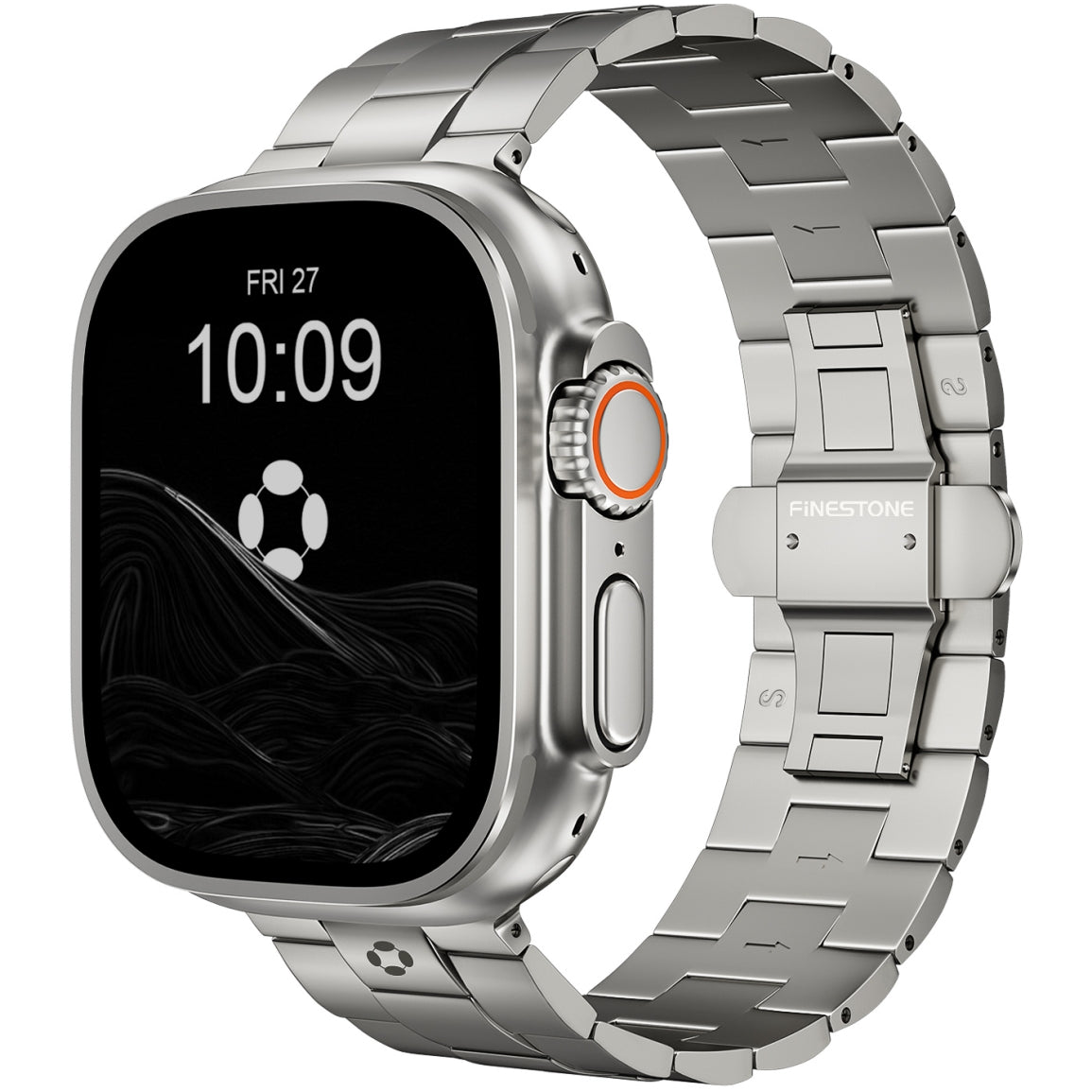

If you own an Apple Watch—or are thinking about buying one—you’ve probably wondered: how many watch bands do people actually own? Is one enough, or do most users end up buying several over time?
This guide answers that question from a real consumer perspective, combining user behavior patterns, common use cases, and buying motivations. Whether you’re a first-time Apple Watch buyer or a long-term user, this article will help you understand what’s typical—and what makes sense for you.
Short Answer: Most Apple Watch Users Buy More Than One Band
While Apple sells the Apple Watch with a single band, most customers don’t stop there.
Based on user surveys, reviews, and purchase behavior across marketplaces and independent stores, a typical Apple Watch customer owns between 2 and 5 watch bands over the lifetime of their watch.
Some own only two. Others build a small collection.
Why One Apple Watch Band Is Rarely Enough
Apple Watch is designed to be worn in many situations throughout the day. One band often can’t handle them all.
Common reasons people buy additional bands include:
-
Comfort issues with the original band
-
Different activities (work, gym, sleep)
-
Style and outfit matching
-
Seasonal changes (summer vs winter)
-
Upgrading to a more premium feel
Over time, most users naturally expand beyond the original strap.
Typical Apple Watch Band Ownership by User Type
Casual Users (1–2 Bands)
These users:
-
Wear their Apple Watch occasionally
-
Stick close to the original sport band
-
May buy one extra band for comfort or style
Typical total: 1–2 bands
Everyday Users (2–3 Bands)
This is the largest group.
They usually own:
-
One casual or sport band
-
One band for work or daily wear
They want flexibility without managing too many options.
Typical total: 2–3 bands
Heavy / All-Day Users (3–5+ Bands)
These users:
-
Wear Apple Watch all day and night
-
Use it for fitness, work, and sleep tracking
-
Care deeply about comfort and durability
They often rotate between:
-
Sport or silicone band
-
Nylon or fabric band
-
Metal or titanium band
Typical total: 3–5 or more bands
Most Common Apple Watch Band Combinations
Instead of buying many similar bands, most users choose bands for specific purposes.
The 2-Band Setup
-
Sport or silicone band (gym, casual)
-
Everyday band (work, daily wear)
The 3-Band Setup (Most Popular)
-
Sport band
-
Everyday comfort band
-
Premium band for work or outings
The 4–5 Band Setup
-
Sport band
-
Lightweight band for sleep
-
Everyday all-day band
-
Premium metal band
-
Optional seasonal or style band
How Long Do Apple Watch Bands Usually Last?
Band lifespan directly affects how many bands a customer buys.
-
Silicone bands: 6–18 months
-
Nylon / fabric bands: 12–24 months
-
Leather bands: 1–2 years
-
Metal / titanium bands: 3–5+ years
Because softer materials wear out faster, many users replace them—adding to their total band count over time.
Do People Keep Buying Bands for the Same Watch?
Yes. Most Apple Watch owners:
-
Keep the same watch for 3–4 years
-
Buy new bands during that time
-
Continue using bands even after upgrading the watch (if compatible)
Bands often outlive the watch itself, especially metal and titanium options.
Is It Better to Buy Many Cheap Bands or Fewer High-Quality Ones?
From a consumer standpoint, most users eventually shift their mindset.
Early stage:
-
Buy multiple inexpensive bands
-
Experiment with styles
Later stage:
-
Prefer fewer, higher-quality bands
-
Focus on comfort and durability
Many experienced users end up with 2–3 bands they actually wear, even if they’ve owned more in the past.
How Many Apple Watch Bands Do You Really Need?
A practical recommendation:
-
Minimum: 2 bands
-
Ideal for most people: 3 bands
-
Power users: 4–5 bands
The goal isn’t quantity—it’s having the right bands for the way you actually use your Apple Watch.
Final Thoughts: It’s About Rotation, Not Collection
Most Apple Watch customers don’t buy bands randomly. They buy them as their usage evolves.
As comfort expectations rise and lifestyles change, users naturally move from:
-
One basic band → multiple purpose-driven bands
Understanding this pattern helps you make smarter choices—whether you’re buying your second band or your fifth.
The right rotation of watch bands can make your Apple Watch feel new, comfortable, and personal for years.