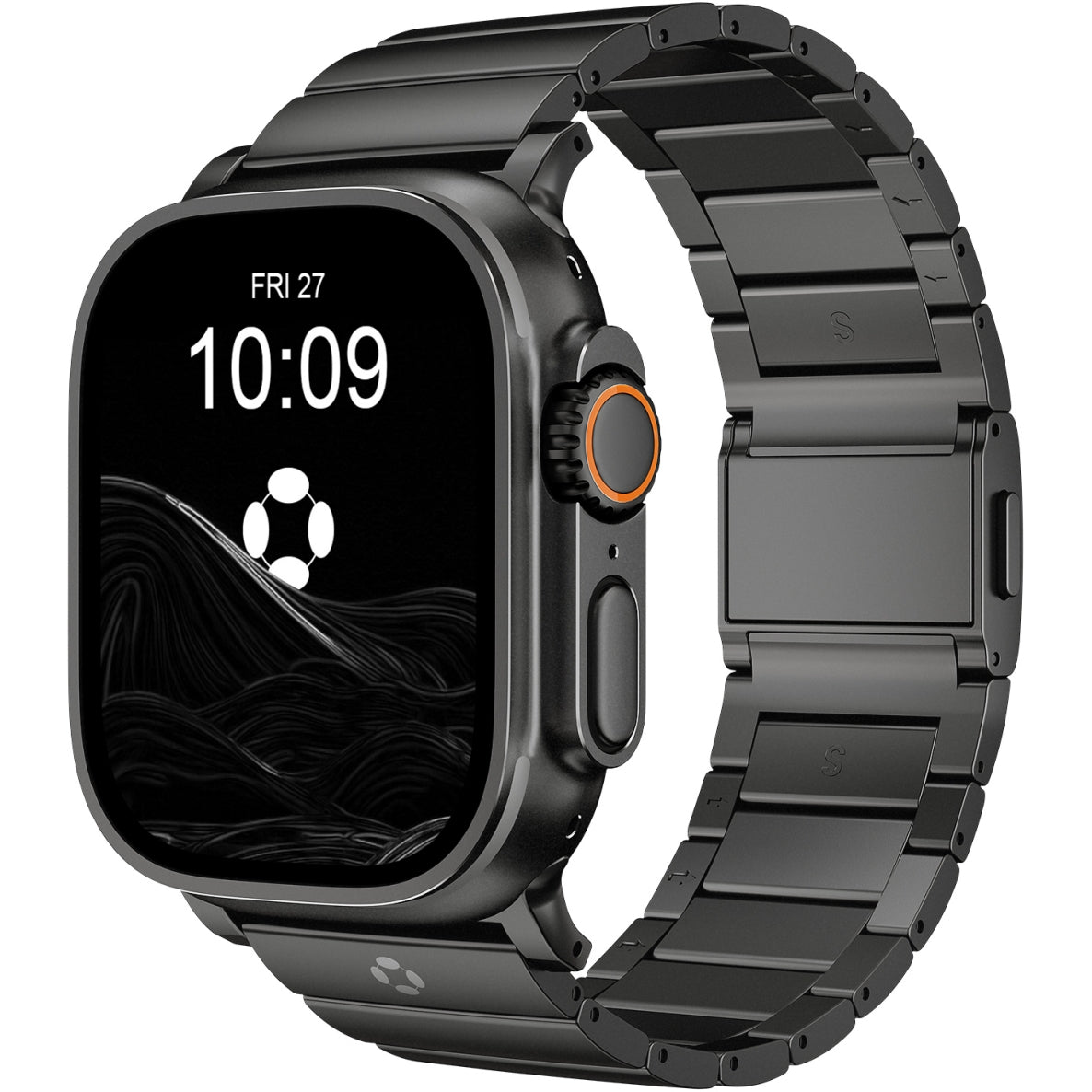

Choosing a watch band often feels like a small decision—until you start wearing it every day. The right band affects comfort, durability, style, and even how much you enjoy your watch long-term. So how much should you really spend on a watch band?
This guide breaks down watch band pricing from a consumer-first perspective, helping you decide what makes sense for your lifestyle, usage habits, and expectations—without overspending or buying something you’ll quickly replace.
Why Watch Band Price Matters More Than You Think
Many people focus on the watch itself and treat the band as an accessory. In reality, the band is the part that:
-
Touches your skin all day
-
Takes the most physical wear
-
Determines comfort during work, sleep, and exercise
-
Shapes how your watch looks in different settings
A poorly chosen band often leads to frequent replacements, irritation, or simply not wearing the watch as much as intended.
Watch Band Price Ranges Explained
Under $20: Budget & Disposable
Bands in this range are typically made from basic silicone, nylon, or low-grade PU leather.
Pros
-
Very affordable
-
Easy to experiment with colors and styles
Cons
-
Short lifespan
-
Stretching, cracking, or fading over time
-
Often uncomfortable for all-day wear
Best for:
-
Occasional use
-
Short-term style changes
-
Backup or travel bands
$20–$50: Mid-Range Everyday Bands
This range includes improved silicone, woven nylon, genuine leather, and entry-level metal bands.
Pros
-
Better comfort and finishing
-
More reliable daily use
-
Wider design choices
Cons
-
Quality varies significantly by brand
-
Leather and coated metals may still degrade with sweat and moisture
Best for:
-
Daily wear with moderate expectations
-
Users who rotate bands frequently
$50–$100: Premium Materials & Longevity
This is where material quality starts to matter more than price alone.
Common materials include:
-
Full-grain leather
-
Solid stainless steel
-
Entry-level titanium alloys
Pros
-
Noticeably better durability
-
Improved comfort and balance
-
More refined appearance
Cons
-
Higher upfront cost
-
Heavier metals may affect long-term comfort
Best for:
-
Long-term daily wear
-
Professional and business settings
-
Users who want fewer replacements
$100+: Long-Term Investment Bands
Bands in this category focus on durability, comfort, and craftsmanship rather than trends.
Typical features:
-
Titanium or high-grade stainless steel
-
Precision machining
-
Secure clasps and adjustable links
Pros
-
Extremely long lifespan
-
Minimal maintenance
-
Stable appearance over time
Cons
-
Higher initial cost
-
Fewer style changes
Best for:
-
All-day, every-day wear
-
Users who value comfort and longevity over variety
Cost Per Wear: A Smarter Way to Think About Price
Instead of asking how much a band costs, consider how often you’ll wear it.
A $20 band replaced every 6 months costs more over time than a $90 band worn daily for several years.
Example:
-
$20 band × 4 replacements = $80 over two years
-
$80–$100 premium band worn for two years = lower cost per wear
This perspective often shifts buyers toward fewer, higher-quality options.
Does the Type of Watch Change the Budget?
Traditional Watches
Mechanical and dress watches often pair best with leather or metal bands, where craftsmanship and finish justify higher prices.
Smartwatches (Including Apple Watch)
Smartwatch users tend to wear their watches longer each day, making comfort and durability even more important.
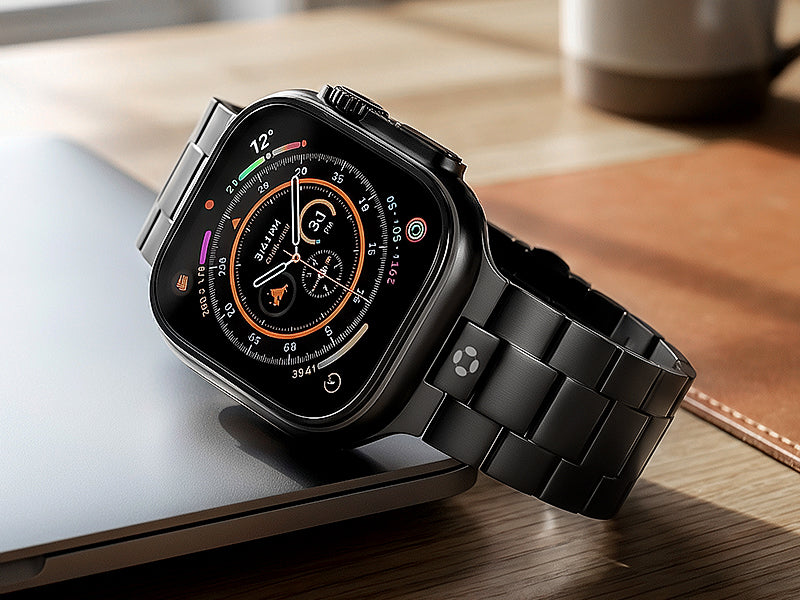
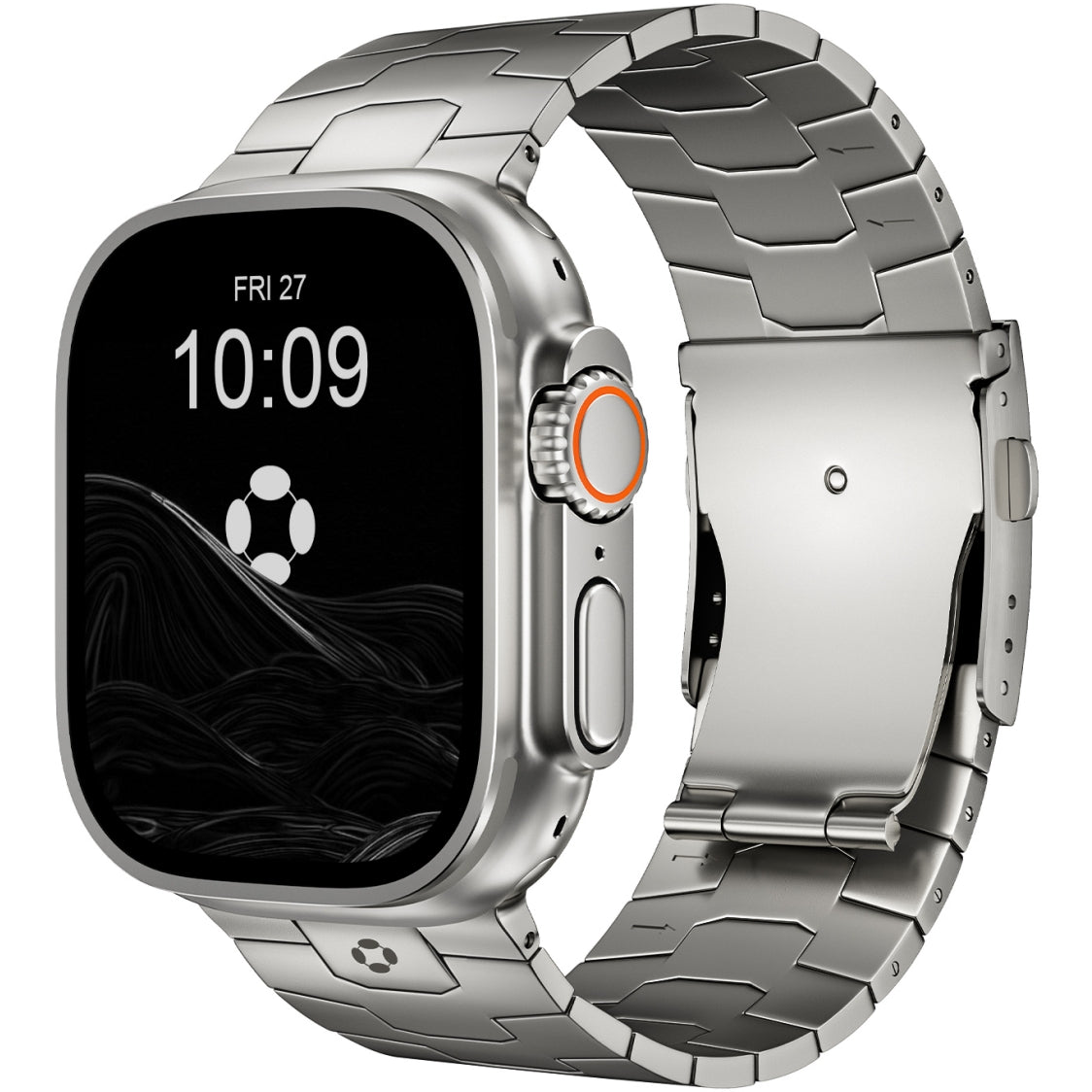
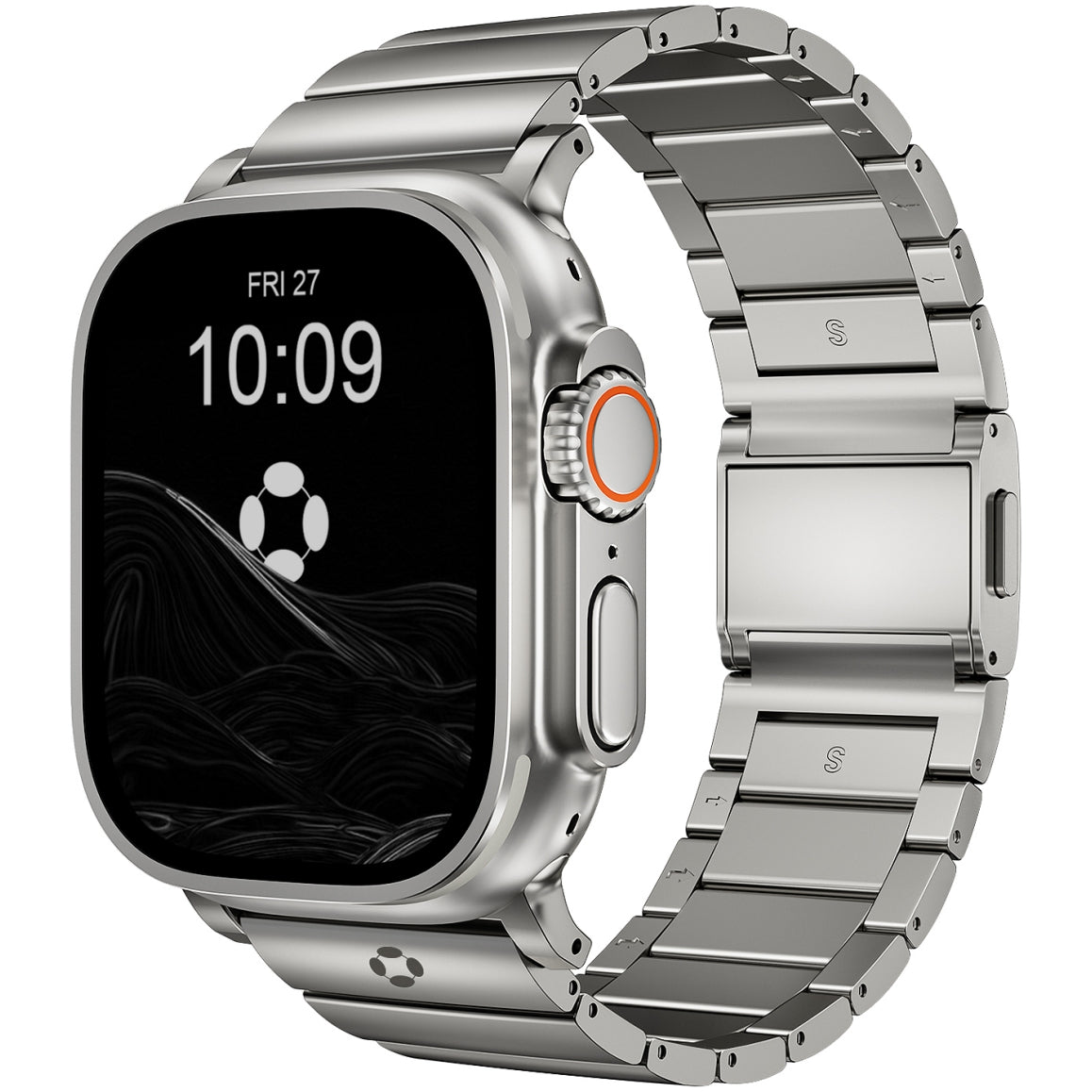
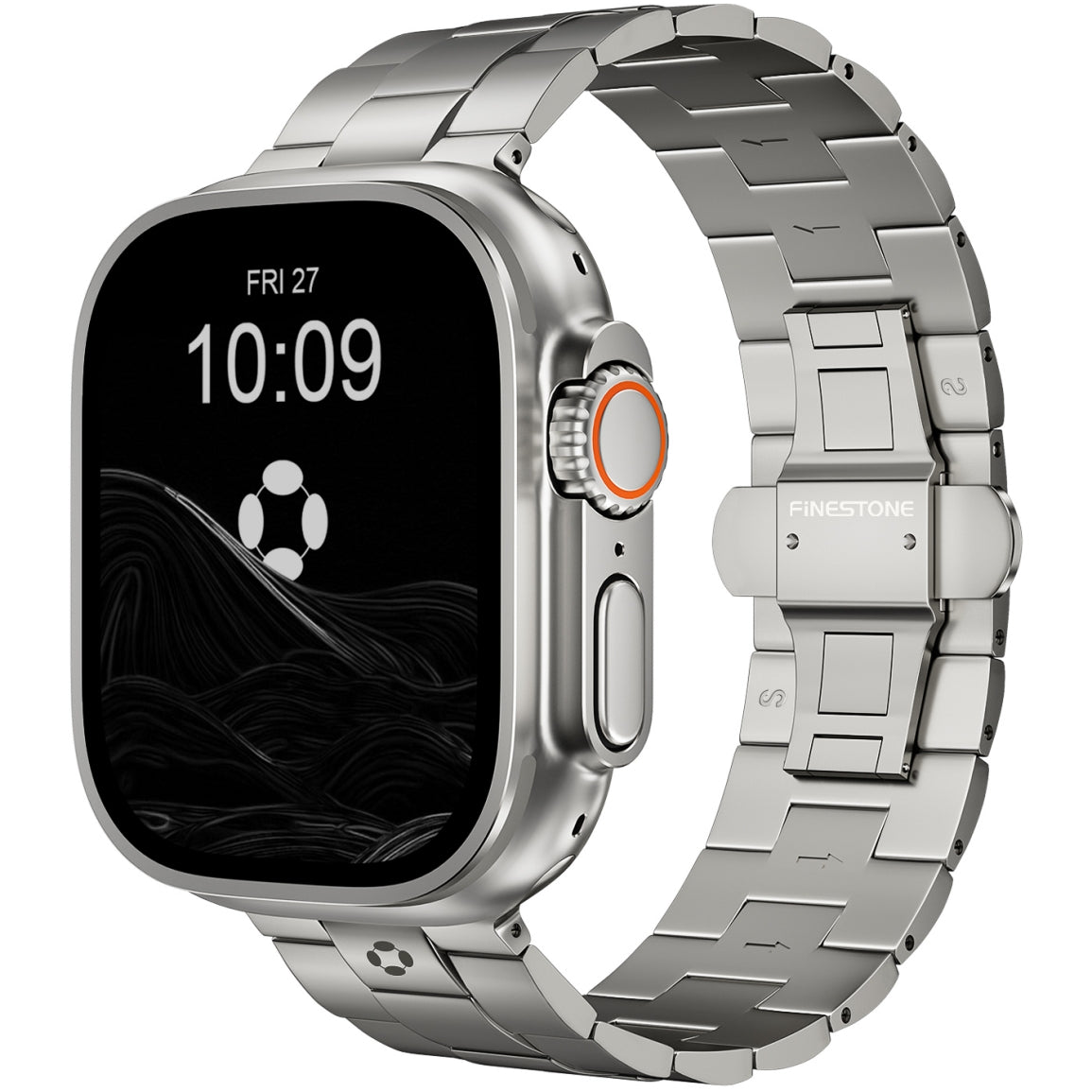
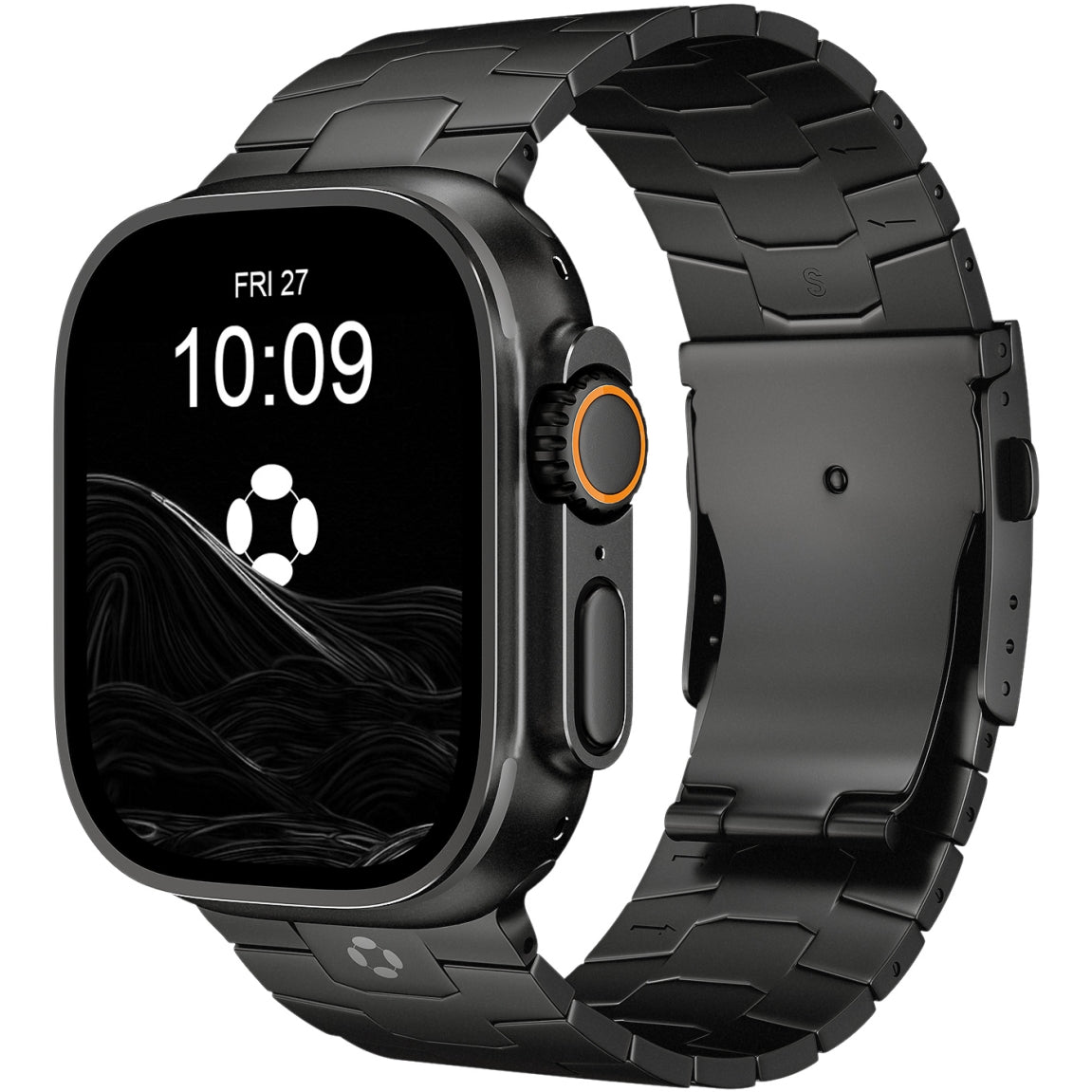
Many long-term Apple Watch users eventually move away from disposable silicone bands and toward lighter metal options—especially titanium—for everyday wear.
Is a Premium Apple Watch Band Worth It?
For users who:
-
Wear their Apple Watch all day
-
Work in professional or mixed environments
-
Prefer fewer but better accessories
A premium band often makes sense.
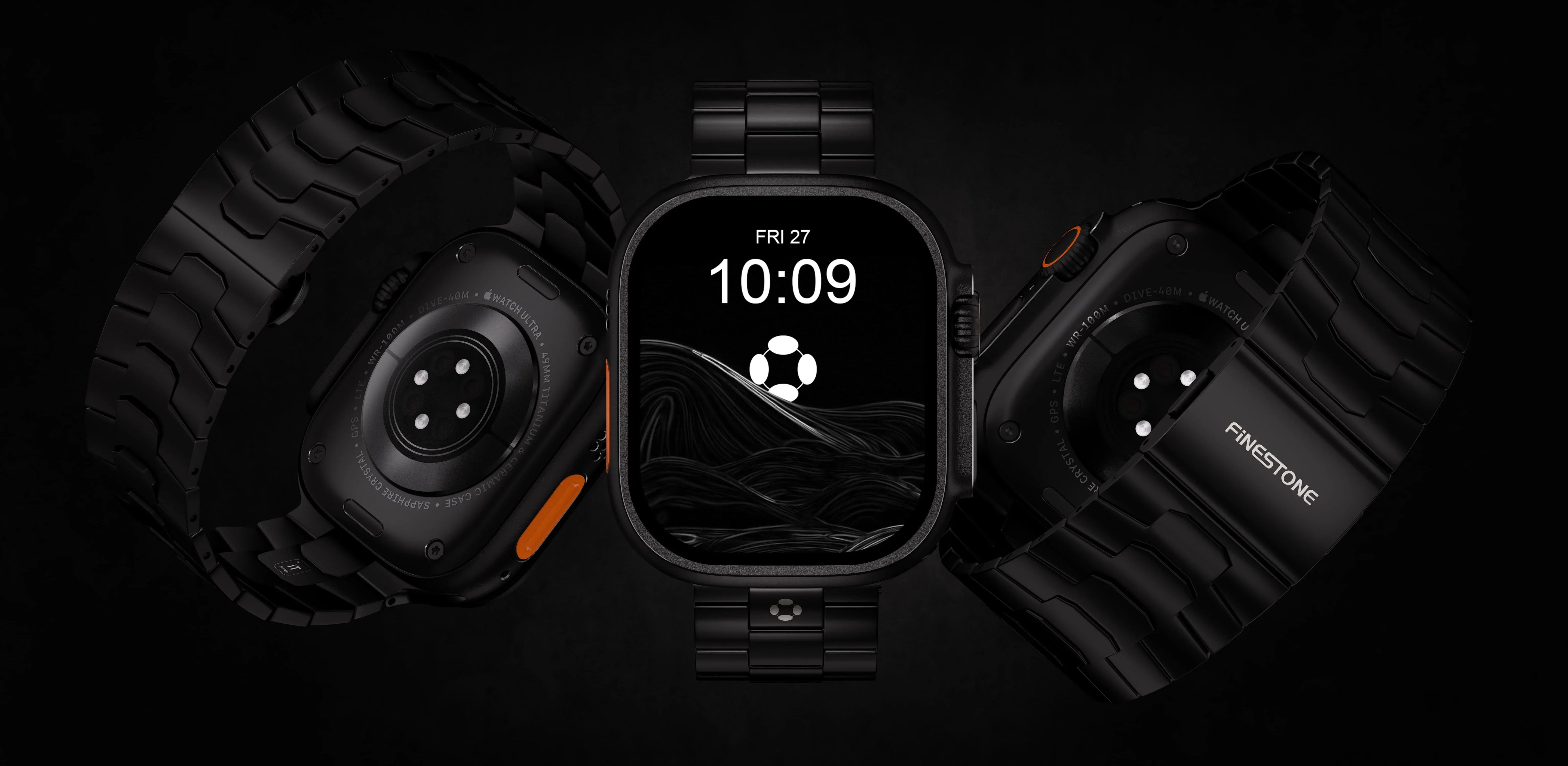
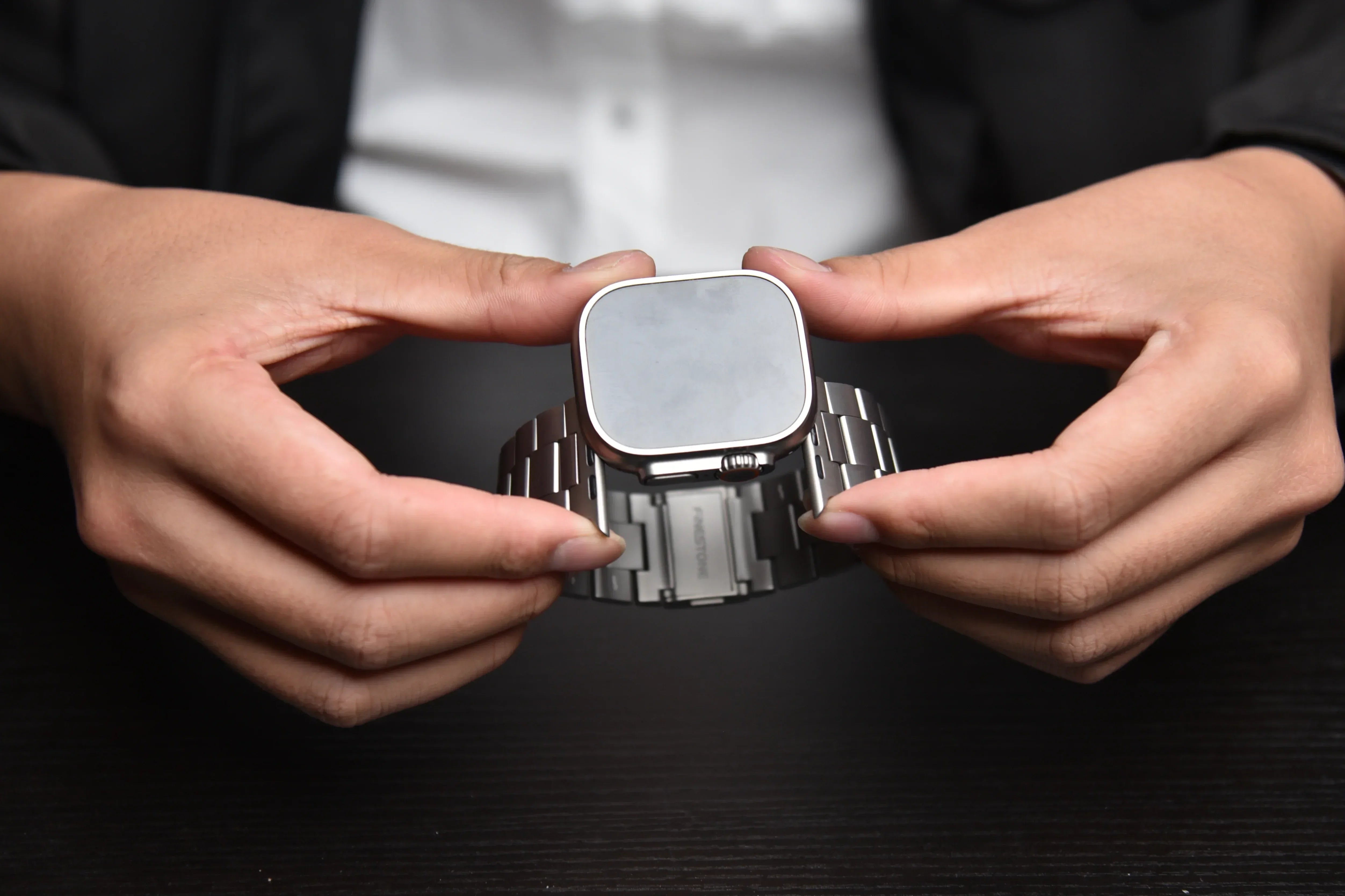
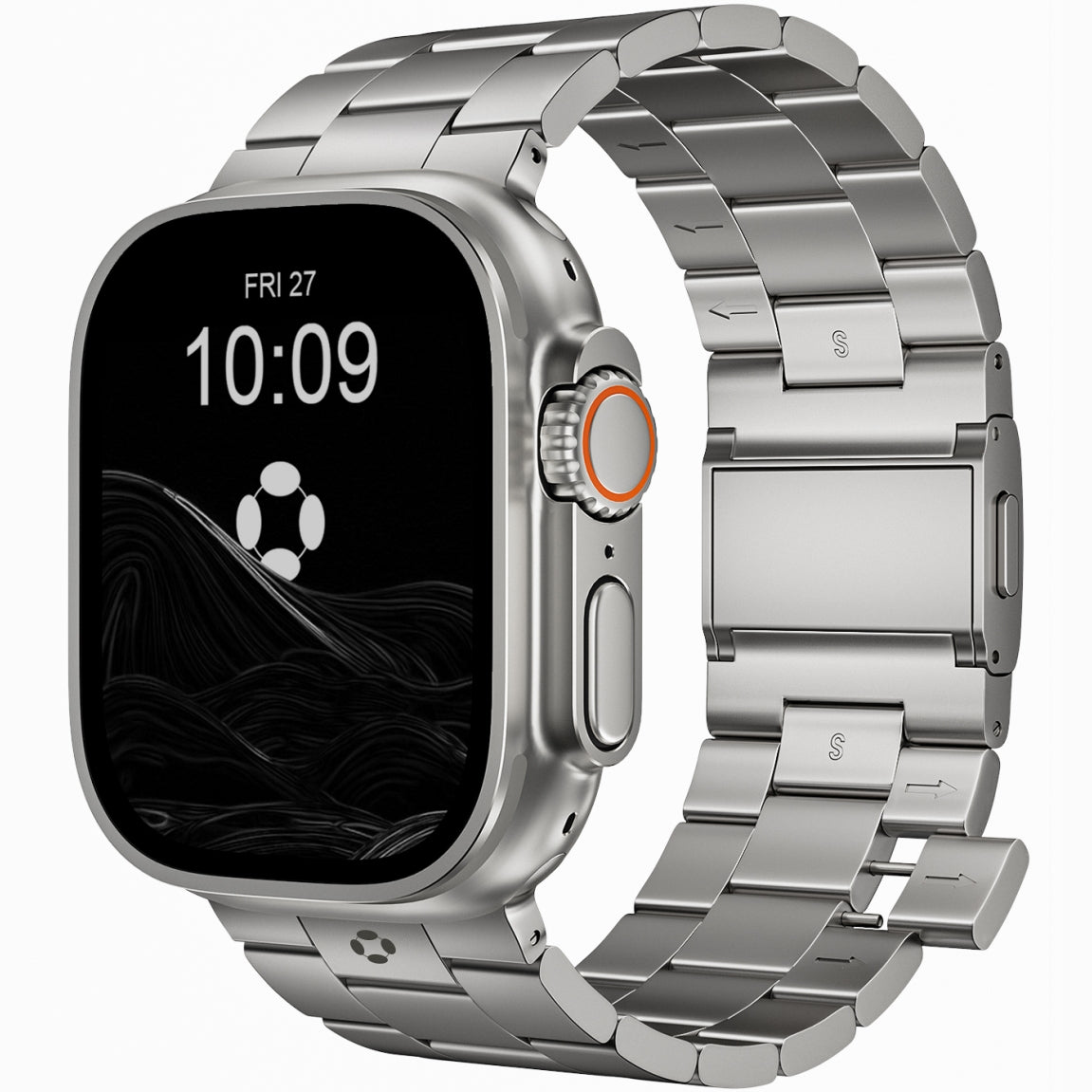
Brands like Finestone, which focus on titanium Apple Watch bands, are designed around this idea: fewer replacements, lighter weight than steel, and a neutral style that works across work, fitness, and daily life.
Rather than treating the band as a fashion item, these options are built for long-term comfort and durability.

How to Choose the Right Budget for You
Ask yourself:
-
How many hours a day do I wear my watch?
-
Do I want to rotate bands or stick to one?
-
Is comfort or variety more important?
-
Am I replacing bands often?
If you wear your watch occasionally, a lower budget makes sense. If it’s part of your daily routine, investing more usually pays off.
Common Watch Band Buying Mistakes
-
Buying purely based on price
-
Ignoring weight and comfort
-
Over-rotating cheap bands instead of upgrading one good band
-
Choosing materials unsuited for sweat or all-day wear
Final Thoughts: How Much Should You Spend?
There’s no single “correct” price—but there is a price that matches how you actually use your watch.
For many daily Apple Watch users, the sweet spot eventually shifts toward premium, long-lasting materials that reduce replacement cycles and improve comfort.
Spending a bit more upfront—especially on durable materials like titanium—often leads to a better long-term experience and lower total cost over time.
Choosing the right watch band isn’t about spending more. It’s about spending smarter.