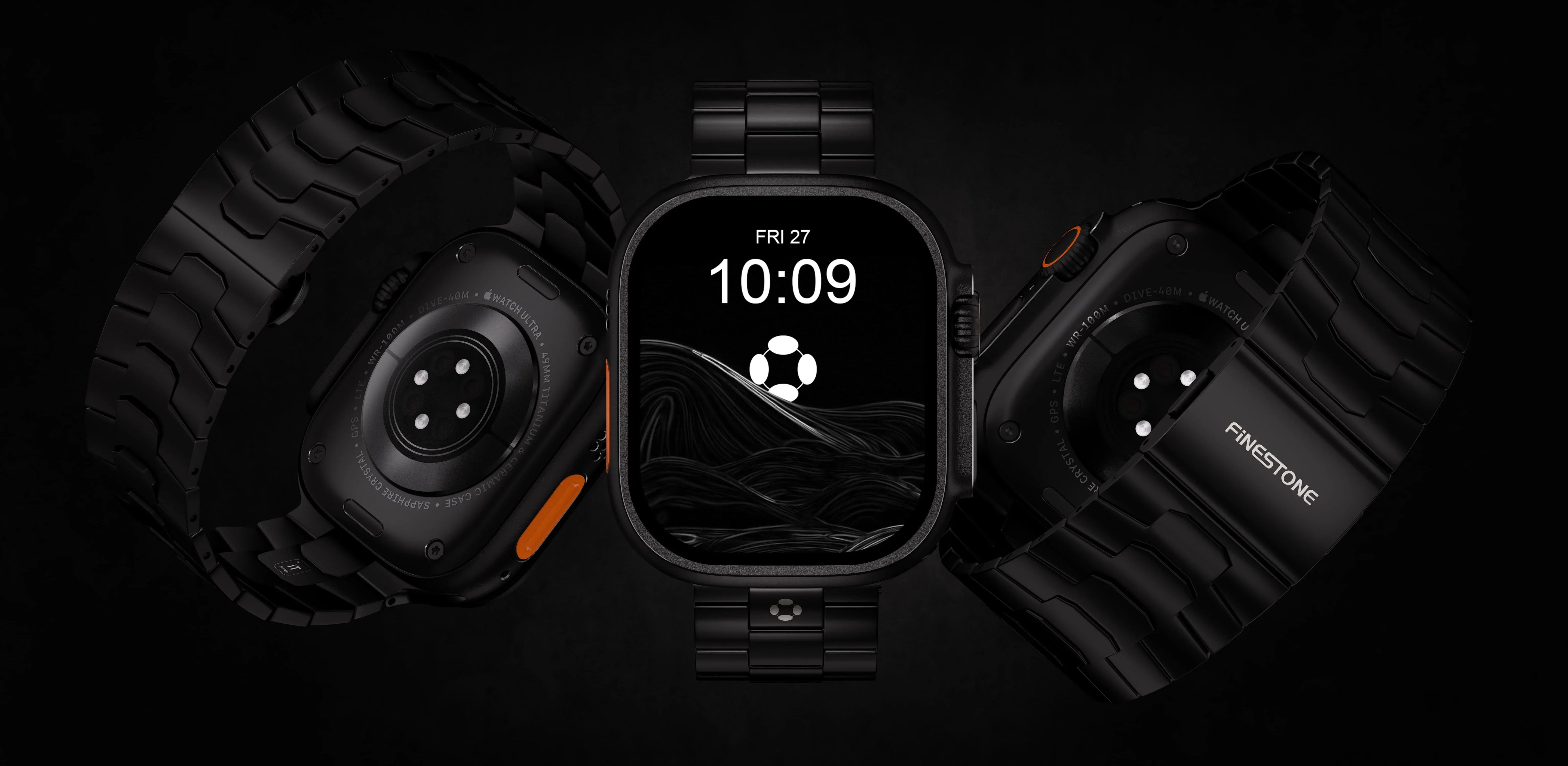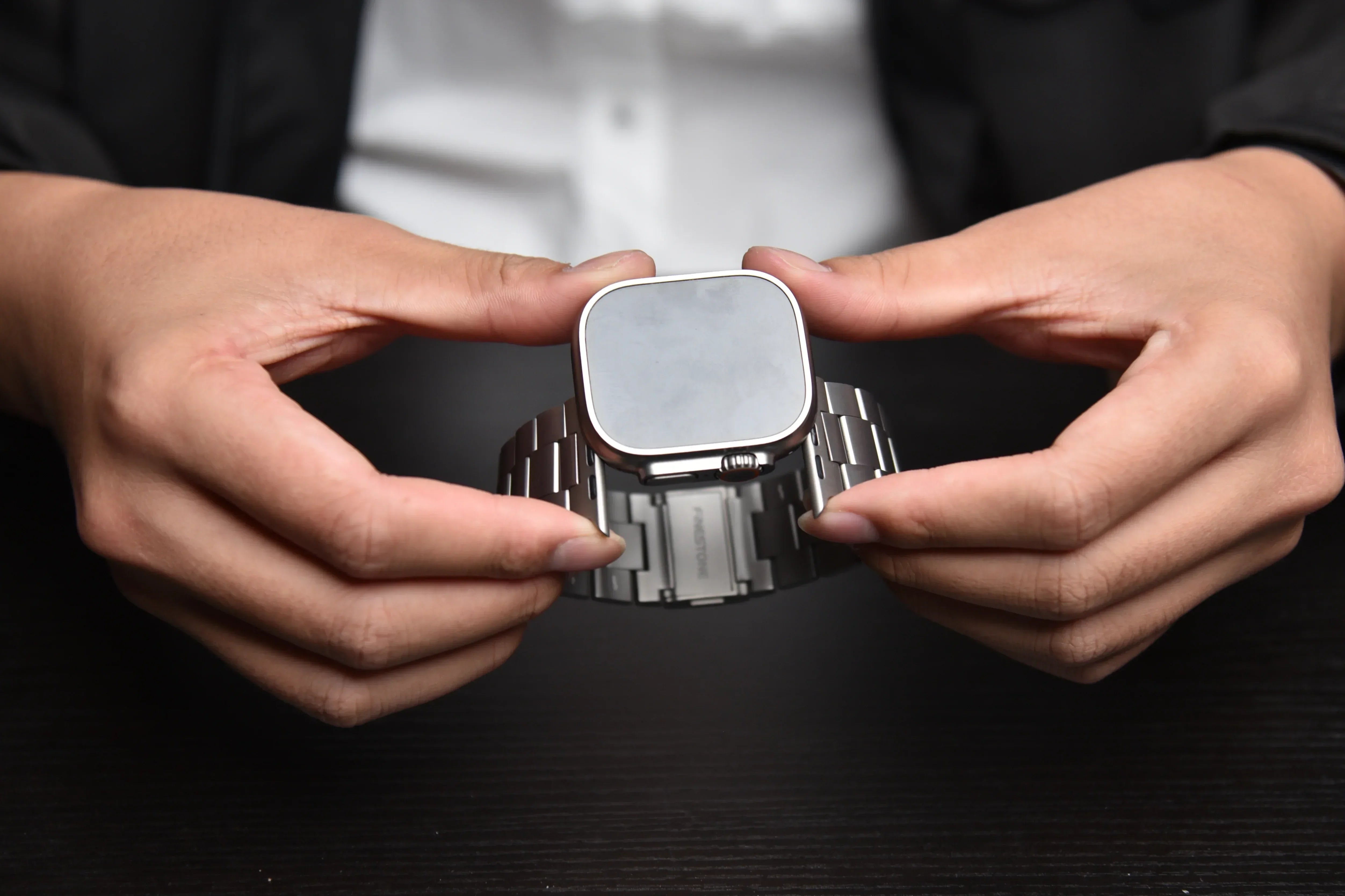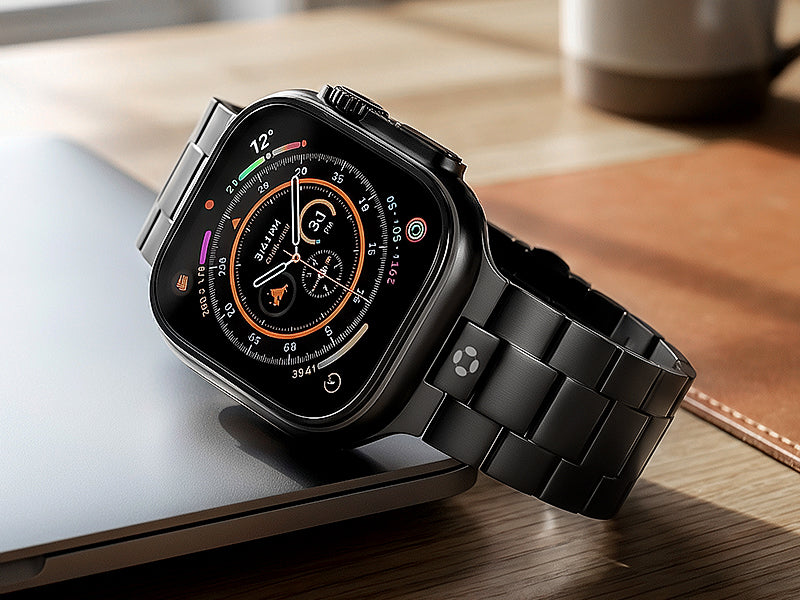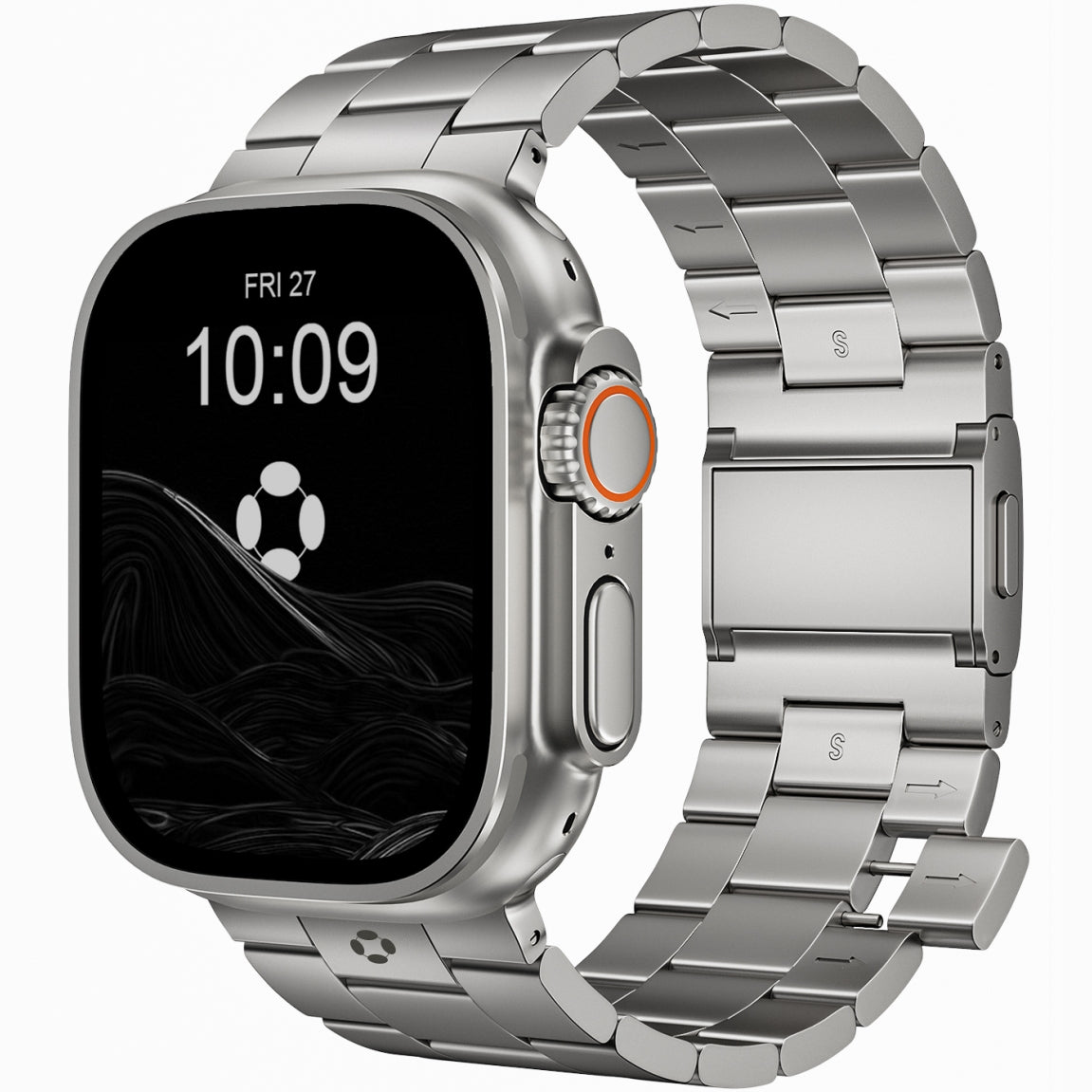
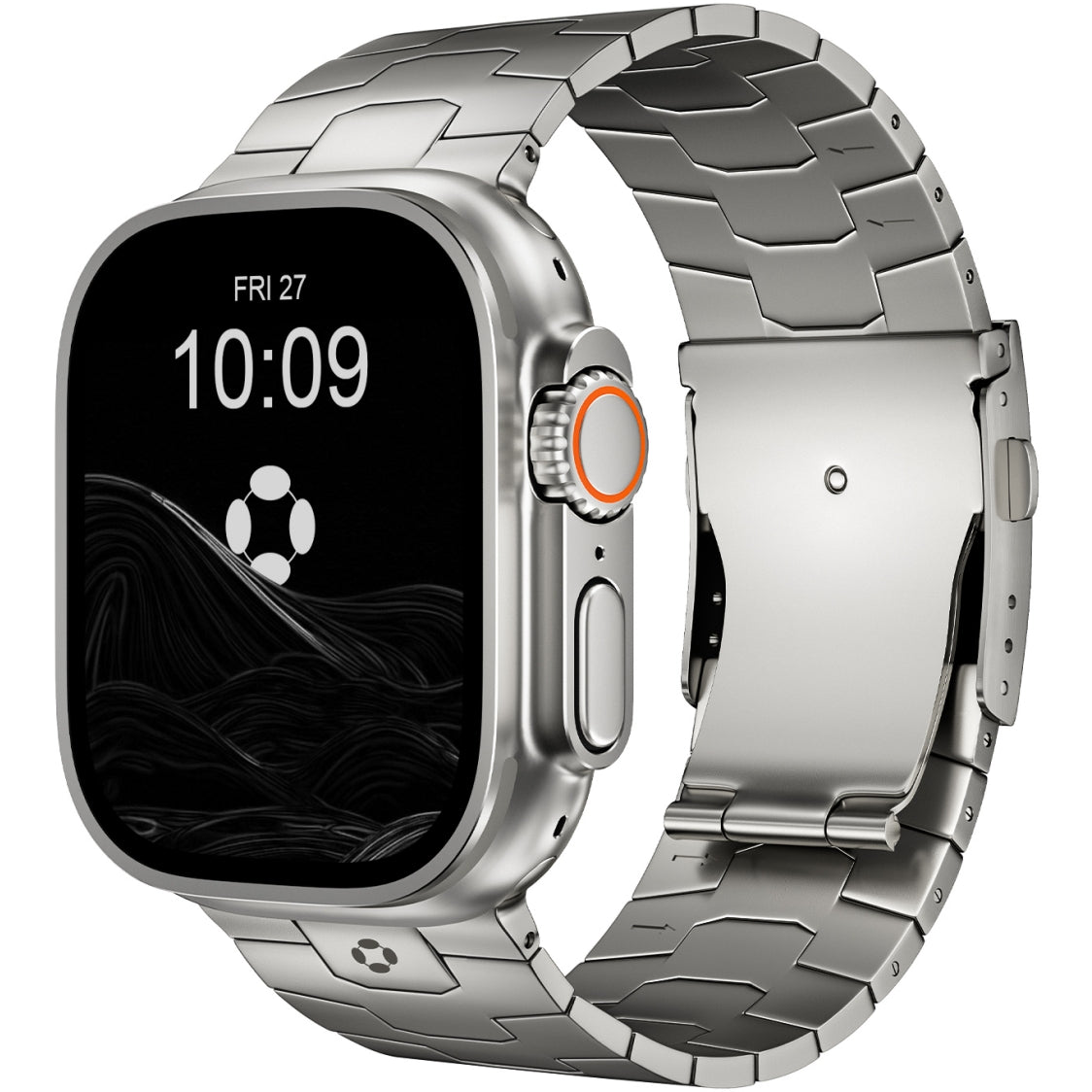
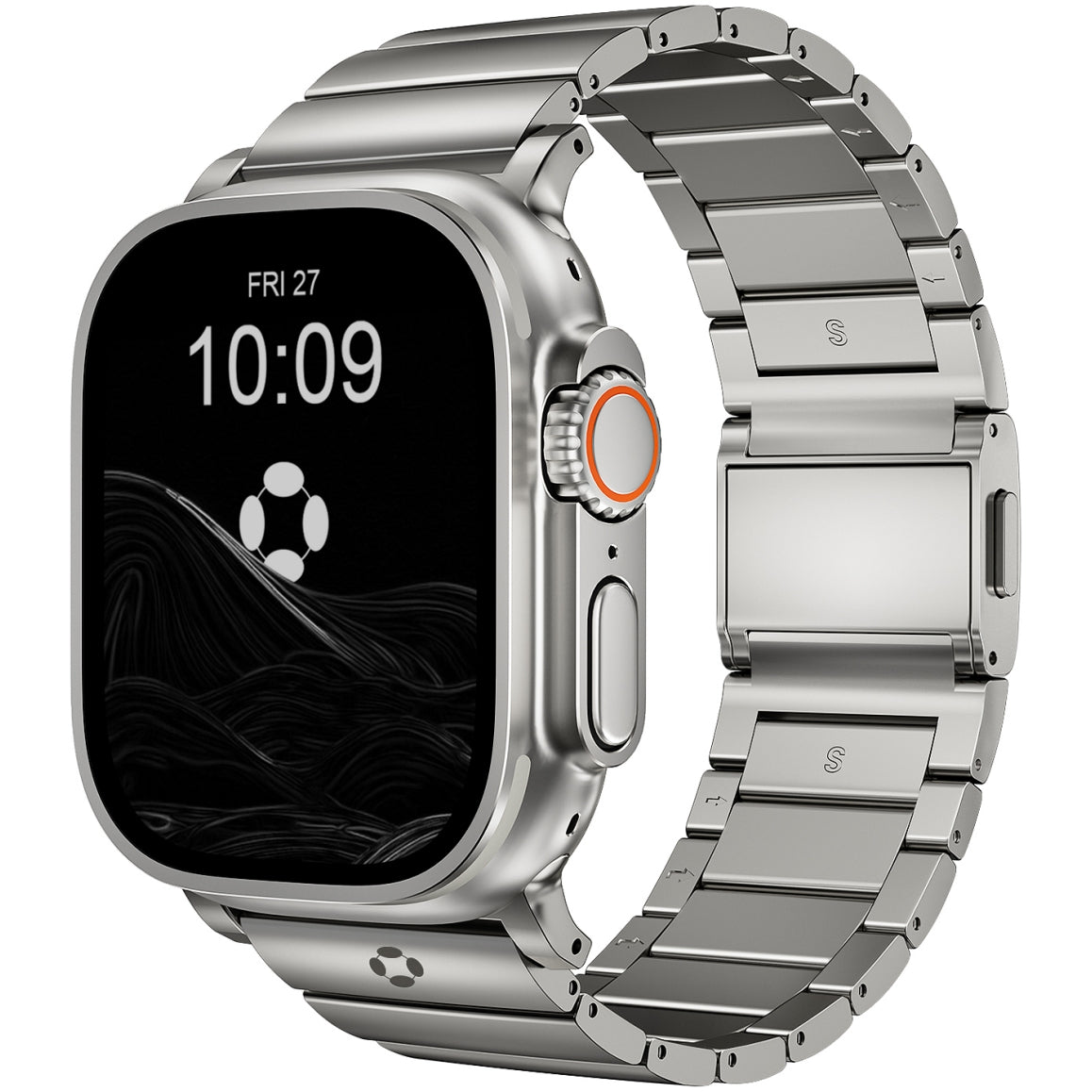
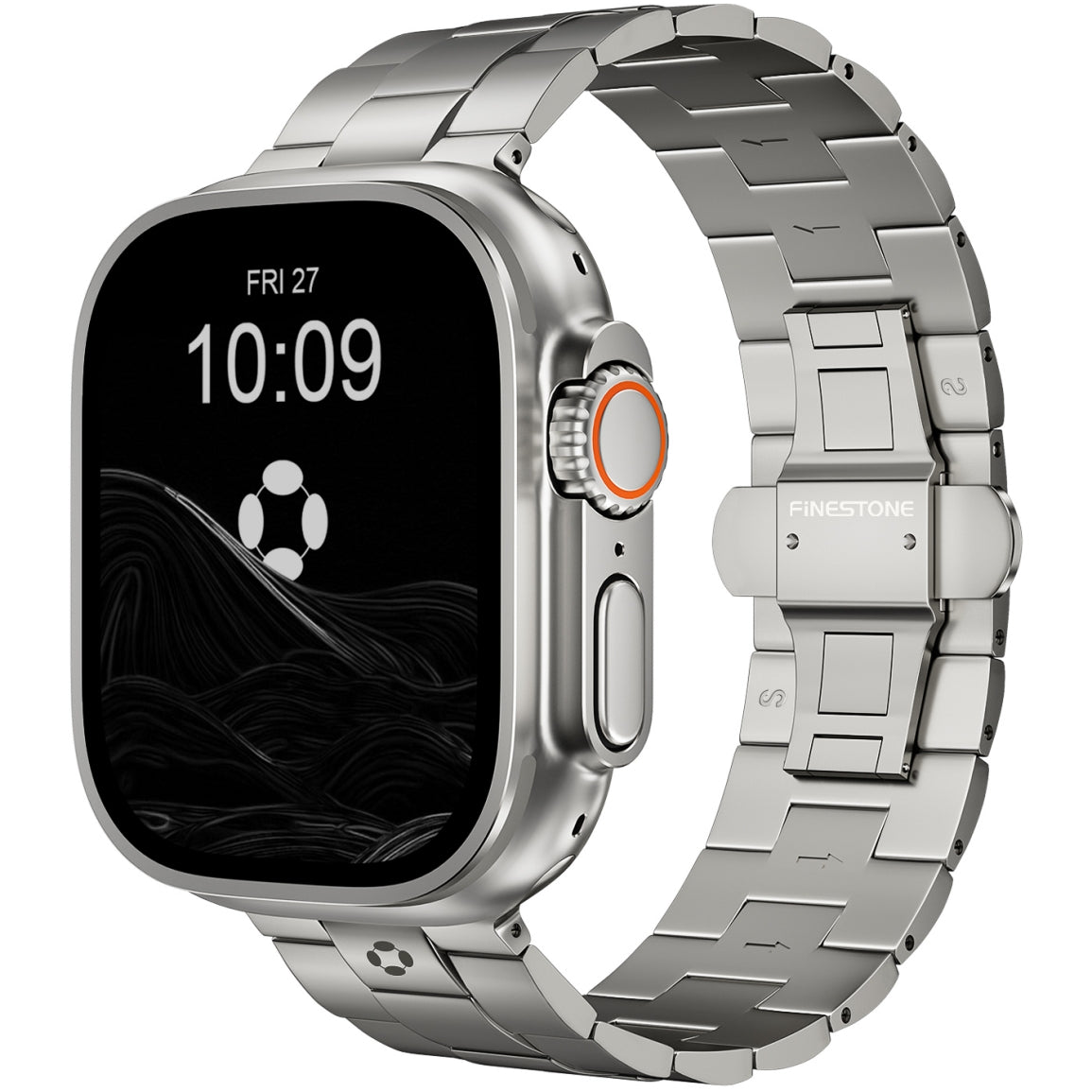
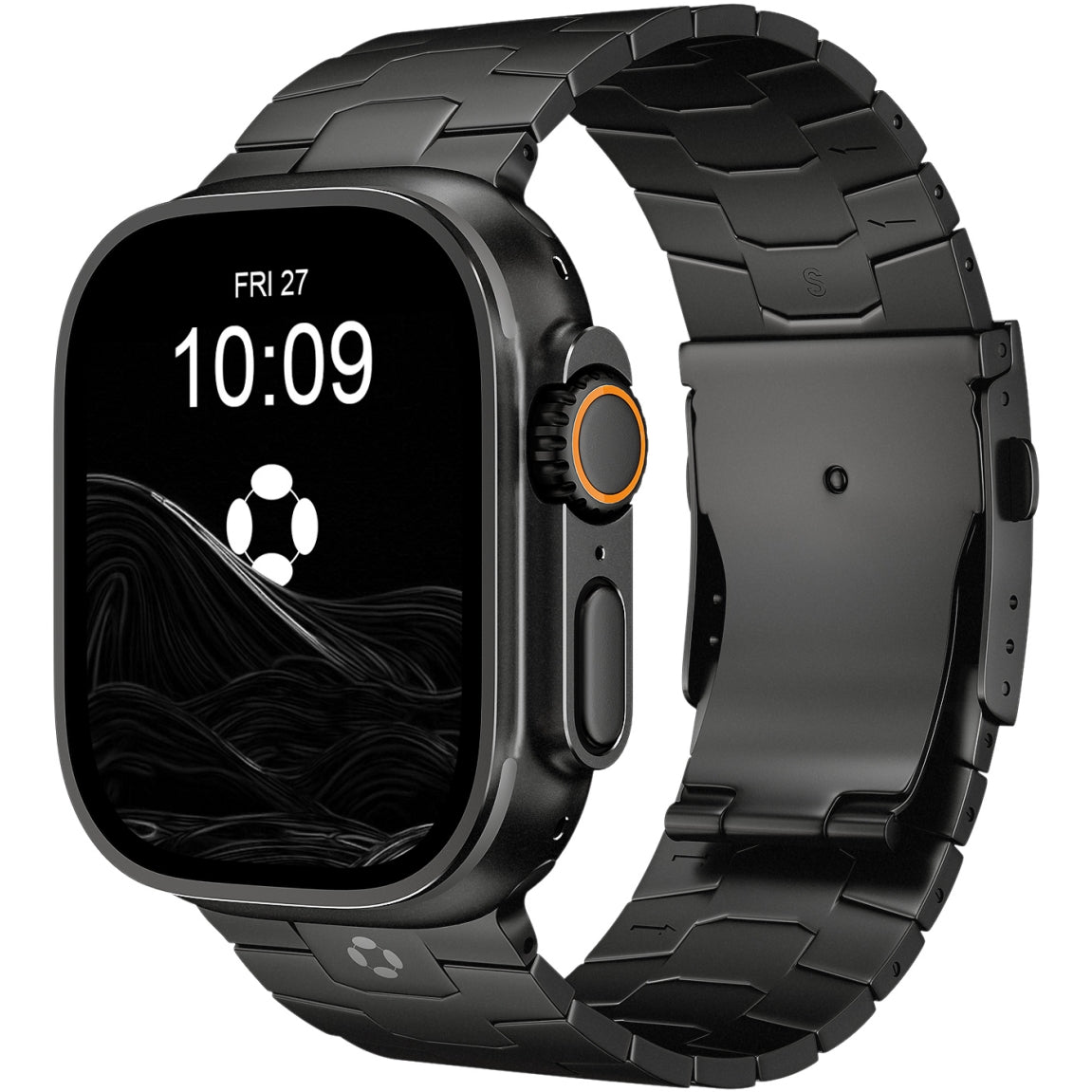
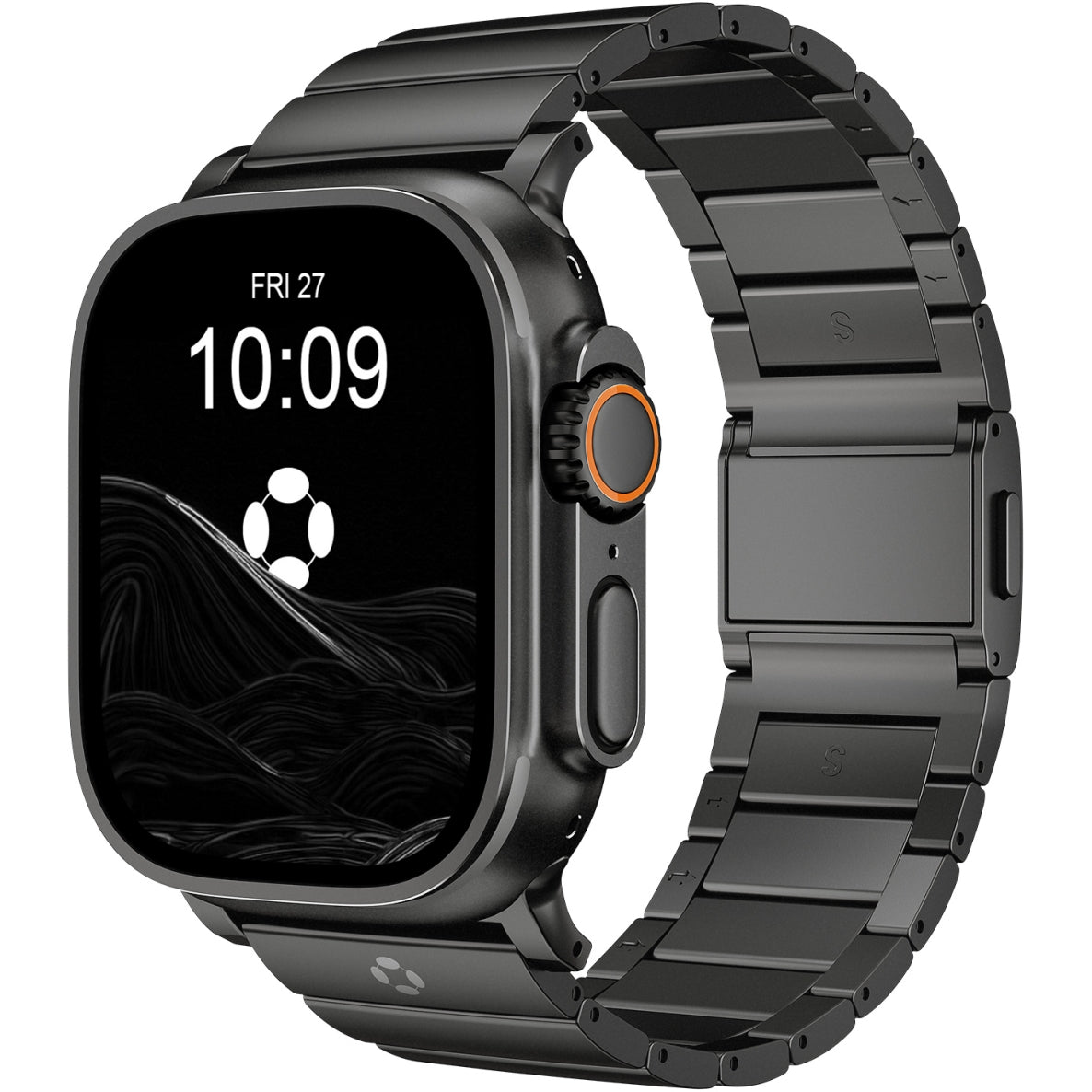

Titanium watch bands have become increasingly popular for their lightweight feel, durability, and premium appearance. Unfortunately, that popularity has also led to a rise in fake or mislabeled “titanium” bands.
Many of these products look convincing at first glance—but fail quickly in comfort, longevity, and skin safety. This guide will help you spot the differences and avoid wasting money on imitation materials.
Why Fake Titanium Bands Exist
Real titanium is expensive to source and difficult to machine. To cut costs, some manufacturers use:
-
Stainless steel with a titanium-colored coating
-
Aluminum alloys marketed as “titanium”
-
Mixed metals with thin surface treatments
These bands may look acceptable online but reveal their flaws after a few weeks of wear.
Key Signs of Fake Titanium Watch Bands
1. Unusually Heavy Weight
Titanium is about 40% lighter than stainless steel. If a “titanium” band feels heavy or wrist-fatiguing, it likely isn’t real titanium.
2. Glossy or Painted Finish
Most genuine titanium bands have a natural matte or satin finish. Overly shiny surfaces often indicate coating rather than solid titanium.
3. Skin Irritation
Fake titanium bands may cause itching or redness due to nickel or other base metals beneath the coating.
4. Vague Product Descriptions
Phrases like “titanium-style,” “titanium color,” or “titanium alloy metal” are red flags.
Real Titanium vs Fake Titanium Bands
| Feature | Real Titanium Band | Fake “Titanium” Band |
|---|---|---|
| Weight | Lightweight | Heavy |
| Finish | Matte / Satin | Glossy / Painted |
| Corrosion Resistance | Excellent | Poor |
| Skin Safety | Hypoallergenic | May irritate |
| Scratch Pattern | Subtle | Peeling or flaking |
How to Verify Titanium Quality Before Buying
Check Material Transparency
Reputable brands clearly state:
-
Titanium grade or alloy
-
Surface treatment (e.g., DLC coating)
-
Manufacturing process
Look for Precision Engineering
Well-made titanium bands have:
-
Smooth edges
-
Tight tolerances
-
Seamless connectors
Brands like FiNESTONE emphasize these details, making it easier for buyers to trust what they’re purchasing without overexplaining or exaggerating claims.

Price Isn’t Everything—but It Matters
Real titanium bands are not cheap to produce. While price alone doesn’t guarantee authenticity, extremely low prices often signal shortcuts in materials.
A genuine titanium band should reflect:
-
Material cost
-
Machining complexity
-
Finishing quality
If the price feels too good to be true, it usually is.
Titanium vs Other Materials (Authenticity Risk)
| Material | Risk of Fake Labeling | Notes |
|---|---|---|
| Titanium | High | Frequently misrepresented |
| Stainless Steel | Low | Easy to verify |
| Leather | Medium | Synthetic substitutes common |
| Silicone | Low | Material easily identifiable |
Titanium requires extra caution.
Why Trusted Brands Matter
Buying from established, transparent brands reduces risk. Brands that specialize in titanium—rather than offering it as an afterthought—are more likely to invest in proper materials and quality control.
FiNESTONE, for example, focuses specifically on titanium Apple Watch bands, prioritizing material integrity, precision fit, and long-term wear comfort over flashy marketing.
Final Thoughts
Fake titanium watch bands are designed to look convincing—but they rarely feel right on the wrist or stand the test of time.
To avoid disappointment:
-
Pay attention to weight and finish
-
Read product descriptions carefully
-
Choose brands that specialize in titanium
-
Be skeptical of unusually low prices
A genuine titanium band offers comfort, durability, and understated luxury. When chosen carefully, it becomes an upgrade you’ll appreciate every single day.