
Choosing the right watch strap size is one of the most important steps when replacing or upgrading your watch band. Even the most stylish strap will feel uncomfortable—or look awkward—if the size isn’t correct.
The good news is that selecting the correct strap size is easier than many people think. By understanding lug width, strap length, and wrist size, you can quickly find a watch band that fits perfectly.
This complete guide explains how to choose the right watch strap size, helping you avoid common mistakes and ensure a comfortable, secure fit.
Why Watch Strap Size Matters
A watch strap that fits correctly improves both comfort and appearance.
If the strap is too wide or narrow, it may not attach properly to the watch case. If it’s too short or too long, the watch may feel tight, loose, or unstable on your wrist.
A properly sized strap will:
-
Sit securely between the watch lugs
-
Fit comfortably around your wrist
-
Maintain a balanced, proportional look
When these factors align, the watch feels natural to wear all day.
Step 1: Measure the Lug Width of Your Watch
The lug width is the distance between the two points where the watch strap attaches to the watch case.
This measurement determines the width of the strap you need.
Common lug widths include:
-
18 mm
-
20 mm
-
22 mm
-
24 mm
Smartwatches like the Apple Watch use specific adapter systems but still correspond to common width categories.
How to measure lug width
-
Remove the current watch strap if possible.
-
Use a ruler or caliper to measure the distance between the lugs.
-
Record the measurement in millimeters.
Always choose a strap with the exact same width as the lug measurement.
Even a 1 mm difference can prevent the strap from fitting correctly.
Step 2: Determine the Correct Strap Length
Strap length refers to the combined length of the two strap pieces (excluding the watch case).
Different strap lengths are designed for different wrist sizes.
Typical strap lengths
| Wrist Size | Recommended Strap Length |
|---|---|
| 5.5–6.5 inches | Short strap |
| 6.5–7.5 inches | Standard strap |
| 7.5–8.5 inches | Long strap |
Most watch bands fall into the standard length category, which fits the majority of people.
How to measure your wrist
-
Wrap a flexible measuring tape around your wrist.
-
Measure just above the wrist bone where the watch sits.
-
Add about 1–2 cm of extra room for comfort.
This measurement will help you determine whether you need a short, standard, or long strap.
Step 3: Consider Strap Thickness
While width and length determine fit, strap thickness affects comfort and style.
Thin straps
-
Elegant and lightweight
-
Common for dress watches
-
Comfortable for smaller wrists
Thick straps
-
More rugged appearance
-
Better suited for sports or large watches
-
Often more durable
The thickness of the strap should complement the size of your watch case.
Step 4: Match the Strap Style to Your Watch
Different types of watch straps also affect how the watch sits on your wrist.
Leather straps
Leather bands are flexible and adjust easily to different wrist shapes. They are often used on dress watches and professional styles.
Metal bracelets
Metal bands require proper link adjustment but offer excellent durability.
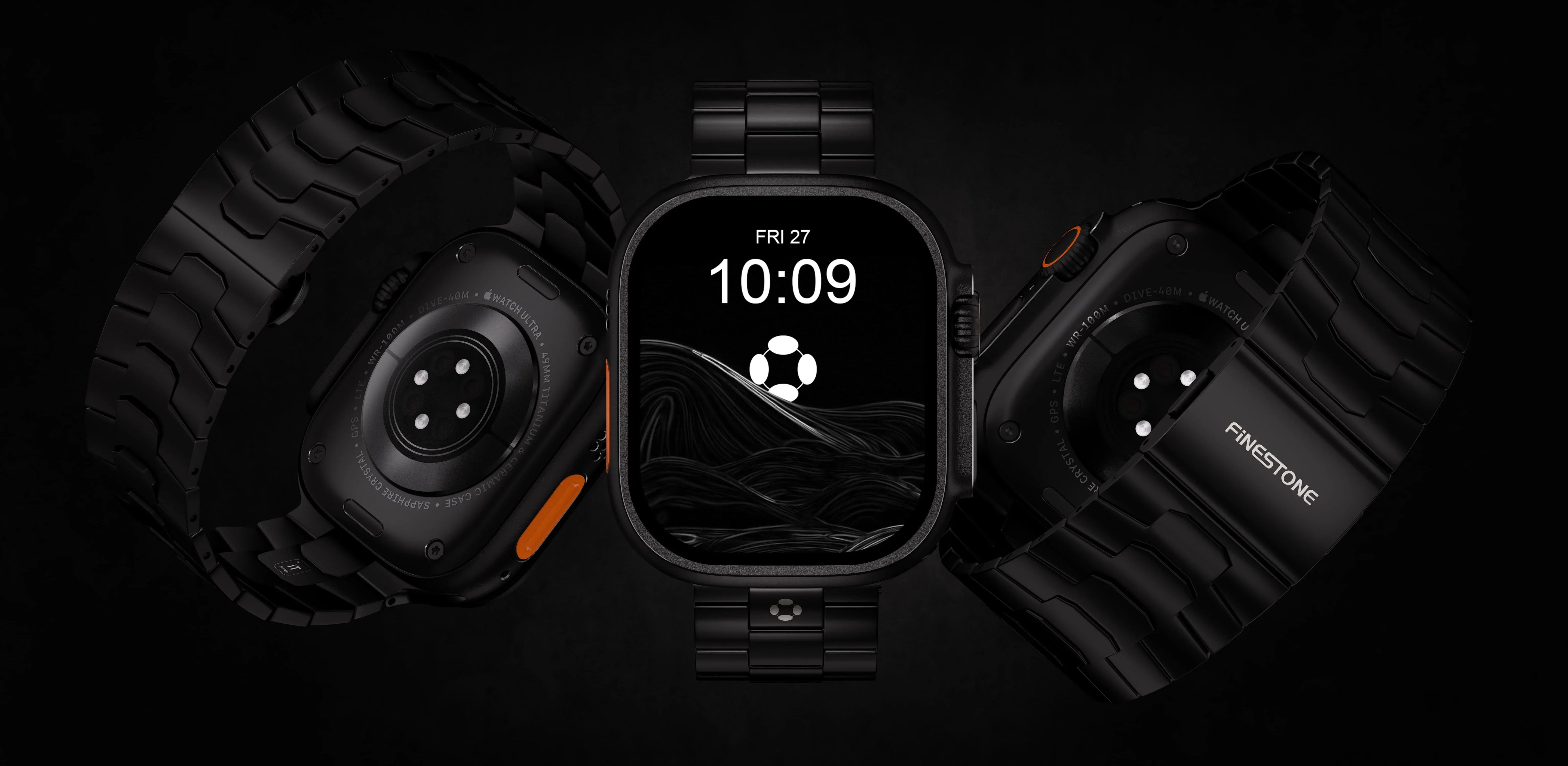
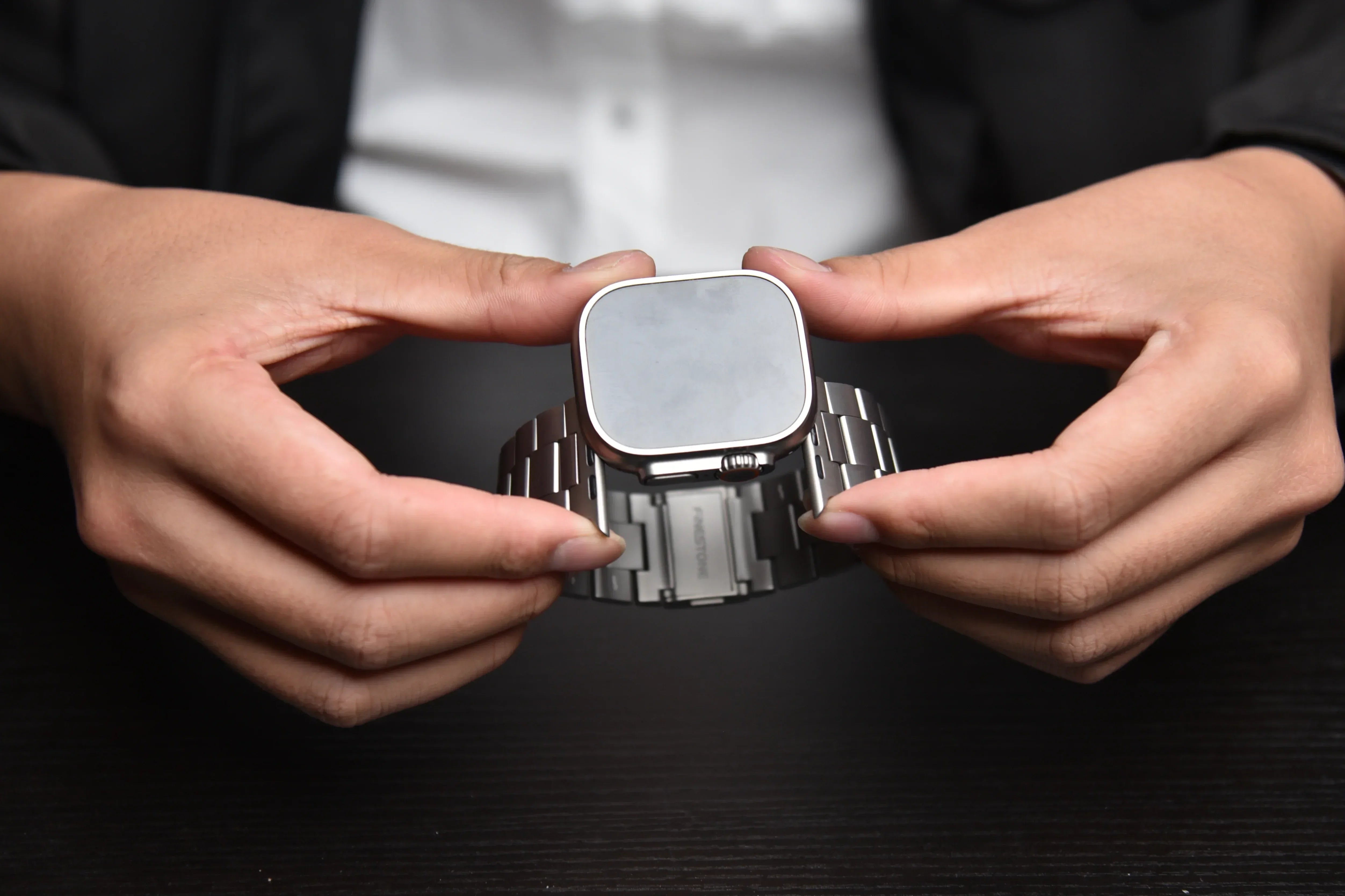
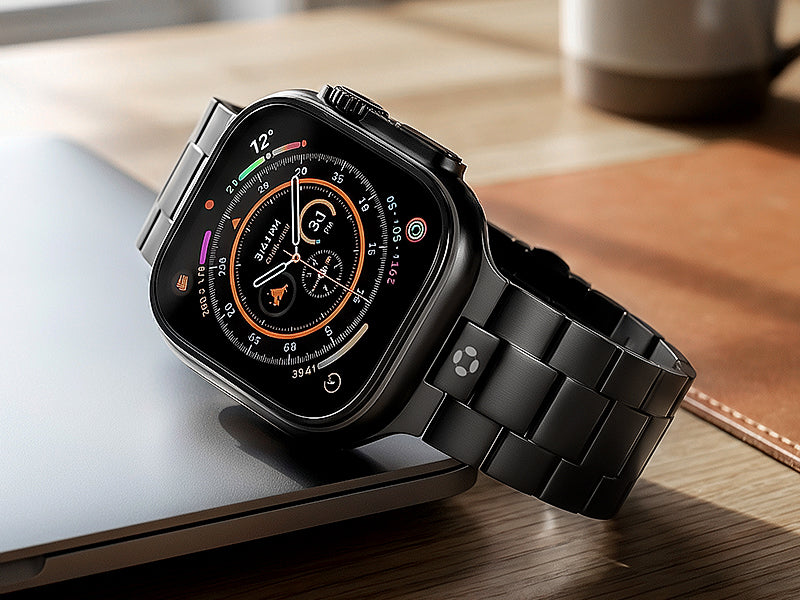
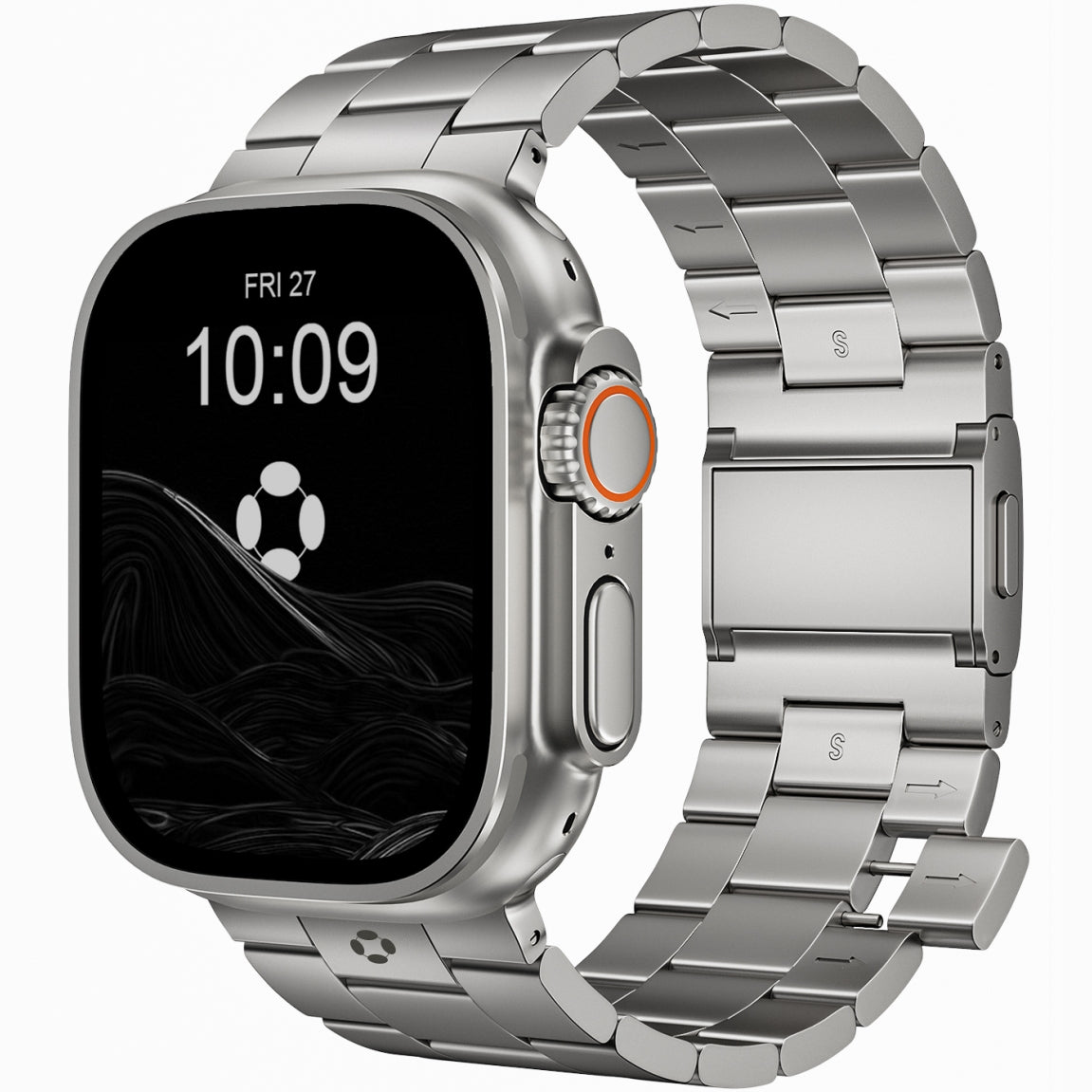
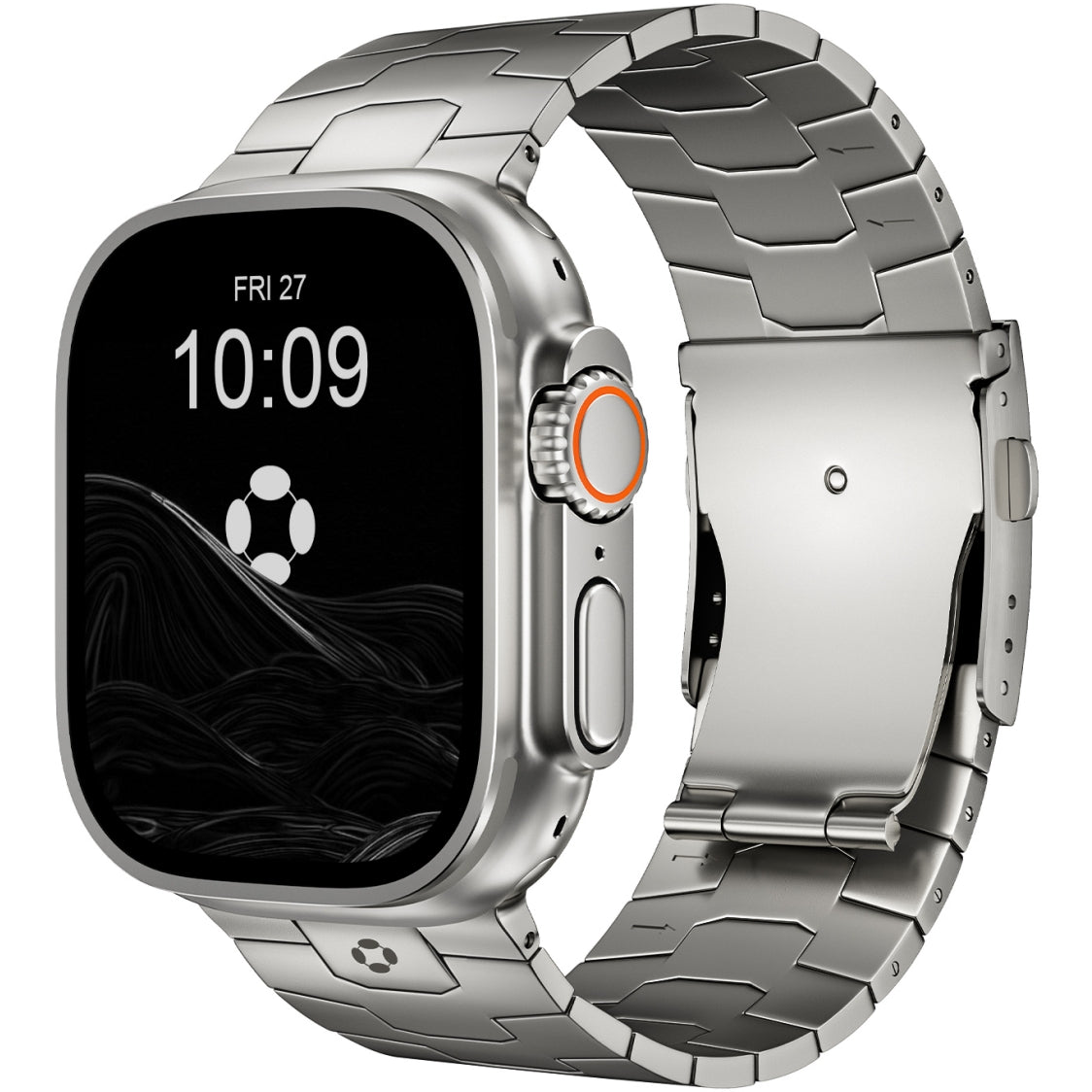
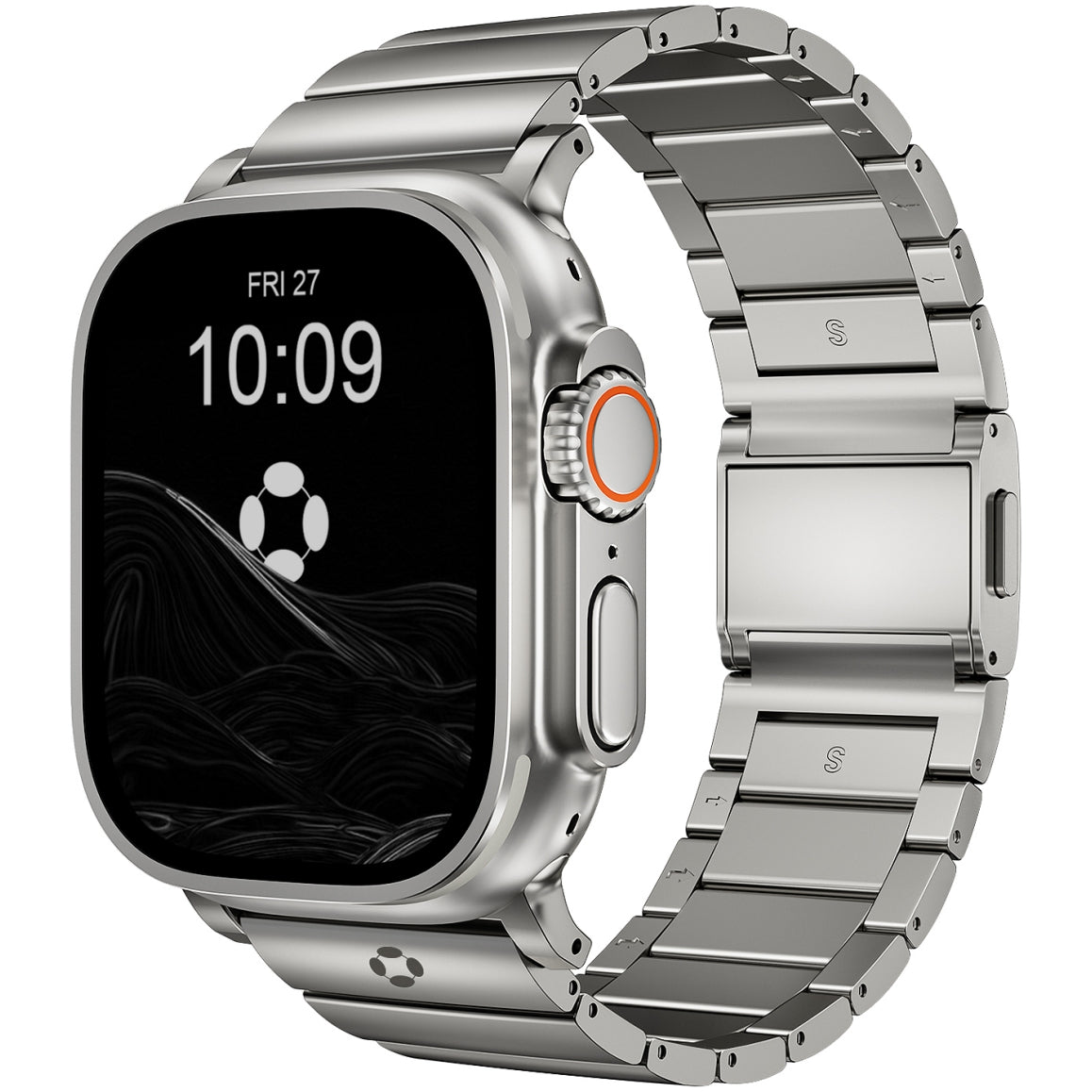
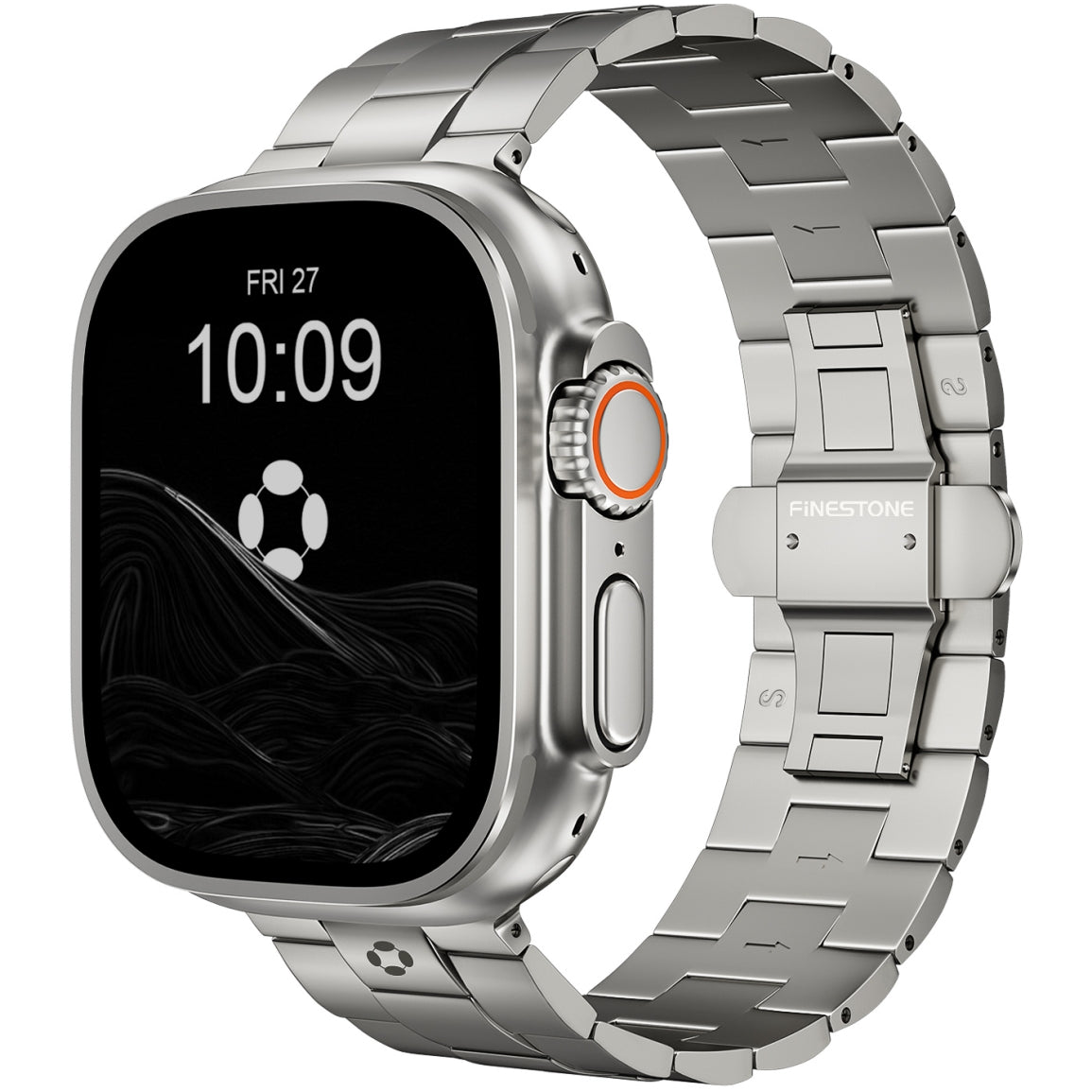
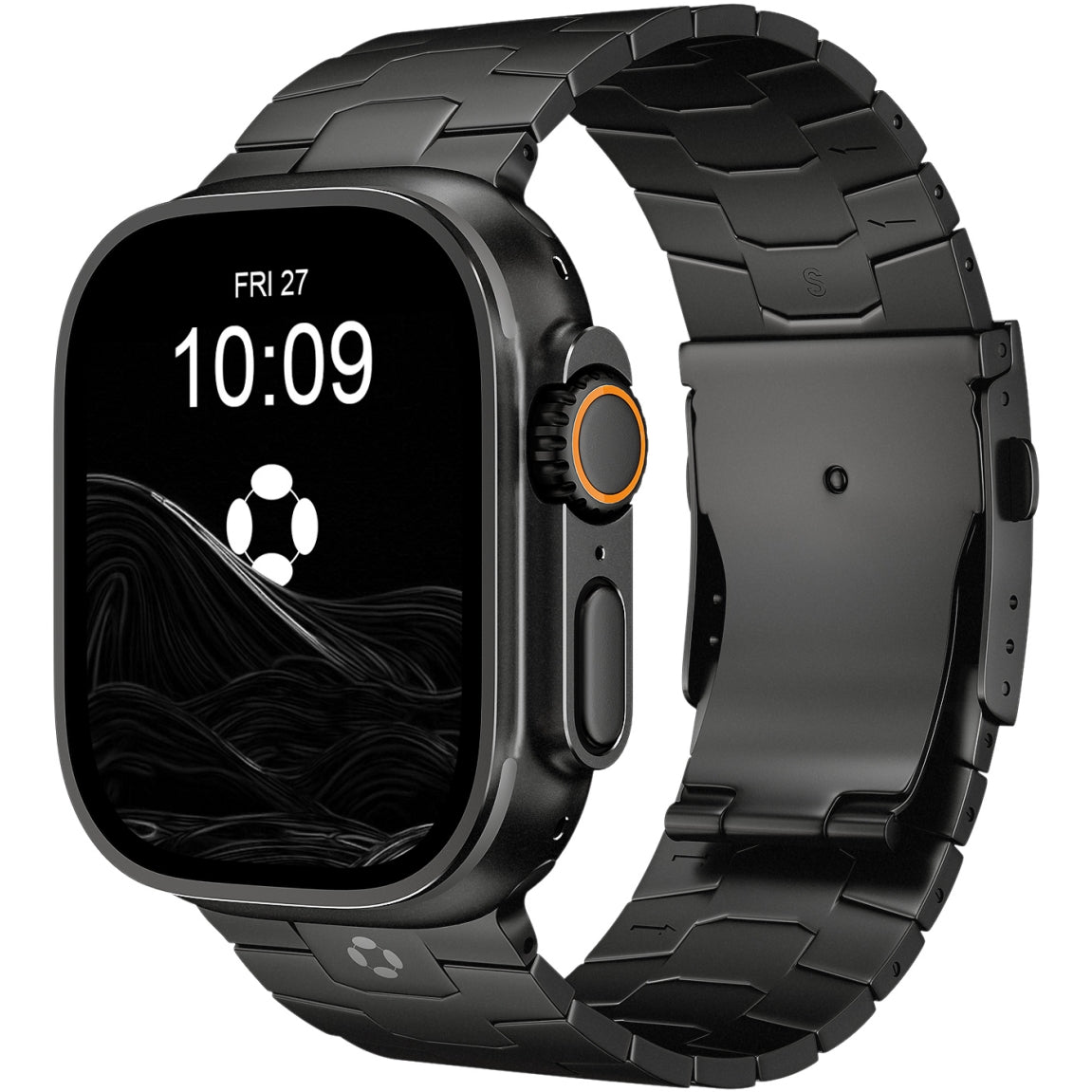
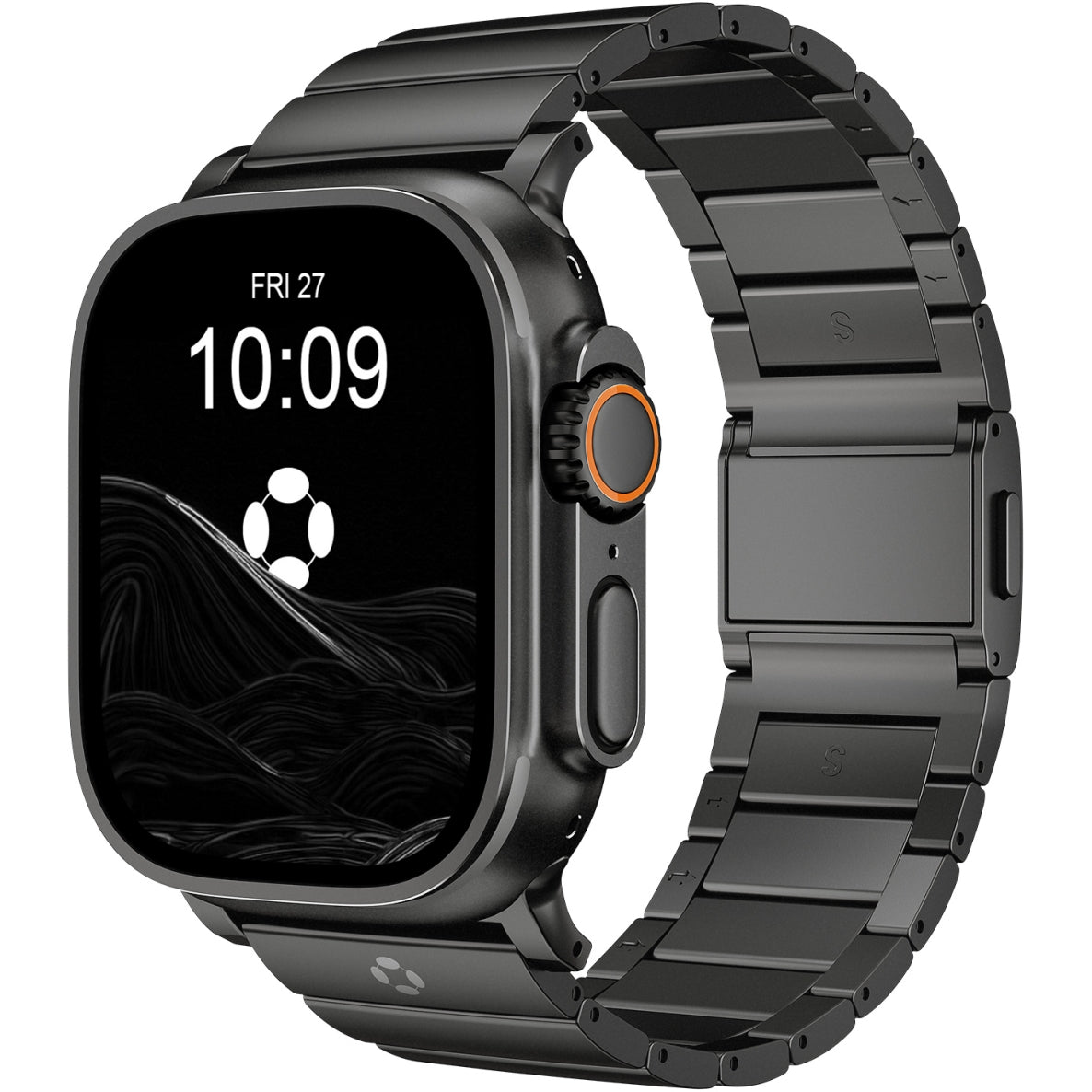
Titanium bracelets are particularly popular because they combine strength with lightweight comfort. Some modern Apple Watch accessories—such as titanium bands produced by Finestone—are designed to provide precise sizing and adjustable links so users can achieve a balanced fit without adding excessive weight.
Silicone or rubber straps
These straps are flexible and typically include multiple adjustment holes, making them easy to fit for various wrist sizes.
Nylon straps
Nylon straps often feature sliding buckles or hook-and-loop systems that allow very precise sizing adjustments.
Step 5: Ensure Proper Adjustment
Once you install the strap, it should feel secure but not restrictive.
A properly fitted watch strap should:
-
Allow one finger to slide under the band
-
Stay centered on your wrist
-
Avoid excessive movement when you rotate your wrist
If the watch slides too much, the strap is too loose. If it leaves deep marks or feels tight, it’s too small.
Common Mistakes When Choosing Watch Strap Size
Many buyers make simple sizing mistakes when purchasing replacement straps.
Buying the wrong lug width
Always measure your watch rather than guessing. Lug widths can vary even between similar models.
Ignoring wrist size
A strap that fits the watch may still be uncomfortable if it doesn’t fit your wrist.
Overlooking adjustability
Metal bracelets require link removal, while nylon or silicone straps offer easier adjustments.
Should You Choose Adjustable Watch Bands?
Adjustable bands can make sizing much easier.
Features that improve fit include:
-
Sliding magnetic closures
-
Adjustable mesh bracelets
-
Multiple buckle holes
-
Removable metal links
These features allow users to fine-tune the fit, which is especially useful if your wrist size falls between standard strap lengths.
Final Thoughts
Choosing the right watch strap size ensures your watch looks good and feels comfortable throughout the day.
To summarize the key steps:
-
Measure your lug width to determine strap width
-
Measure your wrist size to select the correct strap length
-
Consider strap thickness and material for comfort
-
Adjust the strap so it fits securely without being tight
A properly sized strap transforms the overall wearing experience, making your watch feel balanced and comfortable.
Whether you prefer leather, nylon, silicone, or a premium metal option like titanium, selecting the right size ensures your watch band fits perfectly—and stays comfortable for everyday wear.