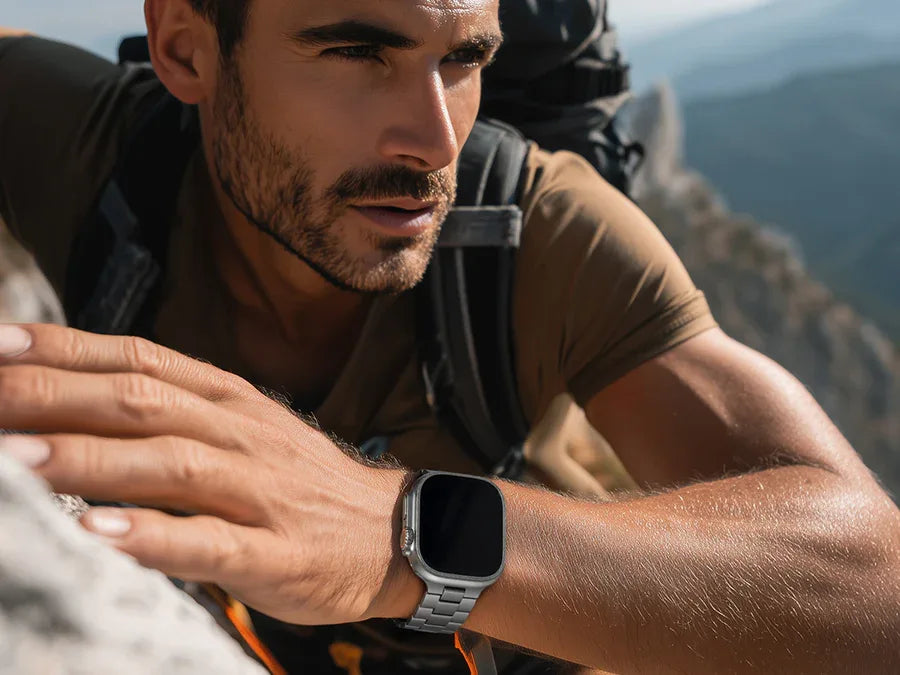

Have you ever put on your watch in the morning feeling perfectly comfortable—only to notice pressure, irritation, or soreness on your wrist a few hours later? You’re not alone. Many watch wearers experience discomfort after extended wear, even with bands that initially feel fine.
In this guide, we’ll break down why some watch bands become uncomfortable over time, the most common causes behind this issue, and how choosing the right material, fit, and design can dramatically improve long-term comfort.
1. Poor Weight Distribution
One of the most overlooked causes of discomfort is uneven weight distribution.
-
Heavy bands can cause wrist fatigue
-
Top-heavy designs pull the watch head downward
-
Continuous micro-pressure builds over time
Metal bands—especially thick stainless steel ones—can feel acceptable at first but become tiring after several hours. Lighter materials like titanium help reduce this constant strain.
2. Incorrect Fit (Too Tight or Too Loose)
A band that isn’t sized properly will almost always cause discomfort.
Too tight:
-
Restricts blood flow
-
Causes pressure marks
-
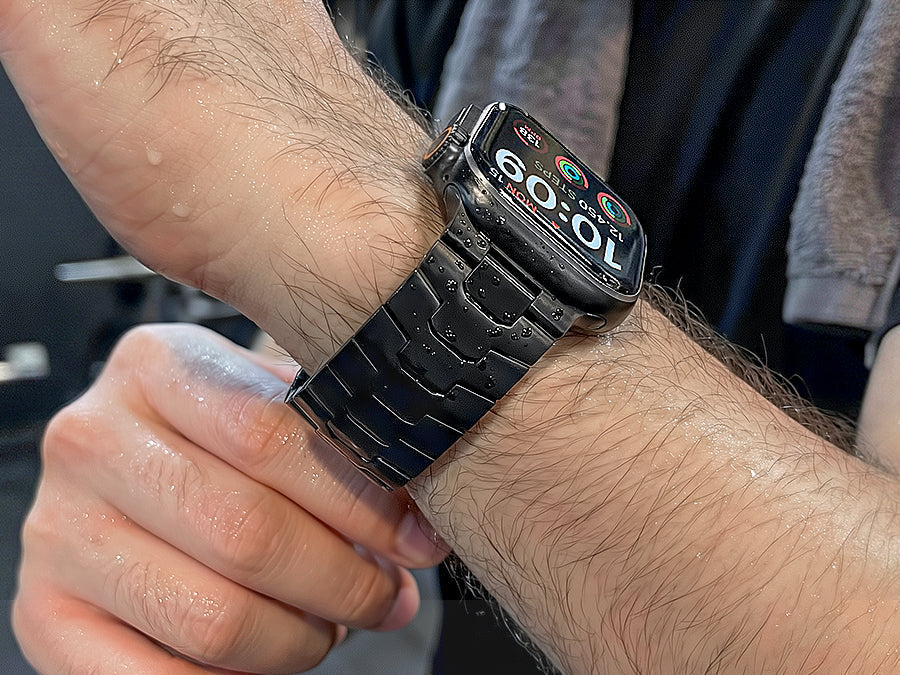
Traps heat and sweat
Too loose:
-
Slides constantly
-
Creates friction
-
Causes uneven pressure points
Even a half-link difference in metal bands can change how comfortable a watch feels after prolonged wear.
3. Lack of Breathability
Skin needs airflow—especially when wearing a watch all day.
Materials that don’t breathe well can:
-
Trap sweat
-
Increase skin temperature
-
Lead to itching or redness
This is common with:
-
Silicone worn tightly
-
Solid metal links with no ventilation
-
Low-quality leather
Over time, trapped moisture causes irritation, even if the band felt fine initially.
4. Material Sensitivity and Skin Reactions
Some discomfort isn’t about fit—it’s about skin chemistry.
Common triggers include:
-
Nickel content in stainless steel
-
Chemical treatments in leather
-
Dyes in fabric or silicone
Symptoms often appear after hours, not immediately:
-
Mild itching
-
Redness
-
Burning or soreness
Hypoallergenic materials such as titanium are far less likely to cause delayed irritation.
5. Edge Design and Link Structure
Sharp edges or poorly finished links can create discomfort over time.
Problems include:
-
Hard edges digging into the wrist
-
Stiff links that don’t flex naturally
-
Clasps pressing into pressure points
As your wrist naturally expands and contracts during the day, these design flaws become more noticeable.
6. Temperature Changes Throughout the Day
Wrist size fluctuates due to:
-
Heat
-
Physical activity
-
Hydration
Metal bands expand slightly with heat, and your wrist does too. A band that fits perfectly in the morning may feel tight by afternoon—especially heavier metals.
Lightweight materials adapt better to these subtle changes.
7. Continuous Wear Without Breaks
Wearing the same band 24/7—including sleep and workouts—can lead to cumulative discomfort.
Common issues:
-
Pressure fatigue
-
Skin compression
-
Moisture buildup
Rotating bands or choosing an all-day-friendly material significantly improves comfort.
Why Material Choice Matters Most
Among all factors, band material has the biggest impact on long-term comfort.
Comfort comparison (after several hours):
| Material | Long-Term Comfort |
|---|---|
| Silicone | Moderate (can trap sweat) |
| Leather | Moderate (heat & moisture issues) |
| Stainless Steel | Low–Moderate (heavy) |
| Nylon/Fabric | Good (breathable, less durable) |
| Titanium | Excellent (light, hypoallergenic) |
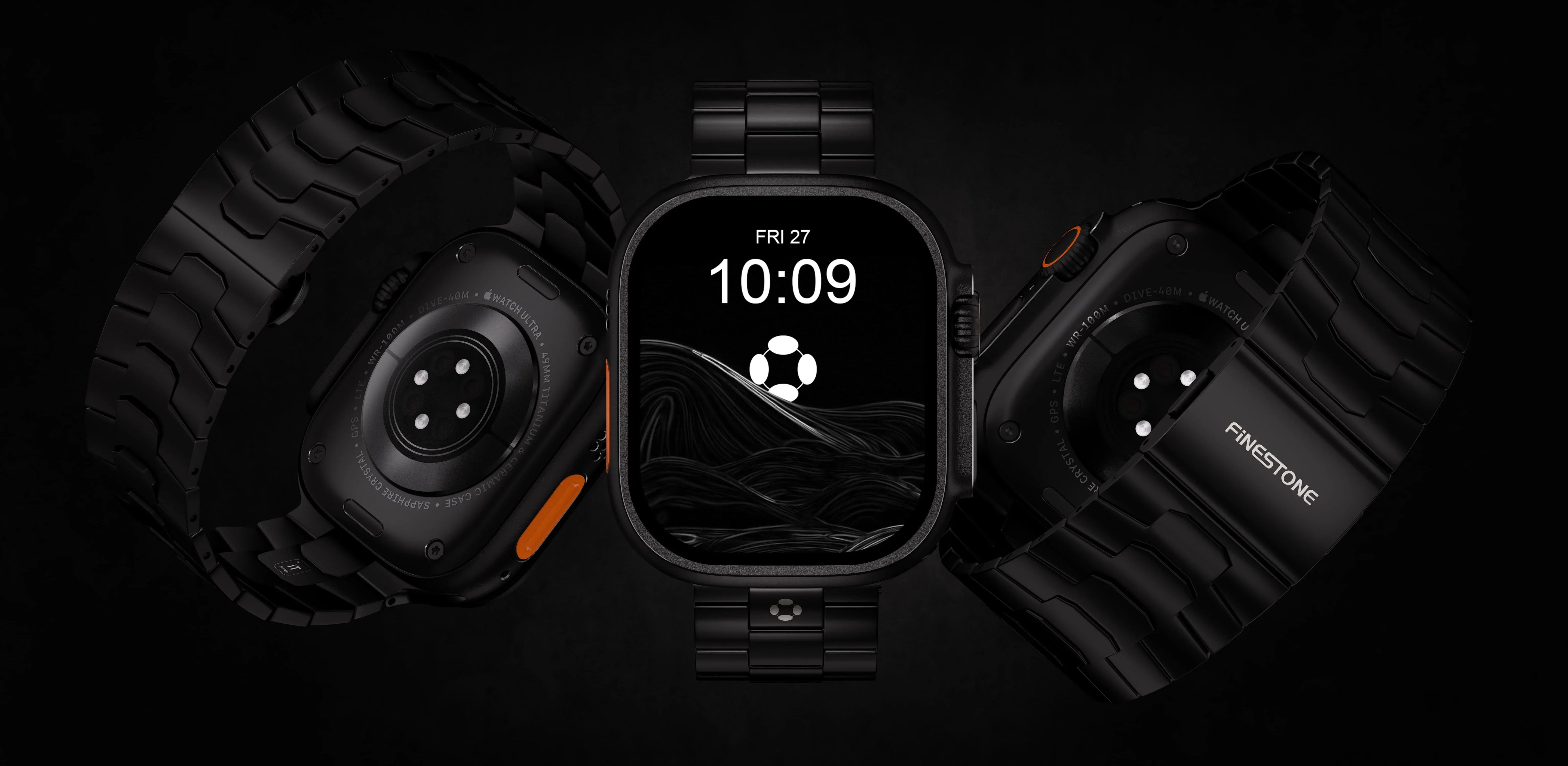
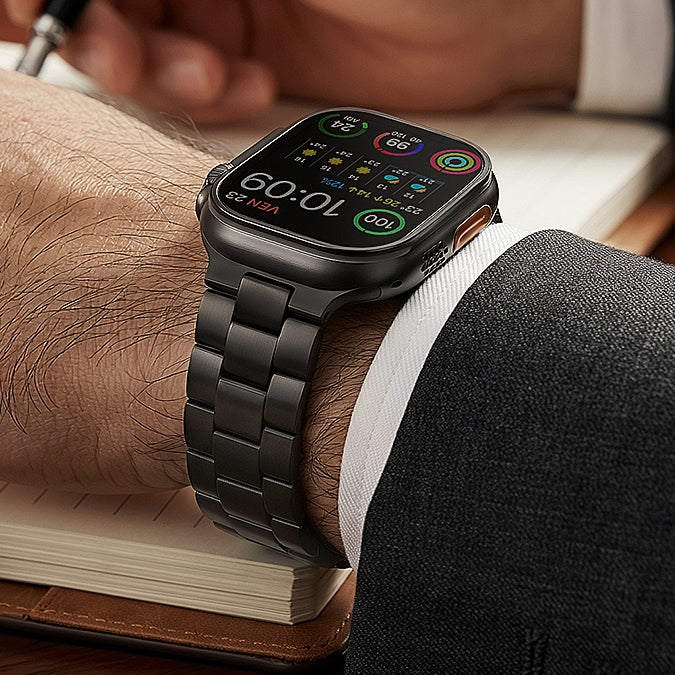
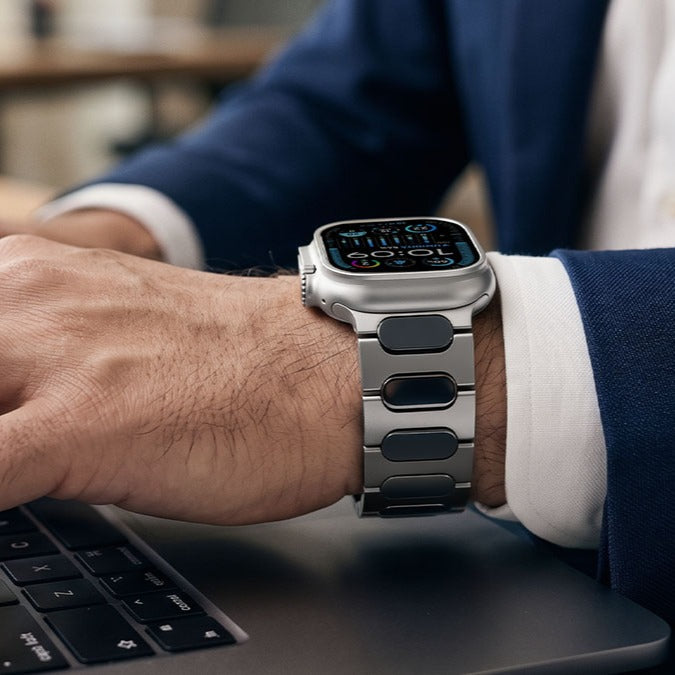
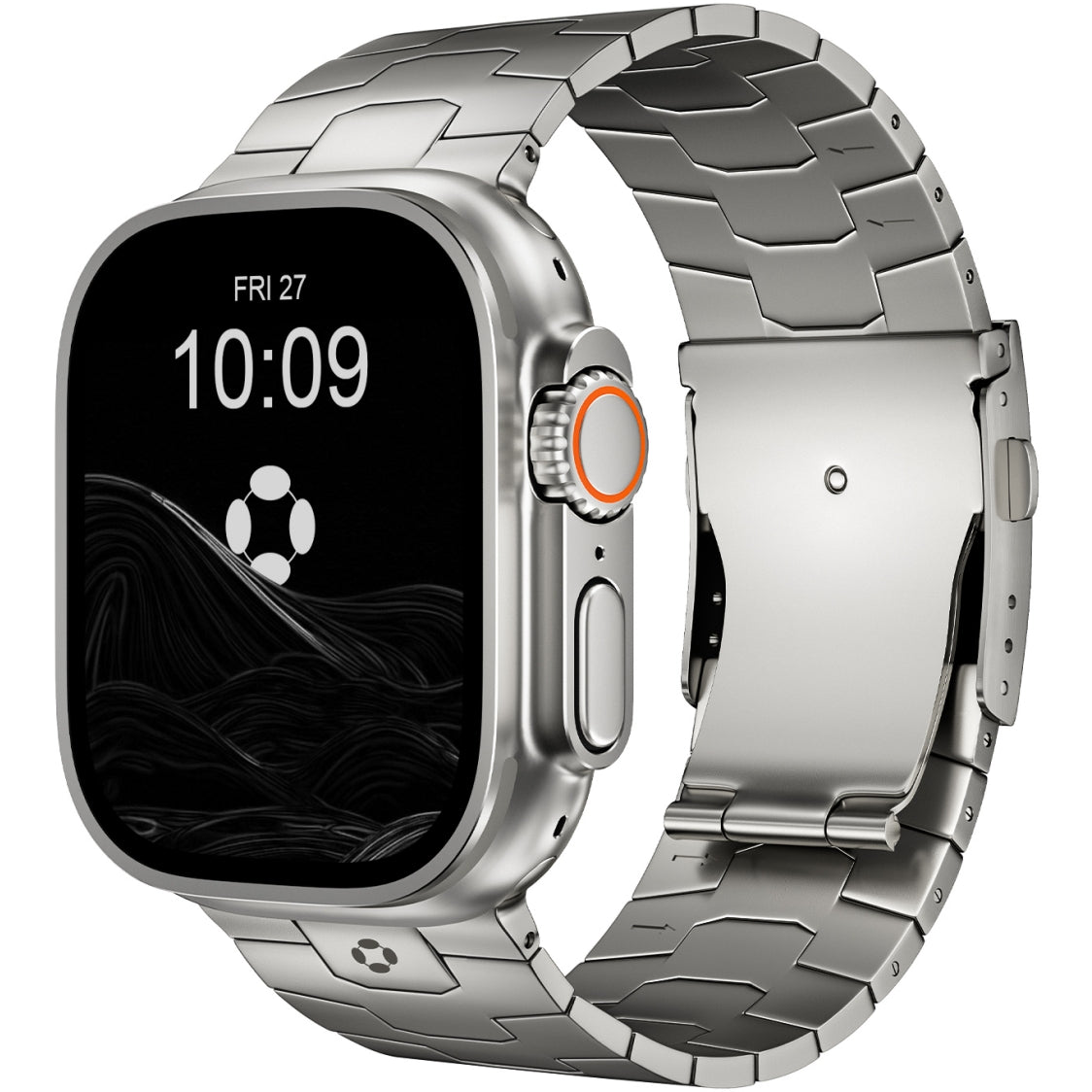
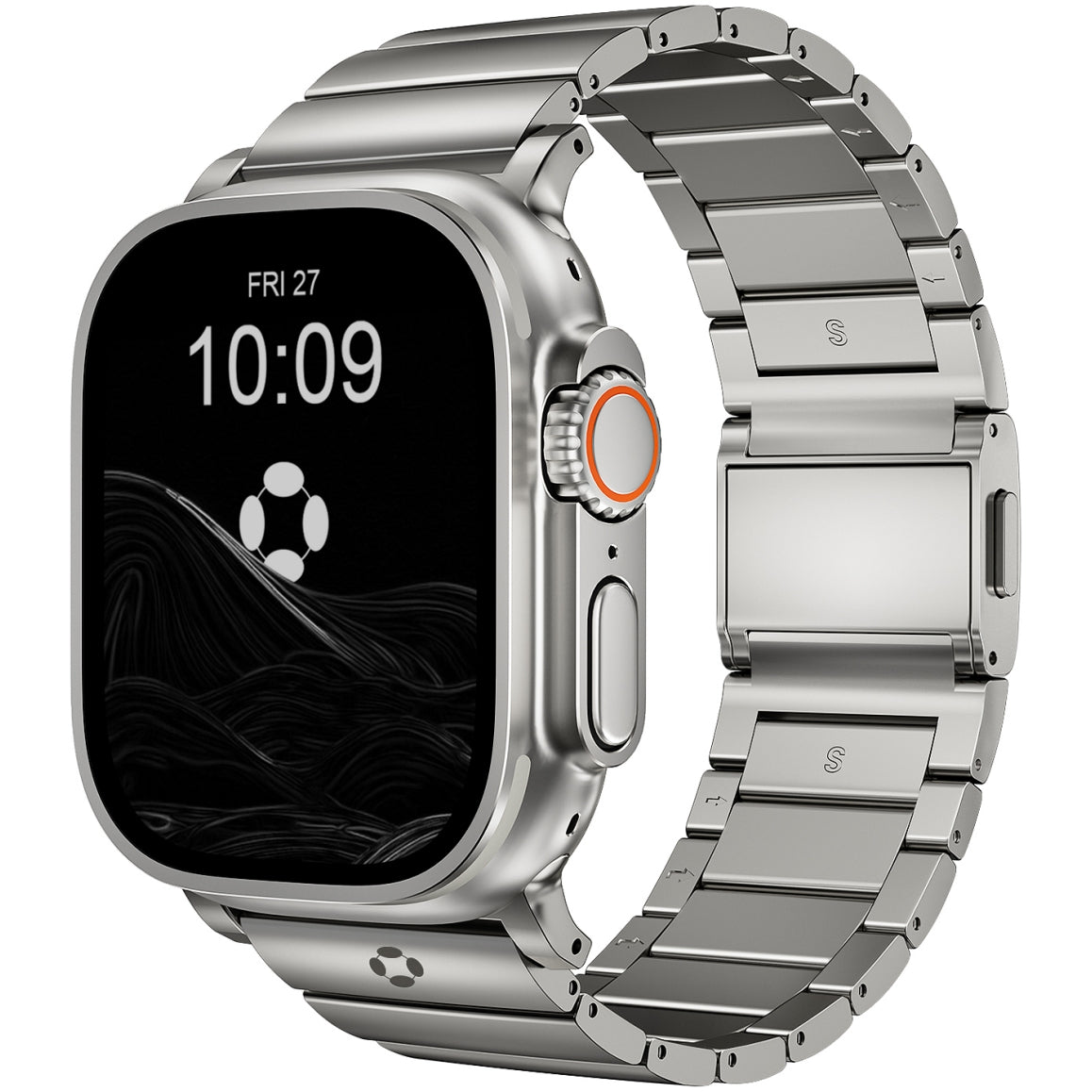
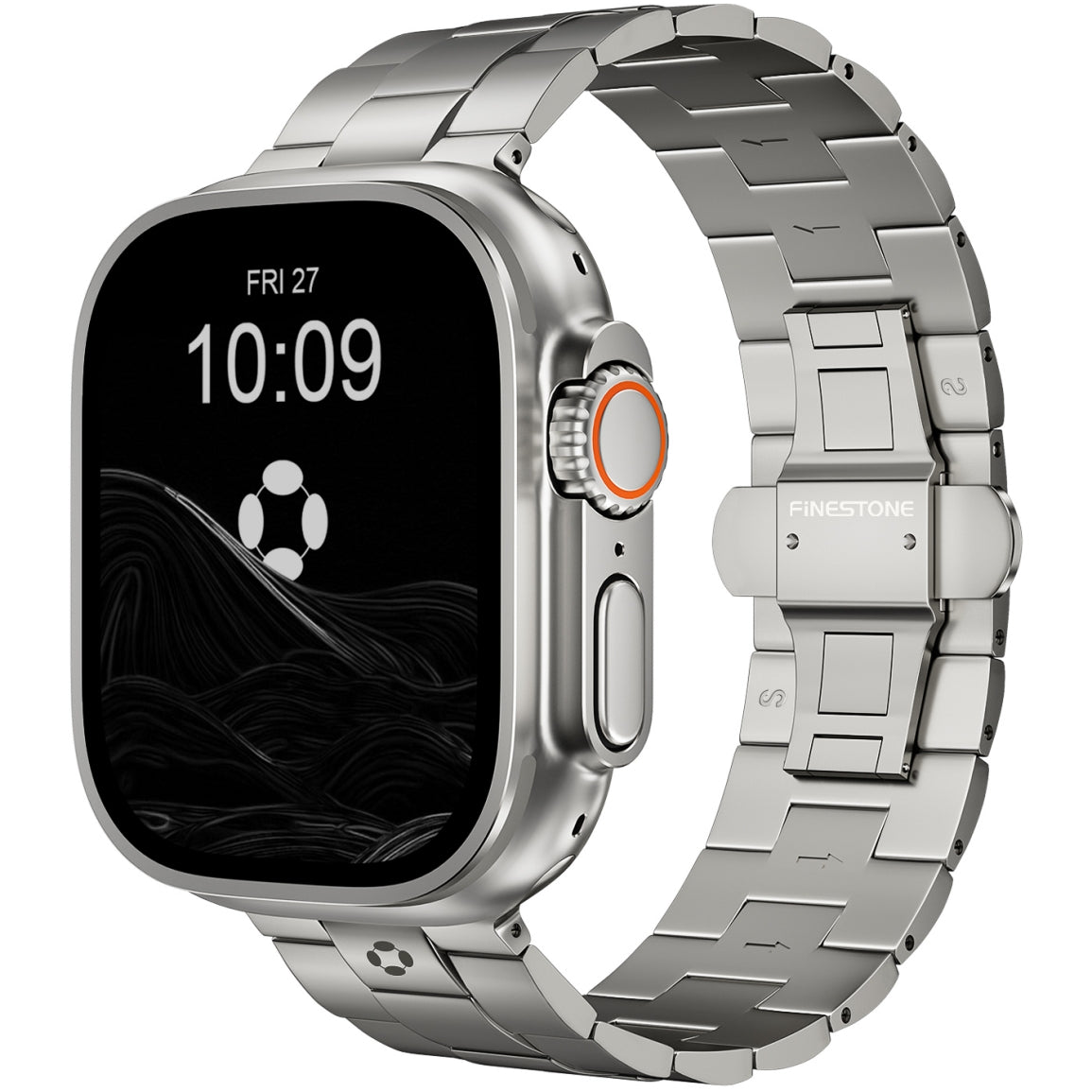
A Finestone titanium Apple Watch band is designed specifically to reduce long-term discomfort by combining lightweight construction, smooth edges, and hypoallergenic properties—making it ideal for all-day wear.

How to Prevent Watch Band Discomfort
-
Choose lighter materials for daily wear
-
Adjust fit slightly looser for long sessions
-
Clean your band regularly to remove sweat and oils
-
Avoid sharp-edged designs
-
Rotate bands if you wear your watch constantly
Small changes can dramatically improve comfort over time.