
When buying a watch strap, most people focus on looks or price. But if you wear your watch regularly, the real question becomes: which watch straps actually hold up over time?
This guide is written from a long-term user perspective. Instead of short-term comfort or trends, we focus on durability, aging, comfort over years, and real-world value. If you want a strap you won’t need to replace every few months, this article is for you.
What Does “Long-Term Use” Really Mean for Watch Straps?
A watch strap designed for long-term use should:
-
Stay comfortable after months of daily wear
-
Maintain its shape and structure
-
Resist sweat, moisture, and odor
-
Age gracefully instead of looking worn out
-
Remain secure and reliable
For most users, long-term means 2–5 years of regular wear, not just surviving a few months.
Key Factors That Determine Long-Term Durability
Before comparing materials, it’s important to understand what actually causes straps to fail.
1. Material Quality
Low-grade materials crack, stretch, or peel quickly. Higher-grade materials maintain integrity longer.
2. Daily Wear Conditions
Sweat, humidity, friction, and temperature changes all accelerate wear.
3. Construction & Design
Stitching, edge finishing, and attachment points matter just as much as material choice.
4. Maintenance Requirements
Straps that require constant care are harder to keep long-term.
Best Watch Strap Materials for Long-Term Use
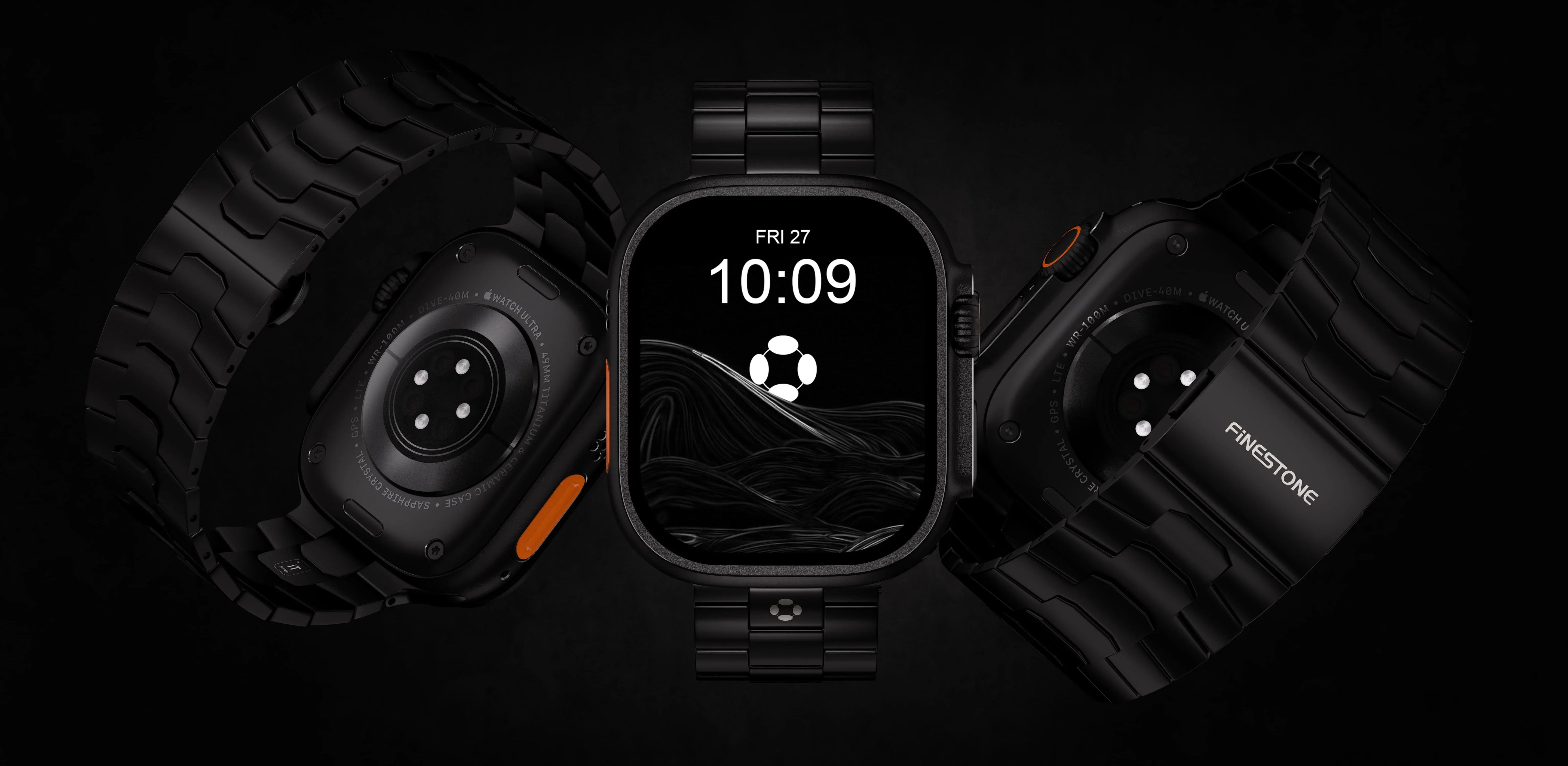
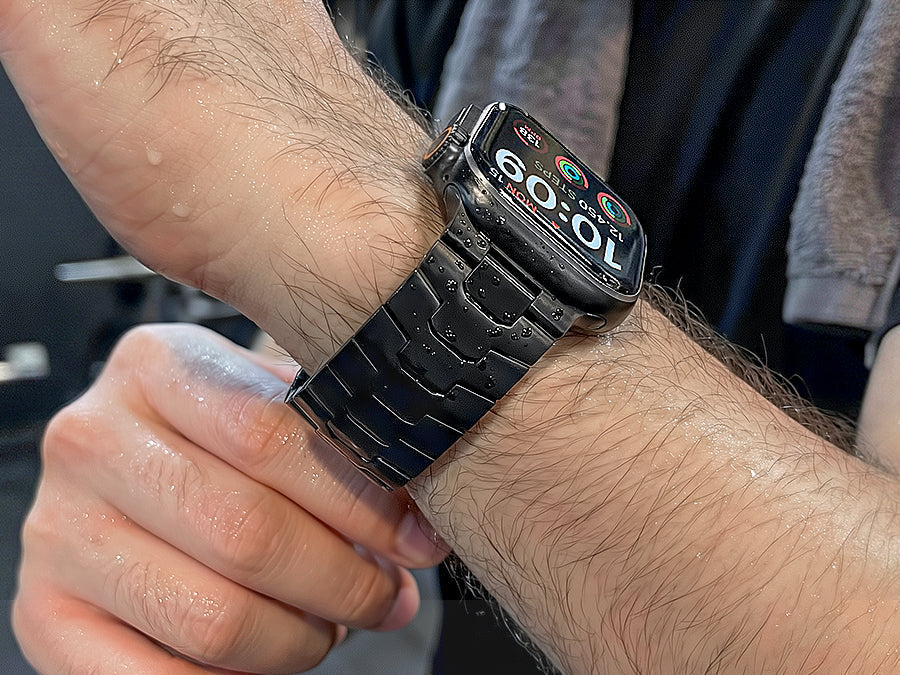
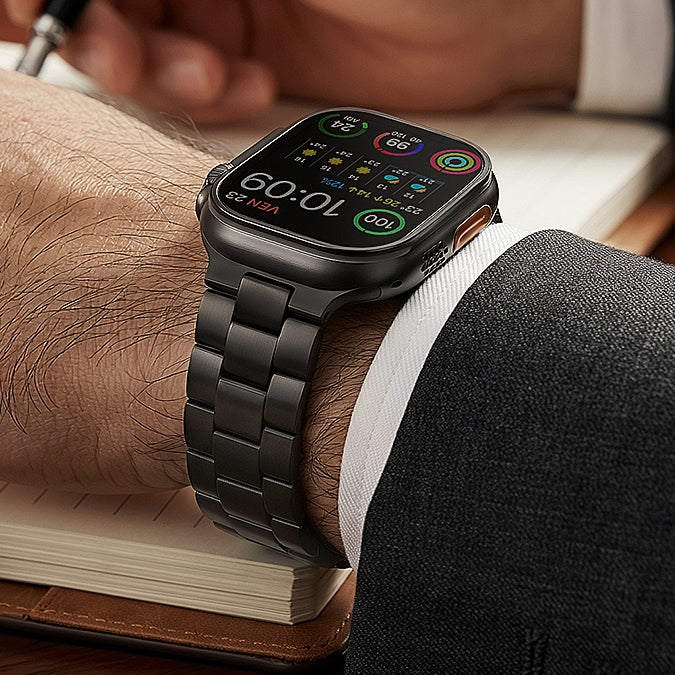
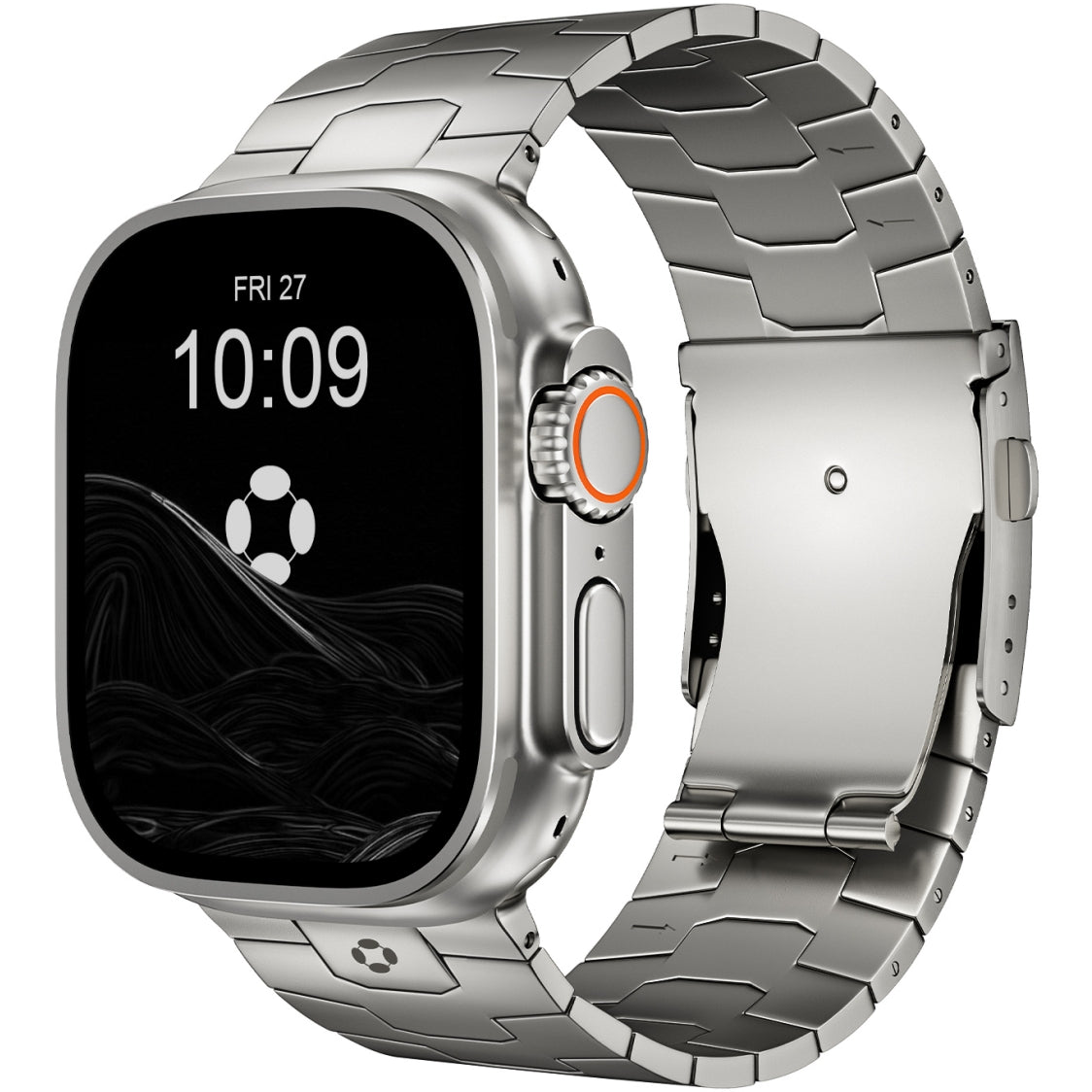
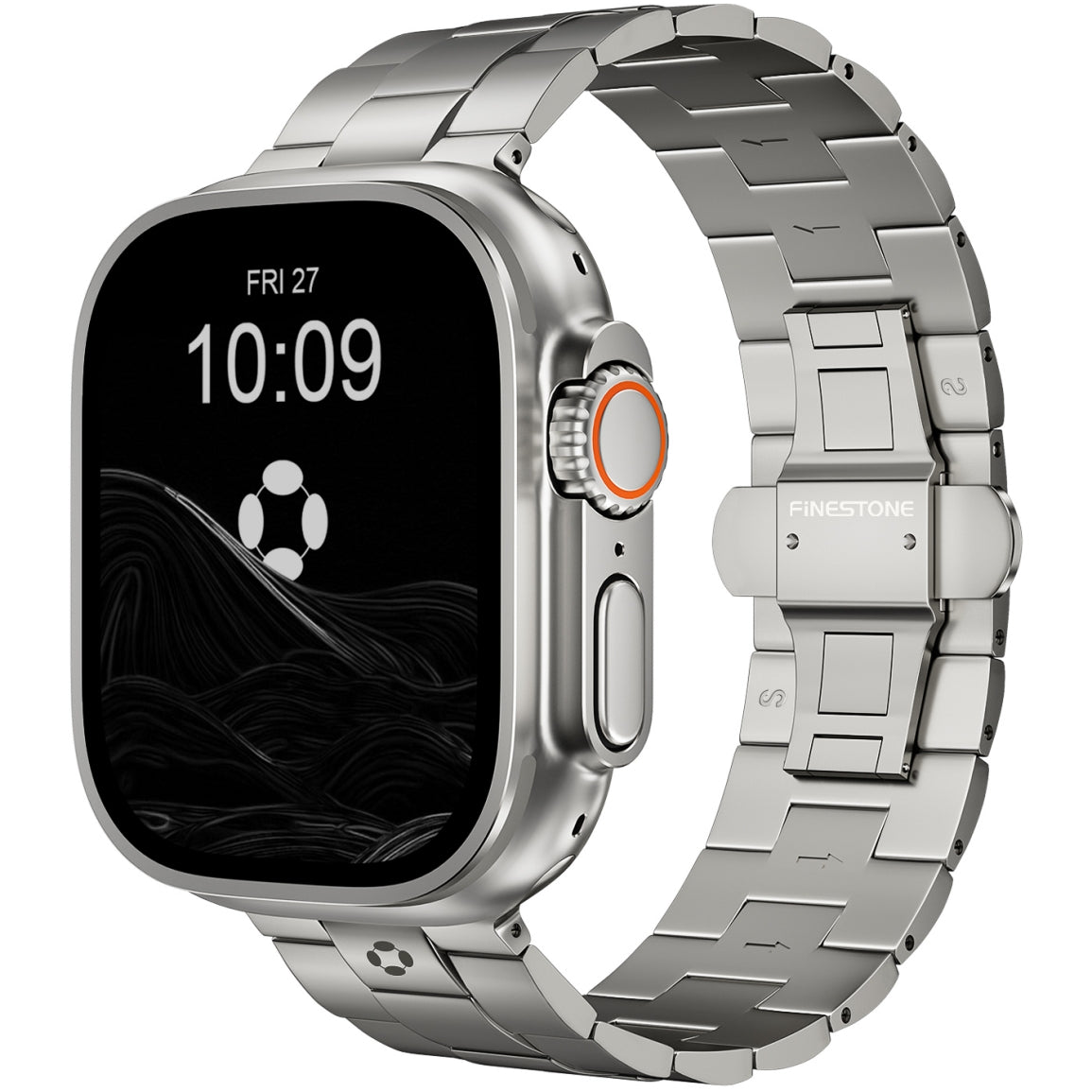
1. Titanium Watch Straps (Best Overall)
Why titanium stands out:
-
Extremely strong yet lightweight
-
Resistant to corrosion, sweat, and moisture
-
Hypoallergenic and skin-friendly
-
Does not deform, stretch, or crack
-
Maintains appearance for years
Titanium straps are ideal for users who want one strap they can wear daily for years with minimal maintenance.
Best for: All-day wear, work, travel, long-term investment
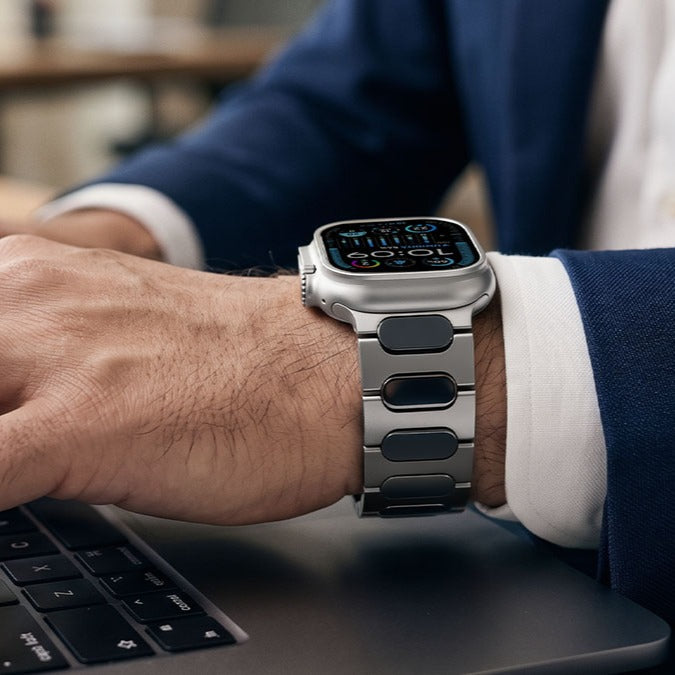
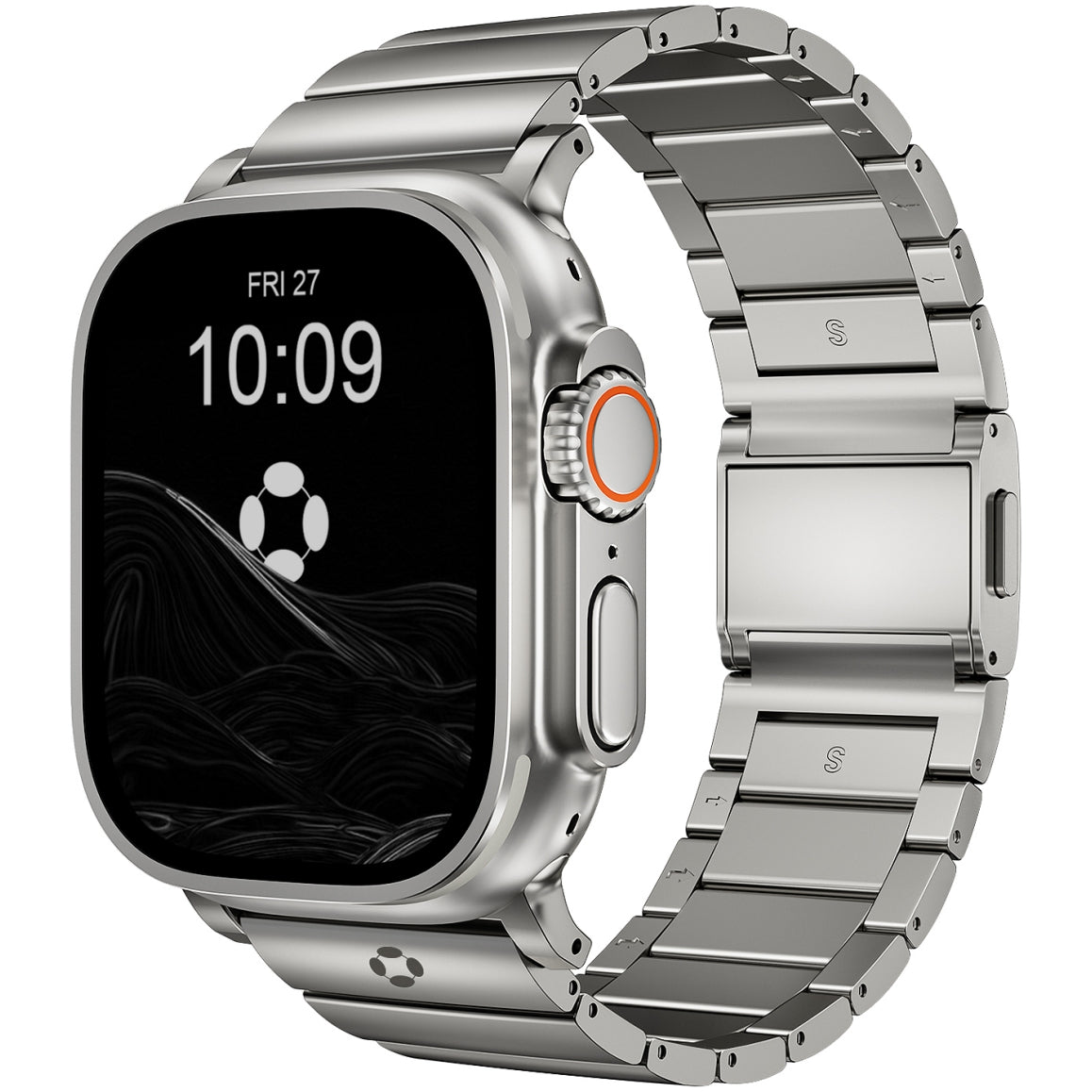
2. Stainless Steel Watch Straps
Strengths:
-
Very durable
-
Professional appearance
-
Resistant to daily wear
Limitations:
-
Heavier than titanium
-
More prone to visible scratches
Stainless steel is a solid long-term option, especially for users who prefer a heavier feel.
3. High-Quality Leather Watch Straps
Leather can last long—but only if it’s high quality and well cared for.
Pros:
-
Comfortable once broken in
-
Classic appearance
Cons:
-
Sensitive to water and sweat
-
Requires maintenance
-
Limited lifespan compared to metal
For long-term use, leather works best as a rotation strap, not a daily-only option.
4. Nylon & Fabric Watch Straps
Pros:
-
Lightweight and breathable
-
Comfortable in warm climates
Cons:
-
Absorbs sweat and odors
-
Loses structure over time
Fabric straps are comfortable but generally not ideal for multi-year daily use.
5. Silicone & Rubber Watch Straps
Pros:
-
Water-resistant
-
Flexible and sporty
Cons:
-
Degrades over time
-
Can become sticky or brittle
-
Traps sweat during long wear
Silicone straps are better for short-term or activity-specific use rather than long-term daily wear.
Material Longevity Comparison
| Material | Typical Lifespan | Long-Term Suitability |
|---|---|---|
| Titanium | 5+ years | Excellent |
| Stainless Steel | 4–5 years | Very Good |
| Leather | 1–2 years | Moderate |
| Nylon | 1–2 years | Low |
| Silicone | 6–18 months | Low |
Comfort Over Time: What Actually Changes?
A strap that feels good on day one may feel very different after a year.
-
Metal straps remain consistent once properly sized
-
Leather softens but eventually weakens
-
Silicone often becomes less breathable
For long-term comfort, stability and breathability matter more than initial softness.
Common Mistakes When Choosing a Long-Term Watch Strap
-
Choosing based only on appearance
-
Ignoring sweat and skin sensitivity
-
Underestimating daily wear time
-
Buying cheap straps repeatedly instead of one durable option
Many users end up spending more replacing low-quality straps than investing once in a durable one.
How Many Watch Straps Do Long-Term Users Actually Own?
Most long-term watch wearers eventually settle into a rotation of:
-
One primary everyday strap
-
One activity or casual strap
-
One backup or seasonal strap
Even users with many straps usually rely on 1–2 core straps for most of their wear time.
How to Make a Watch Strap Last Longer
-
Clean regularly (especially after sweat exposure)
-
Avoid unnecessary water exposure for leather
-
Ensure correct lug width and fit
-
Rotate straps when possible
Proper fit and basic care can significantly extend lifespan.
Final Thoughts: Buy for Years, Not Months
If you wear your watch regularly, the best watch strap for long-term use is the one that disappears on your wrist and doesn’t need replacing.
For most users, metal—especially titanium—offers the best balance of comfort, durability, and long-term value.
Instead of buying multiple short-lived straps, choosing one well-made strap designed for years of use is often the smarter decision.
A great watch deserves a strap that lasts just as long.