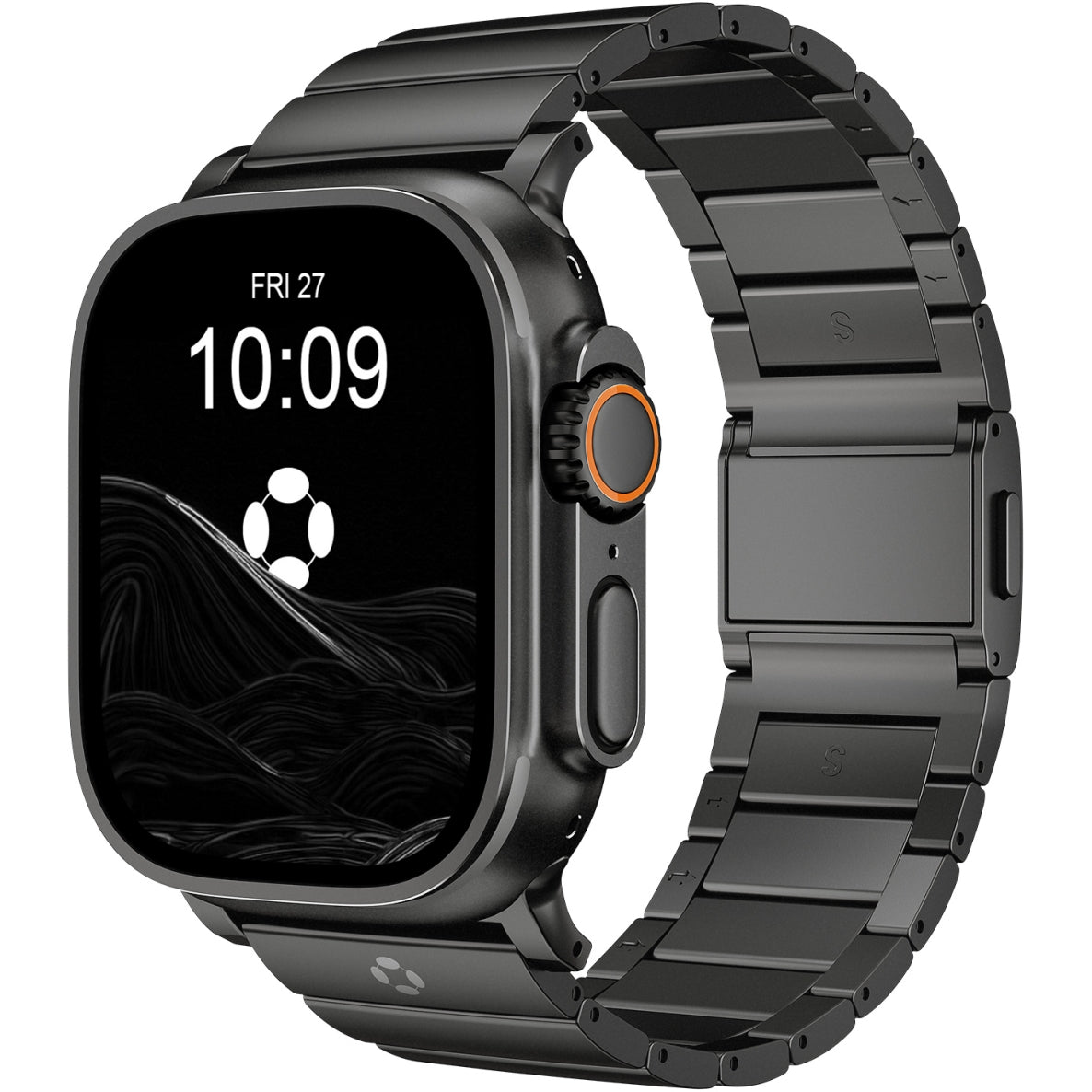

Choosing the right watch strap is just as important as choosing the watch itself. The strap determines how comfortable your watch feels, how long it lasts, and whether it truly fits your lifestyle. A great watch paired with the wrong strap can quickly become something you stop wearing.
This guide walks through everything you need to know—from material and fit to usage scenarios—so you can confidently choose a watch strap that works long-term, not just on day one.
Why the Right Watch Strap Matters
A watch strap isn’t just decorative. It affects:
-
Daily comfort and skin contact
-
Durability and maintenance
-
How your watch looks in different environments
-
Whether the watch feels like part of your routine or a burden
Many people replace straps not because they want variety, but because the original strap doesn’t age well with real-world use.
Step 1: Consider How You Actually Use Your Watch
Before choosing a strap, be honest about your habits.
Ask yourself:
-
Do I wear my watch all day or only occasionally?
-
Do I sleep with it on?
-
Do I exercise or sweat while wearing it?
-
Do I need it to look appropriate for work?
The more hours per day you wear your watch, the more important comfort, weight, and durability become.
Step 2: Choose the Right Strap Material
Silicone and Rubber Straps
Best for: Fitness, water exposure, casual wear
Pros
-
Water-resistant
-
Lightweight
-
Easy to clean
Cons
-
Can trap heat and sweat
-
May cause skin irritation with long wear
-
Shorter lifespan
Nylon and Fabric Straps
Best for: Casual, travel, lightweight comfort
Pros
-
Breathable
-
Very lightweight
-
Affordable
Cons
-
Absorbs sweat and moisture
-
Fades and frays over time
-
Not ideal for professional settings
Leather Straps
Best for: Dress watches, business wear
Pros
-
Classic appearance
-
Comfortable when broken in
Cons
-
Sensitive to sweat and water
-
Requires maintenance
-
Limited lifespan for daily wear
Stainless Steel Straps
Best for: Versatile daily wear
Pros
-
Durable
-
Polished appearance
-
Long-lasting
Cons
-
Heavier than other options
-
Can feel cold or bulky
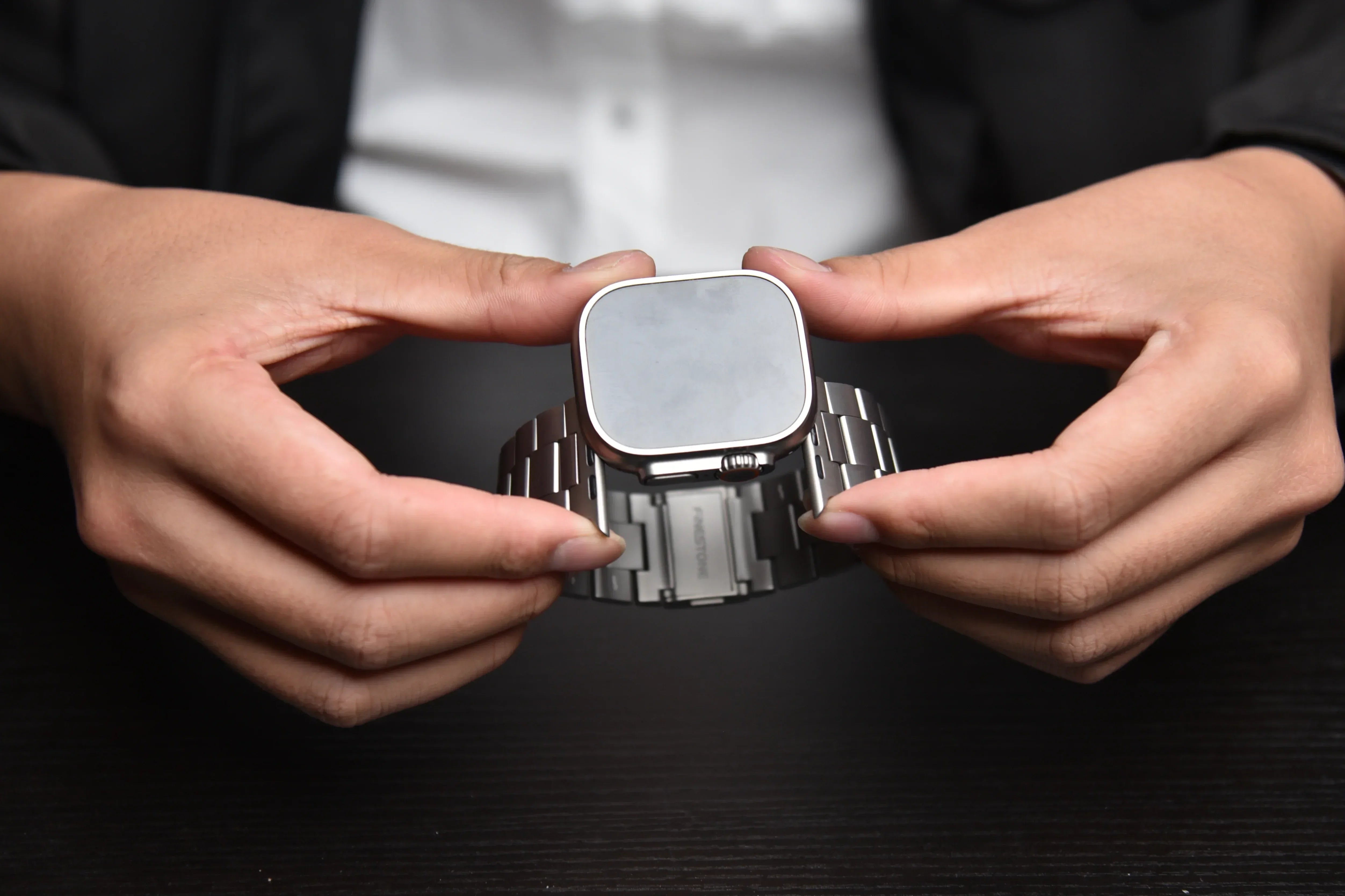
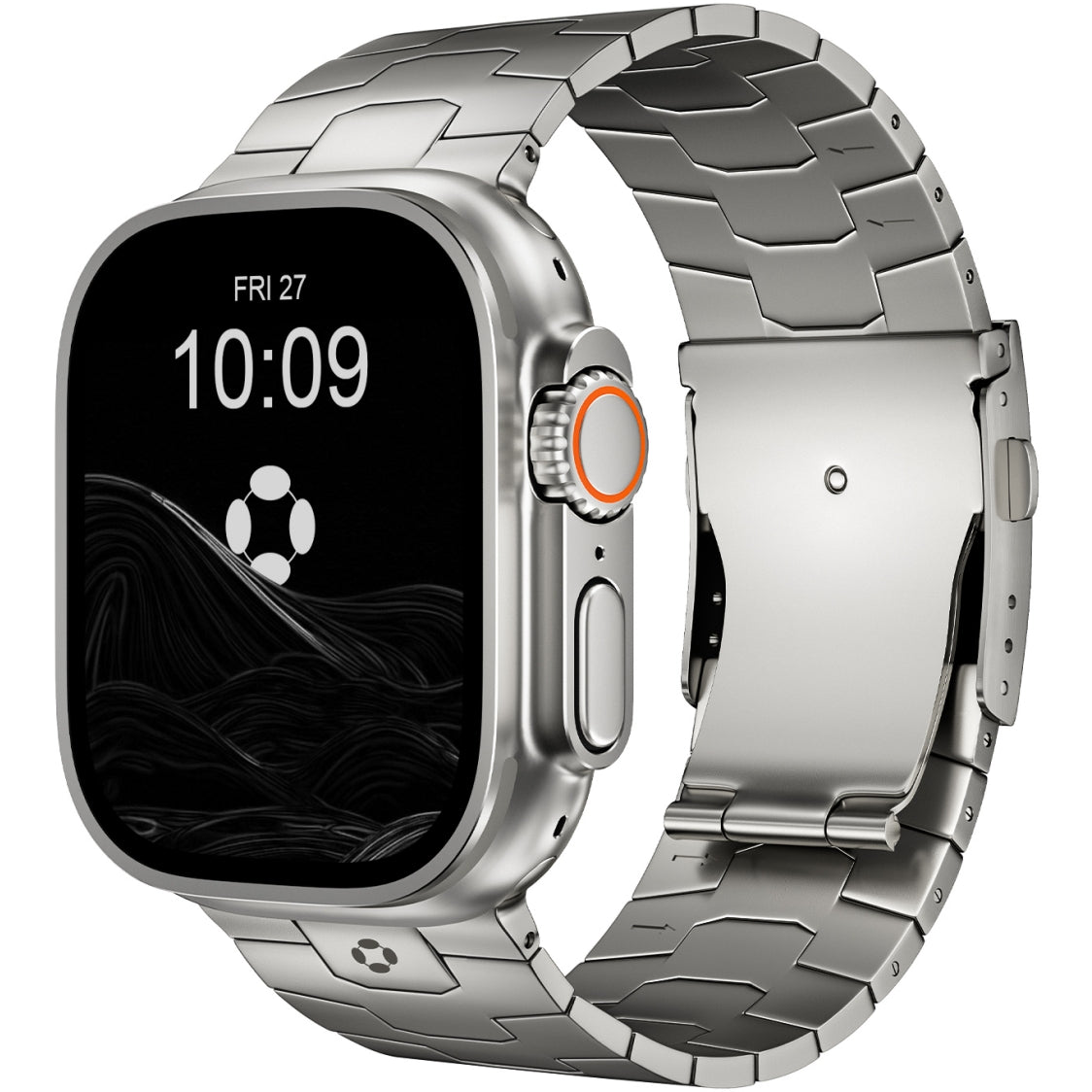
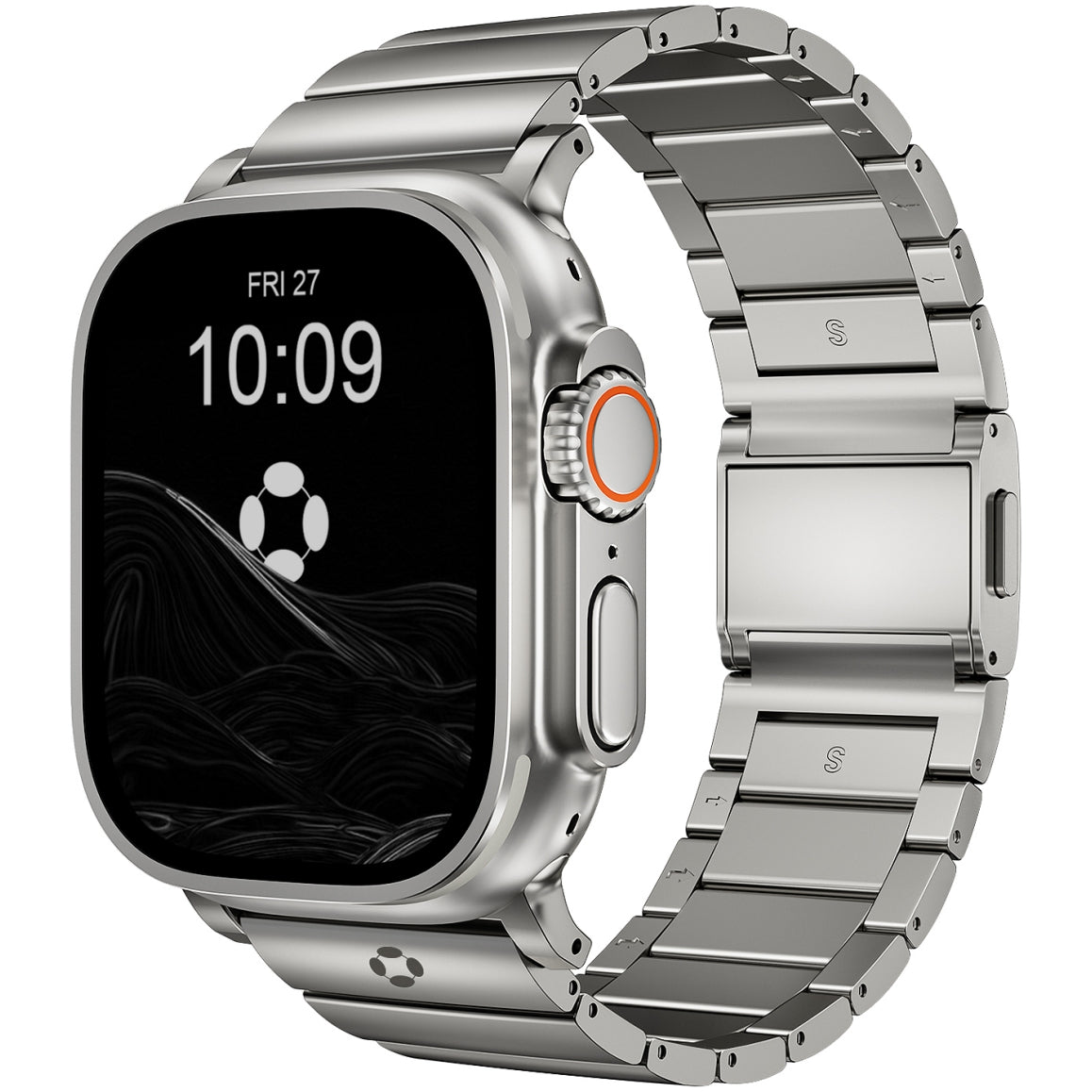
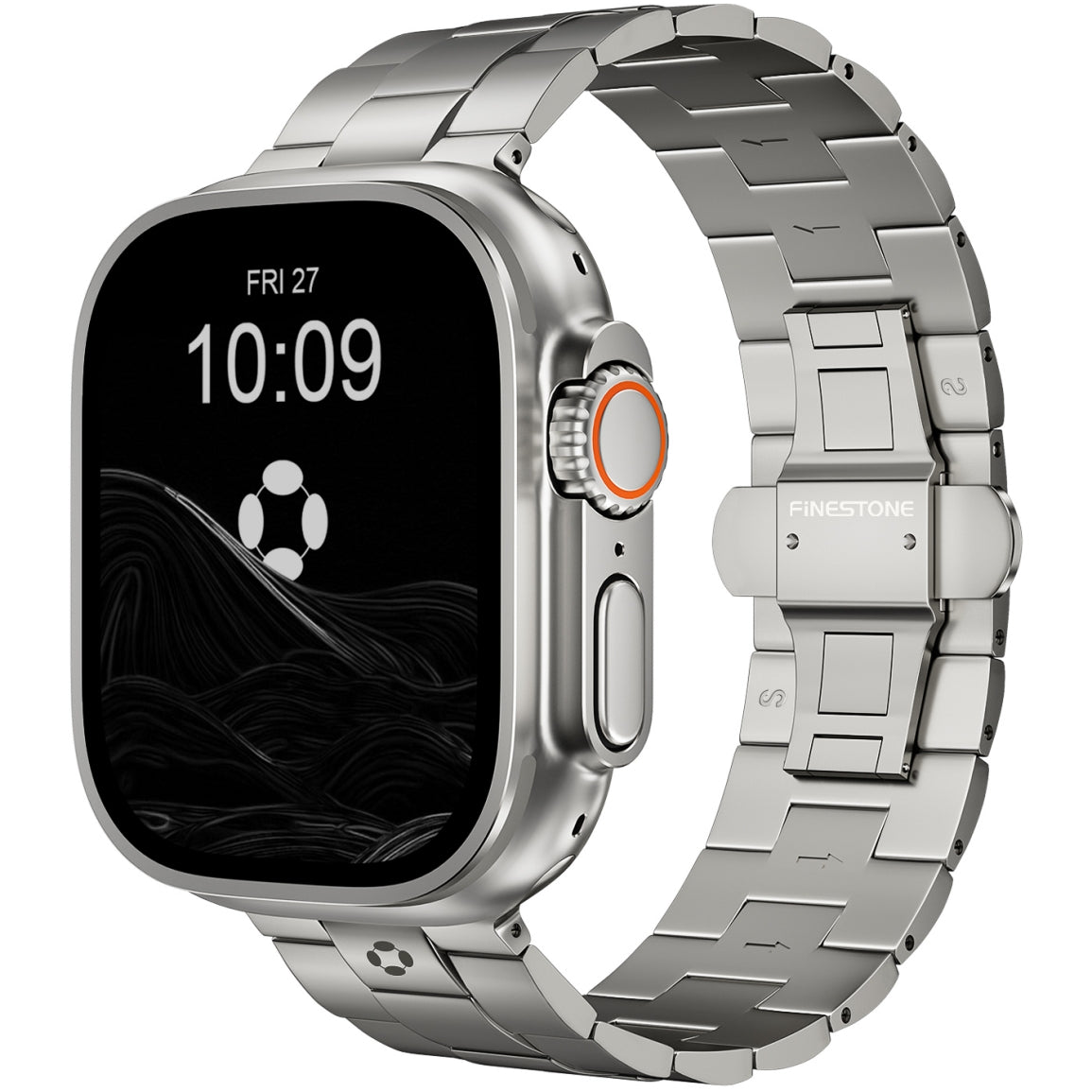
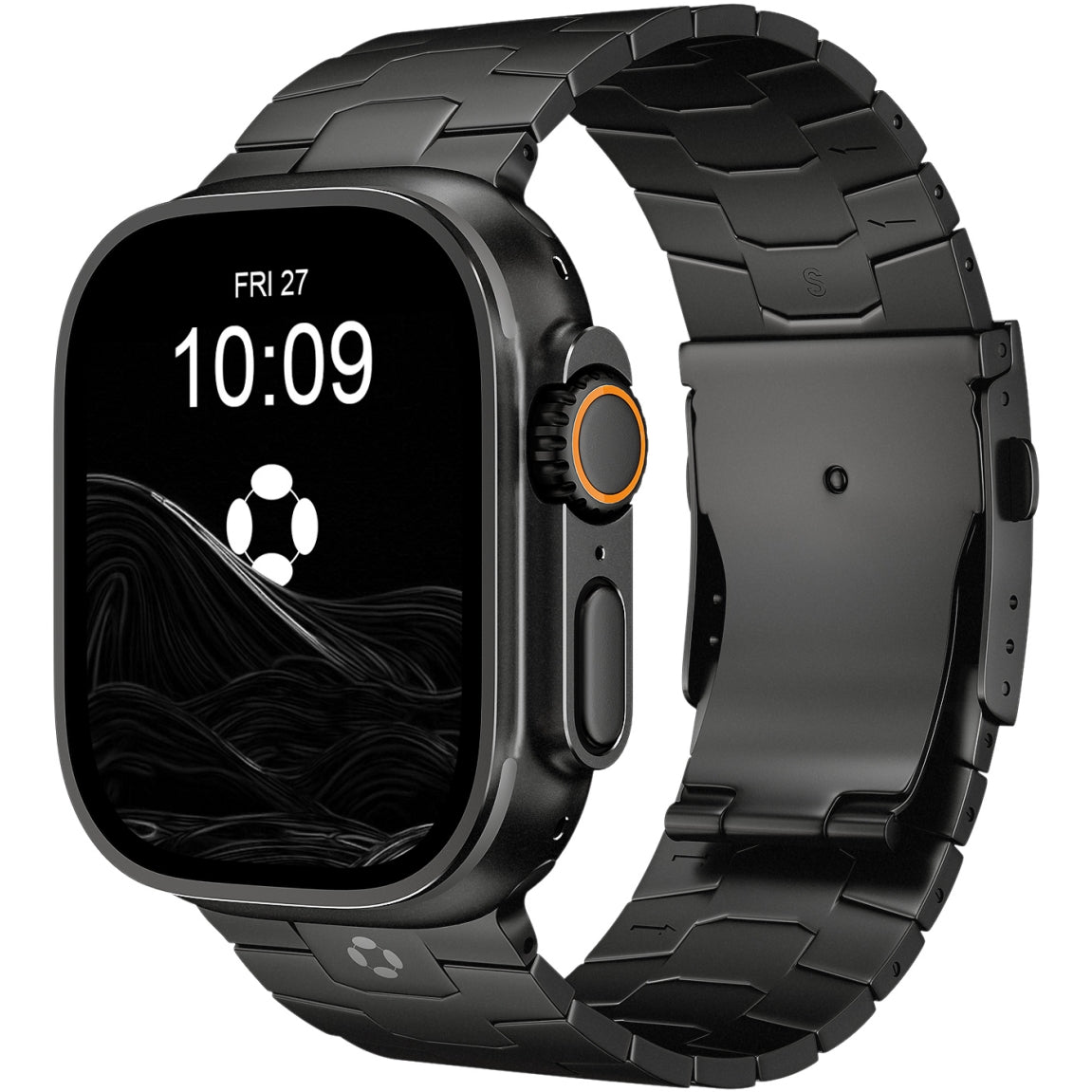
Titanium Straps
Best for: Long-term, all-day wear
Pros
-
Extremely lightweight
-
Strong and corrosion-resistant
-
Hypoallergenic
-
Comfortable for extended use
Cons
-
Higher upfront cost
-
Fewer low-end options
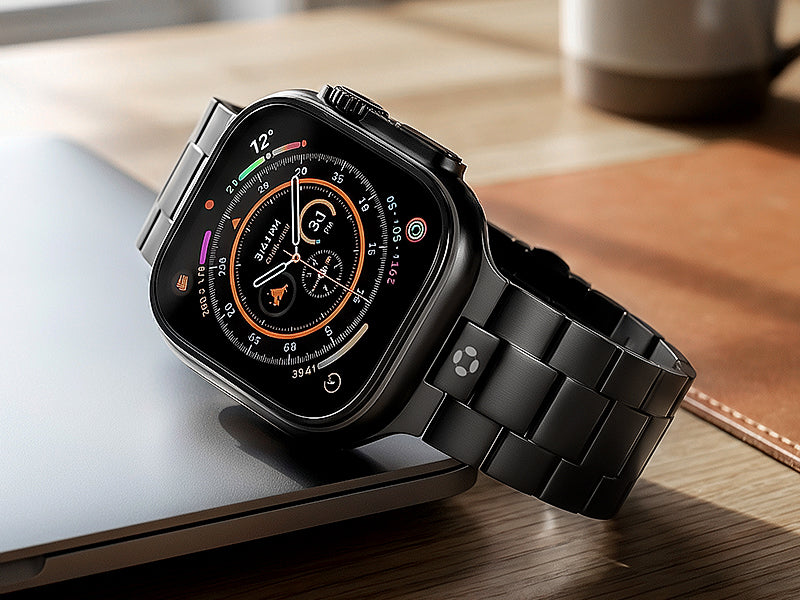
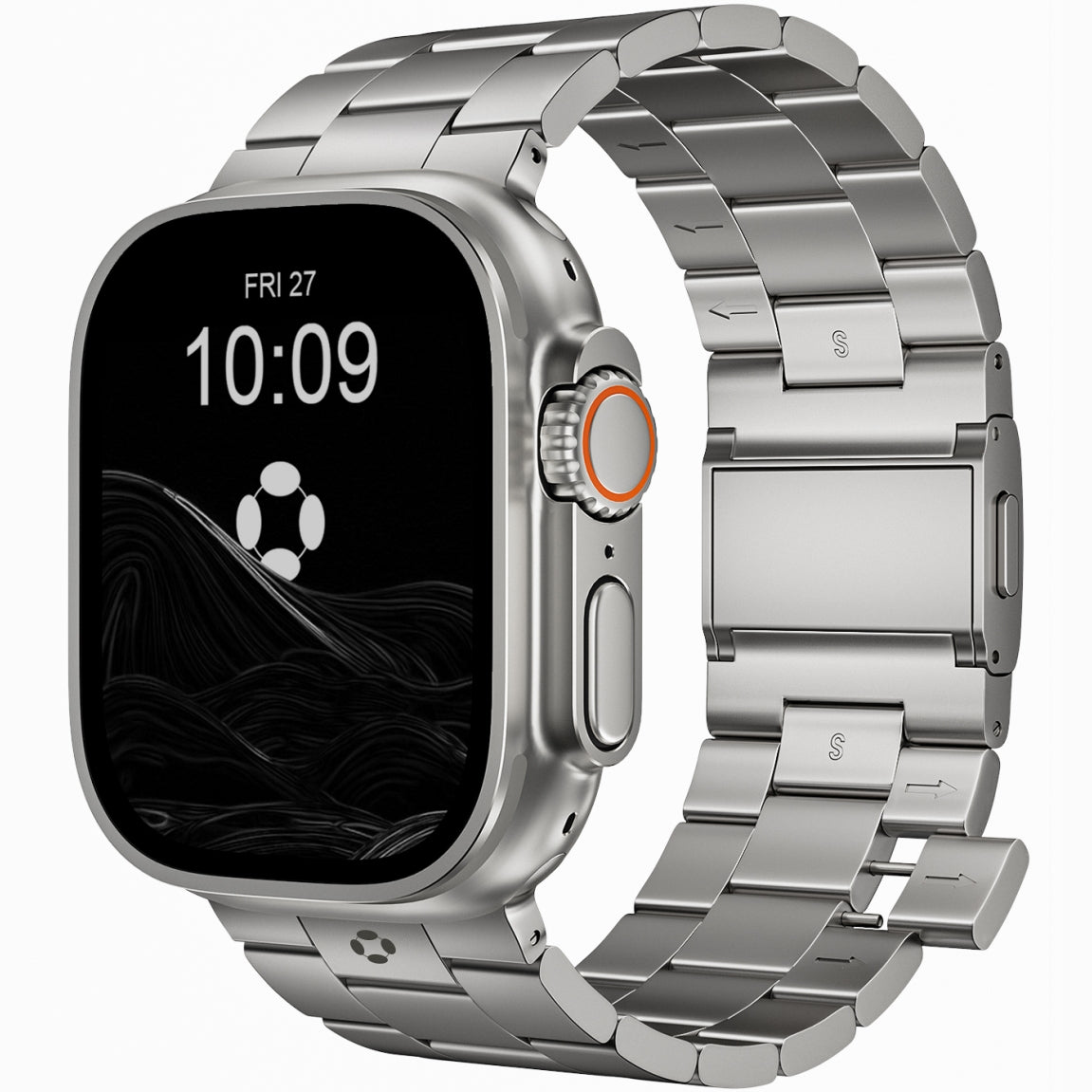
For smartwatch users—especially Apple Watch owners—titanium straps are increasingly popular because they balance durability with comfort better than most materials.
Step 3: Get the Fit Right
A well-fitted strap improves comfort immediately.
Key fit factors:
-
Correct lug width
-
Adjustable length
-
Secure clasp or buckle
Metal straps should allow fine adjustments, while fabric and leather straps should sit snugly without pinching.
Step 4: Match the Strap to Your Style and Environment
Think in terms of where you wear your watch:
-
Work: Leather, stainless steel, or titanium
-
Fitness: Silicone, rubber, or lightweight metal
-
Travel: Nylon or titanium
-
All-day use: Titanium or well-designed metal straps
A neutral strap often outperforms multiple niche straps for everyday wear.
Step 5: Think Long-Term, Not Just First Impressions
Many straps feel fine at first but degrade quickly.
Consider:
-
Will this material age well?
-
How often will I need to replace it?
-
Does it become uncomfortable after hours of wear?
A slightly higher upfront investment often reduces long-term replacement costs.
Choosing the Right Strap for Apple Watch Users
Apple Watch owners typically wear their watches longer each day than traditional watch users. That changes the equation.
Long-term Apple Watch users often move away from disposable silicone bands toward lighter metal options that feel less noticeable over time.
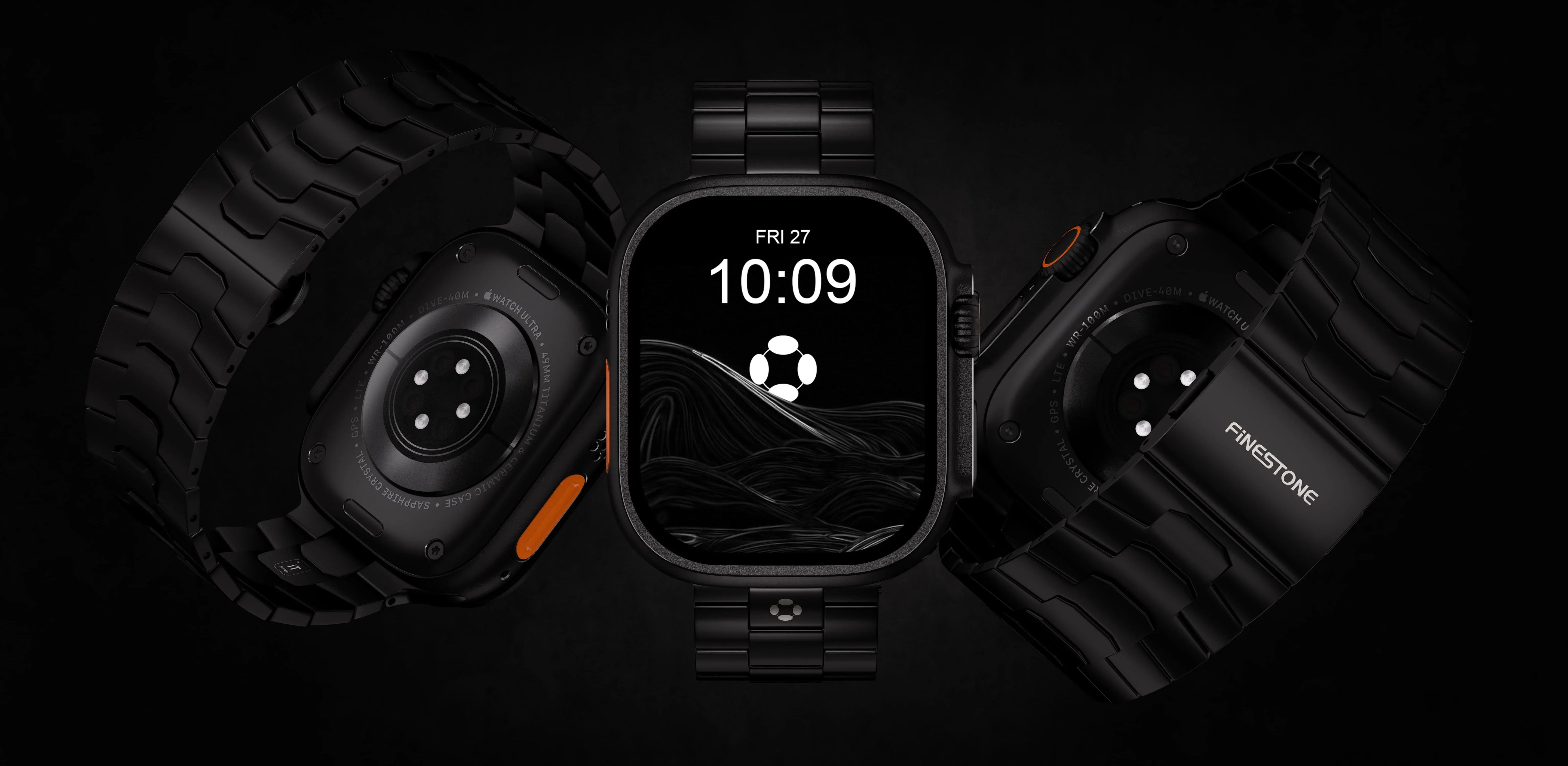
Brands like Finestone, which focus on titanium Apple Watch bands, are designed around this long-wear mindset—prioritizing low weight, durability, and a clean design that fits work, fitness, and daily life without frequent swapping.

Common Watch Strap Mistakes to Avoid
-
Choosing style over comfort
-
Ignoring weight for all-day wear
-
Buying multiple cheap straps instead of one durable option
-
Not considering sweat, skin sensitivity, or climate
Final Thoughts
Choosing the right watch strap is about aligning material, fit, and usage—not trends or impulse purchases.
If you wear your watch occasionally, simpler options may work. If it’s part of your daily routine, comfort and durability matter far more than variety.
By focusing on how you actually live with your watch, you’ll end up with a strap that feels natural, lasts longer, and enhances the watch you already love.