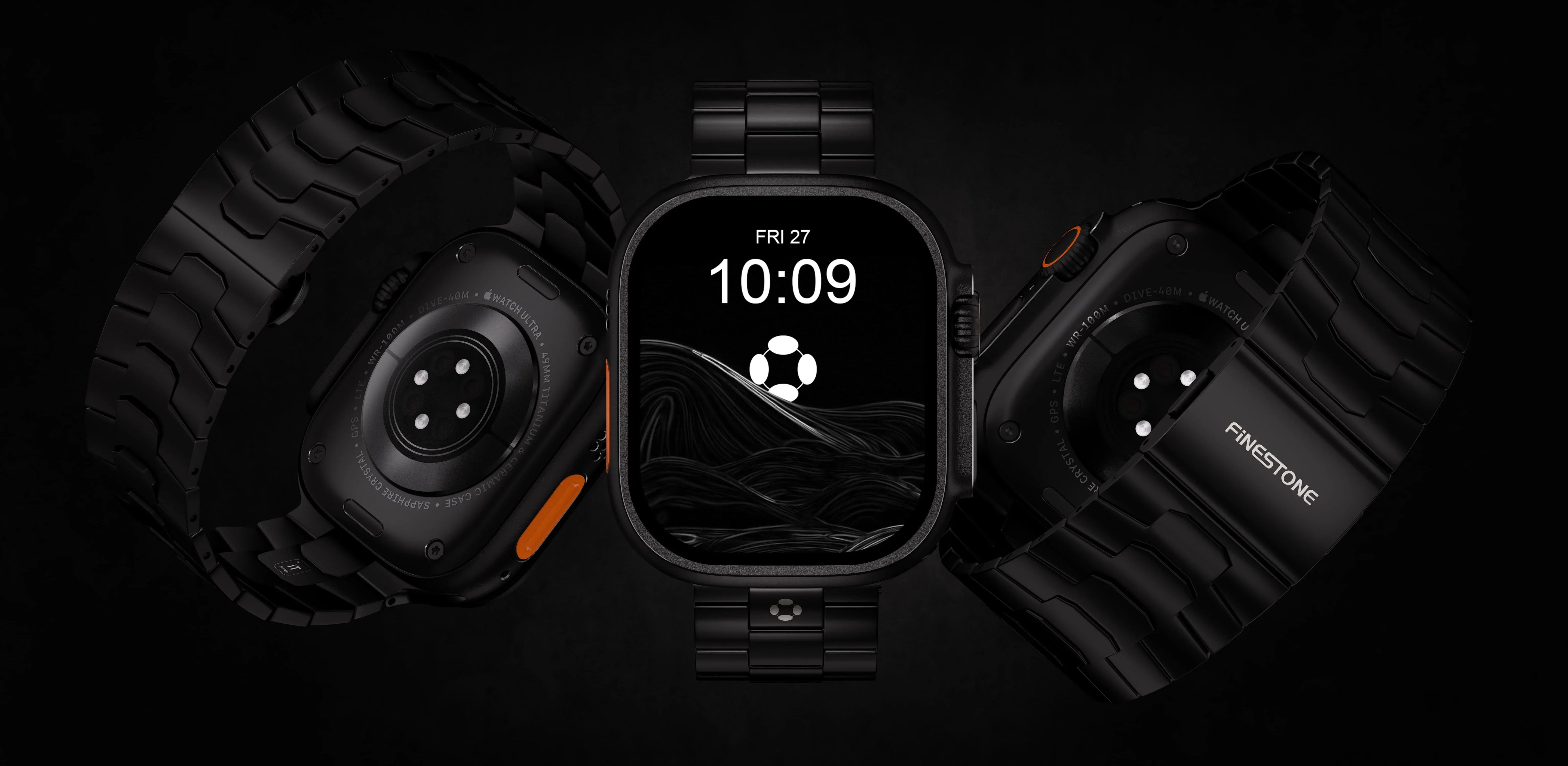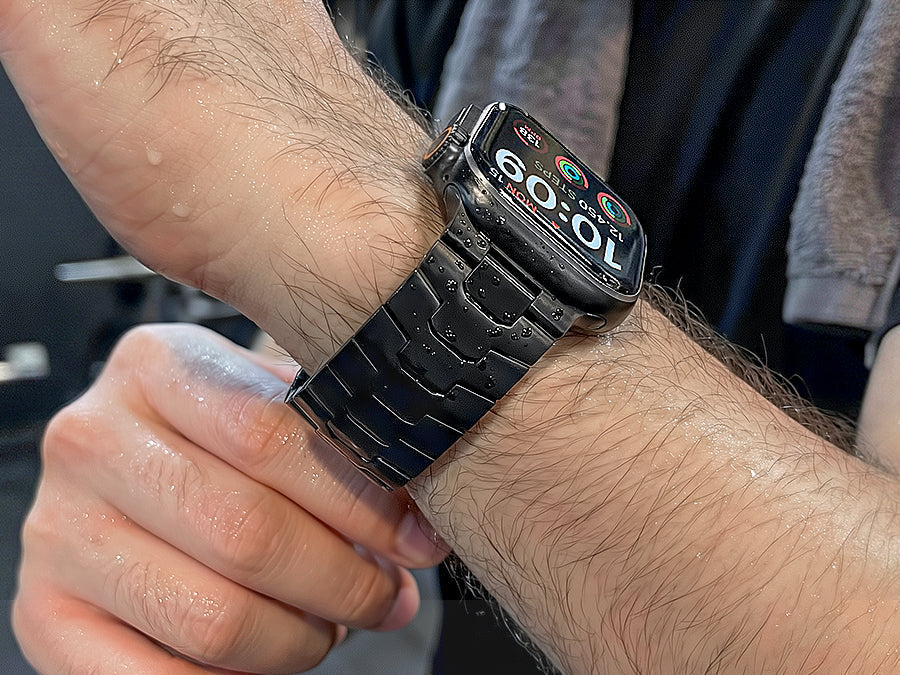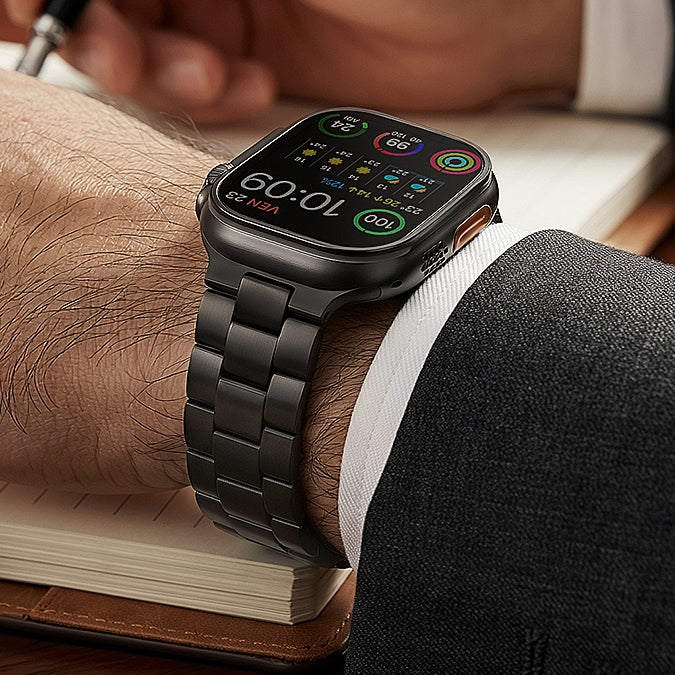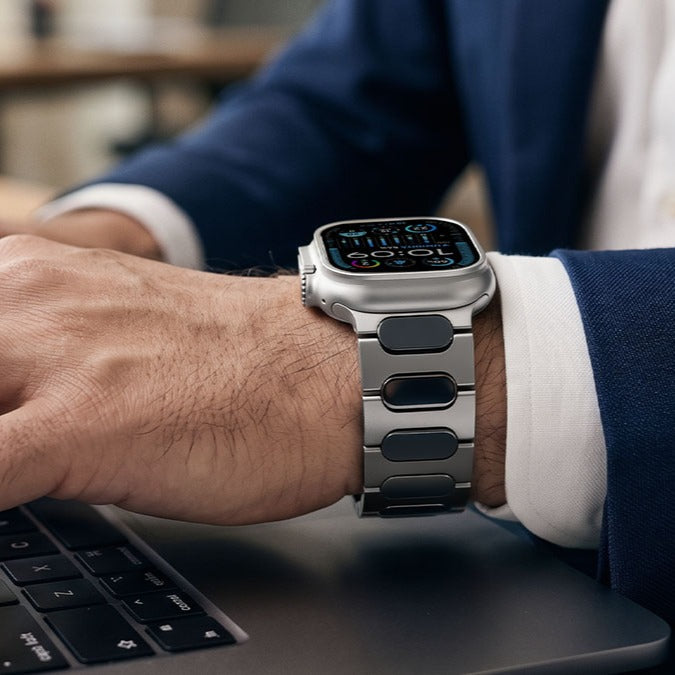

If you’ve ever tried to buy a new watch band and found it didn’t fit, the problem was likely lug width. Knowing how to measure lug width correctly is one of the most important—and most misunderstood—steps when choosing a watch strap.
This guide is written for everyday watch owners, not collectors or technicians. By the end, you’ll know exactly what lug width is, how to measure it accurately, and how to avoid common mistakes that lead to wasted money and poor fit.
What Is Lug Width on a Watch?
Lug width is the distance between the inner edges of the two lugs on a watch case—the point where the watch strap or band attaches.
It is almost always measured in millimeters (mm), and even a 1 mm difference matters.
Example: A watch with a 20 mm lug width requires a 20 mm watch band.
Why Lug Width Matters When Buying a Watch Band
Choosing the wrong lug width can cause several issues:
-
The band won’t fit between the lugs
-
The strap looks loose or uneven
-
Metal bands may not attach at all
-
Increased wear on spring bars
-
Poor comfort and stability on the wrist
No matter how high-quality a watch band is, it will never feel right if the lug width is wrong.
Tools You Can Use to Measure Lug Width
You don’t need professional equipment. Any of the following work:
-
A ruler with millimeter markings
-
A digital or manual caliper (most accurate)
-
An existing watch band that fits well
-
Printable measurement guides
How to Measure Lug Width With a Ruler (Step-by-Step)
This is the most common method and works well if you’re careful.
Step 1: Remove the Watch Band
Remove the strap so the lugs are fully visible. Measuring with the band attached often leads to errors.
Step 2: Place the Ruler Between the Lugs
Align the 0 mm mark with the inside edge of one lug.
Step 3: Measure Straight Across
Measure to the inside edge of the opposite lug. Do not include the lugs themselves.
Step 4: Read the Measurement in Millimeters
Common sizes include 18 mm, 20 mm, 22 mm, and 24 mm.
If the measurement falls between two sizes, round down, not up.
How to Measure Lug Width Using a Caliper (Most Accurate)
A caliper gives the most precise result.
-
Open the caliper jaws slightly wider than the lug gap
-
Place the jaws against the inner edges of the lugs
-
Gently close until they touch both sides
-
Read the measurement in millimeters
This method is ideal for metal watch bands where precision matters.
How to Measure Lug Width Without Any Tools
If you don’t have tools, try these alternatives:
-
Check the original band: The size is often stamped on the underside
-
Search the watch model online: Manufacturer specs usually list lug width
-
Compare visually: Match against a known band size (less accurate)
While these methods work, physical measurement is always more reliable.
Common Watch Lug Width Sizes
Here are the most common lug widths you’ll encounter:
| Lug Width | Typical Use |
|---|---|
| 18 mm | Smaller or dress watches |
| 20 mm | Most modern watches |
| 22 mm | Sports and larger watches |
| 24 mm | Oversized or rugged watches |
Smartwatches and tool watches often use wider lug widths for stability.
Lug Width vs Strap Width: What’s the Difference?
They are often used interchangeably, but technically:
-
Lug width = width between the watch case lugs
-
Strap width = width of the band at the attachment point
For a proper fit, these two numbers must match exactly.
Can You Use a Watch Band That’s Slightly the Wrong Size?
-
Smaller band than lug width: May fit but leaves gaps and looks cheap
-
Larger band than lug width: Usually won’t fit at all
With metal bands, even a 0.5–1 mm mismatch can prevent installation.
Does Lug Width Affect Comfort and Wearability?
Yes—indirectly.
A correct lug width ensures:
-
Even weight distribution
-
Secure attachment
-
Proper articulation of metal links
-
Reduced pressure points
An incorrect fit can make even a premium band feel uncomfortable.
Measuring Lug Width on Different Types of Watches
Traditional Analog Watches
Follow standard measurement steps. Most use 18–22 mm widths.
Smartwatches
Many smartwatches use proprietary connectors, but band width still matters once adapted.
Apple Watch
Apple Watch bands are sized by case size (41 mm / 45 mm / Ultra) rather than lug width, but third-party adapters still rely on accurate measurements.
Most Common Mistakes to Avoid
-
Measuring from the outside of the lugs
-
Including the lugs in the measurement
-
Guessing based on case size
-
Assuming all watches of the same size use the same lug width
Always measure the inner gap only.
Frequently Asked Questions
Is lug width measured in millimeters or inches?
Millimeters. Inches are rarely used and often cause confusion.
Are watch lug widths standardized?
There are common sizes, but no universal standard across all brands.
How accurate does the measurement need to be?
Within ±0.5 mm for leather or nylon straps, exact for metal bands.
Final Thoughts: Measure Once, Buy Right
Learning how to measure lug width on a watch takes less than five minutes, but it can save you from wasted purchases and poor fit.
If you plan to upgrade your watch band—especially to a metal or titanium strap—accurate lug width measurement is essential.
Measure carefully, choose the right size, and your watch will feel like it was made just for you.