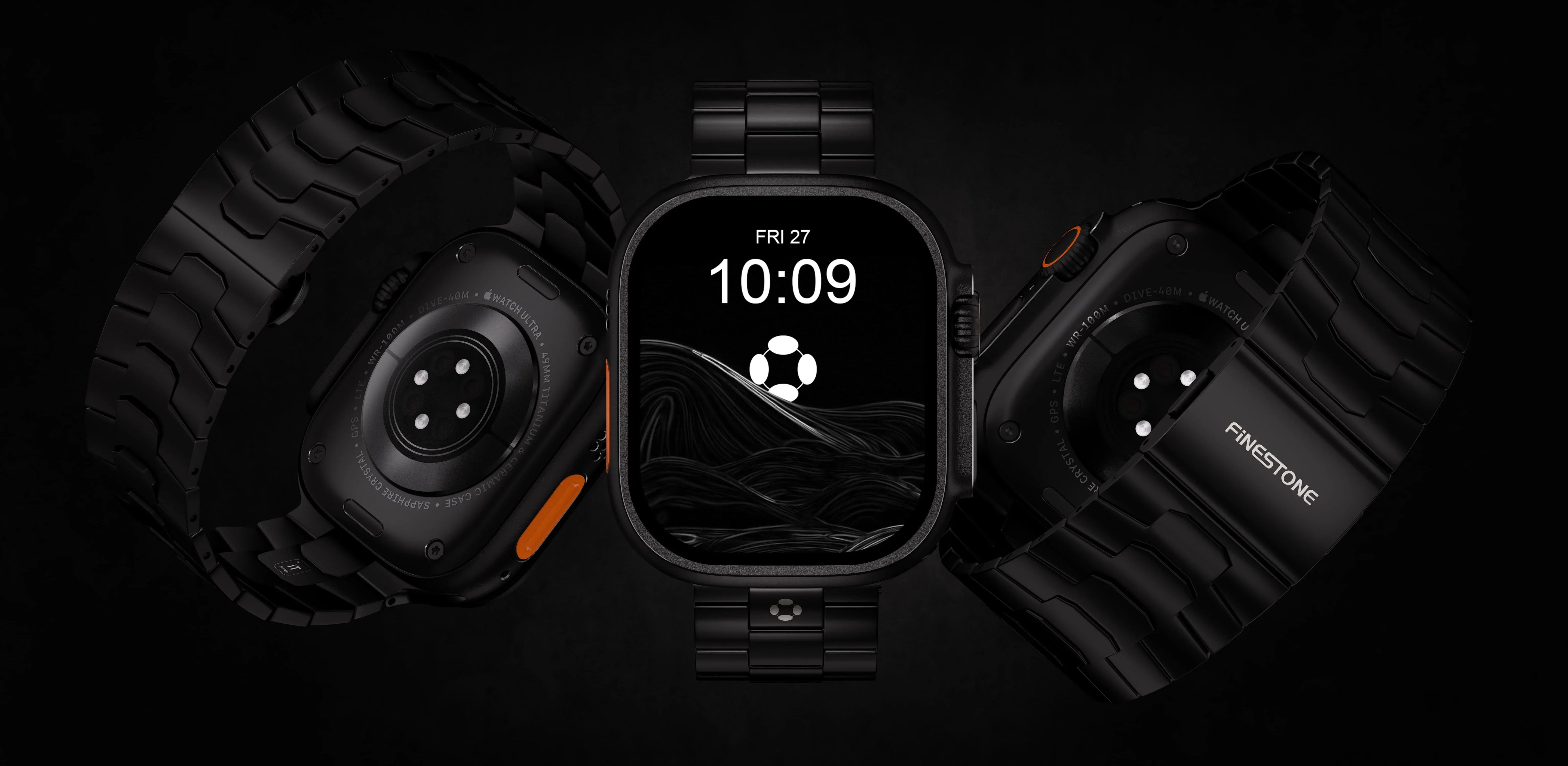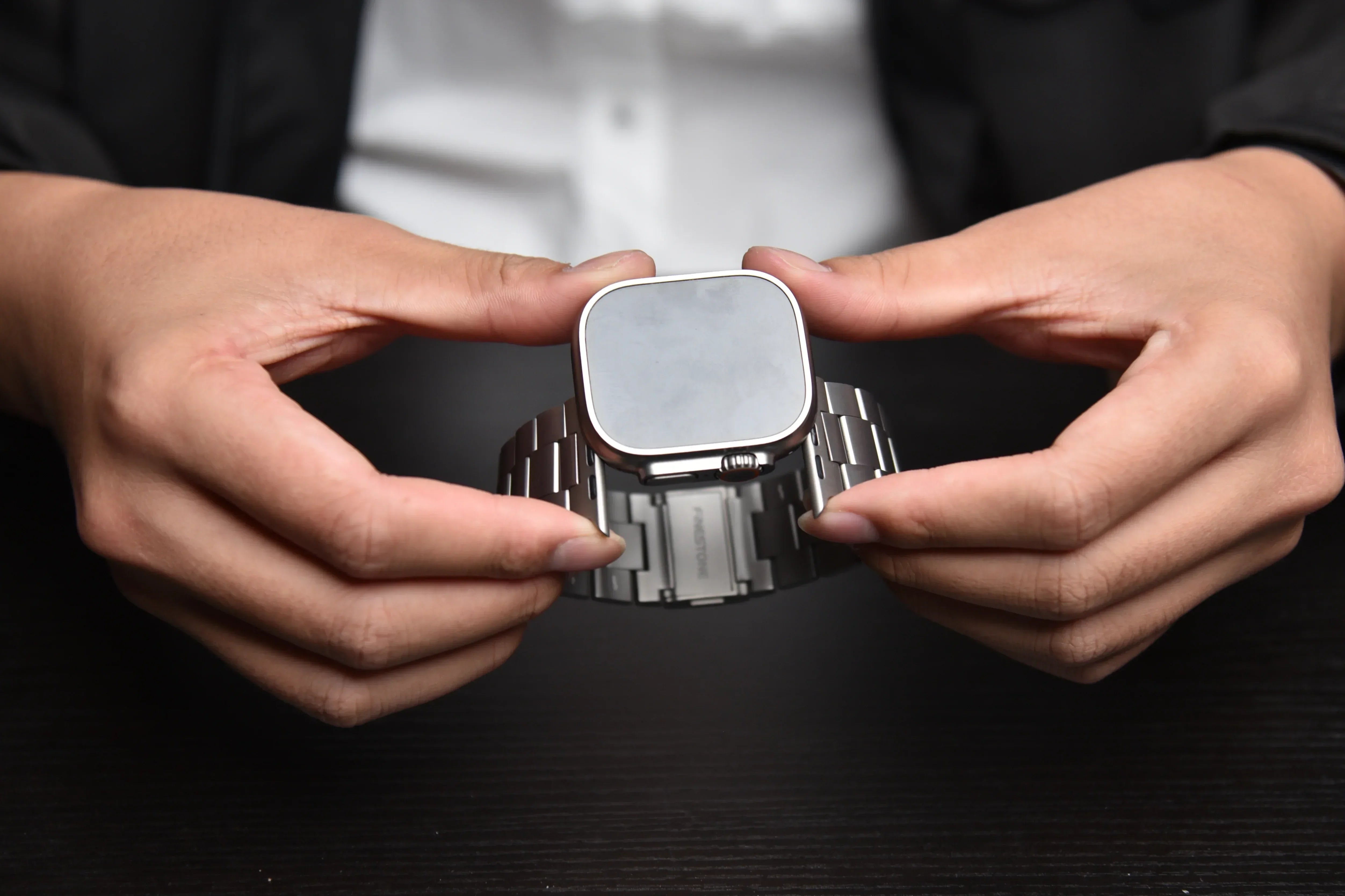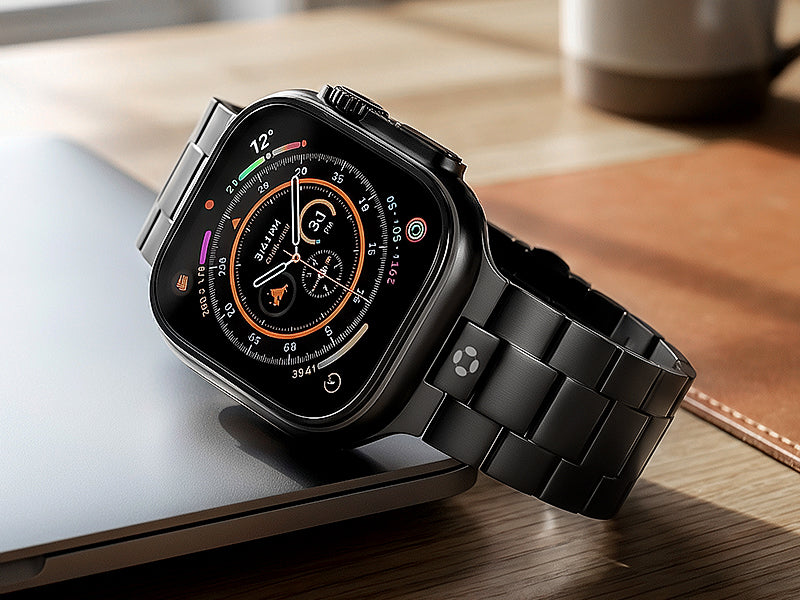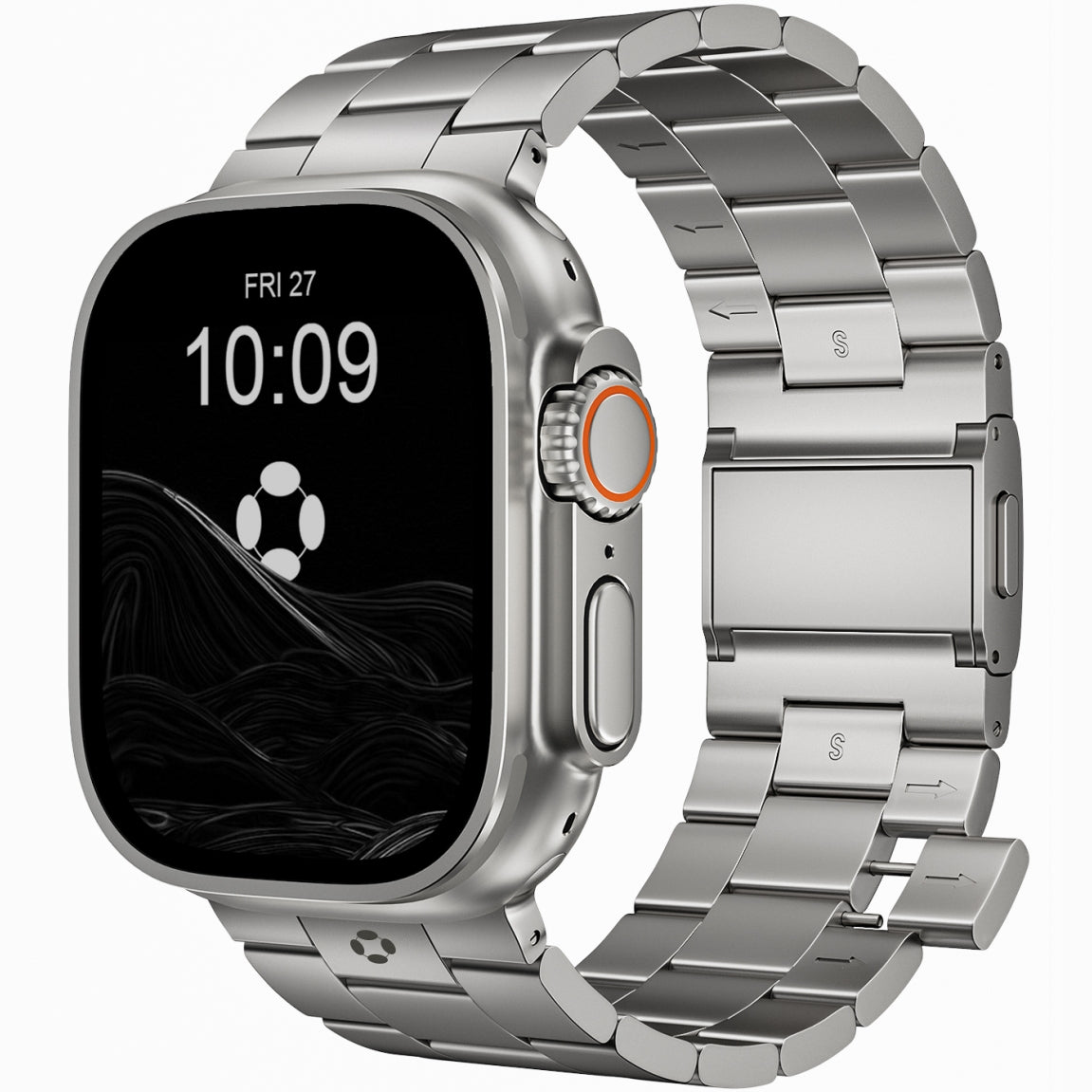
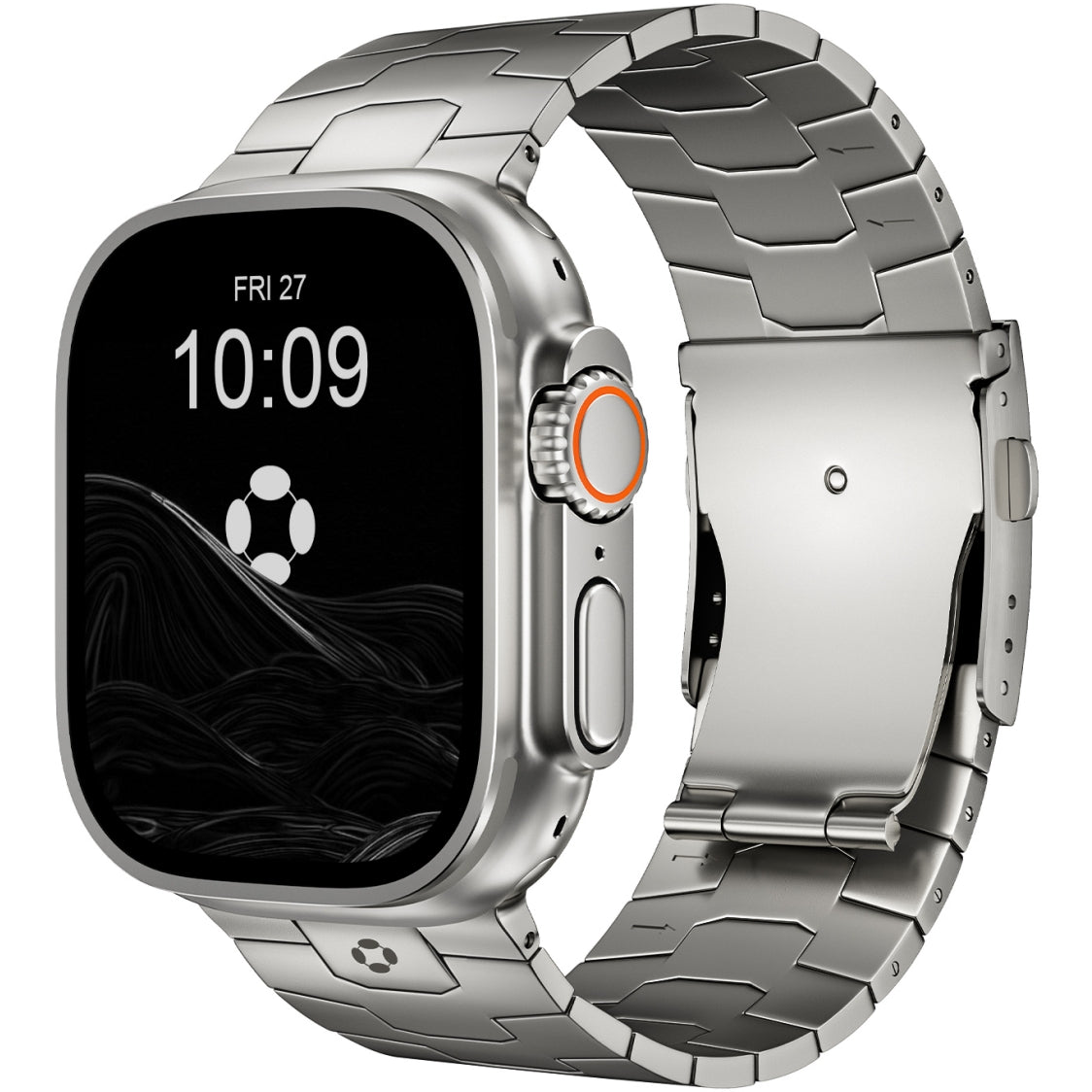
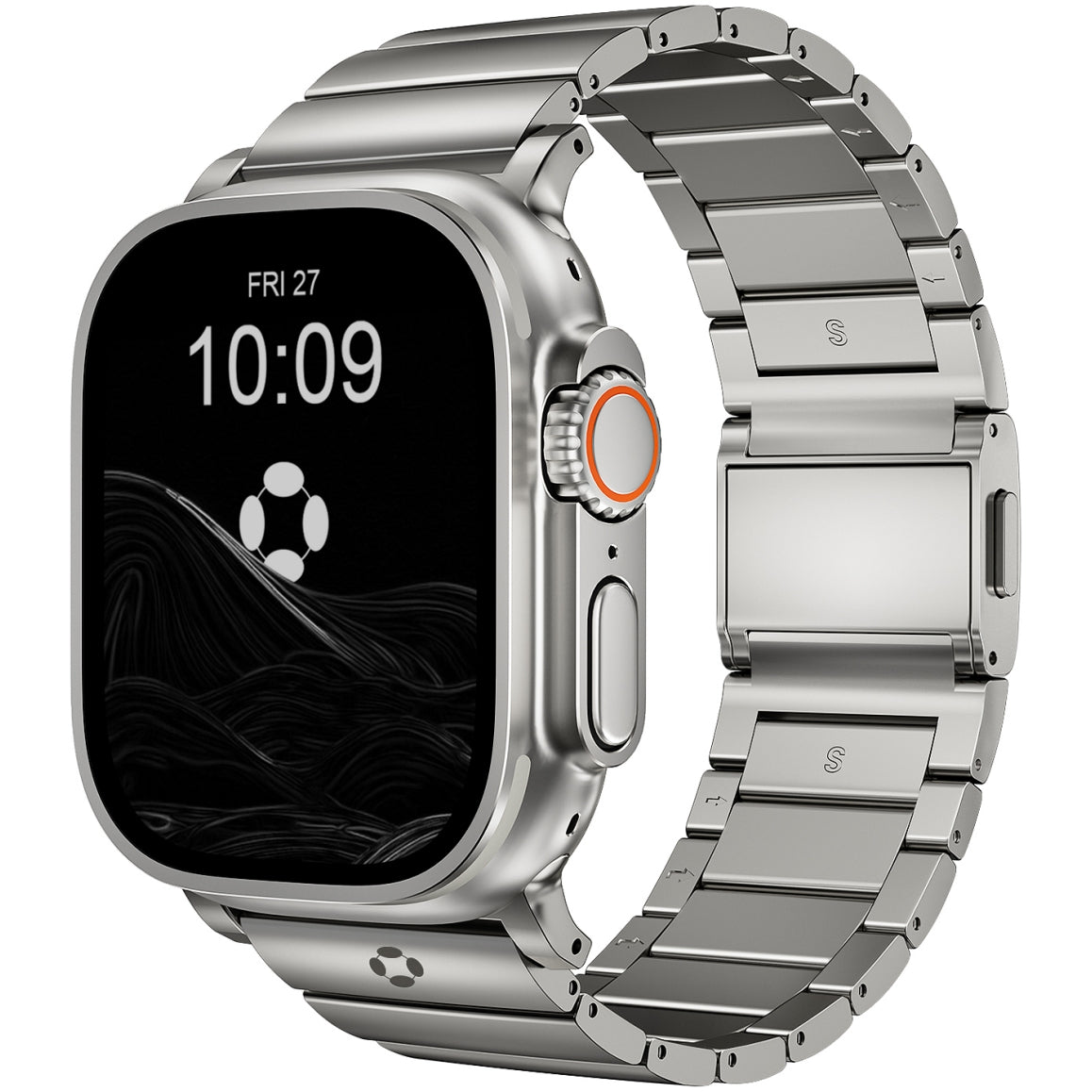
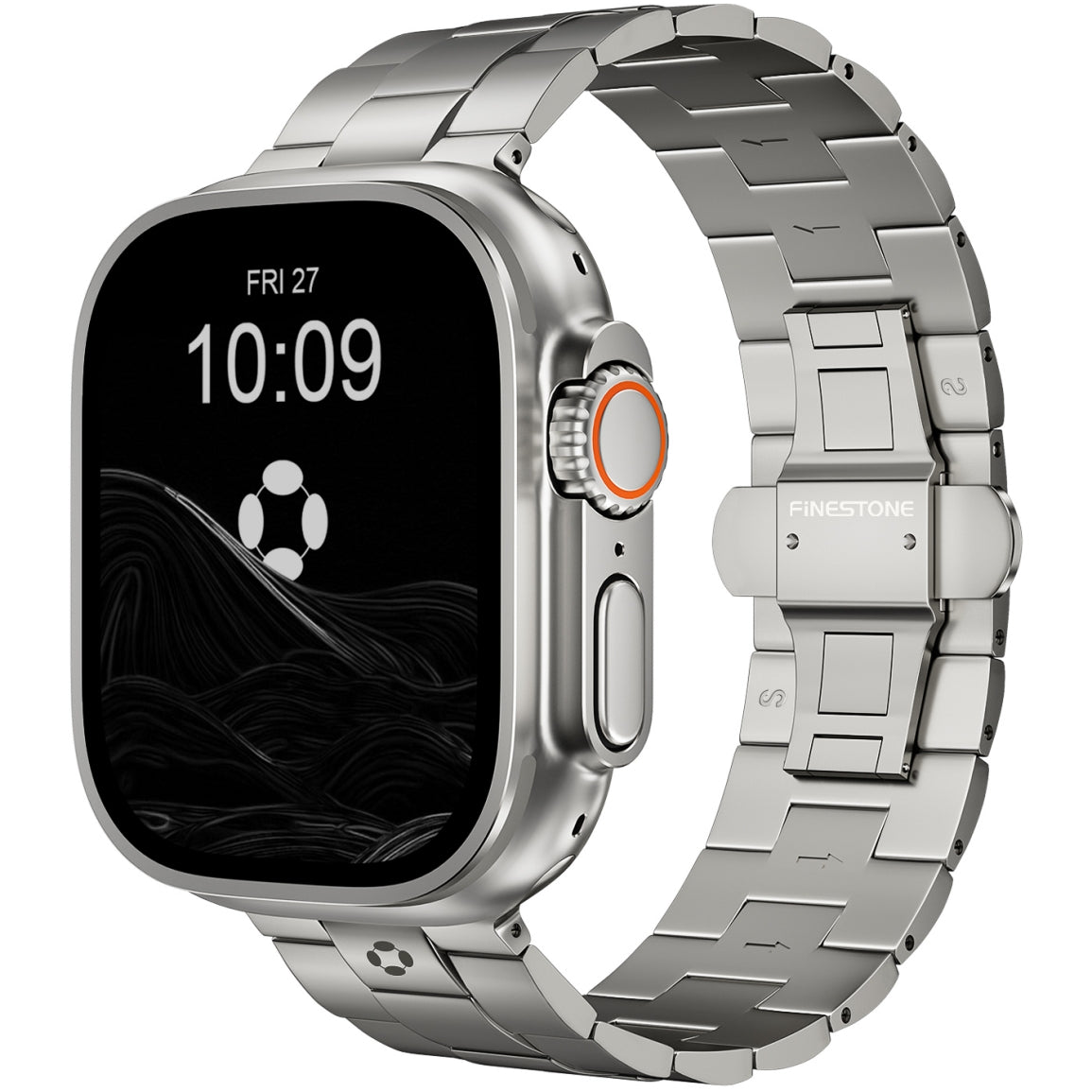
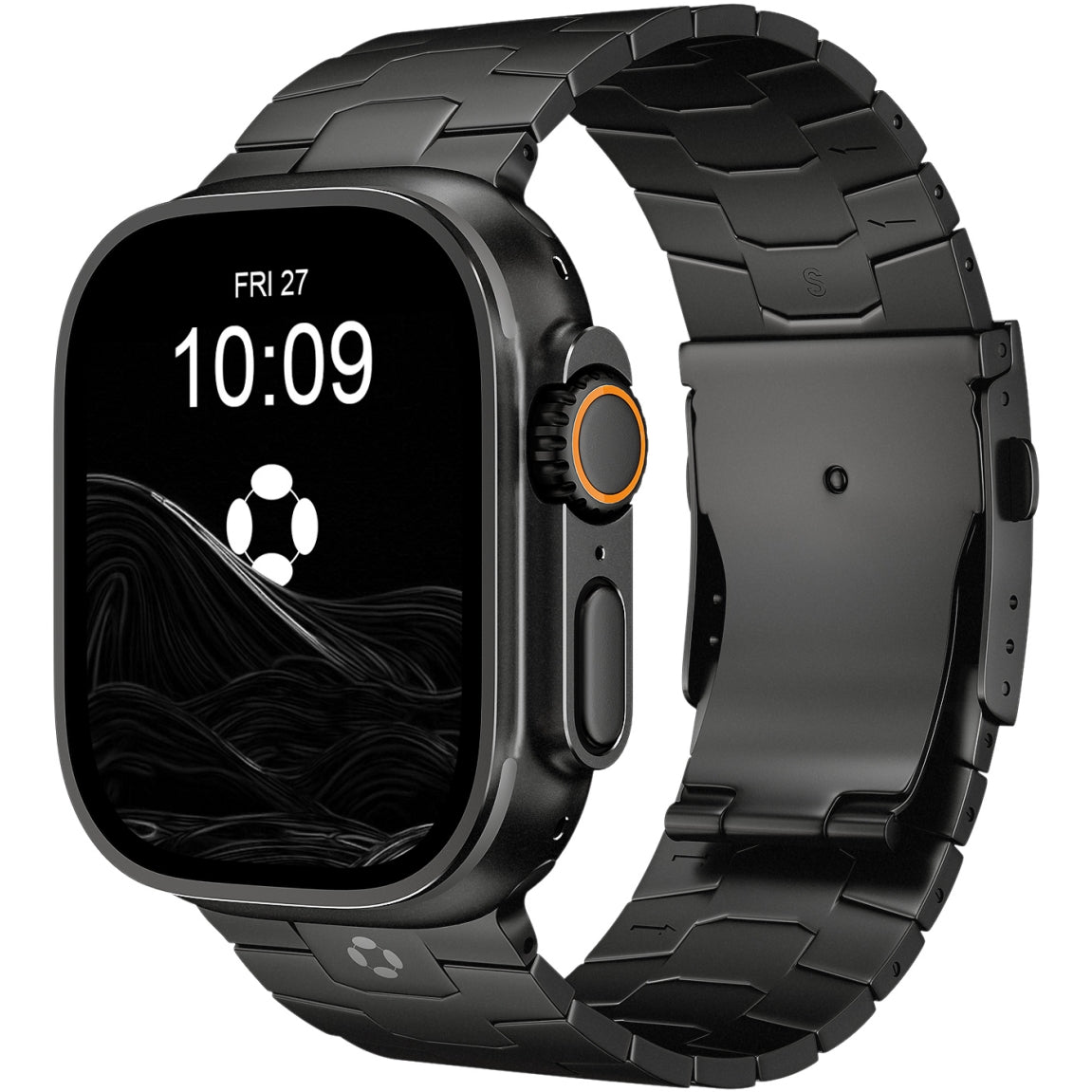
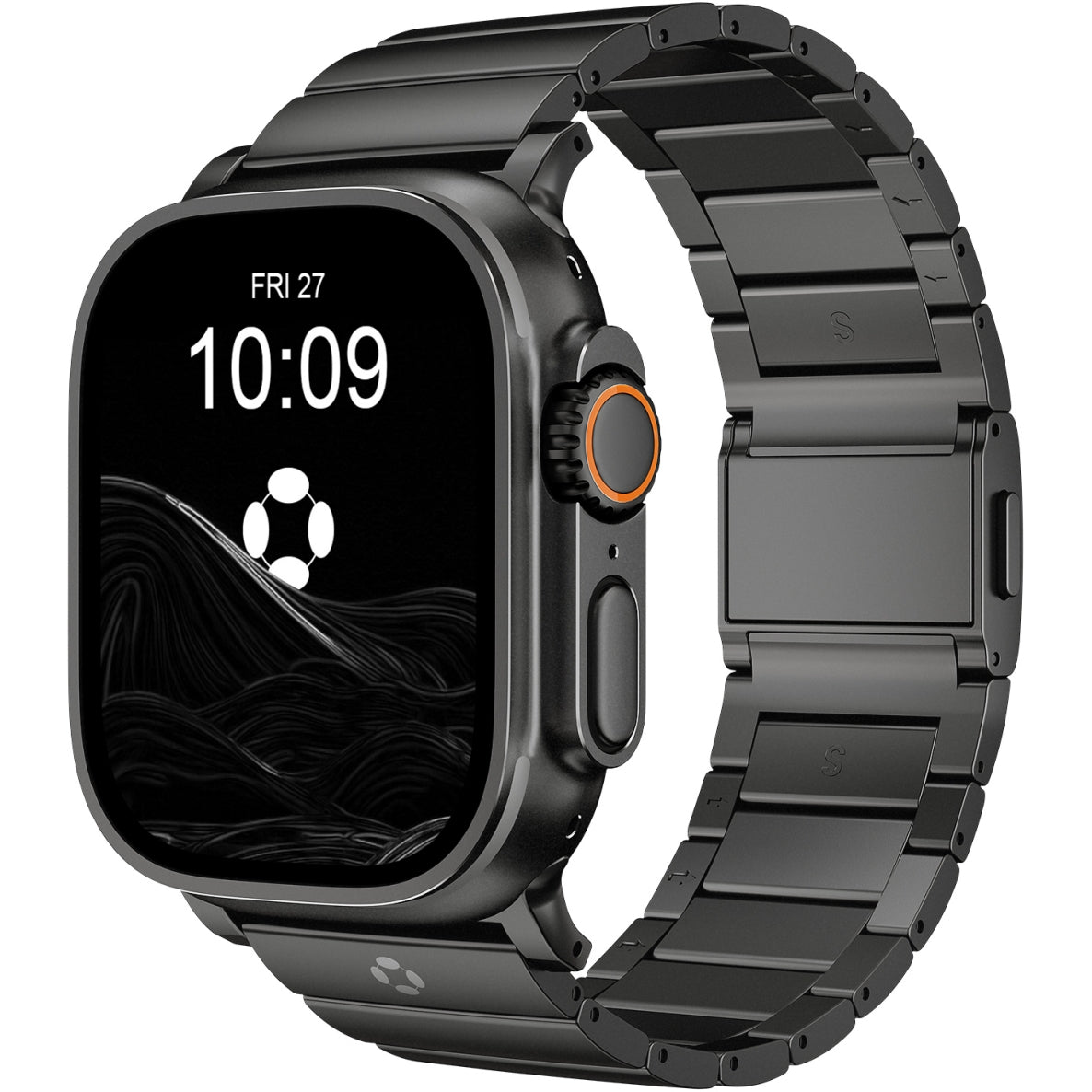

A Complete Buyer’s Guide to Avoid Low-Quality Imitations
Titanium watch bands are popular for a reason. They’re lightweight, strong, corrosion-resistant, and known for their premium feel on the wrist. But as demand grows, so does the number of fake or misleading “titanium” watch bands flooding online marketplaces.
Some bands labeled as “titanium” are actually stainless steel, zinc alloy, or mixed metals with a thin coating. To the untrained eye, they may look similar—but the difference becomes obvious after a few weeks of wear.
This guide will show you exactly how to spot fake titanium watch bands, using real-world signs that consumers can check before and after buying.
What Real Titanium Watch Bands Are Made Of
Before spotting fakes, it helps to understand what genuine titanium actually is.
Most high-quality titanium watch bands are made from:
-
Grade 2 Titanium – Pure titanium, very lightweight, matte finish
-
Grade 5 Titanium (Ti-6Al-4V) – Aerospace-grade, stronger, slightly darker tone
Real titanium is:
-
About 40–45% lighter than stainless steel
-
Naturally corrosion-resistant
-
Hypoallergenic
-
Not magnetic
If a product doesn’t clearly specify the titanium grade, that’s your first red flag.
1. Check the Weight: Titanium Is Surprisingly Light
One of the easiest ways to detect a fake titanium band is simply how it feels on your wrist.
What to expect from real titanium:
-
Feels noticeably lighter than steel
-
Balanced, not top-heavy
-
Comfortable even after long wear
Red flag:
If the band feels heavy, dense, or bulky, it’s likely stainless steel or an alloy falsely labeled as titanium.
Many buyers only realize this after wearing the band for a full day and experiencing wrist fatigue.
2. Look Closely at the Surface Finish
Real titanium has a distinctive finish that’s hard to replicate.
Genuine titanium finish:
-
Soft matte or brushed look
-
Subtle, non-reflective sheen
-
Does not feel “glassy” or overly shiny
Common signs of fake titanium:
-
Mirror-like polish (often stainless steel)
-
Painted or coated color that looks flat
-
Finish that scratches easily and exposes a different metal underneath
True titanium doesn’t need heavy coating to look premium—it looks refined on its own.
3. Test Magnetism (Simple but Effective)
Titanium is non-magnetic.
How to test:
-
Use a small household magnet
-
Gently place it near the band links or clasp
Results:
-
✅ No attraction → likely titanium
-
❌ Strong attraction → definitely not titanium
This test instantly filters out many fake “titanium” bands that are actually steel.
4. Watch How It Ages Over Time
Real titanium ages gracefully.
What happens with genuine titanium:
-
Color stays consistent
-
Minor scuffs blend naturally
-
No rust, flaking, or bubbling
What happens with fake titanium:
-
Color fading within months
-
Peeling or chipping coating
-
Visible corrosion in humid or sweaty conditions
If a band looks worse after just a few weeks, it was never real titanium to begin with.
5. Price That’s “Too Good to Be True”
Titanium is more expensive to machine than steel.
Typical pricing reality:
-
Genuine titanium bands usually cost more than basic steel
-
Ultra-cheap “titanium” listings are a warning sign
This doesn’t mean all affordable bands are fake—but extremely low prices often indicate misleading materials.
6. Vague or Misleading Product Descriptions
Fake titanium sellers often rely on ambiguous wording.
Red-flag phrases:
-
“Titanium style”
-
“Titanium look”
-
“Titanium-coated metal”
-
“Aviation metal” (without specs)
What real sellers disclose:
-
Titanium grade (Grade 2 or Grade 5)
-
Material breakdown
-
Clear product photos without heavy filters
Transparency is a strong indicator of authenticity.
7. Skin Reaction Is a Big Clue
One major benefit of titanium is that it’s hypoallergenic.
If the band causes:
-
Skin irritation
-
Redness
-
Itching after hours of wear
…it’s likely not titanium.
Many people discover fakes only after prolonged skin contact—especially those with metal sensitivities.
Why Buying From Trusted Titanium Specialists Matters
Reputable brands invest in:
-
Real titanium materials
-
Precision machining
-
Honest material disclosure
-
Long-term wear testing
For example, Finestone clearly specifies titanium materials and focuses on lightweight, skin-safe construction—exactly the qualities consumers expect from genuine titanium watch bands.
Final Checklist: How to Spot Fake Titanium Watch Bands
Before you buy, ask yourself:
-
Does it feel lightweight?
-
Is it non-magnetic?
-
Is the finish matte and natural?
-
Is the material clearly disclosed?
-
Is the price realistic?
-
Does it stay comfortable after hours of wear?
If multiple answers are “no,” you’re likely looking at a fake titanium band.