
Sleep tracking has become one of the most popular features of modern smartwatches, and the Apple Watch is no exception. With built-in sensors and advanced health monitoring capabilities, the Apple Watch can track sleep duration, sleep stages, and nighttime heart rate. But many people still ask an important question: Is the Apple Watch comfortable enough to wear while sleeping?
For some users, wearing a watch in bed feels unusual at first. Others quickly adapt and begin relying on sleep data to improve their nightly routine. In this comprehensive guide, we’ll explore how comfortable the Apple Watch is for sleep tracking, what factors influence comfort, and how to optimize your setup for better sleep monitoring.
How Apple Watch Sleep Tracking Works
Apple introduced native sleep tracking in watchOS 7, allowing users to track their sleep directly through the Sleep app and the Health ecosystem.
When worn overnight, the Apple Watch can monitor:
-
Total sleep duration
-
Time spent in REM, core, and deep sleep stages
-
Nighttime heart rate
-
Breathing patterns
-
Sleep consistency over time
The watch uses motion sensors and heart rate data to determine sleep stages and patterns. Over days and weeks, the collected data helps users better understand their sleep habits and identify patterns that may affect their energy levels and overall health.
Because sleep tracking works best with continuous overnight wear, comfort becomes a key factor.
Is the Apple Watch Comfortable to Wear While Sleeping?
For most users, the Apple Watch becomes comfortable after a short adjustment period. However, comfort depends on several factors, including watch size, band material, and personal sensitivity.
Watch Size Matters
Apple Watch models come in different case sizes, typically ranging from 41mm to 49mm depending on the generation.
For sleep tracking:
-
Smaller models tend to feel less noticeable overnight
-
Larger models may feel bulkier for people with smaller wrists
That said, many users still sleep comfortably even with larger models once they become accustomed to wearing the watch.
Band Material Plays a Major Role
The watch band often determines whether the Apple Watch feels comfortable during sleep.
Some materials can trap heat or cause friction during the night, while others remain lightweight and breathable. Common band options include:
-
Sport bands (flexible and sweat-resistant)
-
Fabric loop bands (soft and breathable)
-
Metal bands (more durable but heavier)
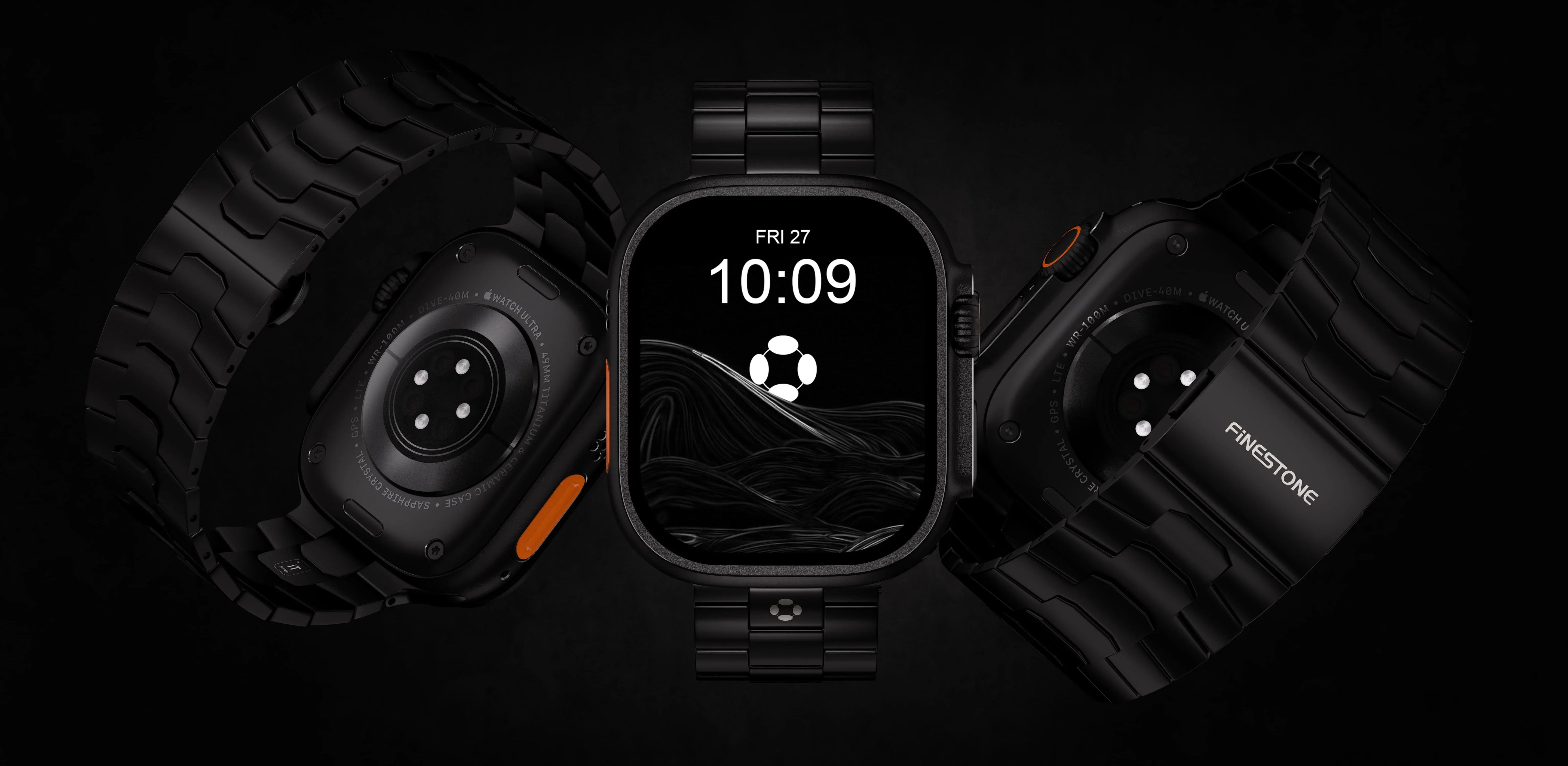
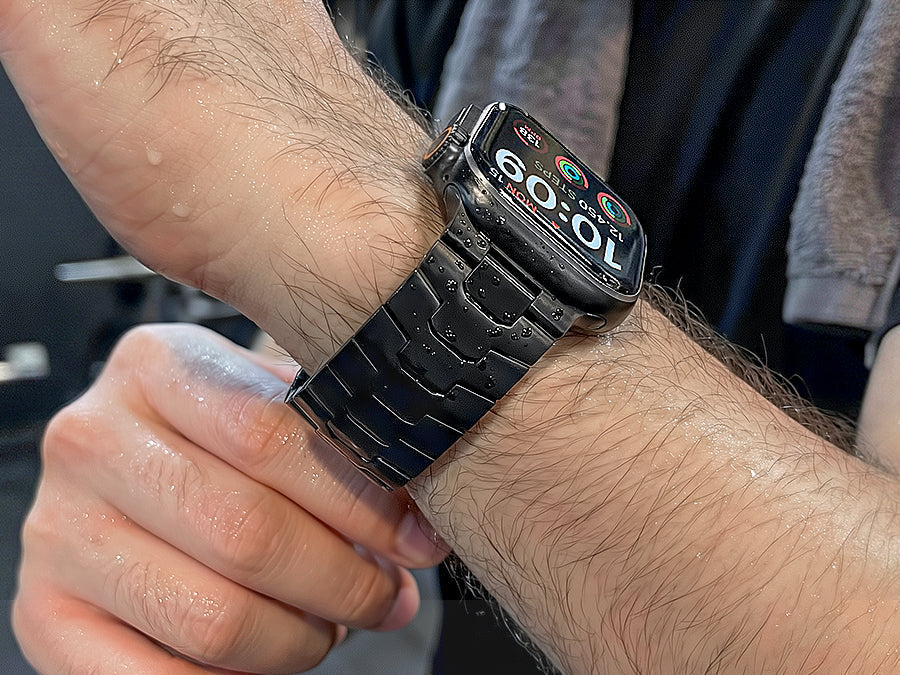
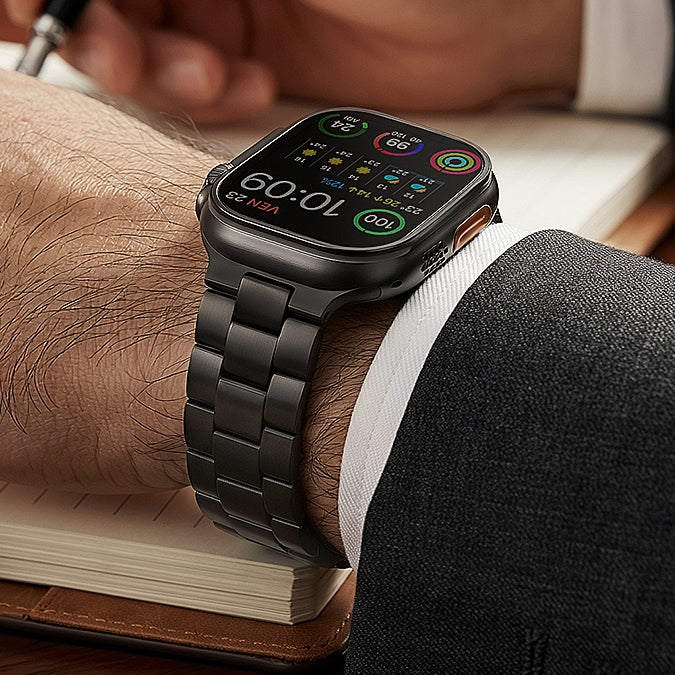
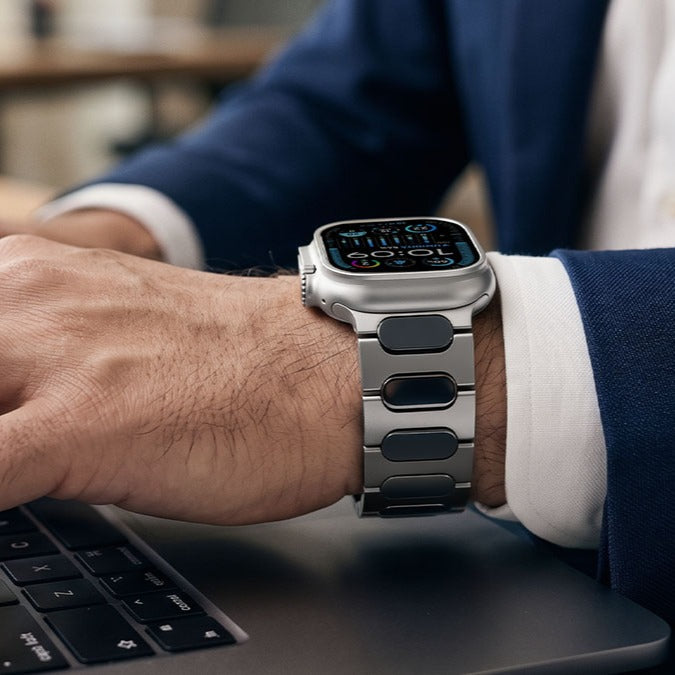
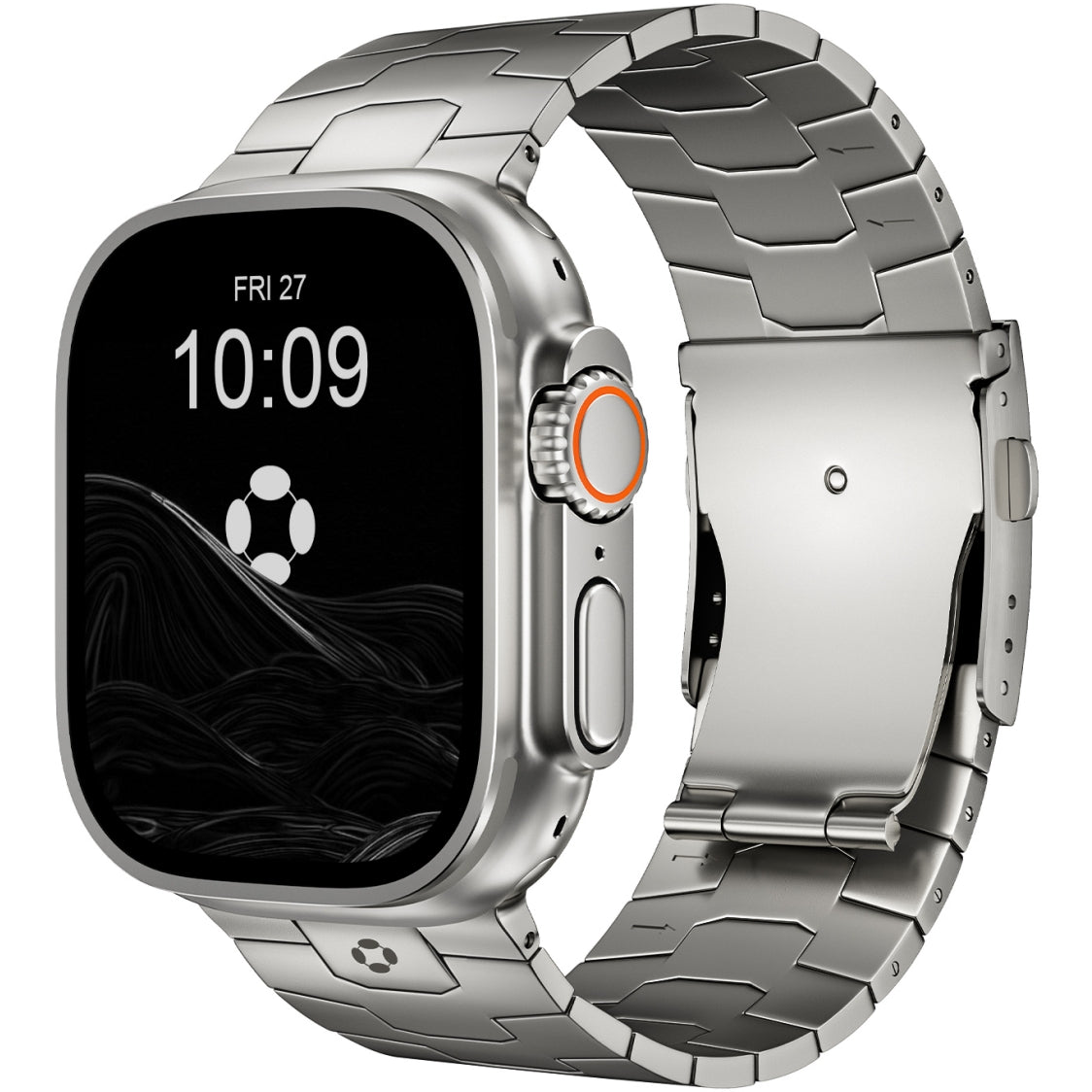
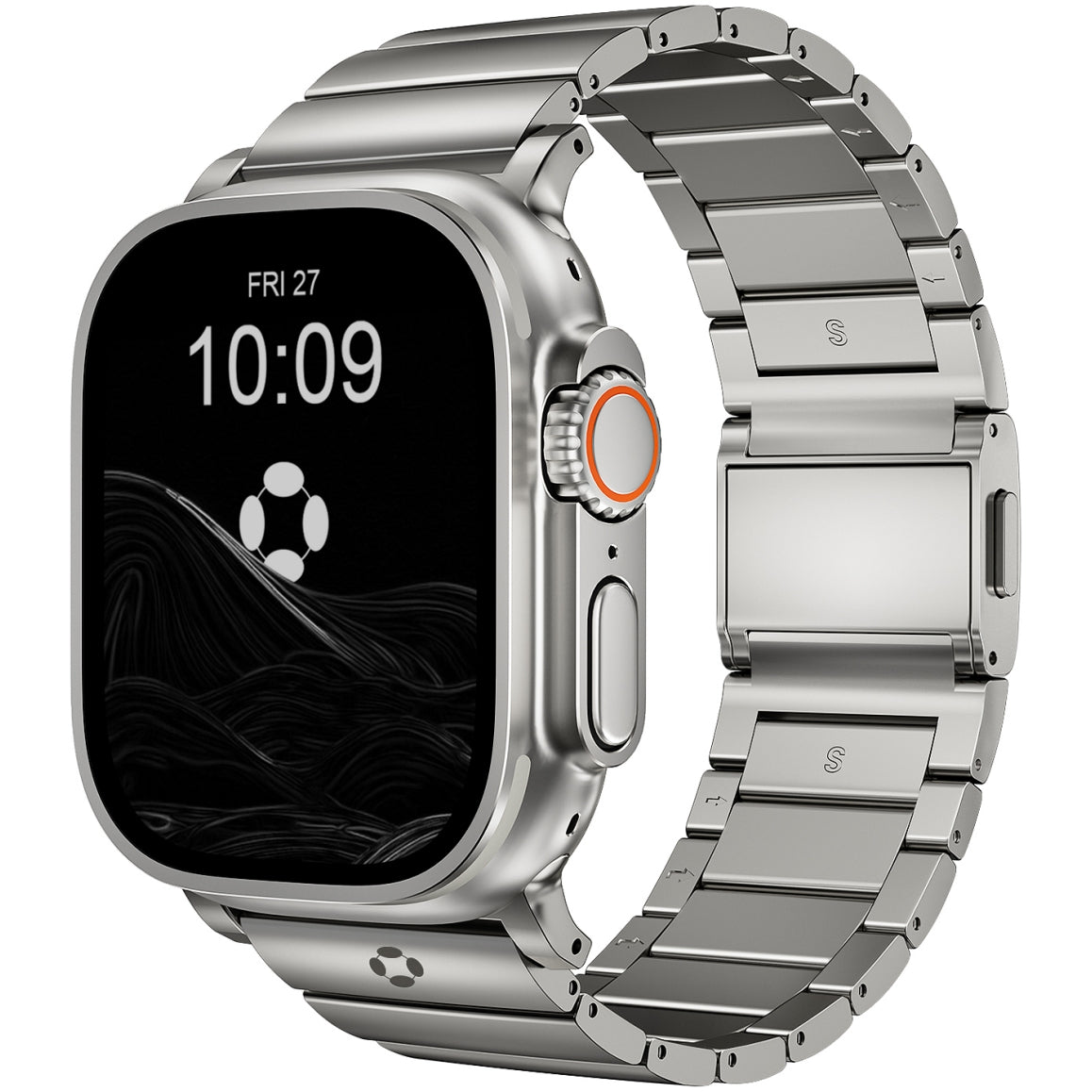
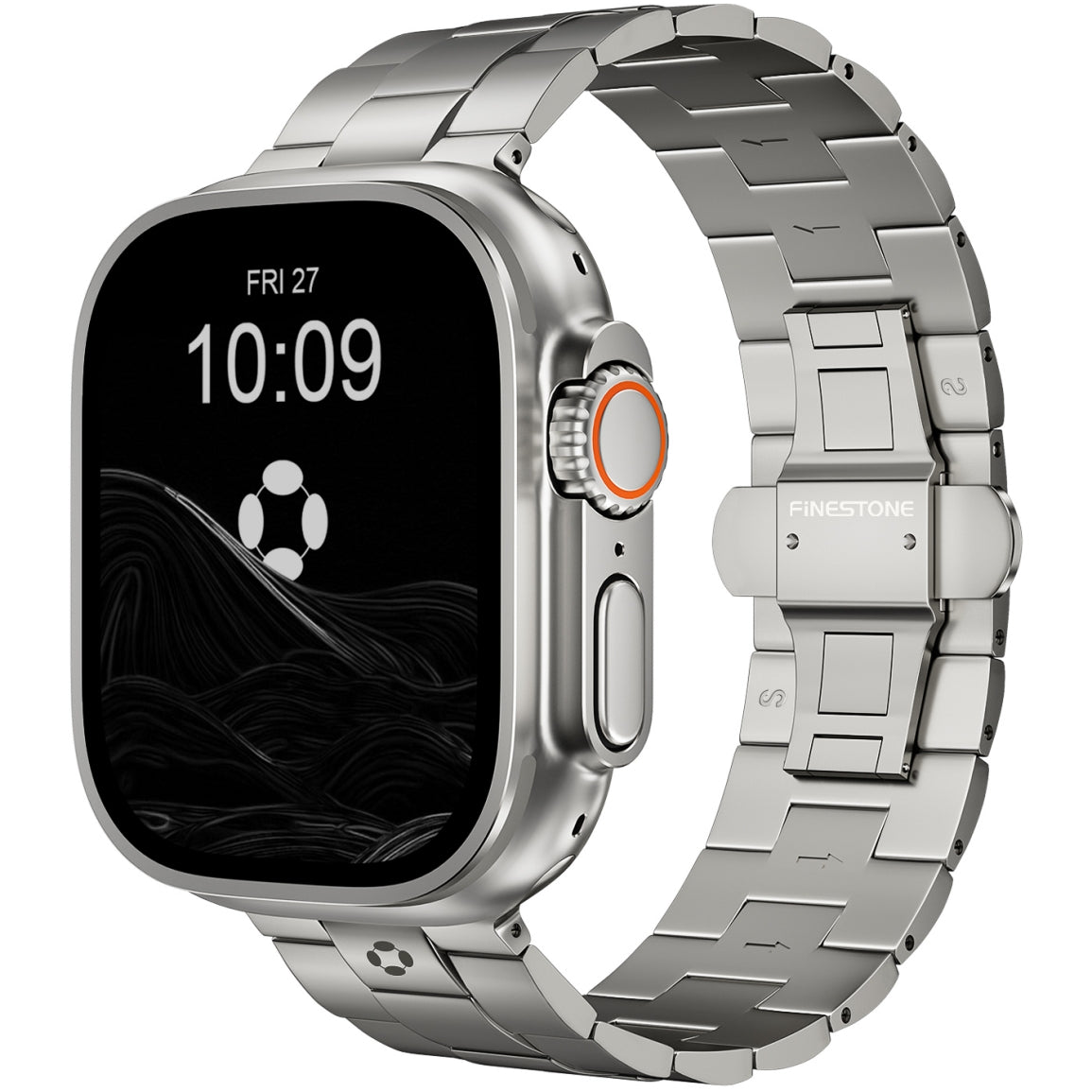
Over time, many users experiment with different materials to find the most comfortable option. Lightweight metal bands—especially titanium—have become increasingly popular because they combine durability with reduced wrist pressure. Premium titanium bands such as those produced by Finestone offer a balance of strength, comfort, and refined design, making them a preferred choice for users who wear their Apple Watch both day and night.
Choosing the right band can dramatically improve sleep comfort.
Benefits of Using Apple Watch for Sleep Tracking
Wearing the Apple Watch while sleeping provides several long-term benefits.
1. Better Understanding of Sleep Patterns
One of the biggest advantages of sleep tracking is the ability to see how your sleep changes over time.
The Apple Watch provides insights into:
-
Sleep duration trends
-
Consistency of sleep schedules
-
Sleep stage distribution
-
Heart rate variations overnight
This information can help users identify habits that improve or disrupt their sleep.
2. Improved Sleep Habits
The Apple Watch also encourages better bedtime routines through its Sleep Schedule and Wind Down features.
These tools help users:
-
Set consistent sleep and wake times
-
Reduce nighttime distractions
-
Prepare the body for rest
Over time, these habits can lead to better overall sleep quality.
3. Health Insights During the Night
Because the Apple Watch monitors physiological signals while you sleep, it can reveal valuable health insights.
For example, the watch can detect:
-
Unusually high or low heart rates
-
Irregular heart rhythms (on supported models)
-
Breathing irregularities
While the Apple Watch is not a medical device, these insights can still help users become more aware of their health.
Potential Downsides of Wearing Apple Watch While Sleeping
Despite its advantages, there are a few drawbacks to wearing the Apple Watch overnight.
Battery Life Considerations
Most Apple Watch models last around 18–36 hours per charge. If you plan to use sleep tracking, you’ll need to charge the watch at another time during the day.
Many users solve this by charging the watch:
-
While showering
-
During evening relaxation time
-
While getting ready in the morning
Newer models support fast charging, which makes short charging sessions more practical.
Initial Adjustment Period
Some users find it slightly uncomfortable to wear a watch while sleeping at first. This is especially true for people who previously wore traditional watches only during the day.
Fortunately, most users adapt after a few nights.
Skin Sensitivity
Wearing a watch overnight can occasionally cause mild skin irritation, especially if sweat accumulates under the band.
To prevent this:
-
Keep the watch and band clean
-
Avoid overly tight straps
-
Let your wrist breathe periodically
Tips to Make Apple Watch Sleep Tracking More Comfortable
If you want to improve comfort while wearing the Apple Watch overnight, these simple tips can help.
Loosen the Band Slightly
Your watch should be snug during the day for accurate heart rate tracking, but slightly loosening the band at night can reduce pressure on your wrist.
Use a Lightweight Band
Soft, breathable, or lightweight metal bands often feel better during sleep. The goal is to reduce wrist pressure while maintaining stability.
Charge Before Bed
Make sure the watch has enough battery before going to sleep. Charging it briefly before bedtime ensures uninterrupted sleep tracking.
Is Apple Watch Sleep Tracking Worth It?
For many users, the answer is yes. The Apple Watch provides a convenient way to monitor sleep patterns and develop healthier bedtime routines.
While it may take a few nights to get used to wearing a watch in bed, most people eventually find it comfortable enough for nightly use—especially when paired with the right band and proper fit.
As sleep awareness becomes more important for overall health, the Apple Watch continues to be a valuable tool for understanding and improving sleep quality.