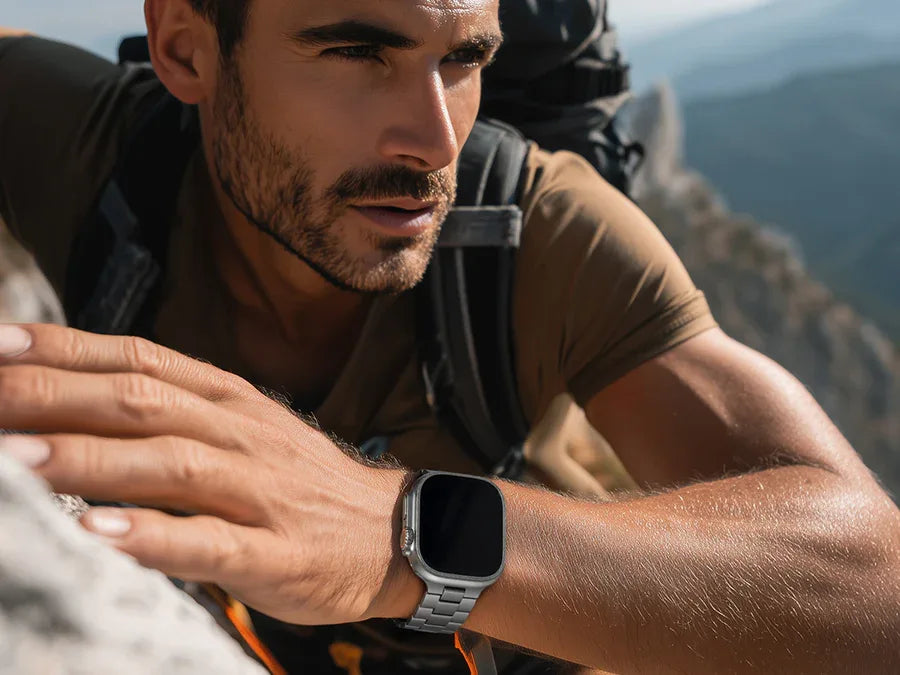

Why Lighter Doesn’t Always Mean Better—and Heavier Isn’t Always Worse
When choosing a watch band, most people focus on style, material, or price. But one factor quietly determines whether you’ll love—or hate—wearing your watch after a few hours:
Weight.
Watch band weight has a direct impact on comfort, fatigue, skin pressure, and long-term wearability. This guide breaks down how weight affects daily comfort, which materials strike the best balance, and how to choose the right band for all-day use.
Why Watch Band Weight Matters More Than You Think
A watch may weigh only a few ounces, but worn for 8–16 hours a day, even small differences add up.
Poorly balanced or overly heavy bands can cause:
-
Wrist fatigue
-
Pressure points
-
Red marks or irritation
-
Frequent adjustments throughout the day
Comfort isn’t just about softness—it’s about how weight is distributed and supported on your wrist.
The Science of Wrist Fatigue
Your wrist is designed for movement, not constant downward pressure.
When a watch band is too heavy:
-
Muscles work harder to stabilize it
-
Blood flow can feel restricted
-
The watch shifts and slides more often
Over time, this leads to discomfort—even if the band initially feels fine.
Light vs Heavy Watch Bands: The Real Trade-Off
Ultra-Light Bands (Silicone, Nylon)
Pros
-
Barely noticeable
-
Ideal for workouts and sleep
-
No wrist fatigue
Cons
-
Can feel cheap
-
Less stable for larger watch cases
-
Shorter lifespan
Heavy Metal Bands (Stainless Steel)
Pros
-
Solid, premium feel
-
Good balance for large watches
-
Durable
Cons
-
Can cause wrist strain
-
Noticeable weight over long hours
-
Can feel cold and rigid
Mid-Weight Bands (Titanium, Aluminum)
Pros
-
Excellent balance of strength and lightness
-
Stable without being fatiguing
-
Comfortable for all-day wear
Cons
-
Usually higher cost
-
Quality varies by manufacturer
Why Balance Matters More Than Absolute Weight
A well-designed band doesn’t just reduce weight—it distributes it evenly.
Key factors:
-
Link design
-
Tapered edges
-
Clasp positioning
-
Flexibility between links
A slightly heavier band with good balance can feel more comfortable than a lighter band with poor ergonomics.
How Weight Affects Different Daily Activities
At Work
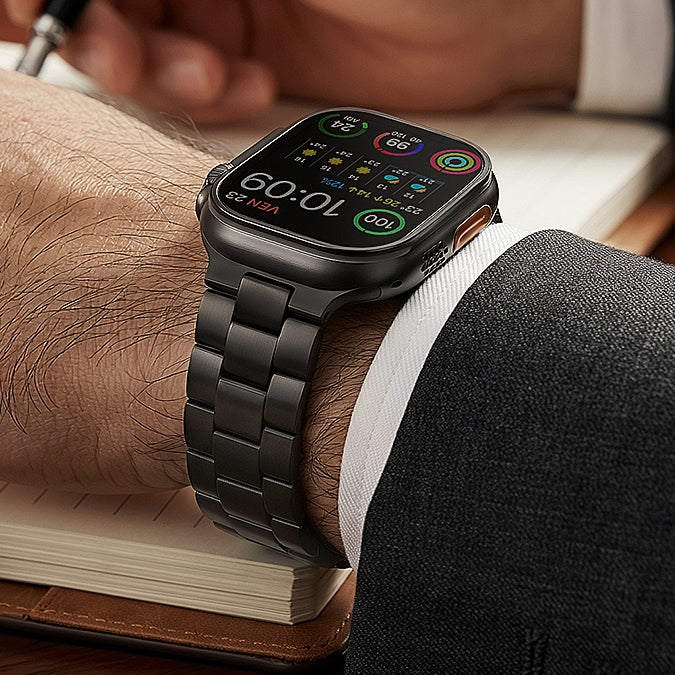
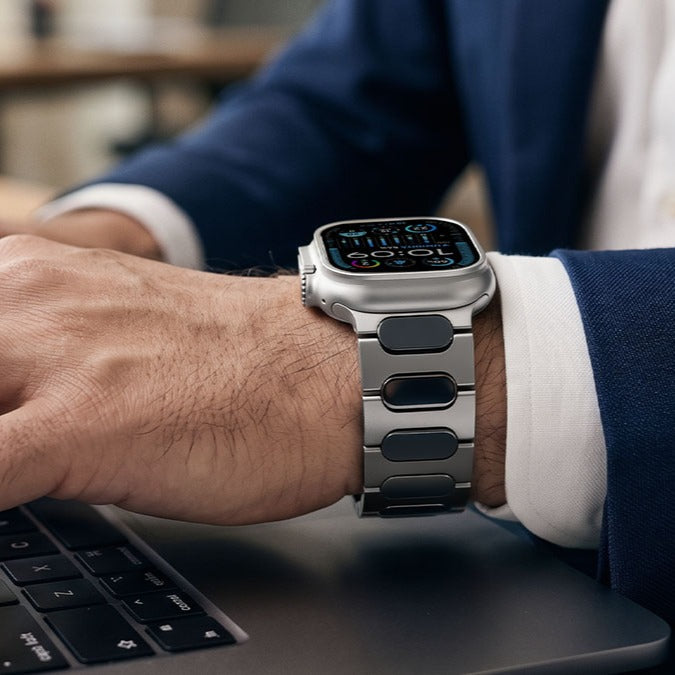
Heavy bands can dig into your wrist while typing or resting on a desk. Lighter, balanced bands reduce pressure during repetitive movements.
During Exercise
Extra weight increases arm fatigue and movement bounce. Lightweight materials are best here.
While Traveling
Long hours of wear amplify discomfort. A band that feels “invisible” becomes essential.
Sleeping with a Watch
Weight is critical. Even modest heaviness can disrupt sleep over time.
Material Comparison: Weight vs Comfort
| Material | Weight | All-Day Comfort | Notes |
|---|---|---|---|
| Silicone | Very Light | High | Best for fitness |
| Nylon | Very Light | High | Breathable, casual |
| Stainless Steel | Heavy | Medium | Premium but fatiguing |
| Ceramic | Medium | Medium | Rigid, brittle |
| Titanium | Light-Medium | Very High | Best balance |
Titanium stands out for combining strength with reduced weight, making it ideal for long-term daily wear.
Why Titanium Feels Lighter Than It Is
Titanium is about 40–45% lighter than stainless steel while maintaining similar strength.
This results in:
-
Less wrist fatigue
-
Better balance on larger watches
-
Improved comfort during extended wear
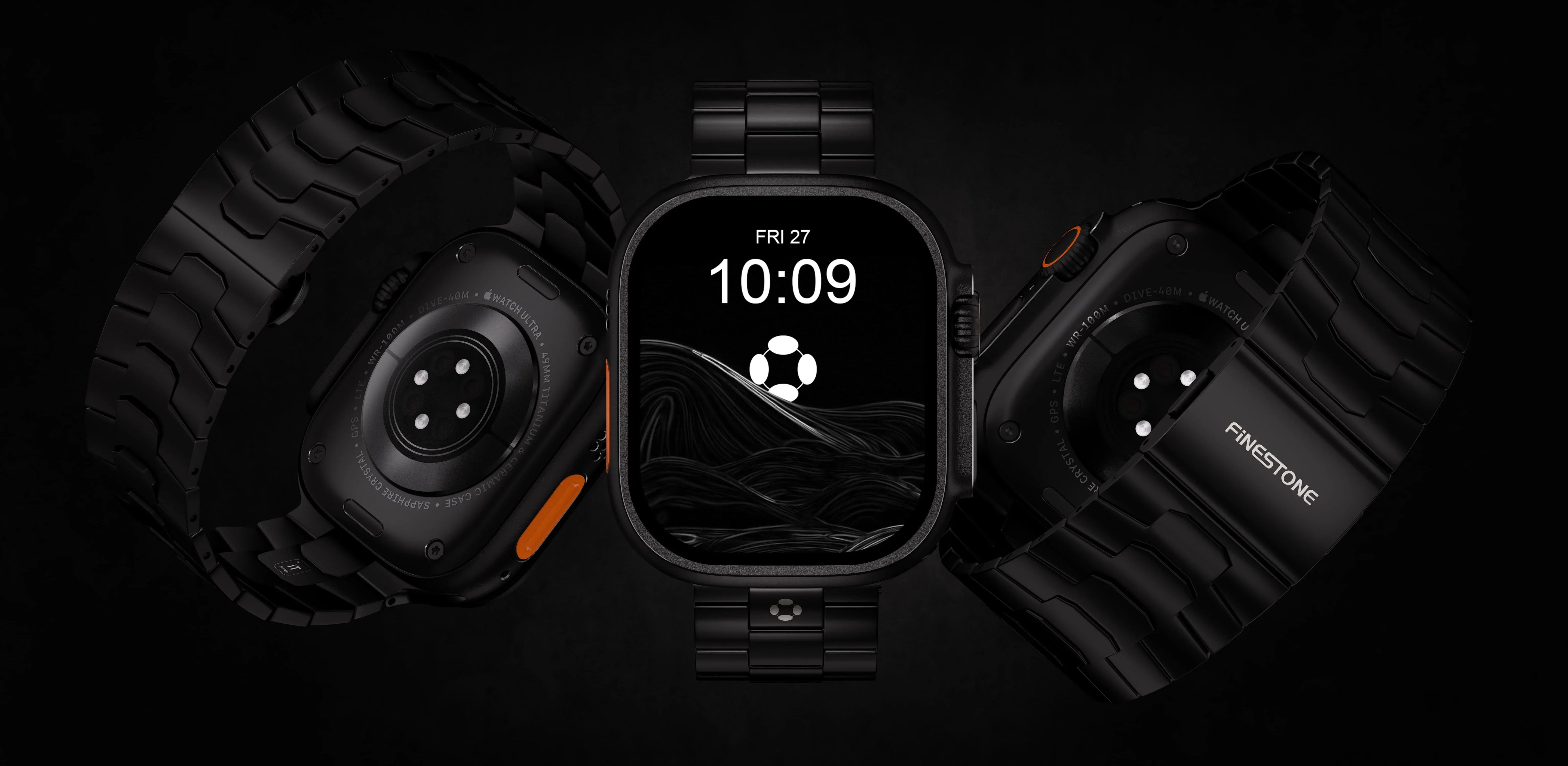
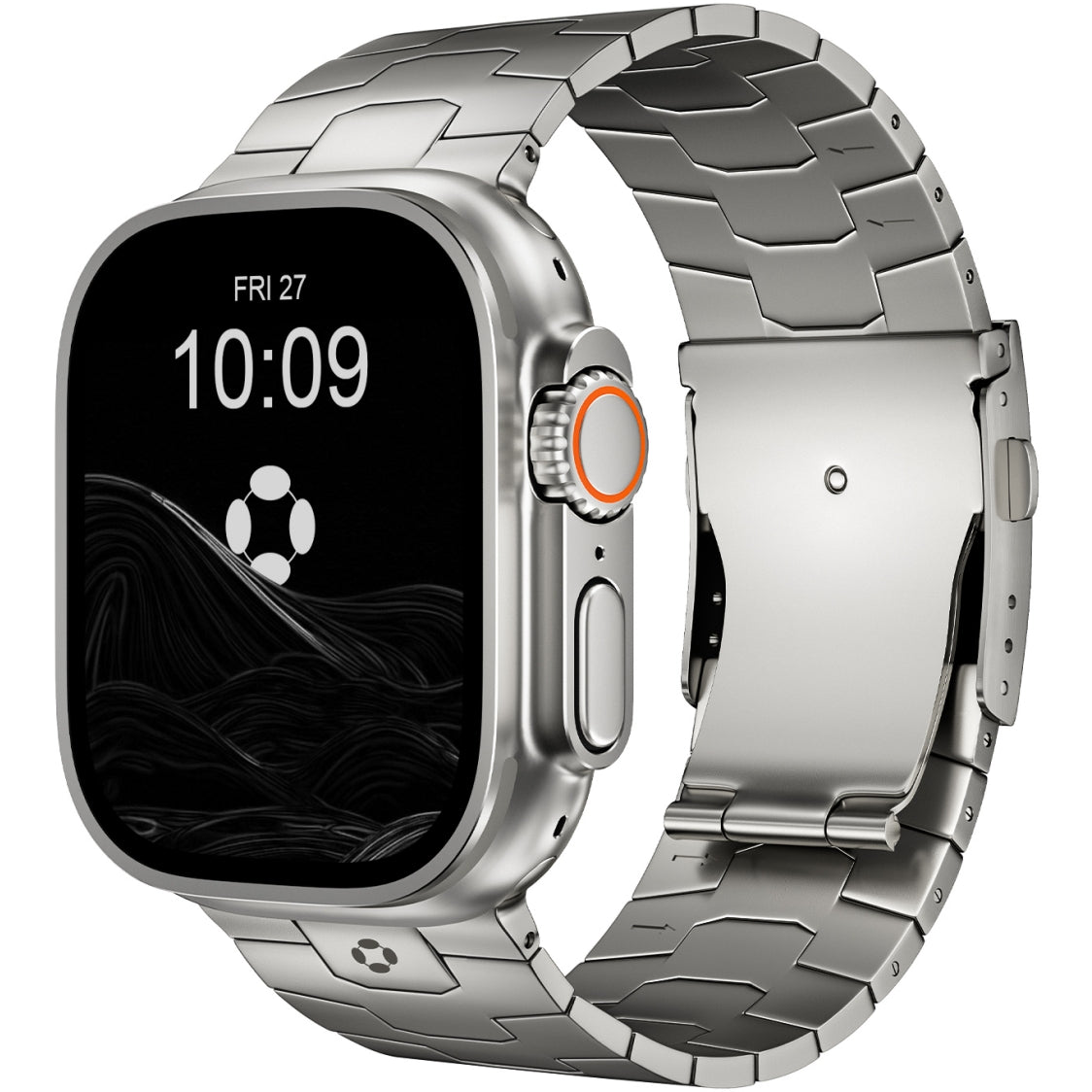
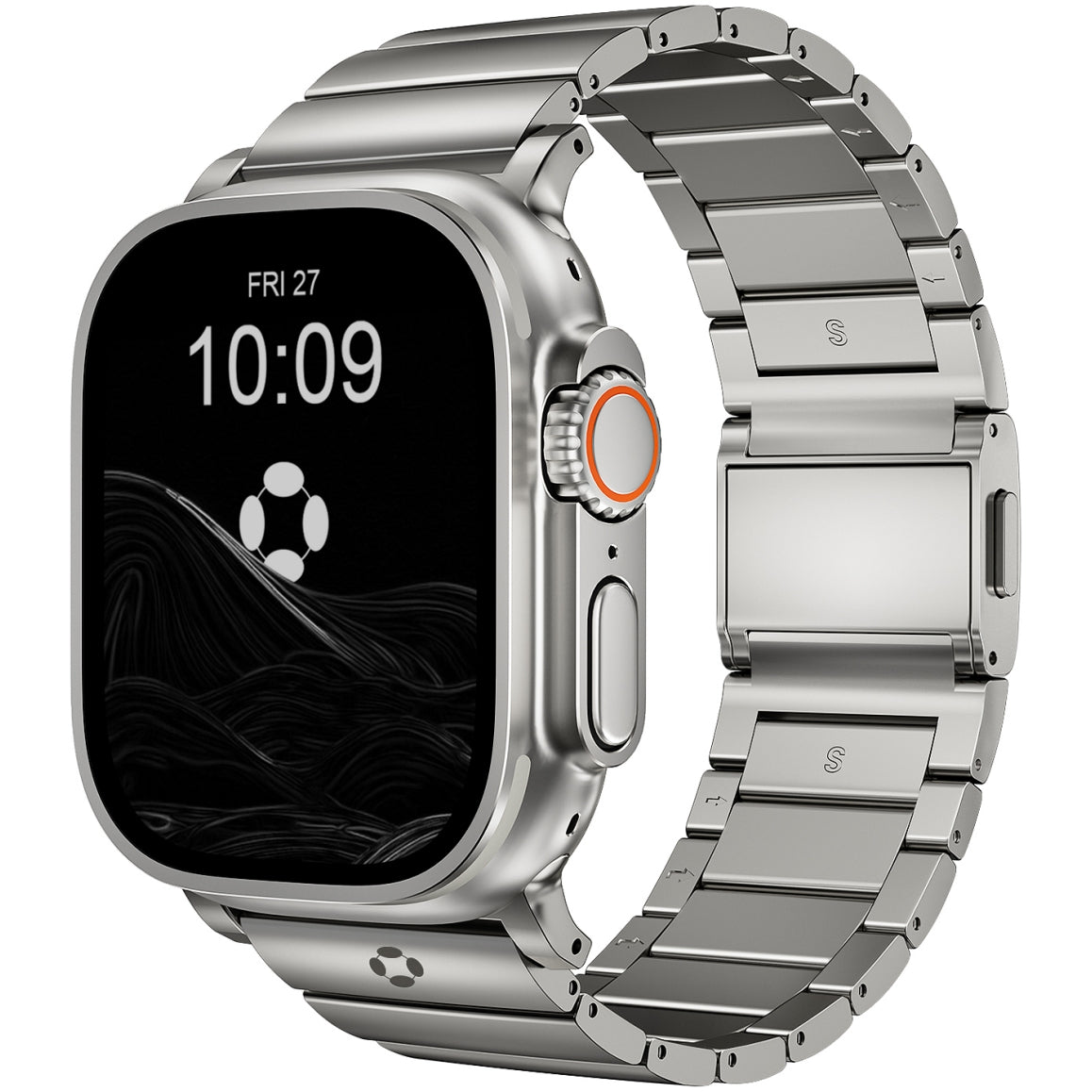
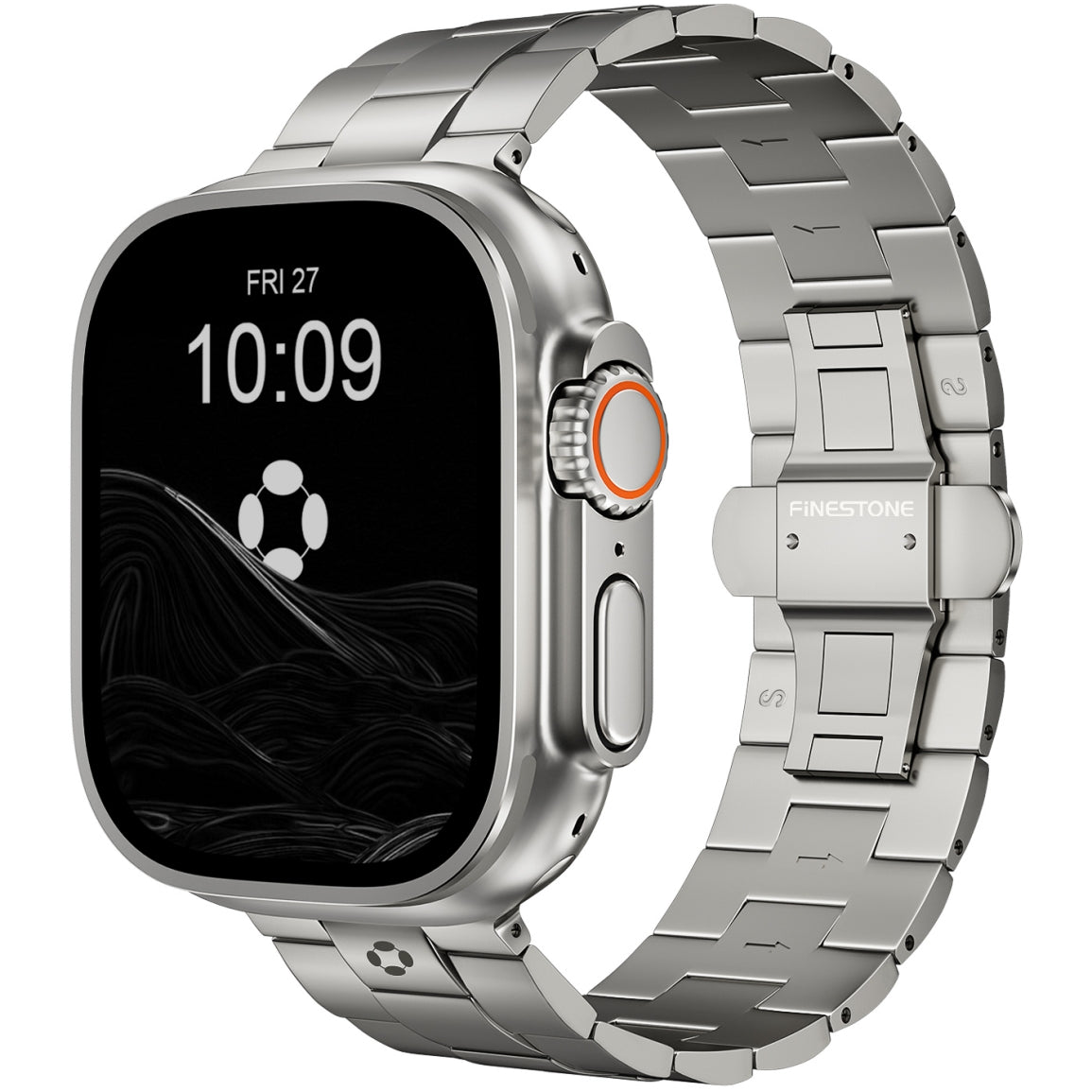
That’s why titanium is often used in aerospace—and increasingly in premium watch bands. Brands like Finestone leverage this weight advantage to create titanium Apple Watch bands that feel secure without feeling heavy.
How to Choose the Right Watch Band Weight for You
Ask yourself:
-
Do I wear my watch more than 8 hours a day?
-
Do I notice wrist fatigue by evening?
-
Do I often loosen or adjust my band?
-
Is my watch case large or heavy?
If you answered “yes” to any of these, band weight should be a top priority.
Signs Your Watch Band Is Too Heavy
-
Red marks after removal
-
Constant sliding down the wrist
-
Wrist soreness by evening
-
Needing to remove the watch at home
Comfort issues often blamed on “fit” are actually caused by excess weight.