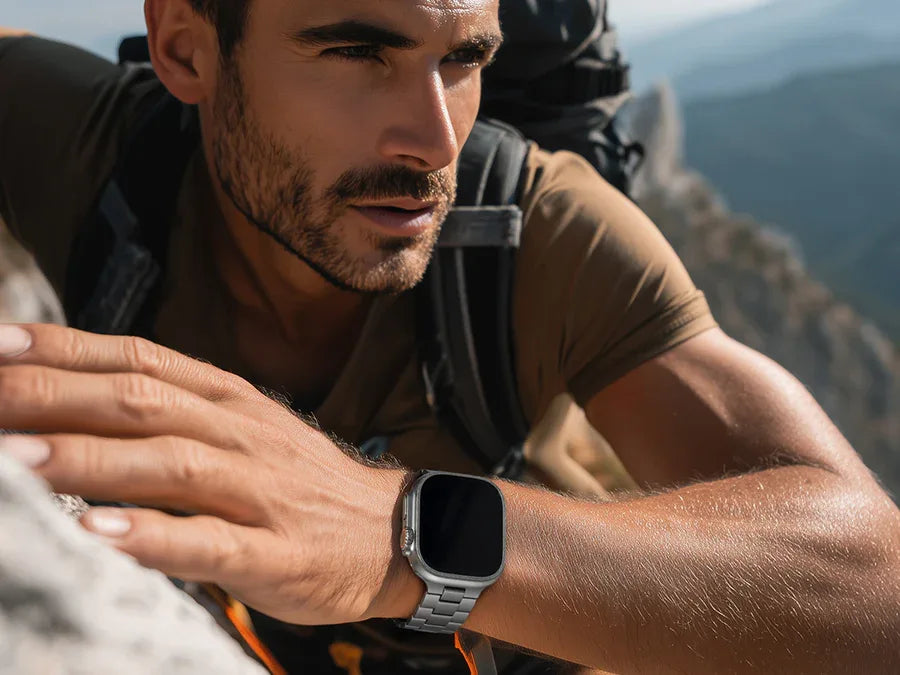

If you’ve ever shopped for an Apple Watch or traditional timepiece accessory, you’ve likely seen the terms “watch band” and “watch strap” used interchangeably. While many people treat them as synonyms, there are actually subtle differences in meaning, material, style, and use.
Understanding the distinction can help you choose the right accessory for your watch, your comfort, and your personal style. Let’s break it down clearly and simply.
Quick Answer: Band vs. Strap
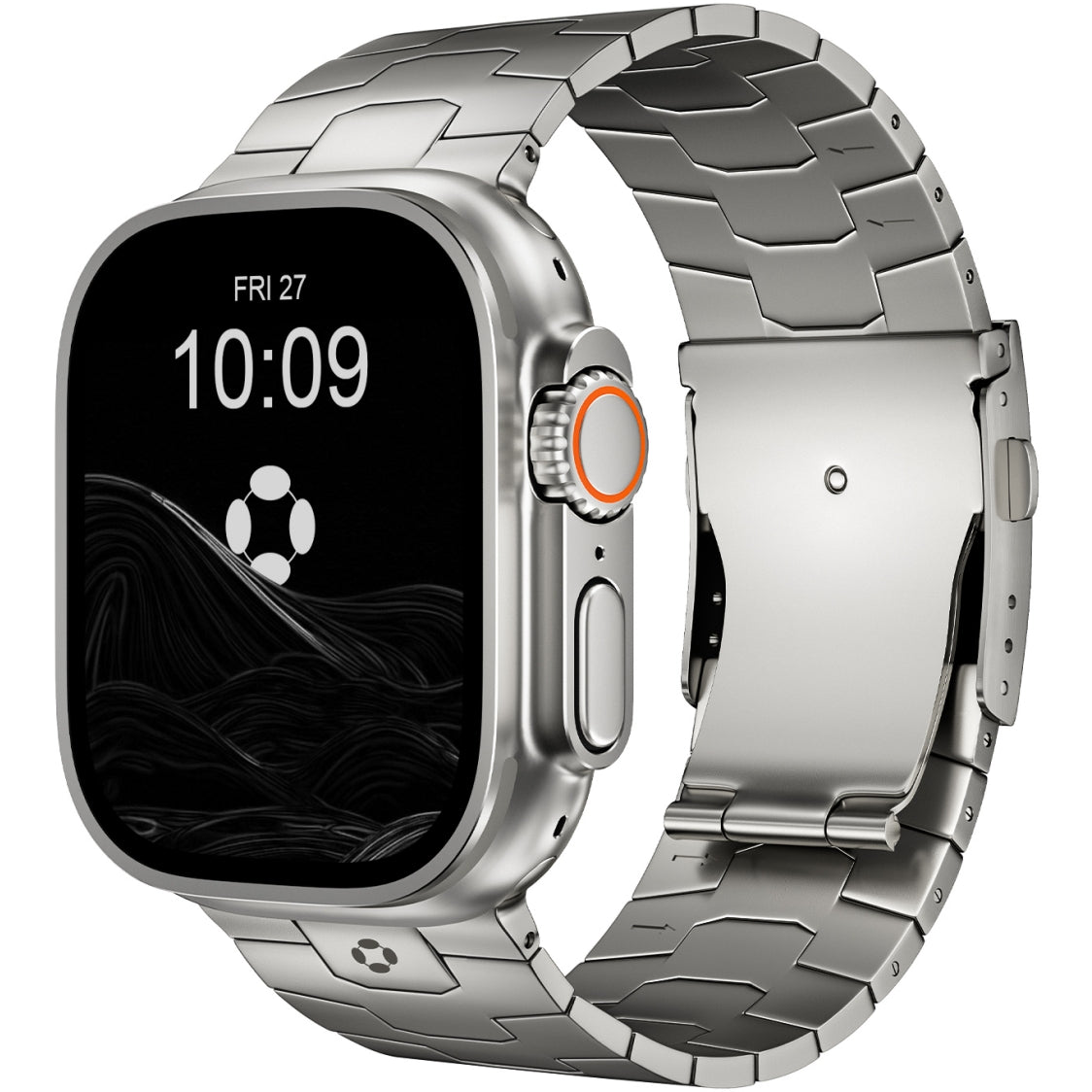
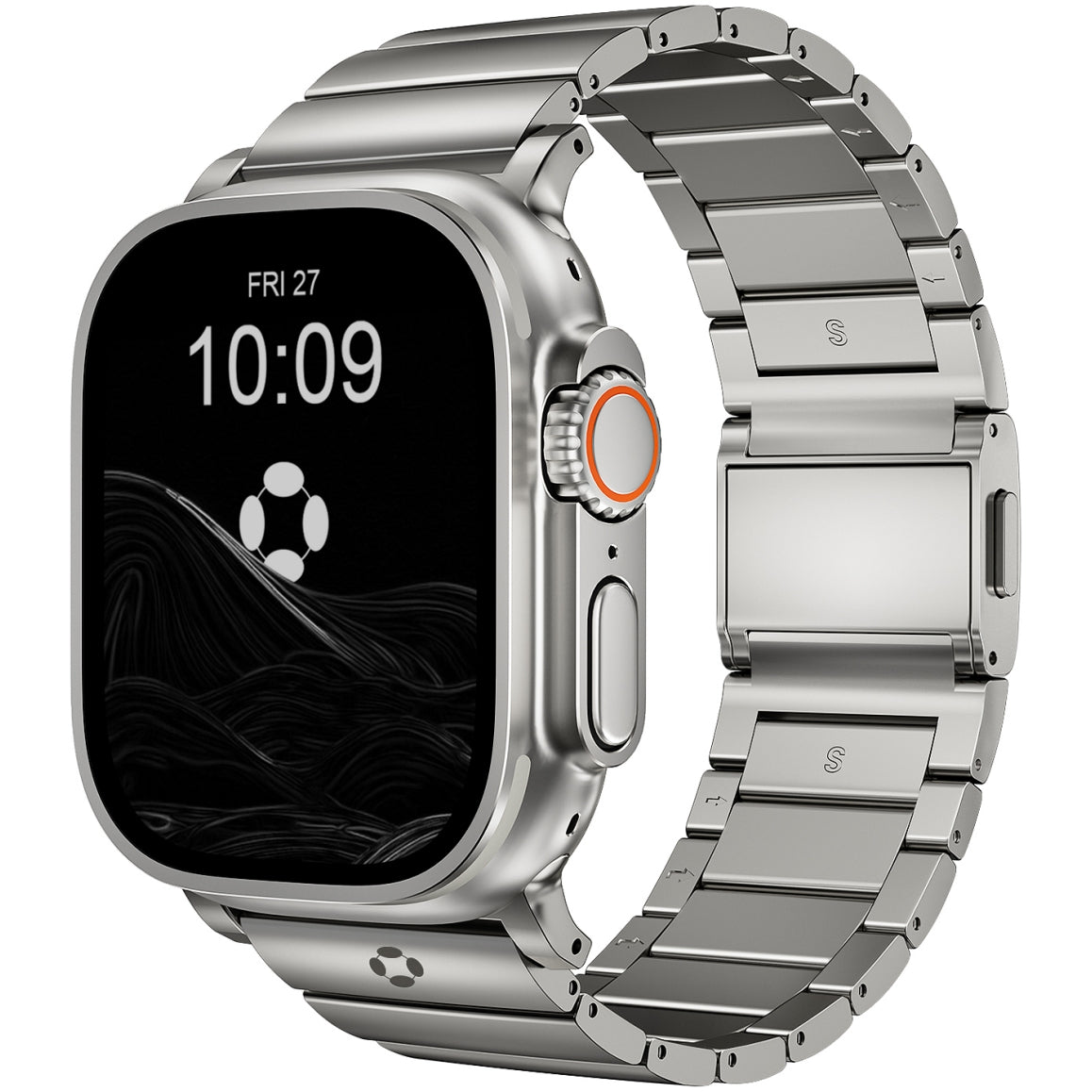
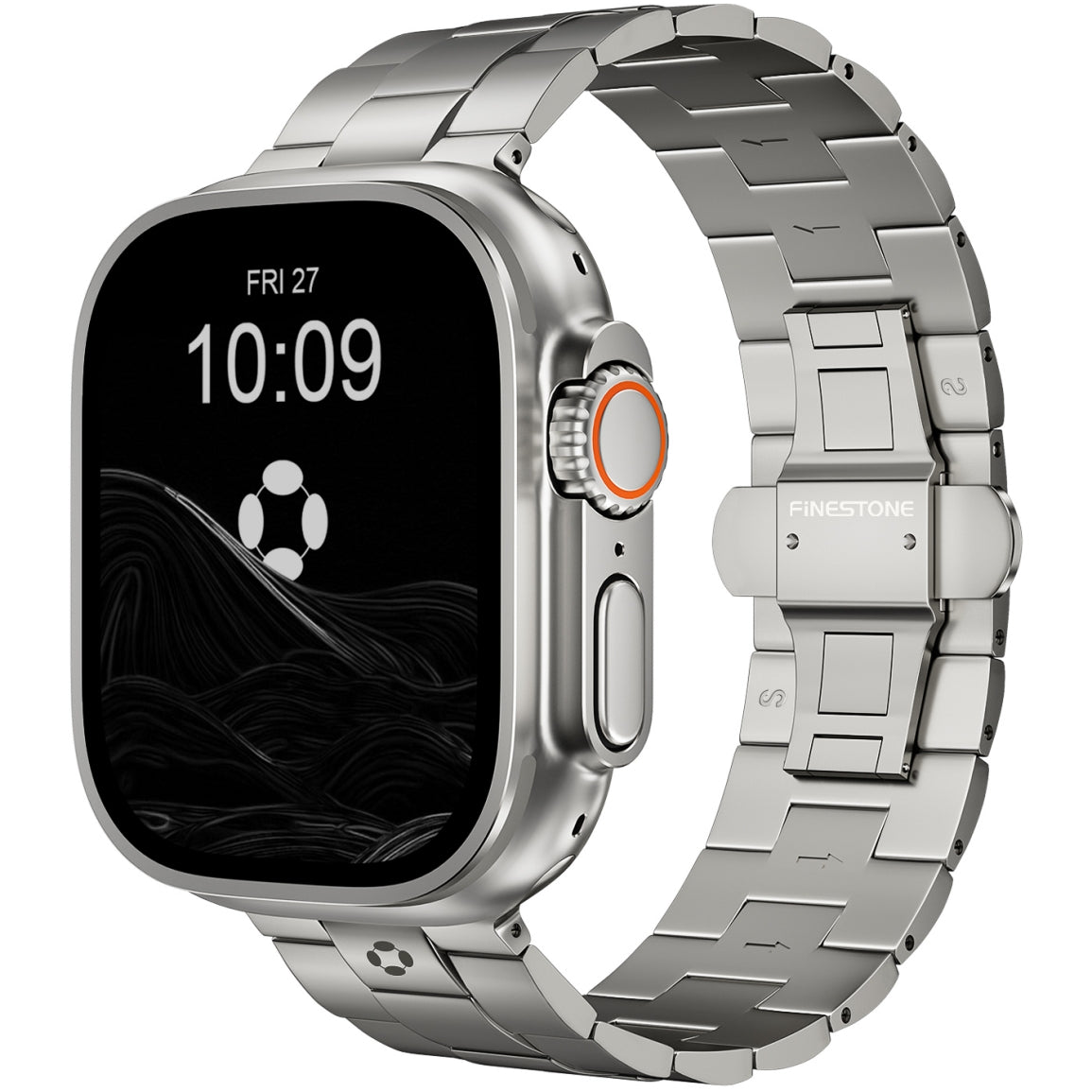
Watch Band typically refers to metal or linked constructions that form a bracelet-like structure.
Watch Strap usually describes flexible materials like leather, silicone, nylon, or fabric that wrap around the wrist.
That said, in everyday language, brands and retailers often use both terms loosely. The difference is more about tradition and material than strict rules.
1. What Is a Watch Band?
A watch band generally refers to a bracelet-style attachment made from solid or semi-solid materials.
Common Watch Band Materials
-
Stainless steel
-
Titanium
-
Ceramic
-
Linked metal alloys
Key Characteristics
✔ Structured and rigid
✔ Often made with interlocking links
✔ Adjustable by removing or adding links
✔ More jewelry-like in appearance
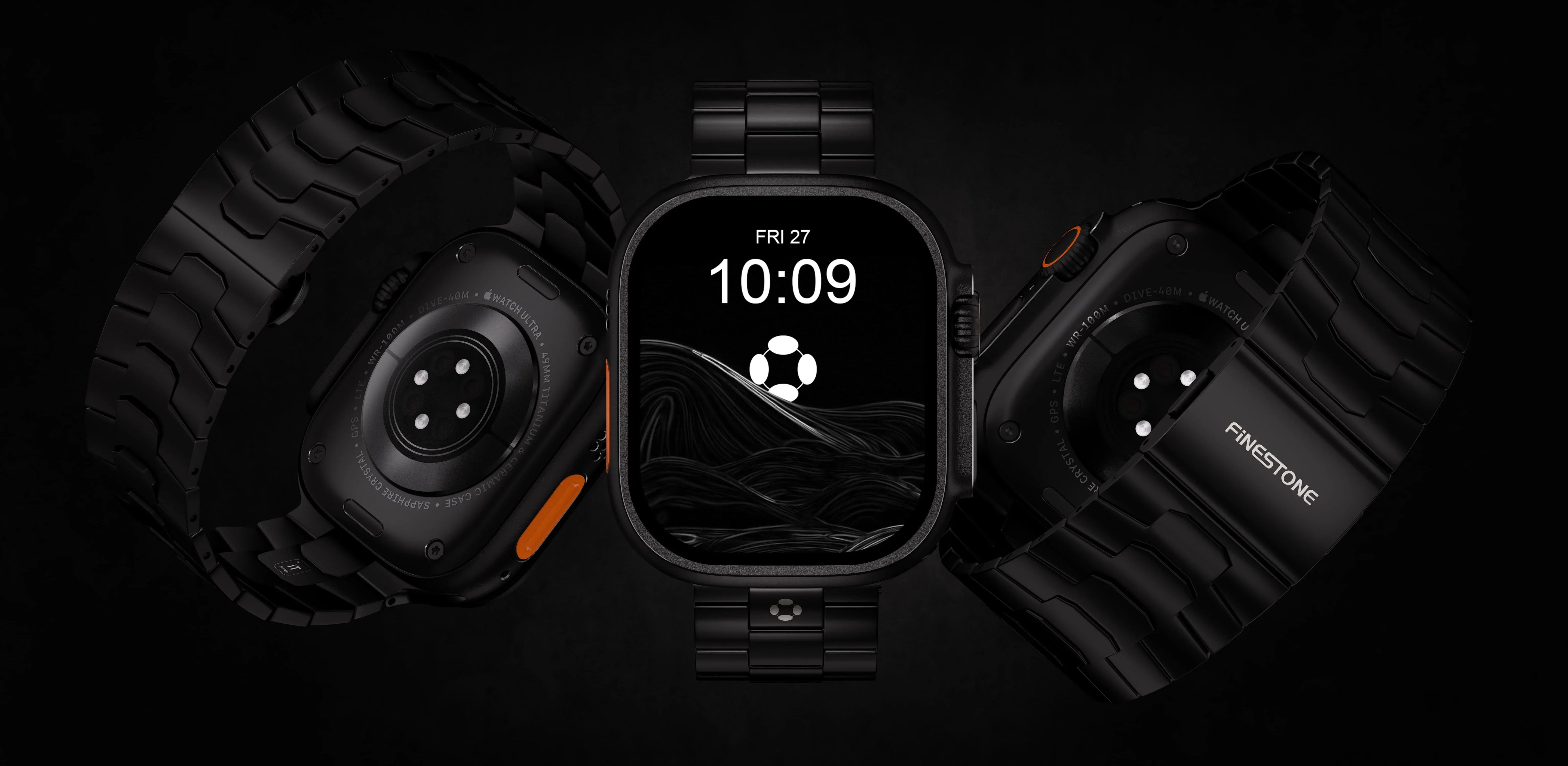
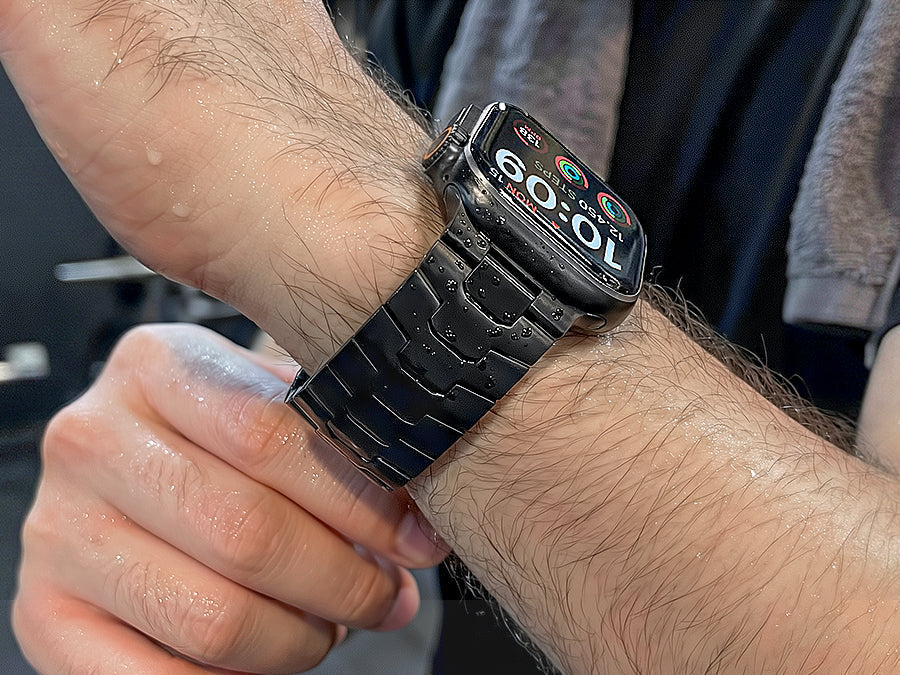
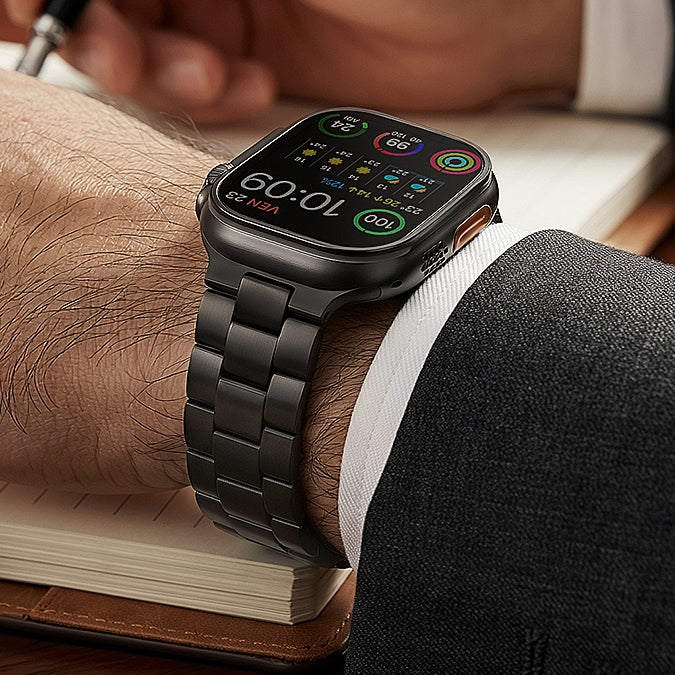
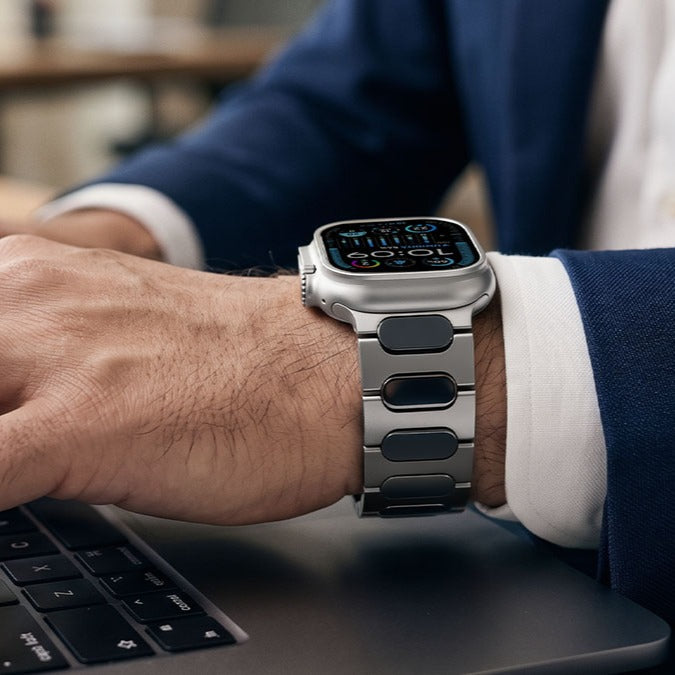
Metal bands are associated with luxury watches and formal styles. For example, modern titanium bands — like those made by Finestone — offer a lighter, more comfortable alternative to traditional heavy steel bracelets while keeping that premium bracelet aesthetic.
When People Prefer Bands
-
Business or formal settings
-
Luxury styling
-
Professional environments
-
Long-term durability
2. What Is a Watch Strap?
A watch strap typically refers to a flexible, wraparound piece secured with a buckle, clasp, or hook-and-loop closure.
Common Watch Strap Materials
-
Leather
-
Silicone / Fluoroelastomer
-
Nylon (NATO straps)
-
Fabric or woven materials
Key Characteristics
✔ Flexible and soft
✔ Usually one continuous piece
✔ Lightweight and breathable
✔ Adjustable via holes or Velcro-style fasteners
Straps are often chosen for comfort, sports, and casual wear. They’re also easier to swap and adjust without tools.
When People Prefer Straps
-
Gym and workouts
-
Casual daily wear
-
Hot weather
-
Lightweight comfort
3. Why the Terms Get Mixed Up
In the smartwatch world — especially with Apple Watch — the terms band and strap are often used as marketing language rather than technical categories.
For example:
-
Apple calls almost everything an “Apple Watch band”
-
Traditional watch collectors are more likely to use “strap” for leather/fabric and “bracelet” for metal
So while there is a difference historically, modern usage is flexible.
4. Structural Differences
| Feature | Watch Band | Watch Strap |
|---|---|---|
| Structure | Solid or linked | Flexible strip |
| Material | Metal, titanium, ceramic | Leather, silicone, nylon |
| Adjustment | Link removal/addition | Buckle or Velcro |
| Style Vibe | Luxury, formal, professional | Casual, sporty, relaxed |
| Weight | Heavier (except titanium) | Lighter |
5. Comfort Comparison
Comfort depends on both material and design.
Bands (Metal Bracelets)
Pros
-
Durable
-
Premium feel
-
Long lifespan
Cons
-
Can feel heavy (except titanium)
-
Less breathable
-
May pull arm hair if poorly finished
Straps (Leather, Silicone, Nylon)
Pros
-
Lightweight
-
Breathable (especially fabric)
-
Flexible for movement
Cons
-
May wear out faster
-
Can trap sweat (silicone)
-
Leather degrades with moisture
Modern titanium bands blur this line by offering the premium look of a bracelet with the lightweight comfort closer to straps.
6. Style Differences
Bands tend to look:
-
Dressier
-
More like traditional watches
-
Professional and polished
Straps tend to look:
-
Sporty
-
Casual
-
Relaxed and versatile
If you want your Apple Watch to resemble a classic luxury watch, a metal band is usually the go-to choice.
7. Durability & Longevity
| Type | Expected Lifespan |
|---|---|
| Metal Band (Steel/Titanium) | Many years |
| Leather Strap | 1–3 years depending on care |
| Silicone Strap | 1–2 years with heavy use |
| Nylon Strap | 1–3 years |
Metal bands generally last the longest, especially corrosion-resistant materials like titanium.
8. Which Should You Choose?
Choose a Watch Band If You Want:
✔ A luxury, professional look
✔ Long-term durability
✔ A bracelet-style design
✔ A dressier aesthetic
Choose a Watch Strap If You Want:
✔ Maximum comfort and flexibility
✔ A lightweight feel
✔ A sporty or casual look
✔ Breathability for workouts