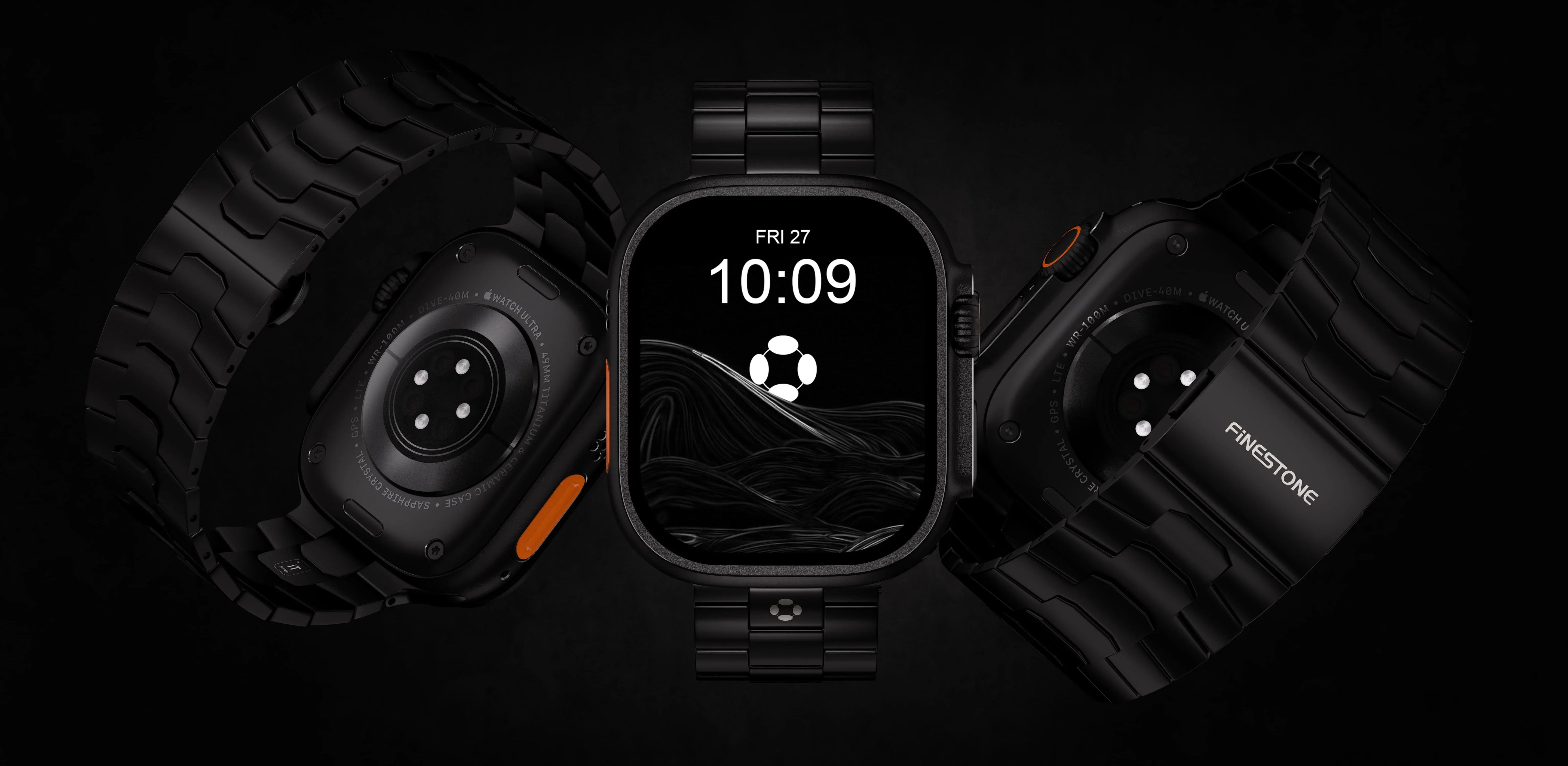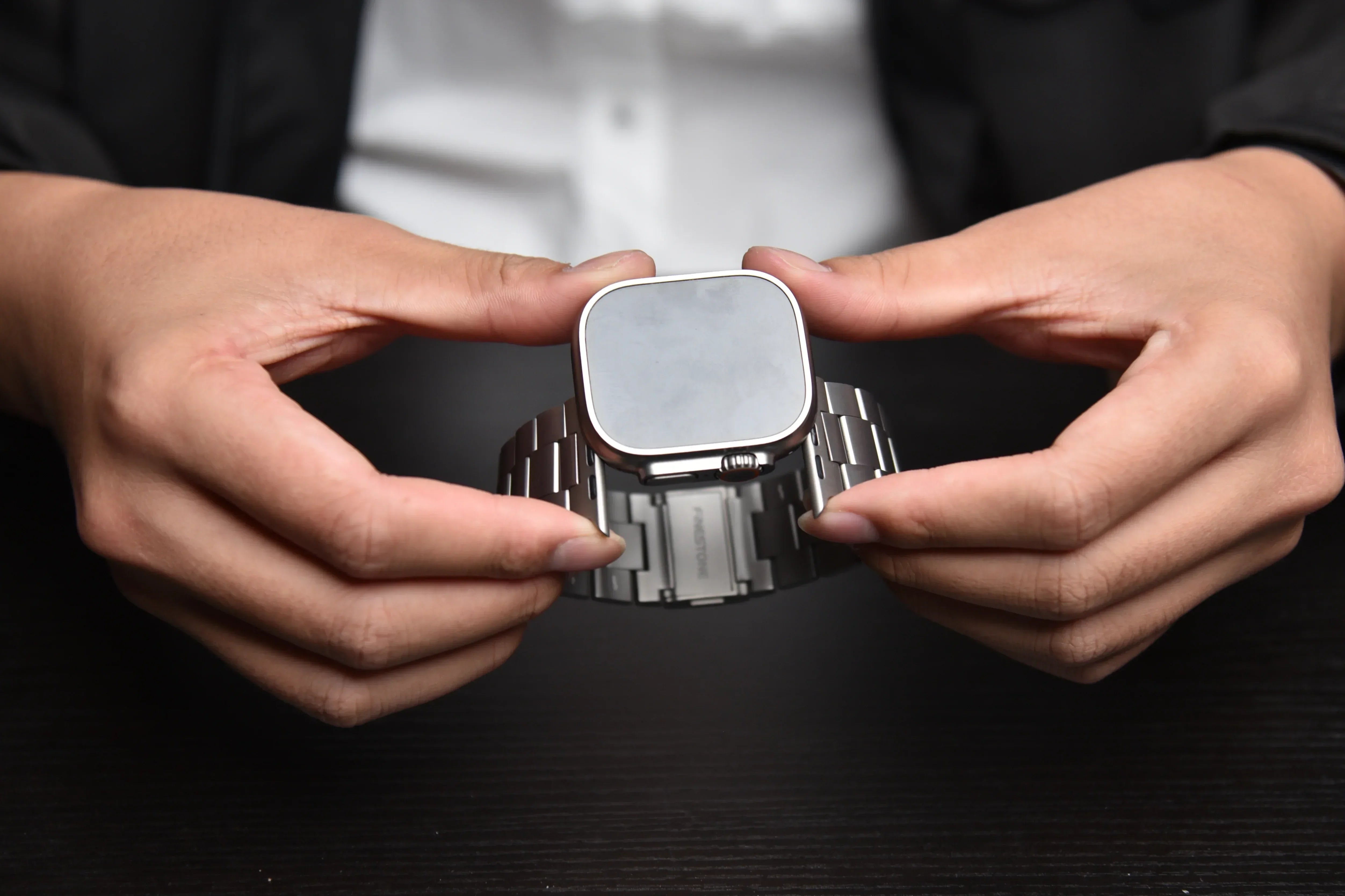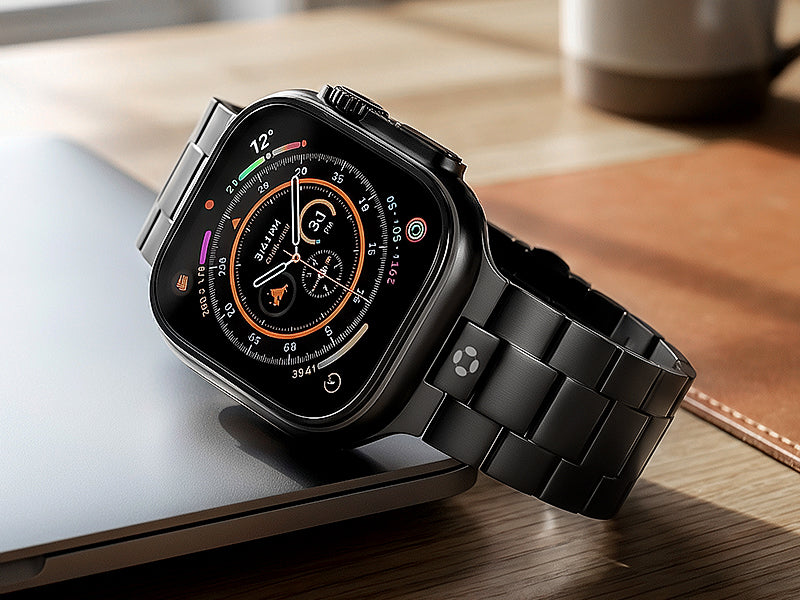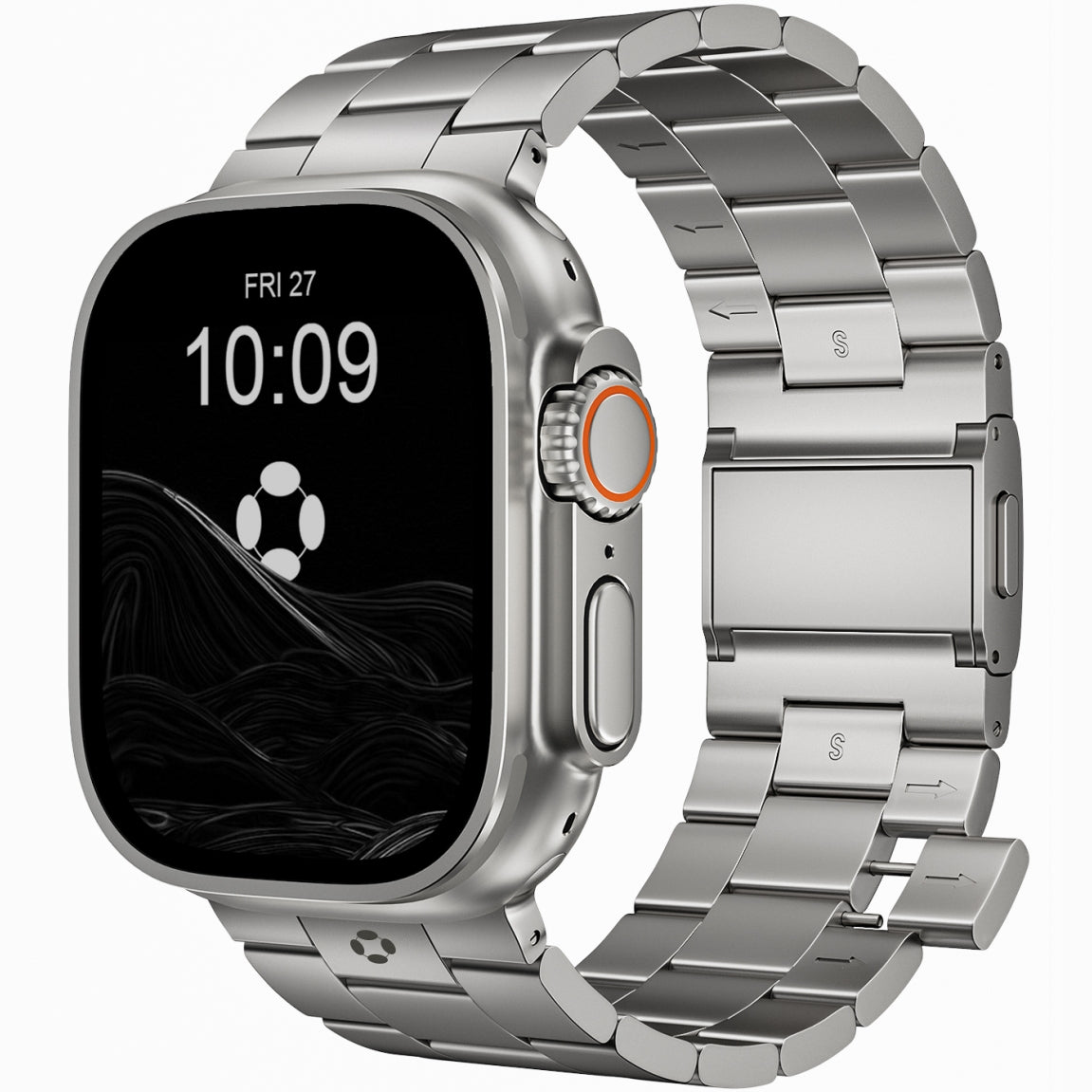
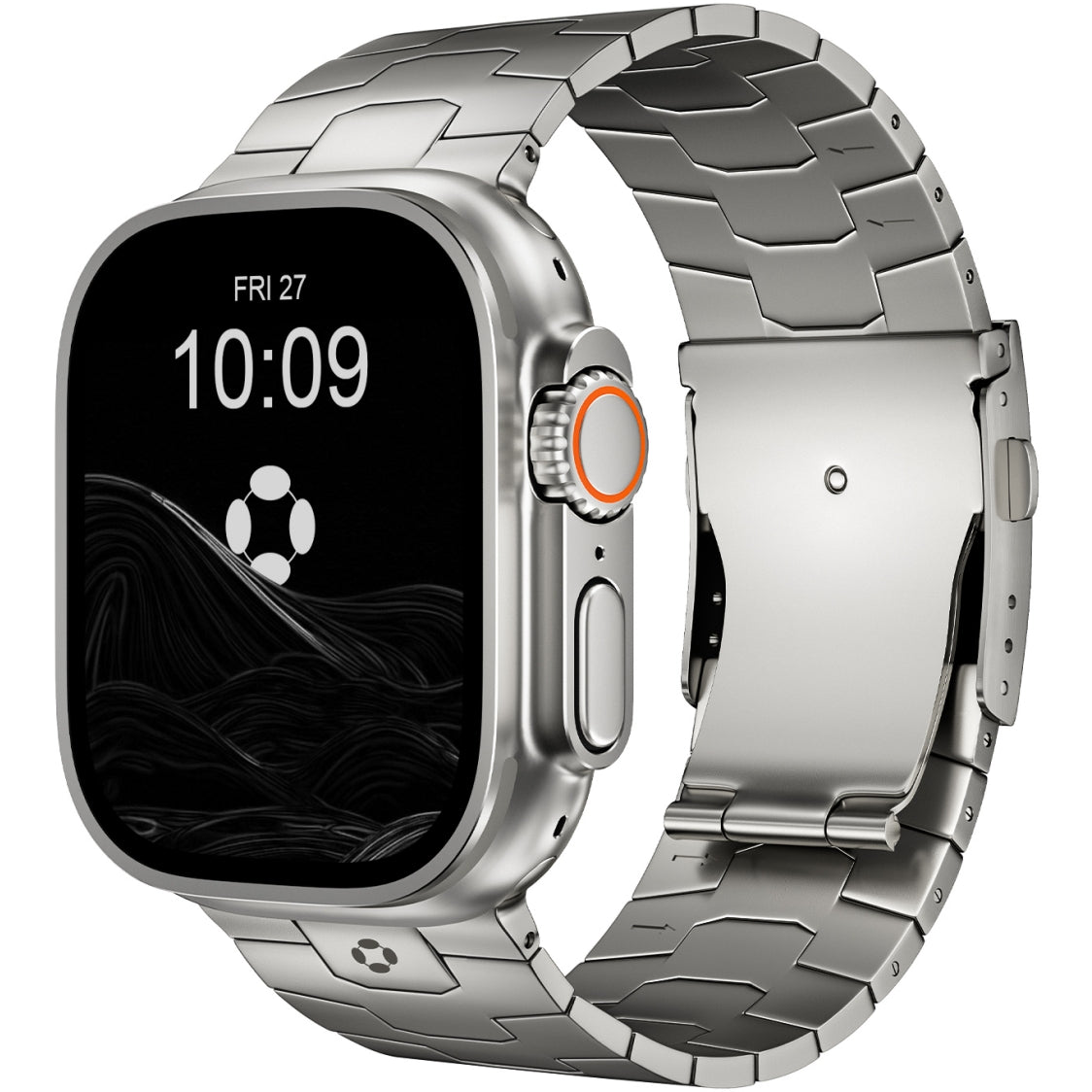
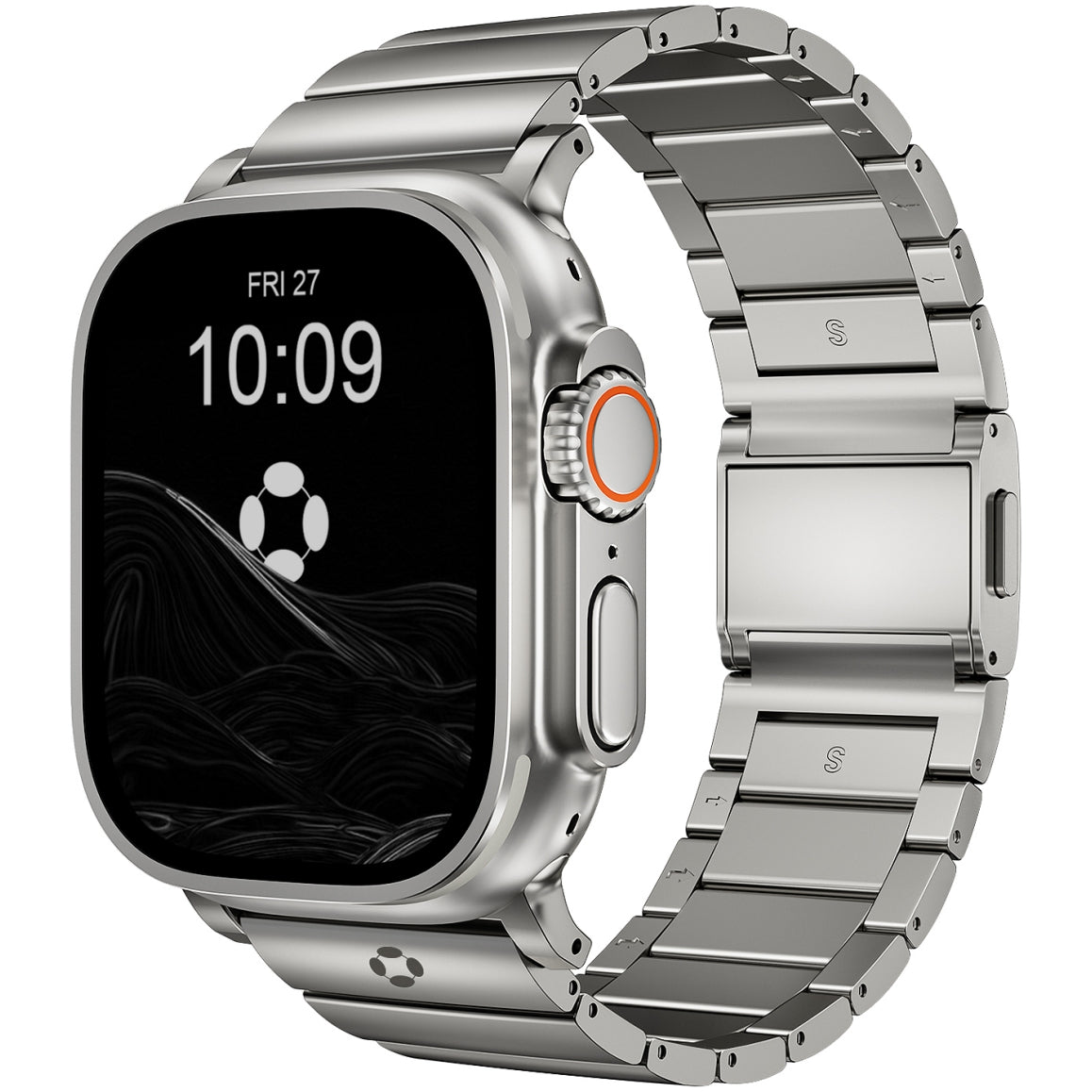
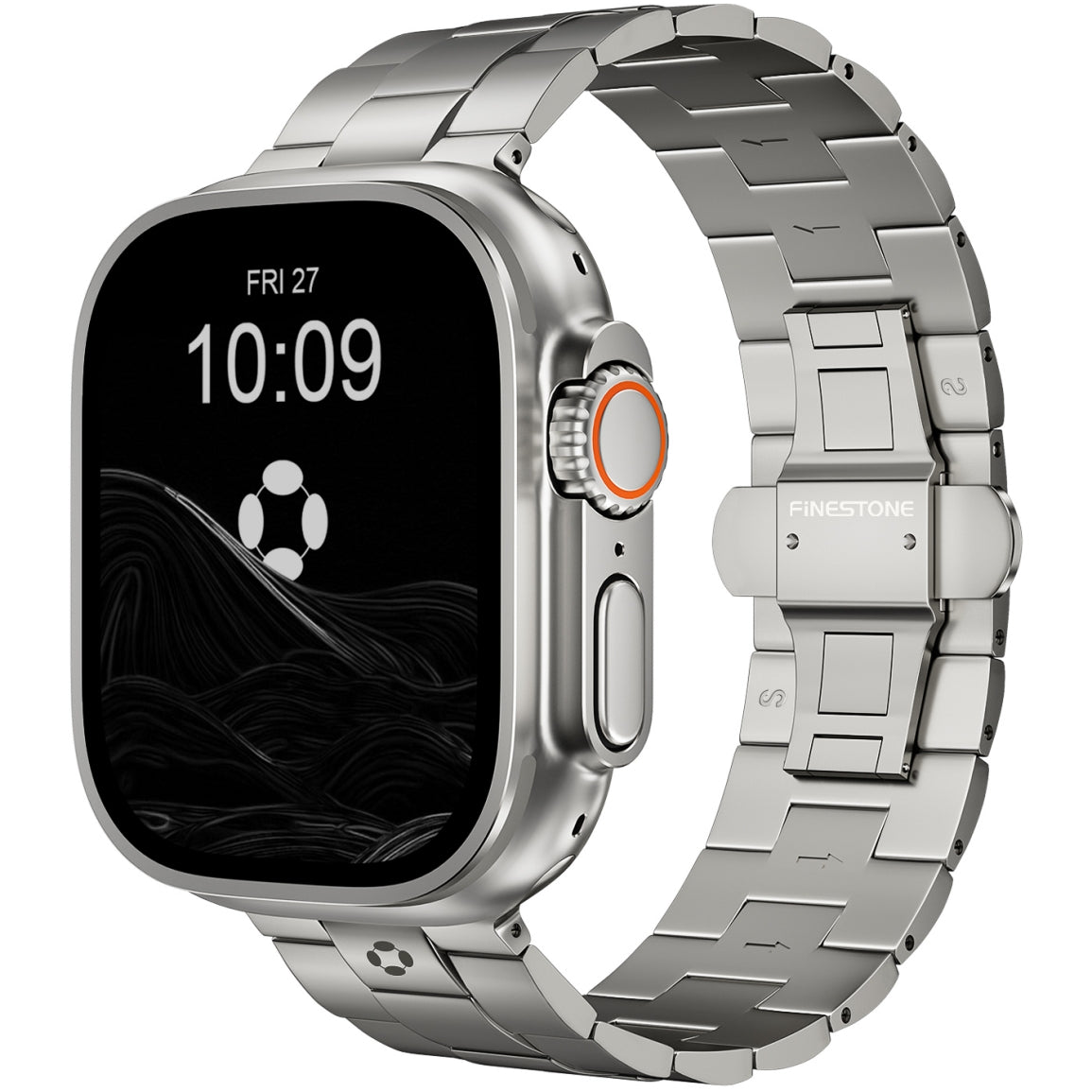
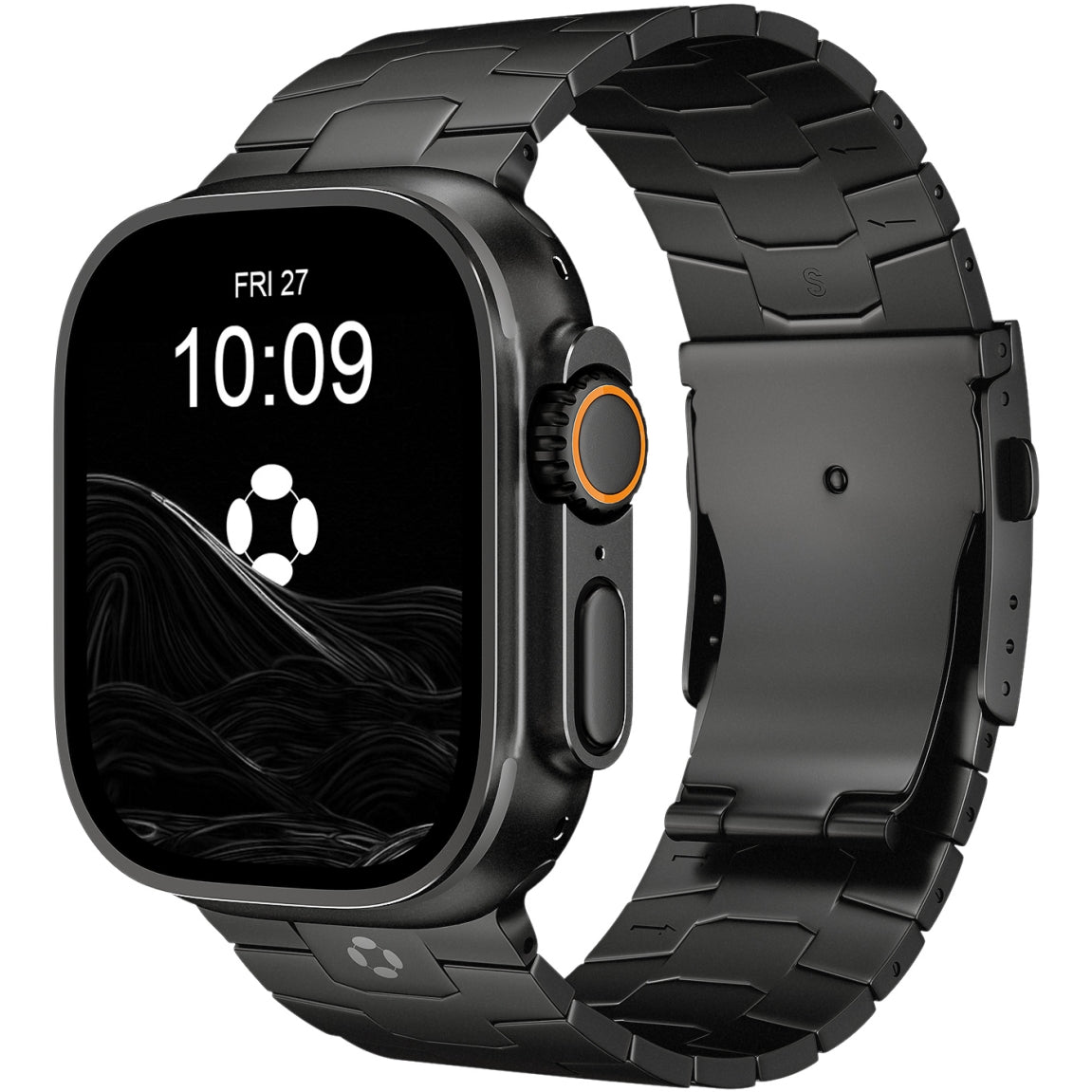
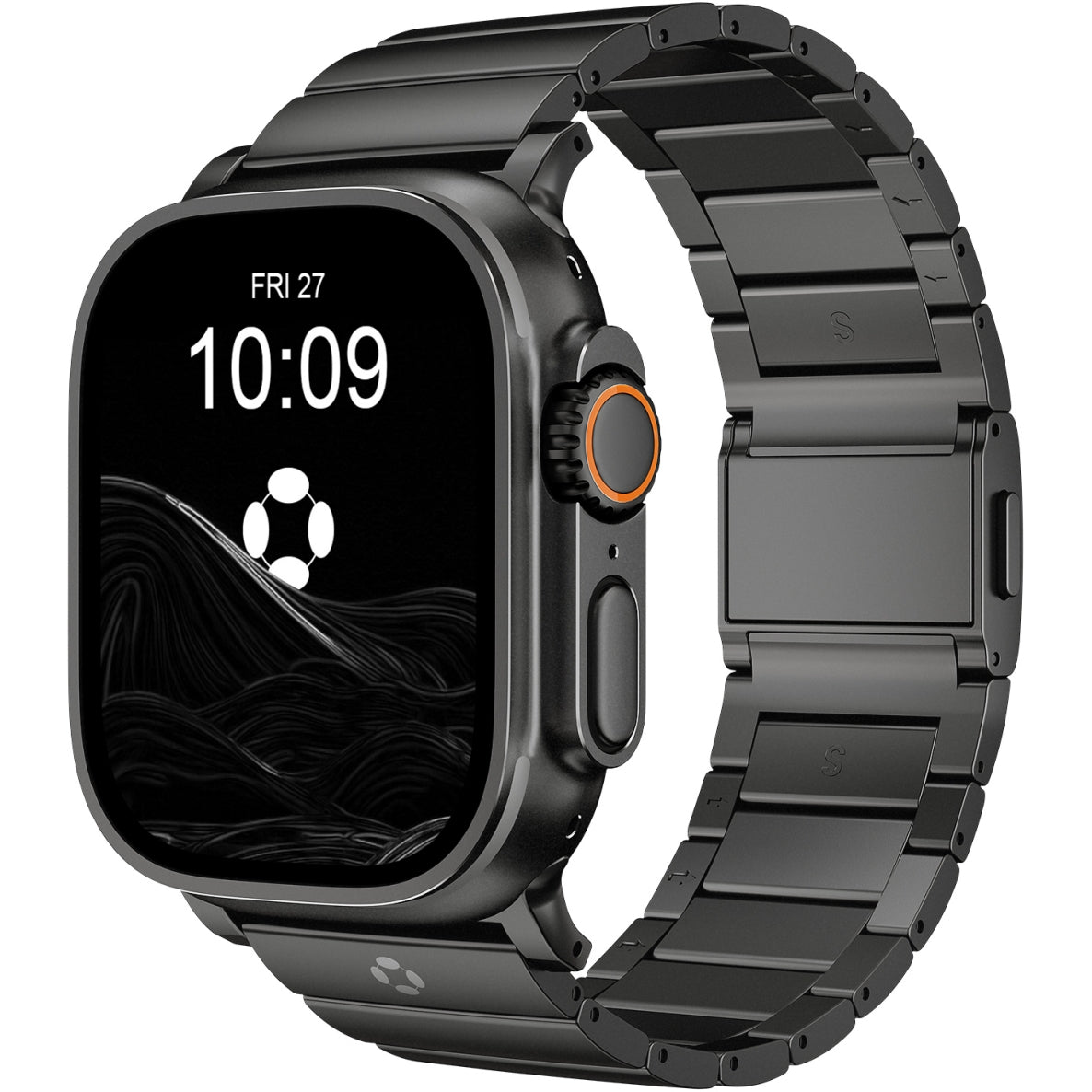

Choosing an Apple Watch band isn’t just about style—it’s about durability, comfort, and long-term value. With so many materials available—from silicone to leather to metal—how do you know which band will stand the test of time? In this guide, we’ll break down the most common Apple Watch band materials, explain their pros and cons, and reveal which options last the longest. We’ll also highlight how premium titanium bands, like Finestone, offer a perfect balance of durability and comfort.
Common Apple Watch Band Materials
Apple Watch bands come in a variety of materials, each with unique characteristics:
1. Silicone / Fluoroelastomer
-
Pros: Lightweight, flexible, water-resistant, affordable
-
Cons: Can attract lint, may wear or tear over time, less professional appearance
Silicone bands are ideal for sports and workouts. They handle sweat and moisture well, but their longevity is limited, especially under frequent wear or exposure to friction.
2. Leather
-
Pros: Stylish, professional, comfortable on the wrist
-
Cons: Sensitive to water and sweat, prone to scratches, may fade or crack over time
Leather bands are perfect for office and formal occasions, but they require careful maintenance. Over months of daily use, even premium leather bands will show wear.
3. Stainless Steel
-
Pros: Durable, polished appearance, resistant to scratches
-
Cons: Heavier than other materials, can be prone to scuffs, may feel bulky
Stainless steel bands offer a classic look and durability, but weight and minor scratches can be an issue for some users.
4. Titanium
-
Pros: Extremely lightweight, highly durable, hypoallergenic, scratch-resistant
-
Cons: Higher cost compared to silicone or leather
Titanium bands, like the ones from Finestone, are designed for long-term wear. They maintain their structure, resist scratches, and provide all-day comfort, making them a great investment for those who want a premium, lasting band. Titanium combines the professional appearance of metal with the lightness and comfort of sport bands, striking an ideal balance.

5. Nylon / Woven Materials
-
Pros: Lightweight, breathable, flexible, often affordable
-
Cons: Absorbs sweat, can fray, may lose shape over time
Nylon bands are great for casual wear and hot climates, but they tend to wear out faster than metal or high-quality silicone, especially under heavy use.
Which Apple Watch Bands Last the Longest?
When durability and longevity are the priorities, here’s a ranking of typical materials from longest-lasting to least:
-
Titanium – Lightweight, scratch-resistant, hypoallergenic; minimal wear over time
-
Stainless Steel – Very durable but heavier and can show scuffs
-
Leather – Elegant but requires maintenance; prone to cracking or fading
-
Silicone – Great for workouts; may degrade after months of heavy use
-
Nylon – Breathable and flexible but less resistant to wear
Titanium bands consistently outperform other materials for daily wear, professional use, and long-term durability. Premium options, such as Finestone titanium Apple Watch bands, are built to last for years without losing comfort or style.
Factors That Affect Band Longevity
Even the strongest material can degrade if not cared for properly. Factors to consider:
-
Sweat and moisture: Leather and nylon absorb moisture; metals like titanium are resistant
-
Physical activity: Sports or heavy use may wear out silicone faster
-
Environment: Saltwater, dust, or extreme temperatures can accelerate wear
-
Maintenance: Regular cleaning and avoiding scratches help all bands last longer
By understanding these factors, you can select a band that meets both your lifestyle and durability needs.
Tips for Extending Your Band’s Life
-
Clean Regularly: Wipe metal bands with a microfiber cloth and rinse silicone or nylon after workouts.
-
Avoid Harsh Chemicals: Perfumes, cleaning sprays, or lotions can degrade leather or coatings.
-
Store Properly: When not wearing your Apple Watch, keep it in a safe place to prevent scratches.
-
Rotate Bands: Switching bands periodically reduces wear on any single band.
Following these practices can extend the life of your titanium band, as well as other materials.
Conclusion
Choosing the right Apple Watch band isn’t just about looks—it’s about how long it will last under real-world use. While silicone and leather have their place, they often show signs of wear sooner. Stainless steel is durable but heavier, and nylon is breathable but less long-lasting.