
If you’ve ever experienced redness, itching, or discomfort from a watch band, you’re not alone. Skin irritation is one of the most common complaints with metal watch bands—and it naturally raises the question:
Does titanium cause skin irritation?
In most cases, the answer is no. In fact, titanium is widely regarded as one of the most skin-friendly metals available.
Here’s why.
1. Titanium Is Hypoallergenic by Nature
Titanium is considered hypoallergenic, meaning it has a very low risk of causing allergic reactions.
Unlike some metals, titanium:
-
Contains no nickel in its pure form
-
Does not easily react with sweat or skin oils
-
Is chemically stable and non-toxic
This is why titanium is commonly used in:
-
Medical implants
-
Surgical instruments
-
Body jewelry for sensitive skin
If a material is safe enough to be implanted in the human body, it’s generally safe for everyday skin contact.
2. Why Some Metal Watch Bands Cause Irritation
Most skin irritation from watch bands is not caused by titanium, but by other factors, such as:
Nickel Content
Stainless steel often contains nickel, which is a common allergen. Prolonged contact can cause itching, redness, or rashes for sensitive individuals.
Trapped Moisture and Sweat
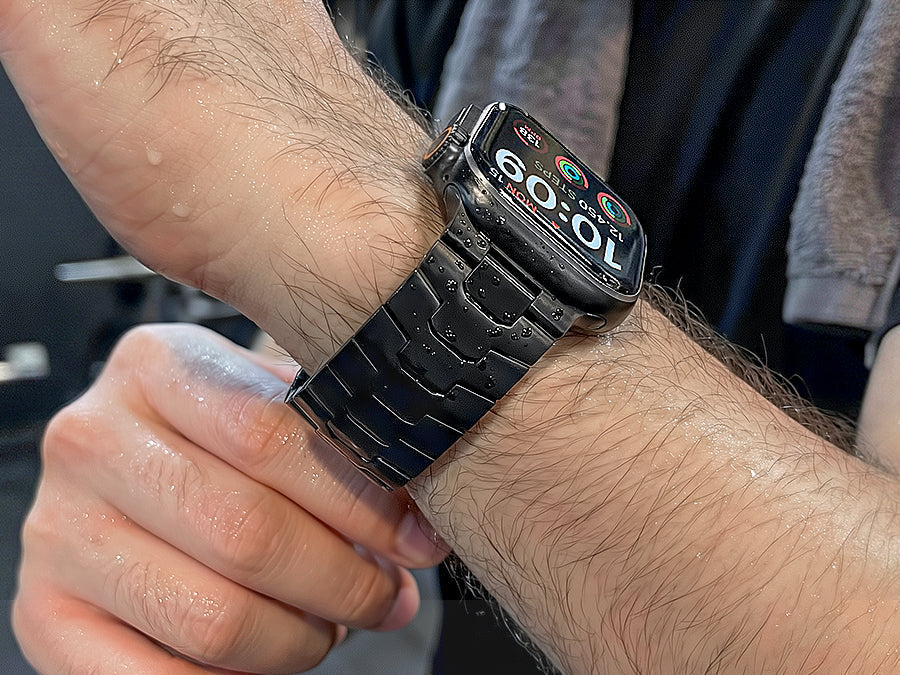
Poor ventilation or rough surfaces can trap sweat and bacteria, leading to irritation—regardless of material.
Rough Edges or Poor Finishing
Sharp edges, uneven links, or low-quality coatings can rub against the skin and cause discomfort over time.
3. Titanium vs Stainless Steel for Sensitive Skin
| Feature | Titanium | Stainless Steel |
|---|---|---|
| Nickel content | None (pure titanium) | Often contains nickel |
| Skin reactions | Very rare | Common for sensitive skin |
| Sweat resistance | Excellent | Good, but may react |
| Medical use | Yes | No |
For people with metal sensitivities, titanium is usually the safer choice.
4. Can Titanium Ever Cause Irritation?
While rare, irritation can still happen in certain situations:
-
The band is not solid titanium but titanium-plated steel
-
The surface coating wears off, exposing another metal
-
Poor hygiene allows sweat and debris to build up
-
The band fit is too tight, restricting airflow
In these cases, the issue isn’t titanium itself—but material honesty, finishing quality, and fit.
5. Surface Finish Also Matters
High-quality titanium bands often feature:
-
Brushed or matte finishes
-
Smooth edges
-
Advanced coatings like DLC (Diamond-Like Carbon)
These finishes reduce friction, resist corrosion, and prevent skin irritation during long-term wear.
6. Ideal for All-Day and Active Wear
Titanium is especially well-suited for people who:
-
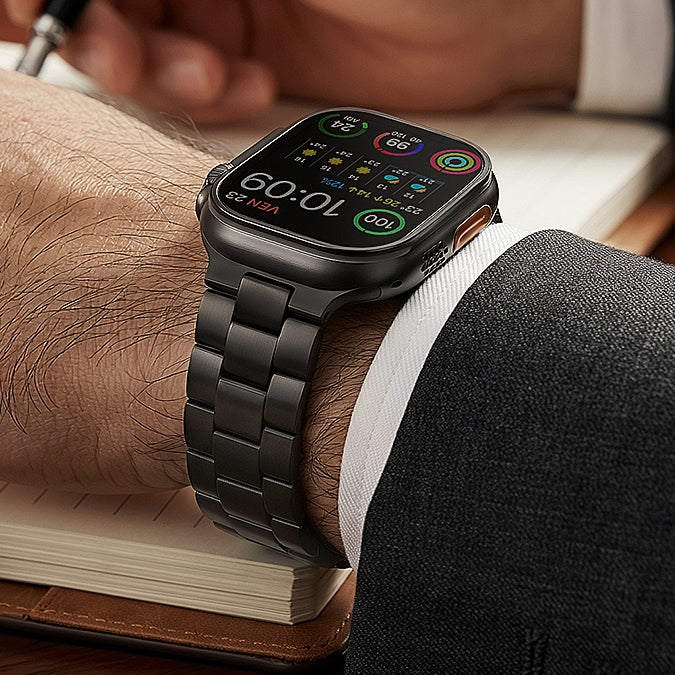
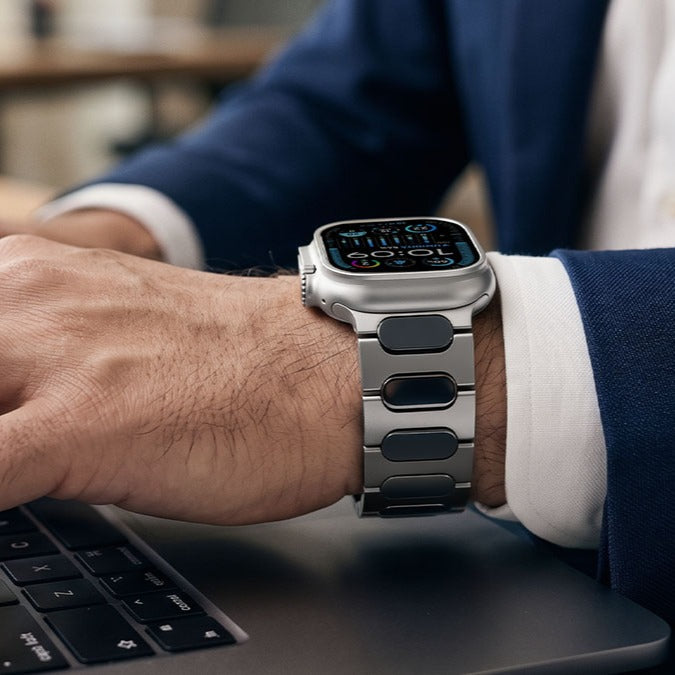
Wear a watch all day
-
Sweat frequently
-
Have sensitive or allergy-prone skin
-
Live in hot or humid environments
Its corrosion resistance and skin neutrality make it comfortable even during extended use.
7. Choosing the Right Titanium Band
To avoid irritation, look for bands that:
-
Clearly state solid titanium construction
-
Avoid vague terms like “titanium-coated”
-
Have smooth machining and precise fit
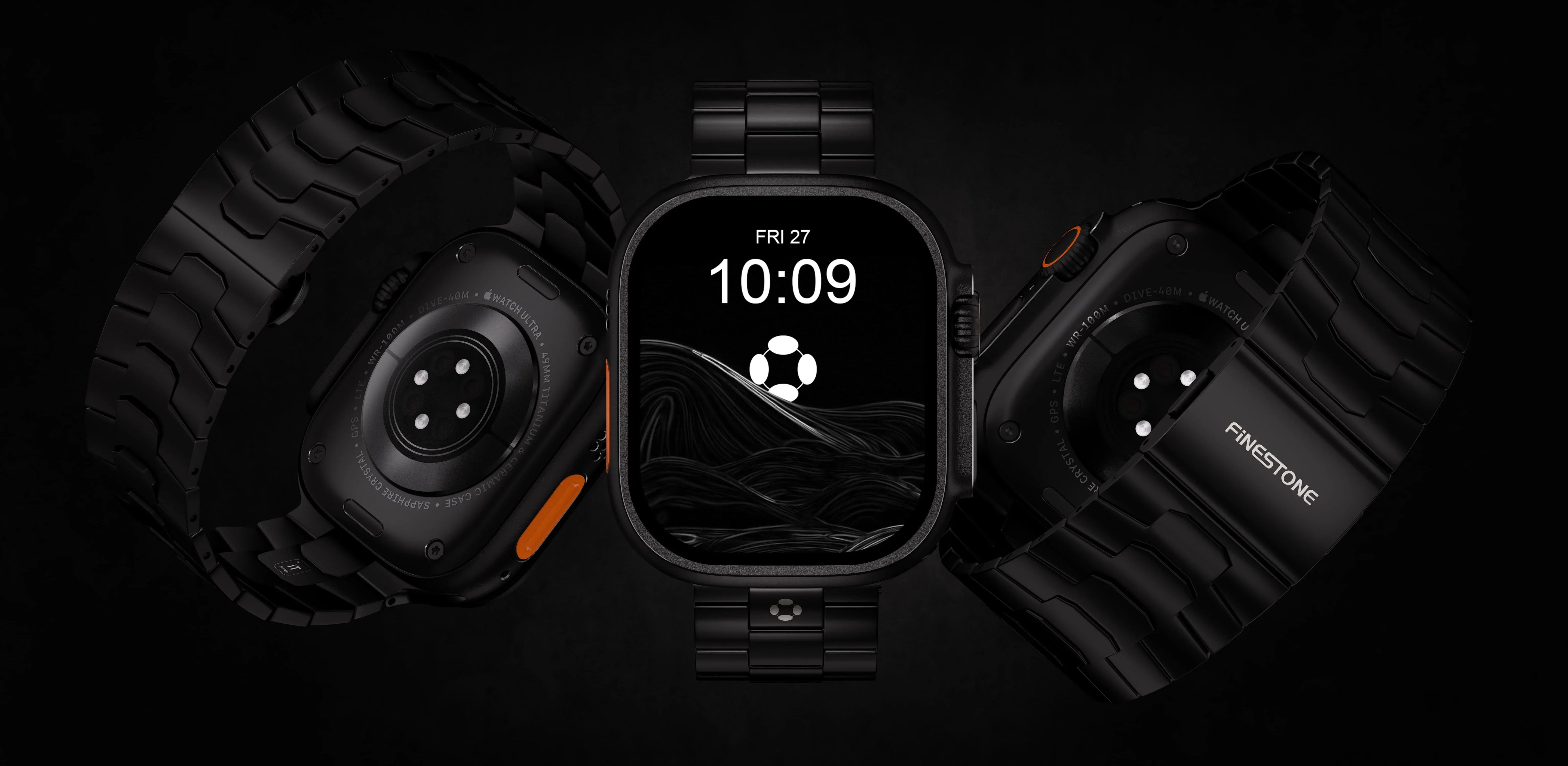
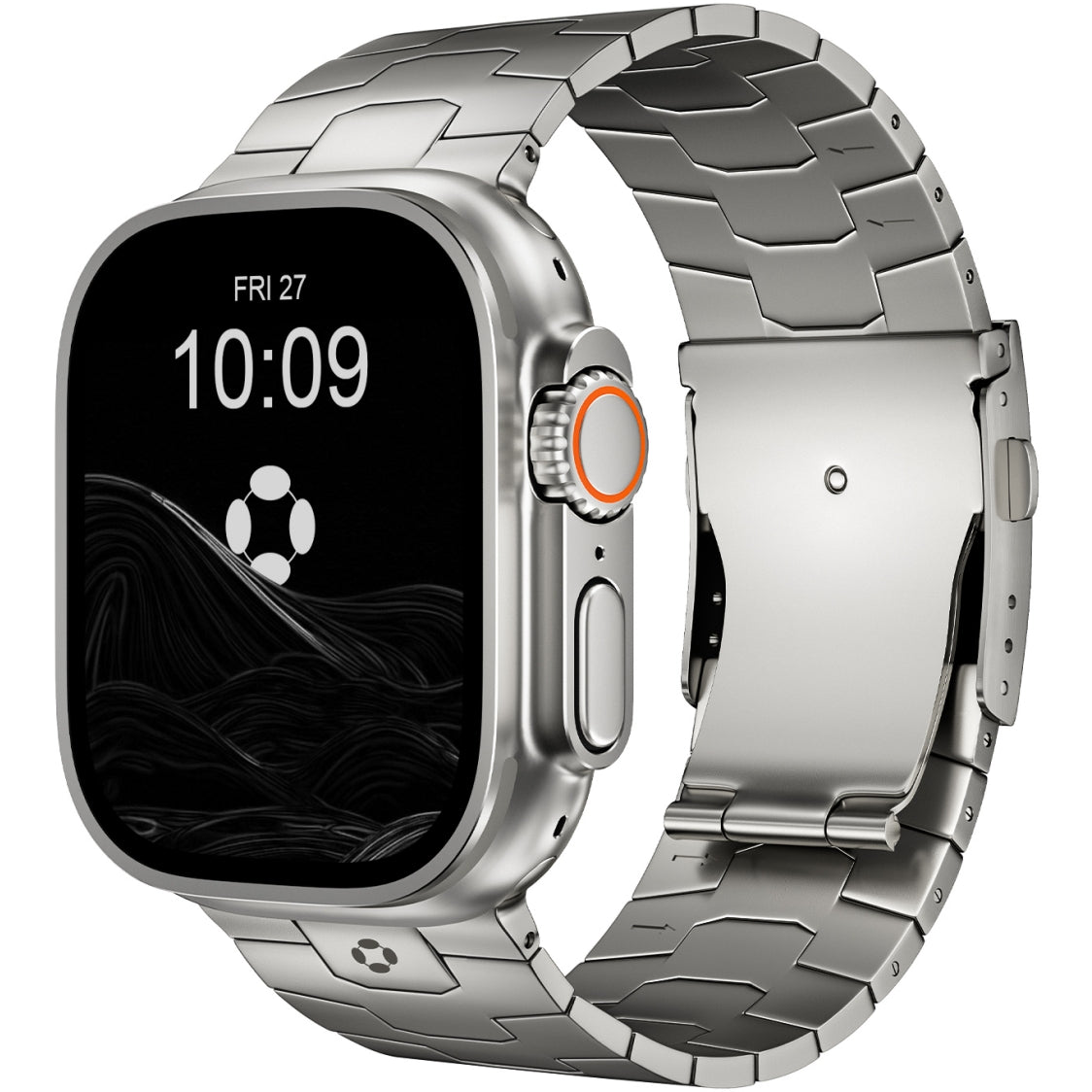
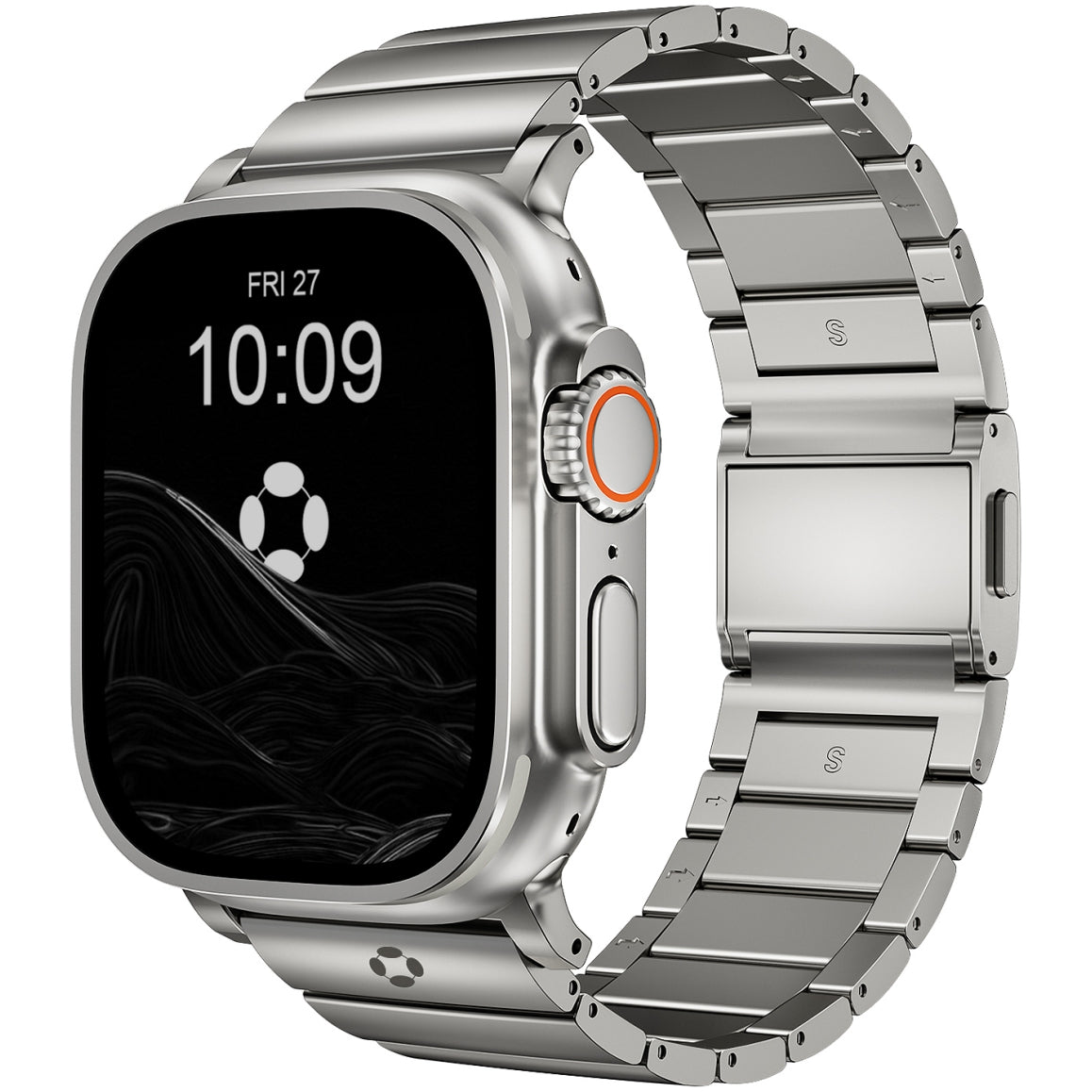
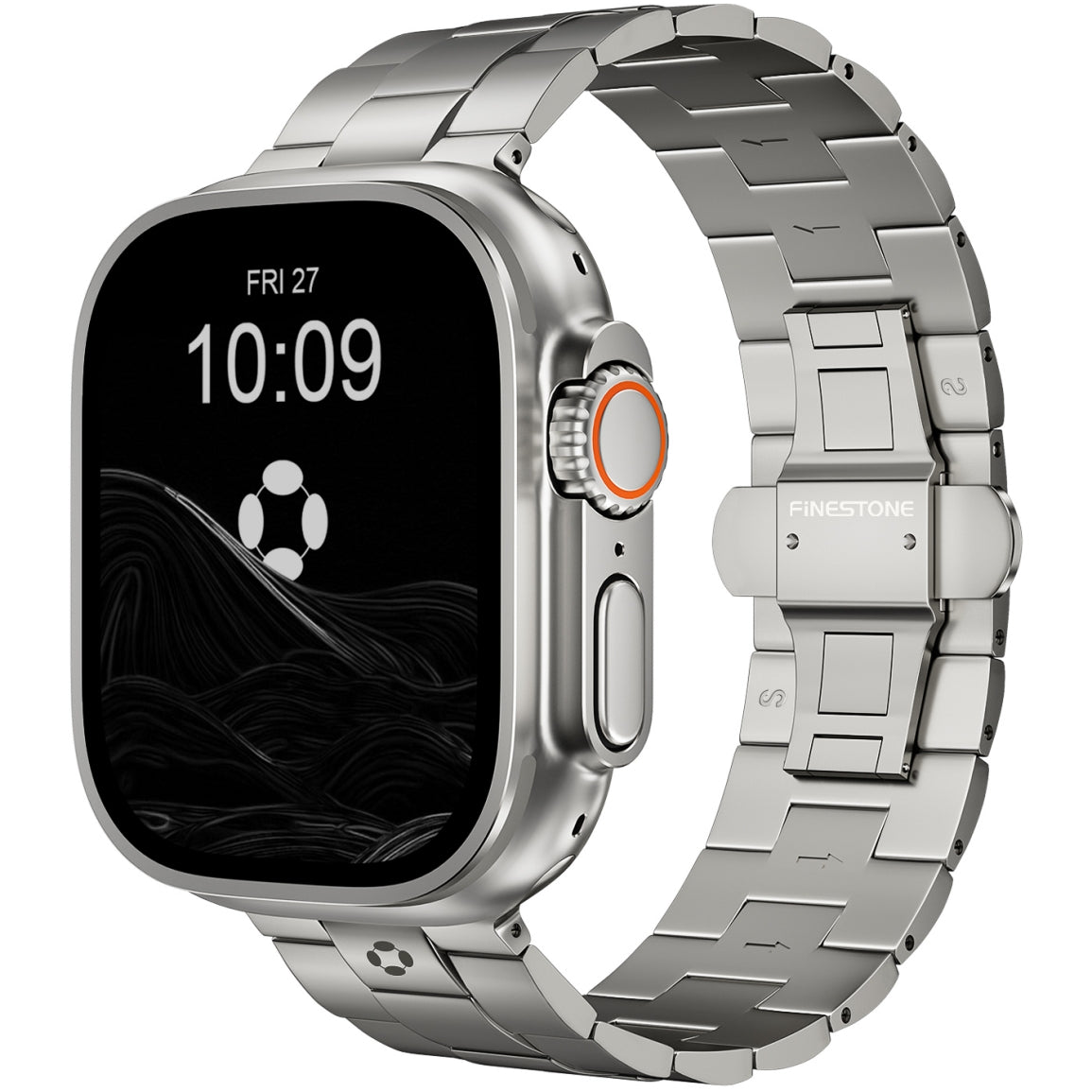
Brands that focus specifically on titanium—such as FiNESTONE—tend to pay closer attention to these details, which directly affects skin comfort over time.

Final Thoughts
So, does titanium cause skin irritation?
For the vast majority of people, no. Titanium is one of the most skin-friendly metals you can wear. When irritation does occur, it’s usually due to coatings, mixed materials, or poor finishing—not titanium itself.
If you have sensitive skin and want a comfortable, worry-free watch band, titanium remains one of the best choices available.