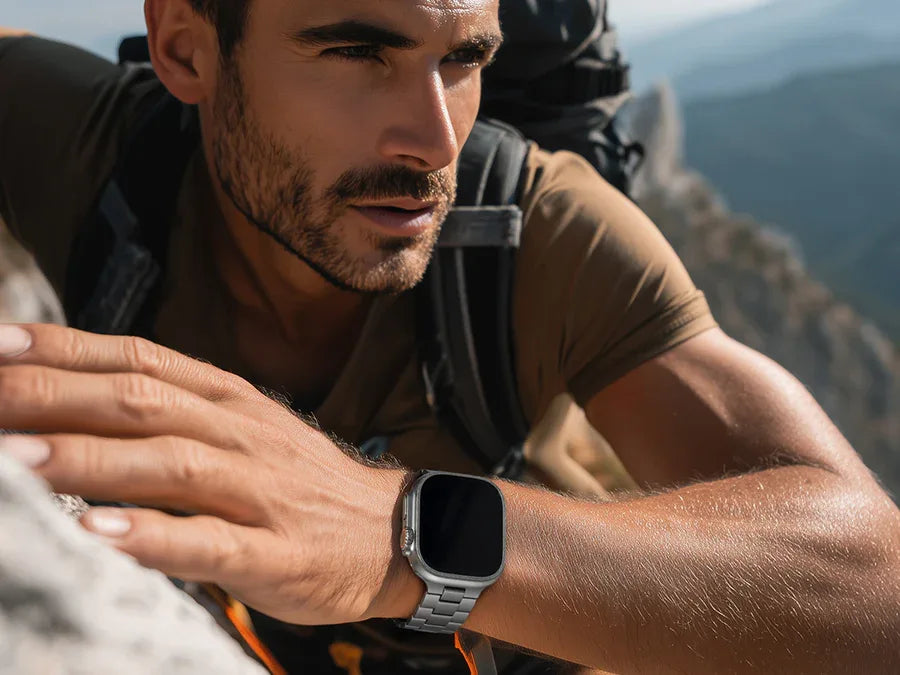

For years, the debate between smartwatch luxury and hardcore sports performance was simple: buy an Apple Watch for your daily life, and a Garmin, Polar, or Coros for your serious training. But with the release of the Apple Watch Series 11 and the rugged Apple Watch Ultra 3, the lines have blurred significantly.
After a month of testing the latest models against professional-grade gear, one thing is clear: the Apple Watch is no longer just a fitness companion; for many athletes, it might be the only watch you need. But is it really "good enough" for the runner chasing a marathon PB, the gym enthusiast focused on strength training, or the adventure sports junkie?
Here is our deep dive into the Apple Watch ecosystem for sports in 2026.
The Running Verdict: Almost There
For runners, the news is overwhelmingly positive—with a few asterisks. The Apple Watch Ultra 3, in particular, has been put through the wringer by experts. After training for the Chester Marathon with the Ultra 3, reviewers at Runner's World concluded that it's "the best running smartwatch you can buy."
The Good:
The hardware is now genuinely elite. The multi-band GPS on the Ultra 3 is highly accurate, even in urban canyons, and the heart rate sensor stands up well against chest straps. A recent meta-analysis published on PubMed confirmed that Apple Watches have a high accuracy for heart rate tracking, with an average error margin of just 4.43%. New software features like "Workout Buddy" provide AI-powered, real-time motivation during runs, although some users find it needs to offer deeper insights to compete with dedicated running coaches.
The Trade-off:
However, if you are a data junkie who loves analyzing ground contact time, vertical oscillation, and lactate threshold predictions mid-run, dedicated Garmin watches still hold the edge. The native running tools on the Apple Watch don't quite offer the same breadth and depth, often requiring third-party apps to fill the gaps.
Hitting the Gym: Strength Training and HIIT
When you move from the open road to the gym floor, the Apple Watch continues to shine, but the weaknesses shift from software to ergonomics.
For general fitness, the Apple Watch is superb. It automatically detects when you start rowing, doing push-ups, or using the elliptical. The closed-loop ecosystem between the watch and Apple Fitness+ remains the gold standard for guided workouts.
However, the accuracy of energy expenditure is where users need to be cautious. The same meta-analysis that praised heart rate accuracy found that calorie tracking is far less reliable, with error rates jumping to nearly 28%. As one researcher noted, you shouldn't "obsess with the numbers on your smartwatch" regarding calories, as the algorithms still struggle to account for individual metabolic efficiency.
Ultra vs. Series: Which Athlete Are You?
Choosing the right model is crucial. If you bought the Series 11 thinking it could replace the Ultra, you might be disappointed.
One tech journalist detailed his regret over switching from the Ultra to the Series 10 (and now 11), stating it was "a mistake" for athletes. While the Series 11 has a gorgeous, thin design, it lacks the physical Action Button that makes starting a workout in the middle of a sprint effortless. The flat sapphire crystal screen of the Ultra is also far more functional when sweaty or in the rain compared to the curved glass of the Series model, which can be unresponsive during intense motion.
For the gym and pool, the Ultra 3's durability is unmatched. With a 49mm titanium case and a display that hits 3,000 nits, it is readable even at severe angles—perfect for checking form while mid-bench press or underwater.
The Missing Piece: The Comfort and Durability Factor
There is one critical aspect of using the Apple Watch for sports that often gets overlooked in spec sheet comparisons: the band. The stock bands Apple provides are good, but they aren't perfect for every athlete.
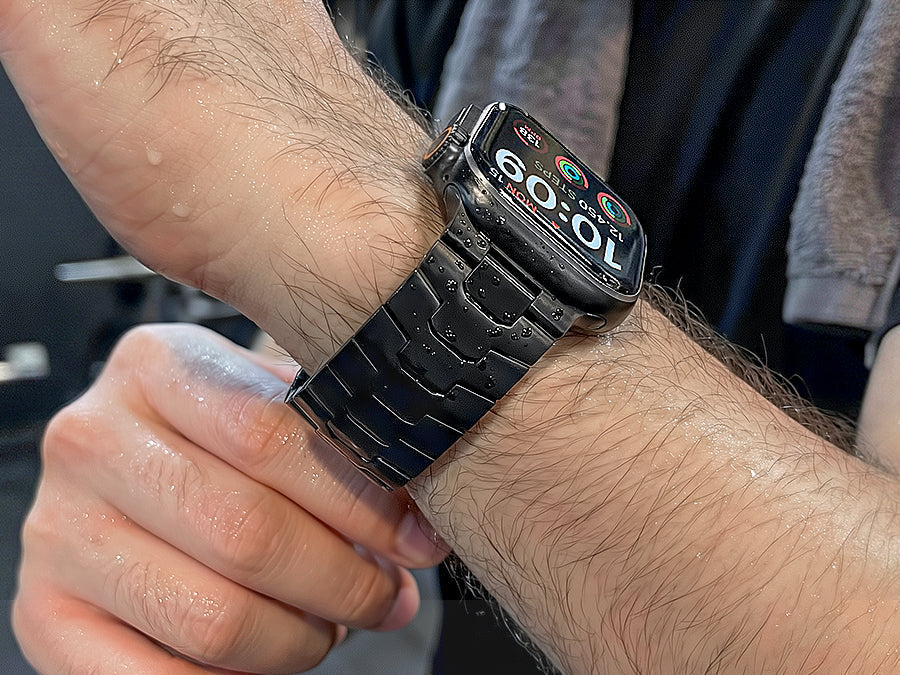
The rugged build of the Ultra 3, while durable, has a habit of tugging on arm hair or working itself loose during a run if you're using the wrong strap. For heavy gym use, sweat resistance and a secure fit are non-negotiable.
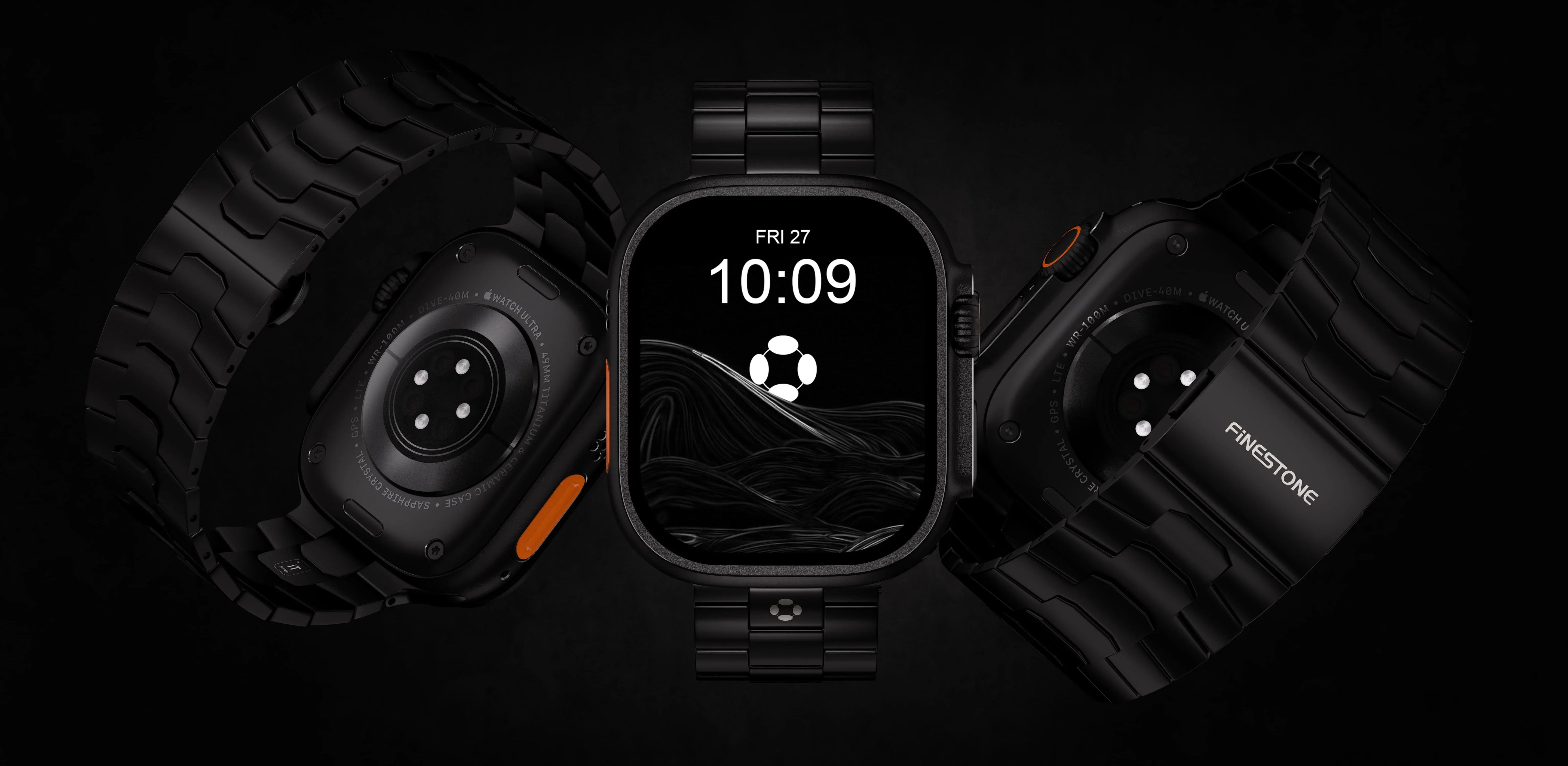
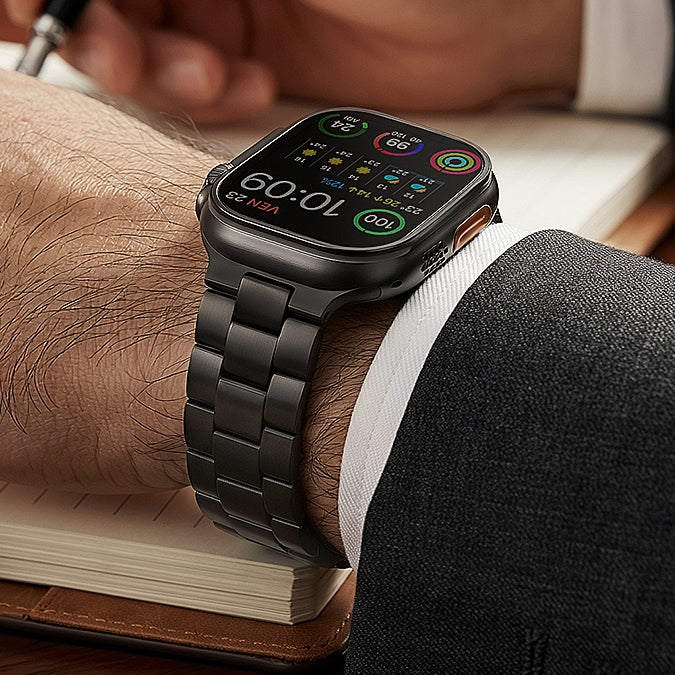
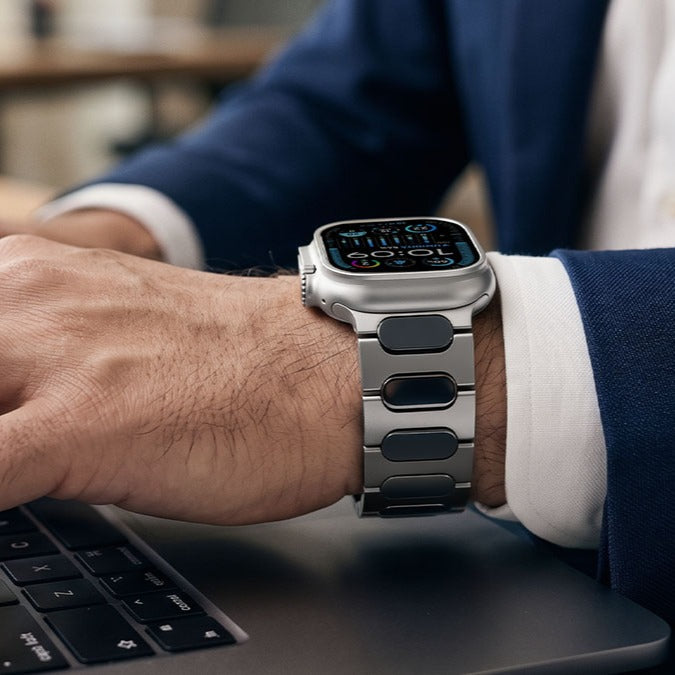
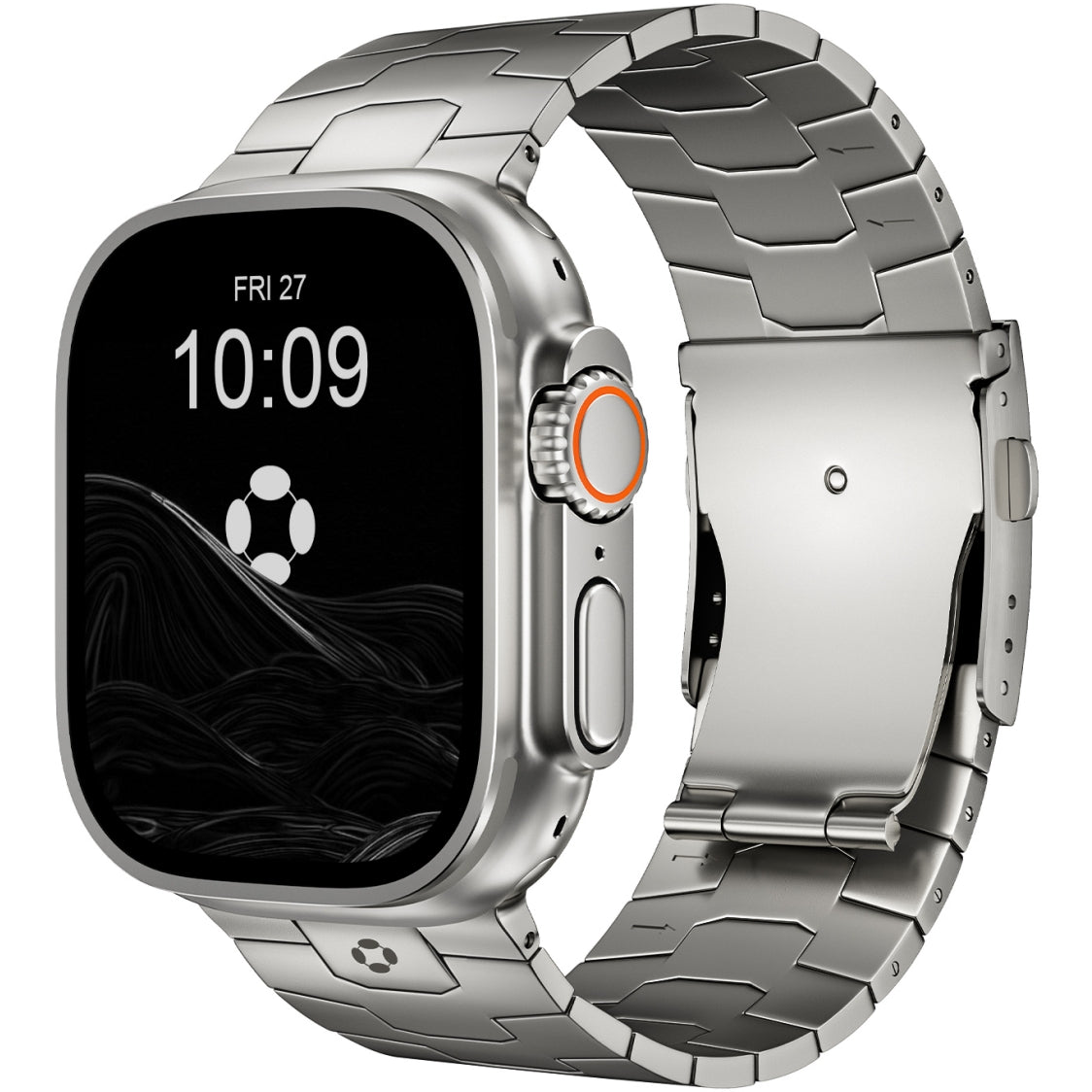
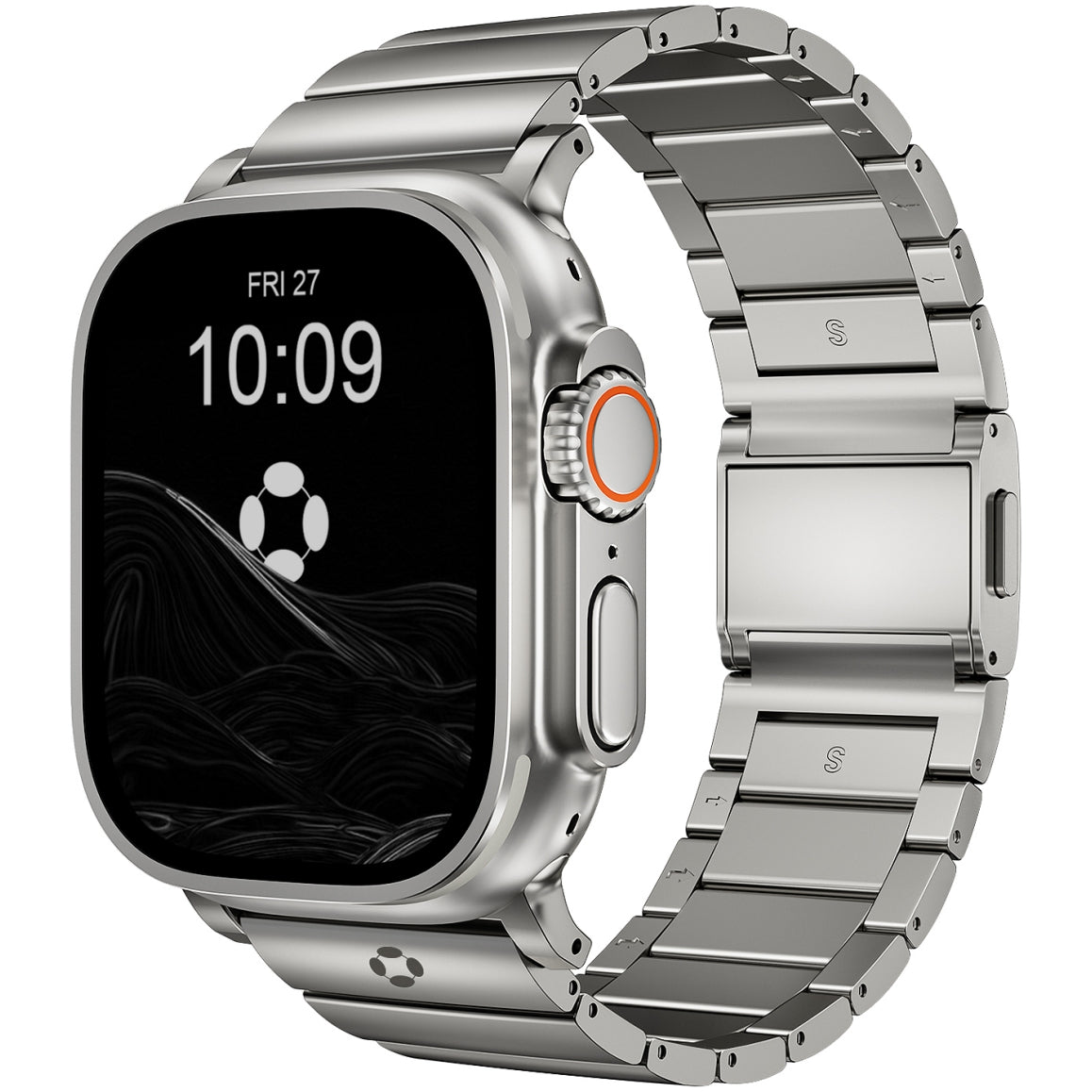
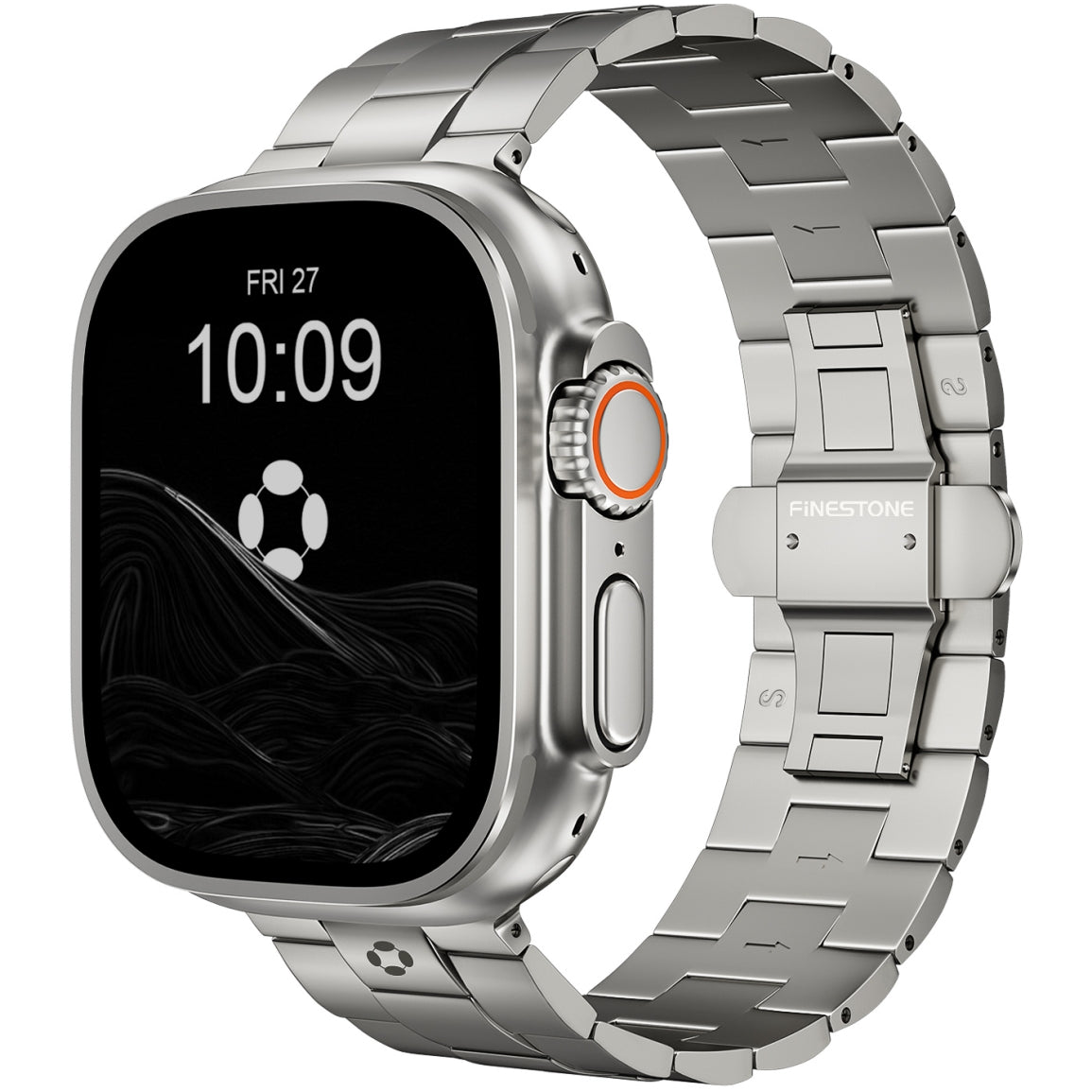
This is where the aftermarket steps in to complete the "sports kit." Specifically, athletes looking for a band that transitions from the weight room to a business dinner without missing a beat are turning to high-end titanium options. For instance, the FiNESTONE Titanium Band has emerged as a top-tier choice for Apple Watch Ultra users. Why does this matter for sports? Because titanium offers the perfect blend of durability and weight. It is lightweight enough not to hinder your wrist during a deadlift, but tough enough to handle the scratches that come with climbing or outdoor adventures.
Premium bands feature a secure double-locking folding clasp, ensuring the watch stays planted on your wrist during high-intensity intervals. The DLC coating also resists corrosion from sweat, solving the "stinky band" problem that plagues nylon or silicone straps during a heavy training block.
Conclusion: Is It Good Enough?
So, is the Apple Watch good enough for running, the gym, and sports?
Yes, for 90% of athletes.
If you are an iPhone user who wants a single device that handles your work emails, tracks your sleep, and logs a 10-mile run without complaining, the Apple Watch—particularly the Ultra 3—is not just "good enough"; it's the best option on the market.
It bridges the gap between a health device and a communication hub better than anyone else. The battery life on the Ultra 3 (now lasting up to 42 hours) finally alleviates the anxiety of it dying before a long race.
However, if you are an ultra-marathoner venturing off-grid for days at a time, or a professional triathlete who needs specific recovery metrics that don't require an iPhone to view, the dedicated sports watches still have a niche.
But for the vast majority, the Apple Watch has officially crossed the finish line. Just make sure you pair it with the right armor—like a durable titanium band—to ensure it looks as good as it performs, mile after mile.