
The Apple Watch is one of the most popular consumer electronics products on the planet. But popularity doesn't always equal necessity. For someone who's never worn a smartwatch, the question is simple: Is this actually worth the money for everyday life?
After wearing various Apple Watch models for years—through workouts, workdays, sleep, and everything in between—I've developed a clear sense of where it delivers genuine value and where it's merely nice to have.
Here's the honest answer.
What You Actually Use Every Day
If you read Apple's marketing materials, you might think the Apple Watch is a medical device, fitness coach, and outdoor adventure tool rolled into one. In reality, most people use a handful of features daily:
-
Notifications: Glancing at messages without pulling out your phone
-
Time and weather: The always-on display shows what you need instantly
-
Activity tracking: Closing rings, step counts, and stand reminders
-
Alarms and timers: Haptic taps wake you without disturbing others
-
Apple Pay: Paying with a double-click of the side button
-
Fitness tracking: Logging walks, runs, or gym sessions
That's it. The ECG, blood oxygen, temperature sensing, and noise monitoring are features you'll check once or twice and then mostly forget about unless a health concern arises .
The value proposition: If those daily features sound genuinely useful to you, the watch earns its place. If you're buying for advanced health sensors you'll rarely use, you might be disappointed.
Where the Watch Actually Changes Your Day
Some benefits of the Apple Watch only become apparent after you've worn one for a few weeks.
Less Phone Time
This is the biggest subtle benefit. When your wrist buzzes, you glance, decide if it matters, and move on. Without the watch, that same buzz means pulling out your phone—which often leads to "just checking" email, then scrolling social media, then realizing ten minutes have passed .
Never Miss Important Alerts
With the watch, you feel calls and messages even when your phone is in another room, on silent, or buried in a bag. For parents, caregivers, or anyone who needs to stay reachable, this is genuinely valuable.
Gentle Accountability
The stand reminders, the monthly challenges, the subtle pressure to close rings—it's surprisingly effective. You don't realize how much you sit until a device taps your wrist every hour to remind you to move.
Silent Alarms
A haptic tap on your wrist is infinitely better than an audible alarm. It wakes you without startling a partner, and it reminds you of calendar events without interrupting conversations.
What's Overhyped
Not every feature delivers equal value.
Advanced Health Sensors
Unless you have a specific condition (like atrial fibrillation), you'll likely use ECG once out of curiosity and never again. Blood oxygen and temperature sensing are interesting but not actionable for most healthy users .
Walkie-Talkie
This feature sounded fun. Almost no one uses it consistently.
Cellular Connectivity
For most people, the GPS-only model works perfectly. The phone is almost always within Bluetooth range. Paying an extra $100 plus a monthly carrier fee only makes sense if you regularly run or walk without your phone.
The Cost Question
Apple Watches range from $249 for the SE 3 to $799 for the Ultra 3. That's a significant purchase for something that's not a necessity.
Here's how to think about value:
-
SE 3 at $249: Excellent value. You get fall detection, heart rate alerts, emergency SOS, and all the core daily features. If you're unsure about smartwatches, start here.
-
Series 11 at $399: The sweet spot. You get always-on display, ECG, blood oxygen, and the slimmer design. For most people, this is the right balance of features and price.
-
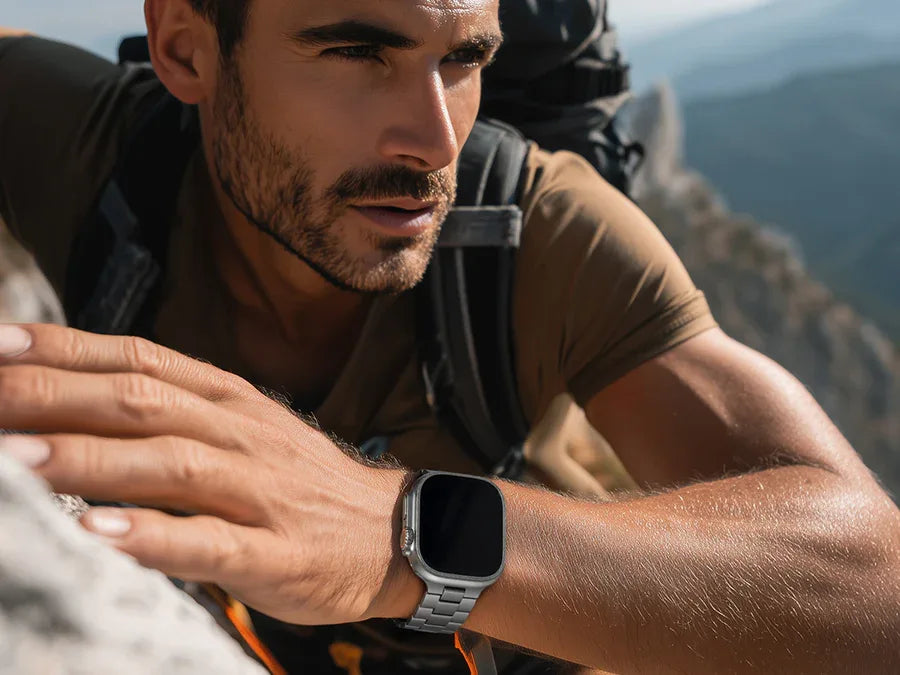
Ultra 3 at $799: Hard to justify for everyday use unless you're an athlete, adventurer, or someone who truly hates charging daily. The 63-hour battery is wonderful, but the size and weight are noticeable on the wrist.
Hidden Costs to Consider
The watch itself isn't the only expense.
Bands
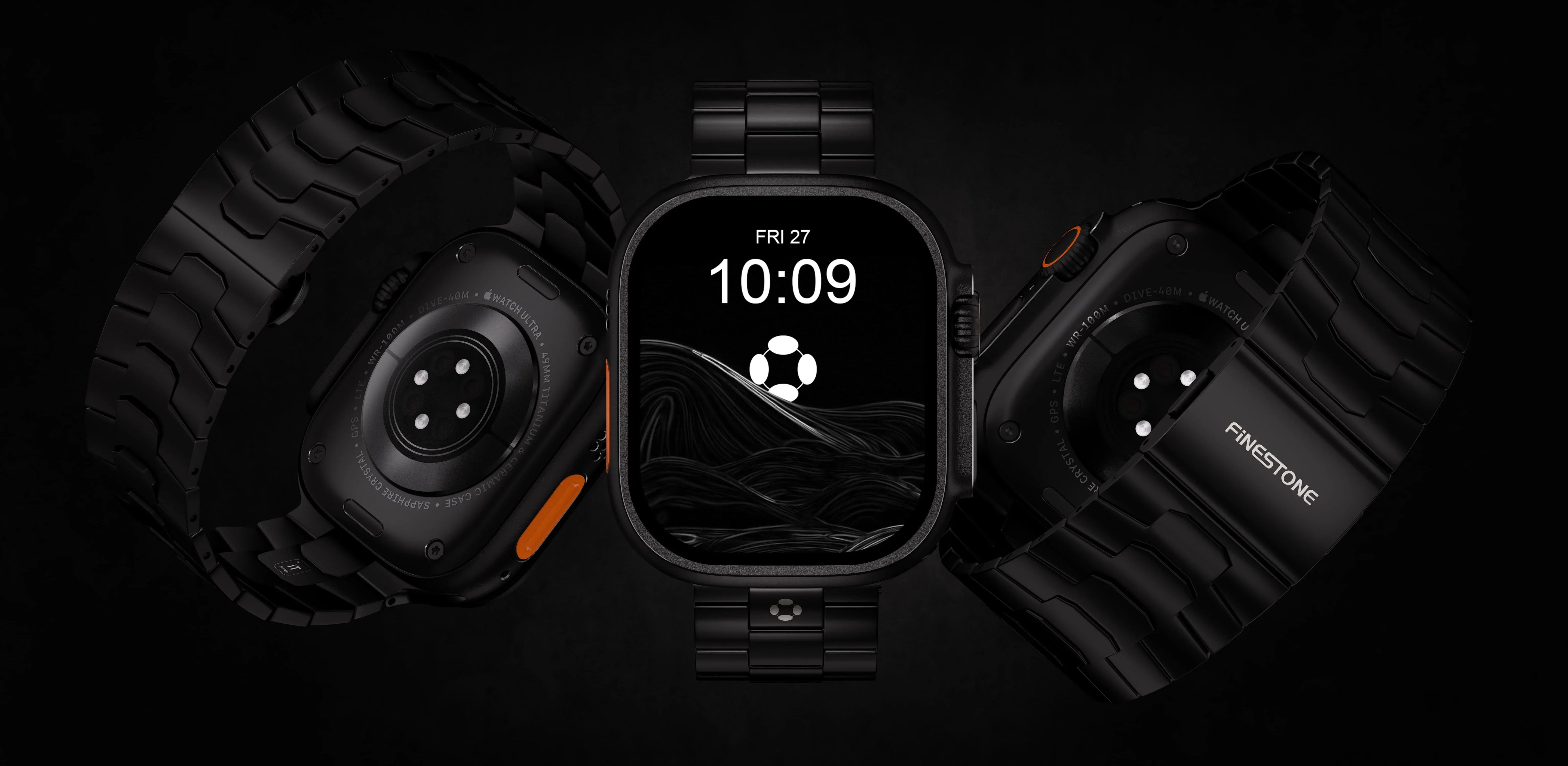
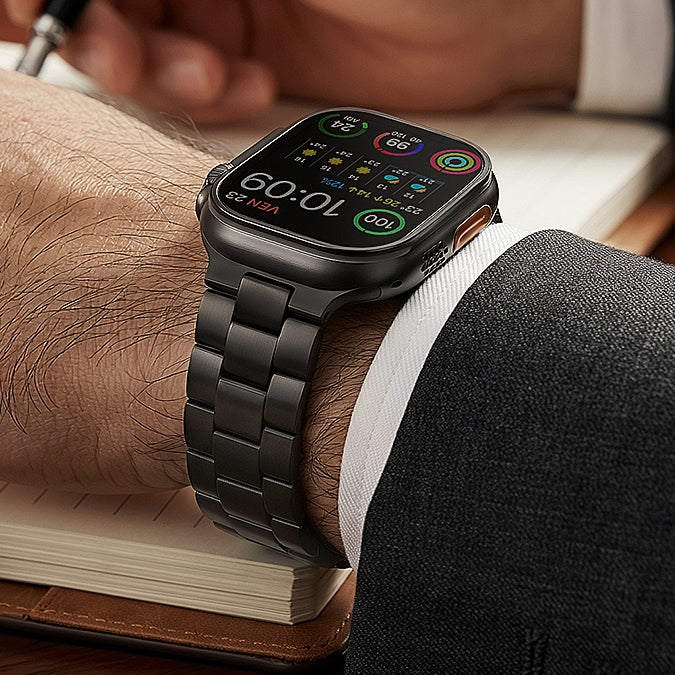
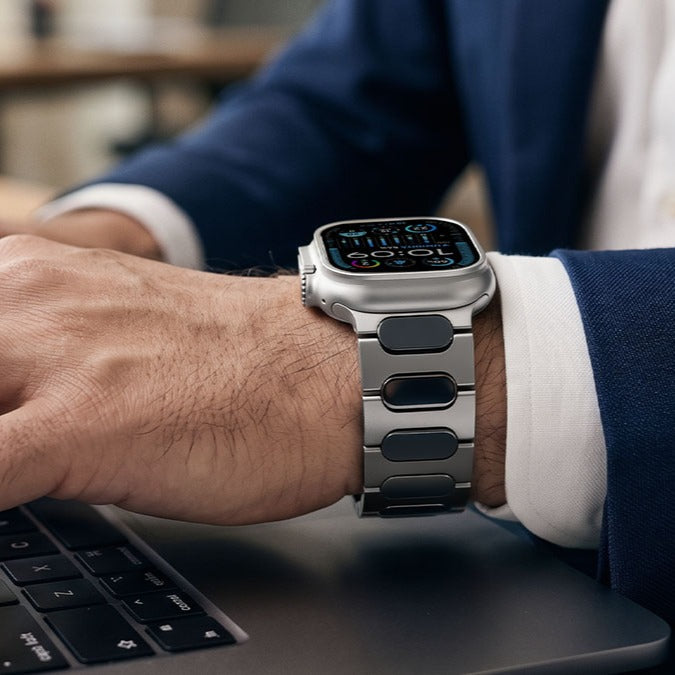
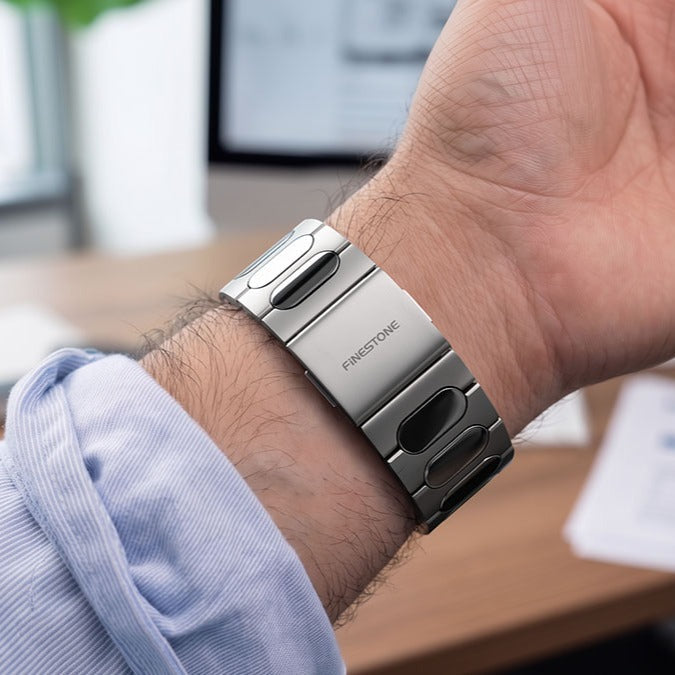
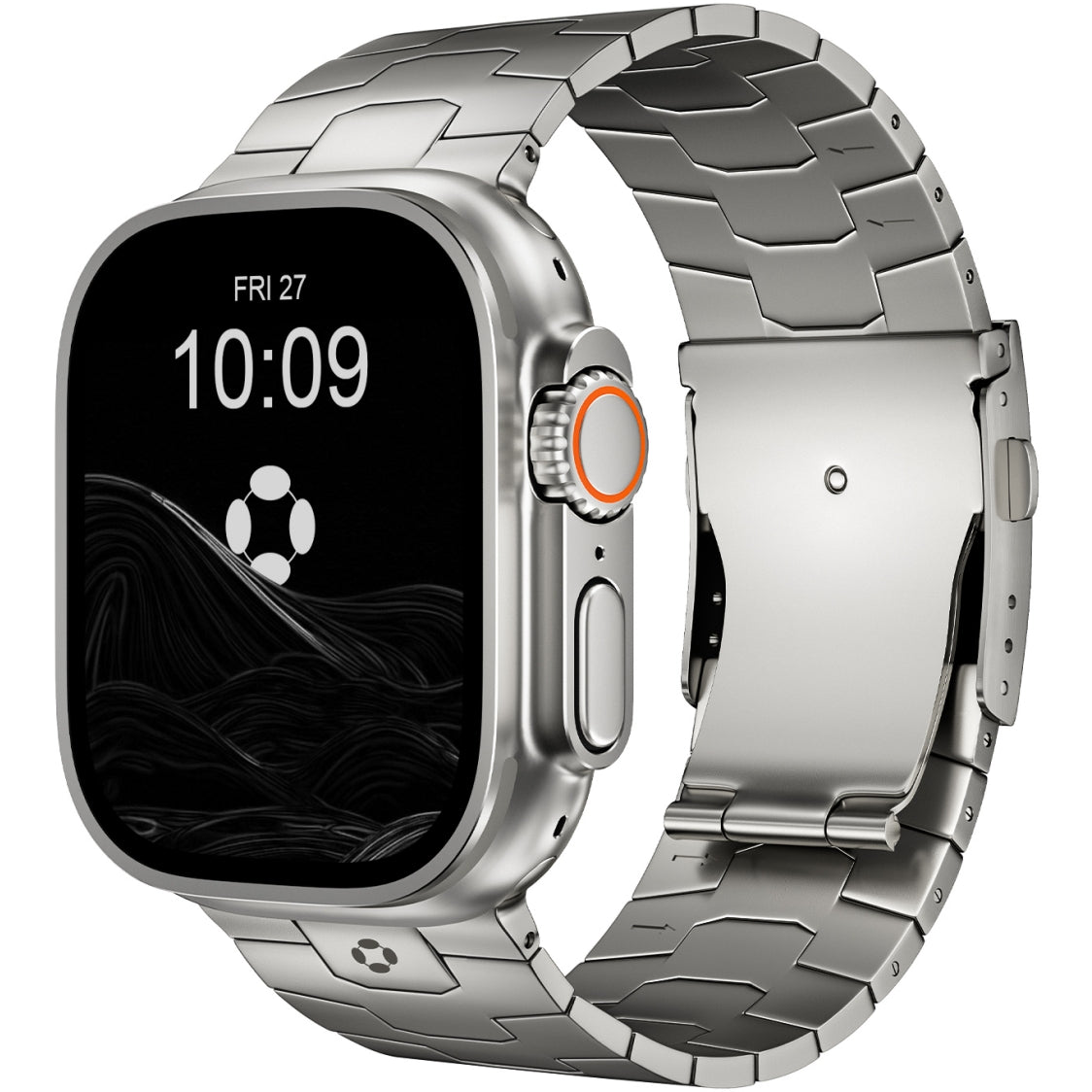
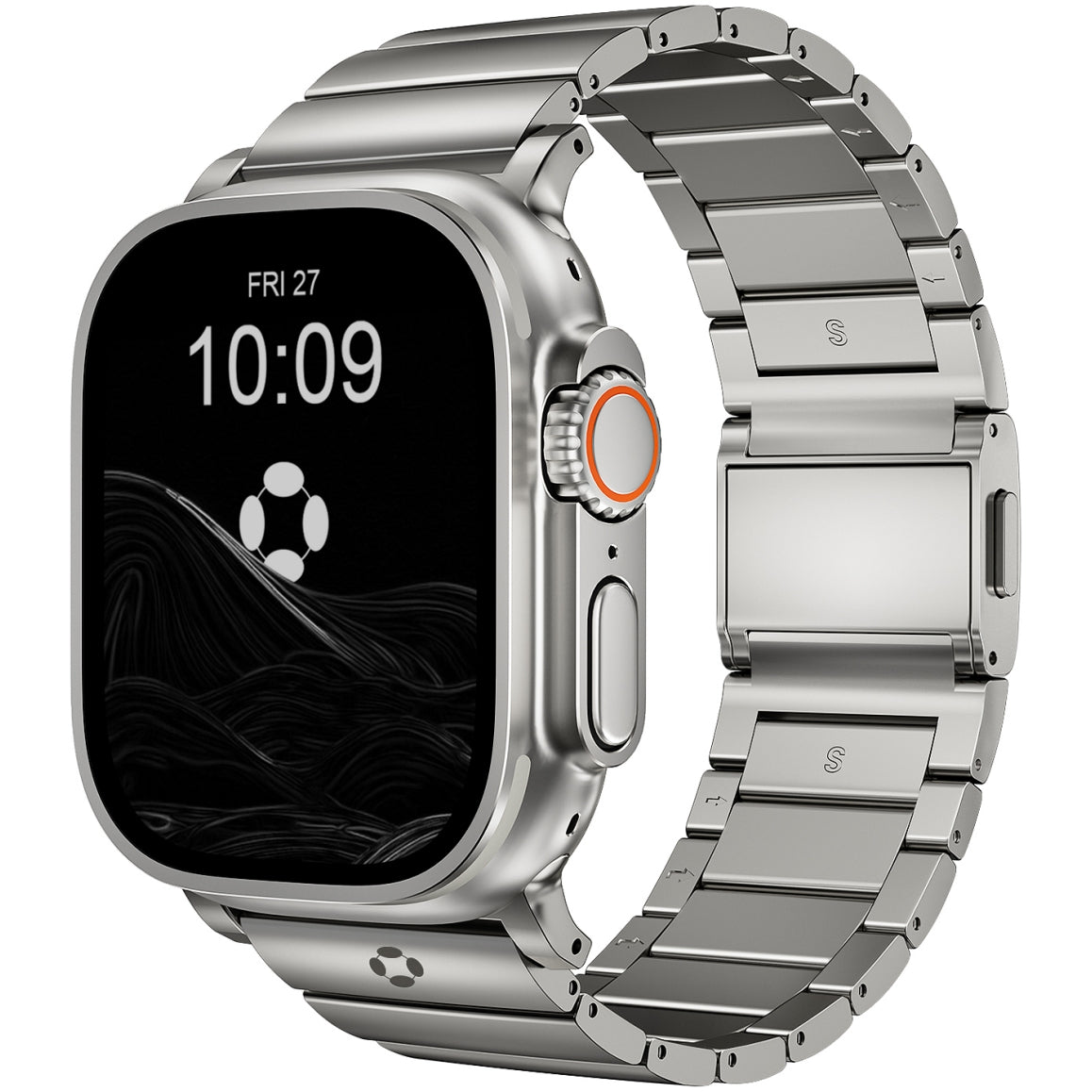
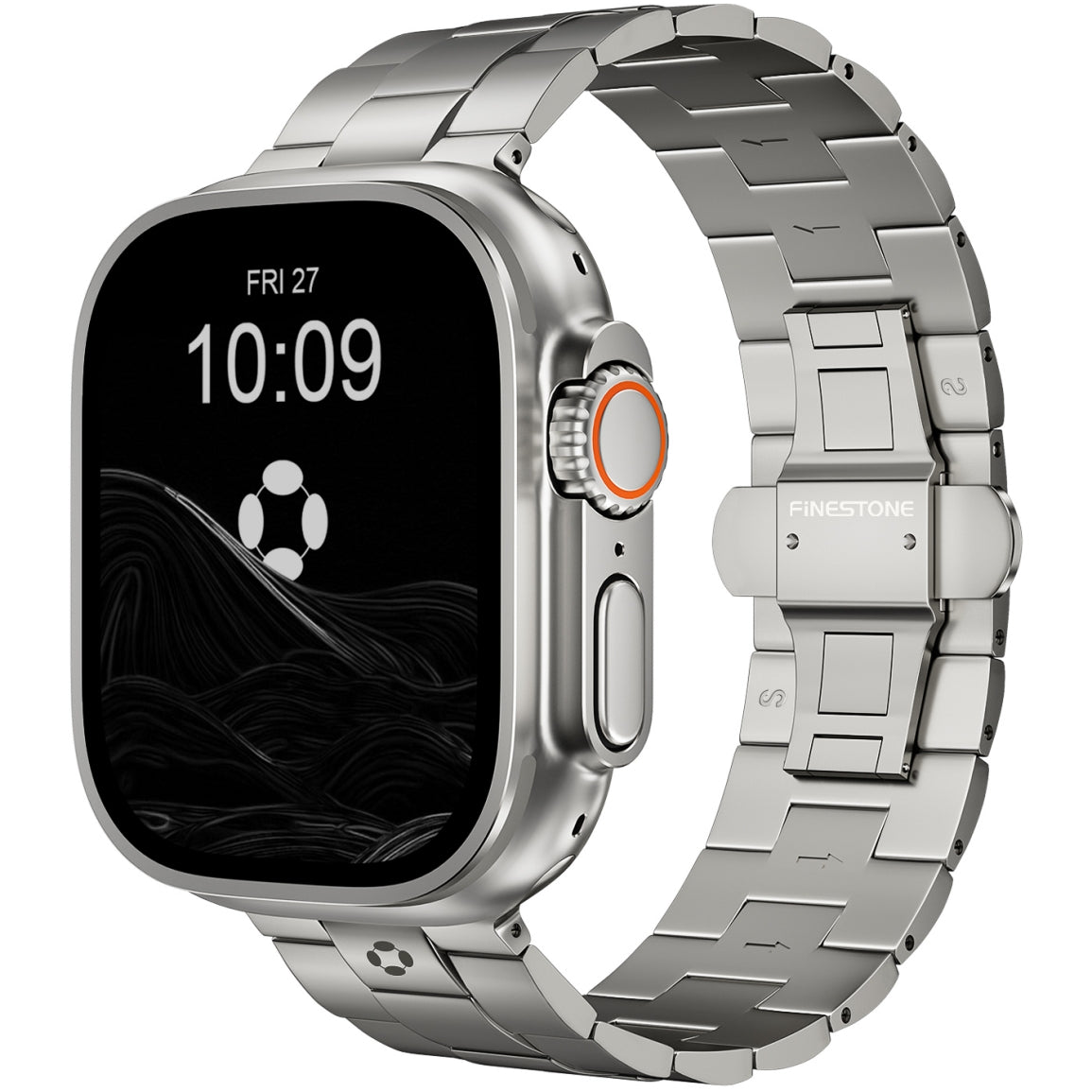
The stock Sport Band works, but it traps sweat and doesn't suit all occasions. Many users end up buying additional bands. A premium band like the FiNESTONE Titanium Band transforms daily wear—lightweight, scratch-resistant, and comfortable enough for 16-hour days—but it adds to the overall investment.
Screen Protectors
Sapphire screens (on stainless steel and Ultra models) resist scratches well. Aluminum models with Ion-X glass can scratch more easily. Many users opt for screen protectors.
AppleCare+
At $3–$5 per month, AppleCare+ provides peace of mind for a device you wear constantly and inevitably bump into things. It's worth considering given the repair costs.
Who Should Buy (and Who Should Skip)
Buy if:
-
You constantly miss calls or messages because your phone is on silent
-
You want to reduce how often you pull out your phone
-
You're focused on improving daily activity and movement
-
You value safety features like fall detection for yourself or an older parent
-
You appreciate subtle haptic notifications over audible alerts
Skip if:
-
You're on a tight budget and a $250–$400 expense feels significant
-
You already have a fitness tracker that meets your needs
-
You don't like wearing watches or find them uncomfortable
-
You're buying primarily for health sensors you don't have a specific need for
-
You use an Android phone (the Apple Watch won't work at all)
The Long-Term Perspective
One thing not often discussed: Apple Watches hold their value poorly compared to iPhones. After 2–3 years, battery health declines, software updates may slow performance, and trade-in values are modest . This isn't a one-time purchase; it's a device with a lifespan.
That said, the SE models offer a more cost-effective path. You get the core experience without paying for features you may not use, and the lower entry price makes the eventual upgrade less painful.
The Bottom Line
Is the Apple Watch worth it for everyday use?
For most iPhone users, yes—with the right expectations.
It won't transform your health overnight. It won't replace your phone. But it will subtly improve how you interact with notifications, reduce how often you reach for your phone, and keep you accountable for daily movement in a way that feels encouraging rather than demanding .
The SE 3 offers the best value for first-time buyers. The Series 11 is the sweet spot for most users. The Ultra 3 is overkill unless you have specific outdoor or endurance needs.
And if you do buy one, budget for a comfortable band. The stock option works, but a premium choice like FiNESTONE makes the difference between a watch you tolerate and one you genuinely enjoy wearing every day.
At its best, the Apple Watch isn't a gadget you think about—it's a tool that quietly makes your day slightly easier. For many people, that's worth the price.