
Choosing the right watch band is just as important as choosing the watch itself. The material of your watch strap affects comfort, durability, appearance, and suitability for different activities.
From classic leather to modern silicone and rugged nylon, each material offers unique benefits. Understanding these differences can help you choose a watch band that fits your lifestyle, climate, and daily routine.
In this guide, we’ll break down the four most common watch band materials—leather, metal, silicone, and nylon—and explain when each one works best.
Leather Watch Bands: Classic Style and Comfort
Leather is one of the oldest and most traditional watch strap materials. It’s widely used in dress watches and business settings because of its refined and elegant appearance.
Advantages of leather watch straps
-
Classic and timeless design
-
Comfortable and flexible on the wrist
-
Develops a unique patina over time
-
Pairs well with formal outfits
High-quality leather straps are often made from full-grain or top-grain leather, which improves durability and aging characteristics.
Limitations of leather
Leather straps are sensitive to sweat, humidity, and water exposure. Over time, moisture can cause leather to crack or develop odors.
Best for
-
Office or professional environments
-
Formal occasions
-
Traditional watches
Because of these limitations, leather straps are usually best for moderate daily wear rather than intense activity.
Metal Watch Bands: Durable and Premium
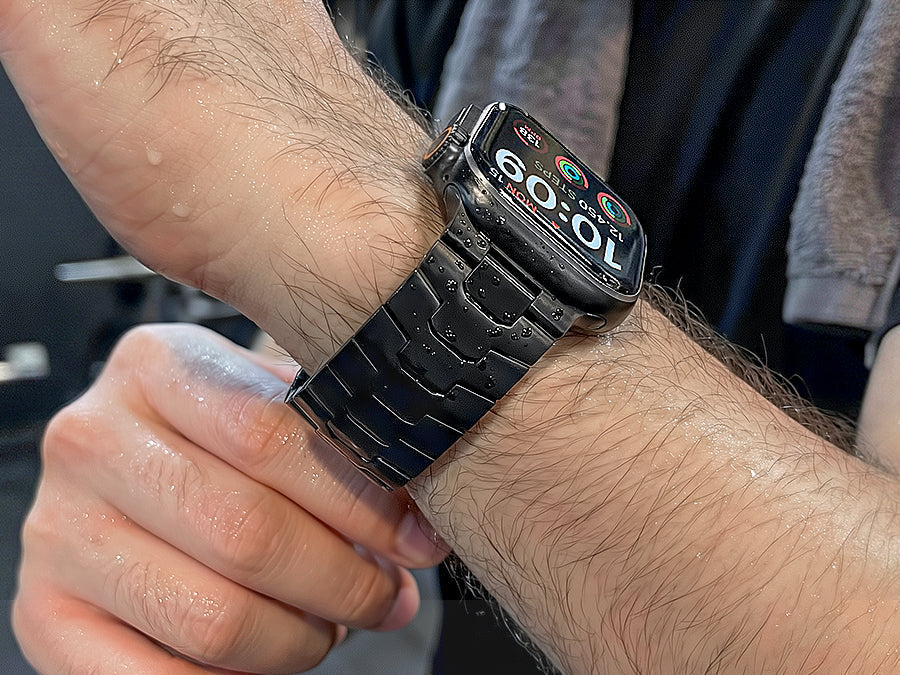
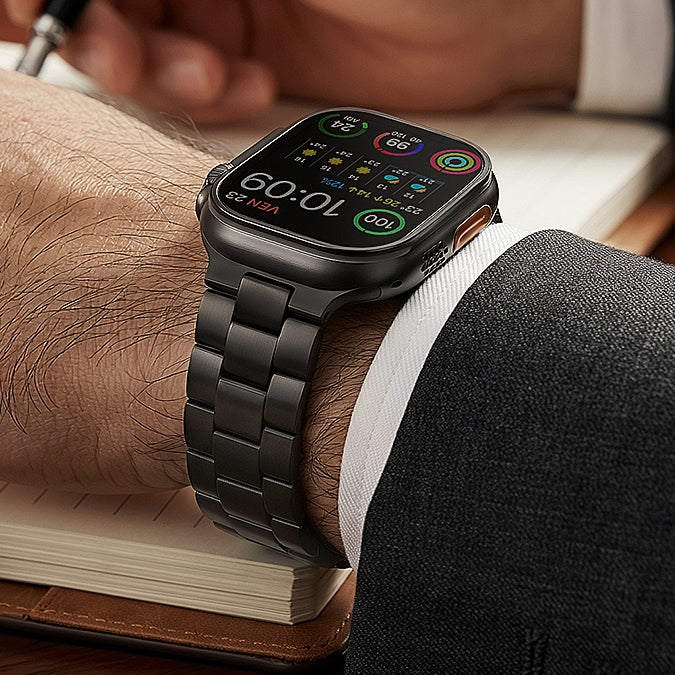
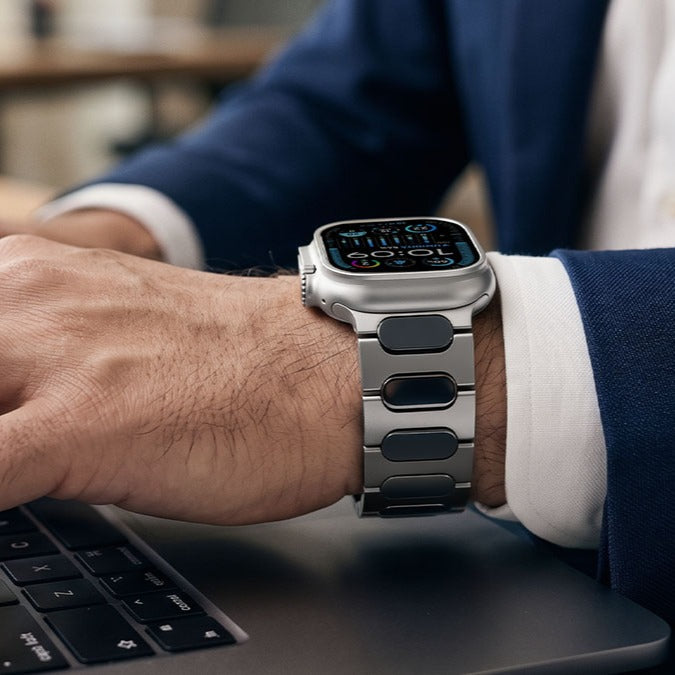
Metal watch bands are known for their durability, longevity, and premium look. They are commonly found on both traditional watches and modern smartwatches.
Common metal band types include:
-
Stainless steel bracelets
-
Titanium bands
-
Milanese mesh straps
Advantages of metal bands
-
Extremely durable and long-lasting
-
Resistant to sweat and moisture
-
Easy to clean and maintain
-
Professional and polished appearance
Stainless steel bracelets have been widely used for decades due to their strength and classic design.
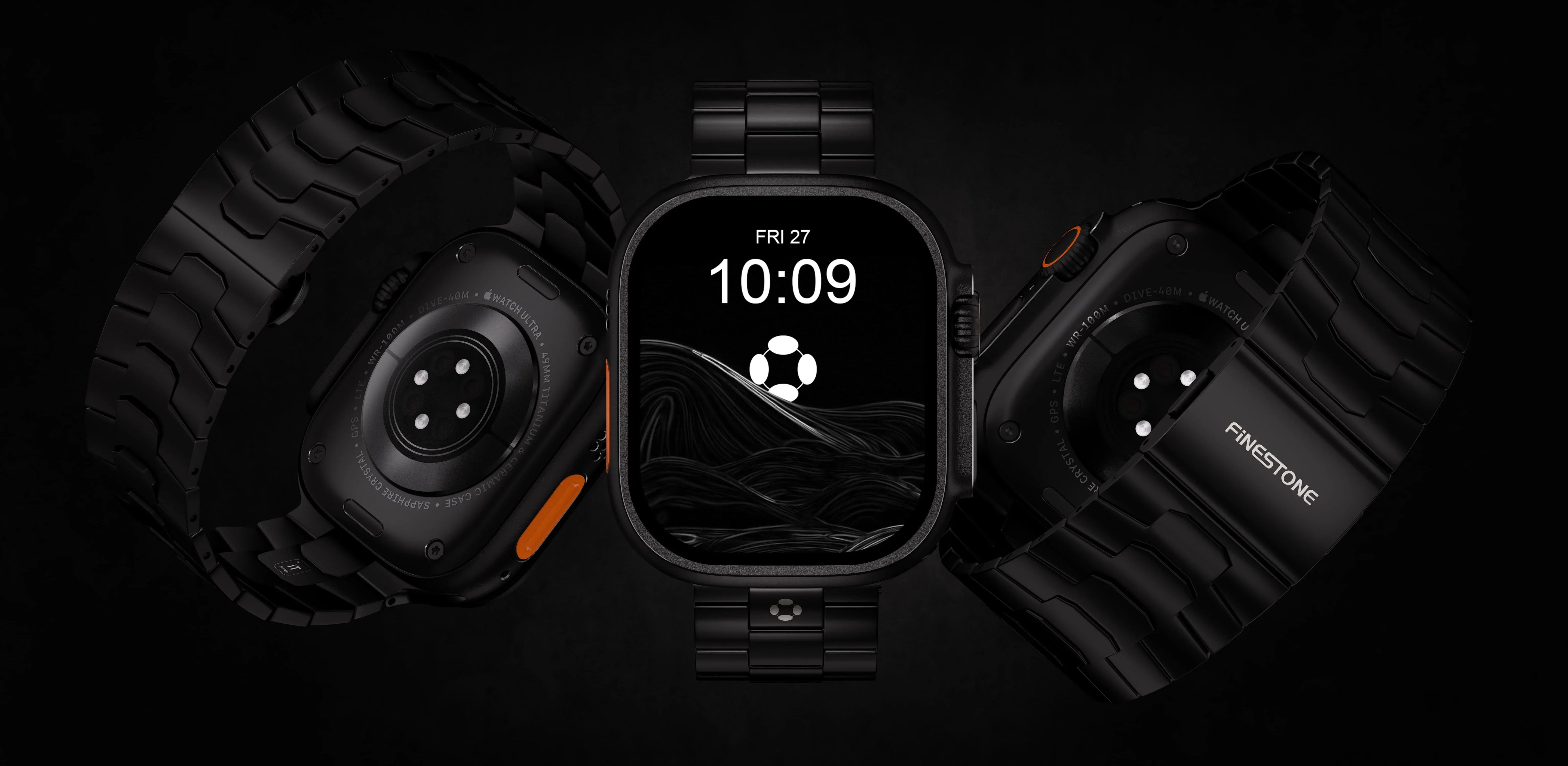
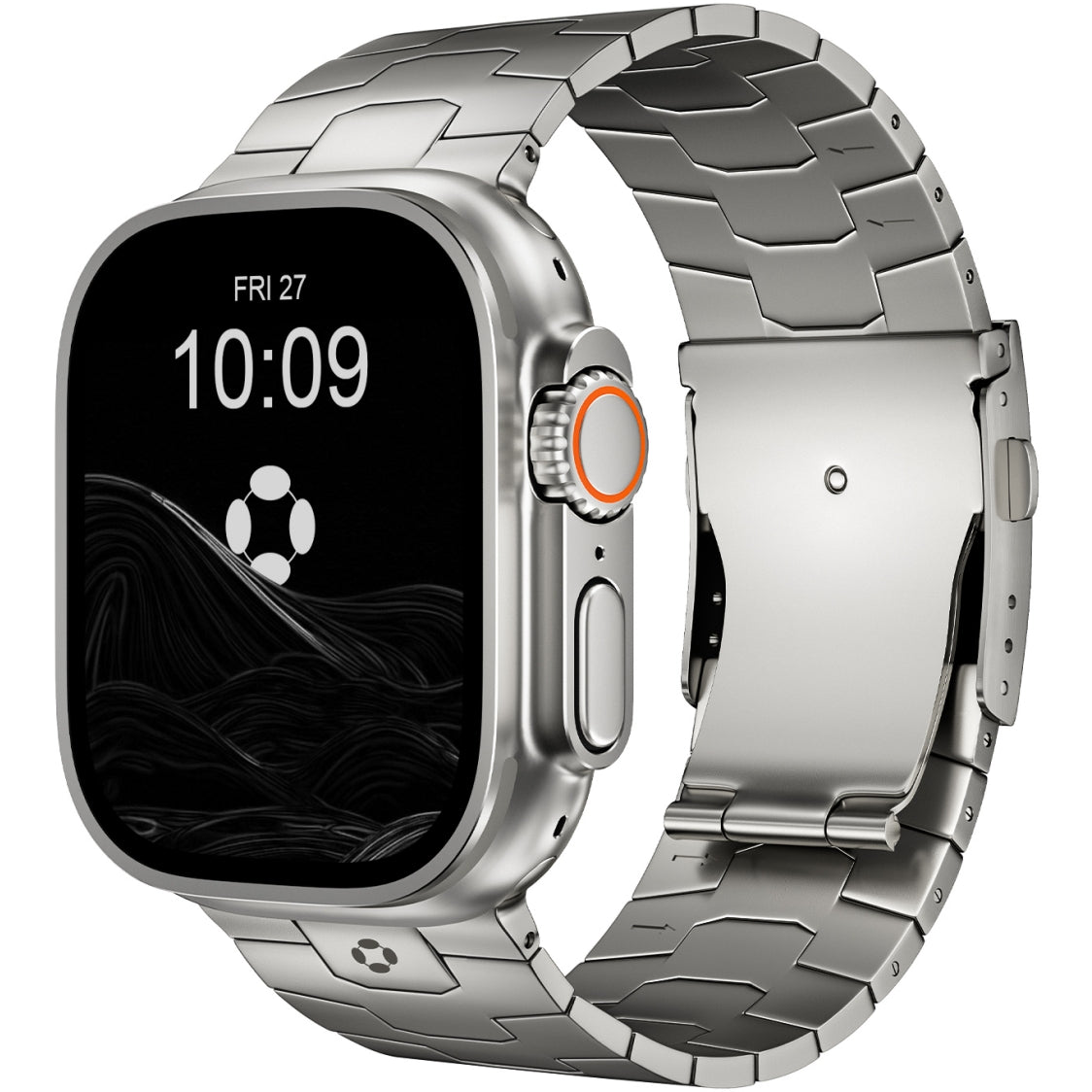
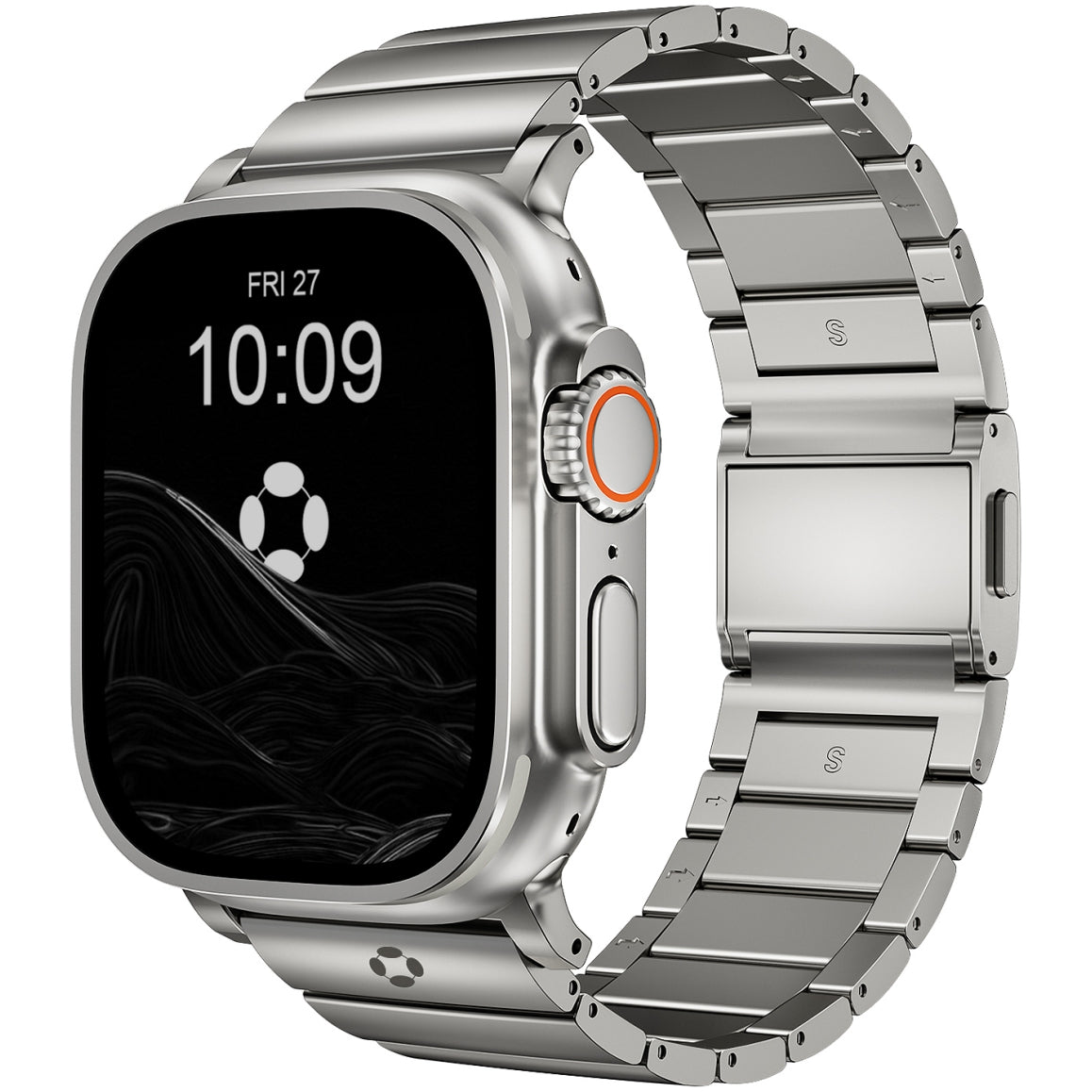
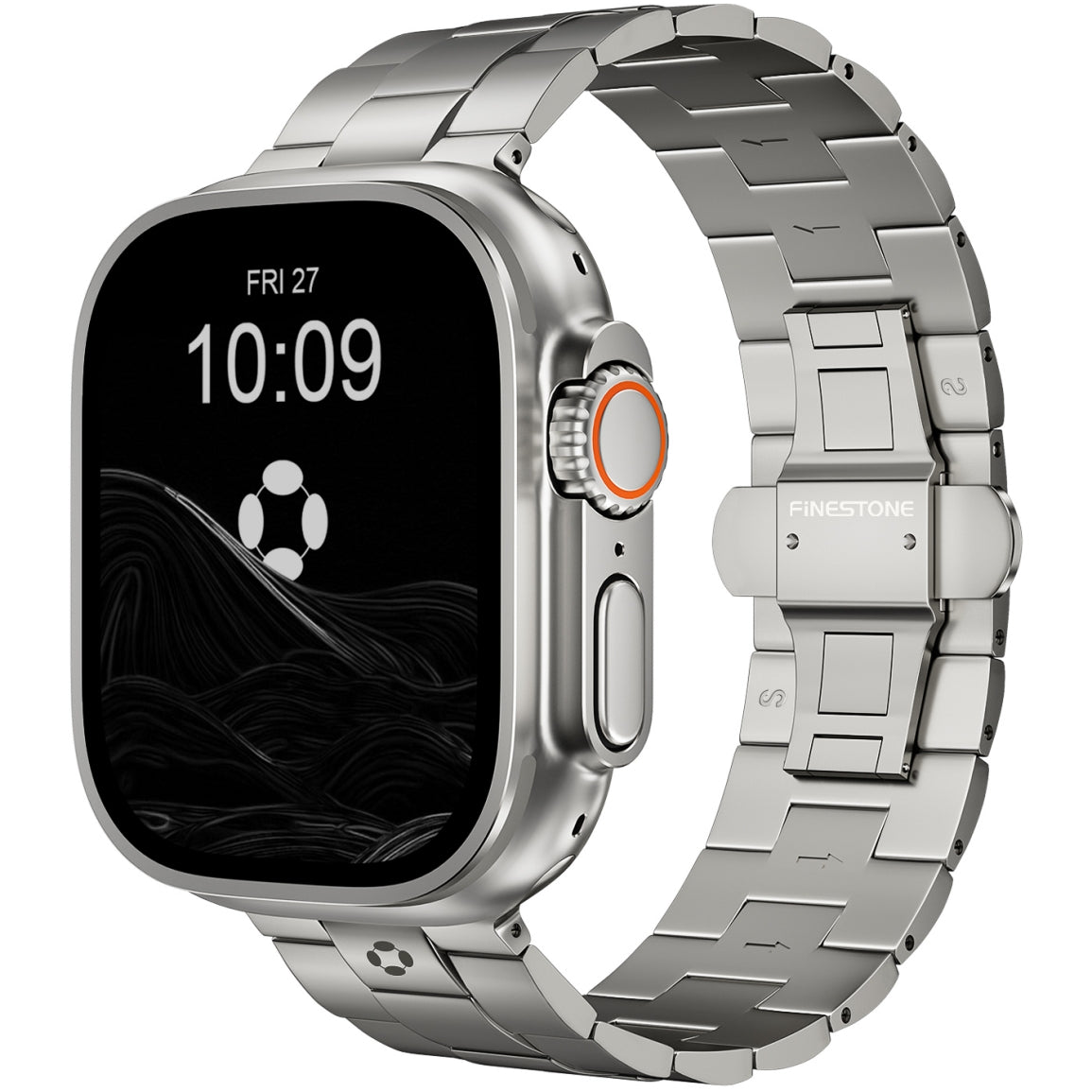
Titanium, however, has become increasingly popular because it offers a strong yet lightweight alternative to steel. Titanium is about 40% lighter than stainless steel while maintaining excellent durability.
Some modern smartwatch accessories reflect this trend. For example, titanium Apple Watch bands from Finestone focus on combining durability with lightweight comfort, allowing users to enjoy the premium feel of metal without the heaviness associated with traditional steel bracelets.
Best for
-
Professional environments
-
Everyday wear
-
Long-term durability
Silicone Watch Bands: Best for Sports and Fitness
Silicone watch bands are widely used in sports watches and fitness trackers.
These bands are made from flexible rubber-like materials that provide excellent resistance to sweat, water, and extreme temperatures.
Benefits of silicone straps
-
Waterproof and sweat resistant
-
Flexible and comfortable
-
Durable in harsh conditions
-
Easy to clean after workouts
Many silicone sport bands include ventilation holes, which improve airflow and help reduce sweat buildup during exercise.
Best for
-
Gym workouts
-
Running or cycling
-
Outdoor sports
-
Swimming and water activities
The main drawback is that some silicone bands may feel warm in hot climates compared with breathable fabric straps.
Nylon Watch Bands: Lightweight and Breathable
Nylon watch bands are popular for their breathability and lightweight comfort.
Originally used in military watches, nylon straps are designed to withstand demanding environments while remaining comfortable for extended wear.
Advantages of nylon bands
-
Extremely lightweight
-
Breathable woven material
-
Flexible and comfortable
-
Durable under daily stress
Because nylon allows air to circulate around the wrist, it helps reduce sweat buildup during long wear.
Best for
-
Outdoor activities
-
Casual daily wear
-
Travel and adventure
However, nylon straps can absorb sweat or water, so occasional washing is recommended.
Quick Comparison of Watch Band Materials
| Material | Comfort | Durability | Best Use |
|---|---|---|---|
| Leather | High | Moderate | Formal and office wear |
| Metal | Moderate–High | Very high | Everyday and professional |
| Silicone | High | High | Sports and fitness |
| Nylon | High | High | Outdoor and casual wear |
Each material offers a different balance of style, durability, and comfort, so the best choice depends on how you wear your watch.
How to Choose the Right Watch Band Material
When selecting a watch strap, consider the following factors:
Your lifestyle
If you exercise frequently, silicone or nylon may be the best choice.
Climate
Hot climates often favor breathable materials like nylon.
Style preference
Leather and metal bands usually work best for professional settings.
Long-term durability
Metal bands—especially titanium or stainless steel—typically last the longest.
Many watch enthusiasts even rotate between multiple straps depending on the occasion.
Final Thoughts
Watch band materials have evolved significantly, offering options for every lifestyle and activity.
To summarize:
-
Leather straps provide timeless style for formal wear
-
Metal bands offer durability and a premium appearance
-
Silicone straps are ideal for sports and active use
-
Nylon bands deliver lightweight comfort and breathability
Understanding these differences helps you choose a strap that not only looks great but also fits your daily routine.
A well-chosen watch band can improve comfort, functionality, and overall watch experience, making your watch feel perfectly suited to your lifestyle.