
Smartwatches have evolved from simple step counters into powerful wearable computers. Today’s models can track health metrics, monitor workouts, display notifications, and even make calls directly from your wrist.
Among all smartwatch brands, the Apple Watch is often considered the industry leader. But strong competitors like Samsung Galaxy Watch, Garmin, Fitbit, and Amazfit also offer impressive features—sometimes even outperforming Apple in certain areas.
So the real question is: Is the Apple Watch actually better than other smartwatches?
In this in-depth guide, we’ll compare Apple Watch with other popular smartwatches across design, features, ecosystem integration, battery life, and overall value.
Design and Display Quality
One of the first differences between Apple Watch and many other smartwatches is design philosophy.
Apple Watch design
Apple Watches feature a rectangular display, optimized for reading notifications, messages, and apps. The bright Retina display offers excellent clarity and visibility outdoors.
Other smartwatch designs
Many competitors, such as Samsung or Garmin, use round watch faces that resemble traditional analog watches.
Each style has advantages:
-
Apple Watch: Better for apps and text readability
-
Round watches: More traditional watch aesthetic
Both Apple and Samsung offer high-quality OLED displays, though Apple often leads in display brightness and software polish.
Ecosystem and Smartphone Compatibility
The biggest factor when choosing a smartwatch is which phone you use.
Apple Watch
Apple Watch only works with iPhones. However, the integration is extremely smooth:
-
Syncs with Apple Health and Fitness+
-
Controls iPhone apps, music, and messages
-
Connects easily with AirPods, Mac, and iPad
This tight ecosystem integration is one of Apple Watch’s biggest strengths.
Other smartwatches
Many competitors run Wear OS or proprietary systems, which work best with Android devices.
Examples include:
-
Samsung Galaxy Watch
-
Google Pixel Watch
-
Fitbit devices
These watches often support more devices, but the integration may not feel as seamless as Apple’s ecosystem.
Health and Fitness Tracking
Health tracking is one of the main reasons people buy smartwatches today.
Both Apple and competing brands offer similar core features:
-
Heart rate monitoring
-
Sleep tracking
-
Workout detection
-
Blood oxygen monitoring
-
GPS tracking
However, there are key differences.
Apple Watch strengths
Apple Watches are widely known for accurate health monitoring and refined software algorithms.
Key health features include:
-
ECG heart monitoring
-
Irregular rhythm notifications
-
Temperature tracking
-
Advanced activity rings and Fitness+ integration
Competitor advantages
Some other smartwatches include additional metrics that Apple doesn’t offer yet.
For example, Samsung Galaxy Watch devices can measure:
-
Body composition (body fat, muscle mass)
-
Blood pressure monitoring in some regions
So while Apple focuses on accuracy and medical validation, competitors often focus on feature variety.
Battery Life Comparison
Battery life is one area where Apple Watch still faces strong competition.
Apple Watch battery life
Most models last about 18–36 hours, meaning many users charge their watch daily.
Other smartwatch battery life
Some competing watches last significantly longer:
-
Galaxy Watch: roughly 1–2 days
-
Garmin watches: several days or even weeks depending on the model
For users who prioritize long battery life—especially outdoor athletes—brands like Garmin or Amazfit may be better options.
Apps and Software Experience
The Apple Watch leads the industry in app ecosystem and software stability.
Advantages include:
-
Large Apple Watch App Store
-
Seamless integration with iOS apps
-
Consistent software updates
Competitors using Wear OS also offer many apps through Google Play, but Apple’s platform tends to feel more polished and optimized.
Community feedback often highlights this difference. One Reddit user noted that Apple Watch devices generally feel more consistent and stable compared to various Android-based watches.
Customization and Watch Bands
Another major advantage of modern smartwatches is customization, especially through interchangeable watch bands.
Apple Watch has one of the largest ecosystems of watch bands available, including:
-
Silicone sport bands
-
Leather straps
-
Nylon sport loops
-
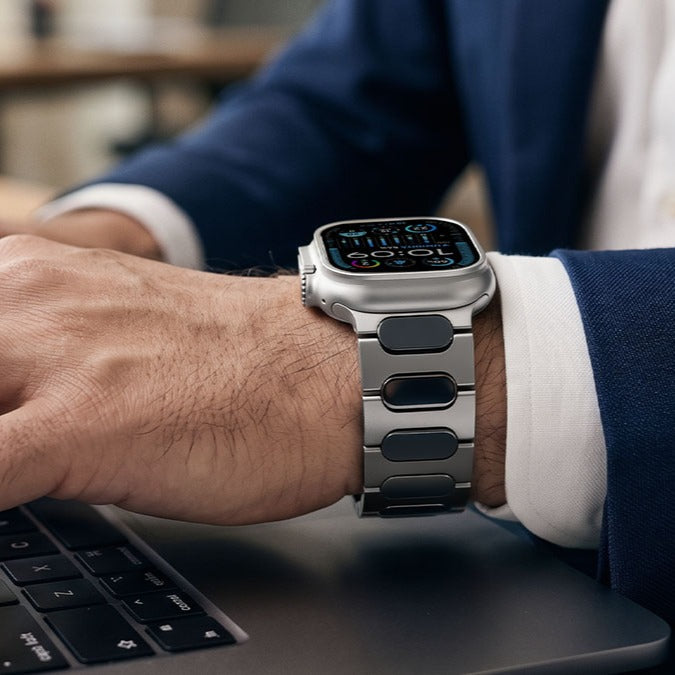
Metal and titanium bracelets
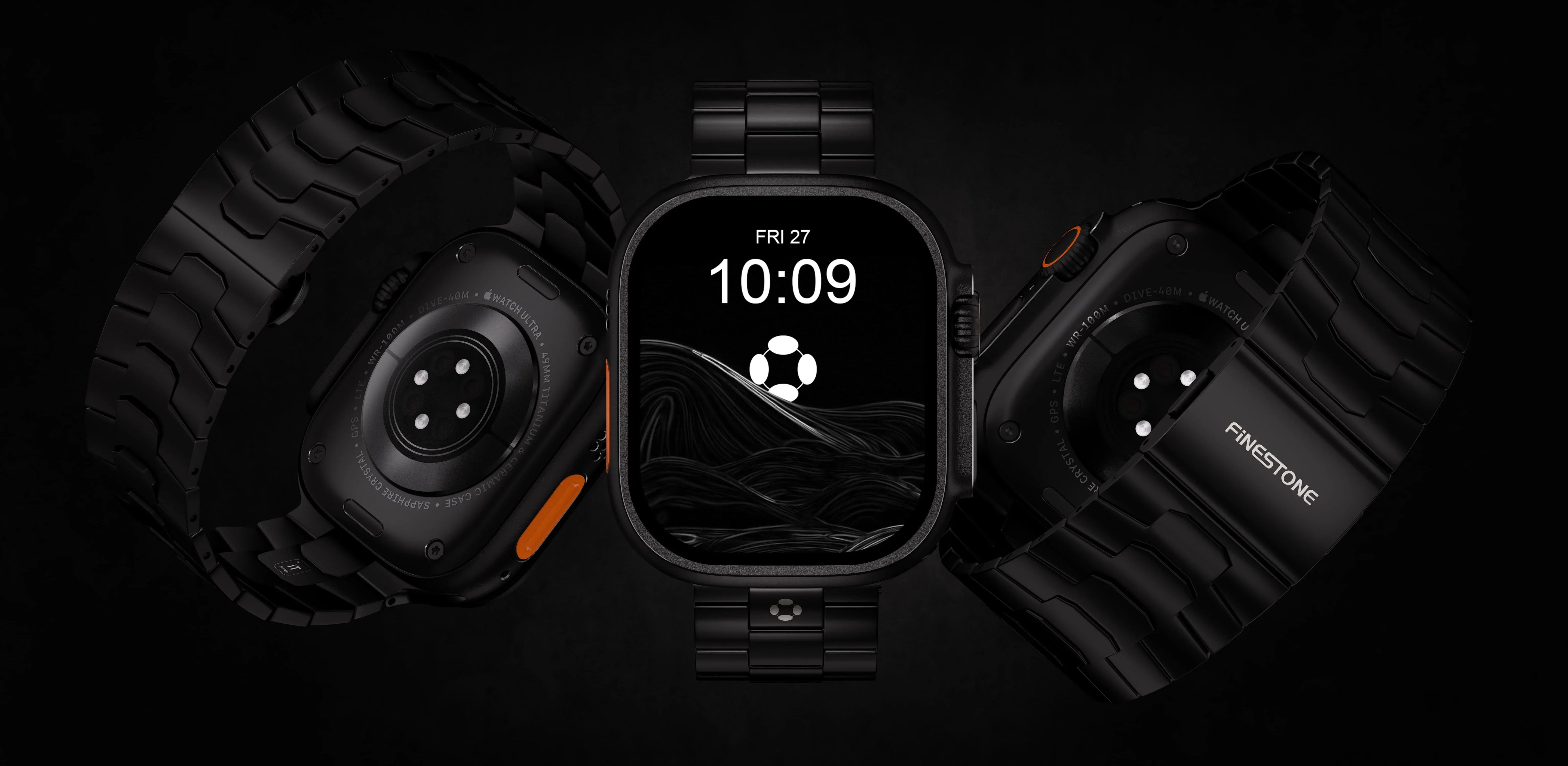
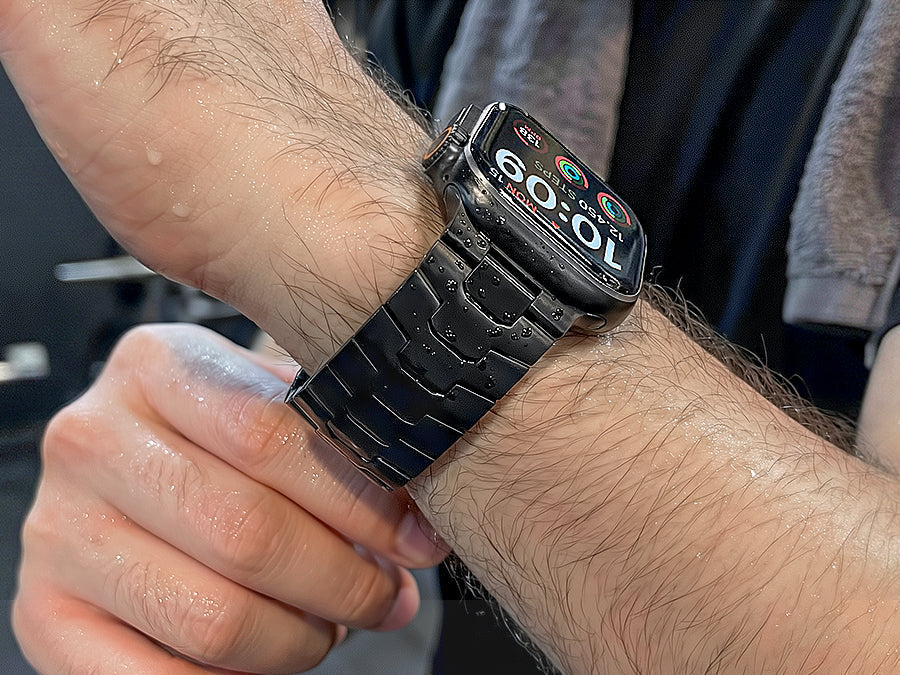
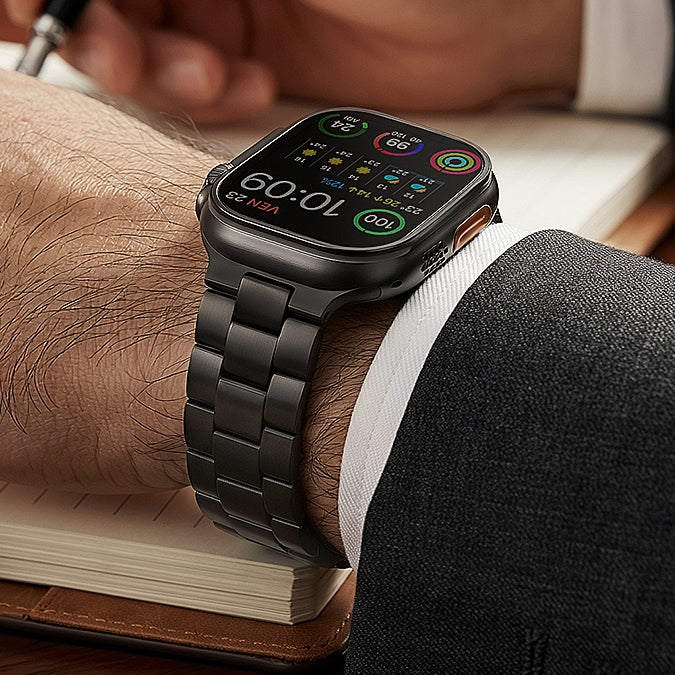
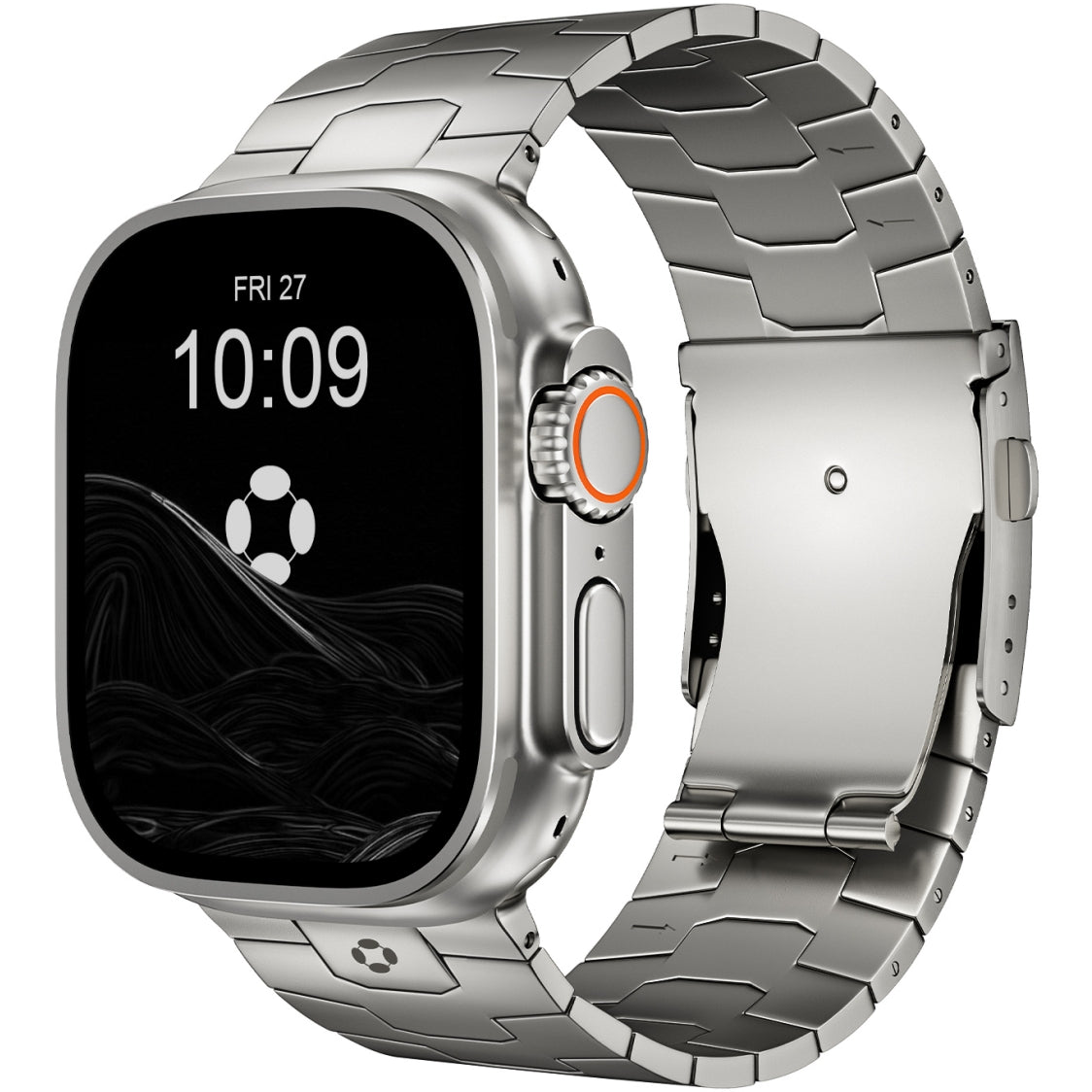
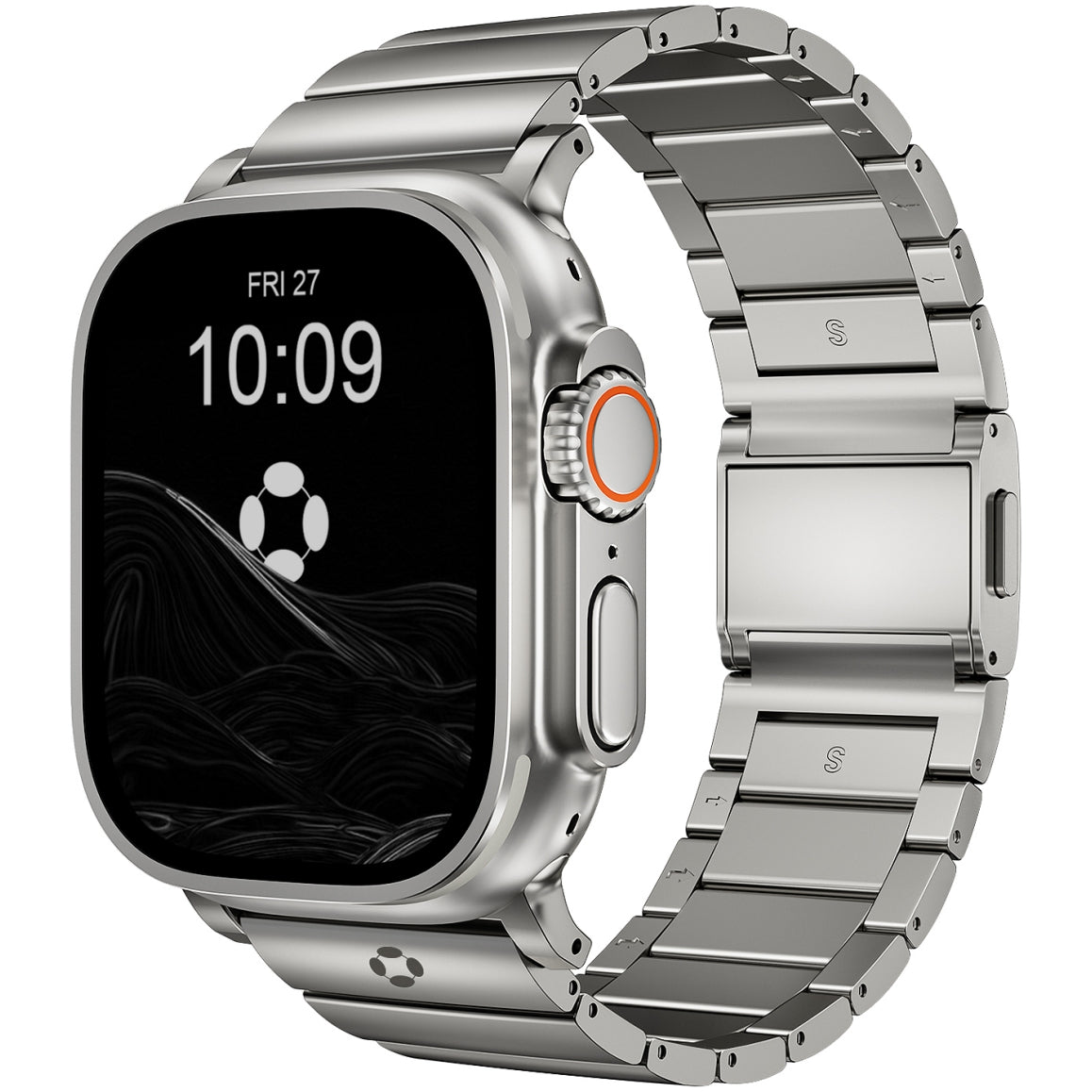
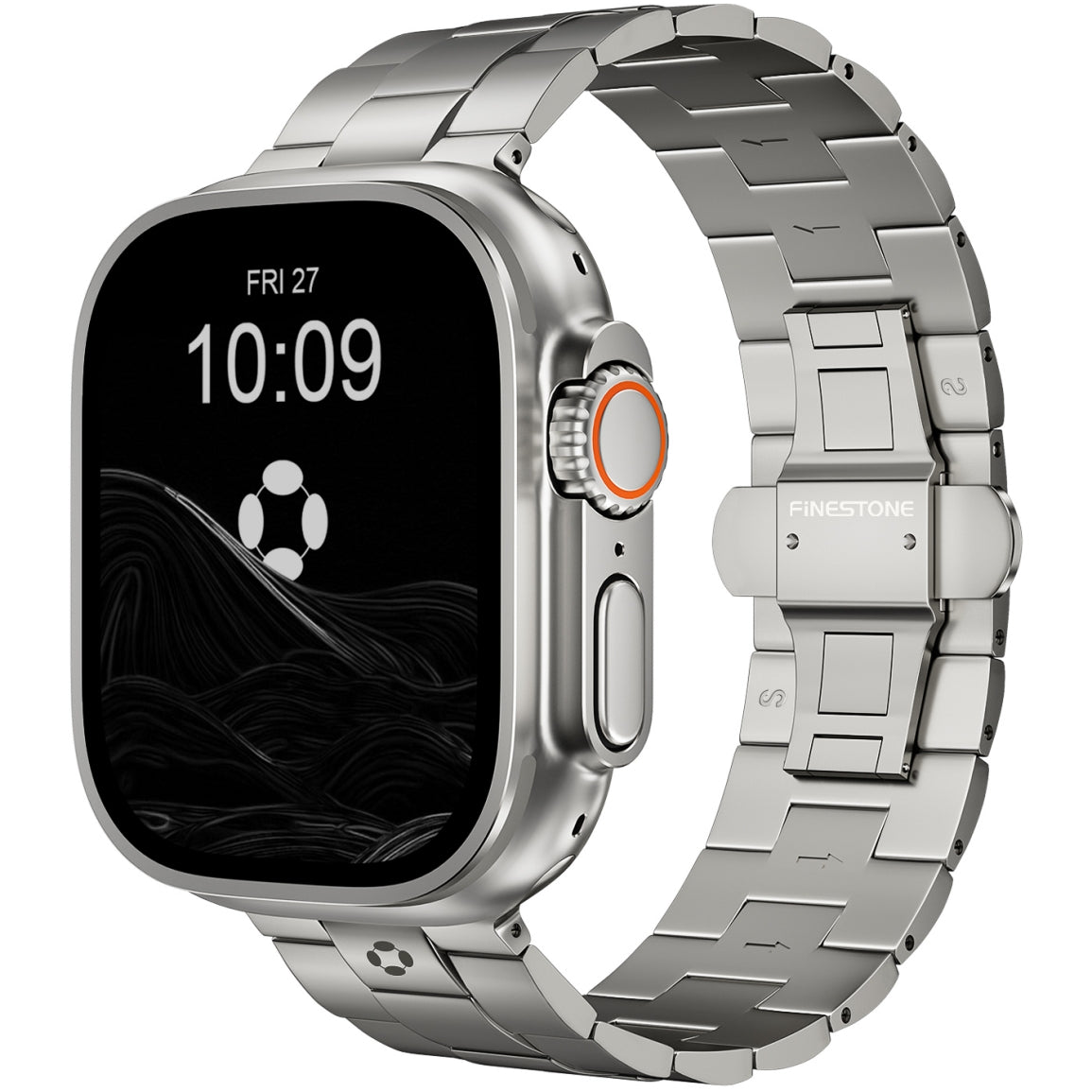
Many users upgrade their watch band for better comfort or a more premium look. For example, titanium Apple Watch bands from Finestone are designed to provide durability and a lightweight feel while maintaining a clean minimalist aesthetic.
Changing the band can completely transform the appearance of an Apple Watch—from a fitness device to a professional accessory.
Price and Value
Smartwatch pricing varies widely depending on brand and features.
Typical price ranges:
| Category | Price Range |
|---|---|
| Apple Watch SE | Budget-friendly |
| Apple Watch Series | Mid-range |
| Apple Watch Ultra | Premium |
Competitors often offer lower prices for similar features, especially brands like Amazfit or Fitbit.
However, Apple Watch users often value:
-
Long-term software support
-
App ecosystem
-
Ecosystem integration
Which Smartwatch Is Better?
The answer depends largely on your smartphone and priorities.
Apple Watch is best for:
-
iPhone users
-
Seamless ecosystem integration
-
Accurate health tracking
-
Large app ecosystem
Other smartwatches are best for:
-
Android users
-
Longer battery life
-
Outdoor sports and endurance tracking
-
Lower price options
Final Thoughts
Apple Watch remains one of the most advanced and polished smartwatches available, particularly for users already inside the Apple ecosystem.
However, other smartwatches offer strong competition in areas such as battery life, pricing, and specialized fitness features.
In simple terms:
-
If you use an iPhone → Apple Watch is usually the best choice
-
If you use Android → Samsung, Garmin, or other Wear OS watches may be better
Ultimately, the best smartwatch is the one that fits your device ecosystem, lifestyle, and personal preferences.