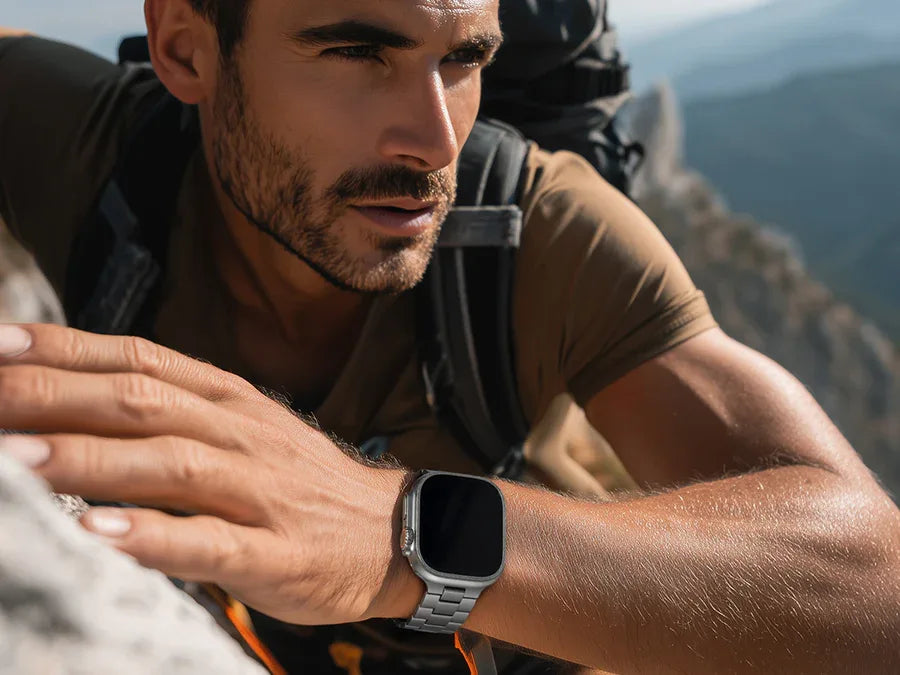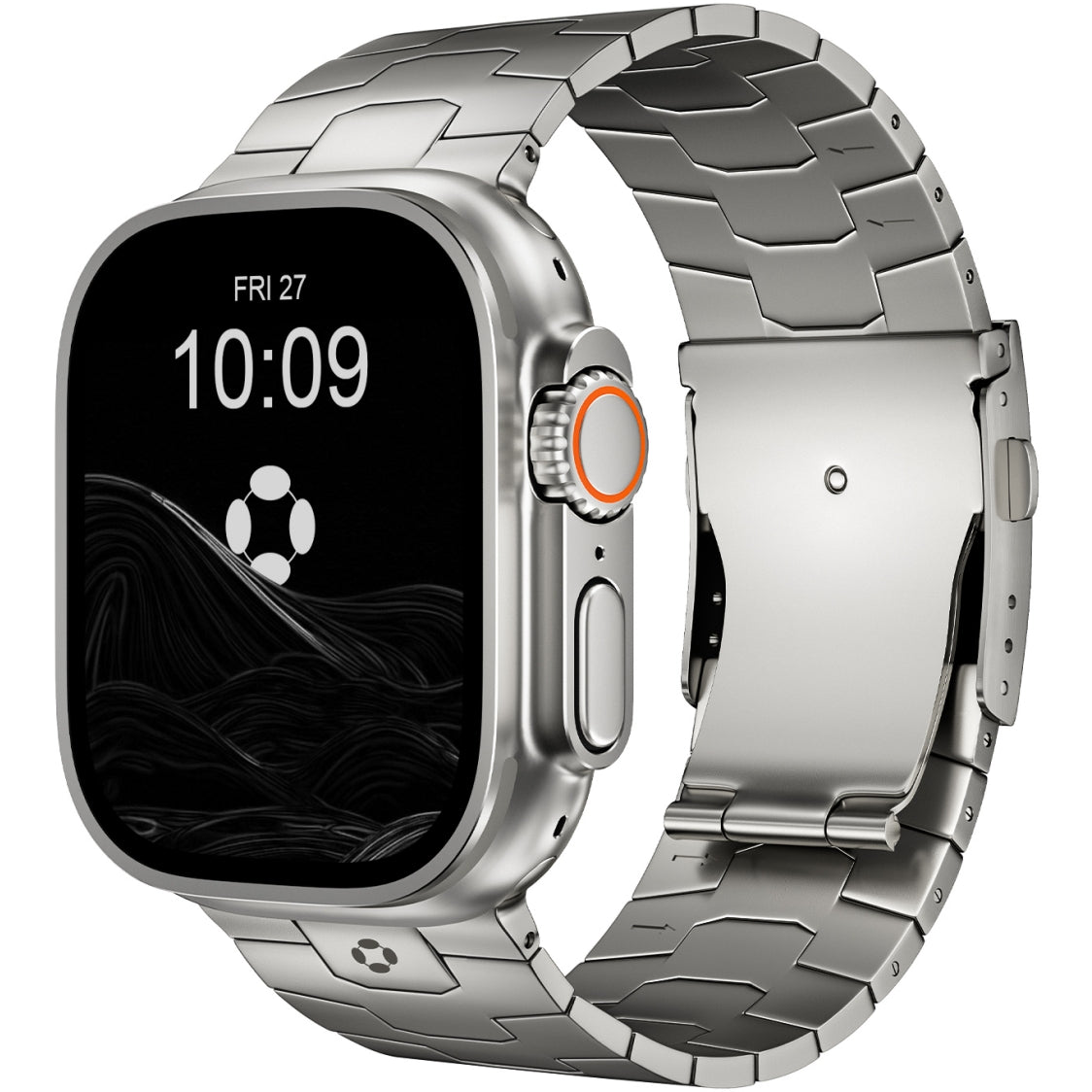
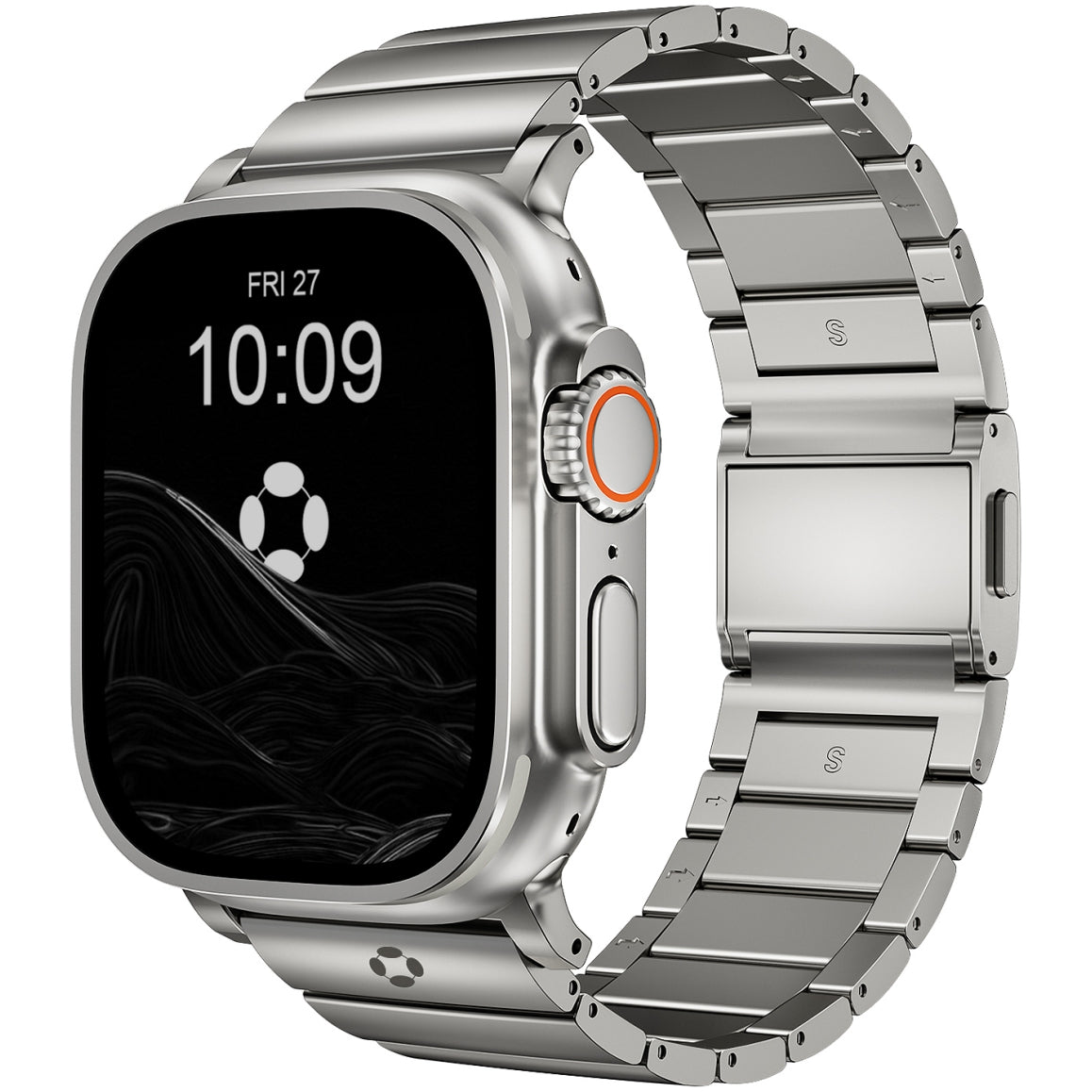
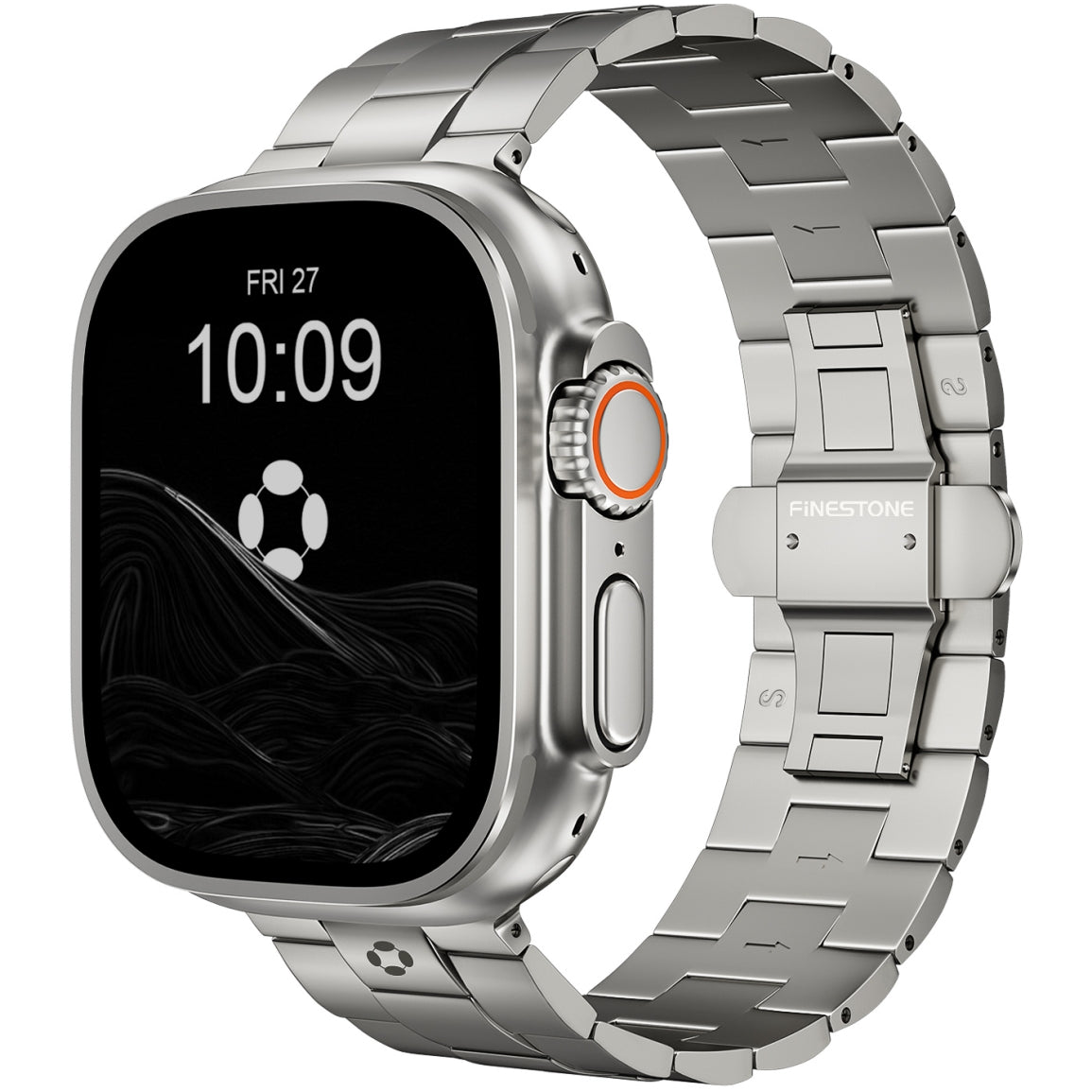

Titanium watch bands are popular for good reason: they’re lightweight, durable, corrosion-resistant, and comfortable for all-day wear. But as demand grows, so does the number of fake or misleading “titanium” bands on the market.
Some bands are only titanium-plated, others mix materials, and some simply use the word “titanium” as a marketing hook. Knowing how to spot the difference can save you money—and frustration.
Here’s how to tell if a titanium watch band is real or fake.
1. Check the Weight: Titanium Should Feel Light
One of titanium’s most distinctive qualities is its high strength-to-weight ratio.
-
Real titanium bands feel noticeably lighter than stainless steel
-
Fake titanium bands (often steel underneath) feel heavier and more wrist-fatiguing
If a “titanium” band feels as heavy as solid steel, that’s your first red flag.
2. Look Closely at the Finish
Authentic titanium usually has:
-
A matte or brushed finish
-
A subtle, understated appearance
-
Less mirror-like shine than stainless steel
Fake titanium bands often:
-
Look overly glossy or chrome-like
-
Use cheap coatings that wear unevenly
-
Show color inconsistencies between links
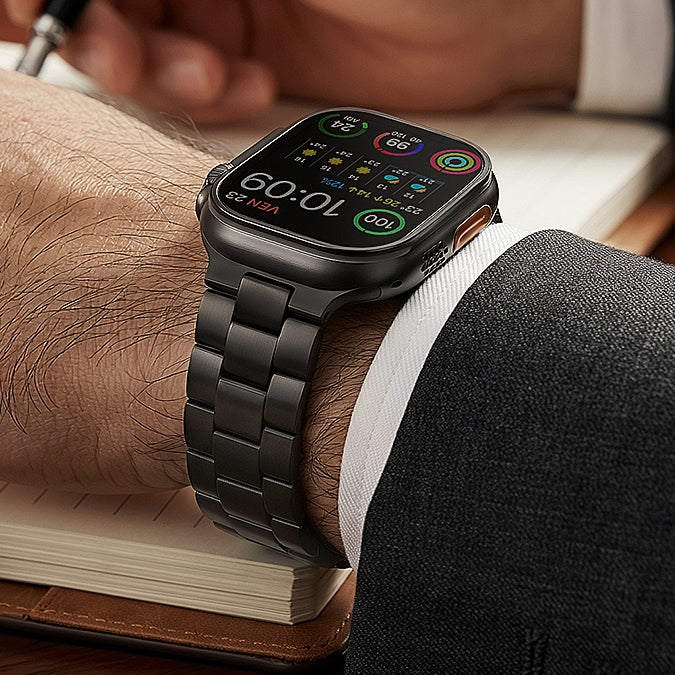
High-quality titanium bands may use DLC (Diamond-Like Carbon) coating, which improves scratch resistance while maintaining a clean, uniform finish.
3. Watch for “Titanium-Plated” Wording
One of the most common tricks is unclear material descriptions.
Be cautious if you see terms like:
-
“Titanium-coated”
-
“Titanium color”
-
“Titanium alloy plating”
These usually mean the band is not solid titanium, but stainless steel with a surface coating. True titanium bands should clearly state solid titanium construction.
4. Inspect the Edges and Link Quality
Real titanium bands—especially well-made ones—have:
-
Smooth edges
-
Evenly machined links
-
Comfortable contact with the skin
Fake or low-quality bands often have:
-
Sharp or rough edges
-
Inconsistent gaps between links
-
A tendency to pull arm hair
Poor finishing is a strong indicator of cost-cutting.
5. Test Scratch Resistance (Carefully)
Titanium is strong, but surface treatment matters.
-
Plain titanium can scratch, but scratches are usually light and blend in
-
DLC-coated titanium resists scratches much better
If a band shows deep scratches after just a few days of normal wear, it’s likely:
-
Poorly coated
-
Not titanium at all
6. Check Fit with the Watch Case
A real titanium band designed for Apple Watch should:
-
Fit flush with the watch case
-
Have no visible gaps or wobble
-
Match the watch’s finish and proportions
Ill-fitting connectors are common with generic or fake bands that aren’t model-specific.
7. Consider the Price (But Don’t Judge Only by It)
Titanium is more expensive to machine than stainless steel.
While price alone doesn’t guarantee authenticity:
-
Extremely cheap “titanium” bands are often misleading
-
Quality titanium bands usually sit in a mid-to-premium range
If a deal feels too good to be true, it often is.
8. Buy from Brands That Specialize in Titanium
One of the safest ways to avoid fake titanium is choosing brands that:
-
Focus specifically on titanium watch bands
-
Clearly explain materials and coatings
-
Design bands for specific watch models
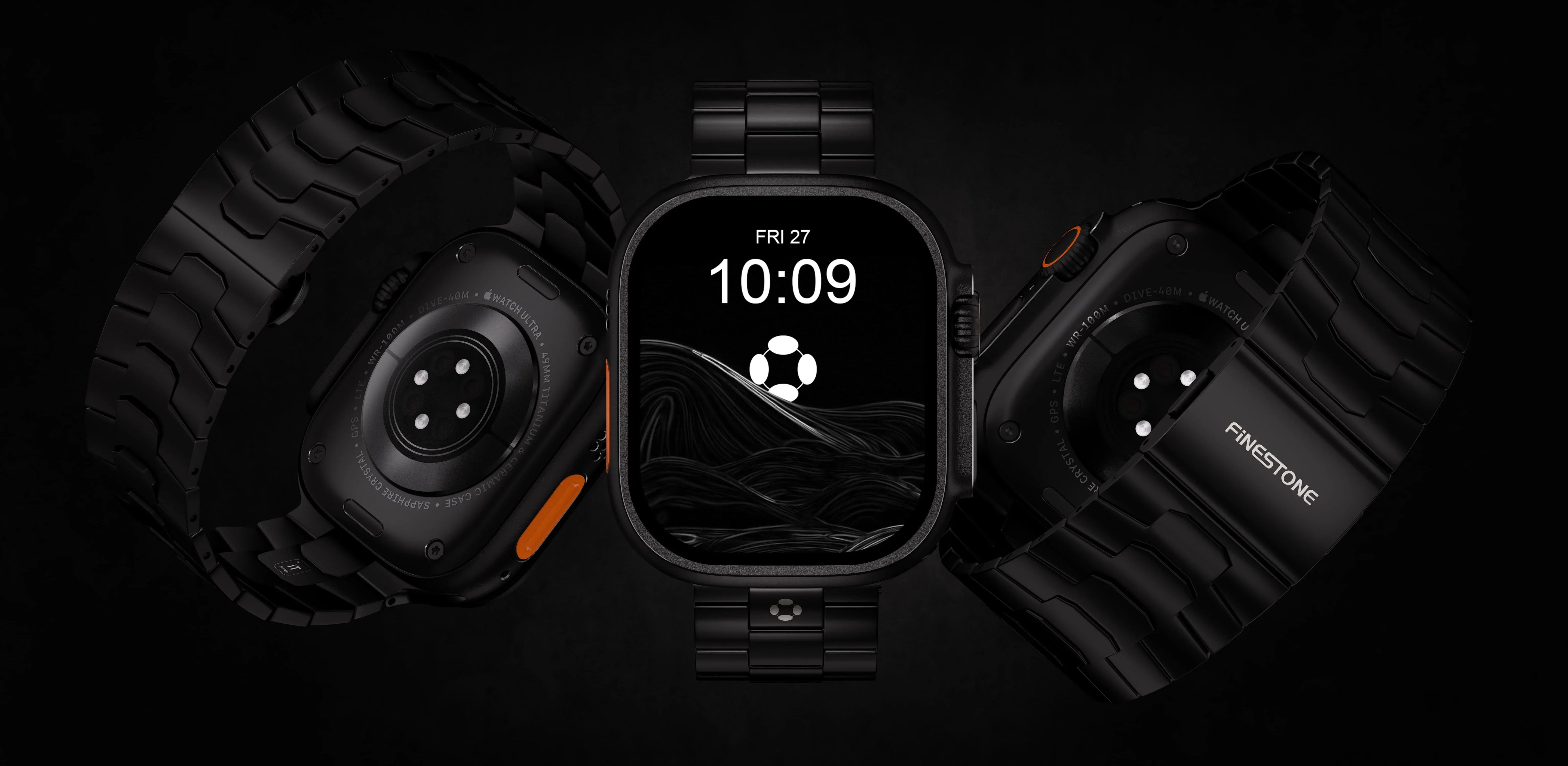
Brands like FiNESTONE, for example, emphasize solid titanium construction, precise fit, and surface treatments like DLC—not vague material claims.

Final Thoughts
Spotting fake titanium watch bands comes down to a few key checks:
-
Weight and feel
-
Finish quality
-
Honest material descriptions
-
Fit and machining details
Real titanium bands deliver comfort, durability, and long-term value. Taking a few extra minutes to verify what you’re buying ensures you get the performance titanium is known for—not just the name.