
From Jet Engines to Your Wrist
Titanium is one of the few materials trusted both in aerospace engineering and premium watchmaking—two industries where failure is not an option. But why does the same metal appear in jet aircraft, spacecraft, and modern watches?
The answer lies in titanium’s rare combination of strength, lightness, durability, and comfort. This article explains why titanium is used in aerospace and watches, how its properties translate across industries, and why it has become a benchmark material for long-term performance.
The Origins of Titanium in Aerospace
Titanium’s rise began in the aerospace industry during the mid-20th century.
Engineers needed a metal that could:
-
Handle extreme temperatures
-
Resist corrosion
-
Remain strong under stress
-
Reduce overall weight
Titanium met all these demands—and then some.
Where Titanium Is Used in Aircraft
-
Jet engine components
-
Airframes
-
Landing gear
-
Fasteners and structural supports
In some modern aircraft, titanium makes up over 15% of total metal weight, proving its reliability in extreme environments.
Strength-to-Weight Ratio: Titanium’s Superpower
Titanium’s most valuable trait is its exceptional strength-to-weight ratio.
-
As strong as steel
-
Nearly 45% lighter
-
Maintains structural integrity under pressure
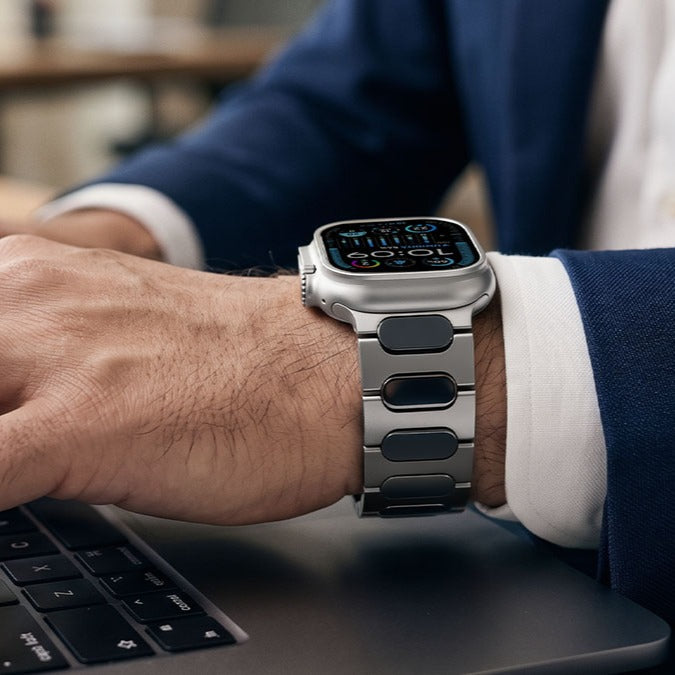
In aerospace, every gram saved reduces fuel consumption. In watches, lighter weight means greater comfort for all-day wear—especially for large or metal watch bands.
Extreme Temperature Resistance
Titanium remains stable in:
-
Freezing high-altitude conditions
-
Intense engine heat
-
Rapid temperature changes
This thermal stability is critical for aircraft—and it also explains why titanium watch bands:
-
Don’t expand or contract noticeably
-
Stay comfortable in hot and cold weather
-
Avoid that “cold metal shock” on the wrist
Corrosion Resistance: Built to Survive Harsh Environments
Titanium naturally forms a protective oxide layer that:
-
Prevents rust
-
Resists saltwater corrosion
-
Protects against sweat and humidity
That’s why titanium thrives in:
-
Marine environments
-
Aerospace applications
-
Everyday wear on human skin
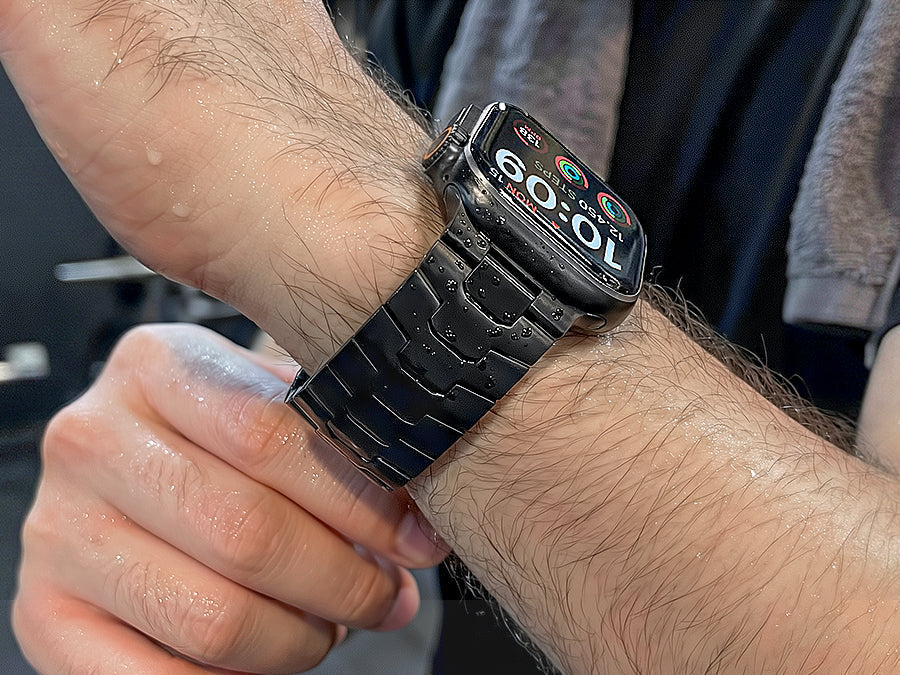
For watch users, this means no rust, no discoloration, and minimal maintenance.
Hypoallergenic and Skin-Safe
In aerospace, titanium is valued for its chemical stability. In watches, that same property makes it hypoallergenic.
Titanium:
-
Contains no nickel
-
Rarely causes skin irritation
-
Is widely used in medical implants
For people with sensitive skin, titanium watch bands offer a clear advantage over stainless steel.
Precision Engineering and Machinability
Titanium is difficult to machine—which is exactly why it’s respected.
It requires:
-
Advanced tooling
-
Precise tolerances
-
Skilled manufacturing
Aerospace-grade titanium parts must meet microscopic accuracy standards. That same precision carries over into well-made watch bands, where:
-
Links fit cleanly
-
Edges feel smooth
-
Structural integrity lasts for years
Why Watchmakers Borrow from Aerospace Standards
Modern watchmakers look to aerospace materials for one reason: reliability under real-world conditions.
Titanium delivers:
-
Long-term durability
-
Resistance to daily wear
-
Lightweight comfort
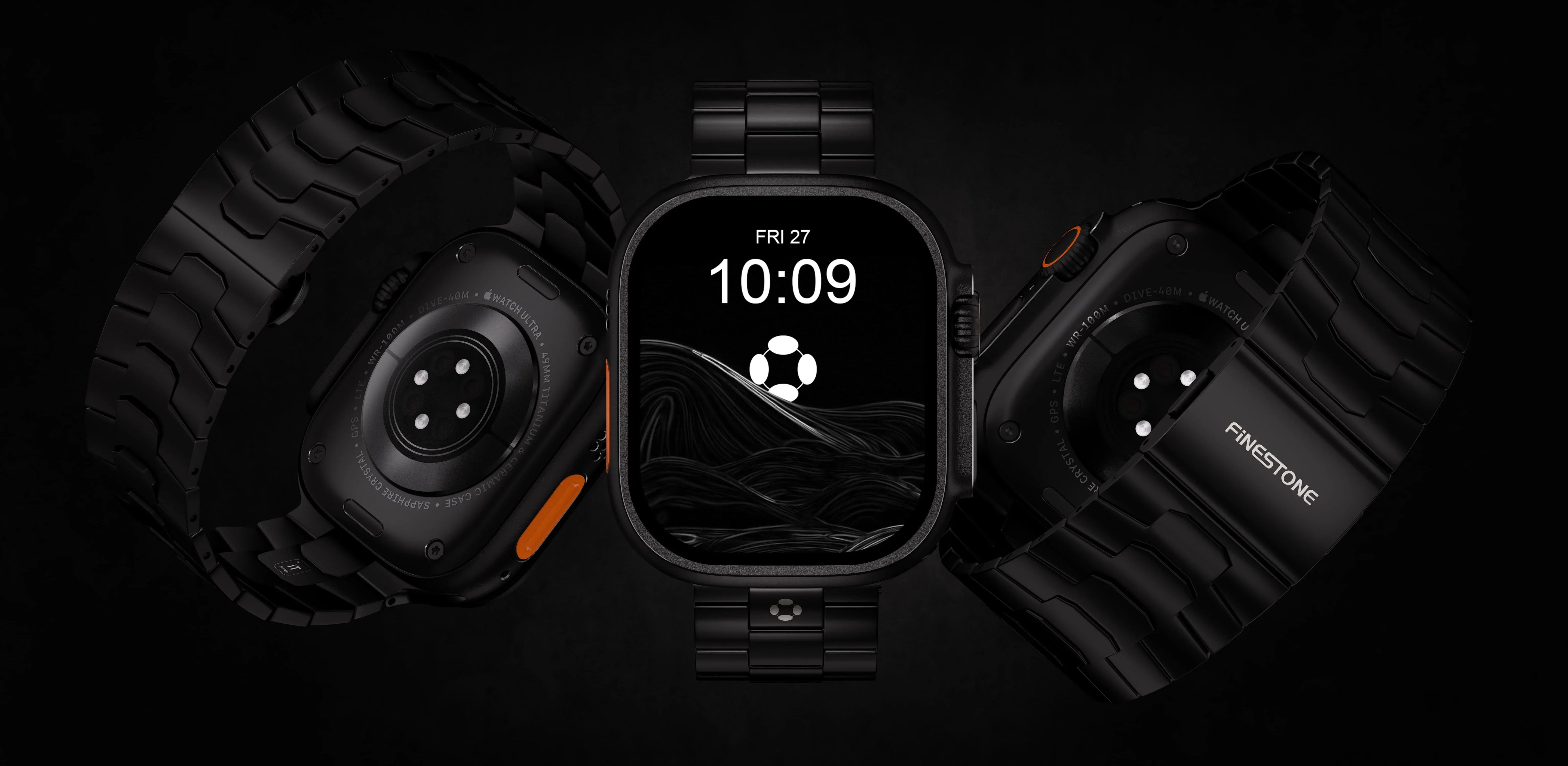
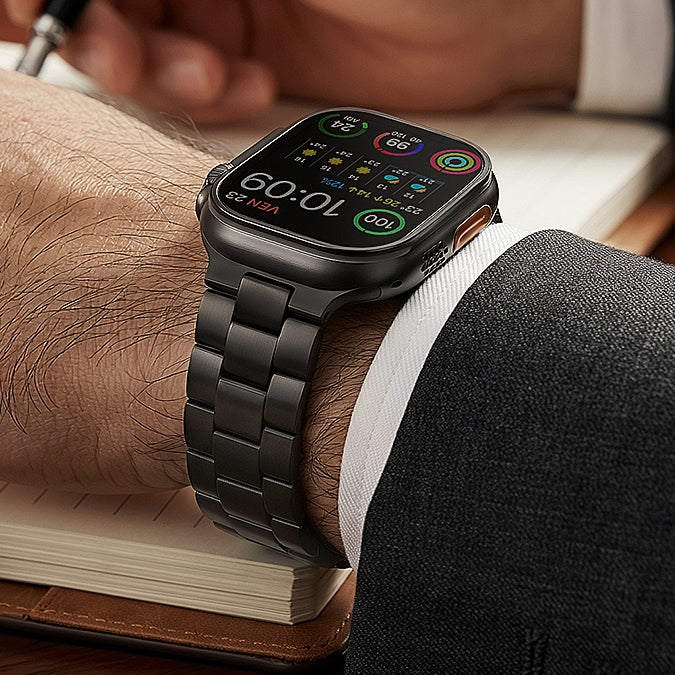
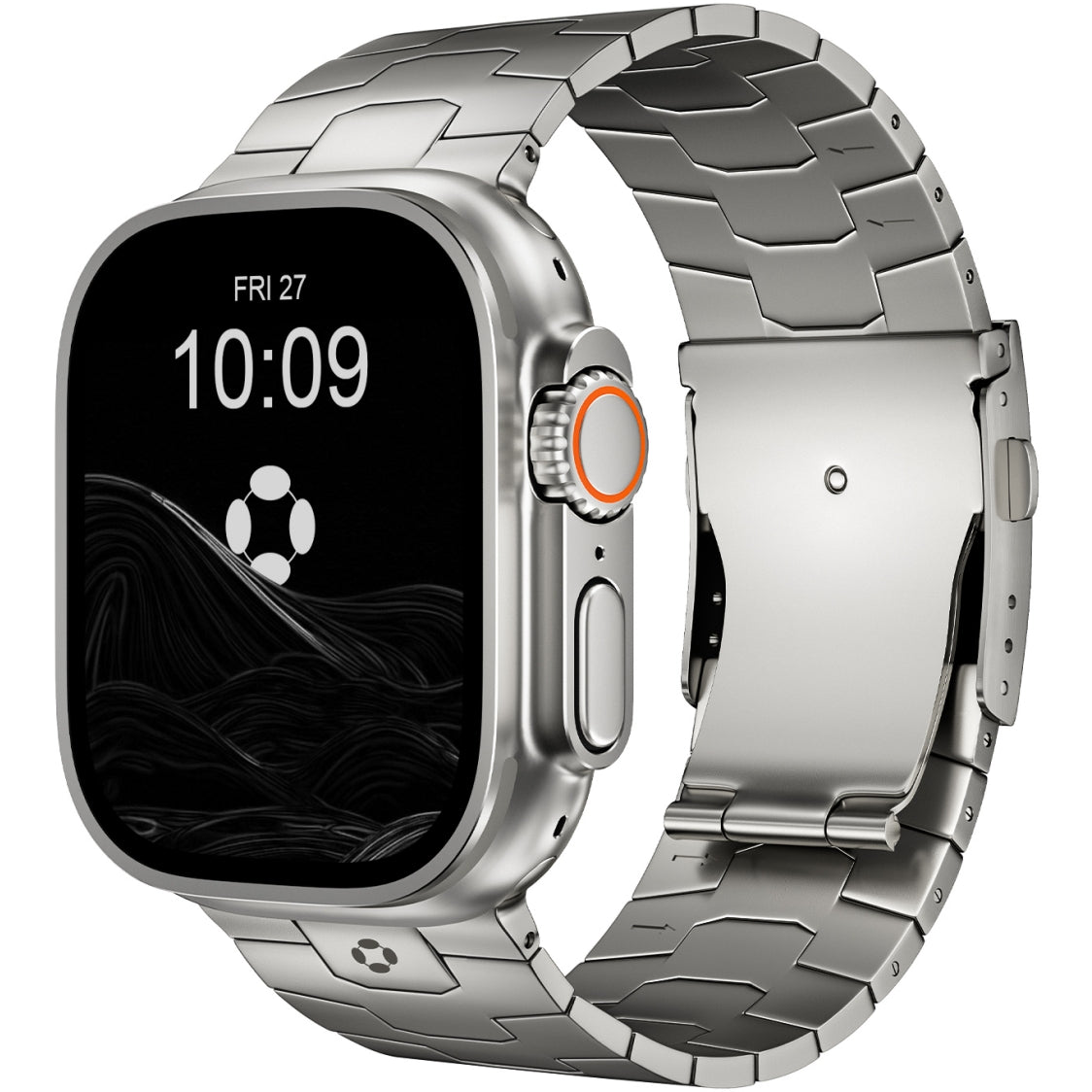
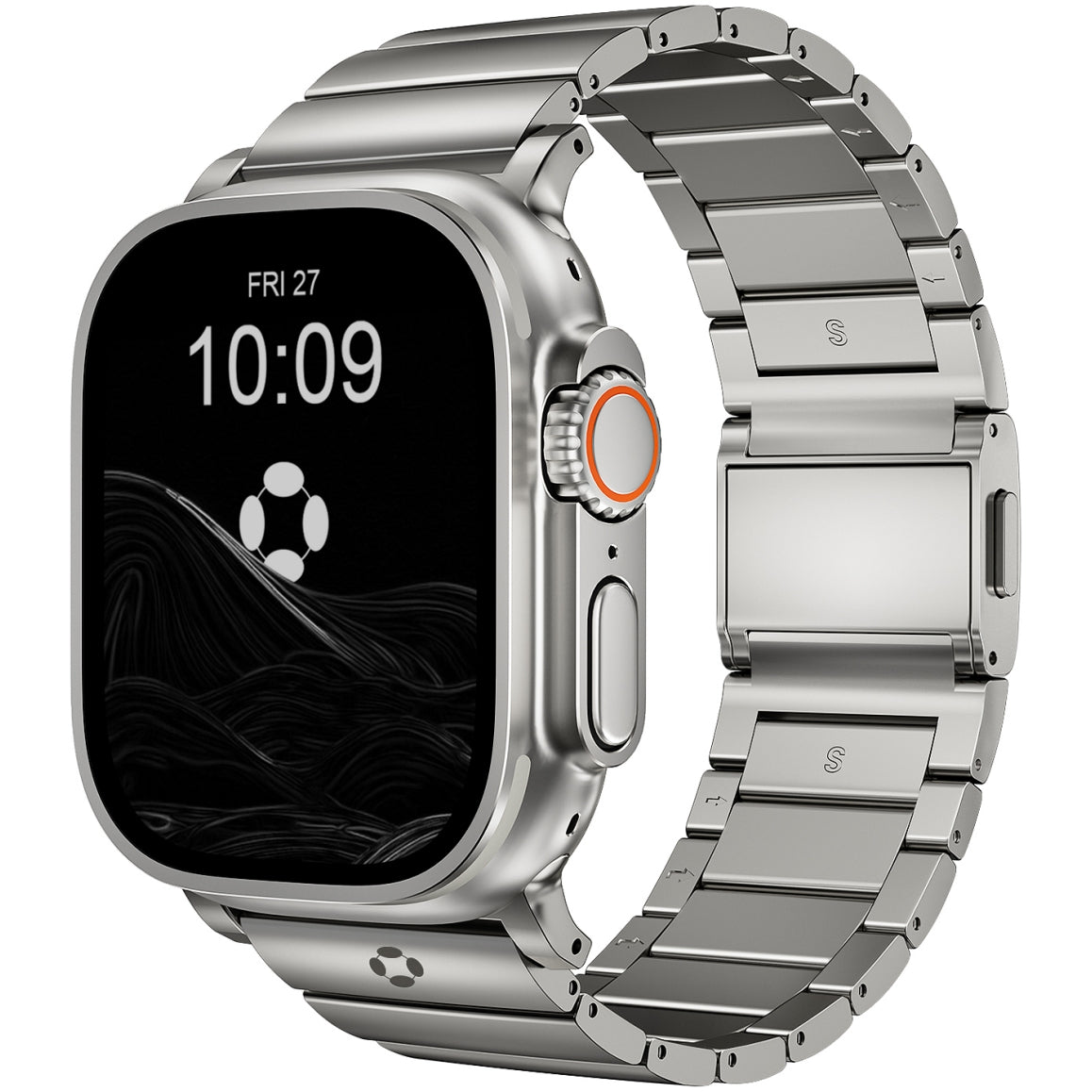
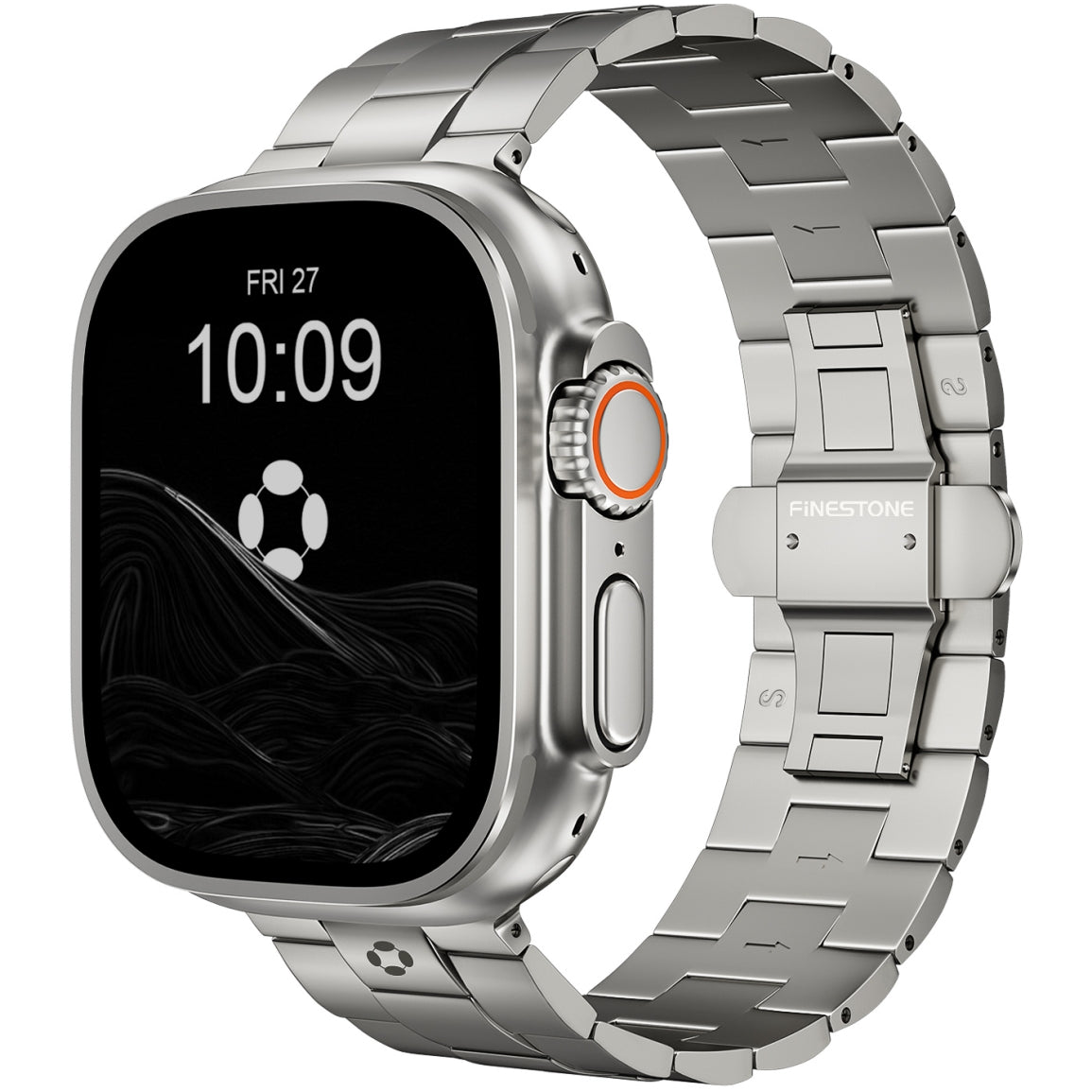
This is why titanium has moved from niche tool watches into mainstream premium wearables—including Apple Watch bands designed for everyday use. Brands like Finestone adopt aerospace-inspired titanium principles to balance strength, comfort, and longevity in daily wear.
Titanium vs Traditional Watch Materials
| Material | Weight | Corrosion Resistance | Skin Safety | Long-Term Comfort |
|---|---|---|---|---|
| Stainless Steel | Heavy | Good | Moderate | Fair |
| Aluminum | Very light | Moderate | Good | Good |
| Ceramic | Light | Excellent | Excellent | Brittle |
| Titanium | Light | Excellent | Excellent | Outstanding |
Titanium stands out as the most balanced option.
Why Titanium Is the Future of Watch Materials
As watches get larger and more feature-rich, material choice matters more than ever.
Titanium solves key problems:
-
Reduces wrist fatigue
-
Improves durability
-
Enhances comfort
-
Maintains a premium look over time
What works in aerospace—where lives depend on material performance—naturally earns trust on the wrist.