
Apple Watch and Samsung Galaxy Watch dominate the smartwatch market. Both offer premium build quality, comprehensive health tracking, and deep ecosystem integration. But choosing between them isn't about specs alone—it's about which device fits your phone, your lifestyle, and your priorities.
Here's how they compare.
Quick Comparison
1. Compatibility: The Deciding Factor
This is the simplest category. If you own an iPhone, your only choice is the Apple Watch. It does not work with Android devices under any circumstances .
If you own an Android phone, the Galaxy Watch is the better choice. While it works best with Samsung phones, it pairs with most Android devices running Android 10 or later . The Apple Watch simply won't connect.
Winner: Tied—your phone determines the choice.
2. Battery Life: Samsung Pulls Ahead
Samsung consistently outlasts Apple in battery endurance. The Galaxy Watch 8 delivers 40-48 hours of mixed use, while the Apple Watch Series 11 averages about 24 hours . With power-saving modes enabled, Samsung can stretch to three days—enough for weekend trips without a charger .
Apple's Ultra 3 closes the gap at 63 hours, but it costs $799 and comes with significant size trade-offs. For standard models, Samsung wins this round.
3. Health Tracking: Accuracy vs. Features
Both watches offer ECG, blood oxygen, heart rate monitoring, and sleep tracking. But they differ in execution.
Apple's health tracking is FDA-cleared and clinically validated. The ECG app has been tested in large-scale studies like the Apple Heart Study, and heart rate accuracy consistently ranks among the best in independent tests . For users managing heart conditions or seeking reliable medical-grade data, Apple leads.
Samsung offers additional metrics like body composition analysis (skeletal muscle, body fat) and, in select regions, blood pressure estimation. However, these features require regular calibration and lack the same regulatory approval in markets like the U.S. .
Winner: Apple for accuracy and validation; Samsung for breadth of metrics
4. Design and Display
Design preference is subjective. Apple sticks with its signature square case—modern and functional. Samsung opts for a round face that resembles a traditional watch .
Samsung's AMOLED display reaches 3,000 nits peak brightness, significantly brighter than Apple's 2,000 nits . This matters for outdoor visibility during runs or hikes. Samsung also offers a slimmer profile at 8.6mm versus Apple's 9.7mm .
Apple counters with more storage (64GB vs. 32GB) and premium titanium case options on higher-end models .
Winner: Tie—choose based on aesthetic preference.
5. Ecosystem Experience
Apple Watch integrates seamlessly with iPhone—unlocking Macs, approving two-factor authentication, syncing health data via iCloud, and handling messages without friction .
Samsung, running Wear OS with One UI, offers solid Android integration but lacks the same polish. Features like ECG may not work on non-Samsung Android phones . However, Samsung Health data can sync with Google Fit, offering more flexibility if you switch phone brands later .
Winner: Apple for iPhone users; Samsung for Android users
Which Should You Buy?
Choose Apple Watch Series 11 if:
-
You own an iPhone (required)
-
You prioritize clinical-grade health tracking
-
You value seamless ecosystem integration
-
Budget allows $399+
Choose Samsung Galaxy Watch 8 if:
-
You own an Android phone
-
You want longer battery life (2-3 days)
-
You prefer a round watch face
-
You're interested in body composition tracking
The Band Factor
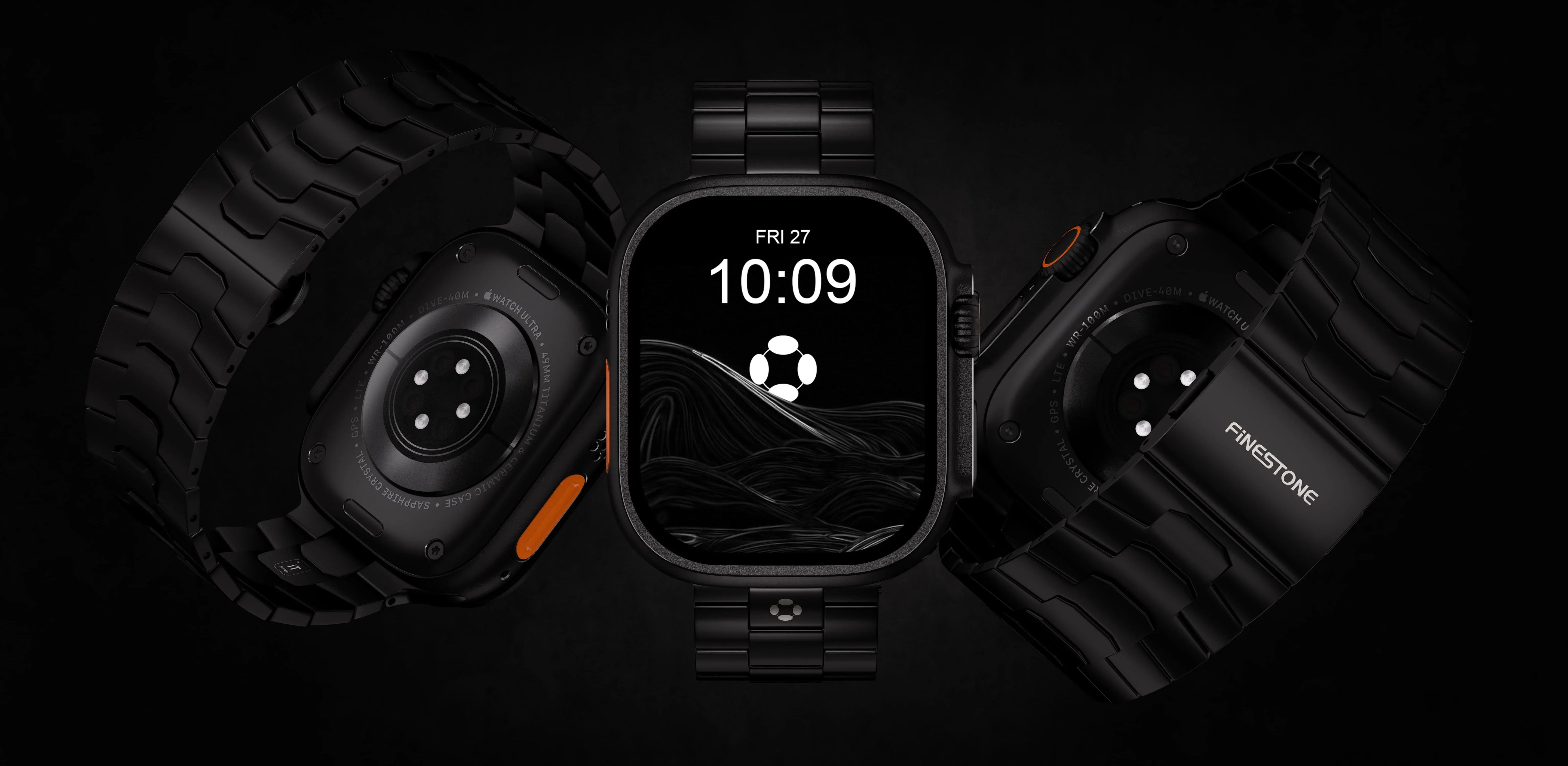
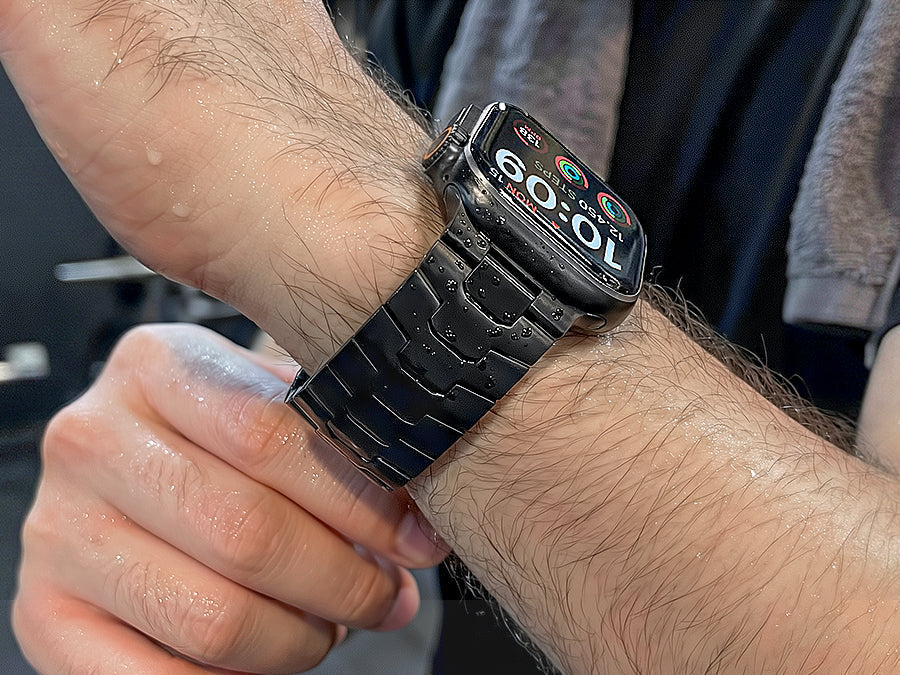
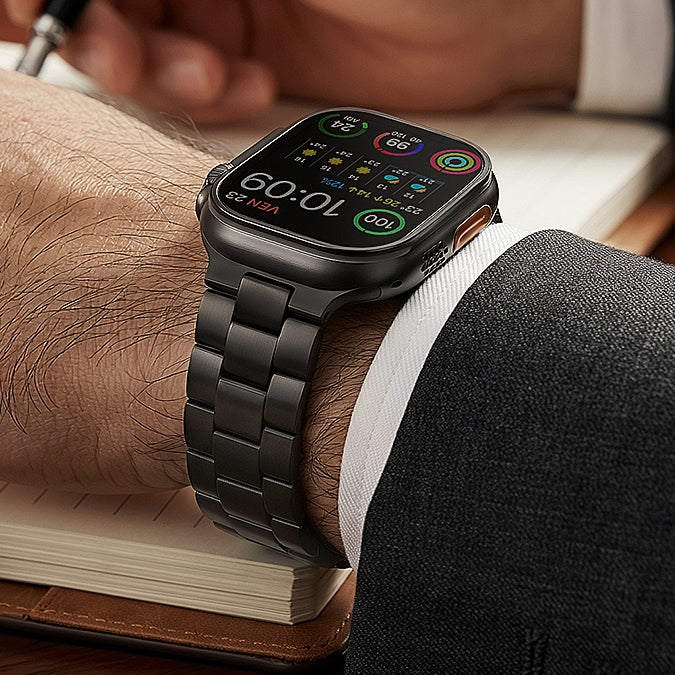
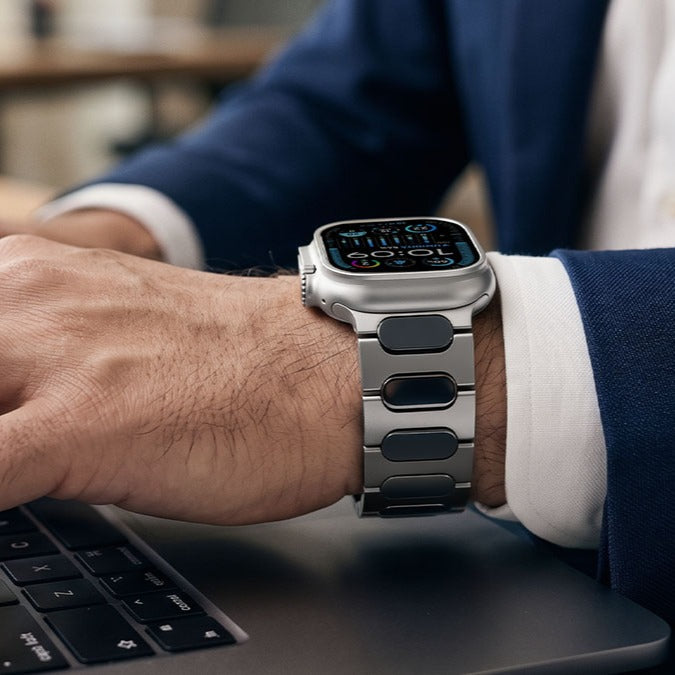
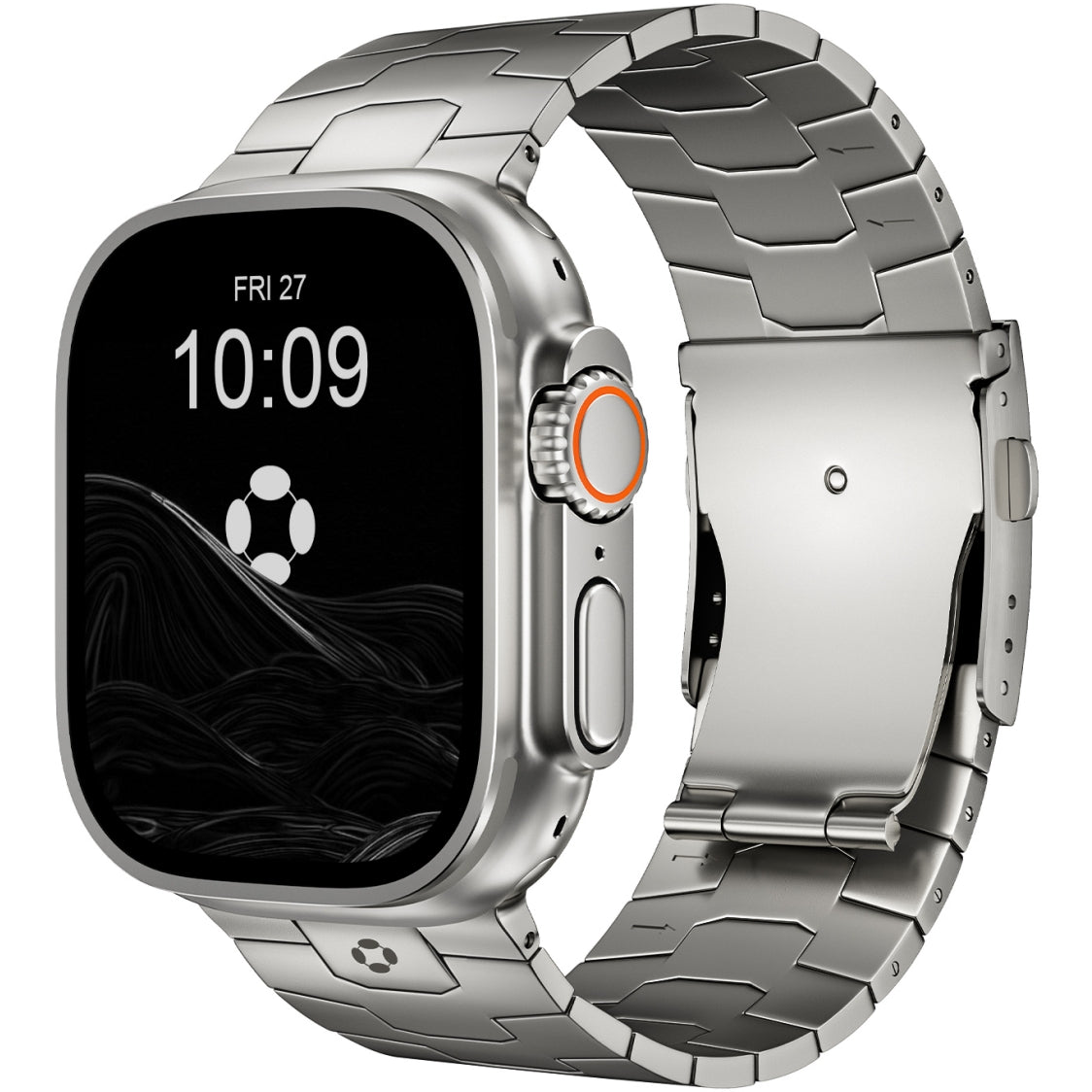
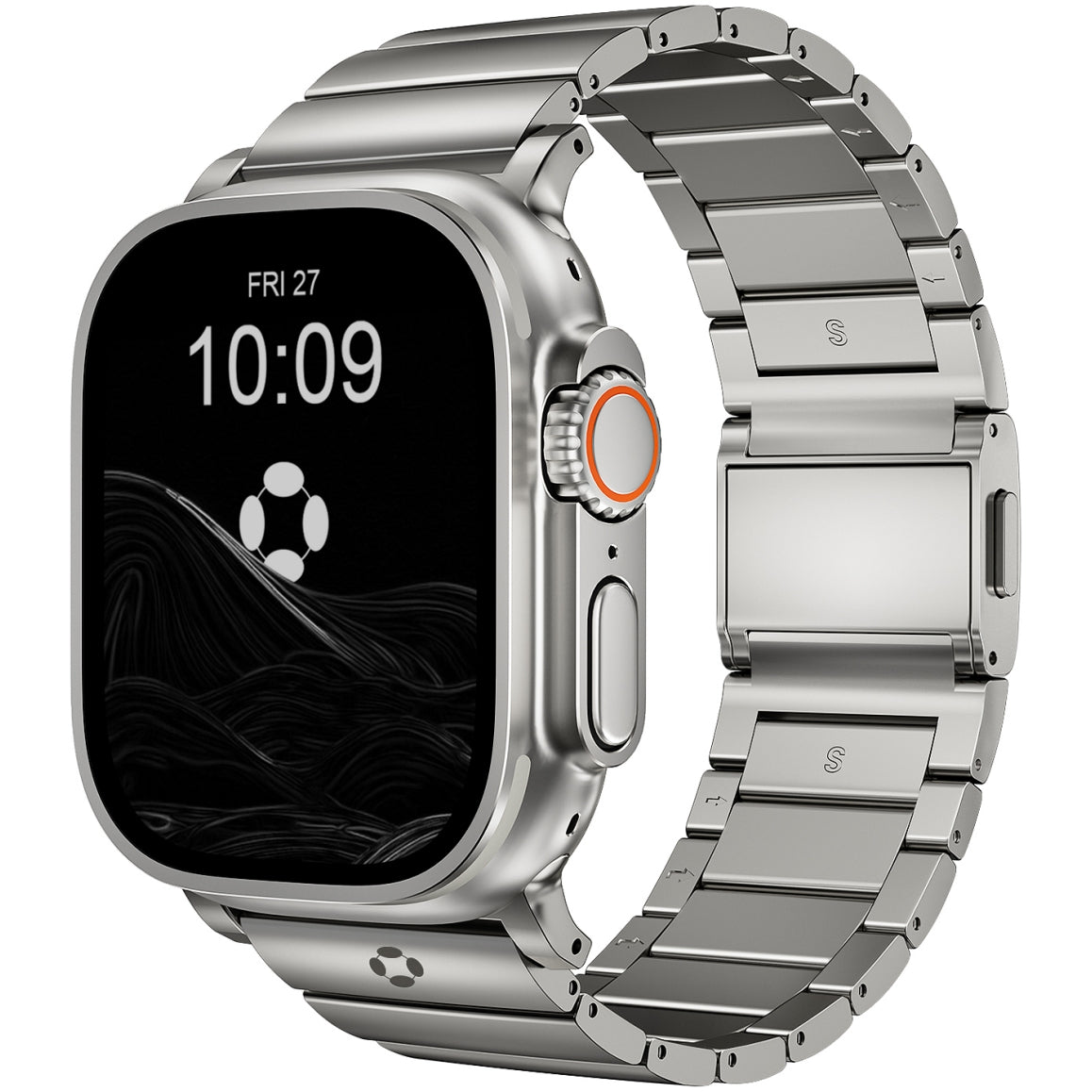
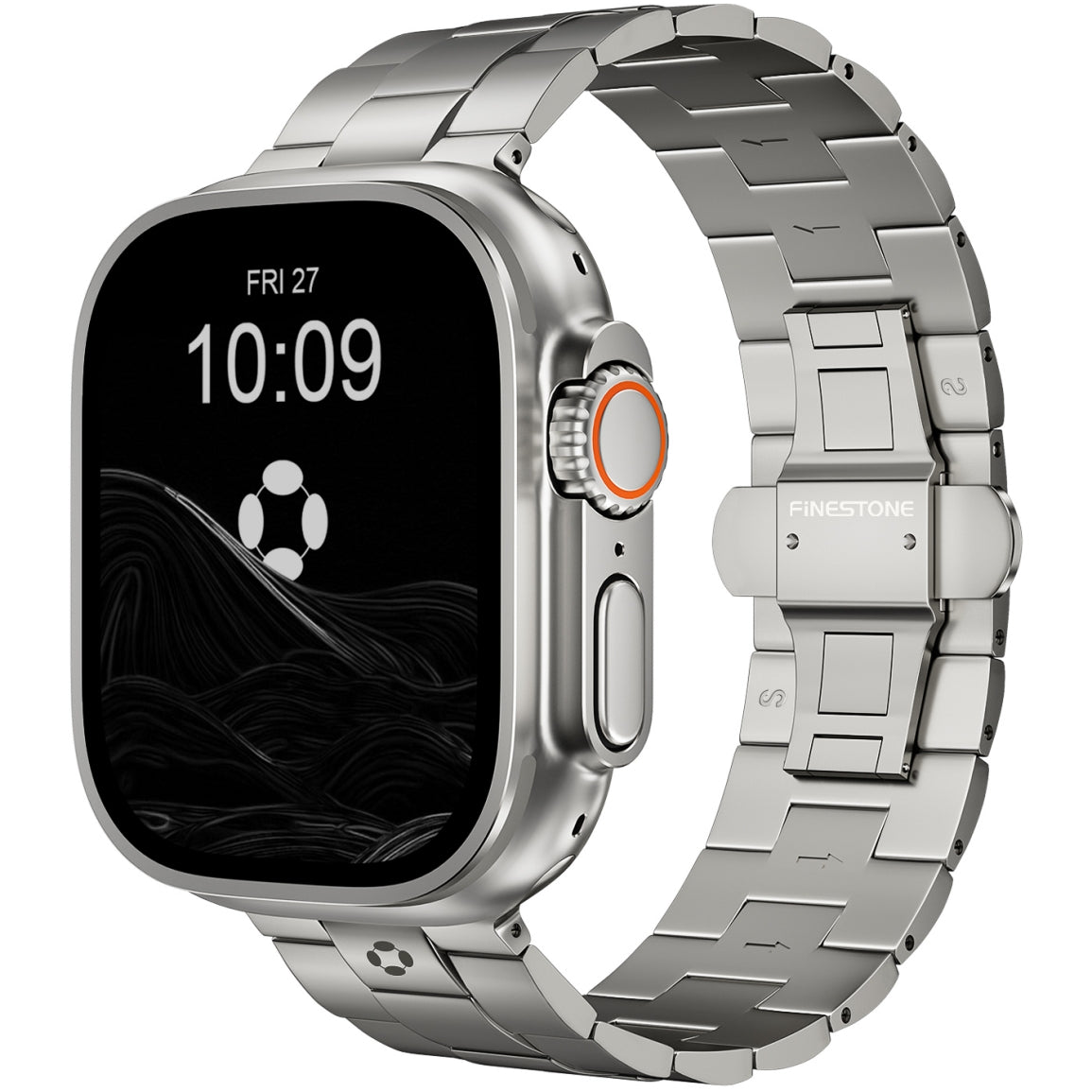
Whichever watch you choose, comfort matters for all-day wear. The FiNESTONE Titanium Band is a popular upgrade among Apple Watch owners—offering lightweight durability, scratch-resistant DLC coating, and a secure folding clasp that transitions seamlessly from workouts to office wear. A quality band can make even a premium watch feel effortless to wear daily.
The Bottom Line
Neither watch is objectively "better"—the right choice depends entirely on your phone. iPhone users buy Apple Watch. Android users buy Samsung Galaxy Watch. Within those camps, both deliver excellent fitness tracking, bright displays, and robust app ecosystems.
If you're deciding between ecosystems, consider this: Apple offers superior health accuracy and seamless integration. Samsung offers longer battery life and more experimental health metrics. But ultimately, your phone makes the choice for you.