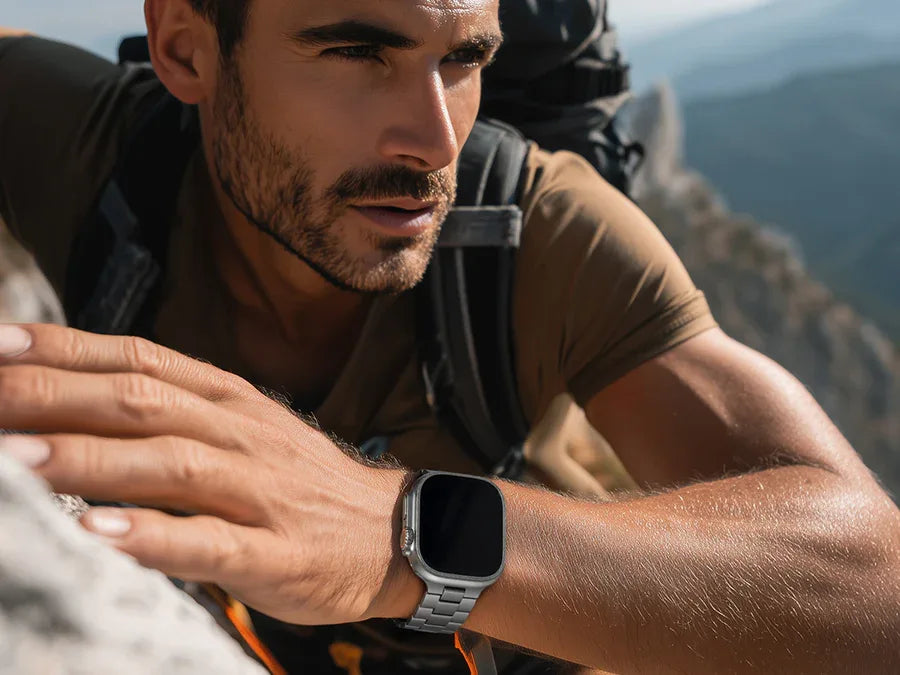

A watch band is one of the most used parts of any watch. It’s constantly exposed to sweat, friction, sunlight, and daily movement, which means it will eventually wear out over time.
But many people aren’t sure how often a watch band should actually be replaced. The answer depends on several factors, including the material of the band, how often you wear it, and how well it’s maintained.
In this guide, we’ll explain the typical lifespan of different watch band materials, the signs that it’s time for a replacement, and how to extend the life of your strap.
Why Watch Bands Wear Out Over Time
Unlike the watch case or internal movement, the strap experiences constant physical contact with your wrist.
Common causes of wear include:
-
Sweat and moisture
-
Skin oils and lotions
-
Friction from daily movement
-
Sunlight and heat exposure
-
Frequent bending of the strap
Over time, these factors can cause materials to stretch, crack, fade, or lose structural strength.
Replacing a worn strap isn’t just about appearance—it also ensures your watch stays secure and comfortable on your wrist.
Typical Lifespan of Different Watch Band Materials
Different materials last for different lengths of time.
Here’s a general guideline for how long common watch bands last with regular use.
| Watch Band Material | Average Lifespan |
|---|---|
| Leather | 6 months – 2 years |
| Silicone / Rubber | 1 – 2 years |
| Nylon | 1 – 2 years |
| Stainless Steel | 5 – 10+ years |
| Titanium | 5 – 10+ years |
Leather straps tend to wear out faster because they absorb sweat and moisture, which gradually weakens the material.
Metal bracelets, especially titanium or stainless steel, often last much longer because they are more resistant to sweat, UV exposure, and physical stress.
Signs It’s Time to Replace Your Watch Band
Even if your band hasn’t reached its typical lifespan, certain warning signs indicate it may need replacement.
1. Cracks or peeling
Leather or silicone bands may develop visible cracks or peeling surfaces, especially near the buckle holes where bending occurs frequently.
2. Stretched or loose fit
Fabric or rubber bands may stretch over time, causing the watch to move excessively on your wrist.
3. Persistent odor
If your strap still smells after cleaning, bacteria may have penetrated the material.
This is especially common with leather and fabric straps.
4. Damaged connectors or pins
Broken spring bars or connectors can cause your watch to fall off your wrist, which is a clear signal the band should be replaced immediately.
5. Skin irritation
If your strap starts causing irritation or rashes, the material may have deteriorated or accumulated bacteria.
How Usage Affects Watch Band Lifespan
Not all watch bands wear out at the same speed. Your lifestyle plays a major role.
For example:
-
Daily smartwatch users may replace bands more often
-
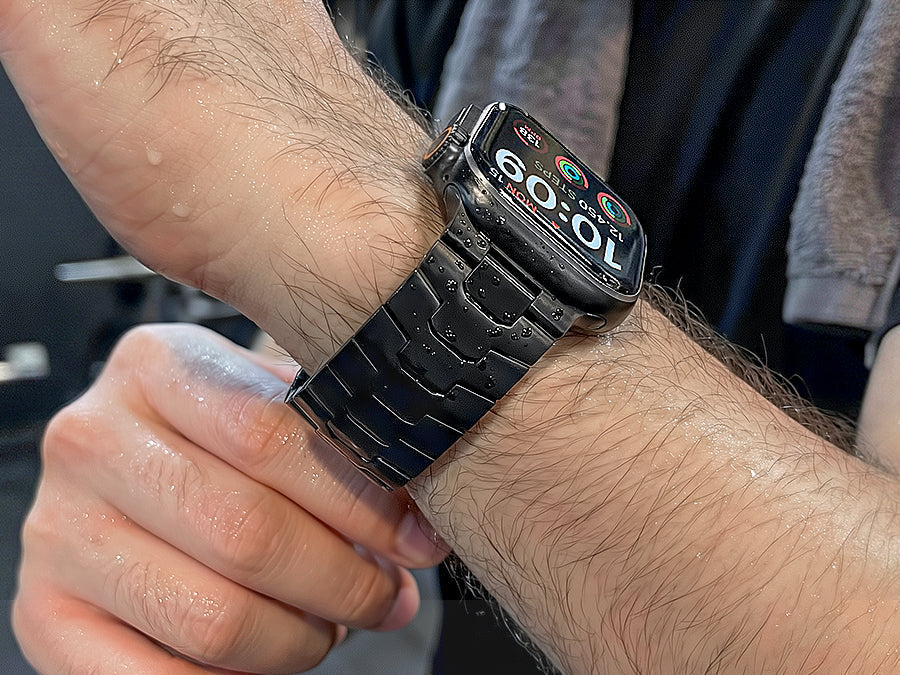
Fitness enthusiasts expose straps to more sweat and friction
-
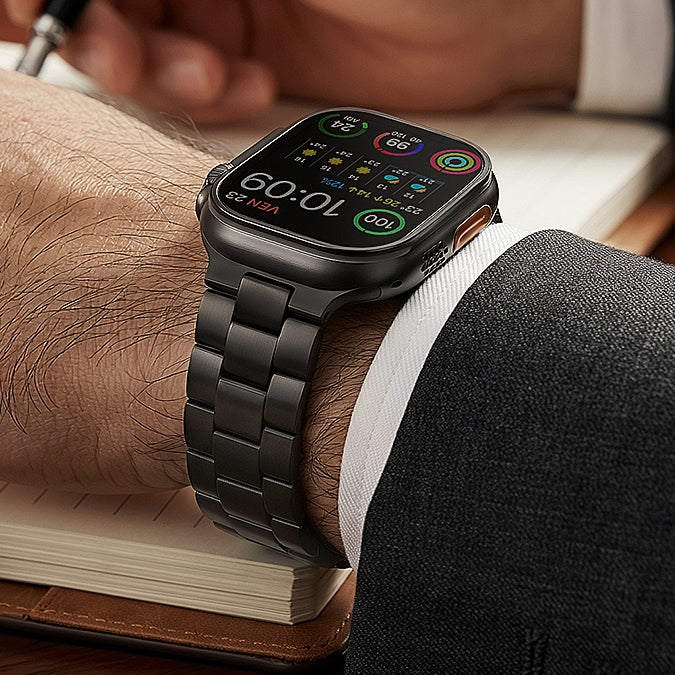
Office workers typically experience slower wear
If you wear your watch during workouts, swimming, or outdoor activities, your band may need replacement sooner than someone who only wears their watch occasionally.
Which Watch Bands Last the Longest?
Metal watch bands are generally the most durable option.
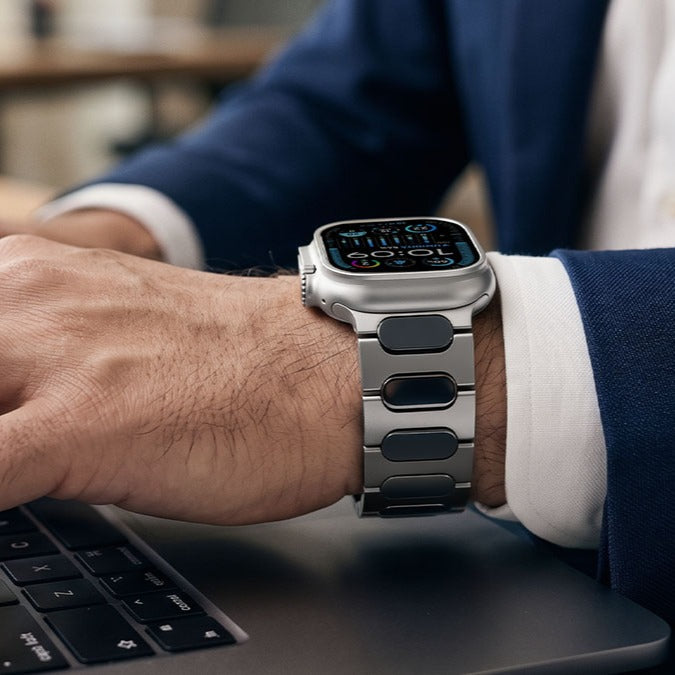
Titanium bands in particular are known for their exceptional strength, corrosion resistance, and lightweight comfort.
Unlike leather or fabric straps, titanium does not absorb sweat and is highly resistant to environmental damage. This makes it a popular choice for long-term everyday wear.
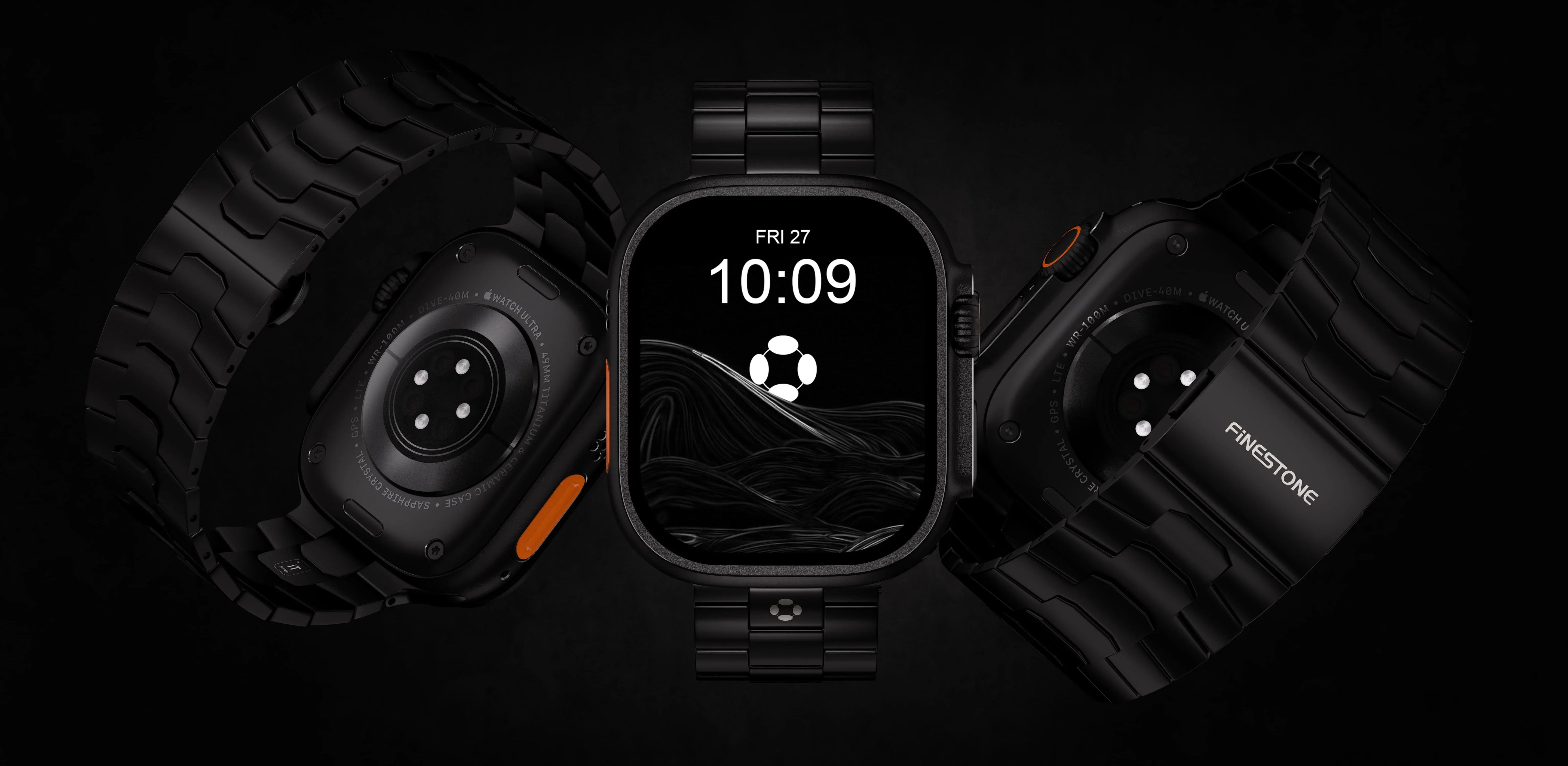
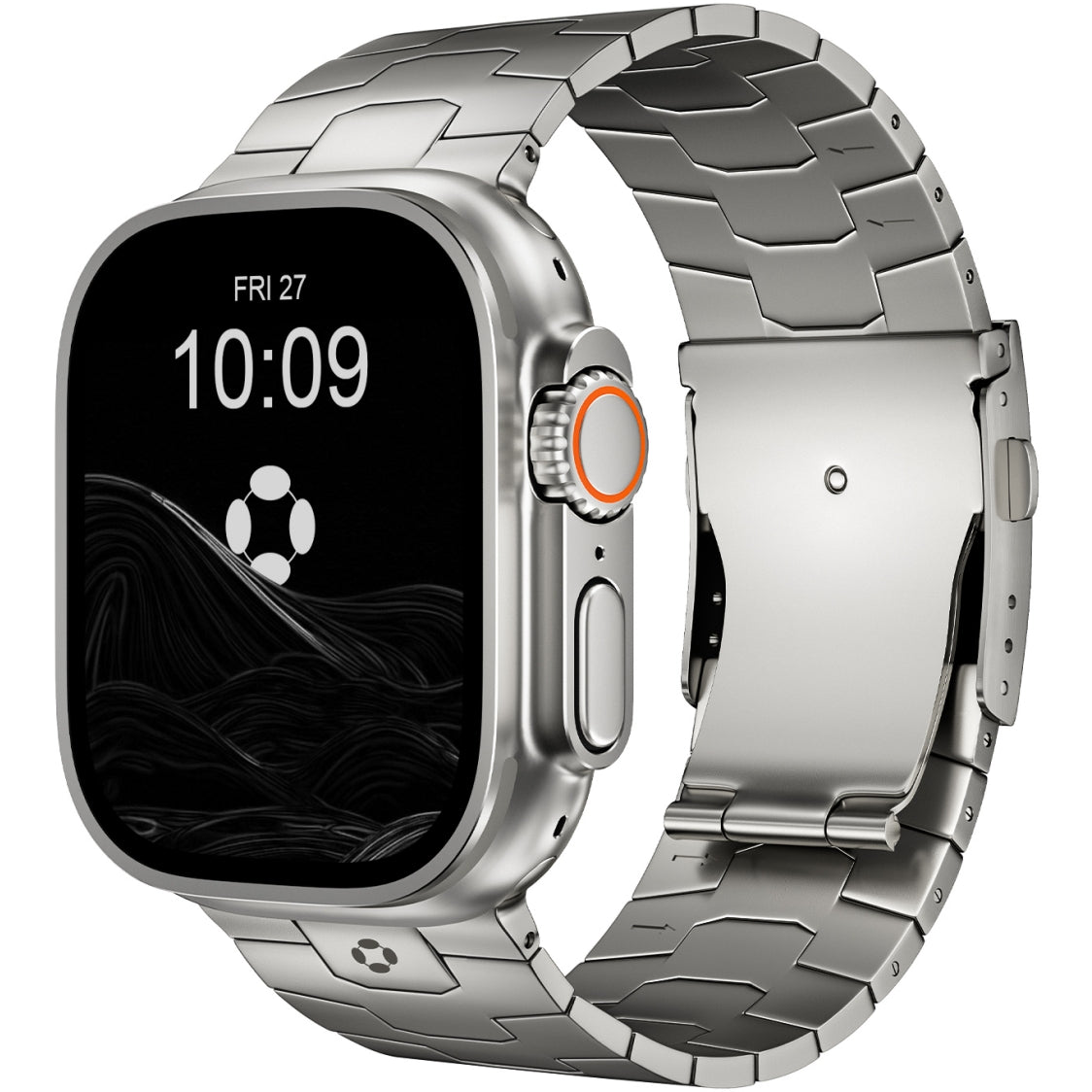
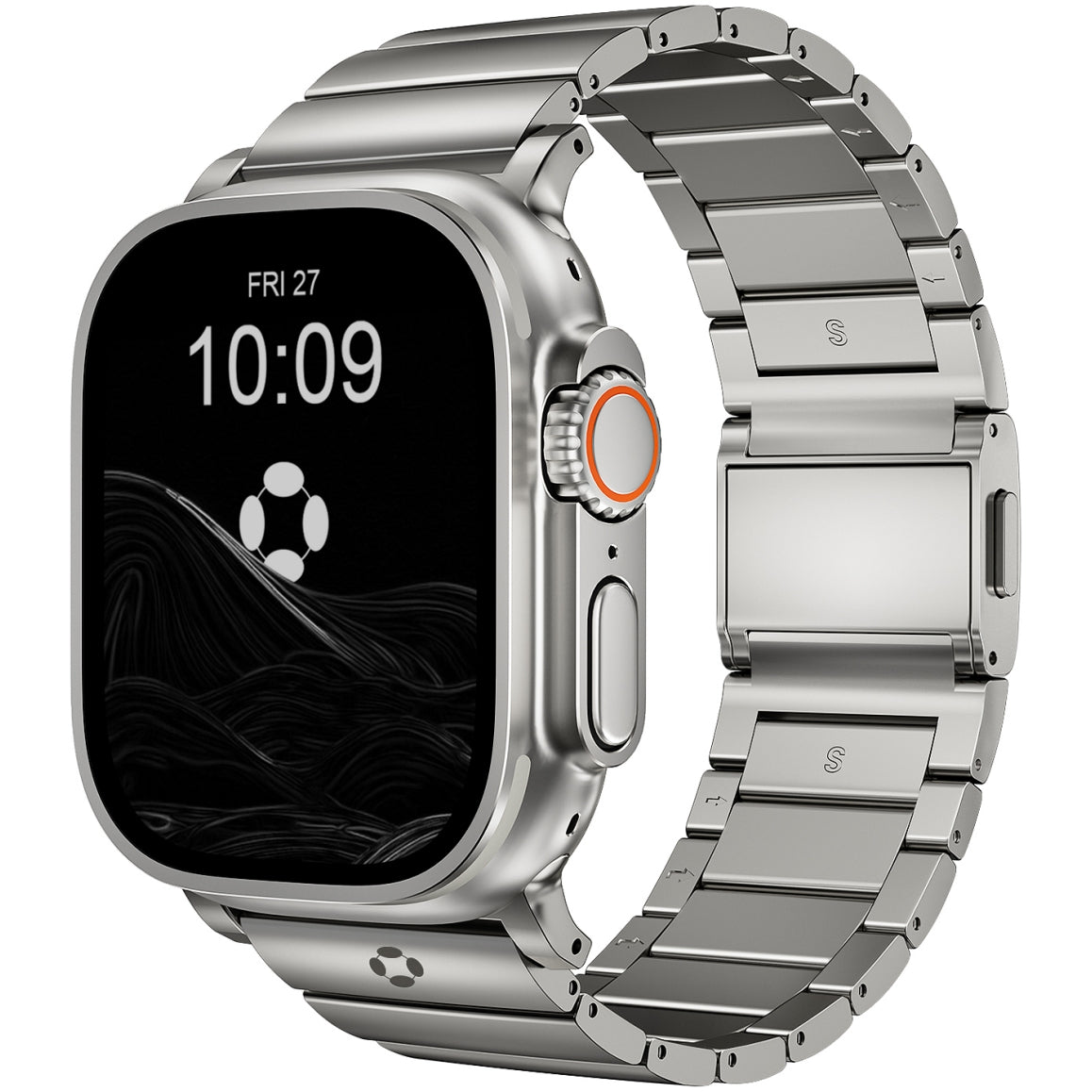
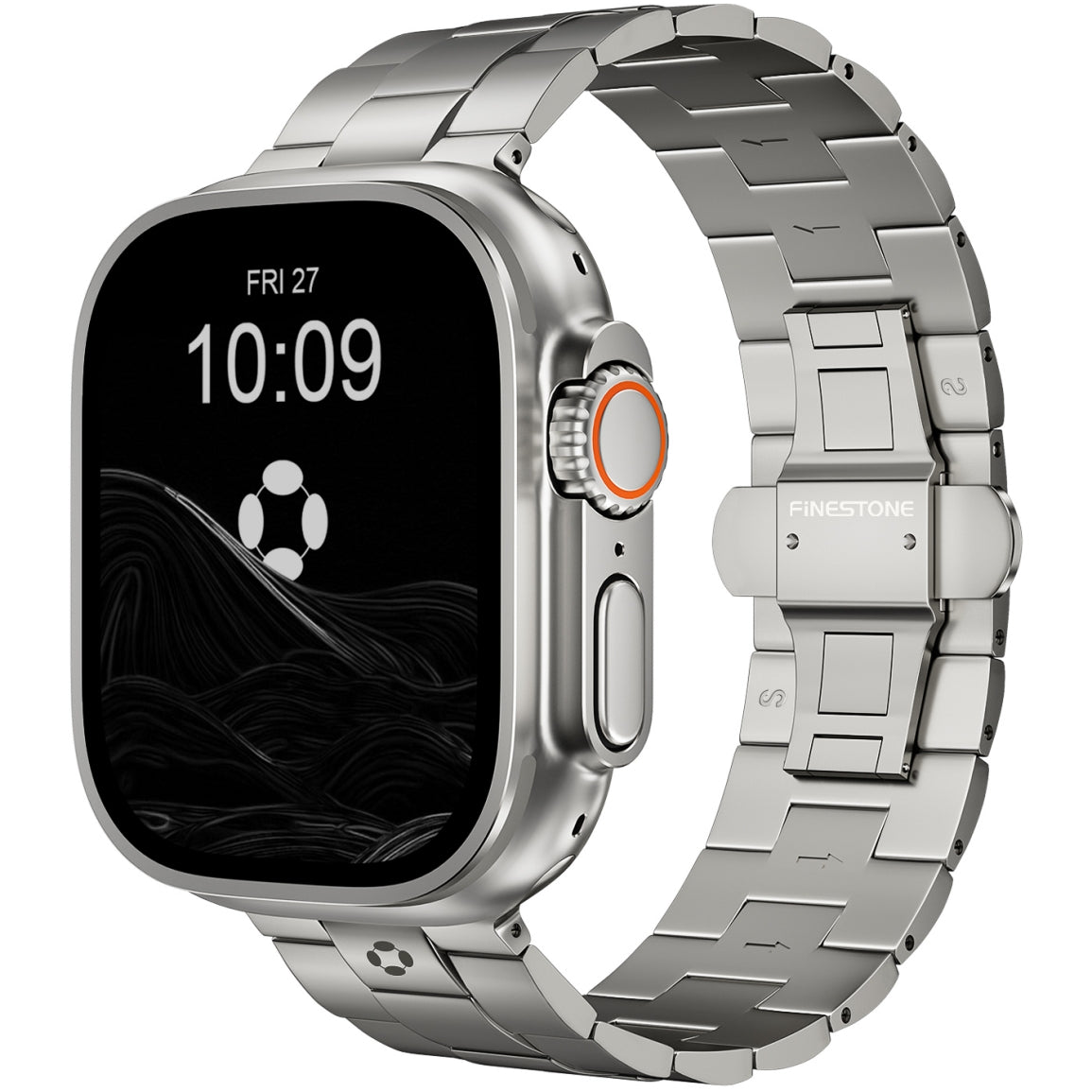
Some modern smartwatch accessories, such as titanium Apple Watch bands from Finestone, focus on combining durability with lightweight design. This allows users to enjoy the longevity of metal bands without the heaviness often associated with stainless steel bracelets.
For people who want a strap that lasts for years with minimal maintenance, titanium is often one of the best options.
How to Extend the Life of Your Watch Band
While watch bands eventually need replacement, proper care can significantly extend their lifespan.
Clean your strap regularly
Sweat, oils, and dirt can accelerate material breakdown.
Remove your watch during intense workouts
This reduces excessive stress on the strap.
Rotate between multiple bands
Using two or three straps helps distribute wear.
Avoid prolonged exposure to water
Especially for leather straps.
These small habits can add months or even years to the life of your watch band.
Should You Replace Your Watch Band or Upgrade It?
Sometimes replacing a worn band is also a good opportunity to upgrade.
For example, many people switch from:
-
Leather → silicone for workouts
-
Silicone → titanium for durability
-
Nylon → metal for a more professional look
Choosing a strap that better matches your lifestyle can improve both comfort and longevity.
Final Thoughts
Watch bands don’t last forever, but understanding their typical lifespan helps you know when it’s time for a replacement.
In general:
-
Leather straps may need replacement every 6–24 months
-
Silicone and nylon bands typically last 1–2 years
-
Metal bands can last 5–10 years or longer
The key is to watch for signs of wear such as cracks, stretching, or damaged connectors.
By maintaining your strap and choosing durable materials, you can keep your watch comfortable, secure, and stylish for many years.