
Have you ever had a watch band snap, crack, or stretch out far sooner than expected?
While many people assume it’s just “normal wear and tear,” the truth is that watch bands break at different rates for very specific reasons — material quality, construction design, finishing process, and daily usage all play a role.
In this pillar guide, we’ll break down:
-
The most common causes of watch band failure
-
How different materials wear over time
-
Structural weak points to watch for
-
How to identify a durable strap before buying
-
How to extend your band’s lifespan
The 5 Main Reasons Watch Bands Break
1. Low-Quality Materials
The number one reason watch bands fail early is poor material selection.
Cheap straps often use:
-
Low-grade alloys
-
Thin, untreated leather
-
Inferior rubber compounds
-
Weak synthetic stitching
These materials degrade faster under sweat, moisture, and daily friction.
For example:
-
Low-grade metal may corrode or bend.
-
Cheap rubber may crack.
-
Thin leather may split at stress points.
Material integrity directly impacts longevity.
2. Weak Structural Design
Even high-quality material can fail if the design is flawed.
Common weak points include:
-
Spring bar holes
-
Clasp hinges
-
Stitching ends
-
Link pins
-
Adjustment holes
If stress concentrates in a single area, the band will eventually tear or snap there.
Well-designed bands distribute pressure evenly across the entire structure.
3. Poor Finishing & Manufacturing
Manufacturing quality matters more than many buyers realize.
Signs of poor construction:
-
Rough edges
-
Uneven stitching
-
Loose link pins
-
Misaligned clasps
-
Thin plating
For metal bands, improper finishing can weaken structural integrity over time.
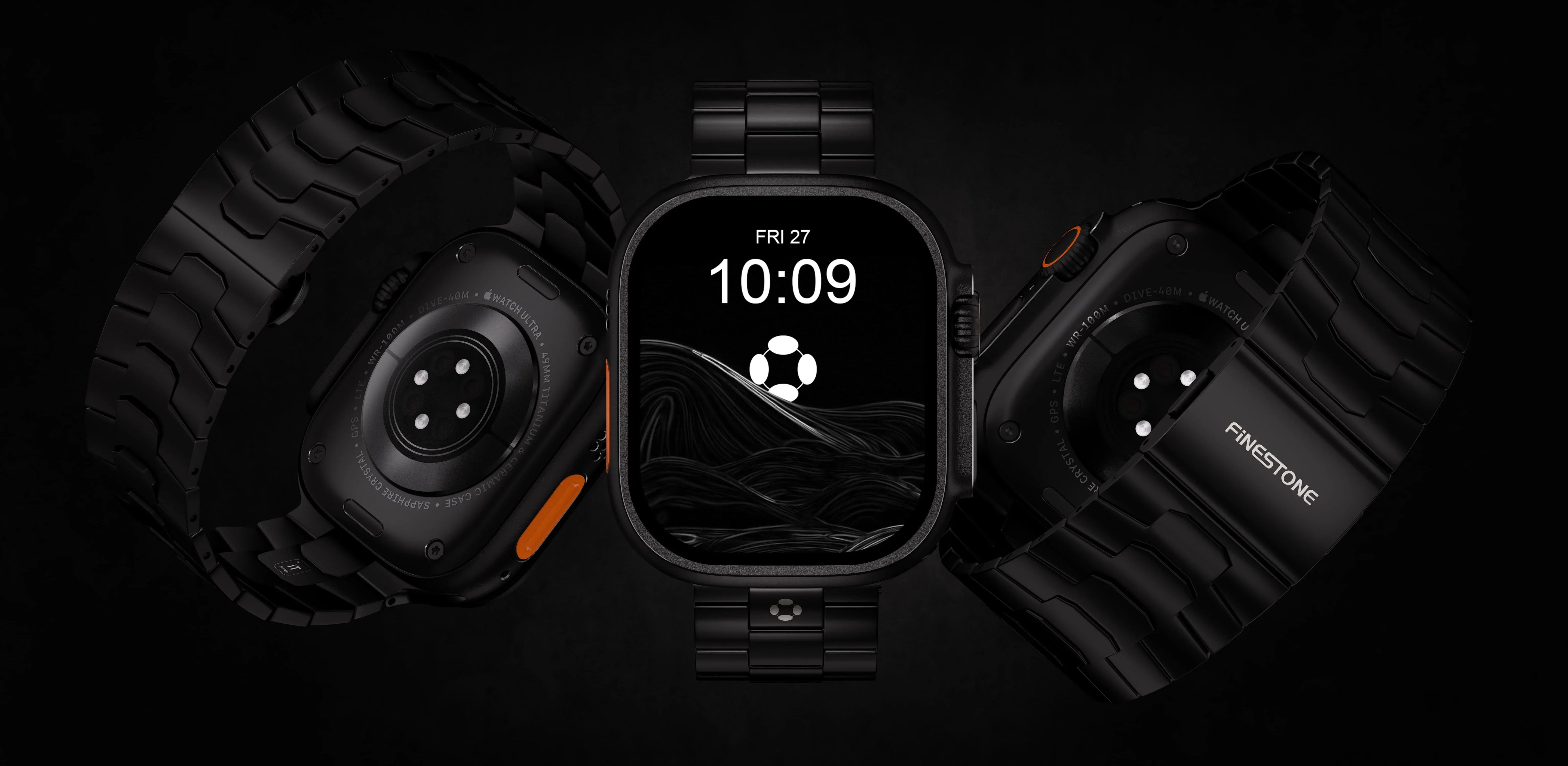
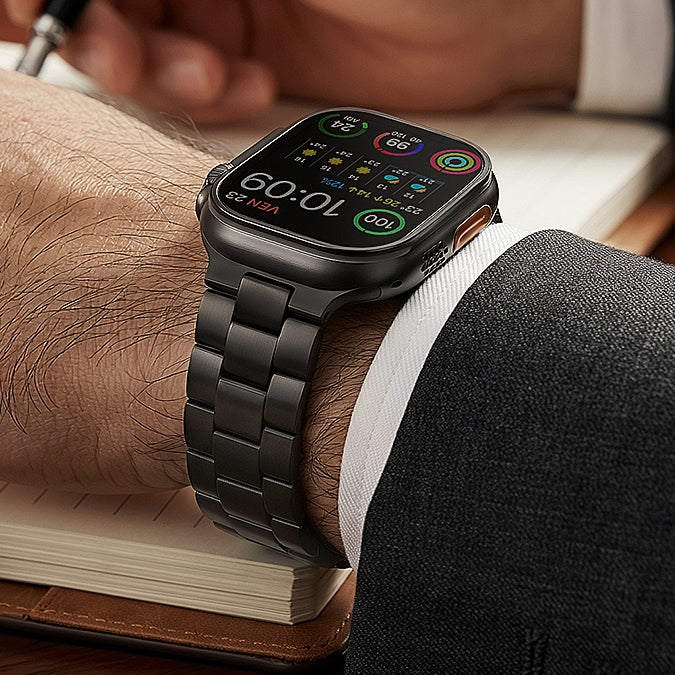
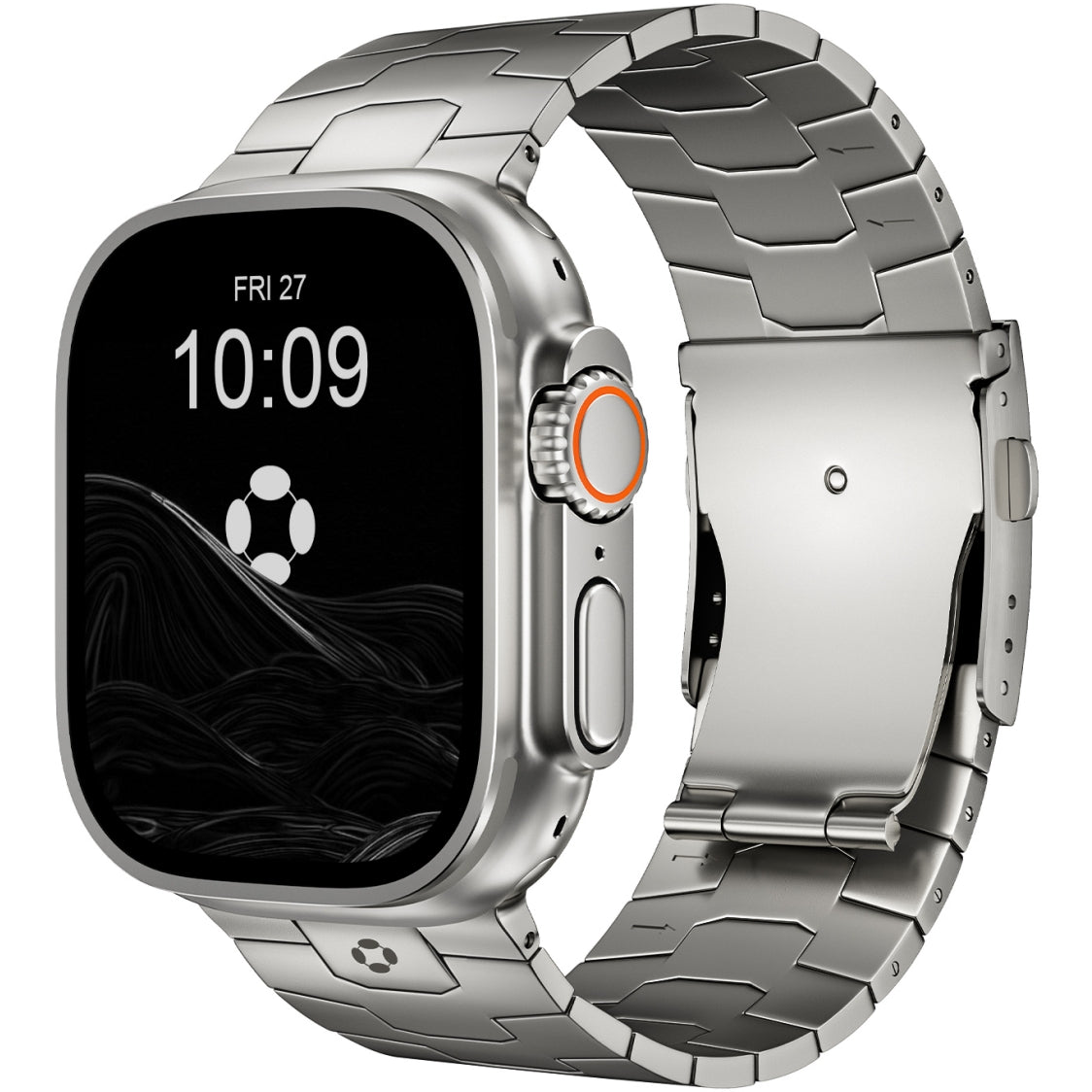
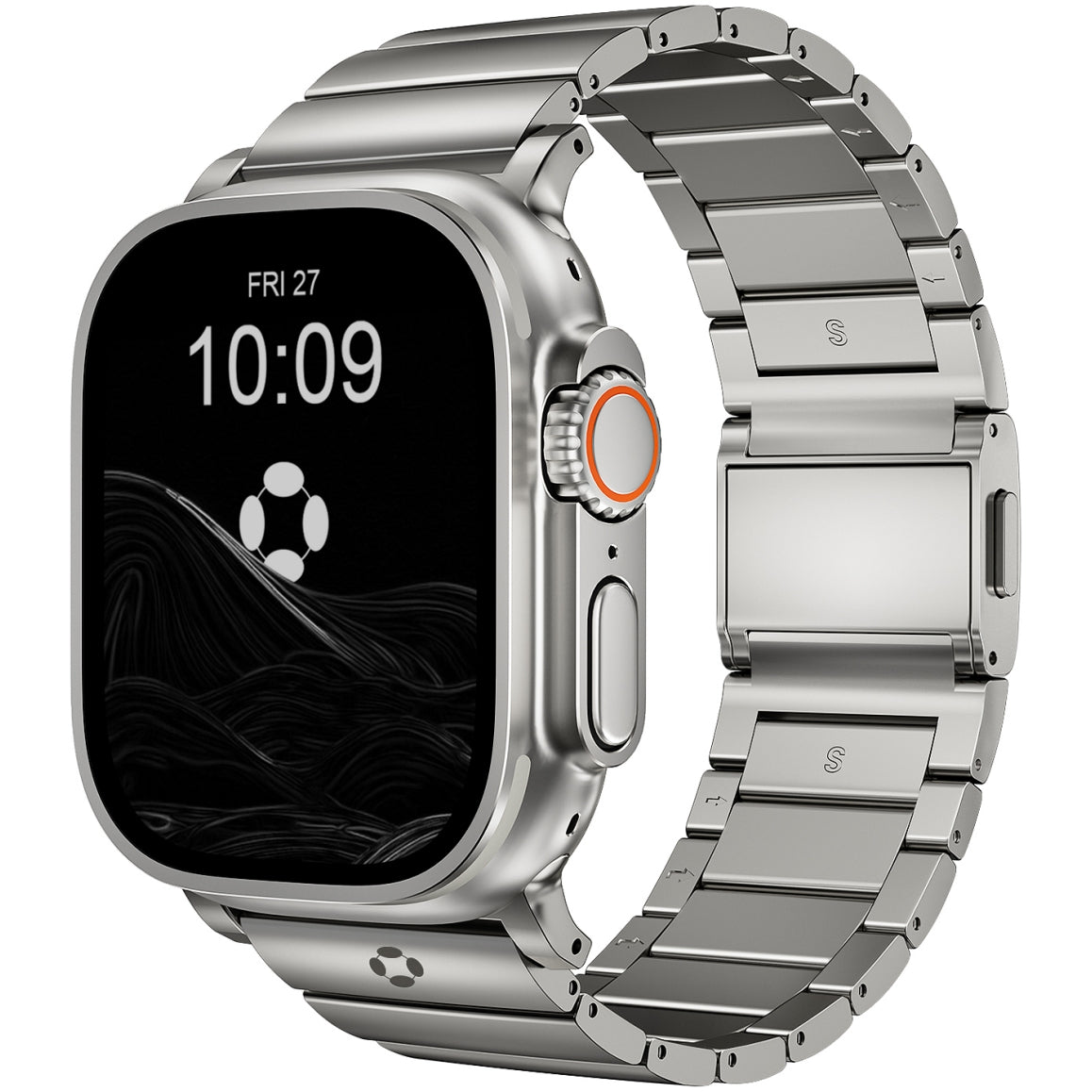
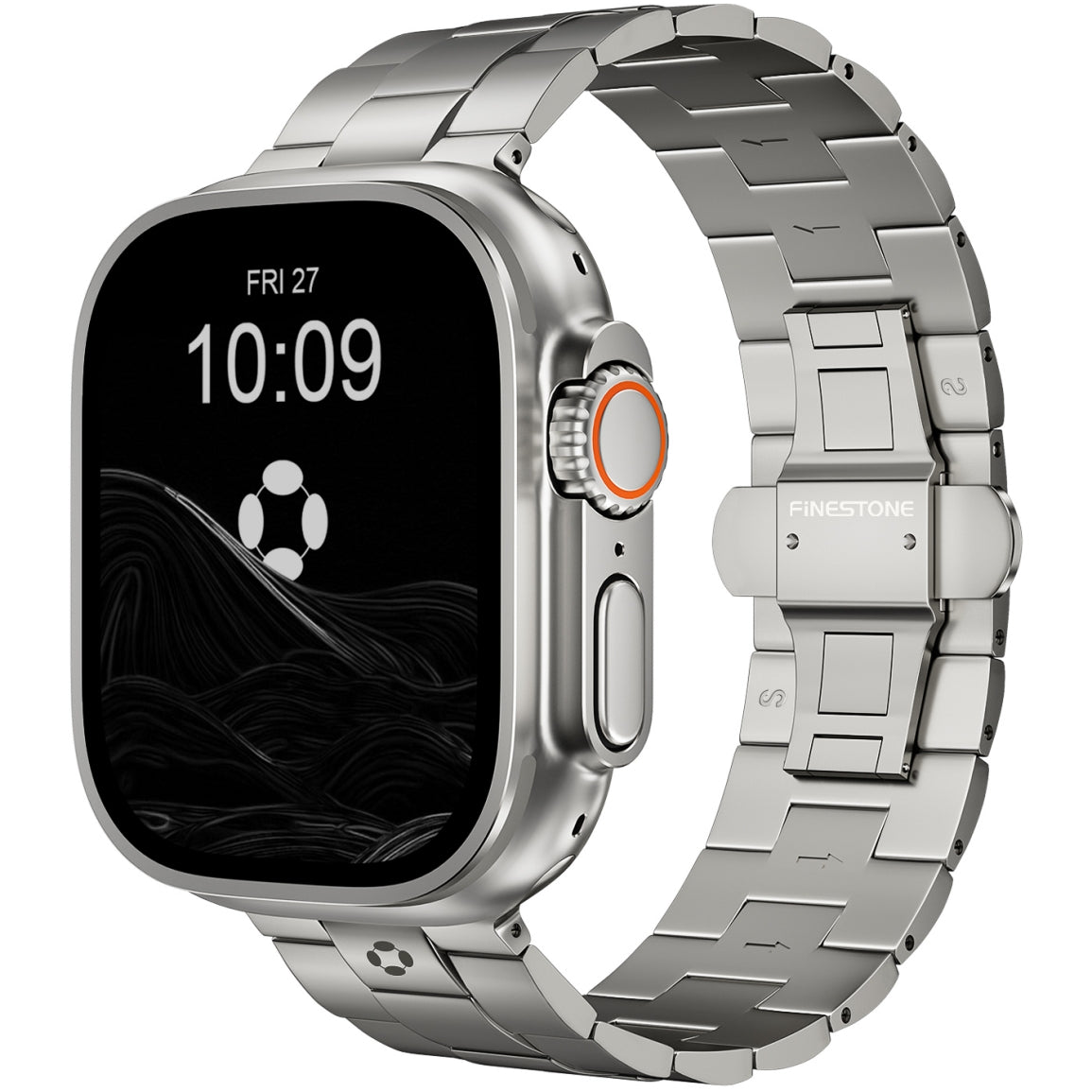
High-quality titanium or stainless steel bands — such as premium titanium Apple Watch straps from finestone — typically undergo refined finishing and precise machining to reduce stress points and improve long-term durability.
Precision manufacturing significantly increases lifespan.
4. Environmental Exposure
Your environment plays a major role in how fast a watch band breaks.
Sweat
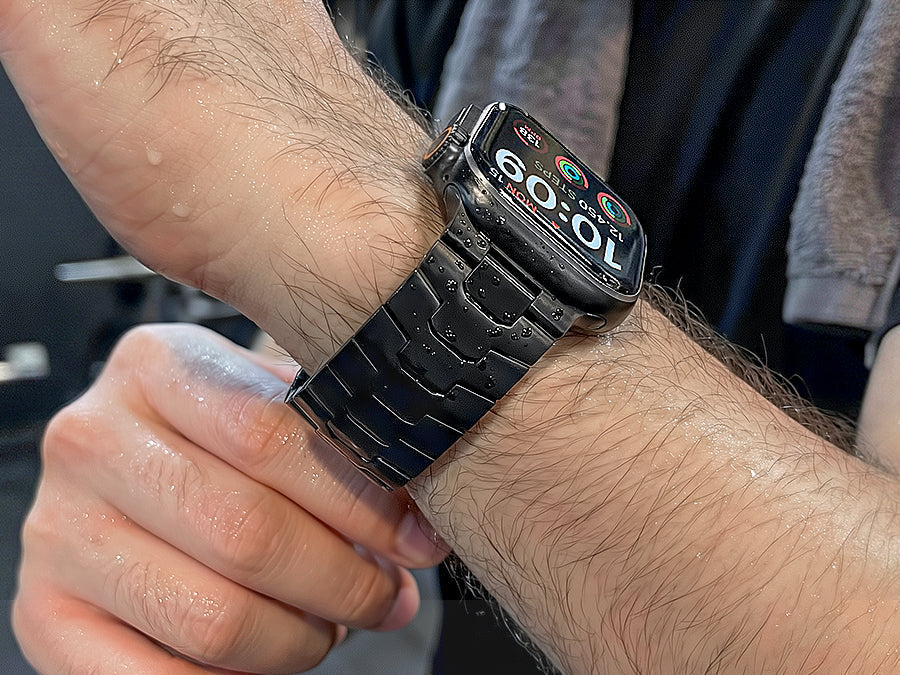
Sweat contains salt and mild acids that degrade leather and low-grade metals.
Heat
High temperatures accelerate material breakdown, especially rubber.
Cold
Freezing temperatures can make cheap rubber brittle.
Saltwater
Salt accelerates corrosion in lower-quality metal alloys.
Even a strong strap will fail faster without proper care in harsh conditions.
5. Improper Fit & Tension
Many bands break because they are worn too tightly.
Over-tightening causes:
-
Stress at adjustment holes
-
Leather stretching
-
Link strain
-
Clasp fatigue
A strap that’s slightly loose allows airflow and reduces stress concentration.
How Different Materials Break Over Time
Leather
Leather failure typically looks like:
-
Cracking near holes
-
Stretching
-
Peeling edges
-
Stitch separation
Sweat accelerates this process dramatically.
High-quality full-grain leather lasts longer but still requires conditioning.
Silicone & Rubber
Common failure signs:
-
Cracks at stress points
-
Loss of flexibility
-
Tearing at buckle holes
Cheap rubber hardens and splits much faster than medical-grade silicone.
Stainless Steel
Metal rarely “breaks” but may:
-
Bend
-
Develop loose pins
-
Corrode if low quality
-
Experience clasp fatigue
Durability depends heavily on grade and construction.
Titanium
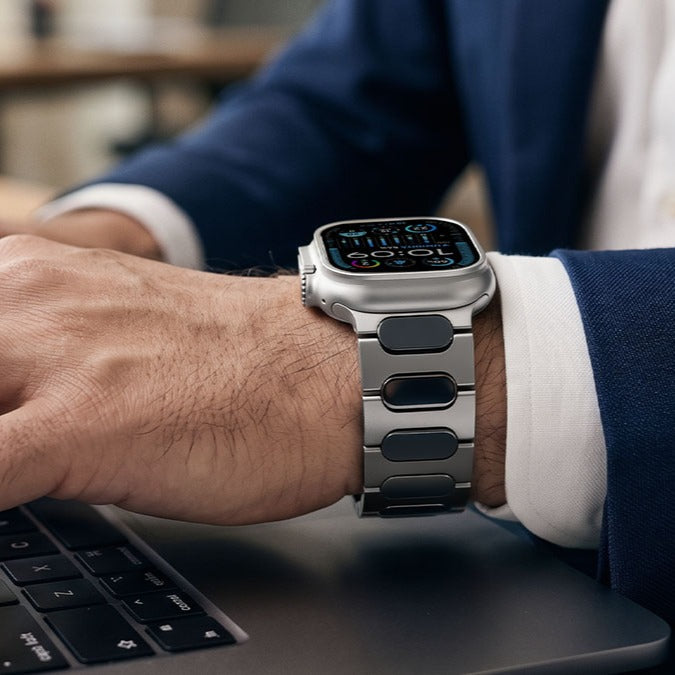
Titanium is highly resistant to corrosion and fatigue. It’s lighter than steel, which reduces stress on link connections.
However, even titanium bands can fail if:
-
Link pins are poorly installed
-
Clasp mechanisms are cheaply made
Material strength must be matched with strong design.
Warning Signs Your Watch Band May Fail Soon
Watch for:
-
Small cracks near holes
-
Loose pins
-
Warped clasps
-
Fraying stitching
-
Discoloration from corrosion
Catching early signs can prevent complete failure.
How to Choose a Watch Band That Lasts
1. Check Material Grade
-
316L stainless steel
-
Aerospace-grade titanium
-
Full-grain leather
-
Medical-grade silicone
2. Inspect Stress Points
Look closely at:
-
Adjustment holes
-
Spring bar connection
-
Clasp hinge
These areas should feel solid and reinforced.
3. Evaluate Weight Balance
Excessively heavy bands strain connection points.
Titanium often strikes a better balance between strength and weight.
4. Avoid Ultra-Cheap Pricing
If a band costs dramatically less than competitors, corners were likely cut.
How to Extend Your Watch Band’s Life
✔ Clean regularly
✔ Avoid over-tightening
✔ Rotate straps if possible
✔ Keep leather conditioned
✔ Rinse metal after salt exposure
Even premium straps benefit from proper care.