
Apple Watch has become one of the most widely used health tracking devices in the world. But how much can you trust the numbers on your wrist?
A landmark 2026 meta-analysis published in npj Digital Medicine—combining 82 validation studies with over 430,000 participants—provides the clearest answer yet . Here's what the science says about Apple Watch accuracy for heart rate, ECG, and fitness metrics.
Heart Rate: Excellent Overall, With Caveats
The meta-analysis found that Apple Watch heart rate measurements show minimal average bias—just -0.27 beats per minute compared to medical-grade equipment . This means the watch slightly underestimates heart rate on average, but by less than one beat.
However, the limits of agreement ranged from -7.19 to 6.64 bpm . In plain language: while the average is excellent, individual readings can occasionally differ by 7-8 beats in either direction. This variability tends to be higher during exercise and in people with arrhythmias .
Independent lab testing from Which? confirms Apple's leadership. Across 58 devices tested against medical chest straps, Apple achieved an overall error rate of just 1.1% —the lowest of any major brand .
| Brand | Overall Error | Rest | Running |
|---|---|---|---|
| Apple | 1.1% | 0.99% | 1.76% |
| Garmin | 2.5% | 1.73% | 3.27% |
| Samsung | 2.58% | 2.03% | 3.99% |
Apple's consistency across different activities—rest, walking, running, cycling—is unmatched .
Atrial Fibrillation Detection: Better at Rule-Out
For detecting AFib, Apple Watch is more specific than sensitive :
-
Specificity: 91% —If the watch says you don't have AFib, you likely don't
-
Sensitivity: 79% —It correctly detects about 8 out of 10 AFib cases
This makes the watch excellent for screening and peace of mind, but not a standalone diagnostic tool. As one user shared: "My AW alerted me to heart irregularities that sent me to the ER... 99% blockage. I am AW for life now" .
Blood Oxygen: Good Average, Wide Range
Blood oxygen (SpO2) showed low mean bias (-0.04%) but wide limits of agreement (-4.00% to 3.94%) . Individual readings can vary by several percentage points, especially at lower saturations . Useful for trends, less reliable for precise clinical measurement.
Energy Expenditure: The Weak Link
The meta-analysis found "error for energy expenditure was inconsistent and frequently large" . A separate 2026 study on arXiv confirmed this, showing that error varies significantly by body fat percentage—accuracy worsens as adiposity increases .
If you're using Apple Watch to precisely count calories burned, take those numbers with skepticism.
Sleep and Step Count: Moderately Accurate
The review classifies sleep and step accuracy as moderate . Both metrics are useful for trends and patterns but shouldn't be treated as exact measurements.
Factors That Affect Accuracy
Several factors influence how well your Apple Watch tracks :
-
Movement: High-intensity interval training and rapid arm movements can temporarily reduce accuracy
-
Fit: A loose watch bounces; a bouncing watch guesses
-
Skin condition: Cold skin constricts blood vessels, making readings harder
-
Individual physiology: Tattoos, scars, and body composition can affect optical sensors
Tips to Improve Accuracy
-
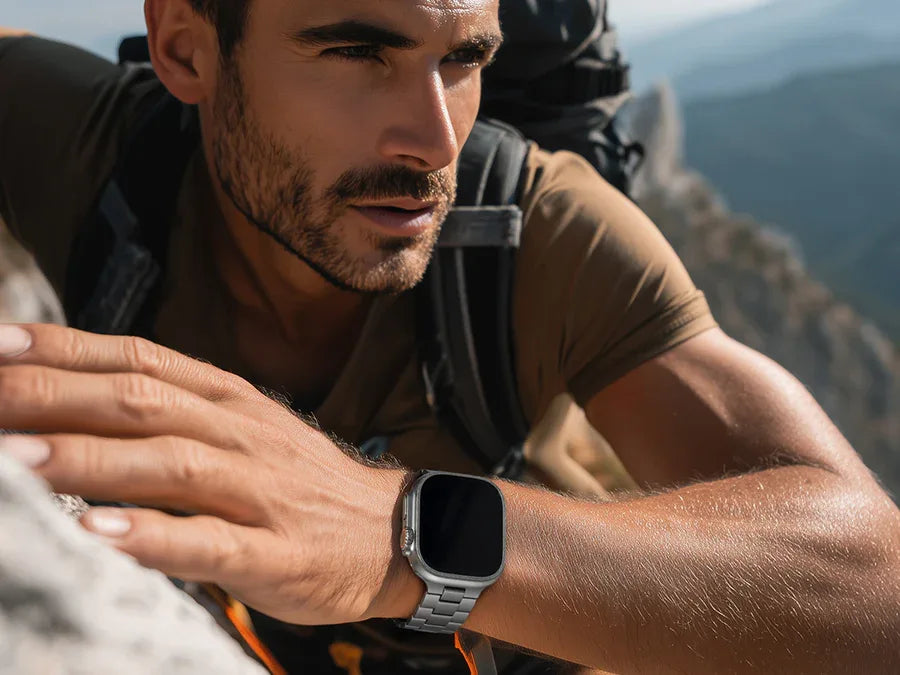
Position correctly: Wear the watch two finger-widths above your wrist bone, not on the bone itself
-
Tighten during workouts: One extra notch prevents bouncing during intense activity
-
Keep sensors clean: Sweat, sunscreen, and dust can block the sensor's light
-
Warm up first: Cold skin constricts blood vessels; warm up before expecting accurate readings
The Bottom Line
Apple Watch delivers industry-leading heart rate accuracy—validated by the largest meta-analysis to date . For ECG and AFib detection, it's a valuable screening tool. For energy expenditure, treat the numbers as estimates rather than gospel .
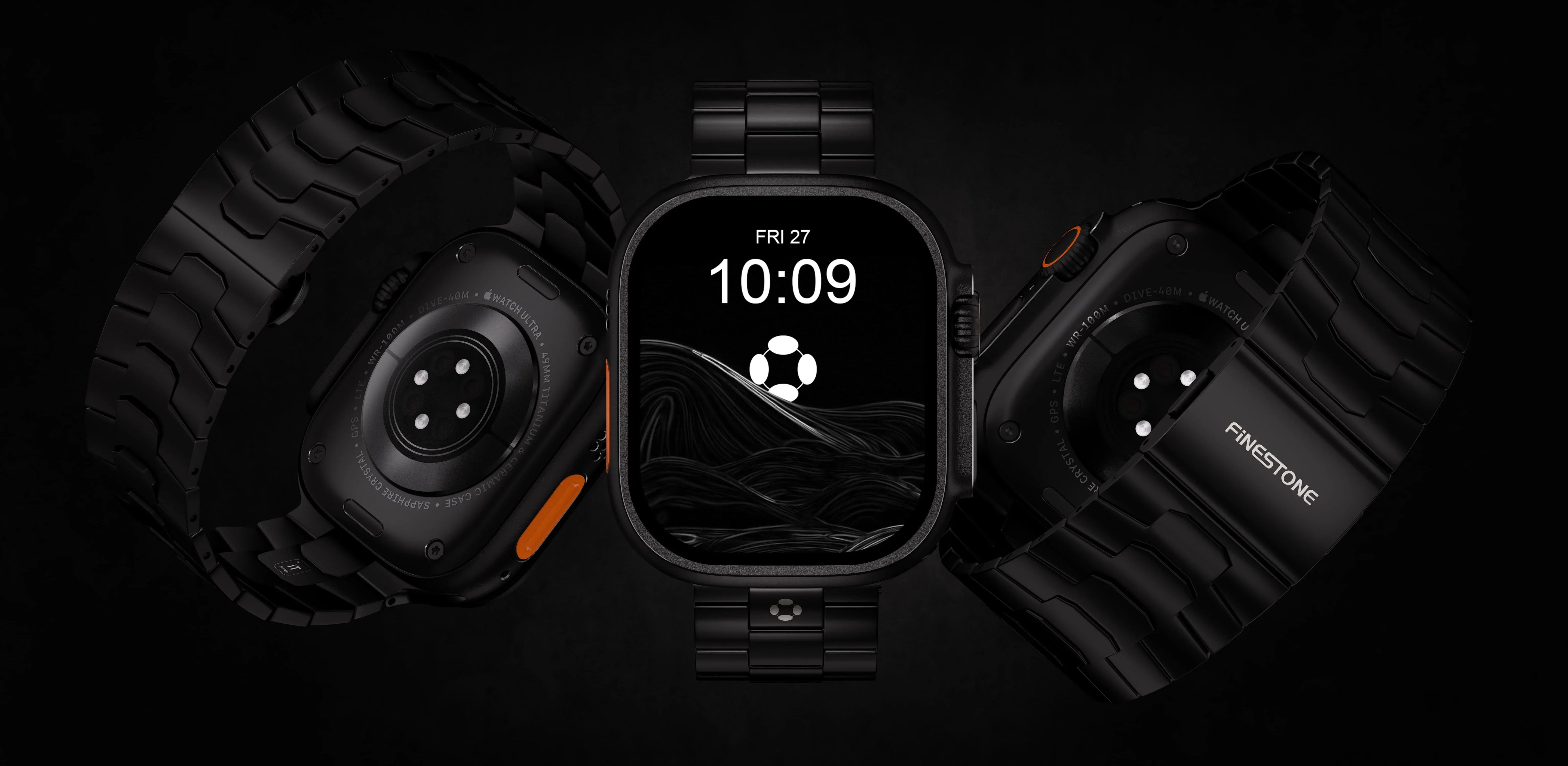
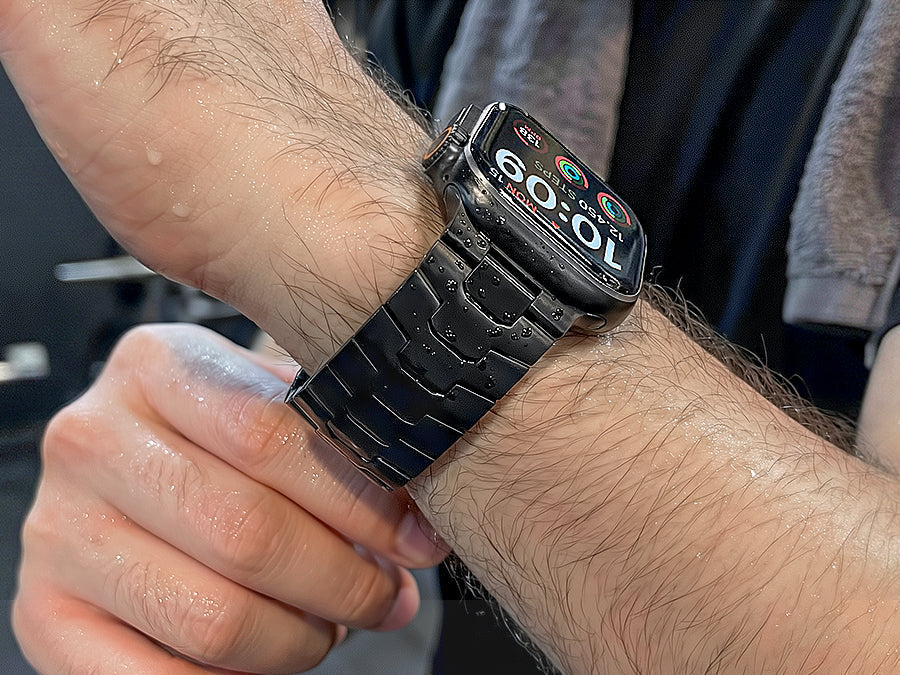
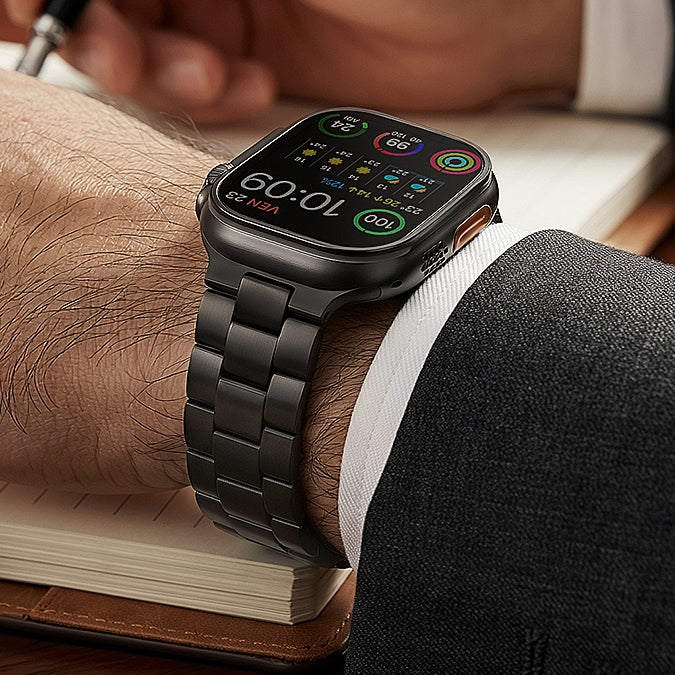
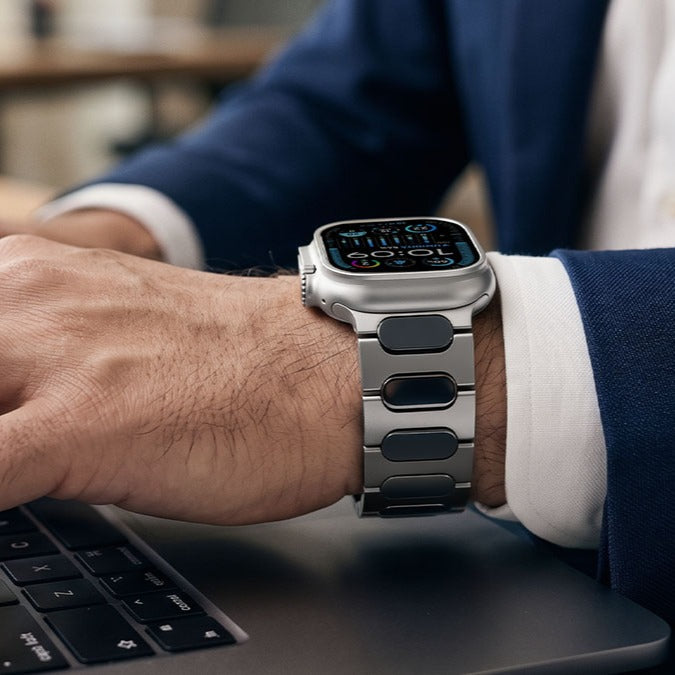
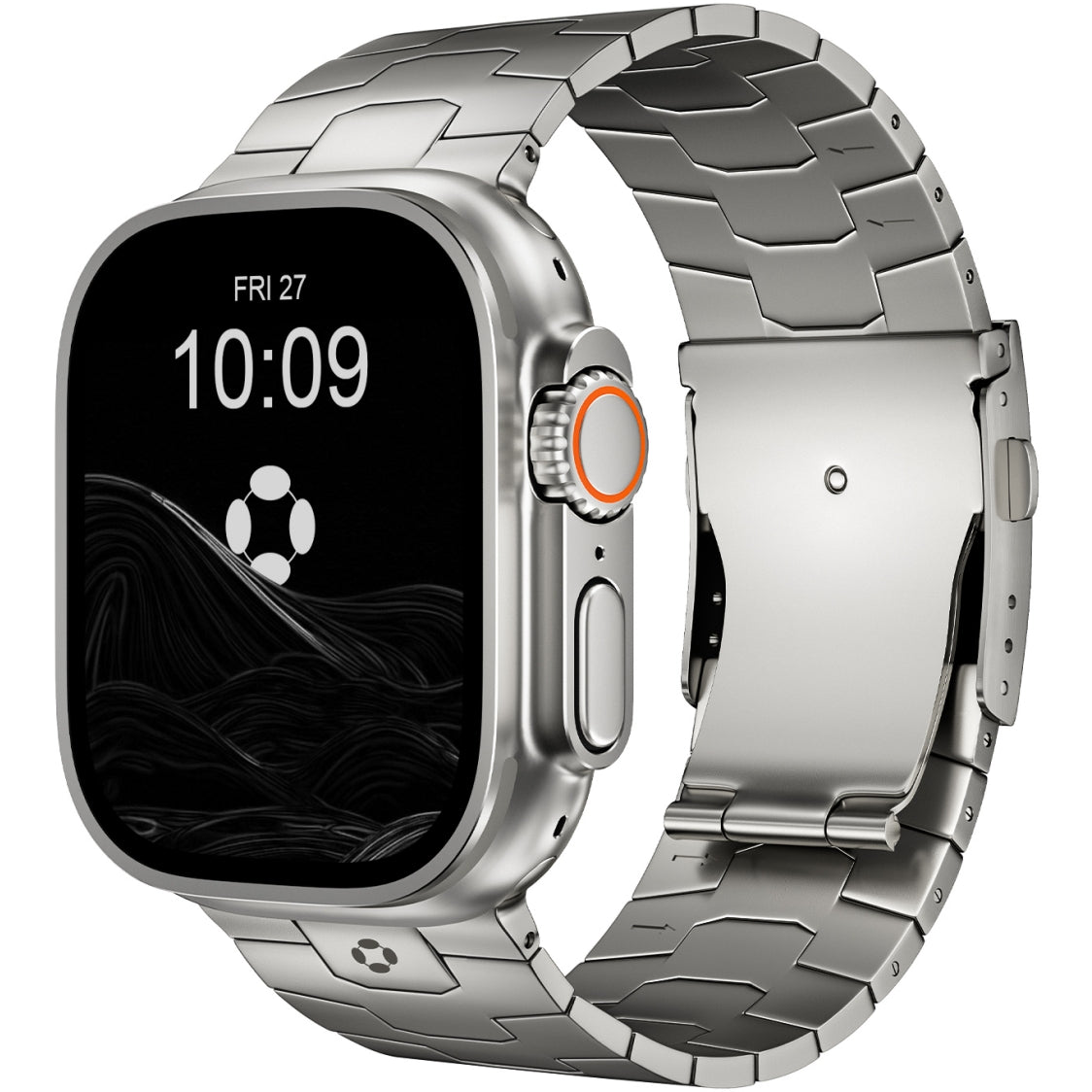
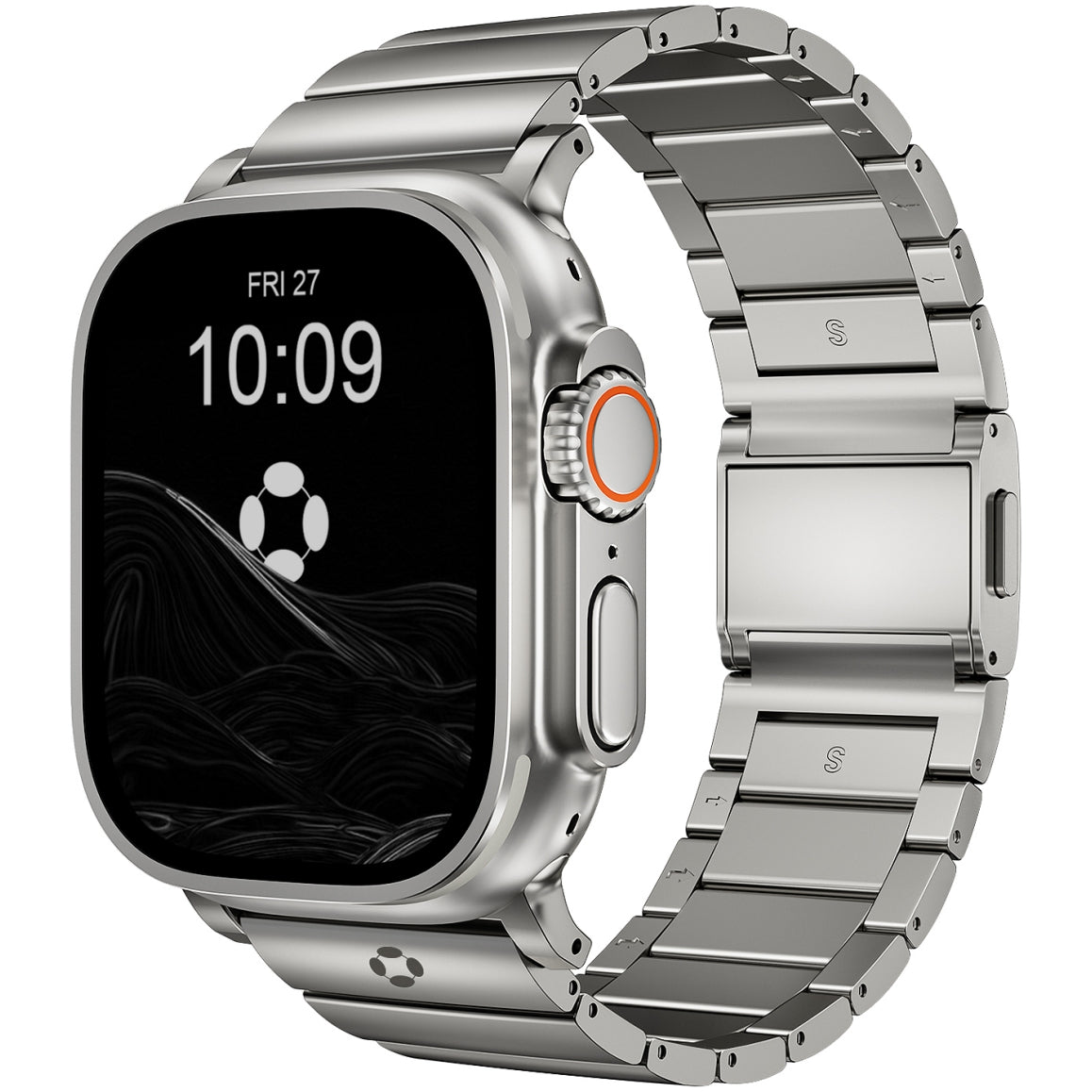
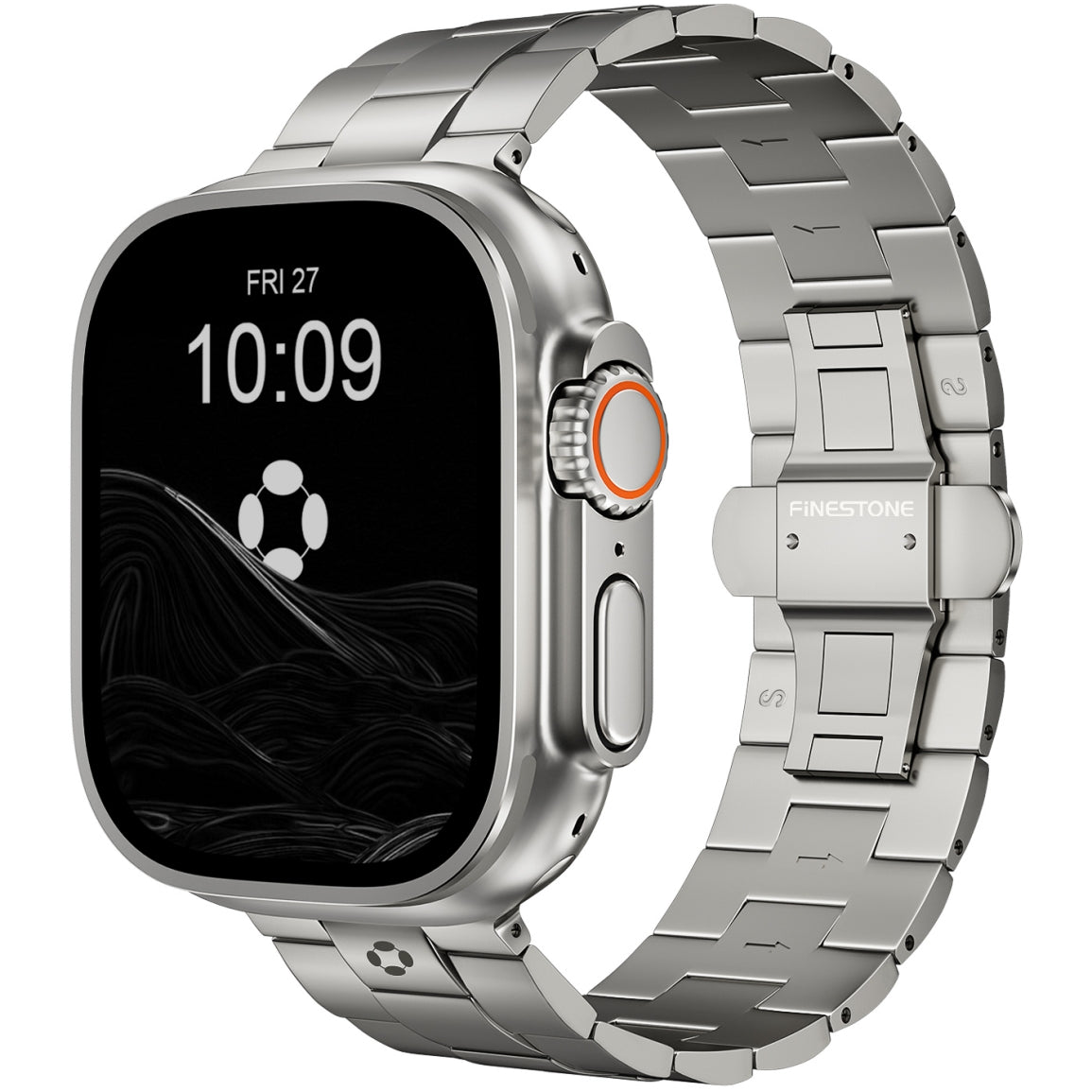
To get the most accurate readings, proper fit is essential. Whether you're tracking a marathon or daily steps, pairing your watch with a comfortable, secure band—like the FiNESTONE Titanium Band—ensures the sensors stay properly positioned against your skin for the most reliable data.
The data is clear: Apple Watch is accurate enough for most fitness and health monitoring needs. Just understand its strengths (heart rate, AFib screening) and limitations (calories, sleep staging) before relying on the numbers.