
Most people think about watch bands in terms of style — sporty, elegant, minimalist, or bold. But what many overlook is that the band sitting against your skin for 8–16 hours a day can directly affect both physical comfort and skin health.
If you’ve ever felt wrist irritation, sweating, redness, or itchiness under your watch, your band material — not the watch itself — is usually the cause.
In this comprehensive guide, we’ll explore how watch bands influence daily comfort, what causes skin reactions, which materials are healthiest, and how to choose a strap that feels good and supports long-term skin wellness.
Why Watch Bands Have a Bigger Impact Than You Think
Your watch case touches only a small part of your wrist. The band, however, wraps fully around your skin and:
-
Traps heat
-
Holds moisture
-
Creates friction
-
Collects bacteria and sweat
Over time, the wrong band can lead to issues like contact dermatitis, rashes, pressure marks, and sweat irritation — especially if worn tightly or during exercise.
Comfort and skin health are closely connected. A band that doesn’t breathe or fit properly doesn’t just feel bad — it can actively irritate your skin barrier.
Common Skin Issues Caused by Watch Bands
1️⃣ Sweat Rash & Heat Irritation
When sweat gets trapped under non-breathable materials, it creates a warm, damp environment — ideal for irritation and bacterial growth.
Symptoms include:
-
Redness
-
Small bumps
-
Itchy or burning sensation
This is common with cheap silicone, rubber, or plastic bands that lack airflow.
2️⃣ Allergic Contact Dermatitis
Some watch bands contain metals or chemical treatments that trigger skin reactions.
Common triggers:
-
Nickel in metal alloys
-
Low-quality leather dyes
-
Synthetic coatings and adhesives
Sensitive skin can react with:
-
Itching
-
Blister-like bumps
-
Peeling skin
3️⃣ Friction & Pressure Marks
Bands that are stiff, poorly sized, or too heavy can cause constant rubbing or pressure points. Over time, this may lead to:
-
Skin darkening
-
Soreness
-
Indentations
Heavy metal bands and rough stitching are common culprits.
Key Factors That Affect Comfort & Skin Health
✅ Breathability
Skin needs airflow. Materials that allow heat and moisture to escape help prevent irritation.
✅ Weight
Heavier bands increase wrist fatigue and pressure on the skin, especially during long wear.
✅ Surface Smoothness
Rough edges, exposed seams, or poorly finished links can rub against skin and cause micro-irritation.
✅ Hypoallergenic Materials
Some metals and synthetics are more skin-friendly than others.
✅ Proper Fit
Too tight traps moisture. Too loose increases friction. The ideal fit should allow slight movement without sliding around.
Comparing Watch Band Materials for Skin Comfort
🏃 Silicone & Rubber
Pros
-
Flexible
-
Waterproof
-
Good for workouts
Cons
-
Can trap sweat
-
May cause heat rash if worn too long
-
Lower-quality versions contain skin irritants
Best for: Short-term active use, not 24/7 wear
🧵 Nylon & Fabric
Pros
-
Highly breathable
-
Lightweight
-
Soft on skin
Cons
-
Absorbs sweat
-
Can harbor bacteria if not washed often
Best for: Casual daily wear, warm climates
🧥 Leather
Pros
-
Natural material
-
Becomes softer over time
-
Breathable compared to rubber
Cons
-
Can absorb sweat
-
May cause reactions if treated with harsh dyes
Best for: Office and moderate daily wear
⛓️ Stainless Steel
Pros
-
Durable
-
Easy to clean
Cons
-
Heavy
-
Can contain nickel
-
Less breathable
Best for: Occasional wear, formal settings
🪶 Titanium (A Skin-Friendly Premium Option)
Titanium stands out as one of the most skin-compatible metals available today.
Why titanium is healthier for skin:
-
Naturally hypoallergenic
-
Nickel-free
-
Lightweight, reducing wrist pressure
-
Corrosion-resistant against sweat
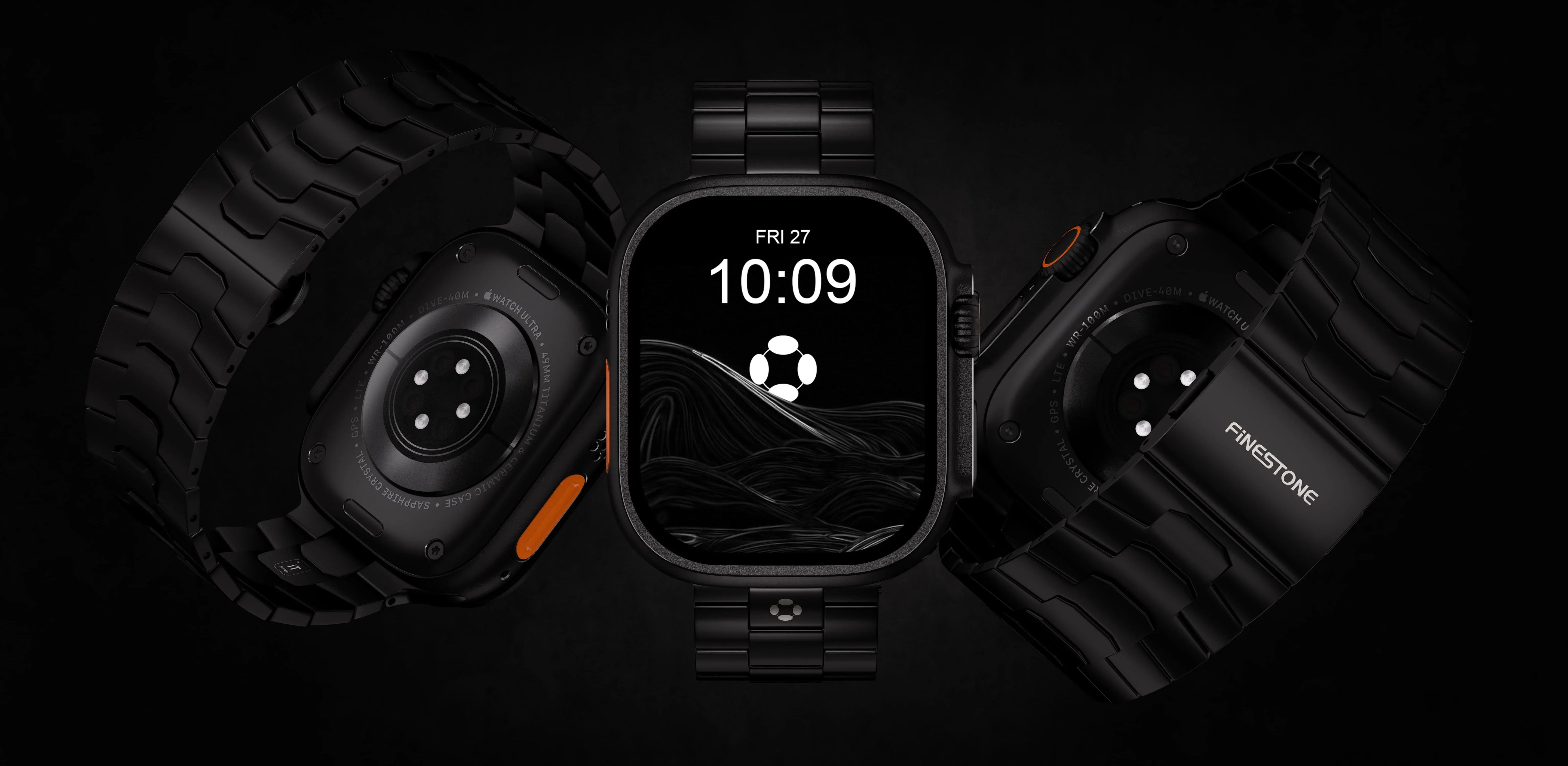
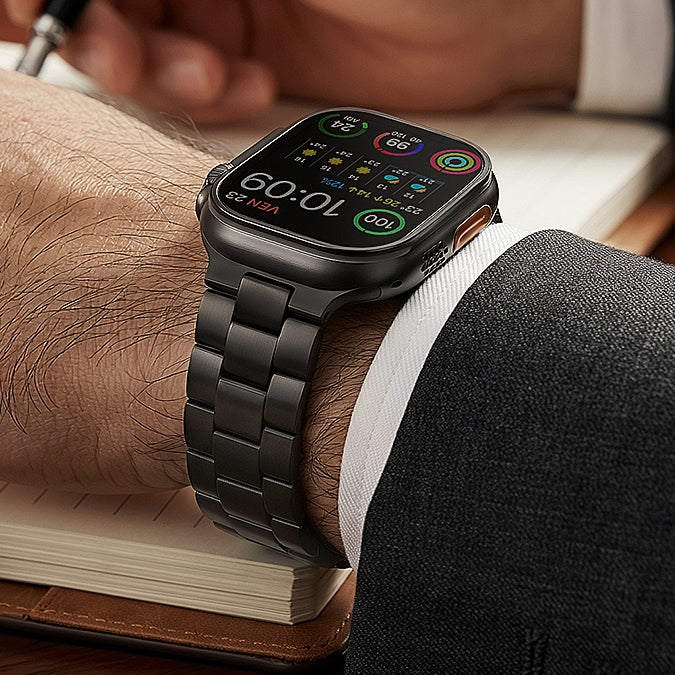
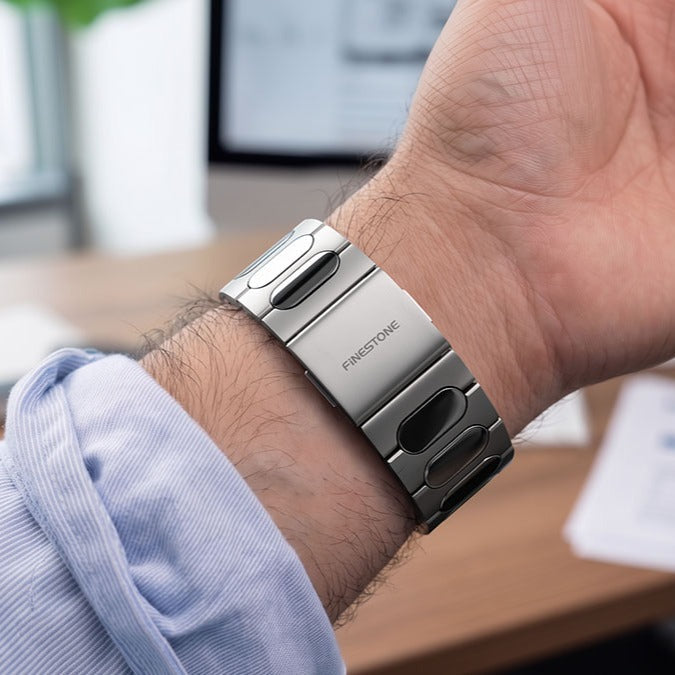
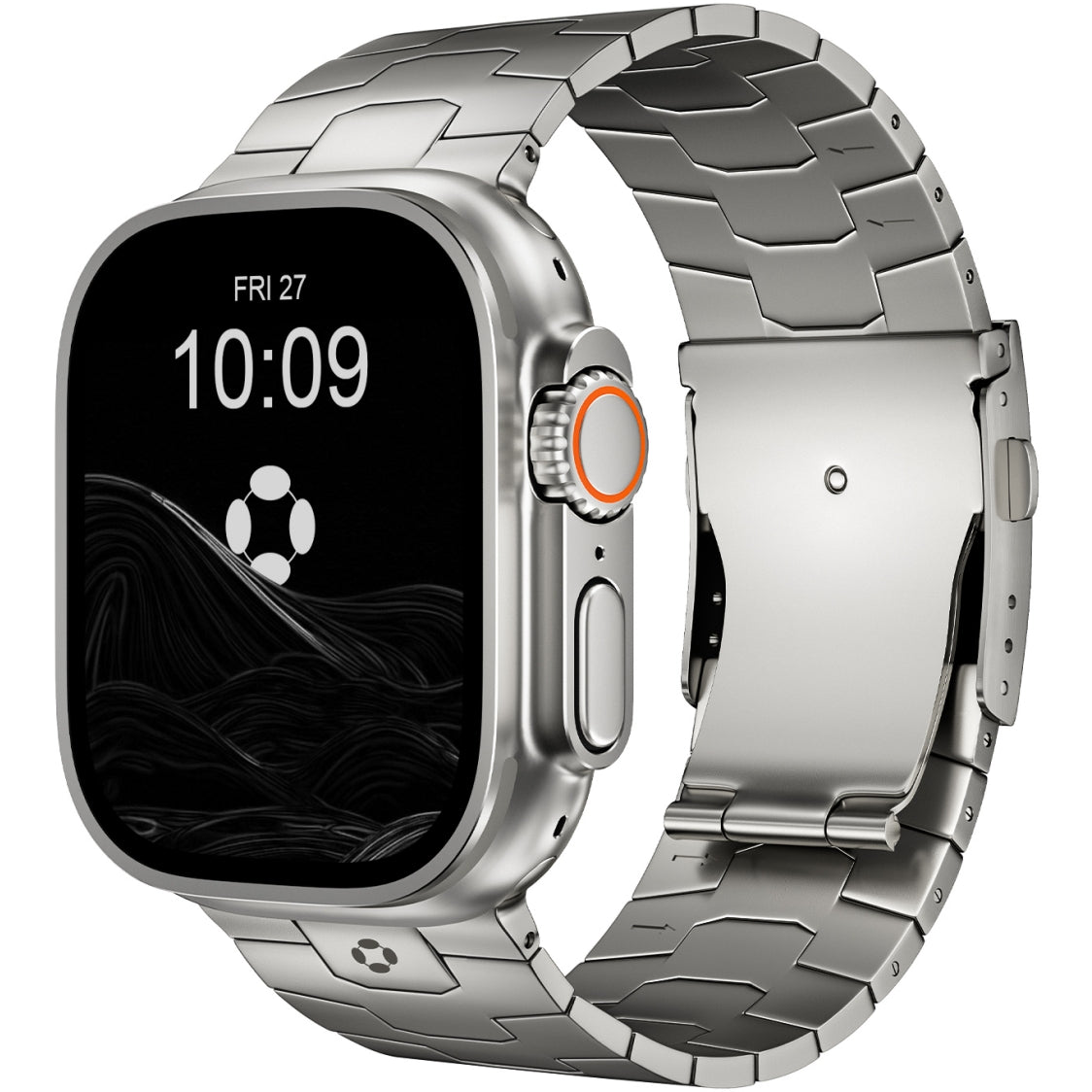
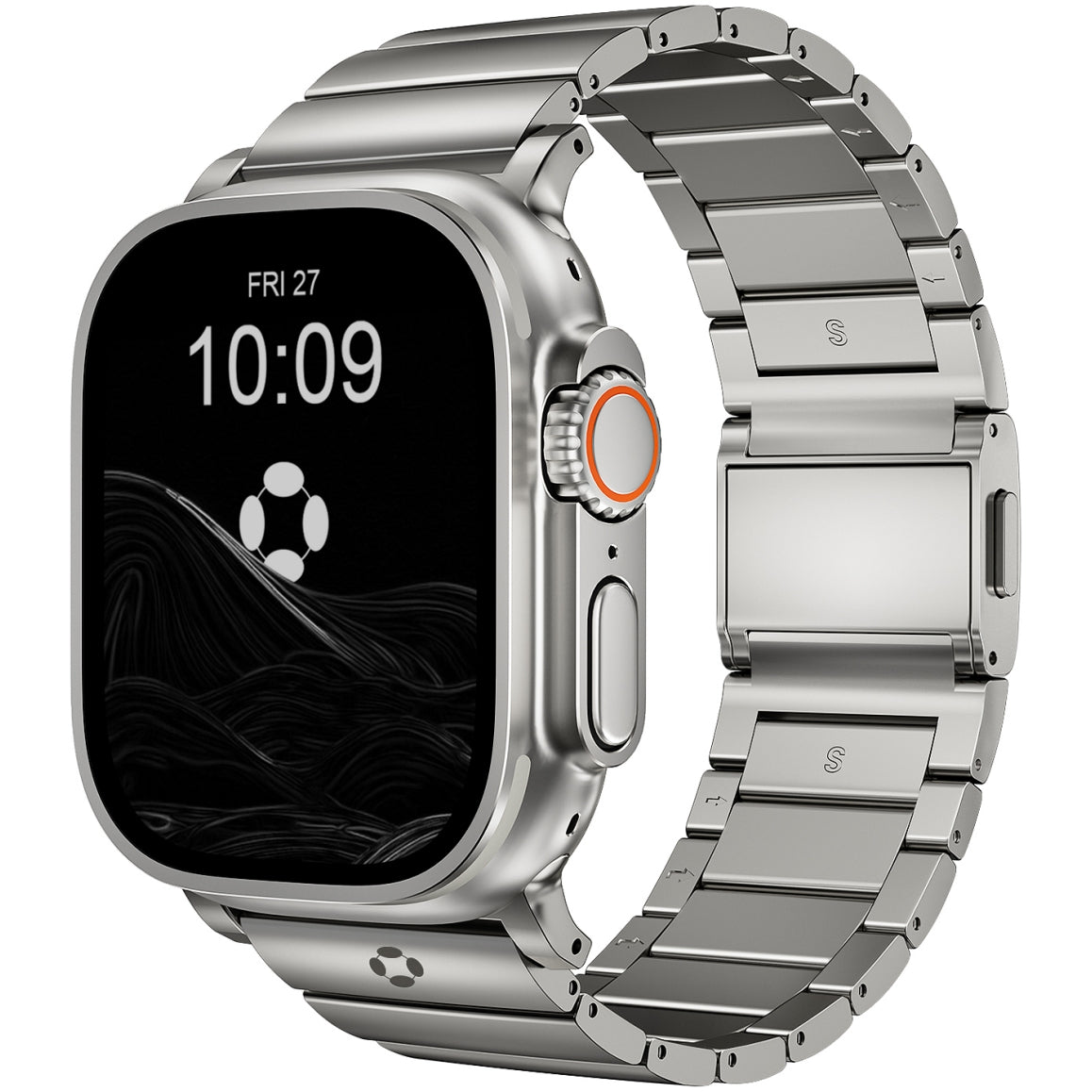
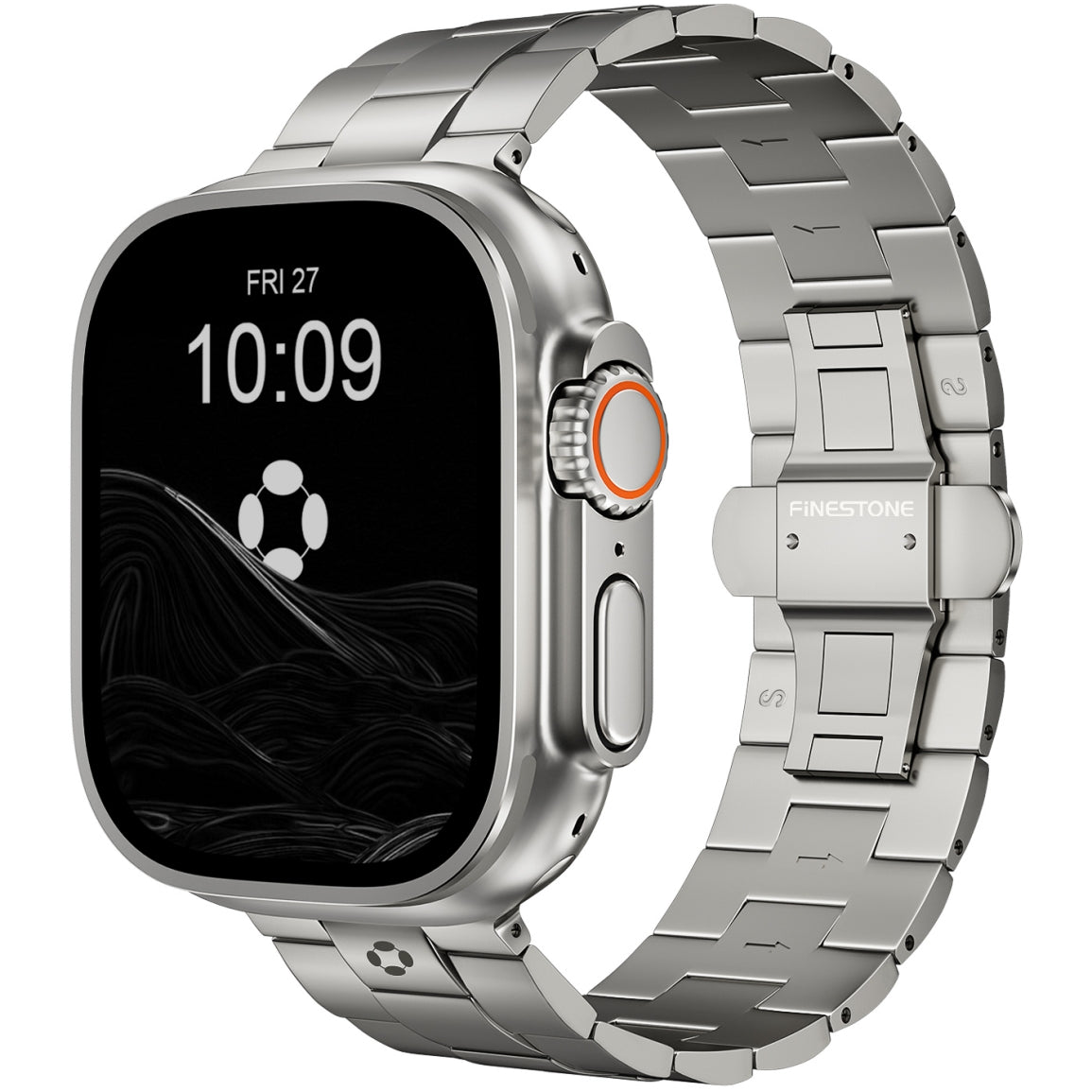
A good example is the Finestone titanium Apple Watch band, which combines smooth finishing with lightweight Grade 5 titanium. This reduces friction and heaviness — two major contributors to long-term discomfort.
Titanium is especially beneficial for people with sensitive skin or those who wear their watch all day, every day.
Hygiene: The Hidden Key to Skin Health
Even the best material can cause irritation if it isn’t cleaned regularly.
Cleaning Guidelines
| Material | Cleaning Frequency |
|---|---|
| Silicone | Weekly |
| Nylon | 1–2 times per week |
| Leather | Wipe dry, deep clean monthly |
| Metal/Titanium | Wipe weekly, deep clean monthly |
Sweat, soap residue, and dead skin accumulate under bands, increasing the risk of irritation.
Signs Your Watch Band Is Harming Your Skin
Pay attention if you notice:
-
Persistent redness under the strap
-
Itchy patches after wearing your watch
-
Burning sensation in warm weather
-
Skin discoloration where the band sits
These are signals to switch materials, loosen the fit, or clean your band more often.
How to Choose a Skin-Friendly Watch Band
Step 1: Consider Your Skin Type
-
Sensitive skin → Titanium, soft nylon
-
Normal skin → Leather, breathable silicone
-
Sweat-prone → Titanium, woven nylon
Step 2: Match Your Lifestyle
-
Heavy workouts → Perforated silicone
-
Office wear → Leather or titanium
-
Travel & long wear → Lightweight titanium
Step 3: Prioritize Fit & Finish
Look for:
-
Rounded edges
-
Smooth surfaces
-
Micro-adjustable sizing
Can the Right Watch Band Prevent Skin Problems?
Yes — choosing the right material can:
✔ Reduce sweat buildup
✔ Lower allergic reactions
✔ Minimize friction
✔ Improve all-day comfort
A well-designed, skin-friendly band doesn’t just feel better — it supports your skin’s natural barrier and reduces irritation over time.