
Buying a watch strap sounds simple… until it isn’t.
Most people choose based on looks alone, only to end up with a strap that’s uncomfortable, doesn’t match their lifestyle, irritates their skin, or makes an expensive watch feel cheap.
This guide breaks down the biggest watch strap buying mistakes, what actually matters, and how to choose a strap you’ll still love wearing months from now.
❌ Mistake #1: Choosing Style Over Comfort
A strap might look amazing online — brushed steel, glossy leather, bold color — but if it’s uncomfortable, you won’t wear it.
What people overlook:
-
Weight — Heavy metal straps can feel tiring all day
-
Breathability — Non-breathable materials trap sweat
-
Flexibility — Stiff straps dig into your wrist
What to do instead
Think about how long you wear your watch each day. If it’s 10+ hours, comfort matters more than shine.
Lightweight materials like titanium, soft silicone, and woven nylon usually win for daily wear.
❌ Mistake #2: Ignoring Your Lifestyle
Your strap should match your daily environment, not just your wardrobe.
| Lifestyle | Best Strap Types | Worst Choices |
|---|---|---|
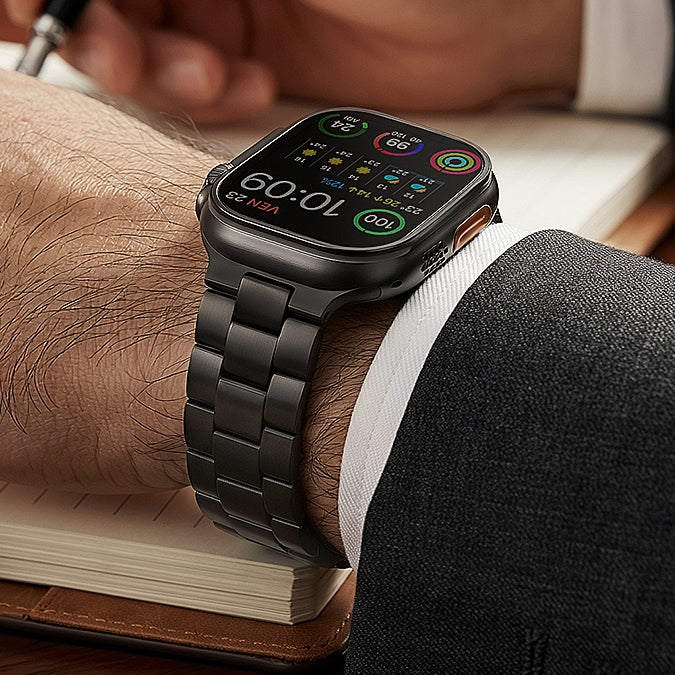
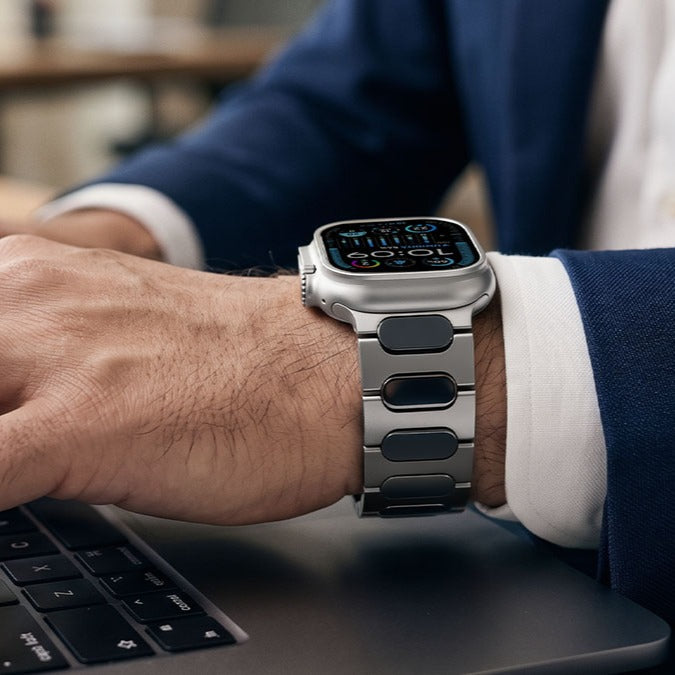
| Office work | Leather, titanium, mesh | Thick rubber dive straps |
| Fitness | Silicone, rubber, nylon | Leather |
| Travel | Nylon, titanium | Heavy steel |
| Hot climates | Nylon, titanium | Cheap rubber, thick leather |
A beautiful leather strap won’t survive daily workouts. A bulky dive strap looks out of place in business meetings.
Your strap should follow your routine, not fight it.
❌ Mistake #3: Assuming Heavier Means More Premium
This is one of the biggest misconceptions.
Yes, weight can feel substantial — but too much weight leads to:
-
Wrist fatigue
-
Constant readjusting
-
Pressure marks on skin
Modern premium straps focus on material quality, not just mass. Titanium, for example, feels premium without the drag of stainless steel.
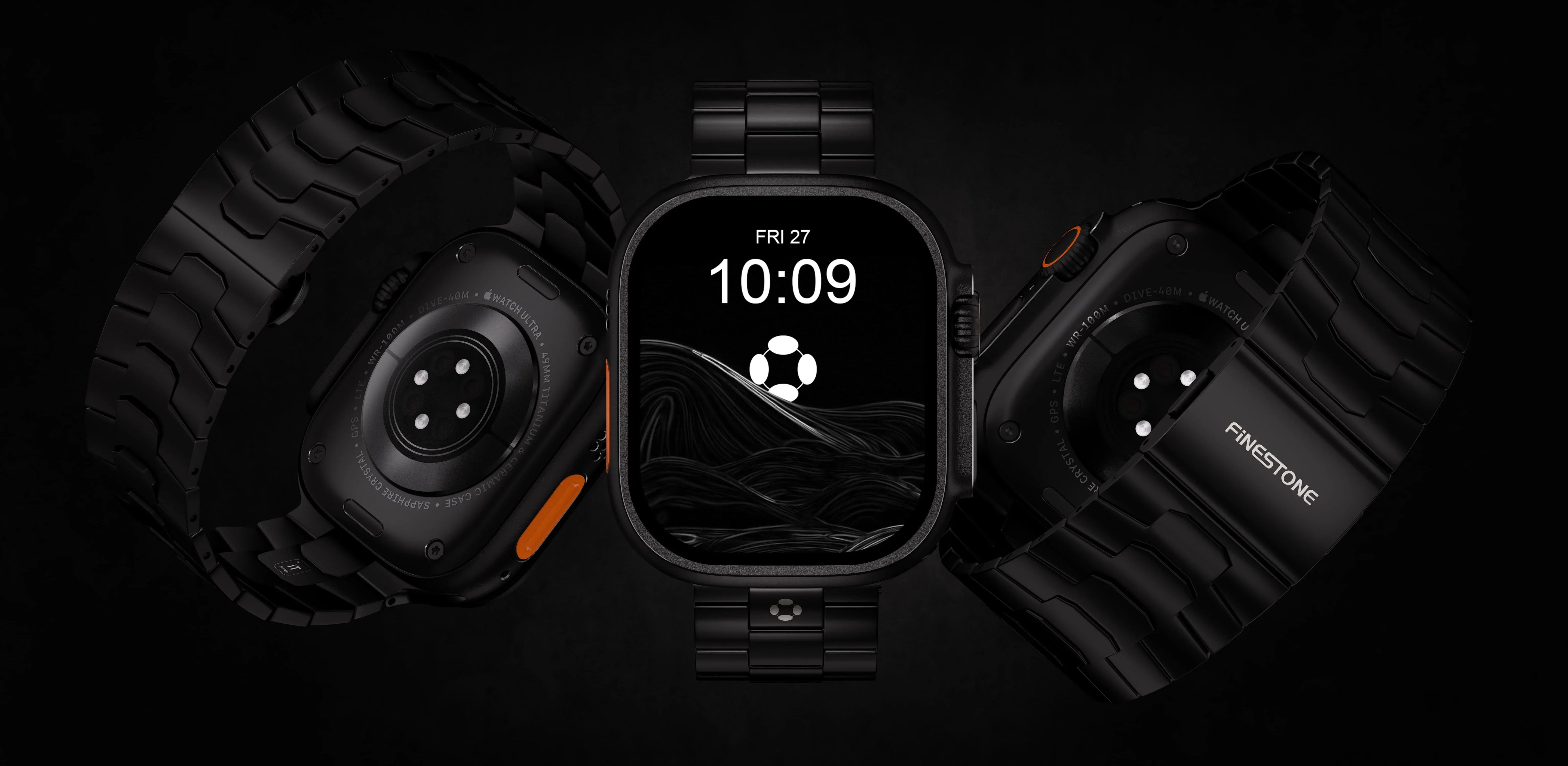
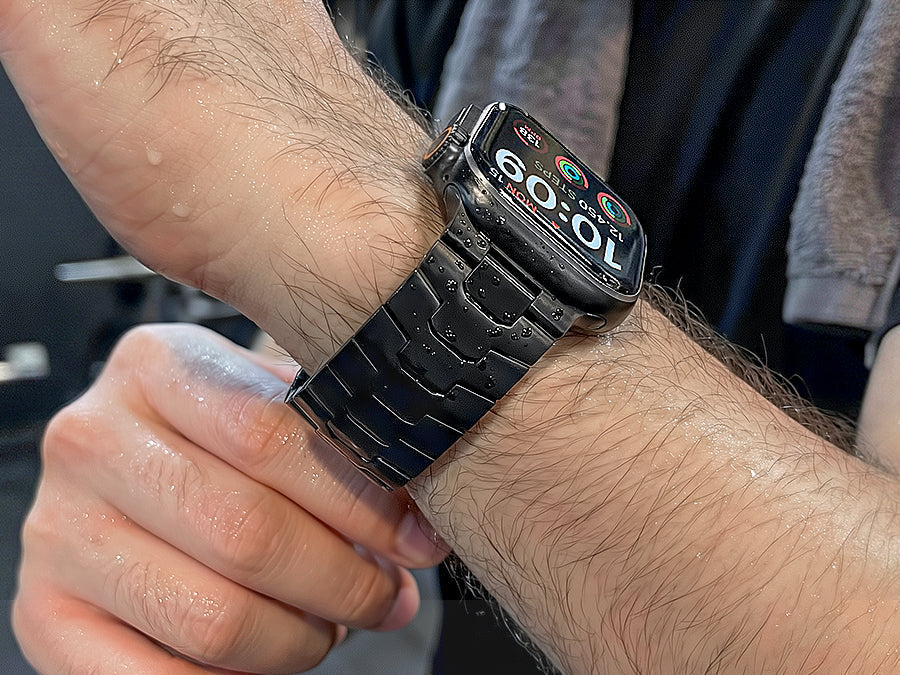
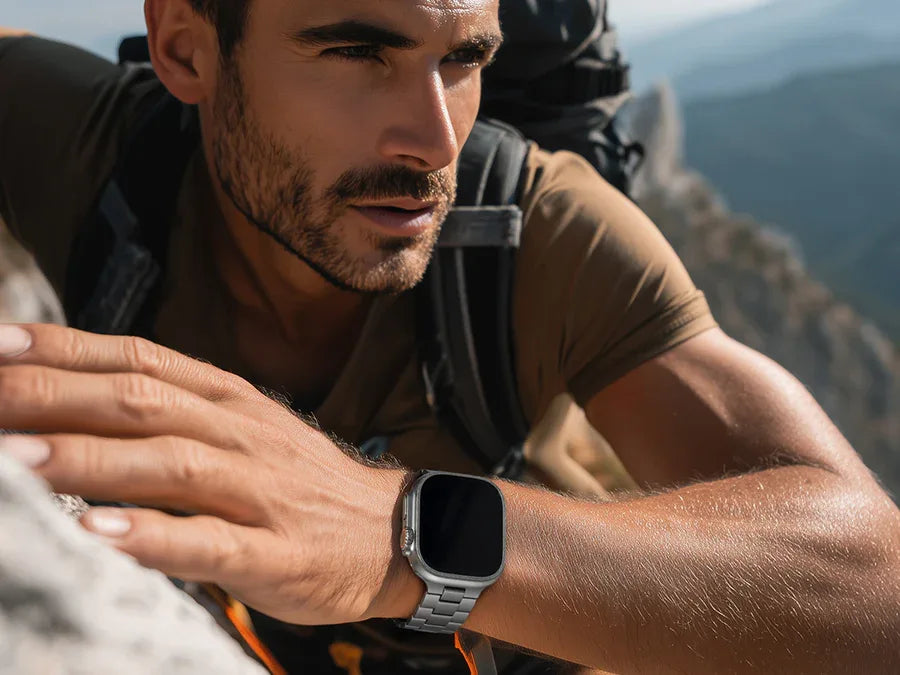
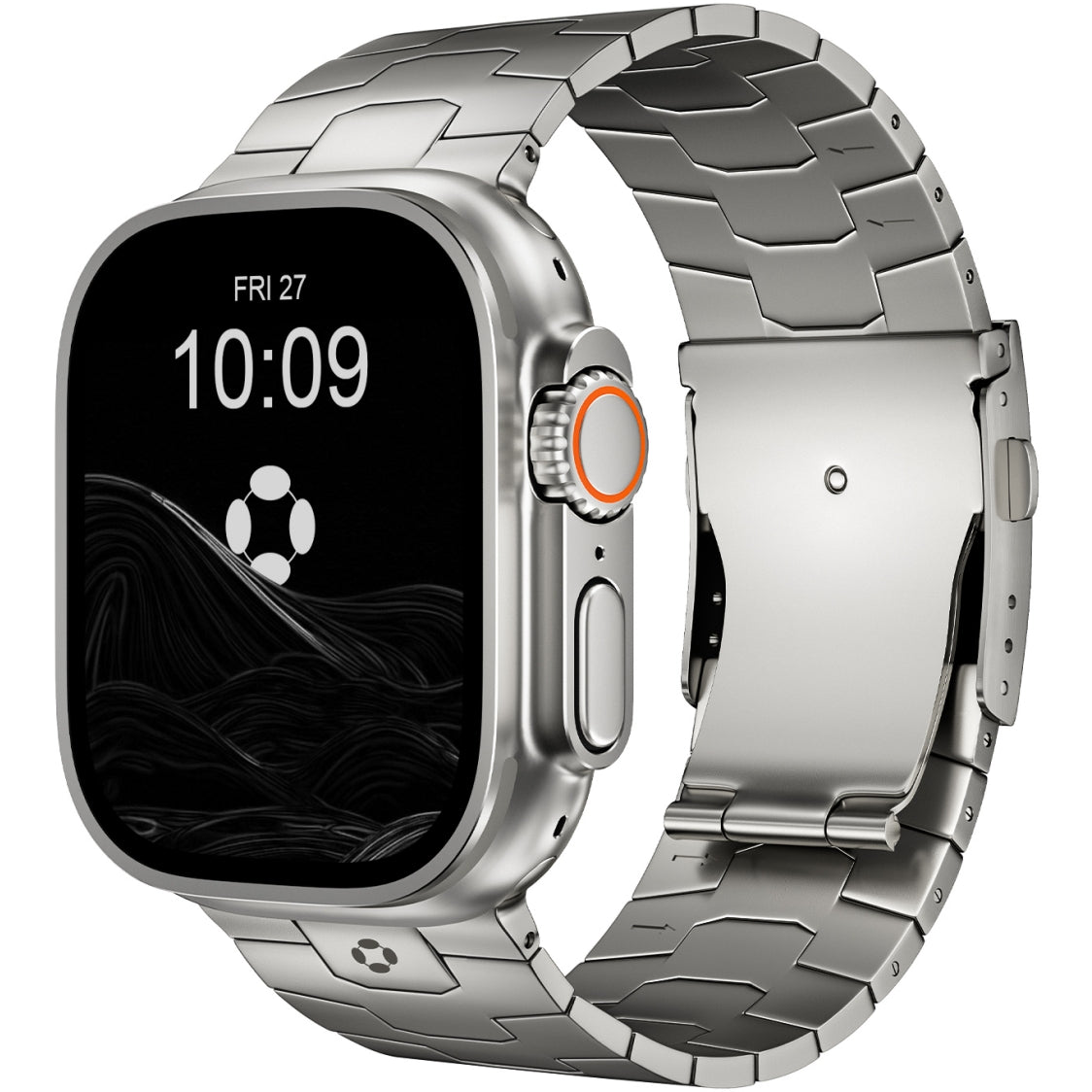
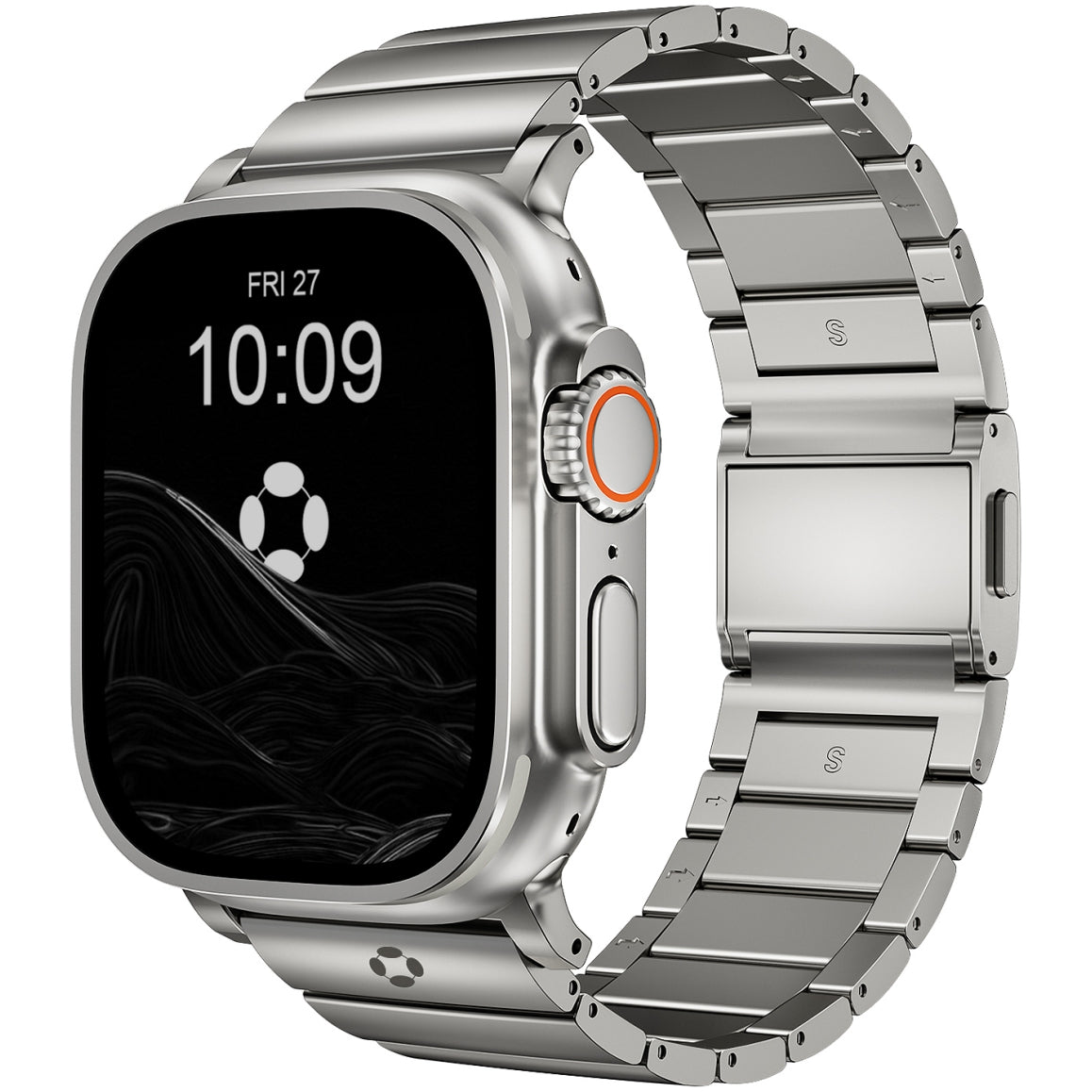
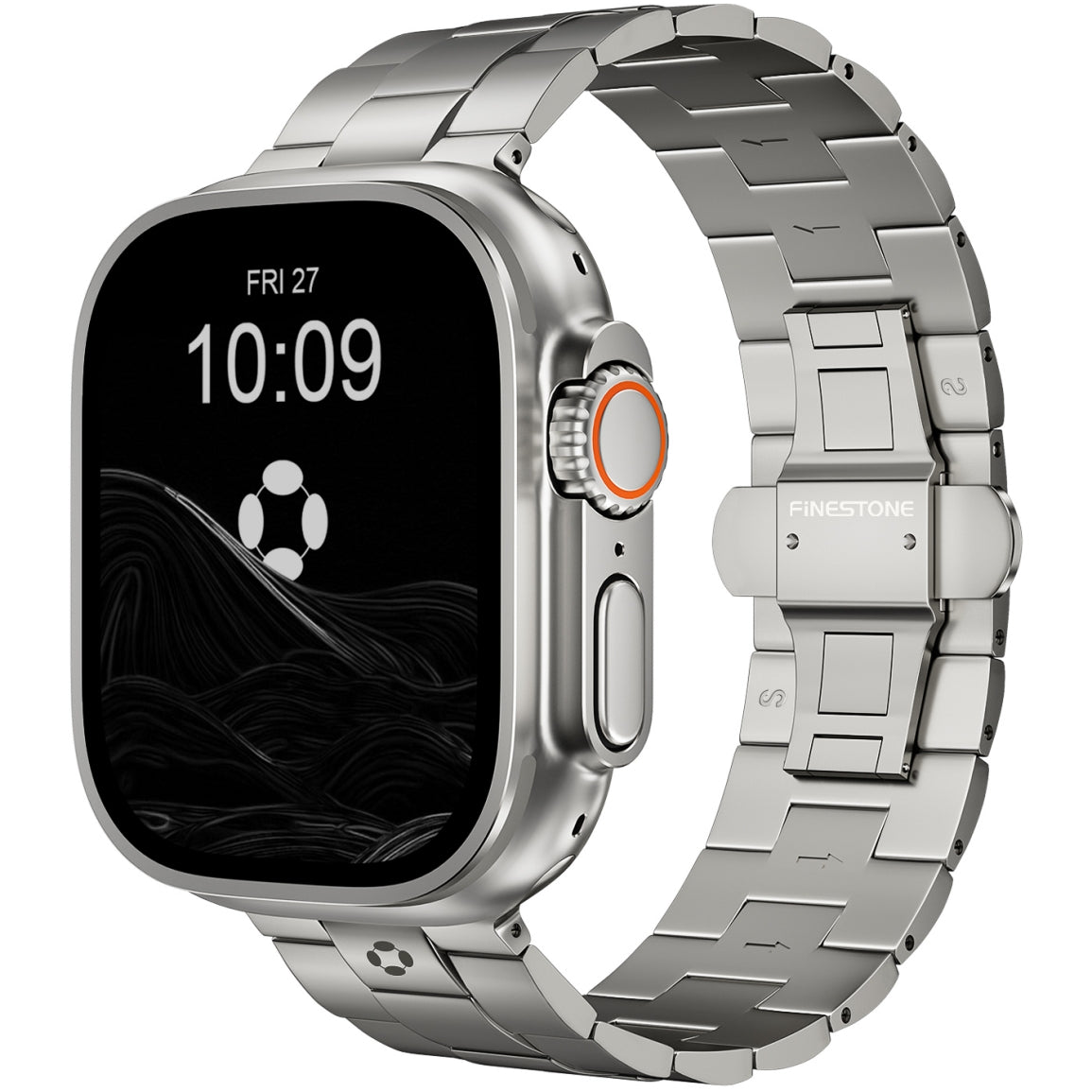
That’s why many Apple Watch users move to titanium options like the Finestone titanium band, which keeps the sleek metal aesthetic but feels noticeably lighter and easier to wear all day.
Premium isn’t about weight — it’s about balance.
❌ Mistake #4: Forgetting About Skin Sensitivity
A strap sits against your skin for hours. If the material reacts with sweat, you’ll feel it fast.
Common problems
-
Nickel in low-grade metal → skin irritation
-
Non-breathable rubber → sweat rashes
-
Rough edges → friction burns
Safer choices
✔ Titanium (naturally hypoallergenic)
✔ High-quality silicone with ventilation
✔ Soft woven nylon
If your skin gets itchy under cheap jewelry, be extra careful with metal straps.
❌ Mistake #5: Buying the Wrong Size
Even the best strap fails if the fit is wrong.
Two sizes matter:
1️⃣ Lug width (or connector size)
If this is wrong, the strap simply won’t attach properly.
2️⃣ Wrist fit range
A strap might technically fit the watch but not wrap comfortably around your wrist.
Too tight = discomfort
Too loose = sliding, poor sensor contact (for smartwatches)
Always check:
-
Watch case size compatibility
-
Strap length range
❌ Mistake #6: Choosing Cheap Hardware
People focus on the strap material and forget the clasp and connectors.
Weak hardware leads to:
-
Watch falling off
-
Annoying rattling
-
Short lifespan
Look for:
✔ Solid metal clasps (not hollow)
✔ Smooth locking mechanisms
✔ Tight, gap-free connectors
Hardware quality is often what separates a $20 strap from a $120 strap.
❌ Mistake #7: Not Thinking About Long-Term Wear
Ask yourself:
Will I still want to wear this strap in a year?
Trendy colors and flashy finishes can get old fast. Neutral, well-finished materials tend to last longer stylistically:
-
Matte metal over high polish
-
Classic brown or black leather
-
Subtle textures instead of loud patterns
The best strap is one that disappears on your wrist and works with almost everything you wear.
❌ Mistake #8: Forgetting Climate Matters
Heat and humidity change everything.
Hot weather exposes weaknesses:
-
Leather gets sticky
-
Cheap rubber smells
-
Steel feels heavy and sweaty
Better hot-climate options:
✔ Titanium (doesn’t trap heat as much)
✔ Nylon for airflow
✔ Perforated silicone
Your environment should influence your strap choice more than people think.
❌ Mistake #9: Expecting One Strap to Do Everything
No single strap is perfect for:
-
Office
-
Gym
-
Formal events
-
Travel
Most experienced watch wearers rotate between 2–3 straps:
-
A dressier option
-
A daily comfort strap
-
A sport strap
Straps are easier (and cheaper) to change than watches — use that flexibility.
What Actually Matters When Buying a Watch Strap
If you ignore everything else, focus on these five factors:
1️⃣ Comfort for your daily wear time
2️⃣ Material that suits your climate
3️⃣ Weight that doesn’t cause fatigue
4️⃣ Skin-friendly construction
5️⃣ Secure, durable hardware
Looks matter — but only after these basics are covered.
The Right Strap Makes Your Watch Better
A bad strap makes even a luxury watch feel wrong.
A great strap makes even a basic watch feel special.
The goal isn’t to find the flashiest strap.
It’s to find the one that:
✔ Feels good after 12 hours
✔ Matches most of your wardrobe
✔ Survives your daily routine
✔ Doesn’t irritate your skin
That’s when a strap stops being an accessory — and becomes part of the watch.