
Sleep tracking has become one of the most valued features of the Apple Watch. But two questions matter most: can you trust the data, and can you comfortably wear it all night?
Here's what you need to know.
Accuracy: What the Science Says
A 2026 meta-analysis published in npj Digital Medicine reviewed 82 studies on Apple Watch measurement accuracy. For sleep tracking, the verdict was moderate accuracy—useful for trends, not clinical diagnosis .
Sleep Score Explained
The Series 11 and Ultra 3 introduced Sleep Score, a 0-100 rating based on three factors :
| Component | Weight | What It Measures |
|---|---|---|
| Total duration | 50 points | Actual hours slept |
| Bedtime consistency | 30 points | Regular sleep schedule |
| Interruptions | 20 points | Overnight wake-ups |
This system follows guidelines from the American Academy of Sleep Medicine and was developed using over 5 million nights of tracked sleep data .
Stage Detection Accuracy
Clinical studies comparing Apple Watch to polysomnography (medical-grade sleep monitoring) show :
-
Sleep vs. wake detection: 95%+ accuracy
-
Deep sleep detection: Approximately 62-74% accurate
-
REM detection: Approximately 68% accurate
The watch tends to confuse deep sleep with lighter core sleep, potentially underestimating deep sleep duration . For context, dedicated devices like Oura Ring test about 5% more accurate in sleep stage classification .
Real-World Performance
In practical use, Sleep Score reliably reflects actual sleep quality:
-
Disrupted nights: Scores in the 50s
-
Well-rested nights: Scores in the 80-90 range
-
Late-night screen time consistently correlates with 8-12 point decreases
The takeaway: Apple Watch excels at tracking sleep duration and consistency. It's less precise for sleep stage classification but provides actionable insights for most users.
Comfort: Wearing It All Night
Comfort is subjective, but patterns emerge across user experiences.
By Model
The SE 3 and smaller Series 11 are light enough that most users forget they're wearing them overnight. The Ultra 3's weight becomes more apparent, particularly when rolling onto the watch during sleep .
Battery Considerations
Sleep tracking requires battery management:
-
Series 11: 24-hour battery supports sleep tracking if you charge during the day. Fast charging gives 8 hours of use in 15 minutes .
-
SE 3: 18-hour battery typically requires daily charging—sleep tracking means finding a daytime charging window .
-
Ultra 3: 63-hour battery handles multiple nights of sleep tracking without daytime charging .
The Band Factor
The stock Sport Band works but can trap moisture and feel restrictive during overnight wear. For consistent sleep tracking comfort, consider a band that breathes well or feels smooth against skin.
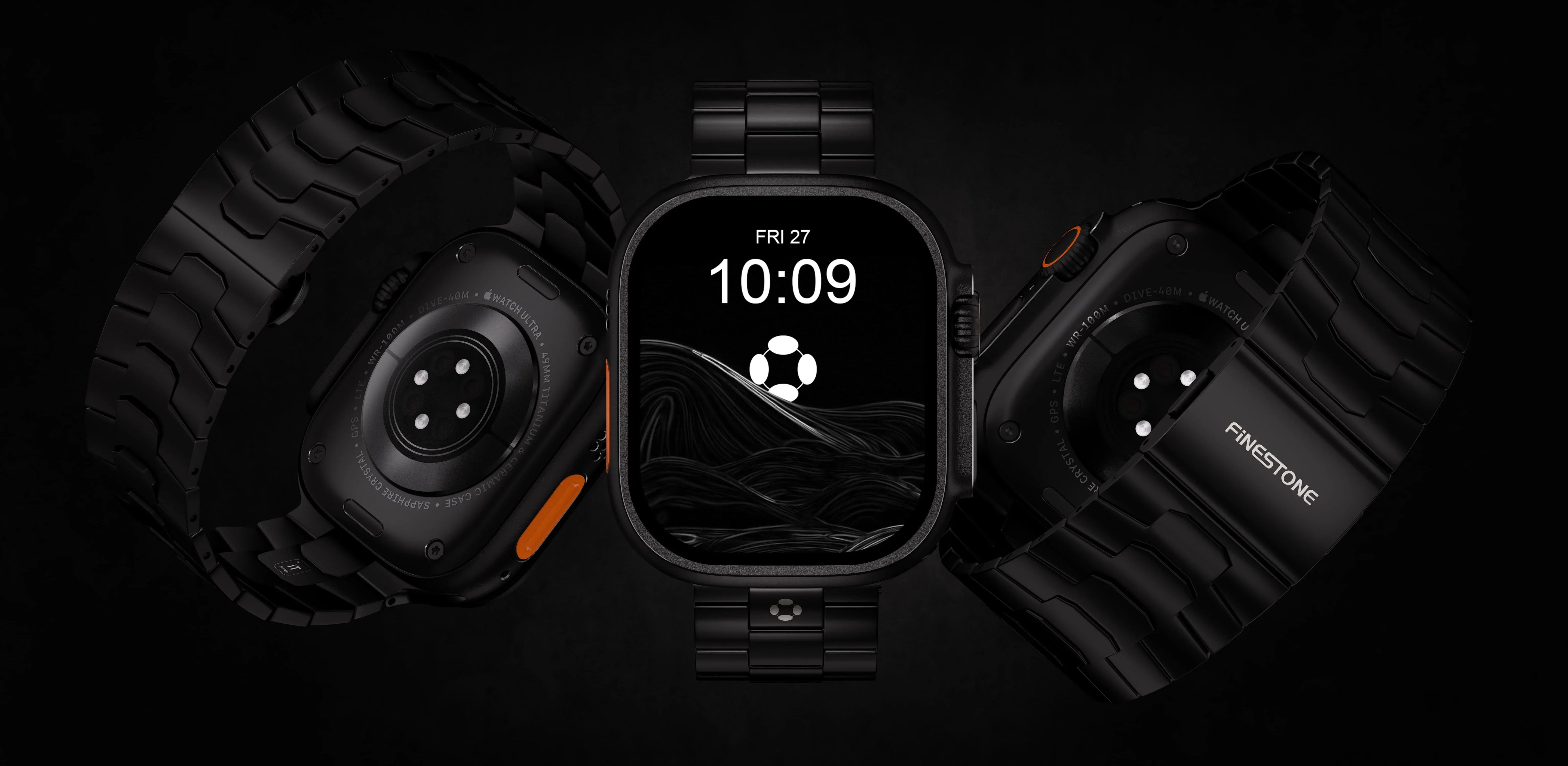
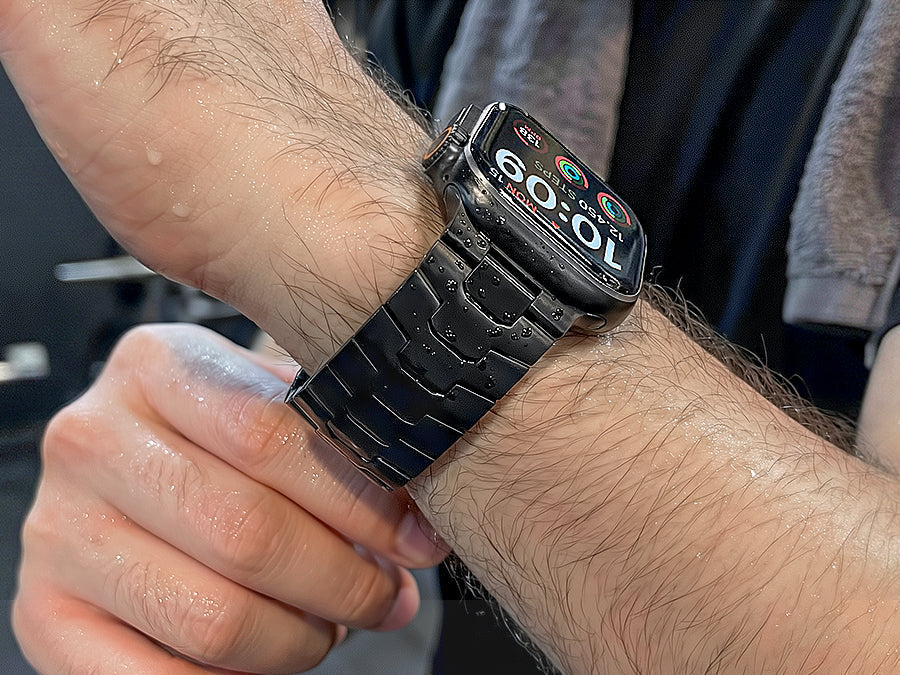
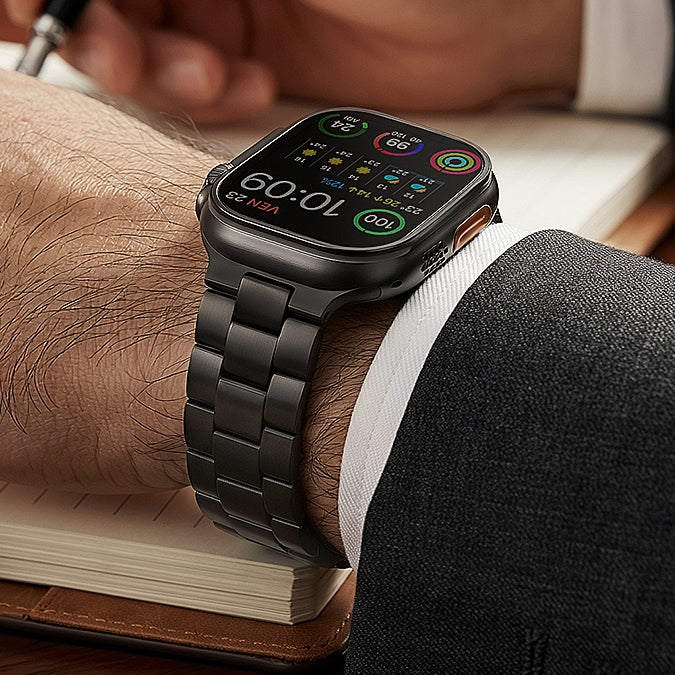
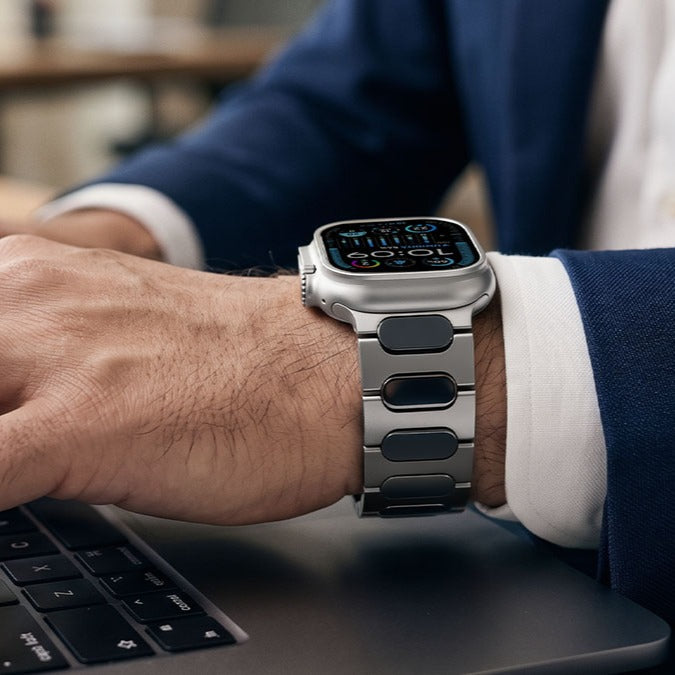
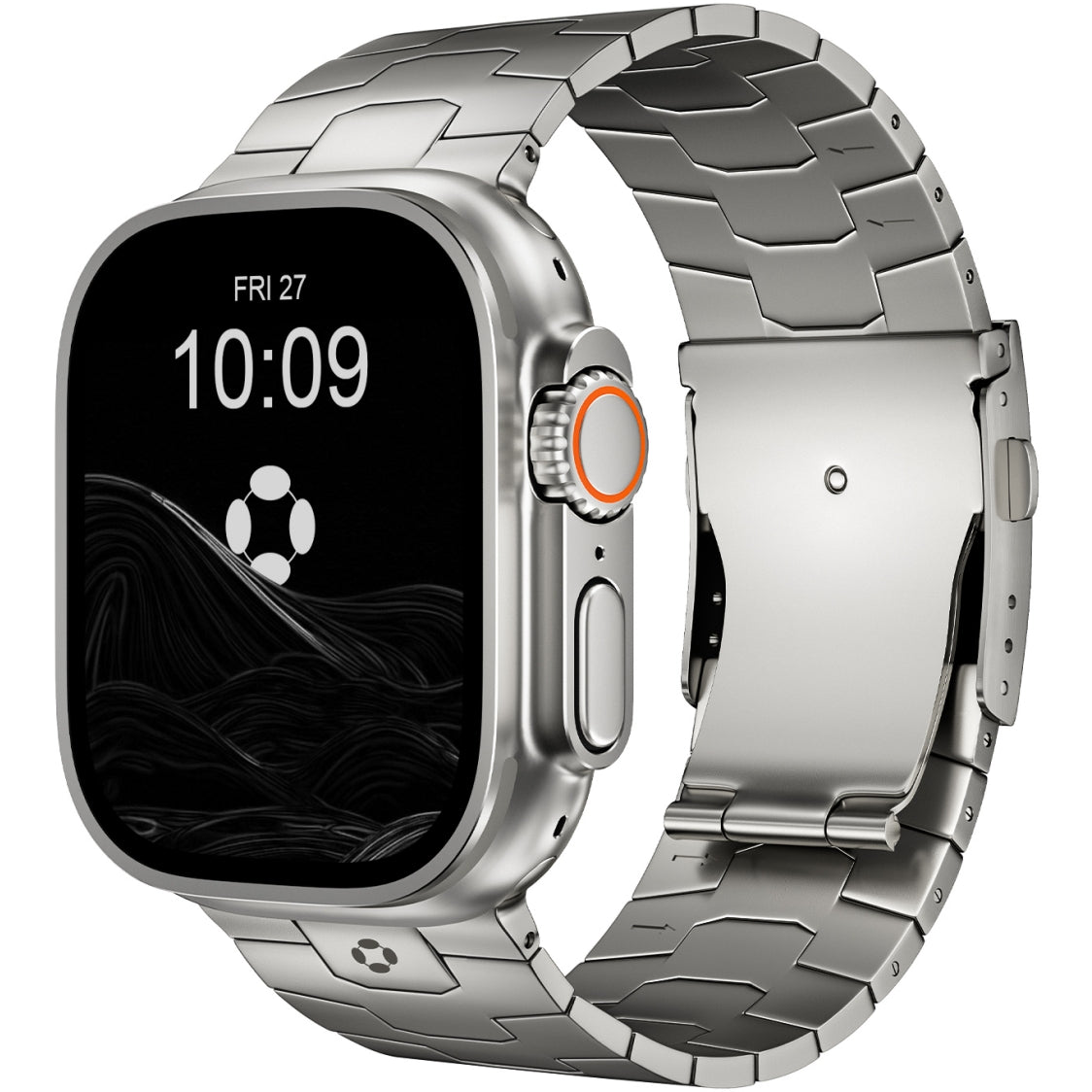
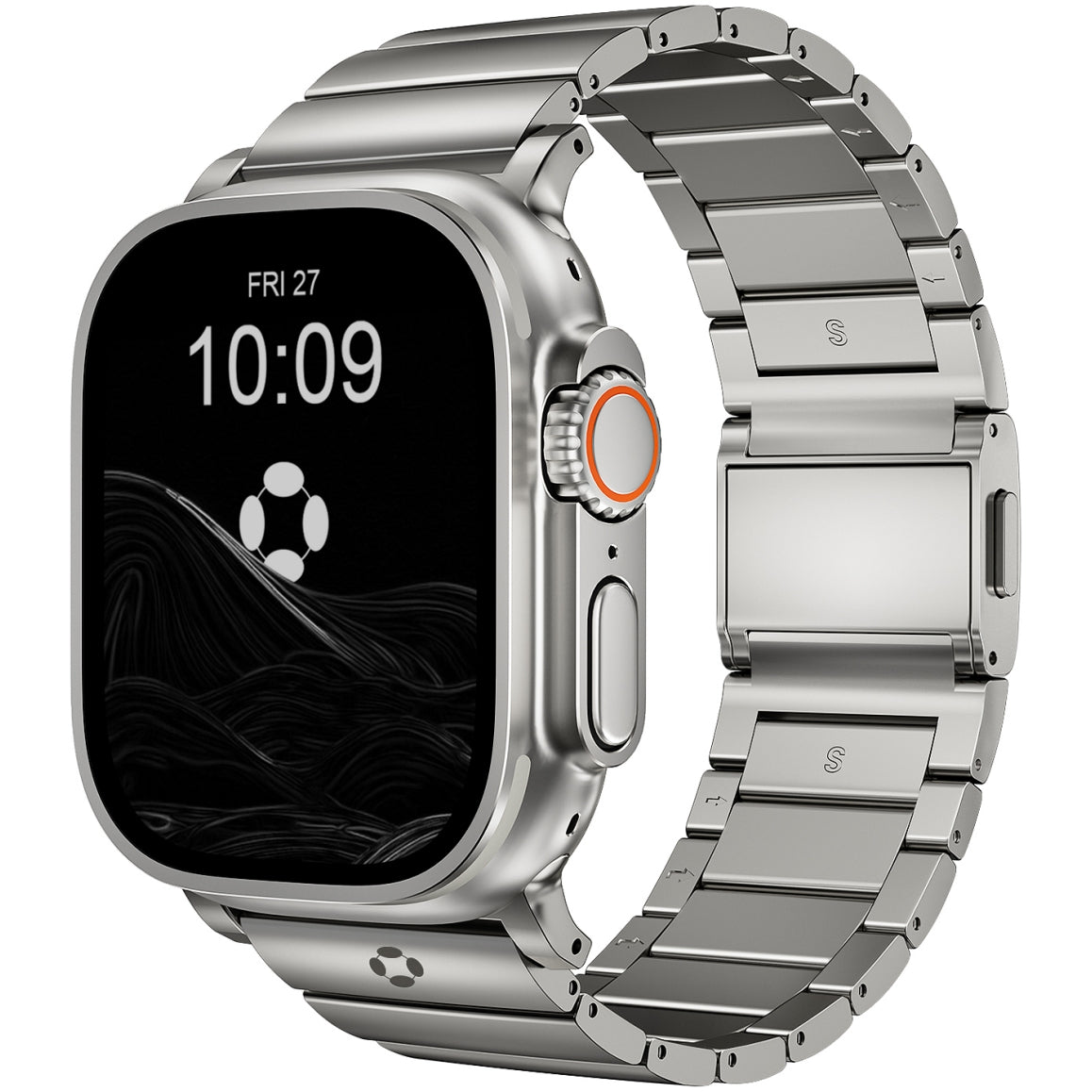
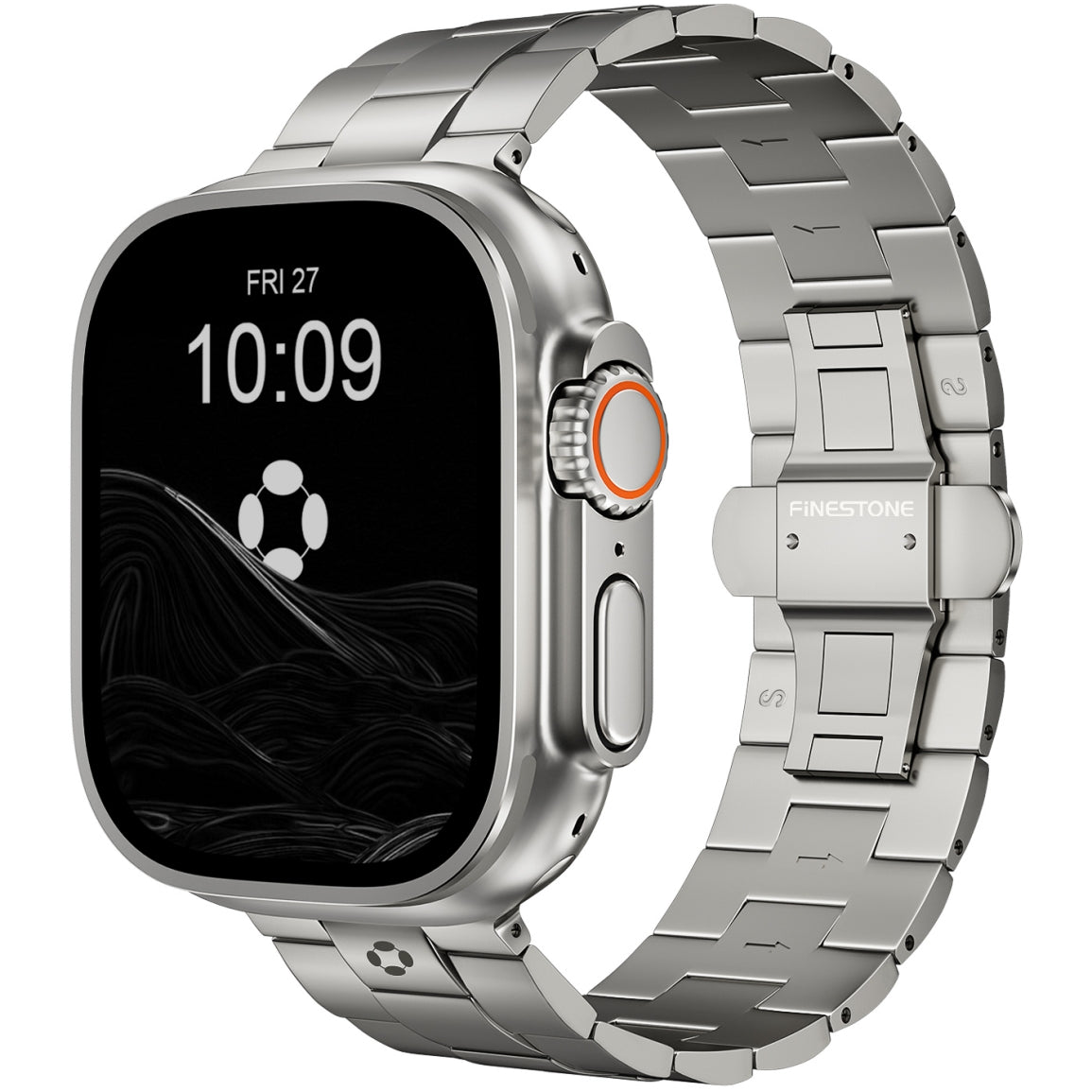
The FiNESTONE Titanium Band offers a hypoallergenic option with a smooth DLC coating that doesn't irritate during extended wear. Its lightweight construction and secure fit keep the watch comfortable through the night without constant readjustment.
Additional Sleep Features
Respiratory Rate and Apnea Notifications
The Series 11 and Ultra 3 monitor breathing patterns during sleep and can notify you of possible sleep apnea . This is a screening tool, not a diagnosis—but it can prompt valuable conversations with your doctor.
Temperature Sensing
Wrist temperature is tracked during sleep, supporting cycle tracking and potentially indicating illness .
Vitals App
The Vitals app provides an overnight dashboard combining heart rate, respiratory rate, wrist temperature, and sleep duration .
Tips for Better Sleep Tracking
-
Wear the watch snugly—one finger should fit under the band without slipping. A loose fit increases motion artifacts and reduces signal quality .
-
Charge before bed—make it part of your evening routine. Fast charging makes this manageable even with limited time .
-
Enable Sleep Focus—this prevents screen wake-ups from disrupting your rest .
-
Review weekly trends—focus on patterns over time, not single-night fluctuations .
-
Consider a comfortable band—if you find the stock band irritating overnight, upgrading to a breathable or smooth material makes consistent tracking easier.
Who Should (and Shouldn't) Rely on Apple Watch Sleep Tracking
Good for:
-
Tracking sleep duration and consistency
-
Identifying patterns (e.g., "late nights = lower scores")
-
Building better sleep habits
-
General wellness awareness
Not sufficient for:
-
Diagnosing sleep disorders like sleep apnea
-
Clinical-grade sleep stage analysis
As Dr. Rebecca Stone of Stanford Sleep Medicine Center notes: "Wrist-worn devices like the Apple Watch infer sleep stages through movement and heart rate variability—not neural signals. They're excellent for trend spotting and long-term patterns, but they shouldn't replace clinical evaluation for disorders like sleep apnea or narcolepsy" .
The Bottom Line
Is Apple Watch sleep tracking accurate enough? Yes for trends and habits; no for medical diagnosis. Sleep Score reliably reflects your rest quality, and the 95%+ accuracy for sleep vs. wake detection means you can trust when you fell asleep and woke up .
Is it comfortable enough? Yes for most users, especially with the right model and band. The SE 3 and Series 11 are light enough for overnight wear. The Ultra 3 requires more tolerance for bulk.
For most people, the Apple Watch provides valuable sleep insights without needing a separate device. Just pair it with a comfortable band—whether the breathable Sport Loop or a premium option like FiNESTONE—and you'll have a reliable sleep companion that's easy to wear all night.