
Most people choose a watch band based on style and comfort. But climate — heat, humidity, cold, salt air, and UV exposure — plays a huge role in how a strap performs over time.
A band that feels perfect in mild weather may crack in winter, trap sweat in summer, or corrode near the ocean.
In this pillar-level guide, we’ll explore how different climates affect watch band materials — and how to choose the right strap for your environment.
Why Climate Matters More Than You Think
Your watch band is constantly exposed to:
-
Temperature fluctuations
-
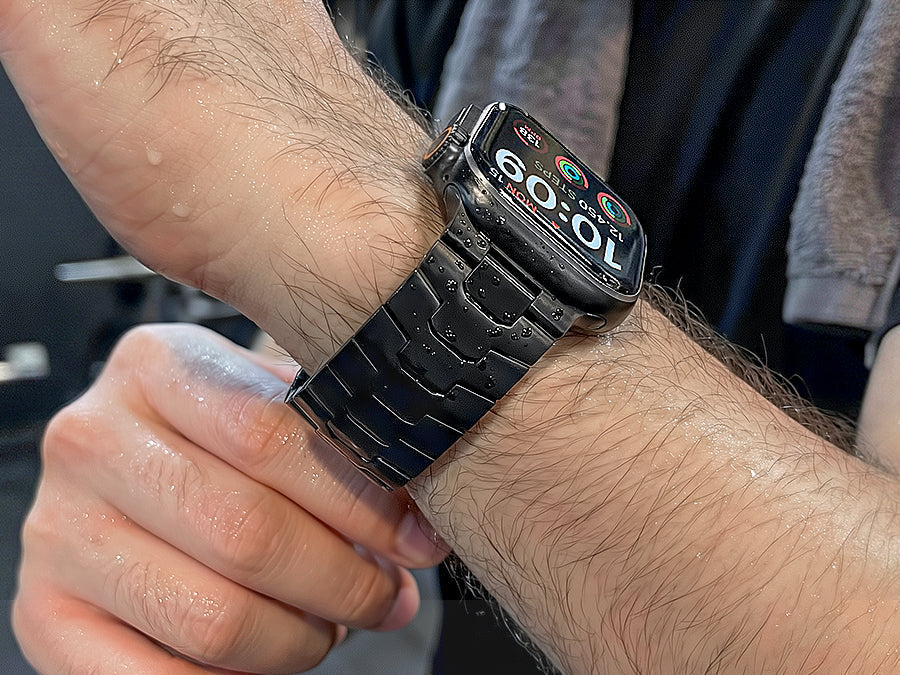
Sweat and moisture
-
UV radiation
-
Salt air
-
Dry air or freezing conditions
These factors influence:
✔ Comfort
✔ Durability
✔ Skin health
✔ Appearance
✔ Structural integrity
Understanding climate impact helps you avoid premature wear and discomfort.
1. Hot & Humid Climates
Tropical and humid environments are especially demanding.
Common Problems:
-
Sweat buildup
-
Odor retention
-
Skin irritation
-
Leather warping
-
Metal corrosion (low-grade alloys)
Best Materials for Humidity
Silicone & Rubber
Silicone excels in hot climates because it is:
-
Waterproof
-
Flexible
-
Easy to clean
-
Non-absorbent
Perforated sport designs improve airflow and reduce sweat buildup.
Titanium
Titanium is highly resistant to corrosion and performs well in humid conditions. Unlike some steel alloys, it resists oxidation from sweat and moisture.
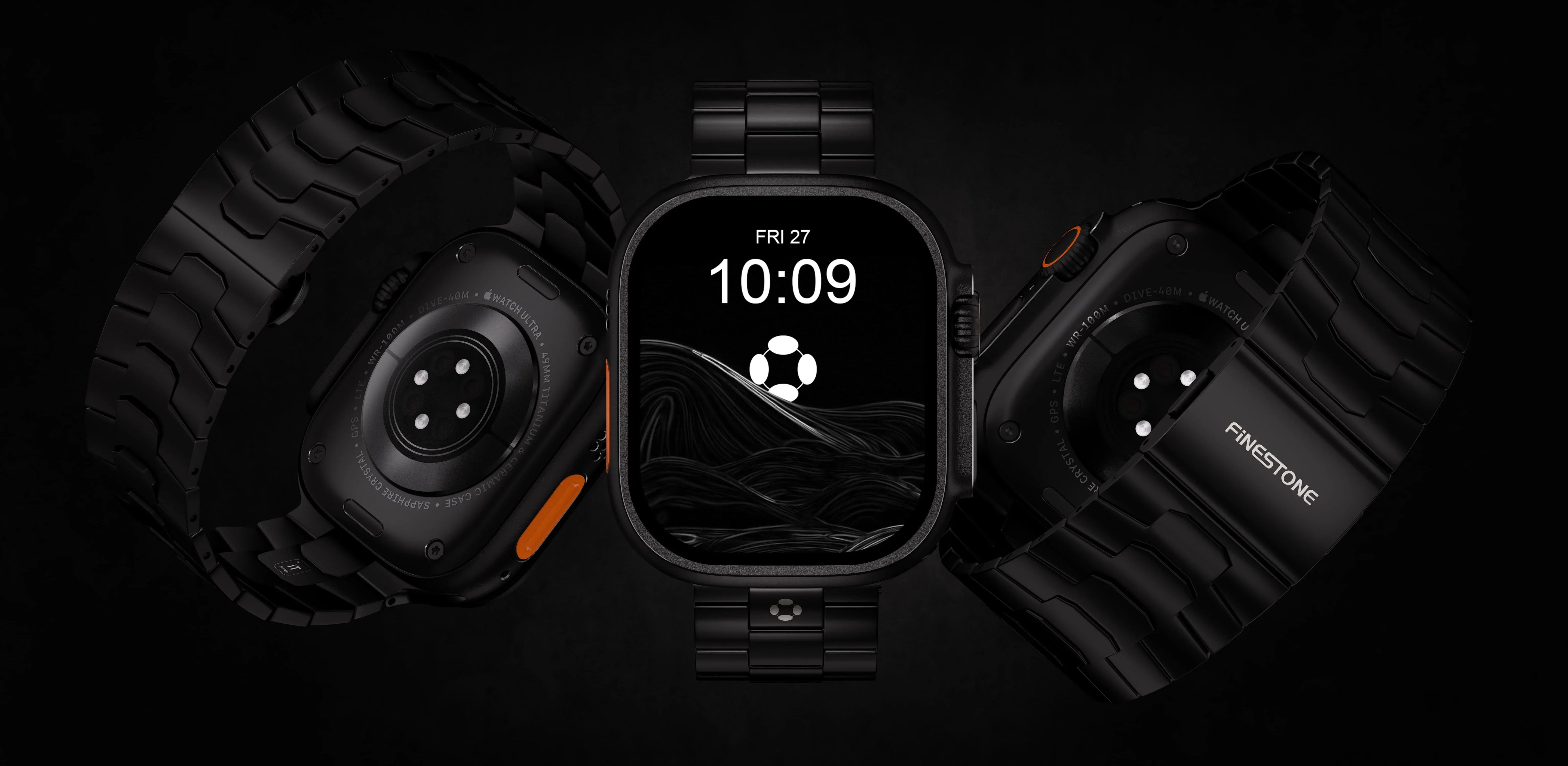
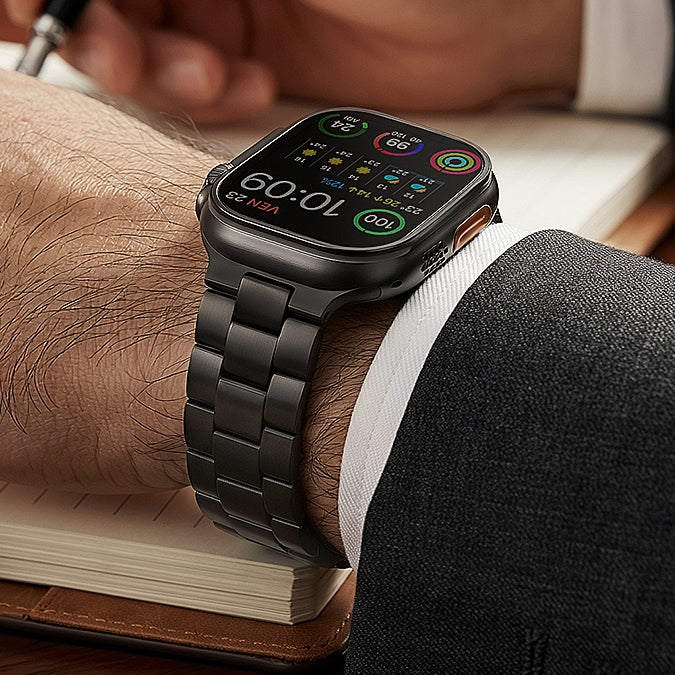
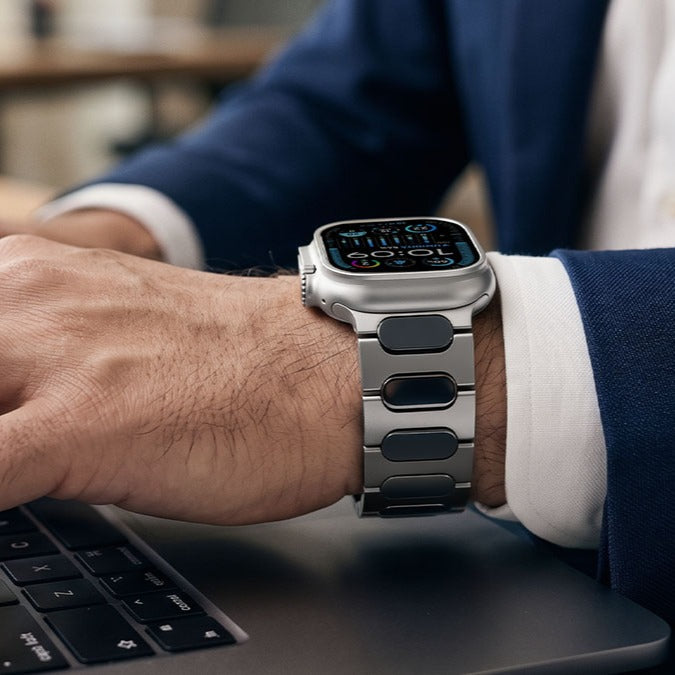
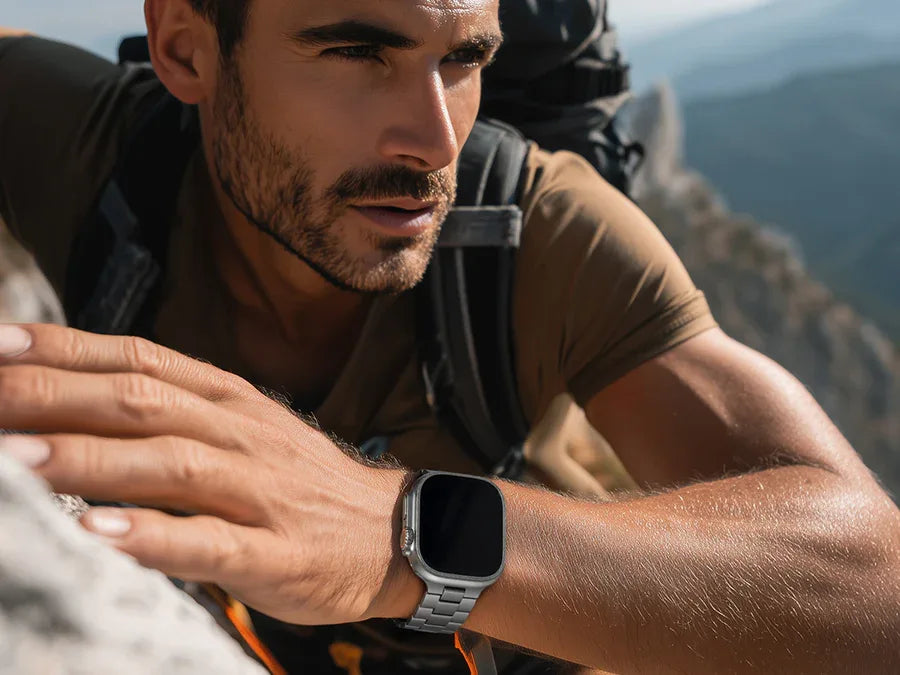
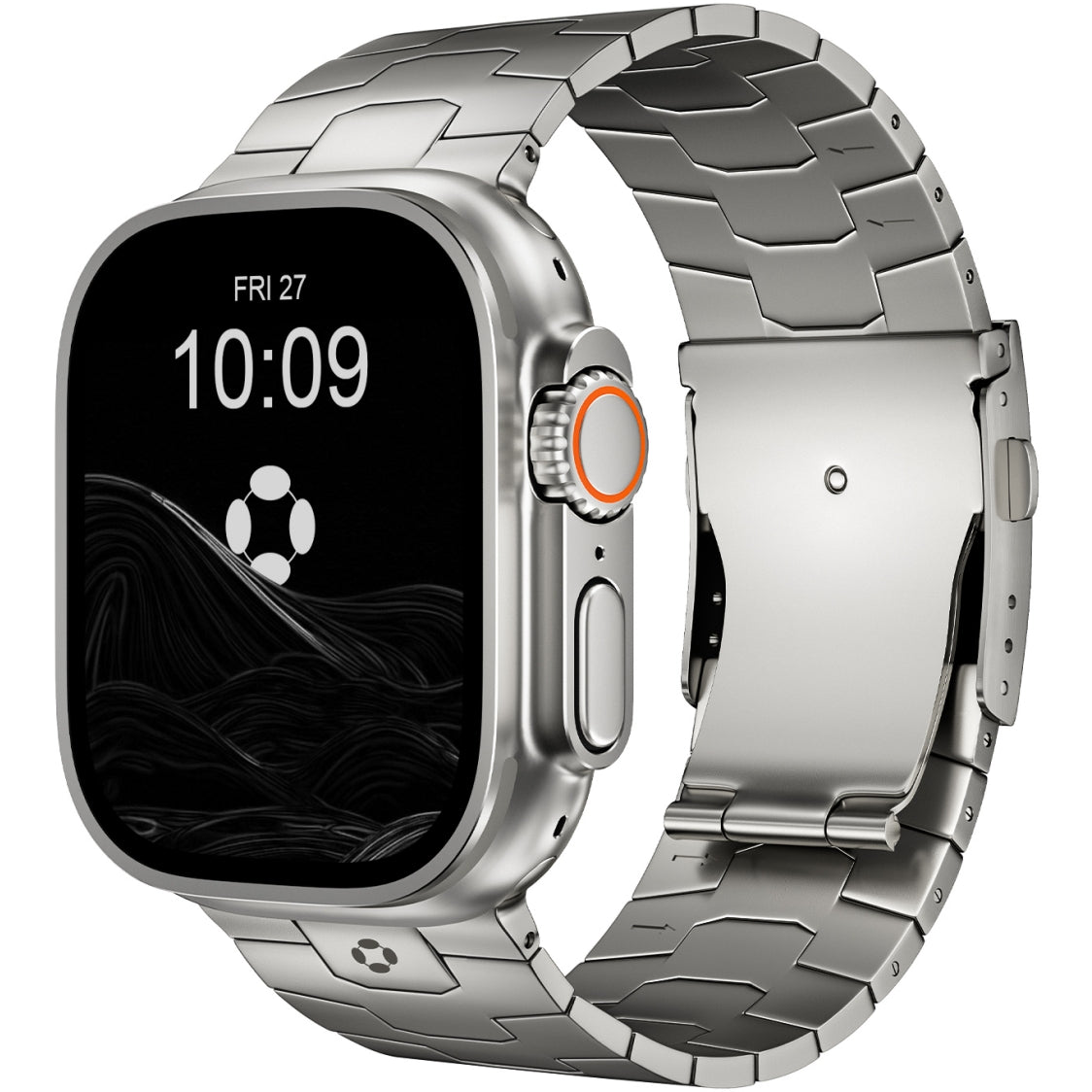
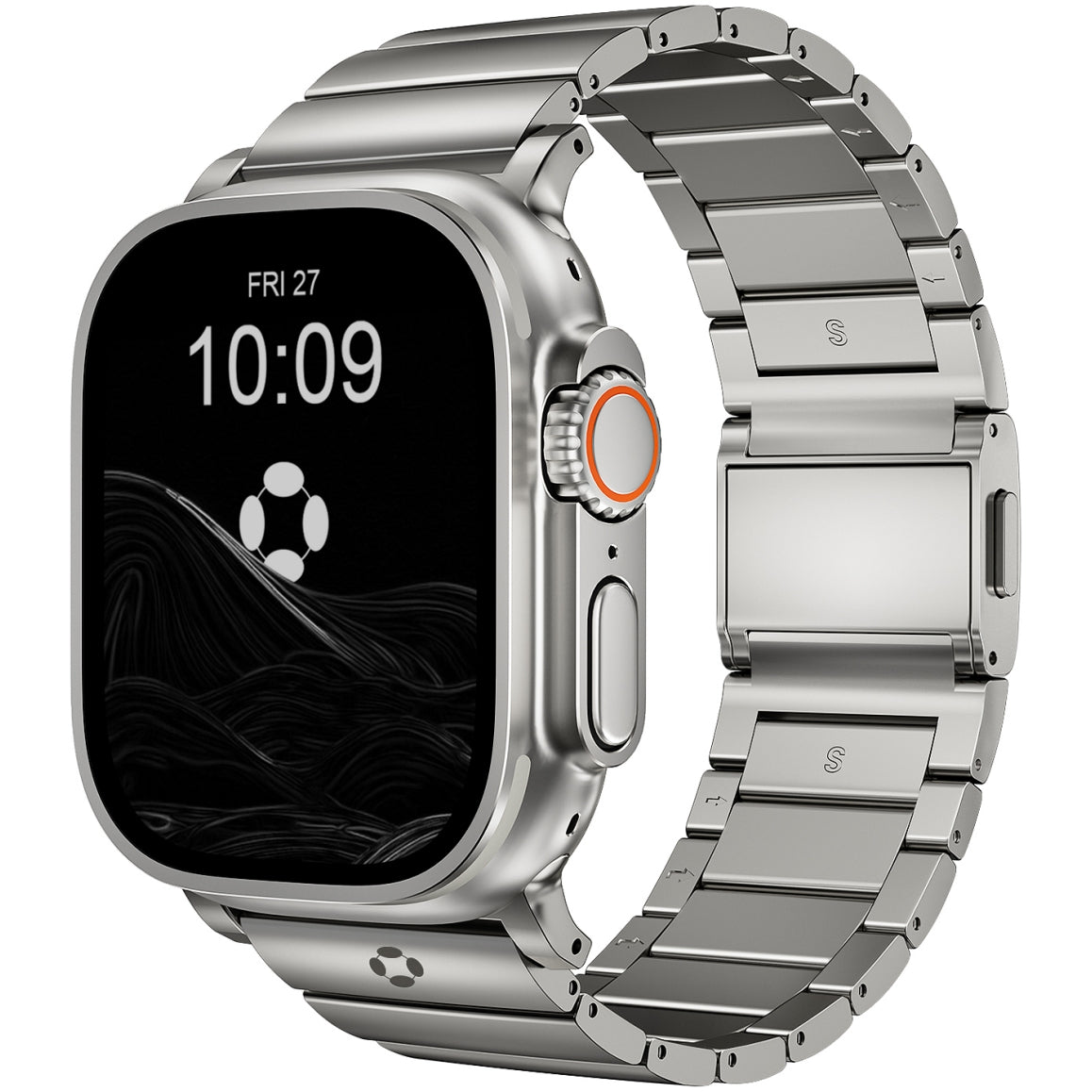
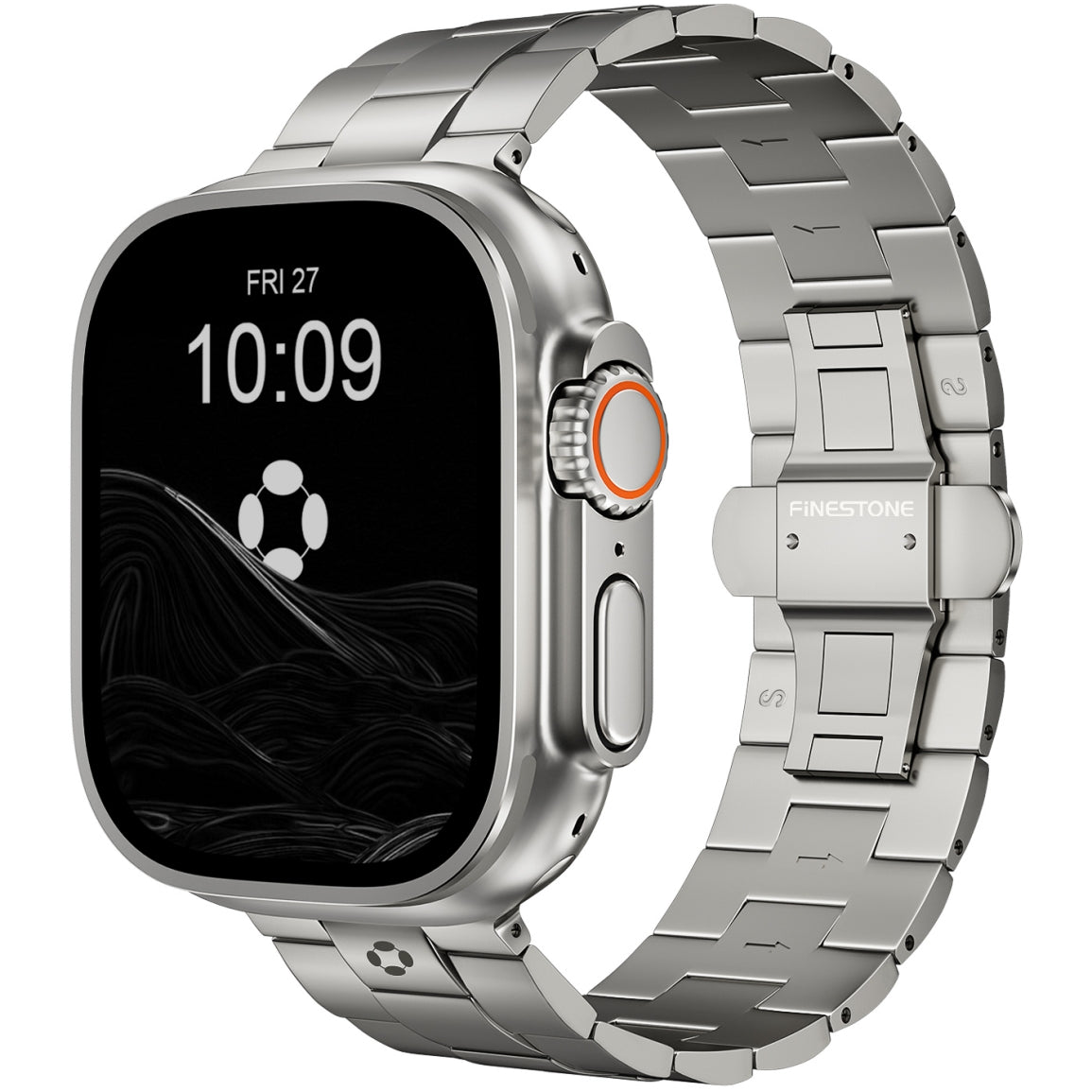
Premium titanium Apple Watch bands — such as those from finestone — are designed with corrosion-resistant finishes that handle both heat and humidity while maintaining lightweight comfort.
2. Cold & Dry Climates
Winter conditions introduce a different set of challenges.
Common Problems:
-
Leather stiffening
-
Rubber hardening
-
Metal feeling extremely cold
-
Skin dryness and irritation
Best Materials for Cold Weather
Leather
High-quality leather performs surprisingly well in cooler temperatures, as long as it’s conditioned properly.
Benefits:
-
Warms naturally to body temperature
-
Flexible when maintained
-
Comfortable against dry skin
Avoid soaking leather in snow or rain without proper drying.
Nylon
Woven nylon straps remain flexible in cold weather and are lightweight enough to wear under sleeves.
However, they must dry thoroughly if exposed to moisture.
3. Coastal & Salt-Air Environments
Salt is highly corrosive — especially for lower-quality metals.
Risk Factors:
-
Rust
-
Pitting
-
Discoloration
-
Stiff clasp mechanisms
Best Materials for Coastal Areas
Titanium
Titanium’s corrosion resistance makes it one of the best options for salt exposure.
High-Grade Stainless Steel
316L stainless steel performs well but still requires rinsing after saltwater exposure.
Rubber
Marine-grade rubber straps are ideal for ocean environments and water sports.
4. Extremely Dry Climates
Desert-like conditions create their own challenges.
Common Issues:
-
Leather cracking
-
Skin irritation
-
Static buildup
-
Fading from UV exposure
Best Materials for Dry Heat
-
Titanium (resists UV damage)
-
Silicone (does not crack easily)
-
High-quality steel
Leather needs conditioning more frequently in dry environments to prevent cracking.
5. High-Altitude & Temperature Swings
Regions with big day-night temperature differences stress materials through expansion and contraction.
Watch Band Considerations:
-
Micro-adjustable clasps help accommodate wrist swelling
-
Flexible materials prevent stiffness
-
Avoid rigid, low-grade metals
Titanium’s stability across temperature changes gives it an advantage over heavier alloys.
How Sweat Interacts With Different Materials
Sweat is slightly acidic. Over time, it can:
-
Tarnish low-grade metals
-
Soften leather
-
Cause odor in textiles
Materials that handle sweat best:
✔ Titanium
✔ Silicone
✔ Marine-grade rubber
Materials that require more care:
✖ Leather
✖ Fabric (without regular washing)
Climate-Based Strap Comparison
| Climate | Best Materials | Avoid |
|---|---|---|
| Hot & Humid | Silicone, Titanium | Untreated Leather |
| Cold & Dry | Leather, Nylon | Cheap Rubber |
| Coastal | Titanium, Rubber | Low-Grade Steel |
| Desert | Titanium, Silicone | Unconditioned Leather |
| Variable Temps | Titanium, Flexible Bands | Rigid Metals |
Maintenance Tips by Climate
In Humid Areas:
-
Rinse after heavy sweat
-
Dry completely
-
Avoid prolonged leather wear
In Cold Weather:
-
Condition leather regularly
-
Avoid sudden temperature shock
Near the Ocean:
-
Rinse metal bands with fresh water
-
Dry thoroughly
-
Clean clasps periodically
Can One Watch Band Work in Every Climate?
Yes — but material choice matters.
If you want one versatile, climate-resistant option, look for:
✔ Corrosion-resistant metal (like titanium)
✔ Waterproof silicone
✔ High-quality construction
✔ Adjustable clasp
These materials adapt best to environmental stress.