
Cold weather changes how your watch band feels — sometimes dramatically.
Metal can feel icy against the skin. Rubber may stiffen. Leather can dry out. Even your wrist itself changes: blood flow decreases, skin becomes drier, and your wrist size can slightly shrink in low temperatures.
If you live in a colder climate or experience harsh winters, choosing the right watch band can make the difference between daily comfort and constant adjustment.
In this pillar guide, we’ll break down:
-
Why cold weather affects watch bands
-
Which materials perform best in winter
-
What to avoid
-
How to care for your strap in freezing conditions
Why Watch Bands Feel Different in the Cold
When temperatures drop, materials react in three major ways:
1. Contraction
Most materials contract in cold weather. This can make:
-
Metal bracelets feel tighter
-
Leather slightly stiffer
-
Rubber less flexible
2. Surface Temperature Transfer
Metal transfers temperature quickly. In winter, it absorbs cold air and feels freezing against your skin.
3. Skin Sensitivity
Cold air reduces natural oils in your skin, increasing irritation from rough edges or stiff materials.
That’s why the “perfect” band in summer may feel uncomfortable in winter.
Best Watch Band Materials for Cold Weather Comfort
1. High-Quality Leather Straps
Leather is one of the most comfortable options in cold weather — when it’s high quality.
Why Leather Works in Winter:
-
Warms naturally to body temperature
-
Doesn’t feel icy like metal
-
Flexible when properly conditioned
-
Comfortable under long sleeves
What to Watch Out For:
-
Cheap leather can stiffen or crack
-
Dry winter air requires conditioning
-
Avoid soaking leather in snow or rain
Tip: Apply leather conditioner every 4–6 weeks during winter.
2. Titanium Bracelets (Better Than Steel in the Cold)
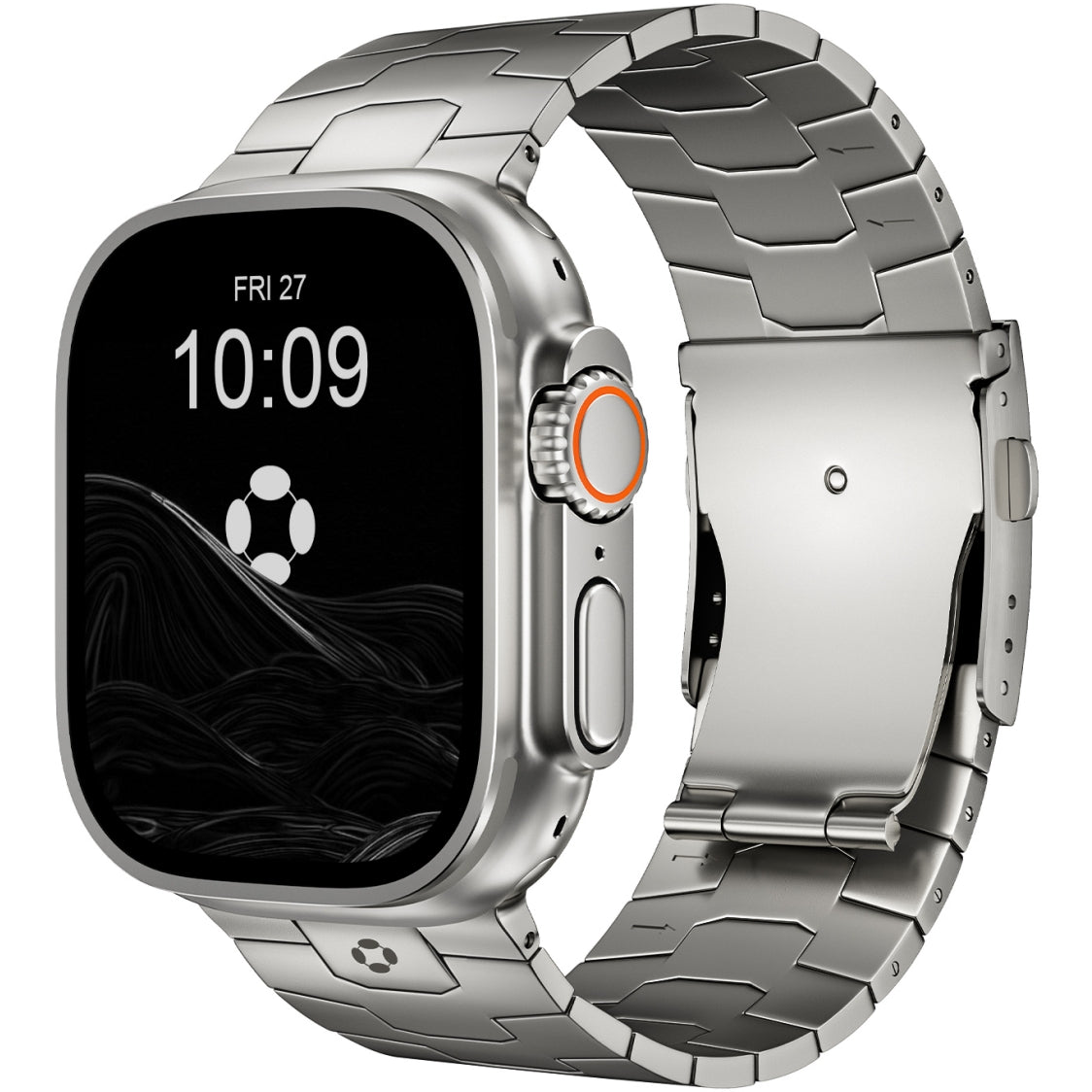
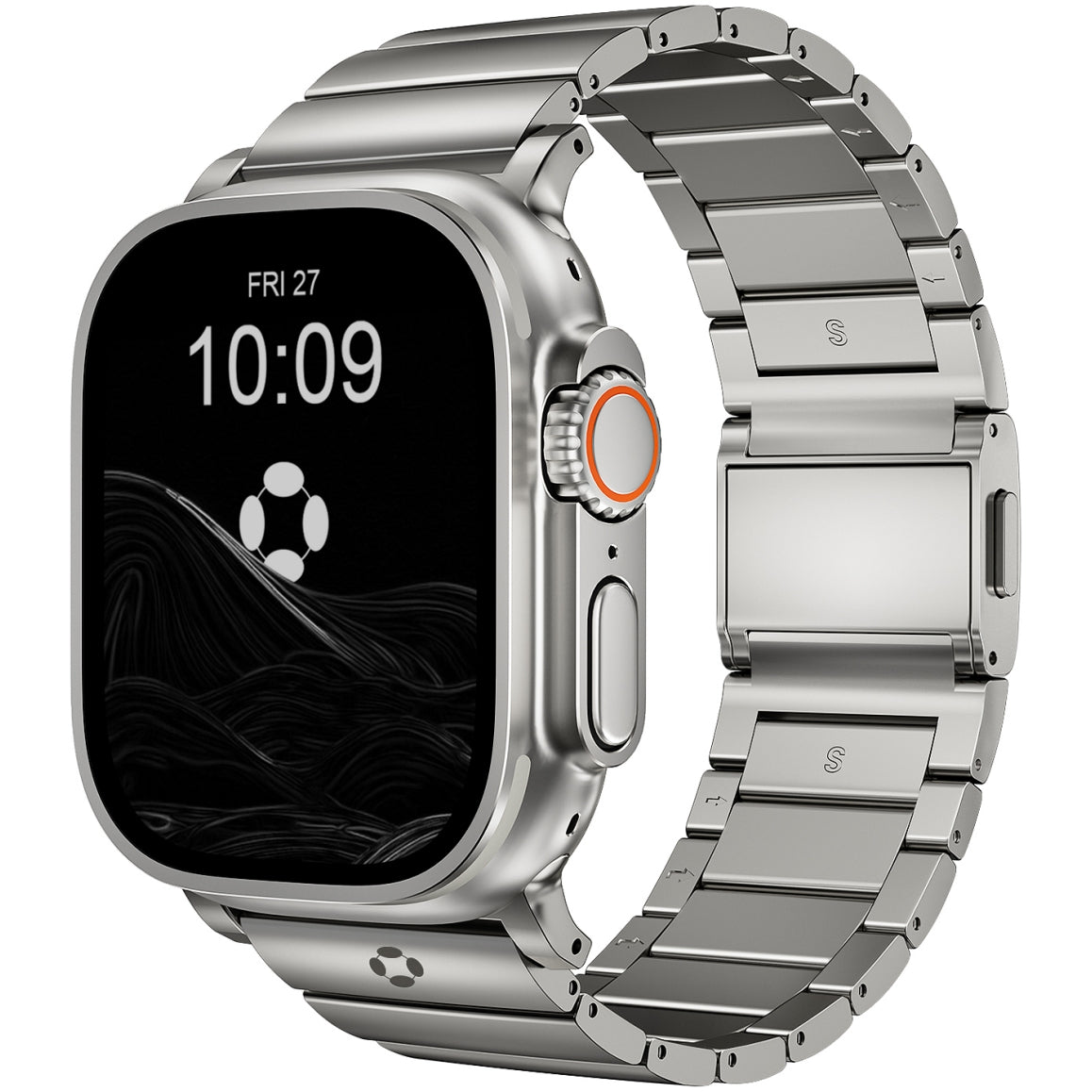
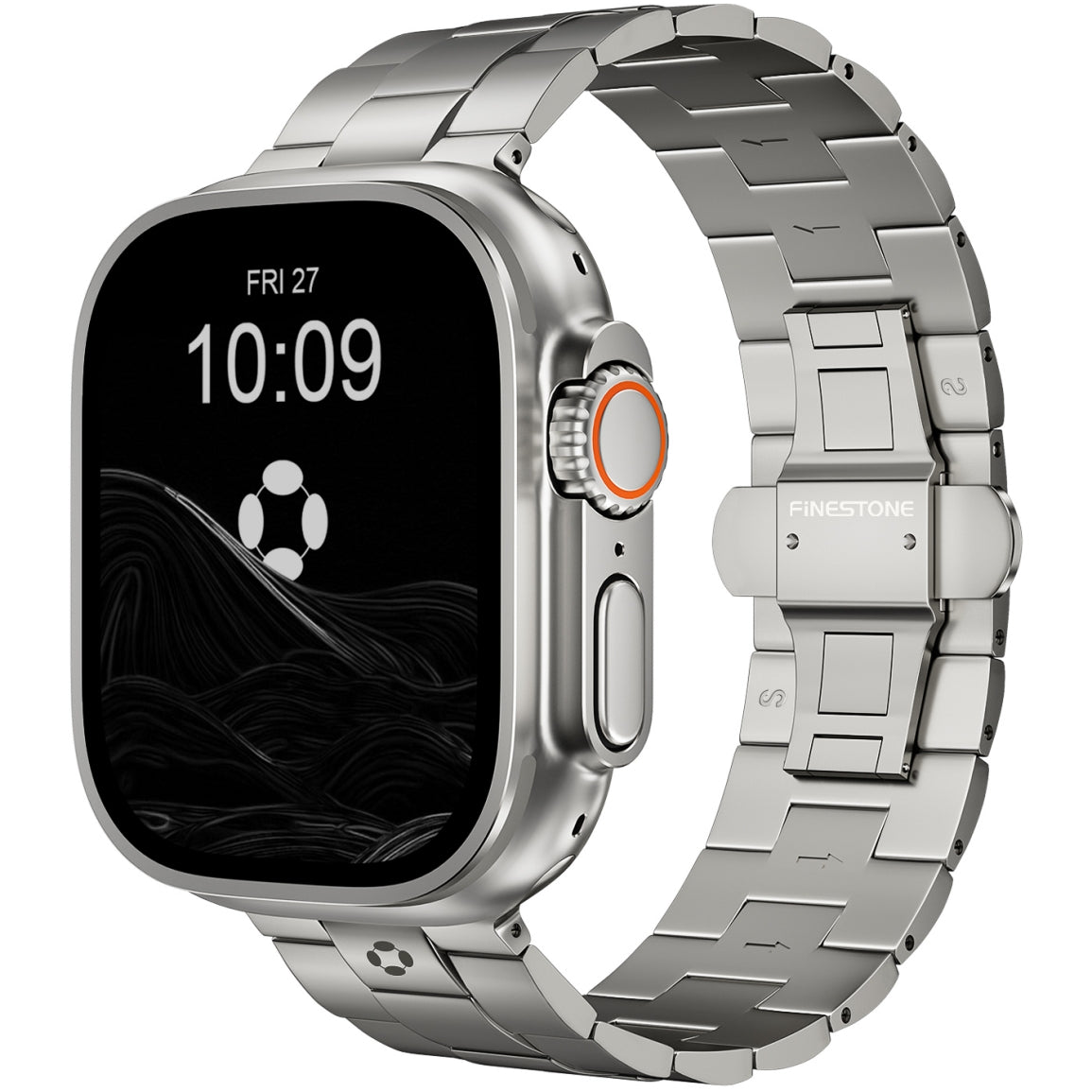
If you prefer metal, titanium is significantly more comfortable than stainless steel in cold climates.
Why Titanium Performs Better:
-
Lighter weight reduces pressure on cold-stiff wrists
-
Lower thermal conductivity than steel (feels less freezing)
-
Corrosion resistant against snow and moisture
-
Strong but flexible enough for micro-adjustments
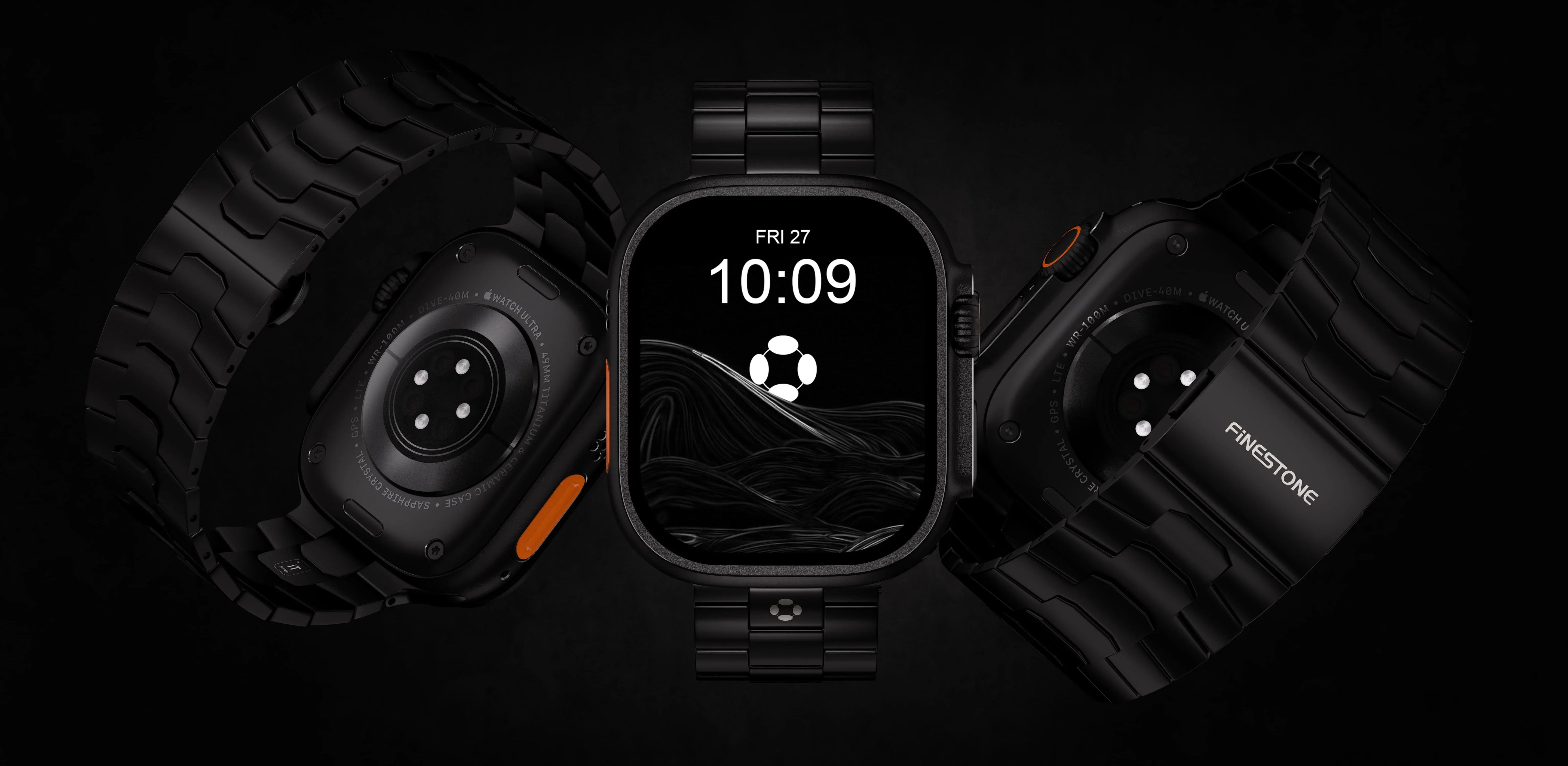
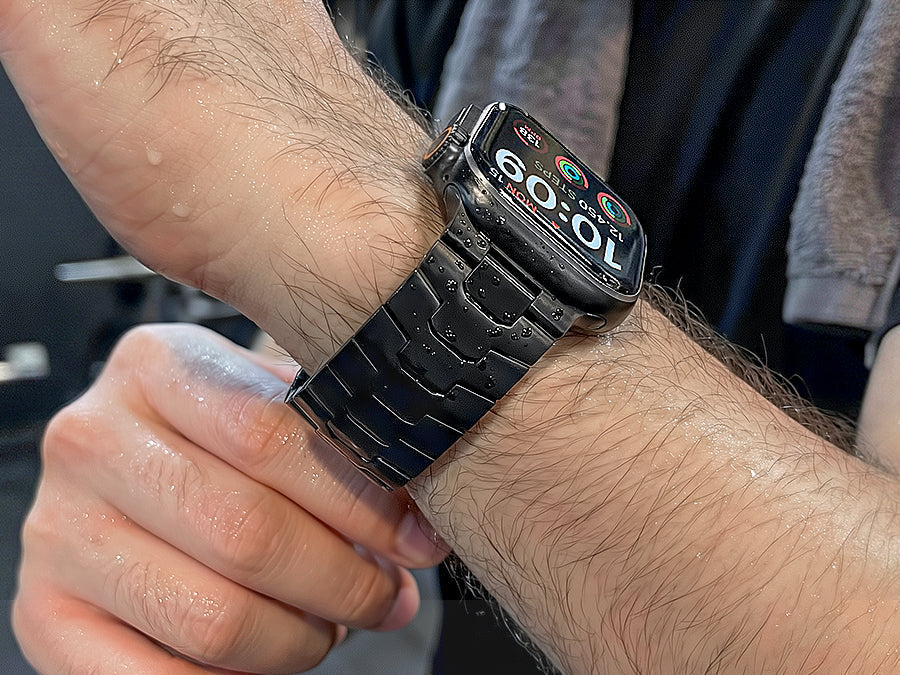
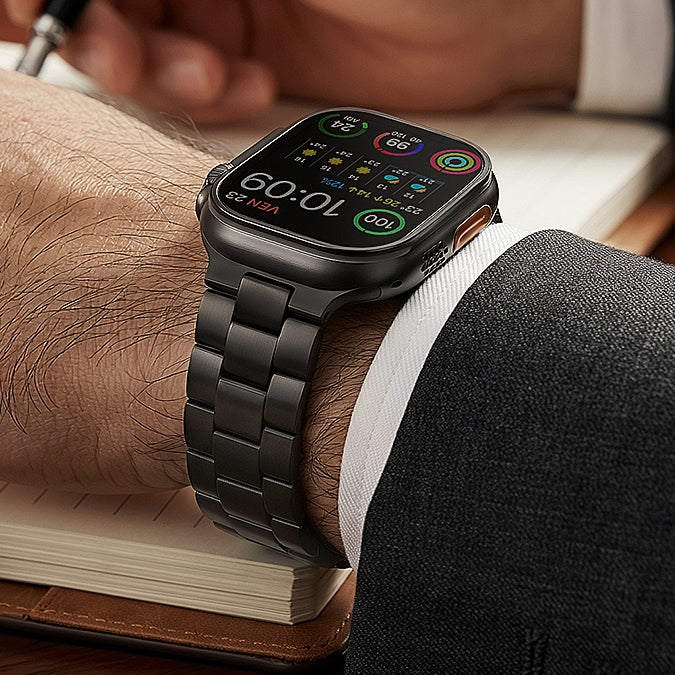
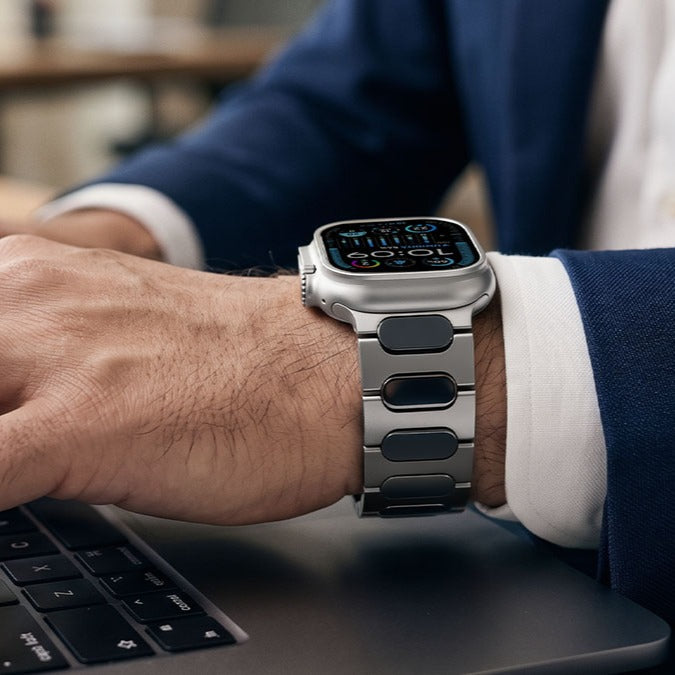
Premium titanium Apple Watch bands — such as those from finestone — are designed with smooth finishing and balanced link construction, which helps reduce cold-weather pressure points compared to heavier steel bracelets.
Compared to Stainless Steel:
| Feature | Titanium | Stainless Steel |
|---|---|---|
| Weight | Much lighter | Heavier |
| Cold Feel | Less harsh | Feels colder |
| Corrosion | Excellent | Good |
| Comfort | High | Moderate |
3. Soft Silicone (But Choose the Right Type)
Not all silicone performs equally in winter.
High-grade silicone remains flexible in lower temperatures, while cheap rubber may stiffen and feel rigid.
Benefits:
-
Waterproof in snow
-
Lightweight
-
Easy to clean
-
Flexible if high quality
Downside:
-
Can feel slightly cold initially
-
May trap moisture under sleeves
Look for soft-touch, skin-safe silicone rather than basic rubber.
Materials to Avoid in Cold Weather
❌ Cheap Stainless Steel
Heavy and cold. Feels icy and uncomfortable at first contact.
❌ Low-Quality Rubber
Becomes stiff and loses flexibility.
❌ Thin Fabric Without Lining
Can absorb moisture from snow and stay damp against skin.
How Cold Weather Affects Wrist Size
In winter:
-
Blood vessels constrict
-
Wrists can slightly shrink
-
You may need tighter adjustments
That’s why adjustable clasps are essential for metal bracelets.
Micro-adjust systems or removable links help you fine-tune fit as temperatures change.
Best Watch Band Features for Winter
Look for:
✔ Smooth, rounded edges
✔ Lightweight materials
✔ Micro-adjust clasp
✔ Flexible construction
✔ Skin-friendly finishing
Comfort in winter is about pressure distribution, not just material.
Caring for Your Watch Band in Winter
For Leather:
-
Condition regularly
-
Keep away from road salt
-
Let dry naturally (never use heat)
For Metal:
-
Wipe moisture after snow exposure
-
Rinse salt residue
-
Dry thoroughly
For Silicone:
-
Clean sweat buildup
-
Avoid extreme freezing storage
Can You Wear the Same Band Year-Round?
Yes — but some materials transition better than others.
Best All-Season Choices:
-
Titanium
-
High-grade leather
-
Premium silicone
If you want a low-maintenance option that works from winter to summer, titanium offers one of the best balances of comfort, weight, and temperature adaptability.