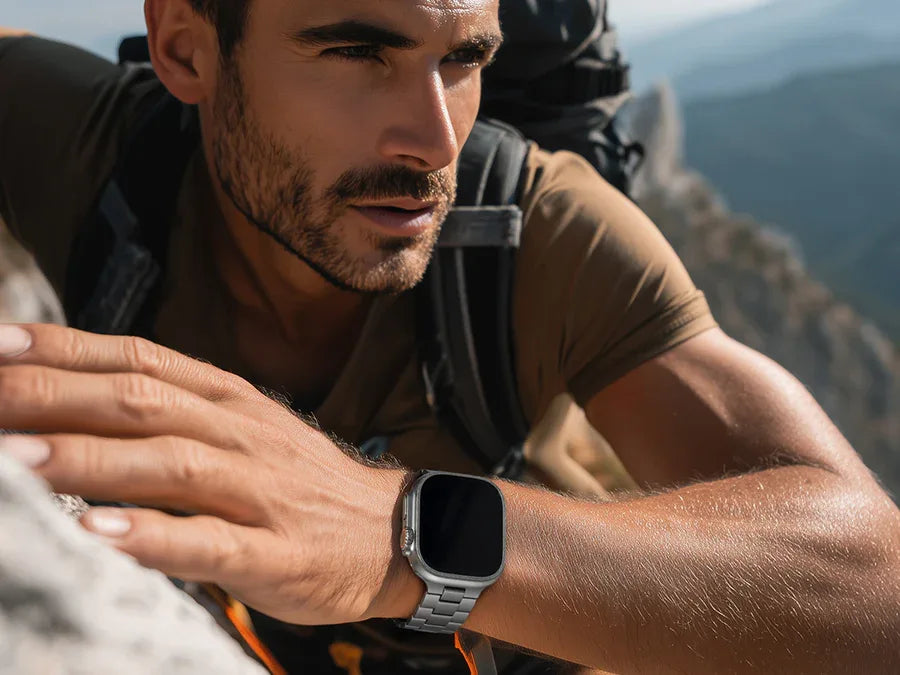

Choosing the right watch band size is just as important as picking the right material or style. A band that’s too tight feels uncomfortable and restricts movement, while one that’s too loose can slide around, affect sensor readings, and even risk falling off.
Whether you’re buying a band for an Apple Watch or a traditional watch, this guide will help you find the perfect size for comfort, fit, and daily wear.
Why Watch Band Size Matters
A properly sized band affects:
-
Comfort – No pinching, slipping, or pressure marks
-
Accuracy – Especially important for Apple Watch heart rate and fitness tracking
-
Appearance – A well-fitted band looks cleaner and more proportional
-
Security – Reduces the risk of your watch shifting or detaching
Getting the size right turns your watch into something you forget you’re wearing — in a good way.
Step 1: Understand Apple Watch Case Sizes
Before choosing a band, you need to know your watch case size. Apple Watch bands are made to fit specific case widths.
Current Apple Watch Size Groups
Bands are generally compatible within these groups:
-
38mm / 40mm / 41mm / 42mm (Series 10 small size)
-
42mm / 44mm / 45mm / 49mm (Ultra)
If you have Apple Watch Ultra, you need bands designed for the 49mm case, which are wider and more rugged in style.
You can find your case size:
-
Engraved on the back of the watch
-
In the Watch app on your iPhone
Tip: Bands usually list compatible sizes — always double-check before buying.
Step 2: Measure Your Wrist Circumference
This is the most important step for comfort.
How to Measure Your Wrist
You only need:
-
A soft measuring tape (or string + ruler)
Steps:
-
Wrap the tape around your wrist where you normally wear your watch
-
Keep it snug but not tight
-
Note the measurement in millimeters or inches
General Wrist Size Categories
| Wrist Circumference | Category |
|---|---|
| Under 150mm (5.9") | Small |
| 150–170mm (5.9–6.7") | Medium |
| 170–190mm (6.7–7.5") | Large |
| Over 190mm (7.5"+) | Extra Large |
Always compare your wrist measurement with the band’s stated fit range before purchasing.
Step 3: Understand Different Band Adjustment Styles
Different band types adjust differently, which affects how precise the fit can be.
🔹 Sport Bands (Pin-and-Tuck)
-
Multiple holes for size adjustment
-
Great for workouts and daily wear
-
Flexible sizing range
🔹 Solo Loop / Braided Loop
-
No clasp — must match your wrist size exactly
-
Apple provides a sizing guide
-
Comfort is great if size is correct
🔹 Metal Link Bands
-
Adjusted by removing or adding links
-
Often include micro-adjustment clasps for fine tuning
-
Provide the most tailored, premium fit
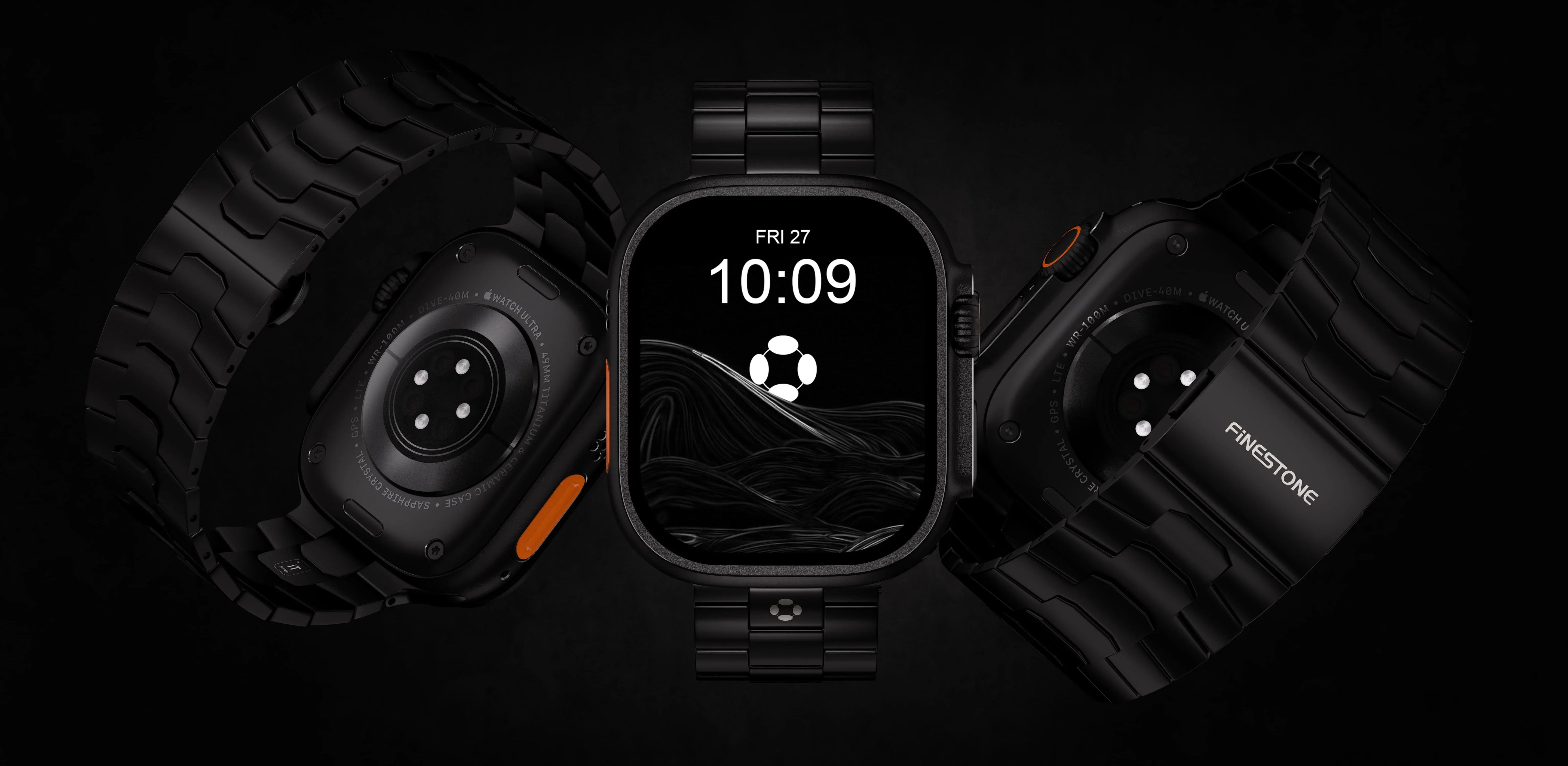
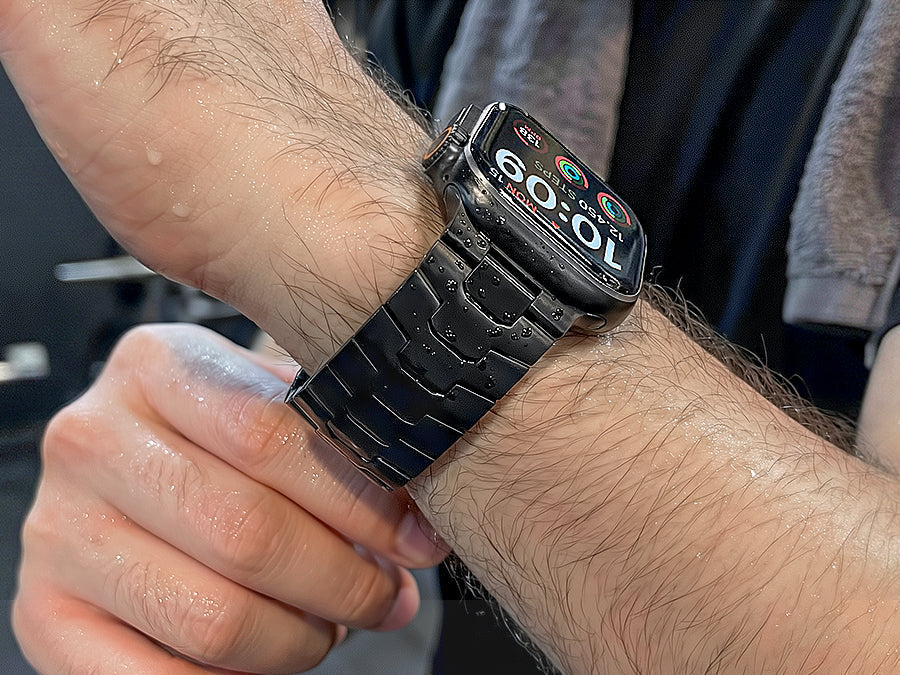
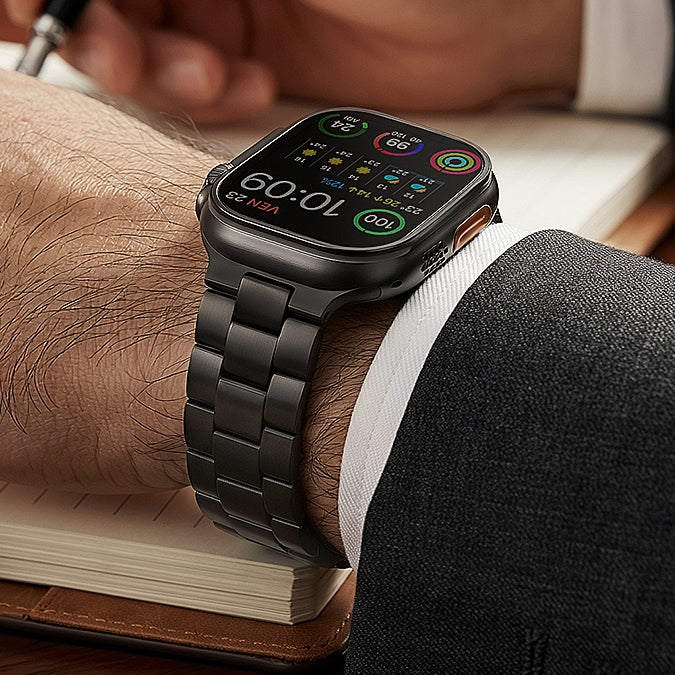
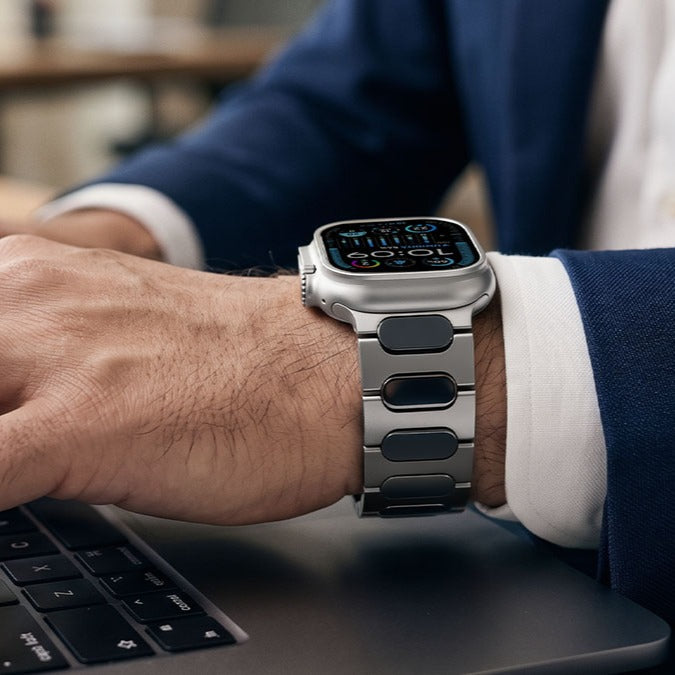
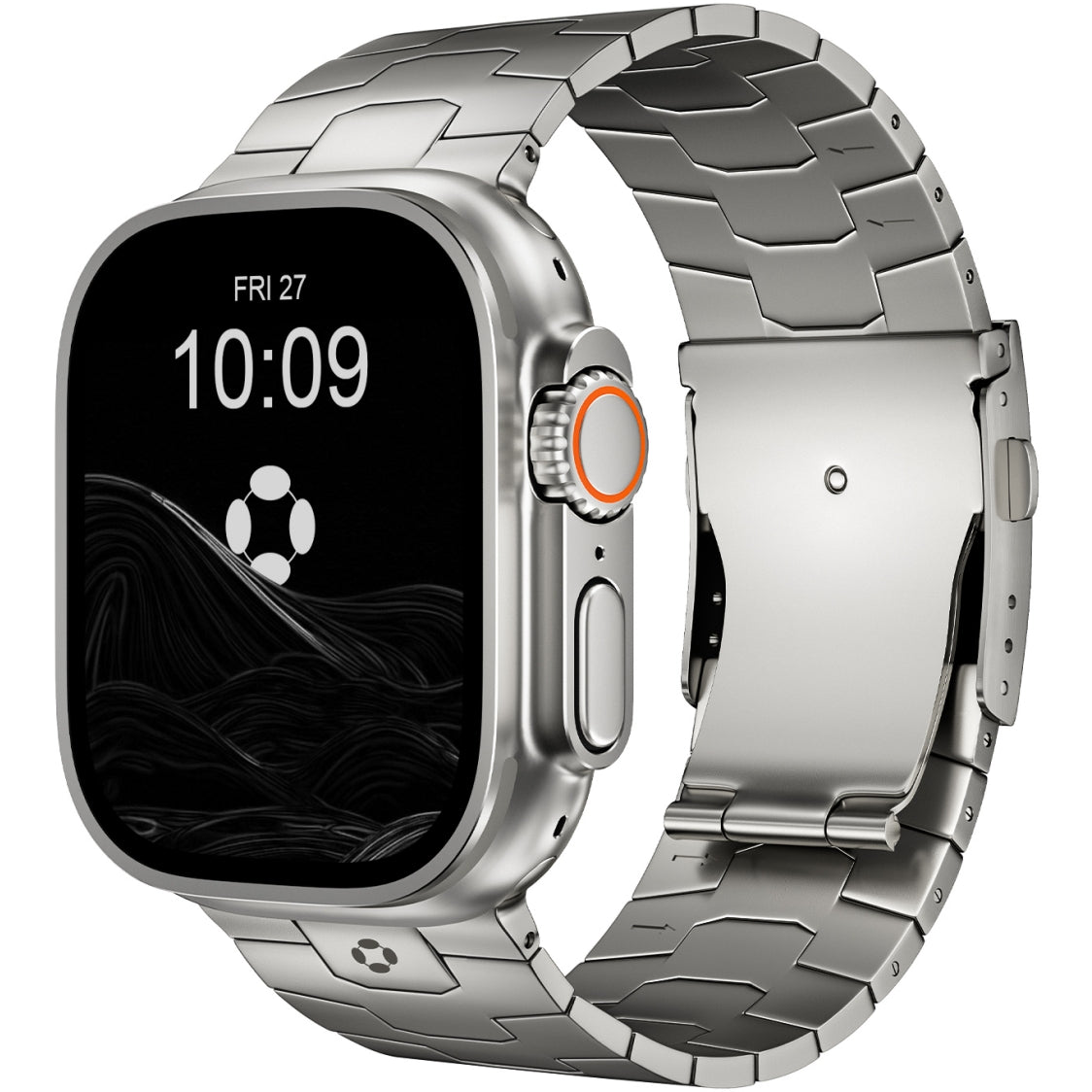
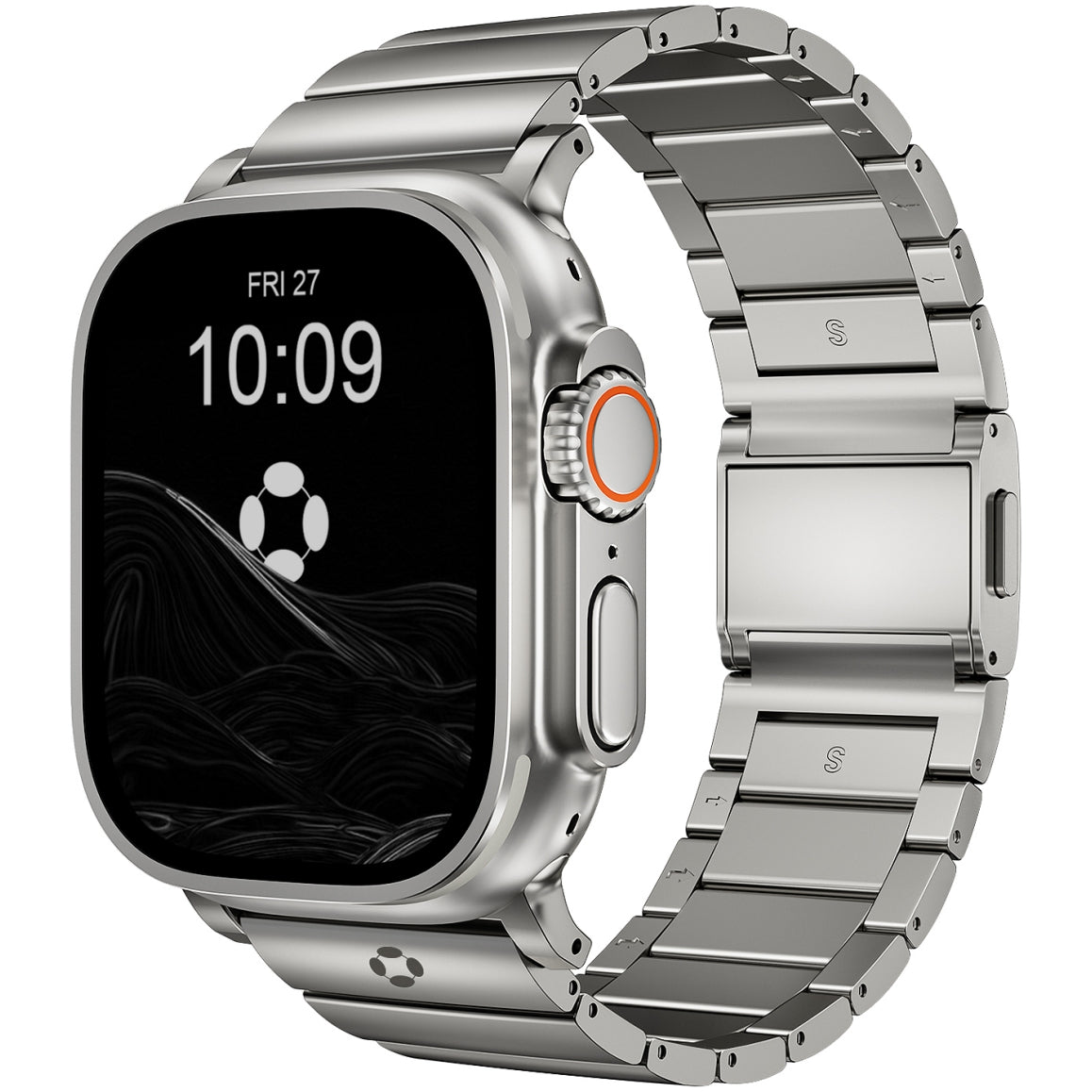
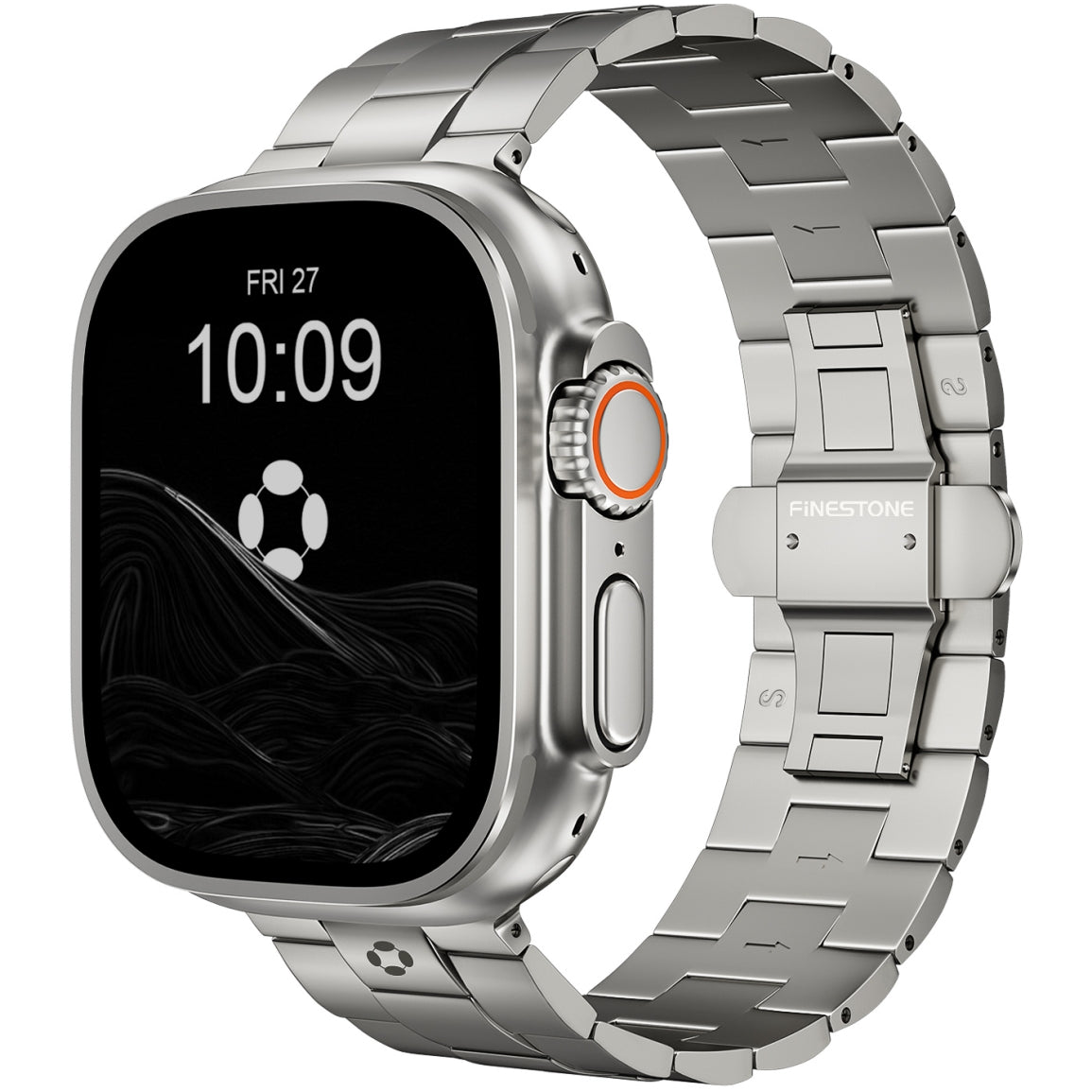
High-quality metal bands — including options like the Finestone titanium Apple Watch band — typically include removable links so you can customize the size for all-day comfort.
🔹 Leather Bands
-
Buckle-based adjustment like a belt
-
Moderate sizing flexibility
-
Best for casual or office wear
🔹 Nylon / Velcro Sport Loops
-
Highly adjustable
-
Ideal for fluctuating wrist size (heat, exercise, travel)
Step 4: Consider Wrist Swelling During the Day
Your wrist size changes slightly due to:
-
Heat and humidity
-
Exercise
-
Long periods of inactivity
-
Air travel
A band that feels perfect in the morning may feel tight later.
Pro Tip: You should be able to slide one finger under the band comfortably. If you can’t, it’s too tight.
Step 5: Fit for Apple Watch Sensors
For Apple Watch users, band fit affects:
-
Heart rate accuracy
-
Blood oxygen readings
-
Sleep tracking quality
Ideal Fit for Sensors
-
Snug but not tight
-
Watch should sit flat on your wrist
-
Shouldn’t slide around during movement
Loose bands can cause gaps between the sensor and your skin, leading to inaccurate readings.
Step 6: Choose Based on Daily Activity
Your lifestyle affects the best fit style.
| Activity | Best Fit Style |
|---|---|
| Office / Daily Wear | Slightly relaxed, comfortable fit |
| Fitness / Running | Snug fit to keep sensors accurate |
| Sleep Tracking | Soft band, slightly looser fit |
| Travel | Adjustable band to accommodate swelling |
Common Sizing Mistakes to Avoid
❌ Guessing your wrist size
❌ Choosing based only on case size, not wrist size
❌ Buying metal bands without checking adjustable link count
❌ Wearing the band too tight for long periods
❌ Ignoring manufacturer sizing charts