
A watch band may look great in photos — but real quality shows up in the details you can see, feel, and wear over time.
Whether you're upgrading your Apple Watch, replacing a worn strap, or investing in a premium bracelet, knowing how to identify a high-quality watch band can save you money, frustration, and wrist discomfort.
In this pillar-level guide, we’ll break down every factor that separates cheap straps from truly premium ones — from materials and craftsmanship to fit, hardware, and long-term durability.
1. Start With the Material: Quality Begins at the Source
The foundation of any great watch band is the material.
Leather
High-quality leather bands should use:
-
Full-grain or top-grain leather
-
Natural texture (not plastic-coated)
-
Even stitching
-
Soft but firm structure
Avoid:
-
Synthetic “genuine leather” with heavy coatings
-
Peeling edges
-
Strong chemical smell
Premium leather develops patina over time rather than cracking.
Metal (Stainless Steel vs Titanium)
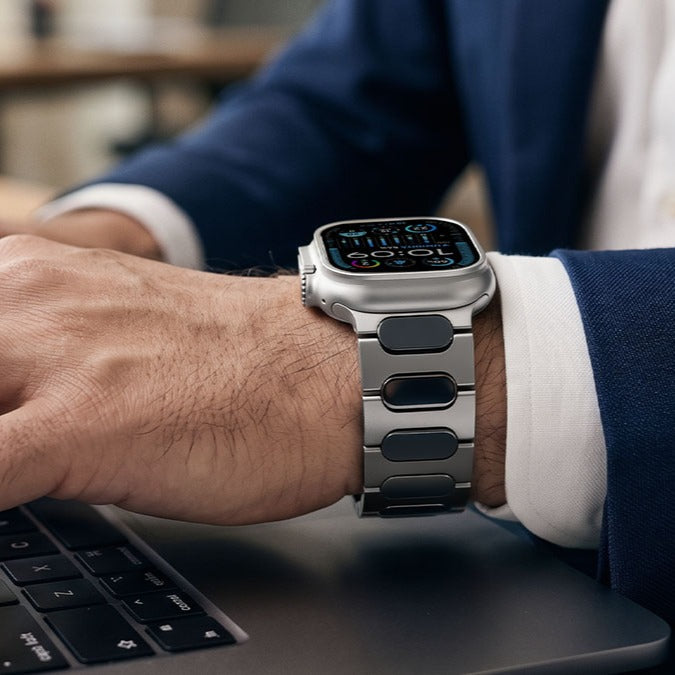
Metal bands reveal quality instantly through weight balance, machining precision, and finishing.
Look for:
-
Smooth, rounded edges
-
Tight, seamless link articulation
-
Even brushing or polishing
-
No rattling when shaken
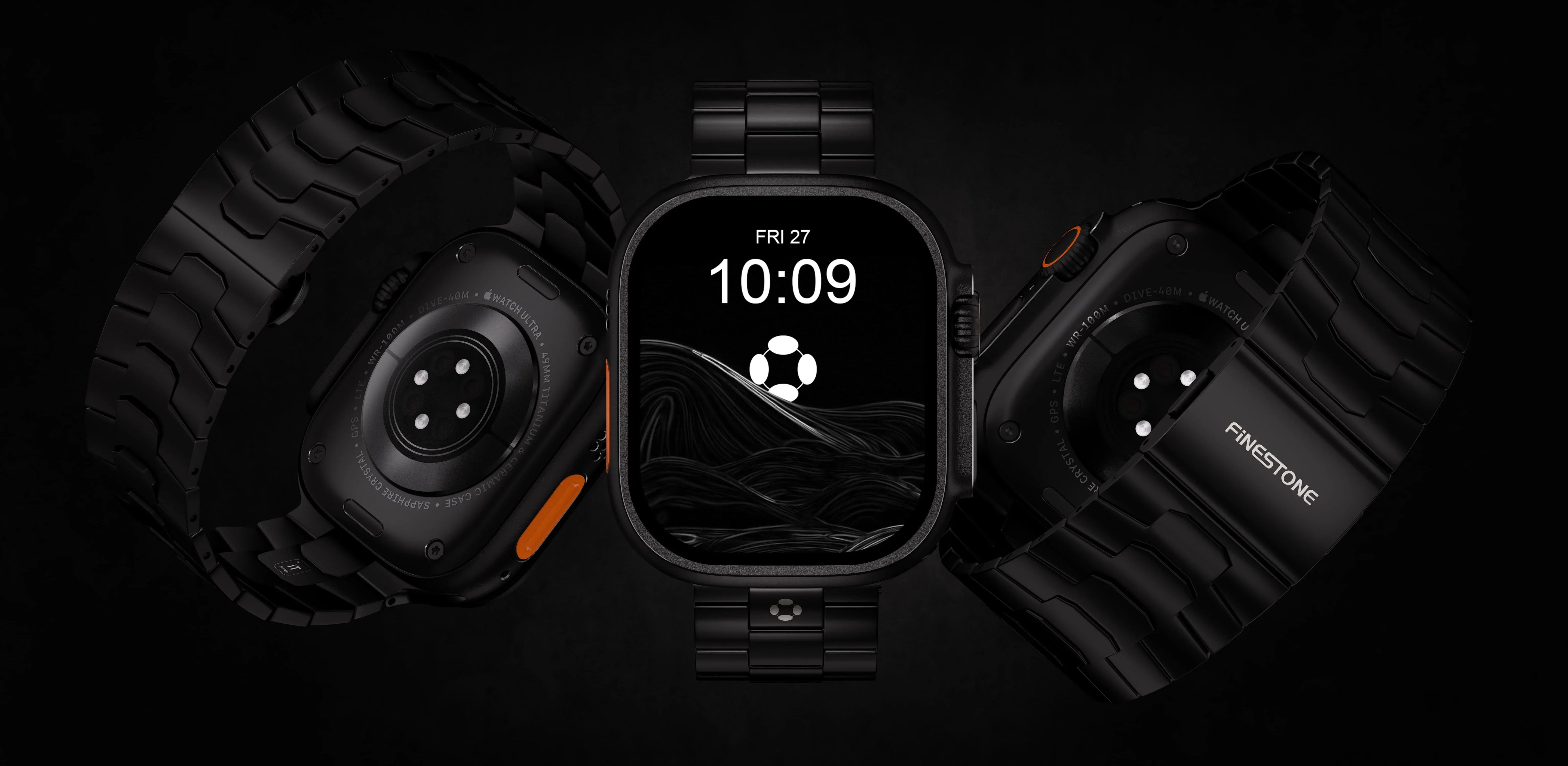
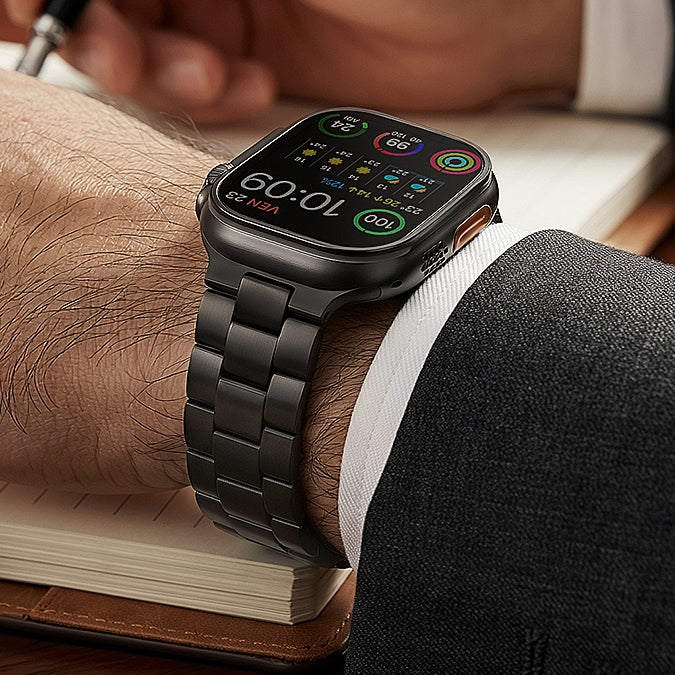
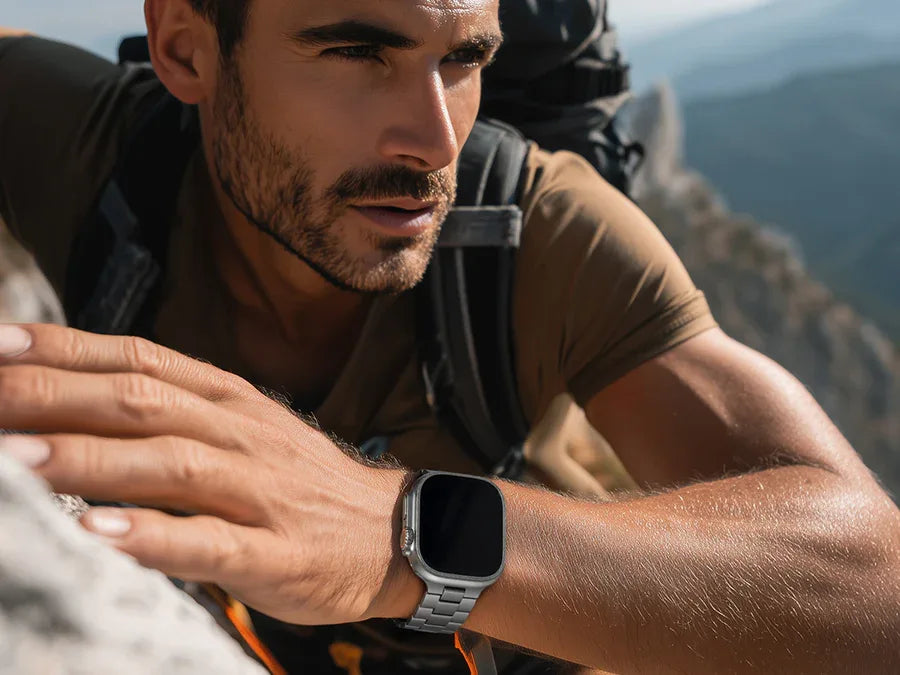
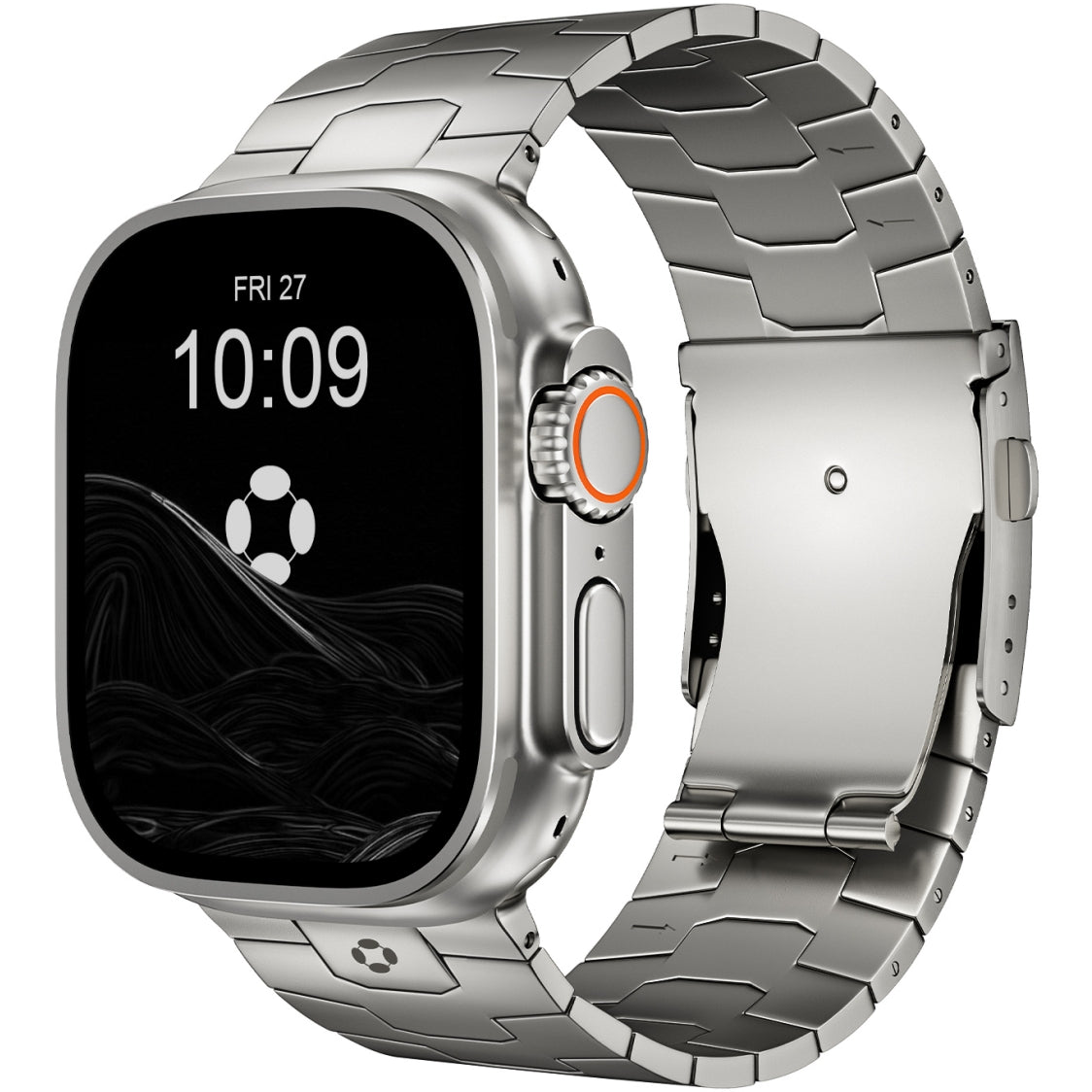
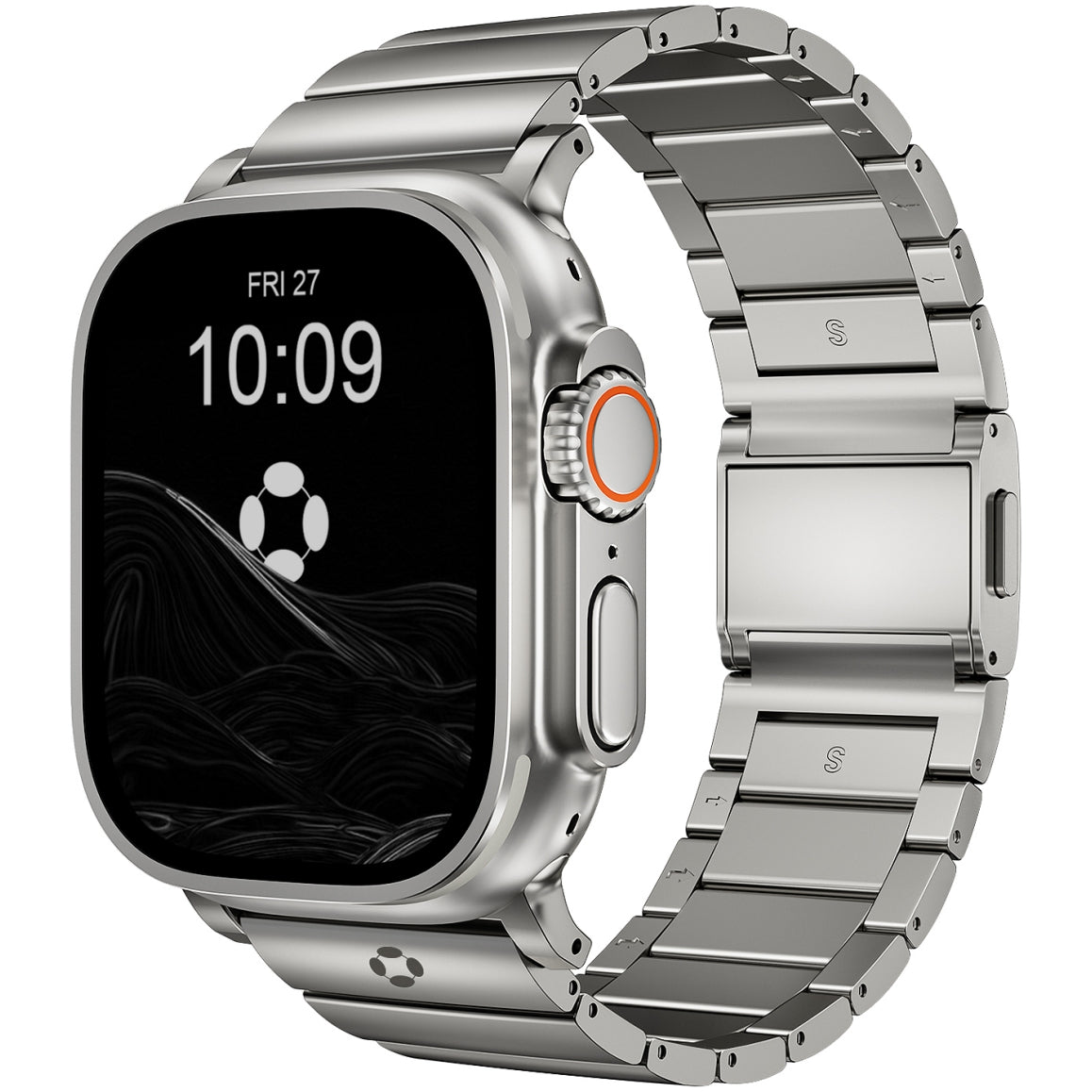
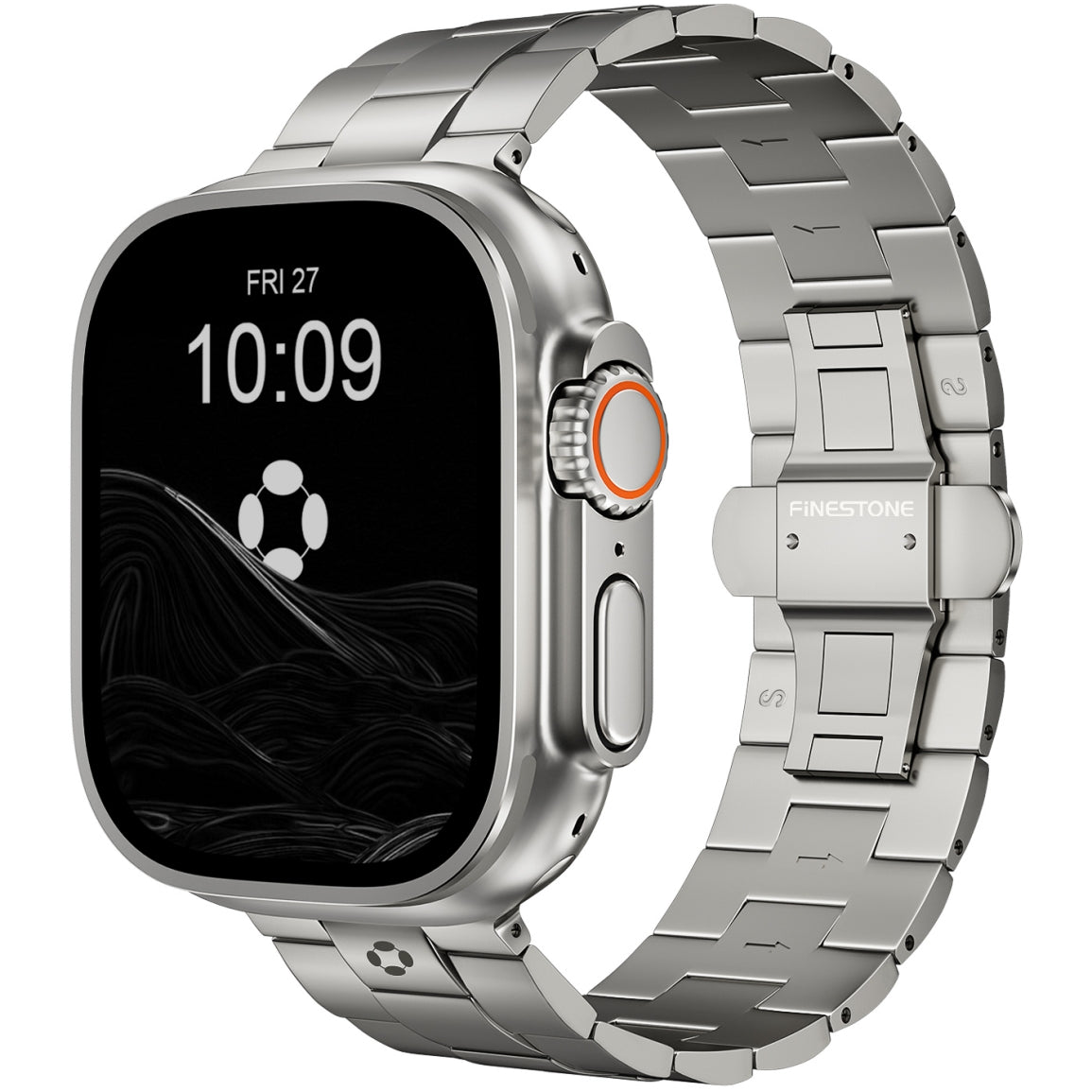
Titanium bands are especially telling. High-grade titanium is lightweight yet strong, corrosion-resistant, and hypoallergenic. Well-engineered examples — such as premium titanium Apple Watch bands from finestone — showcase clean machining lines, balanced weight distribution, and refined finishing that feels solid without heaviness.

Red flags:
-
Rough edges
-
Loose pins
-
Uneven surface finish
-
Visible tool marks
Silicone & Rubber
Not all silicone straps are equal.
High-quality silicone should:
-
Feel smooth and flexible (not sticky)
-
Bounce back after bending
-
Have no sharp mold lines
-
Feature reinforced pinholes
Cheaper versions often attract dust, stretch out, or crack quickly.
Nylon & Textile
Quality woven bands should:
-
Have a tight weave
-
Resist fraying
-
Use strong stitching
-
Maintain color consistency
Loose threads or uneven weaving usually signal low production standards.
2. Inspect the Hardware & Clasp Mechanism
Hardware quality is often overlooked — but it’s crucial.
A high-quality clasp should:
-
Close securely without excessive force
-
Open smoothly
-
Have no wobble
-
Align perfectly when closed
Types of clasps to examine:
-
Butterfly clasp
-
Folding clasp
-
Magnetic clasp
-
Traditional buckle
Check for:
✔ Solid metal components (not hollow)
✔ Smooth hinge movement
✔ Consistent finishing across parts
If the clasp feels flimsy, the band likely is too.
3. Check the Stitching & Edge Finishing (For Leather & Fabric)
Stitching is a major quality indicator.
High-quality stitching:
-
Is evenly spaced
-
Uses strong, thick thread
-
Has no loose ends
-
Aligns symmetrically
Edge finishing should be:
-
Smooth
-
Sealed properly
-
Free from cracking
Poor stitching often fails long before the strap material does.
4. Evaluate Fit & Tolerances
Precision fit separates premium bands from budget options.
For metal bracelets:
-
Links should articulate smoothly
-
No visible gaps at lug connection
-
Solid end links (not hollow)
For Apple Watch or smartwatch bands:
-
The connector should slide in cleanly
-
No wiggle once installed
-
Click mechanism should feel secure
If there’s looseness at the attachment point, that’s a sign of poor manufacturing tolerances.
5. Weight & Balance Matter
A heavier band isn’t always better — and lighter isn’t always cheaper.
High-quality bands feel:
-
Balanced across the wrist
-
Evenly weighted
-
Comfortable after hours of wear
Cheap metal bands often feel either too heavy (low-grade steel) or oddly light due to hollow construction.
Titanium is a good example of proper balance — strong but noticeably lighter than steel.
6. Surface Finish & Detailing
Examine the surface carefully under light.
Premium finishes:
-
Have consistent brushing direction
-
Smooth polish transitions
-
No discoloration
-
No uneven coating
Inferior bands often show:
-
Uneven color
-
Sharp edges
-
Rough interior surfaces
-
Inconsistent grain patterns
7. Durability Under Stress
A quality watch band should withstand:
-
Daily wrist movement
-
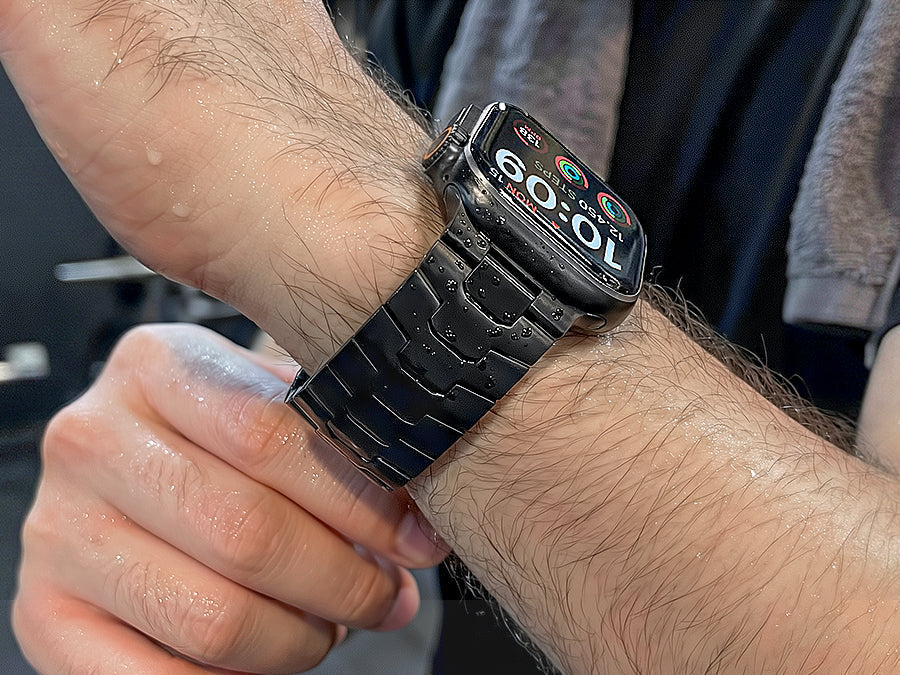
Sweat exposure
-
Minor impacts
-
Temperature changes
Test gently:
-
Bend it slightly — does it retain shape?
-
Pull lightly on stitching — does it hold firm?
-
Move links — do they grind or glide?
Well-made bands age gracefully. Cheap ones degrade quickly.
8. Brand Reputation & Transparency
High-quality brands typically provide:
-
Clear material specifications
-
Detailed product photos
-
Care instructions
-
Warranty coverage
If a seller avoids specifying materials or shows only heavily filtered photos, be cautious.
9. Price vs Value: What’s Realistic?
Ultra-cheap bands rarely deliver long-term quality. That doesn’t mean the most expensive is automatically best — but quality materials and precise machining cost money.
General expectations:
-
Premium leather: Mid to high range
-
Quality titanium or steel: Mid to high range
-
Reliable silicone: Affordable but not ultra-cheap
If the price seems too good to be true, it often is.
Quick Quality Checklist
Before buying, ask:
✔ Is the material clearly specified?
✔ Are edges smooth and well-finished?
✔ Does the clasp feel solid?
✔ Is stitching clean and symmetrical?
✔ Does it fit precisely without gaps?
✔ Is the brand transparent about manufacturing?
If the answer is yes to most of these, you’re likely looking at a high-quality watch band.