
A watch can cost thousands of dollars and still feel uncomfortable if the band isn’t right.
When people complain about irritation, heaviness, sweat buildup, or wrist fatigue, the real issue is often not the watch case — it’s the watch band design. From material selection to clasp structure, weight distribution, and flexibility, every design detail directly affects long-term comfort.
In this pillar guide, we’ll break down exactly how watch band design impacts comfort — and how to choose the right one for daily wear, workouts, office use, and premium styling.
1. Material Choice: The Foundation of Comfort
Material is the single biggest comfort factor. It determines weight, breathability, skin reaction, flexibility, and durability.
Metal Bands (Stainless Steel & Titanium)
Stainless Steel
-
Durable and premium looking
-
Heavier on the wrist
-
Can trap heat
-
May feel bulky during long wear
Titanium
-
~40% lighter than stainless steel
-
Stronger strength-to-weight ratio
-
Hypoallergenic
-
Corrosion-resistant
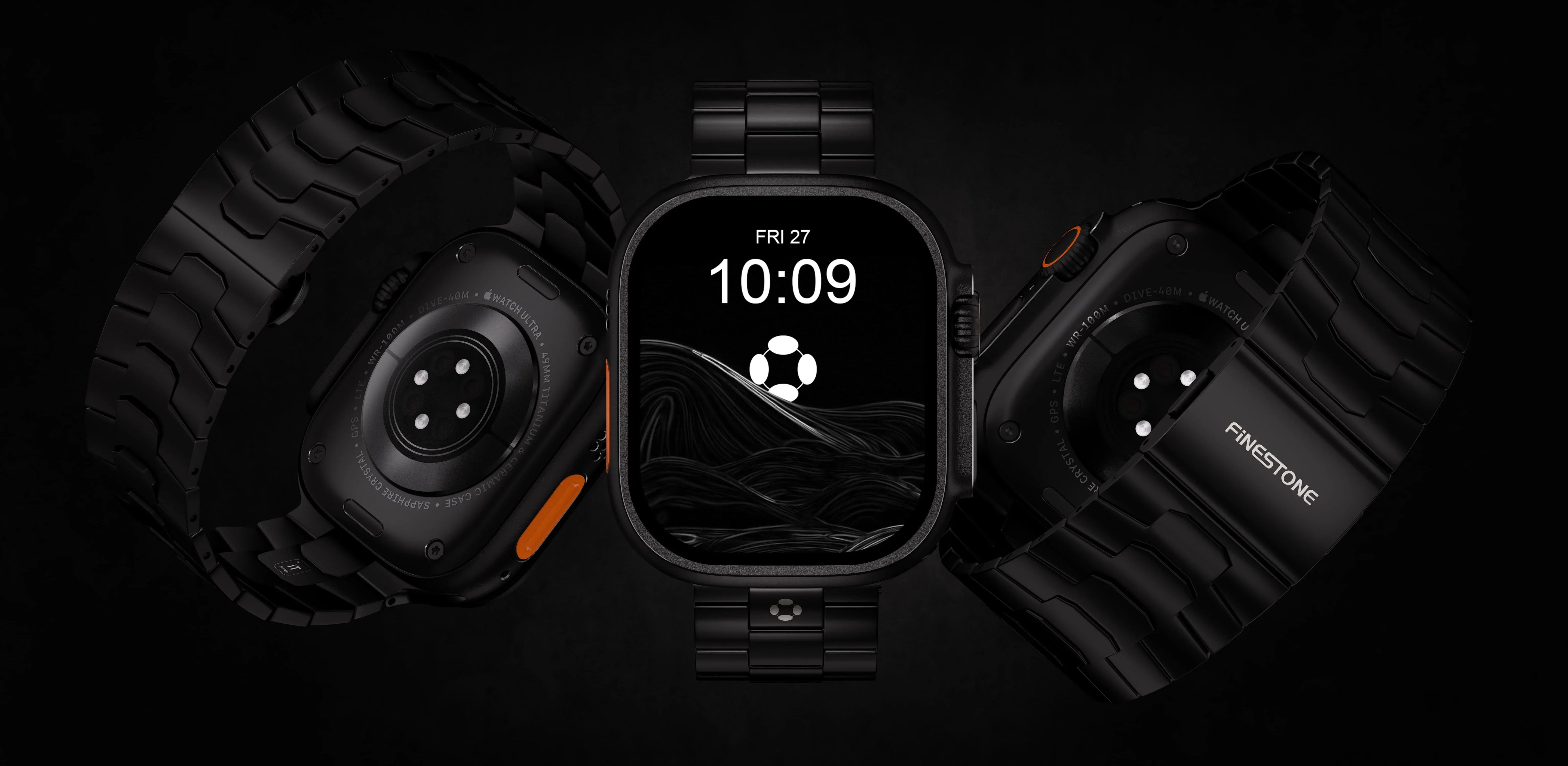
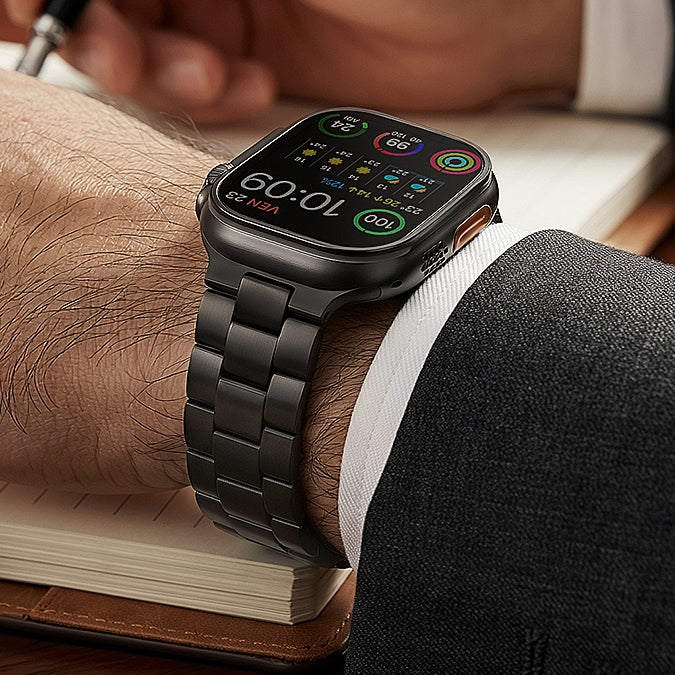
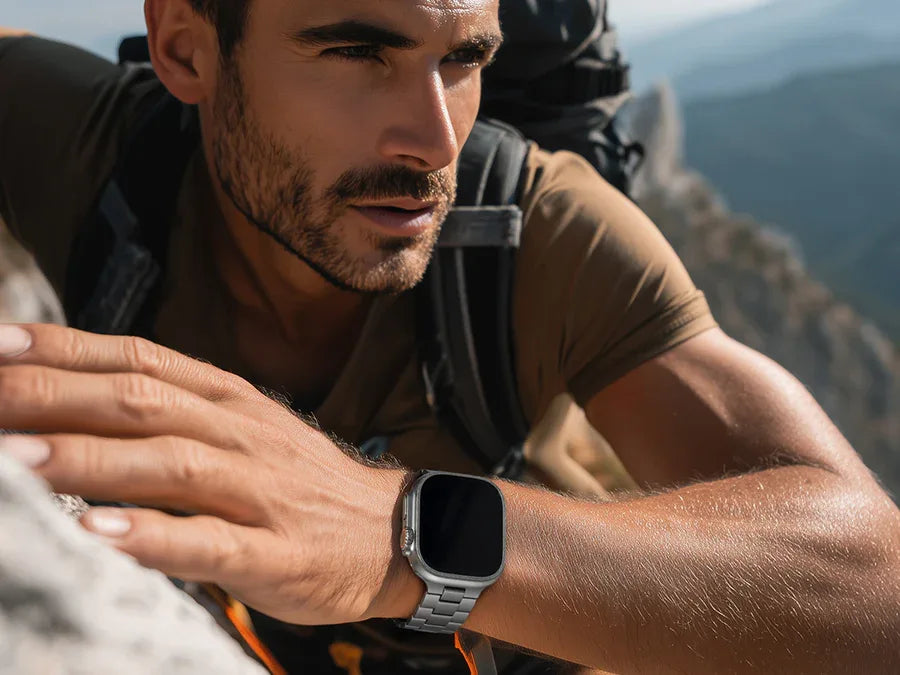
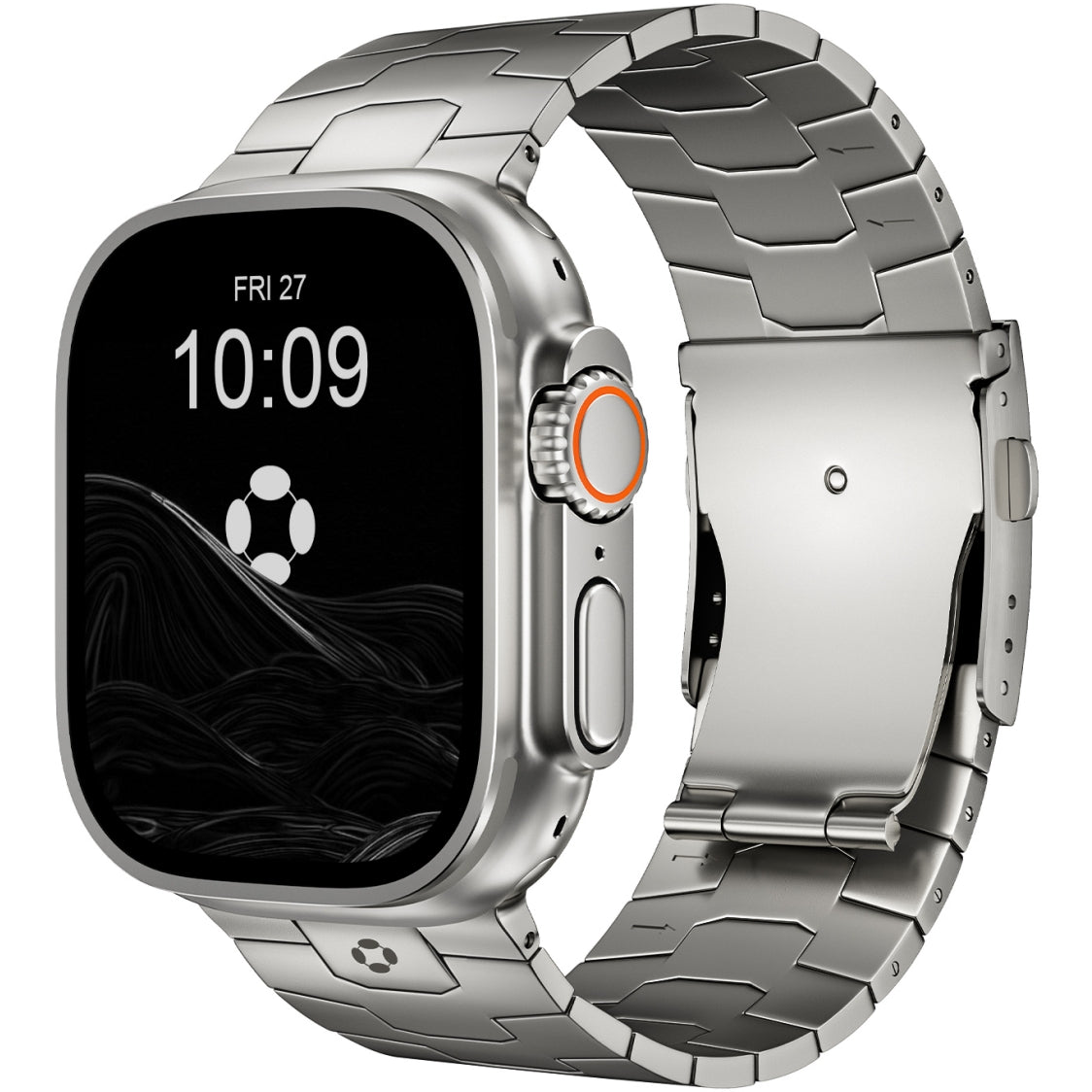
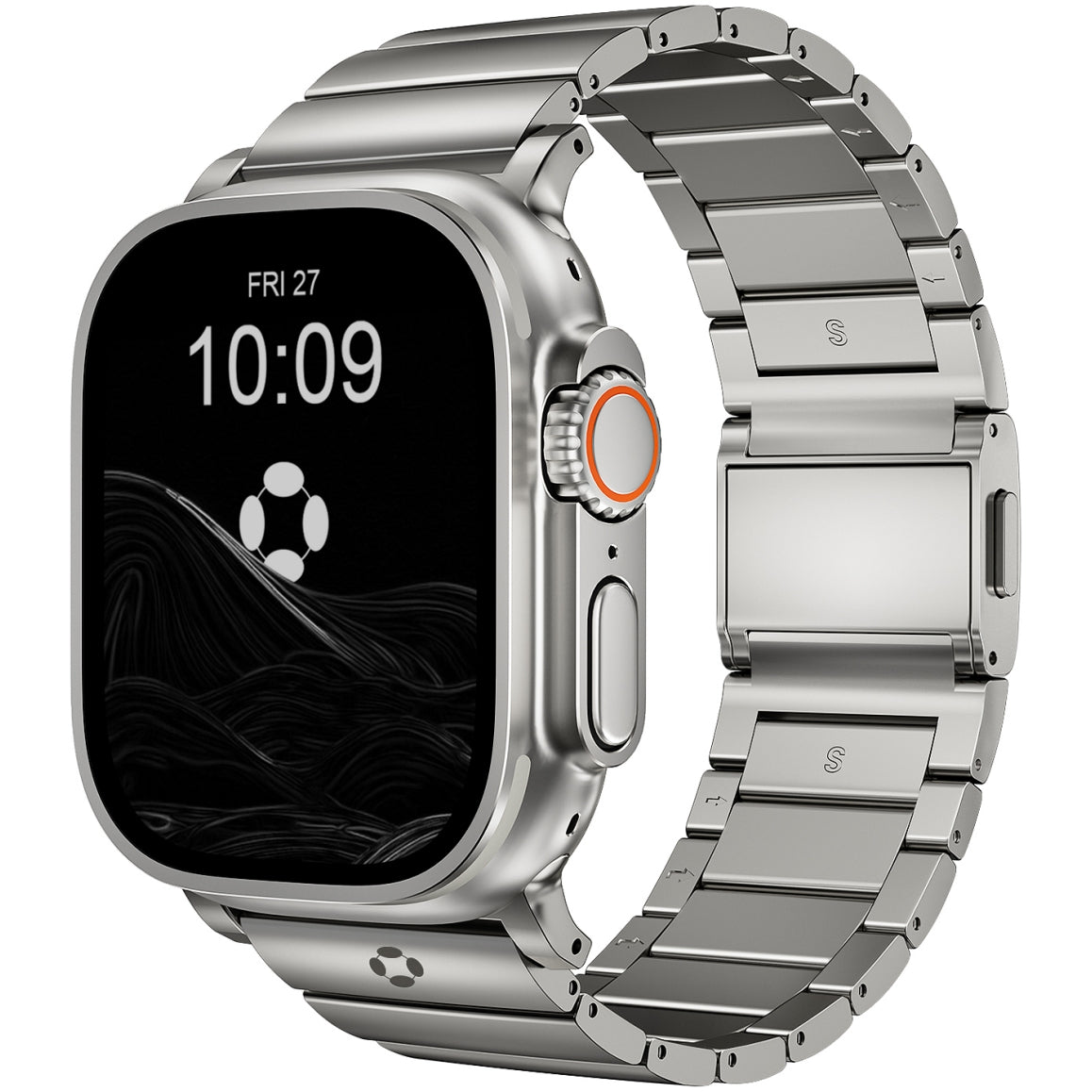
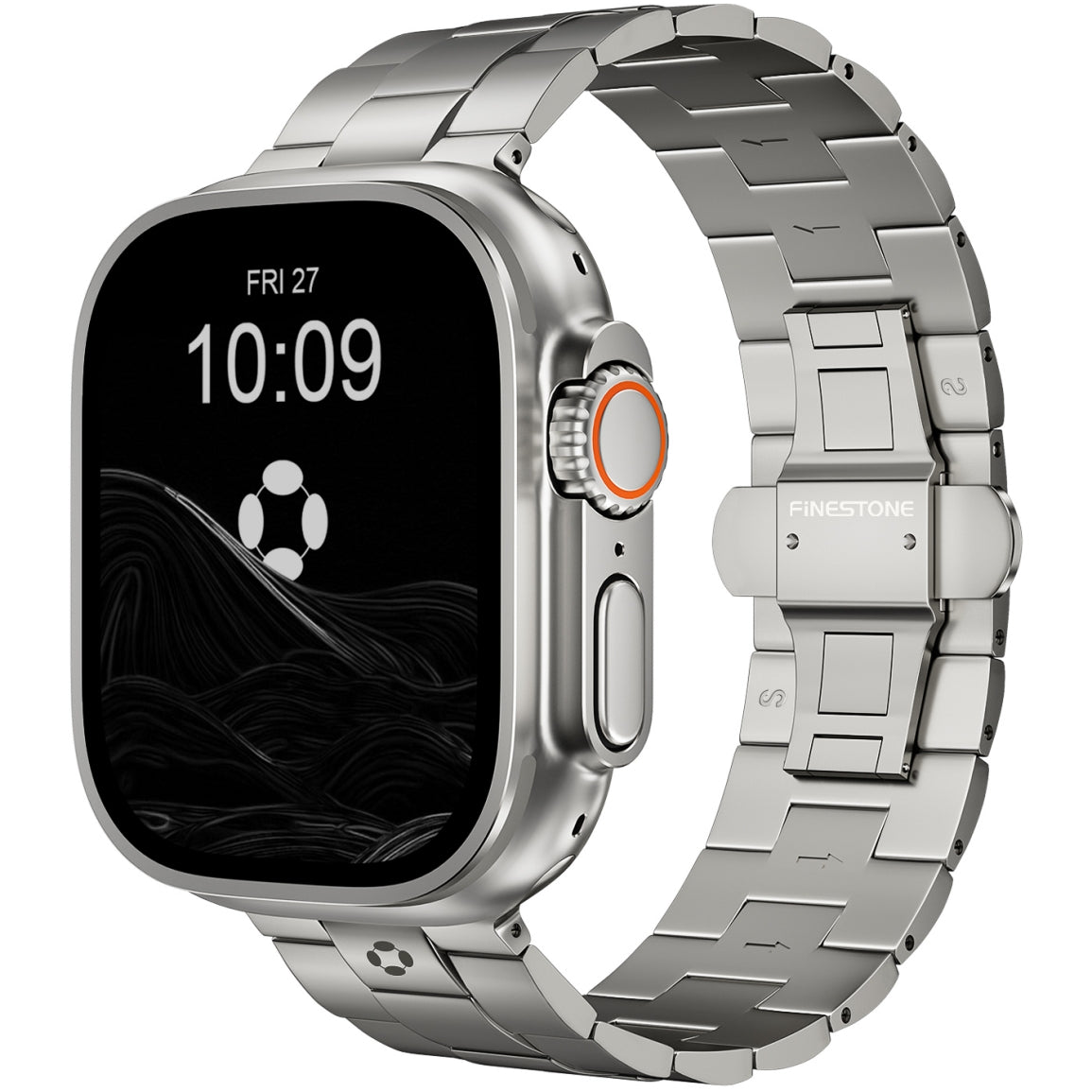
Titanium is especially important for Apple Watch users who wear their device all day, including sleep tracking and workouts. A well-engineered titanium band — like the premium designs from finestone — reduces wrist fatigue while maintaining a luxury aesthetic.
If you’ve ever removed your watch at the end of the day and felt a “wrist relief” sensation, weight is likely the reason.
Silicone & Rubber
Best for:
-
Sports
-
High sweat environments
-
Water activities
Comfort factors:
-
Flexible
-
Waterproof
-
Easy to clean
Downside:
-
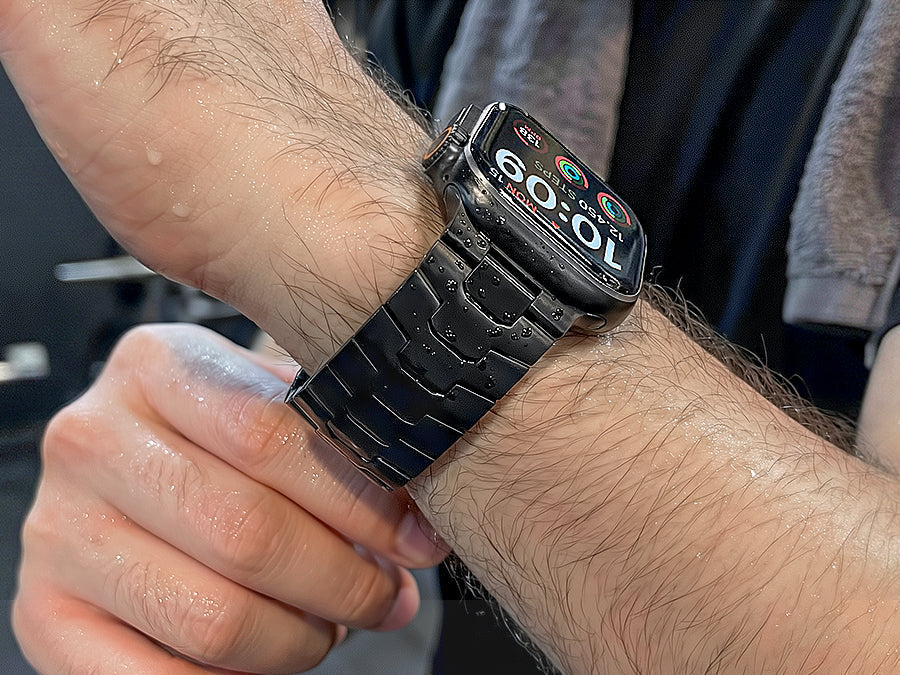
Can trap sweat without ventilation
-
May cause irritation for sensitive skin
Design detail matters here — perforations and textured inner surfaces significantly improve airflow.
Nylon & Fabric Bands
Advantages:
-
Extremely lightweight
-
Breathable
-
Soft on skin
-
Adjustable via hook-and-loop
Ideal for:
-
Daily casual wear
-
Sensitive skin
-
Long desk hours
However, nylon absorbs sweat, so it’s less ideal for intense workouts.
2. Weight Distribution & Link Engineering
Comfort isn’t just about total weight — it’s about how weight is distributed.
Poor Design
-
Thick center links
-
Rigid construction
-
Uneven pressure points
-
Limited articulation
High-Quality Design
-
Micro-articulated links
-
Balanced link sizing
-
Smooth edges
-
Tapered structure toward clasp
A tapered band (wider near the watch, slimmer near the clasp) reduces wrist strain and improves ergonomic flow.
This is especially important in metal bands. Precision-machined titanium links feel dramatically different from stamped steel links.
3. Flexibility & Articulation
Your wrist constantly moves:
-
Typing
-
Driving
-
Exercising
-
Sleeping
A comfortable band must:
-
Bend naturally
-
Avoid sharp edge friction
-
Move without pinching skin
Rigid bands create micro-friction throughout the day, which leads to skin irritation.
Articulated link systems and soft woven materials dramatically reduce that friction.
4. Clasp Design: The Hidden Comfort Factor
Most buyers overlook the clasp — but it’s critical.
Butterfly Clasp
-
Sleek appearance
-
Even distribution
-
May lack micro-adjustment
Magnetic Clasp
-
Adjustable
-
Quick release
-
Can loosen during activity
Traditional Buckle
-
Secure
-
Easy to adjust
-
Slight pressure under wrist
Premium bands often integrate micro-adjust systems so your wrist can expand slightly throughout the day (which naturally happens due to temperature and movement).
Without adjustability, even a perfect material becomes uncomfortable.
5. Breathability & Skin Health
Skin irritation typically comes from:
-
Trapped moisture
-
Heat buildup
-
Allergic reactions to metals
Titanium offers a hypoallergenic advantage compared to some steel alloys. That’s why lightweight titanium Apple Watch bands — such as those engineered with precision machining and smooth finishing — are increasingly popular for all-day wear.
Ventilation holes, woven textures, and curved link undersides all improve airflow.
6. Fit & Sizing Precision
A band that is:
-
Too tight → restricts circulation
-
Too loose → slides, causes friction
Ideal fit:
-
Snug but not tight
-
No red marks after removal
-
Watch case stays centered
High-end metal bands allow removable links for precise customization. The more granular the sizing adjustment, the better the comfort.
7. Tapered vs Straight Design
Straight Band
-
Same width throughout
-
Heavier visual presence
-
Slightly more rigid feel
Tapered Band
-
Wider at lugs
-
Narrower at clasp
-
Feels lighter
-
More ergonomic
Tapered design improves both comfort and aesthetics — especially on larger watch cases.
8. Surface Finish & Edge Treatment
Even premium materials can feel uncomfortable if edges are poorly finished.
Key comfort indicators:
-
Rounded edge polishing
-
Brushed finish reducing skin drag
-
No sharp machining lines
Matte titanium surfaces often feel smoother against skin compared to high-gloss steel.
9. Use Case Matters: Matching Design to Lifestyle
| Lifestyle | Best Material | Why |
|---|---|---|
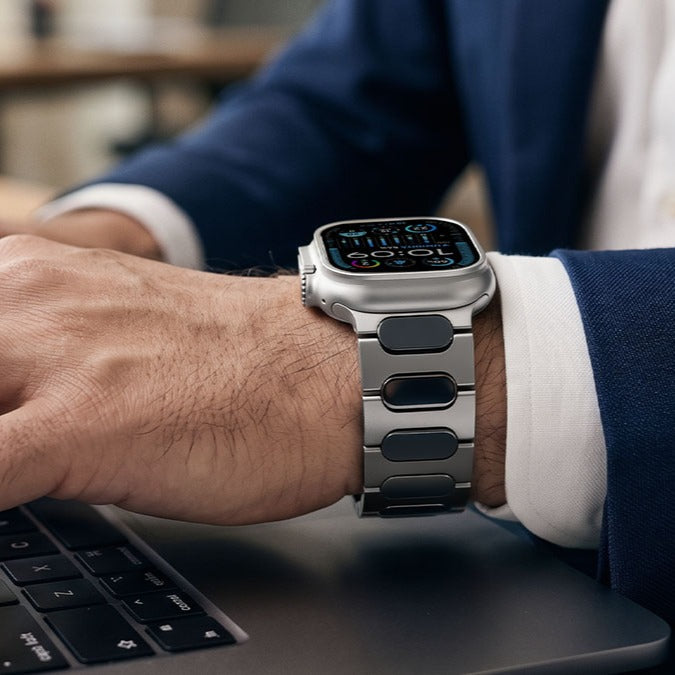
| Office Wear | Titanium | Lightweight + premium look |
| Fitness | Silicone | Sweat-resistant |
| Travel | Nylon | Ultra-light |
| Luxury Events | Metal (Titanium) | Elegant & structured |
| Sleep Tracking | Lightweight Titanium / Nylon | Minimal wrist fatigue |
If you wear your watch 12–16 hours daily, reducing weight and improving articulation should be your priority.
10. Long-Term Wear: The Real Comfort Test
A band might feel fine for 30 minutes in a store.
True comfort is measured over:
-
8-hour workdays
-
Flights
-
Workouts
-
Overnight sleep tracking
This is where lightweight materials like titanium truly outperform heavier metals.