
When choosing a watch band, most people focus on style, material, or price. But there’s another factor that dramatically affects comfort — weight.
A watch band might look great in photos, but if it feels heavy, unbalanced, or tiring after a few hours, it can ruin the experience. So the big question is:
Does watch band weight really matter?
The short answer: Yes — especially if you wear your watch all day.
Let’s break down why weight matters, compare materials, and help you decide what works best for your lifestyle.
⚖️ Why Watch Band Weight Matters
Your wrist is constantly moving — typing, driving, lifting, gesturing. Even small differences in weight can add up over 8–12 hours of daily wear.
A heavier band can cause:
-
Wrist fatigue
-
Sliding or shifting
-
Imbalance (especially with larger watch cases)
-
Skin pressure and sweating
A lighter band often feels:
-
More comfortable long-term
-
Less noticeable
-
Better balanced
-
More breathable
But weight alone isn’t everything — it’s about balance, material density, and distribution.
📊 Watch Band Weight Comparison by Material
Below is a general comparison of common watch band materials:
| Material | Typical Weight | Comfort Level | Best For |
|---|---|---|---|
| Stainless Steel | Heavy | Moderate | Formal, classic look |
| Titanium | Lightweight | High | All-day wear |
| Leather | Light–Medium | High | Office & casual |
| Silicone | Light | Very High | Sports & daily wear |
| Nylon | Very Light | Very High | Travel & hot weather |
| Mesh Metal | Medium | High | Modern everyday style |
Let’s explore each in more detail.
🥇 Titanium: The Lightweight Metal Advantage
Titanium is often considered the ideal balance between strength and weight.
Compared to stainless steel, titanium is significantly lighter — yet still durable and corrosion-resistant. This makes it an excellent option for people who want a premium metal look without wrist fatigue.
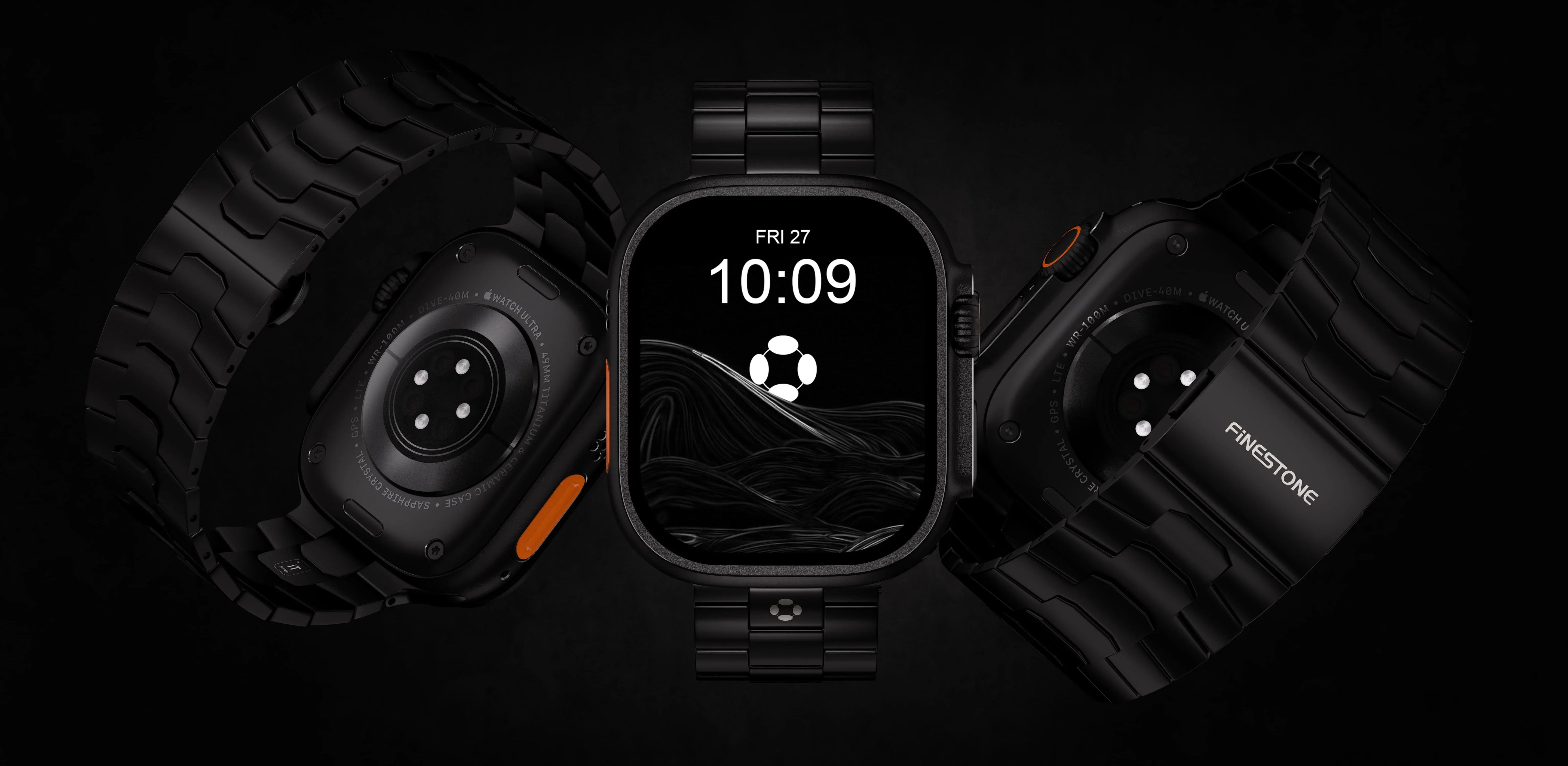
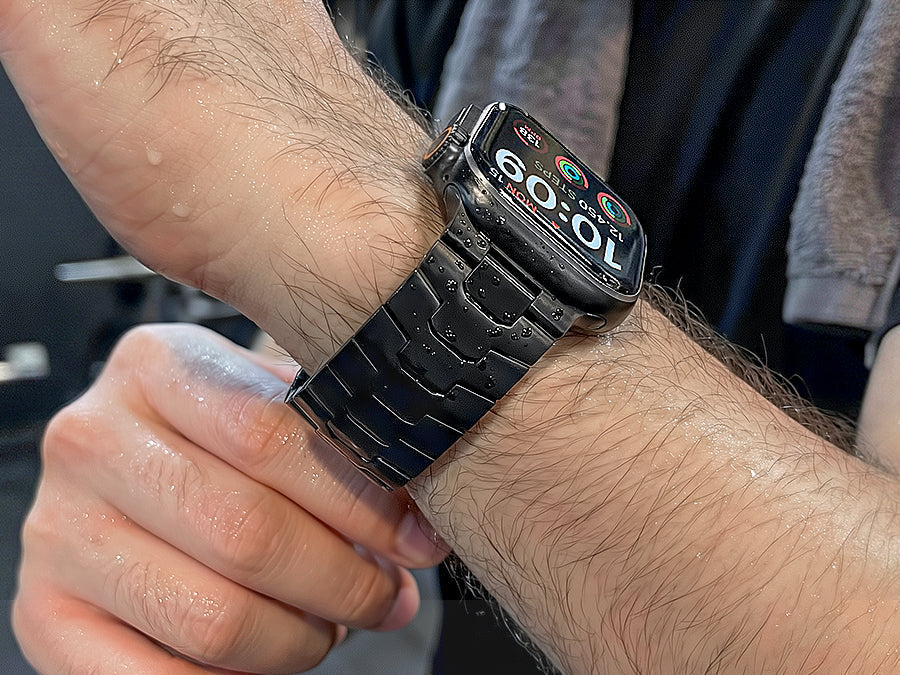
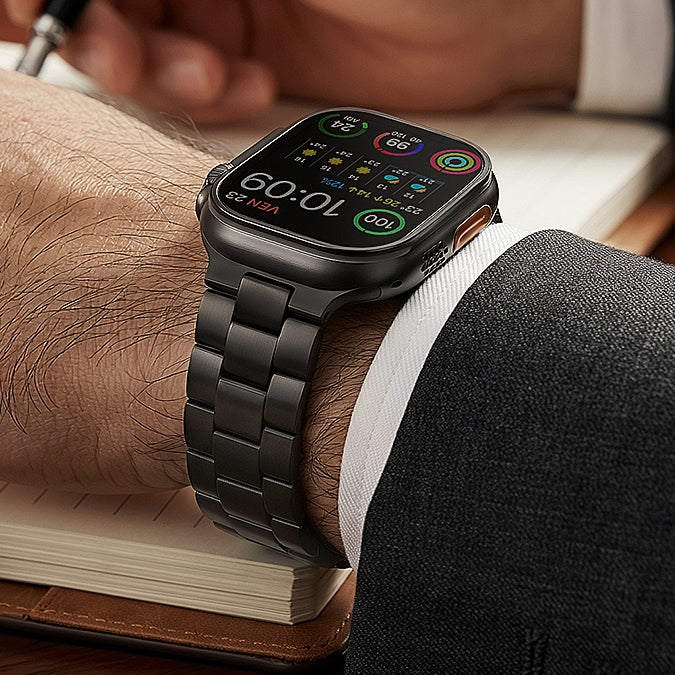
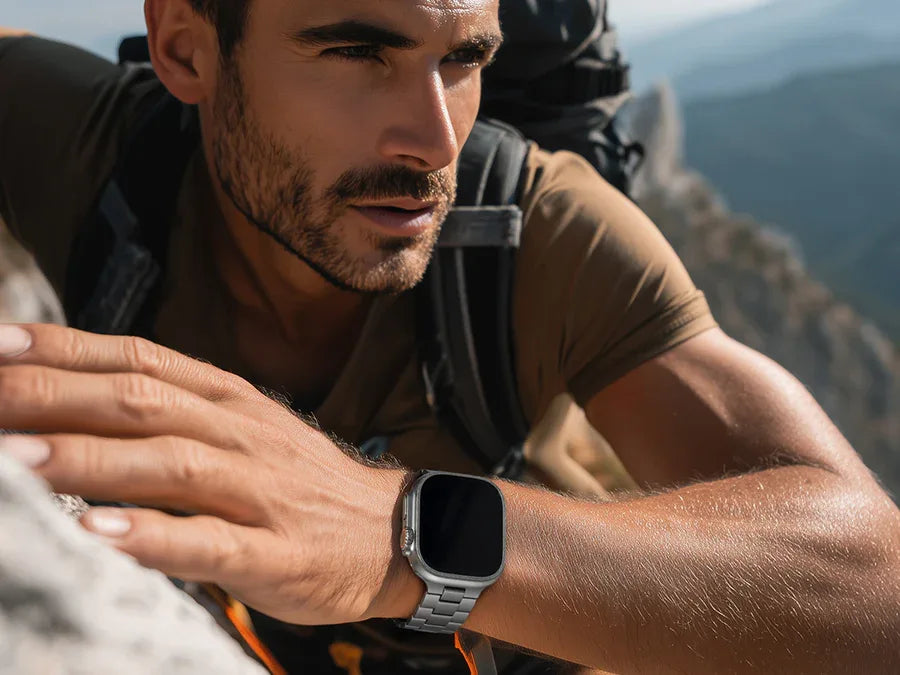
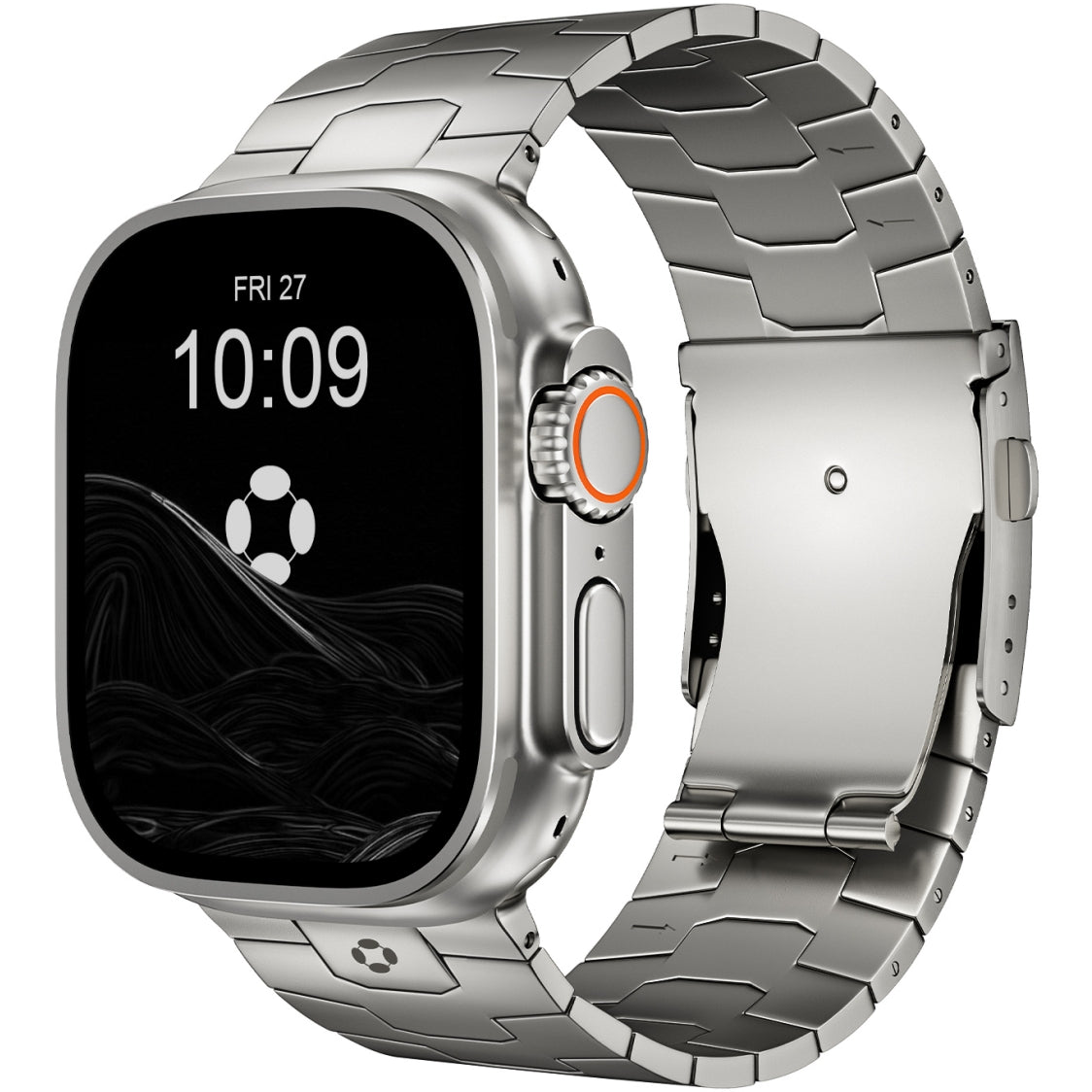
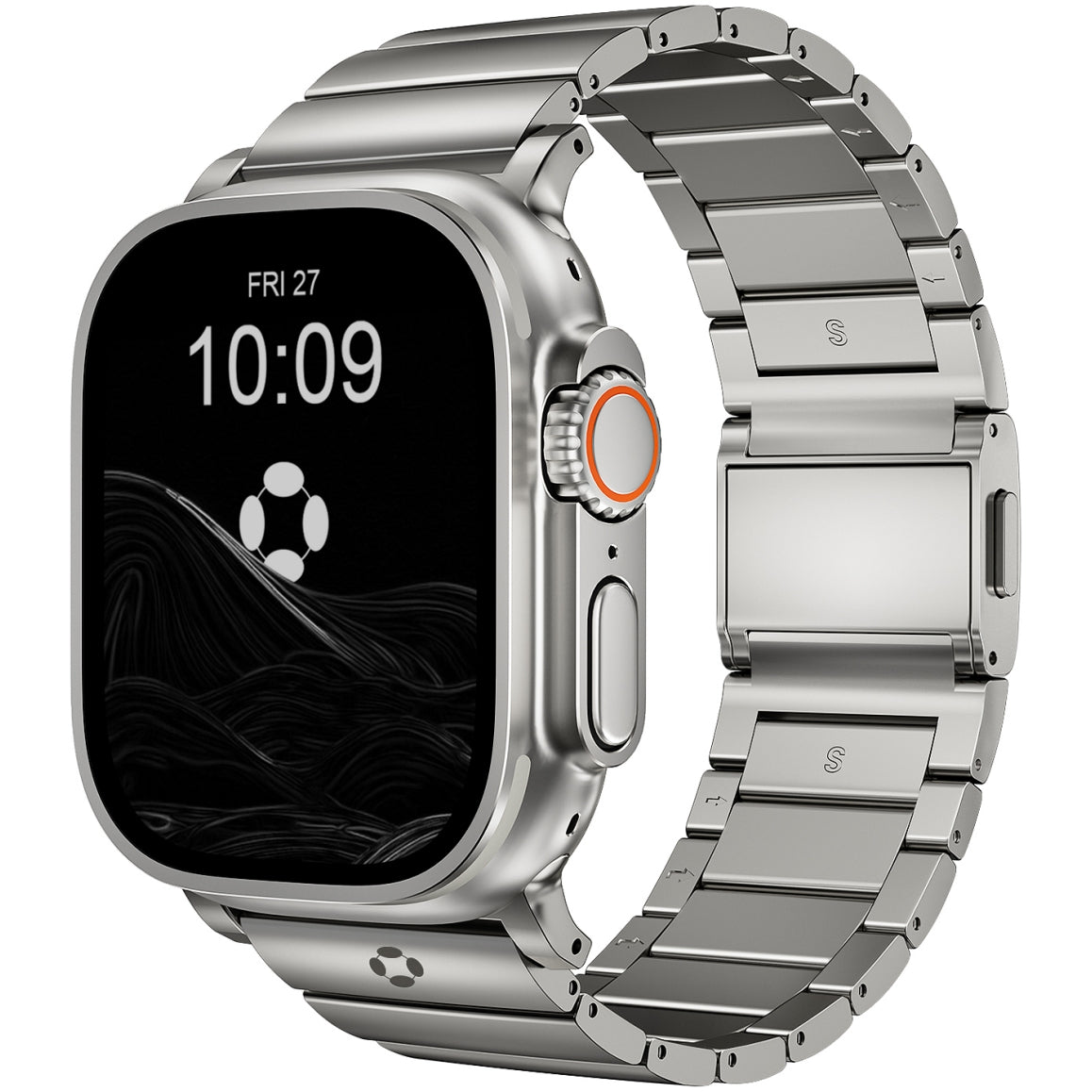
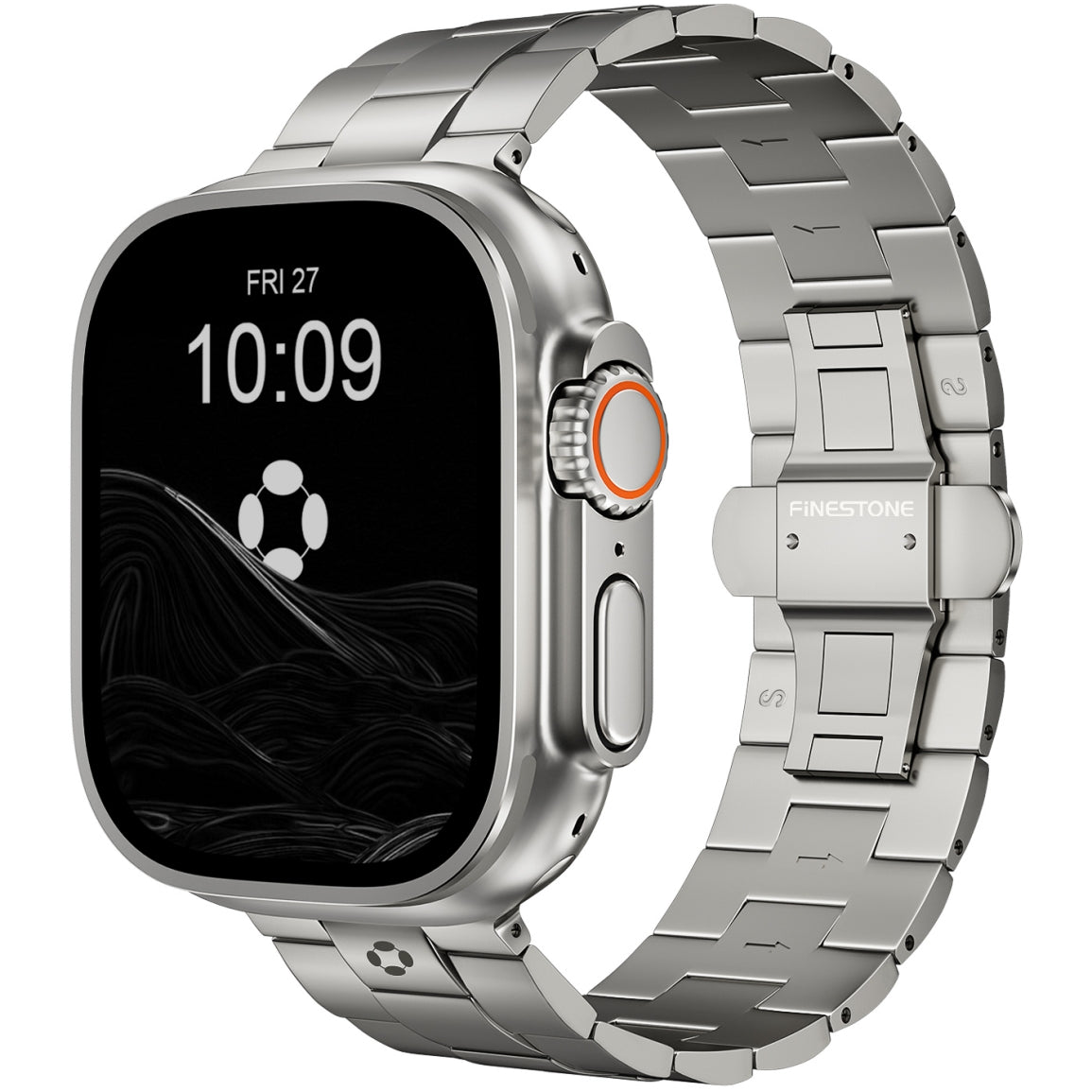
For example, the Finestone titanium Apple Watch band offers a refined metal aesthetic while remaining noticeably lighter than traditional steel bracelets, making it suitable for long working hours and everyday use.

Best for:
✔ Professionals
✔ Frequent travelers
✔ People wearing larger watch cases
✔ Those sensitive to heavy wrist accessories
🥈 Stainless Steel: Solid but Heavier
Stainless steel is durable and timeless — but it’s also heavier.
While some people enjoy the substantial “luxury weight” feel, others find it tiring over long periods, especially with larger watches.
Pros
✔ Durable
✔ Traditional look
✔ Polished appearance
Cons
✖ Heavier on the wrist
✖ Can feel cold in winter
Best suited for formal wear or shorter-duration use.
🥉 Leather: Balanced and Comfortable
Leather straps offer a medium-weight solution.
They’re light enough for comfort but substantial enough to feel secure. Over time, leather softens and molds to the wrist, improving wearability.
Best for:
✔ Office settings
✔ Casual-smart outfits
✔ Moderate daily wear
Not ideal for heavy sweating or extreme climates.
🏃 Silicone & Nylon: Ultra-Light Comfort
If comfort is your top priority, these materials excel.
Silicone
✔ Flexible
✔ Sweat-resistant
✔ Great for workouts
Nylon
✔ Extremely breathable
✔ Feather-light
✔ Adjustable fit
These are ideal for:
-
Active lifestyles
-
Long travel days
-
Hot weather
However, they may not deliver the same premium aesthetic as metal options.
🧠 Does Heavier Mean More Luxurious?
Some people associate weight with luxury — especially in traditional watches.
However, modern comfort trends are shifting. Many users now prefer lighter materials that maintain premium design without causing fatigue.
Luxury today is about:
-
Wearability
-
Balance
-
Practical elegance
Not just heaviness.
🕒 When Weight Matters Most
1️⃣ All-Day Wear
If you wear your watch 10+ hours daily, lighter materials significantly reduce strain.
2️⃣ Larger Watch Cases
Big watch faces amplify imbalance when paired with heavy bands.
3️⃣ Fitness Tracking or Sleep Tracking
Heavy metal bands are often uncomfortable for overnight wear.
4️⃣ Frequent Travel
Long flights and constant movement highlight the difference in wrist fatigue.
🎯 Finding the Right Weight for You
Ask yourself:
✔ Do I wear my watch all day?
✔ Do I prefer a barely-there feel?
✔ Does my watch case feel top-heavy?
✔ Do I notice wrist fatigue?
If you answered yes to most of these, a lighter band like titanium, nylon, or silicone may improve your experience.
If you prefer a solid, traditional feel, stainless steel might still suit you.