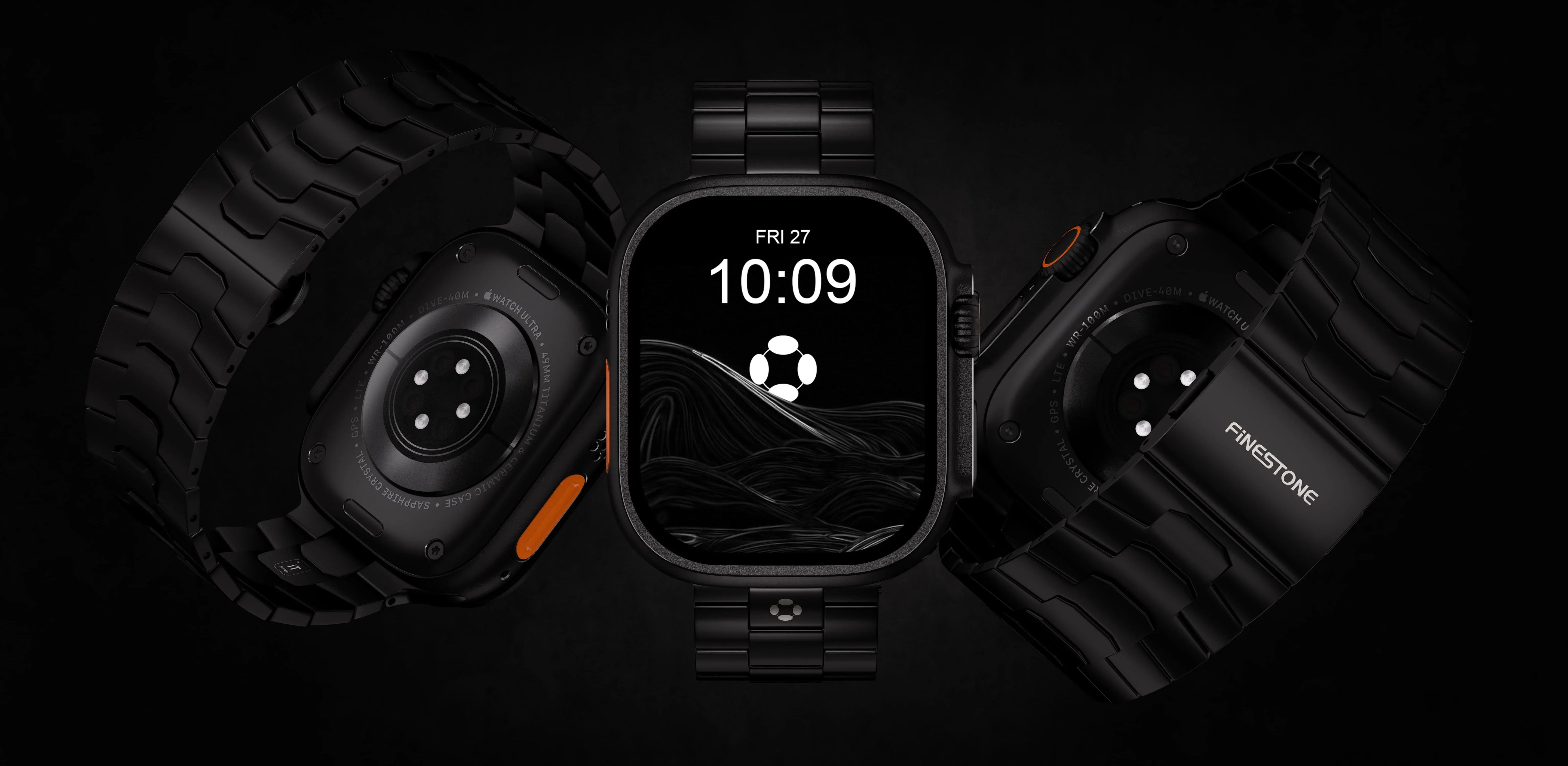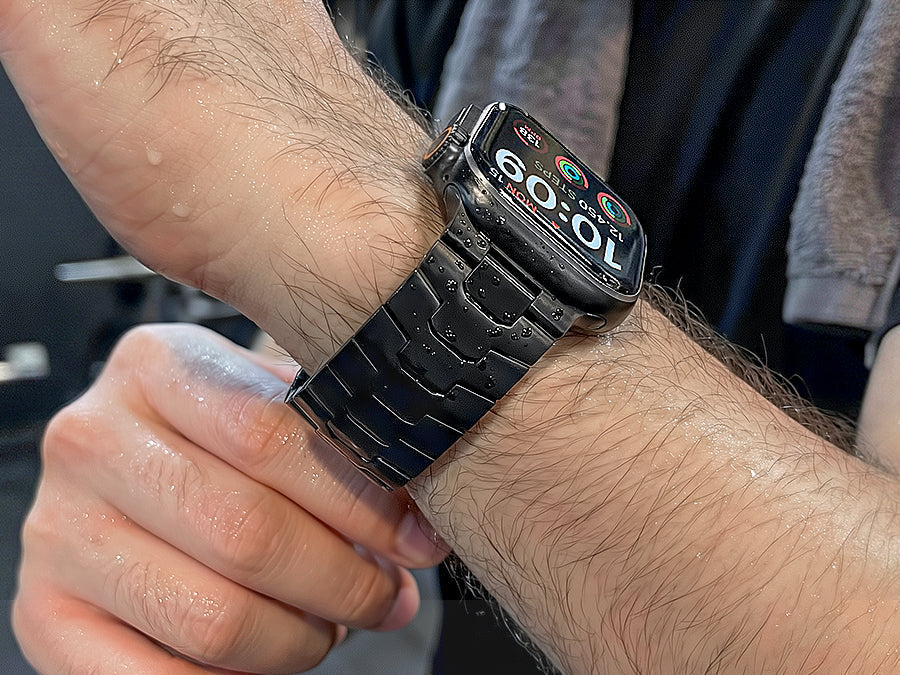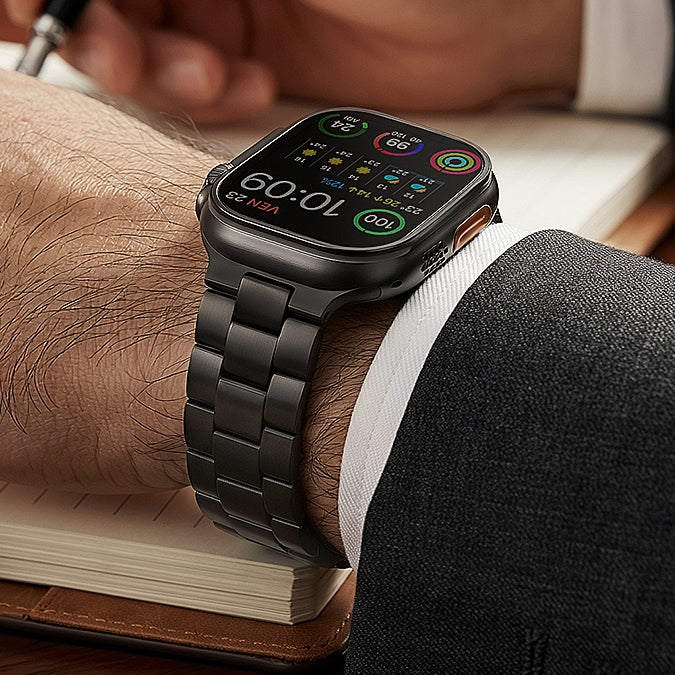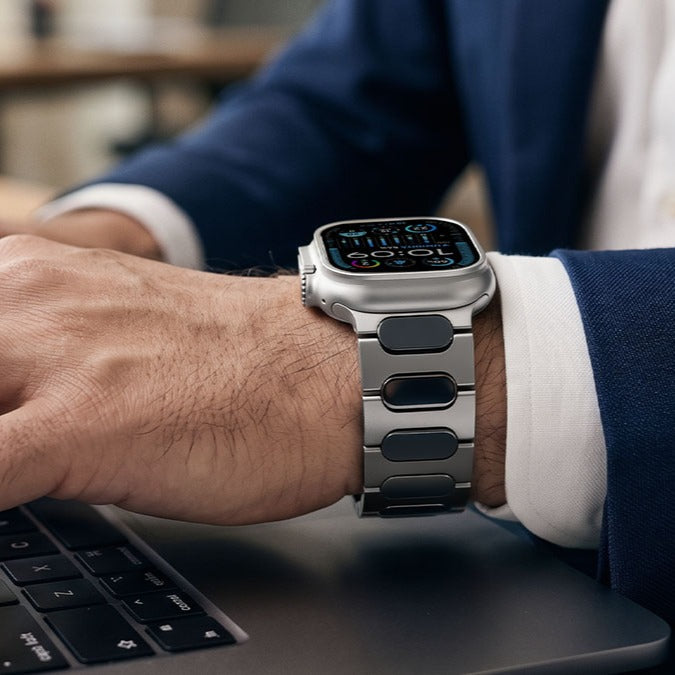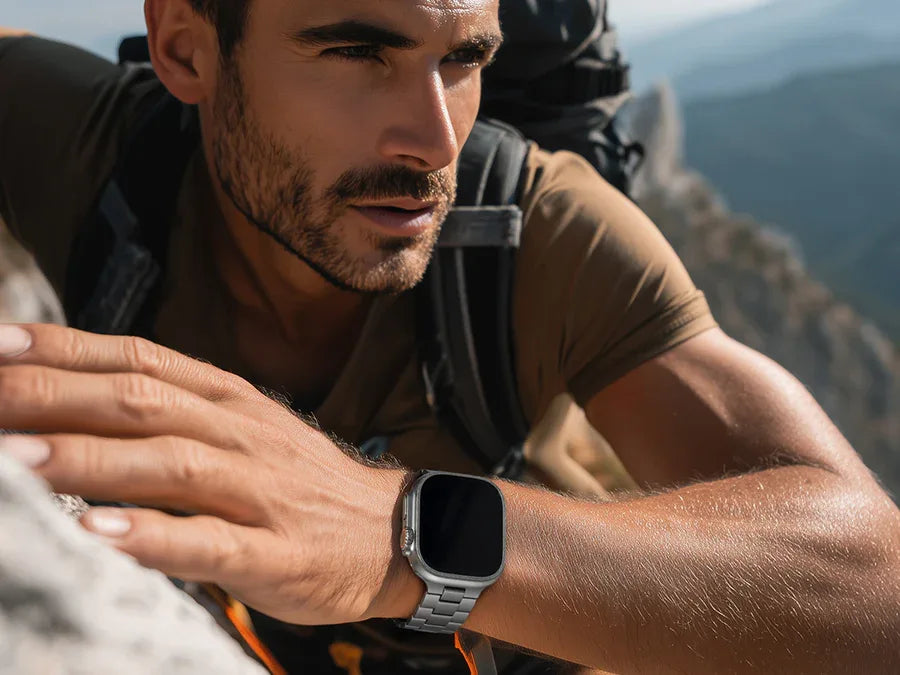

A solid metal watch band can feel premium, powerful, and substantial. But if you’ve ever removed your watch at the end of the day and felt wrist fatigue, pressure marks, or mild soreness — weight may be the reason.
So, are heavy watch bands actually bad for your wrist?
The short answer: Not necessarily — but they can be, depending on design, fit, and daily usage.
In this pillar guide, we’ll explore:
-
How weight affects wrist health
-
When heavy bands become a problem
-
Who should avoid them
-
Lightweight alternatives
-
How to find the right balance
How Watch Band Weight Impacts Your Wrist
Your wrist is a complex structure of:
-
Small bones
-
Tendons
-
Ligaments
-
Nerves
Unlike larger joints, it isn’t built to carry constant downward force.
When you wear a heavy watch band, especially combined with a large watch case, it creates:
-
Continuous pressure
-
Micro-movements throughout the day
-
Increased muscle engagement to stabilize
Over time, this can lead to fatigue.
When Heavy Watch Bands Become a Problem
1. All-Day Desk Work
If you work at a computer:
-
Your wrist rests on a desk
-
The watch presses into your hand
-
Weight amplifies discomfort
Heavier bracelets can cause pressure points when typing.
2. Small or Slim Wrists
If you have a smaller wrist circumference, heavy bands may:
-
Slide more easily
-
Require tighter adjustment
-
Create concentrated pressure
The tighter you fasten a heavy band, the more strain you create.
3. Large Watch + Heavy Band Combo
The real issue is often total weight.
A large stainless steel watch case paired with a thick steel bracelet can exceed 180–220 grams. That’s substantial for daily wear.
Signs Your Watch Band Is Too Heavy
-
Wrist soreness by evening
-
Red pressure marks
-
Numbness or tingling
-
Watch constantly sliding
-
Frequent need to adjust
If you notice these signs, weight may be contributing.
Are Heavy Bands Always Bad?
No.
Some people prefer the solid feel of a heavier bracelet.
Heavier bands can offer:
✔ Premium presence
✔ Balanced feel on larger wrists
✔ Reduced “top-heavy” tipping if matched correctly
The key is proper weight distribution.
Stainless Steel vs Titanium: A Major Difference
Stainless steel is strong but dense.
Titanium is also strong — yet significantly lighter.
Typical Weight Difference:
-
Stainless steel bracelet: Heavy
-
Titanium bracelet: ~30–40% lighter
That difference dramatically affects long-term comfort.
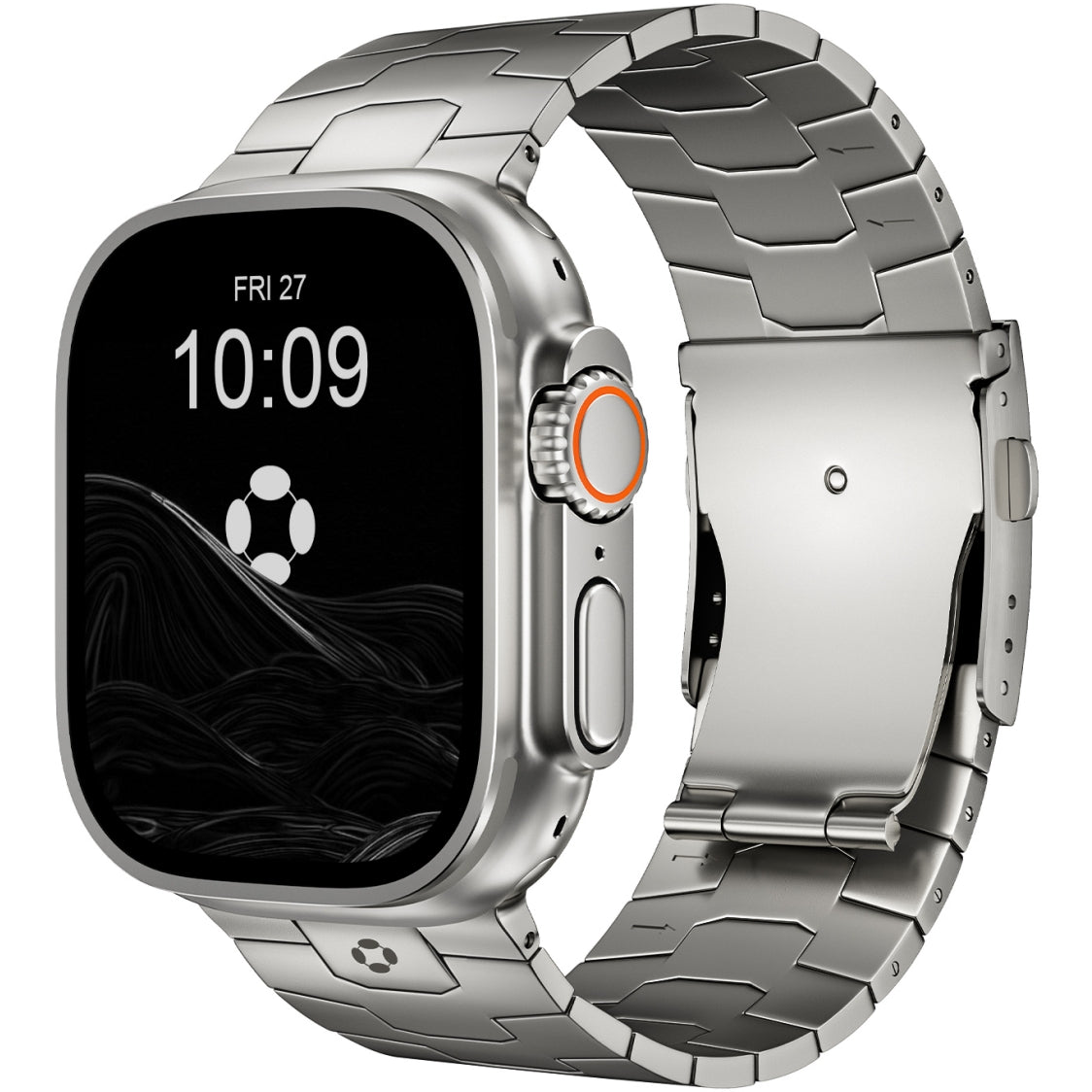
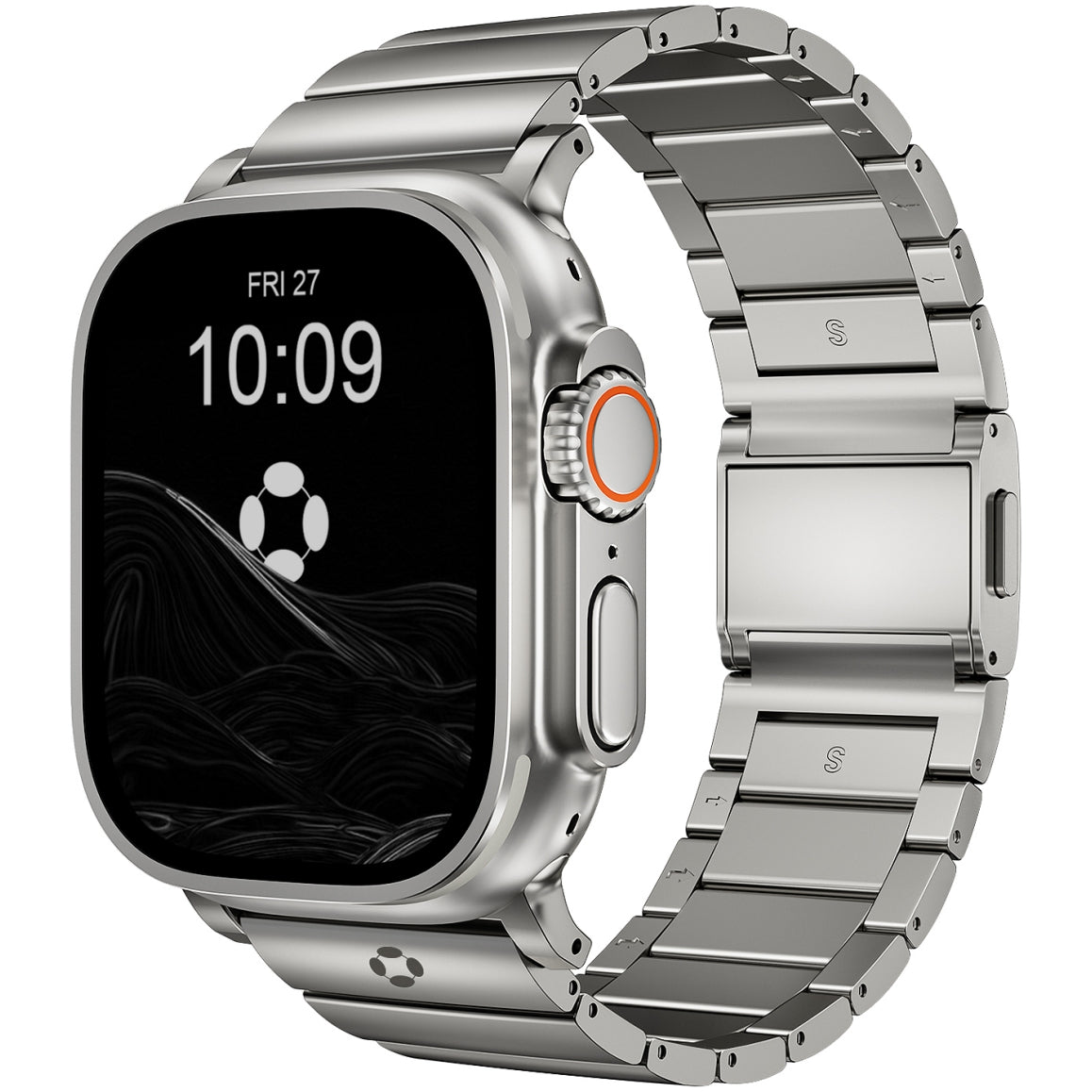
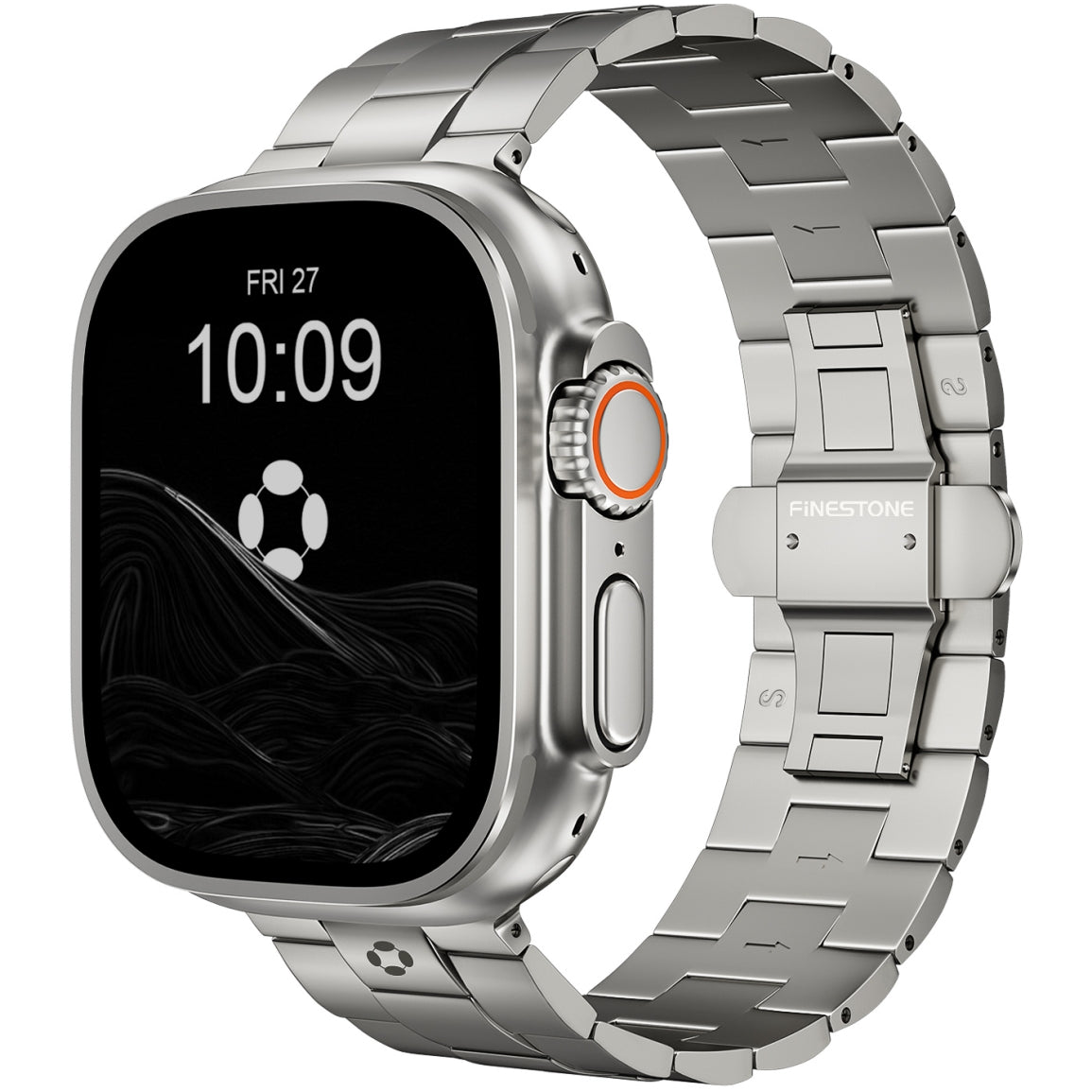
Premium titanium Apple Watch bands — such as those from finestone — are designed to maintain structural strength while reducing unnecessary wrist load, making them a better option for people sensitive to weight.
The Hidden Issue: Wrist Fatigue
Even if you don’t feel pain, heavier bands can cause subtle fatigue.
Your wrist muscles constantly work to stabilize weight during:
-
Walking
-
Gesturing
-
Typing
-
Exercising
Lighter materials reduce this constant strain.
What Actually Matters More Than Weight?
Weight alone isn’t the only factor.
1. Weight Distribution
A well-balanced bracelet distributes mass evenly around the wrist.
Poorly balanced bands create tipping.
2. Fit
A slightly loose heavy band is worse than a properly fitted lighter one.
Your strap should:
-
Sit snug but not tight
-
Allow slight movement
-
Avoid compressing nerves
3. Link Flexibility
Rigid links restrict natural wrist motion.
Flexible construction improves comfort even if the band is moderately heavy.
Who Should Avoid Heavy Watch Bands?
You may benefit from lighter bands if you:
-
Work long hours at a desk
-
Exercise frequently
-
Have smaller wrists
-
Experience wrist sensitivity
-
Have a history of joint discomfort
Best Lightweight Alternatives
Titanium
-
Strong yet lightweight
-
Corrosion-resistant
-
Professional appearance
Silicone
-
Extremely light
-
Flexible
-
Great for workouts
Nylon
-
Lightweight
-
Breathable
-
Casual style
Heavy vs Lightweight: Quick Comparison
| Factor | Heavy Band | Lightweight Band |
|---|---|---|
| Premium Feel | High | Moderate |
| Wrist Fatigue | Higher risk | Lower risk |
| Workout Comfort | Lower | Higher |
| Desk Comfort | Moderate to Low | High |
| Long-Term Wear | Can strain | Easier |
Can Heavy Bands Cause Long-Term Damage?
For most people, occasional use is not harmful.
However, prolonged daily strain combined with:
-
Tight wear
-
Repetitive motion
-
Poor ergonomics
can contribute to discomfort over time.
If pain persists, switching to a lighter strap is a simple, low-risk solution.