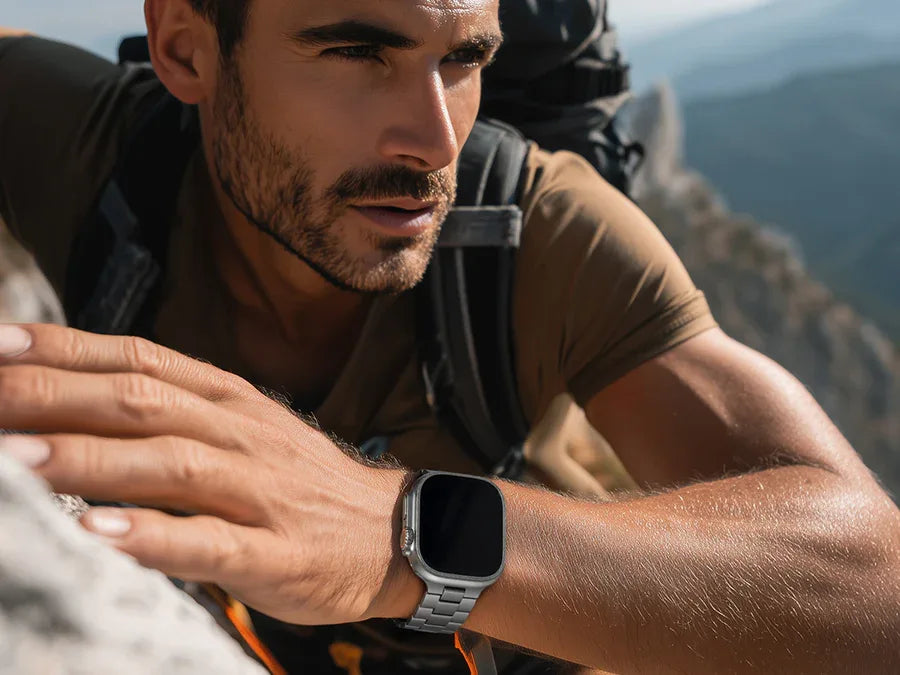

A watch band should do one simple thing exceptionally well: stay secure.
Whether you're typing, commuting, lifting groceries, exercising, or just moving through a busy day, the last thing you want is:
-
A loose strap sliding around
-
A clasp popping open
-
A band stretching out over time
-
Or worse — your watch falling off
In this pillar guide, we’ll break down:
-
Why some watch bands feel secure while others don’t
-
The most reliable clasp types
-
The best materials for daily movement
-
How fit affects stability
-
What to avoid
-
How to choose a strap that won’t fail you
Why Watch Bands Come Loose
Before choosing the right band, it helps to understand why they fail.
Common causes of instability:
-
Weak clasp mechanisms
-
Overstretched leather
-
Cheap spring bars
-
Poorly fitted links
-
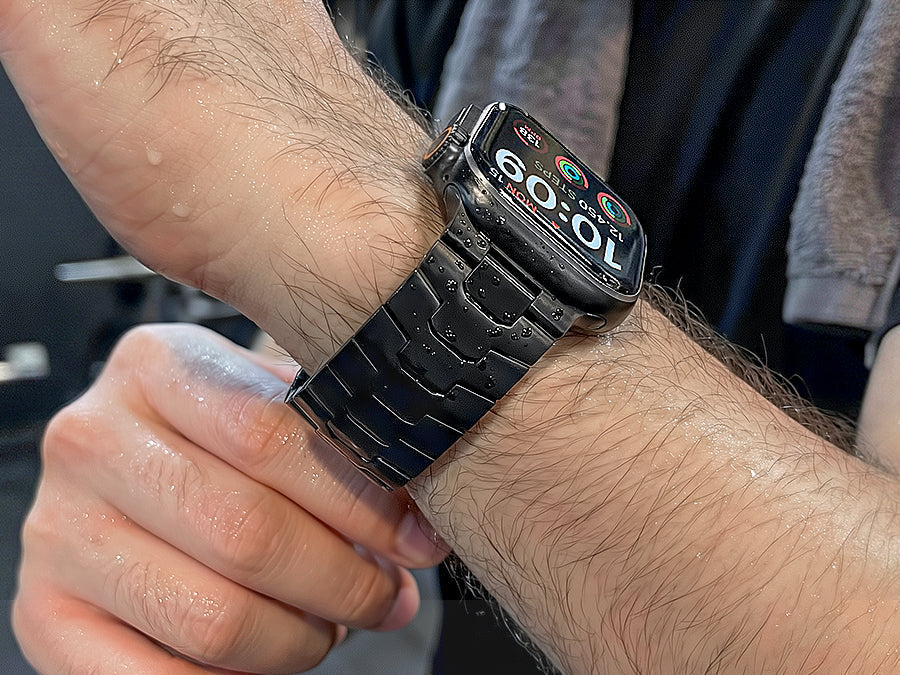
Sweat causing slippage
-
Overly heavy watch head
Security is a combination of material, design, and proper fit.
The Most Secure Watch Band Types
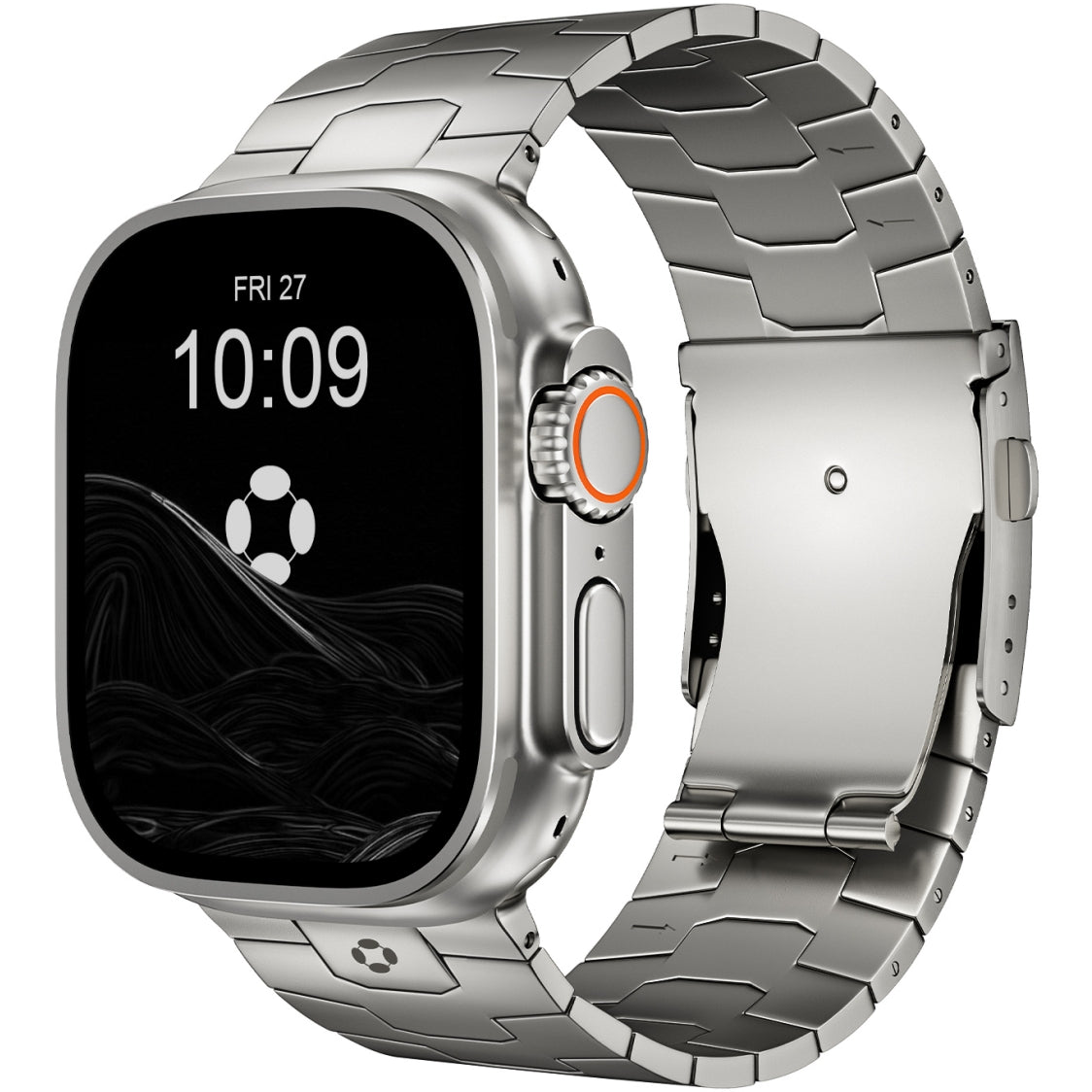
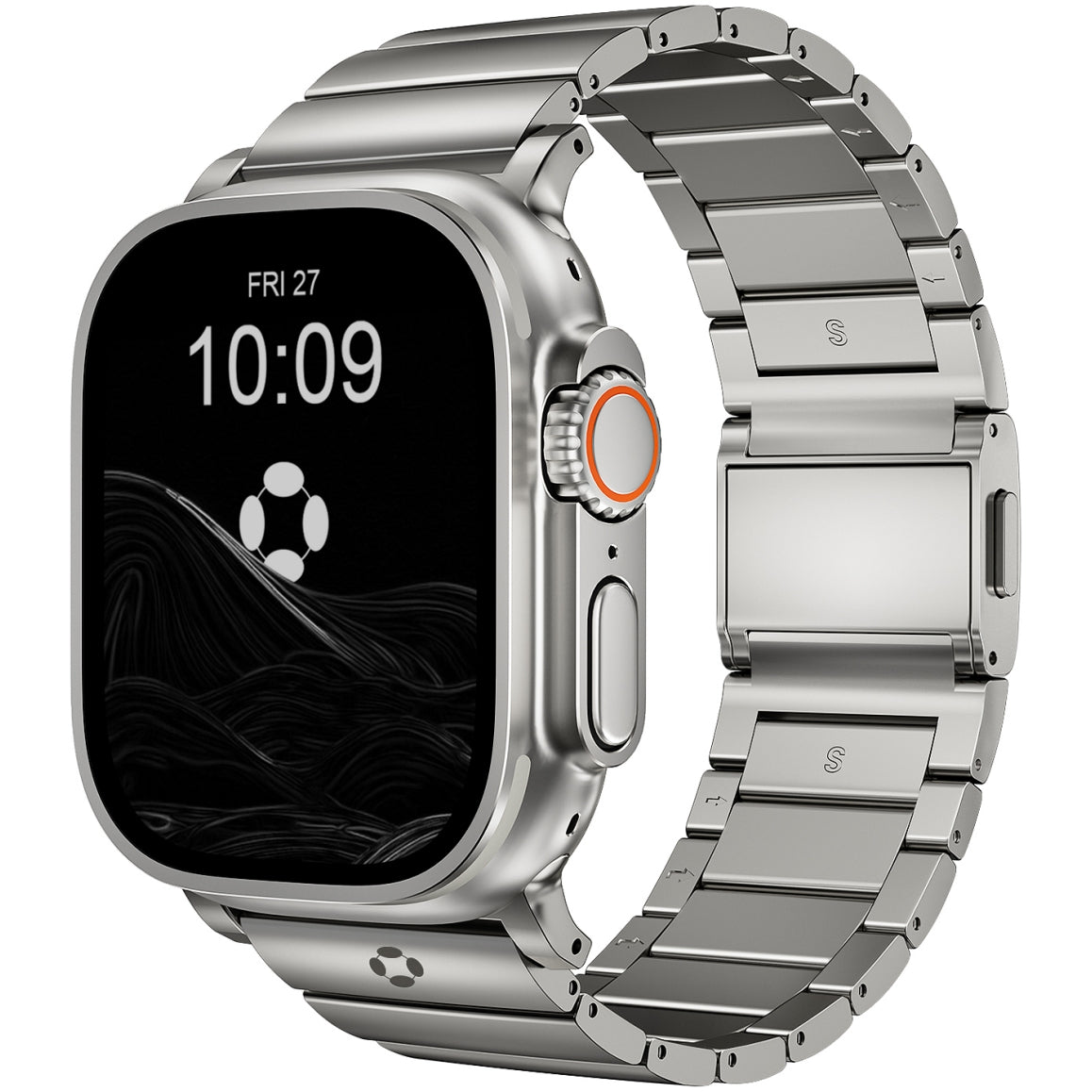
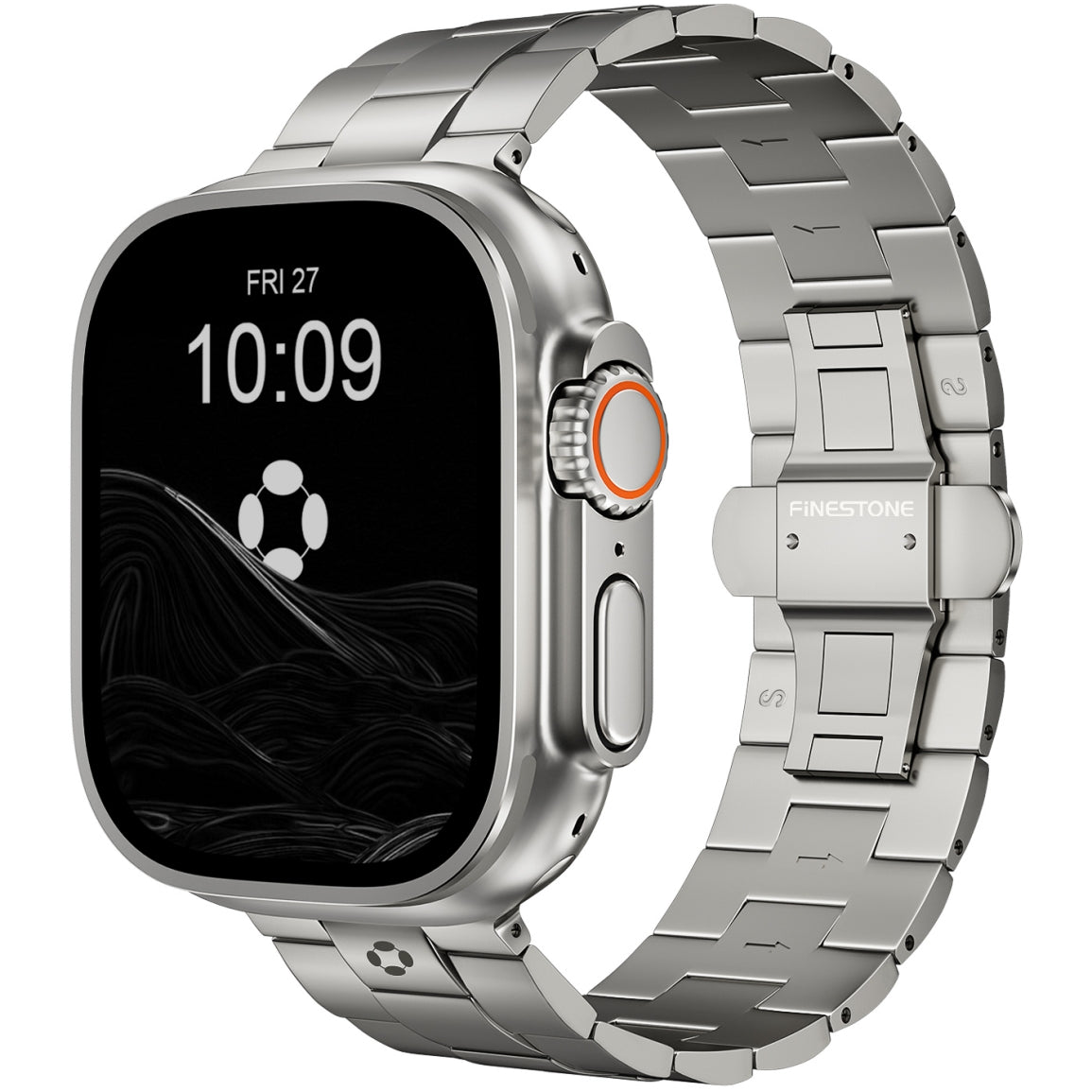
1. Titanium or Stainless Steel Bracelets with Folding Clasps
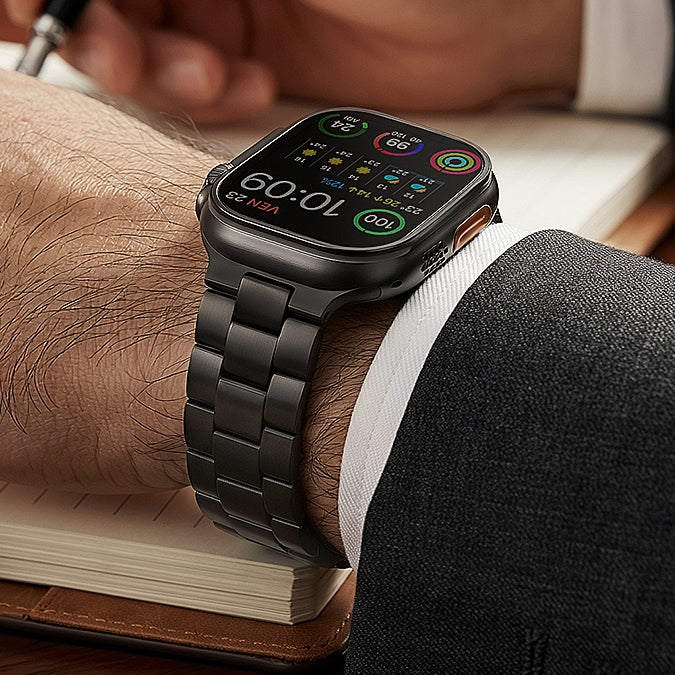
Metal bracelets with folding (deployant) clasps are among the most secure designs for everyday wear.
Why They Stay Secure:
-
Double-lock mechanisms
-
Solid link construction
-
Even weight distribution
-
Resistant to stretching
Titanium versions offer an advantage because they’re lighter than steel while maintaining strength.
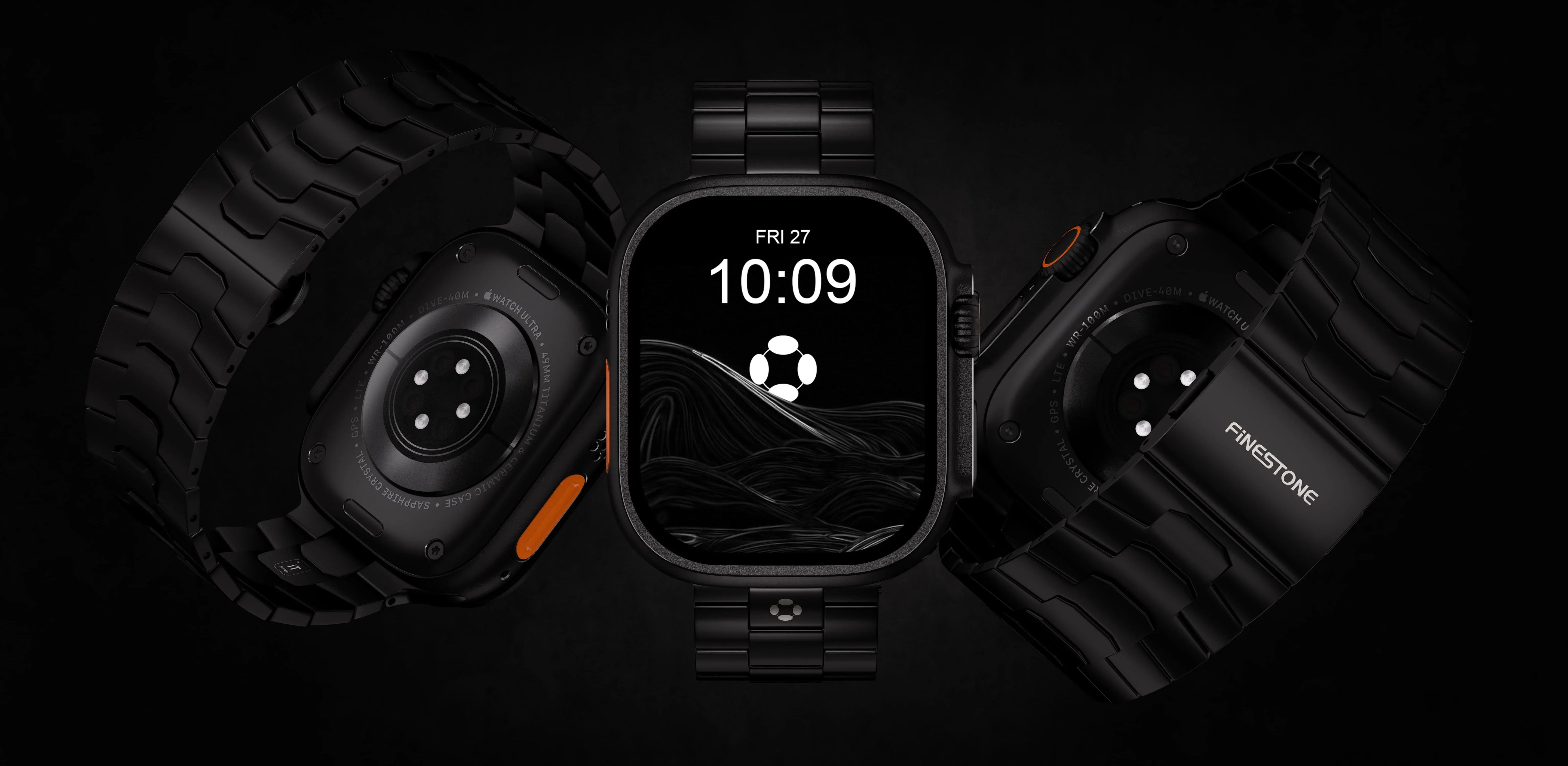
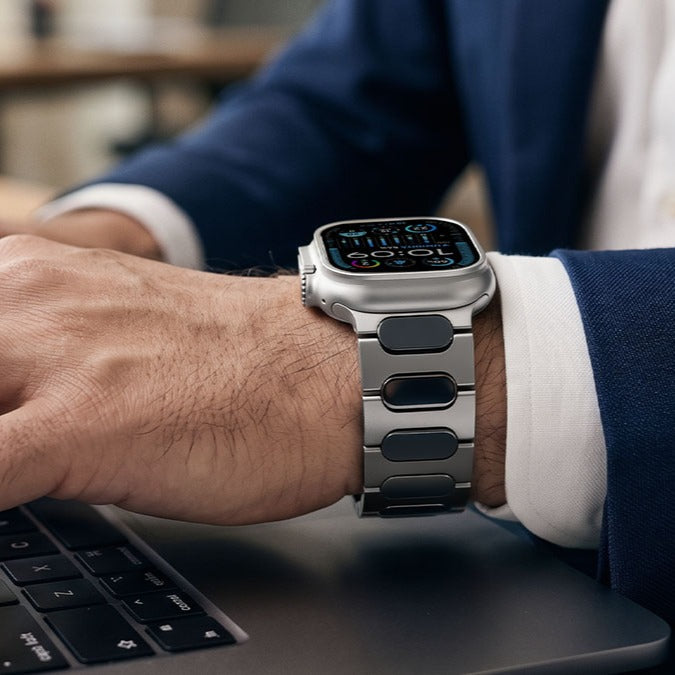
Premium titanium Apple Watch bands — such as those from finestone — are engineered with precision-machined links and secure clasp systems designed to minimize accidental release during daily movement.
Best For:
-
Office work
-
Commuting
-
Travel
-
Moderate activity
2. Silicone Straps with Pin-and-Tuck Closure
Sport-focused silicone straps often use pin-and-tuck designs.
Why They’re Reliable:
-
The pin locks into reinforced holes
-
The tail tucks underneath
-
No loose strap end
-
High resistance to sweat slippage
High-quality silicone maintains elasticity without stretching out quickly.
Best For:
-
Gym workouts
-
Running
-
High-movement environments
3. Nylon Straps with Strong Buckles
Nylon can be secure — if constructed properly.
Look for:
-
Reinforced stitching
-
Solid metal buckle
-
Tight weave construction
However, nylon can loosen slightly with heavy sweat if not adjusted correctly.
Features That Improve Security
1. Micro-Adjust Clasp Systems
Wrist size changes throughout the day due to:
-
Temperature
-
Activity level
-
Hydration
Micro-adjustments allow you to fine-tune fit without removing links.
A properly adjusted band is significantly more secure.
2. Lightweight Construction
Heavier bands create more downward pull.
Lighter materials (like titanium or silicone) reduce momentum during movement, improving stability.
3. Proper Link Tolerance
For metal bracelets:
-
Links should move smoothly
-
No rattling
-
No loose pins
Poorly fitted pins are a common failure point.
Materials Ranked by Daily Security
| Material | Security Level | Notes |
|---|---|---|
| Titanium Bracelet | Very High | Strong + lightweight |
| Stainless Steel Bracelet | High | Heavier but secure |
| Silicone | Very High | Excellent during activity |
| Nylon | Moderate to High | Depends on buckle quality |
| Leather | Moderate | Can stretch over time |
What Causes Bands to Fail Suddenly?
Most sudden failures happen due to:
-
Worn-out spring bars
-
Corroded pins
-
Cracked rubber near holes
-
Overstressed leather
Regular inspection prevents surprises.
How Tight Should a Secure Watch Band Be?
A secure band should:
✔ Stay in place during wrist rotation
✔ Allow slight movement
✔ Not restrict blood flow
✔ Avoid leaving deep marks
Too tight increases stress and may cause material fatigue.
Too loose increases impact force during movement.
Balance is key.
Everyday Activity Testing Checklist
Before committing to a strap, test it:
-
Rotate your wrist fully
-
Shake your arm gently
-
Simulate typing
-
Perform light jumping motion
If the watch shifts excessively, adjustment or a different design may be needed.
The Best All-Around Secure Option
For most people who want one strap that handles:
-
Office
-
Errands
-
Light workouts
-
Travel
A titanium bracelet with a reliable folding clasp provides an excellent combination of security, comfort, and durability.
If your day includes intense activity, a high-quality silicone strap may offer even greater grip and stability.